
Lampshades play a crucial role in home decor by shaping the ambiance of a room, diffusing light effectively, and complementing the overall design. While often overlooked, the right lampshade can enhance both functionality and aesthetics.
Choosing the right one requires considering size, shape, material, and style to ensure it fits seamlessly into your space. Here’s what to keep in mind when selecting lampshades.
Key Factors to Consider When Selecting Lampshades
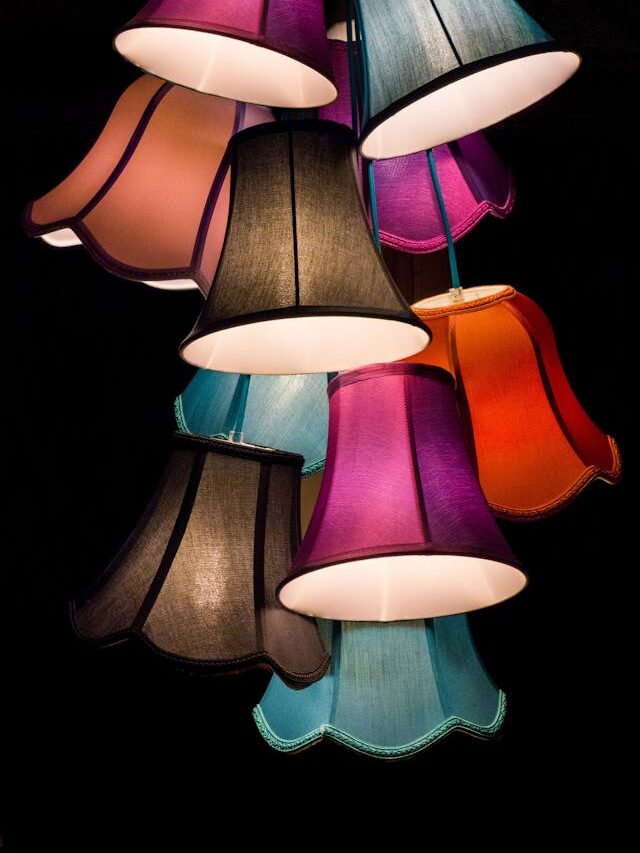
Matching Lampshade Size to the Lamp Base
The proportion of the lampshade to the lamp base is essential for balance. A lampshade that is too large can overpower the base, while one that is too small may look awkward. A general rule is that the height of the shade should be about two-thirds of the height of the base. Additionally, the width of the shade should be at least twice the widest part of the base to maintain a well-balanced look.
Choosing the Right Shape for Your Lamp

Lampshades come in various shapes, each affecting the overall appearance of the lamp. Some of the most common shapes include:
- Empire: A classic design with a wide bottom and narrower top, ideal for traditional and contemporary settings.
- Drum: A cylindrical shape that offers a modern and sleek look, suitable for table and floor lamps.
- Bell: A curved, flared design that works well with ornate or vintage-style bases.
- Coolie: A dramatic, wide-bottom shade that directs light downward, making it a great choice for reading lamps.
- Square or Rectangular: A modern alternative to traditional round shades, perfect for angular lamp bases.
Matching the shade shape to the base’s silhouette ensures a cohesive design.
Selecting the Right Material for Light Diffusion
The material of a lampshade determines how light is diffused and affects the room’s atmosphere. Some popular material choices include:
- Fabric Shades: Cotton, linen, and silk shades provide a soft glow and add warmth to a space. Lighter fabrics allow more light to pass through, while darker fabrics create a moody ambiance.
- Paper Shades: Affordable and minimalist, paper shades diffuse light evenly, making them ideal for soft, ambient lighting.
- Glass Shades: Clear or frosted glass shades add elegance and offer focused or diffused lighting, depending on the finish.
- Metal Shades: Typically used in industrial or task lighting, metal shades direct light downward for focused illumination.
Consider how much light you want in the room when selecting a material.
Choosing Colors and Patterns That Complement Your Space
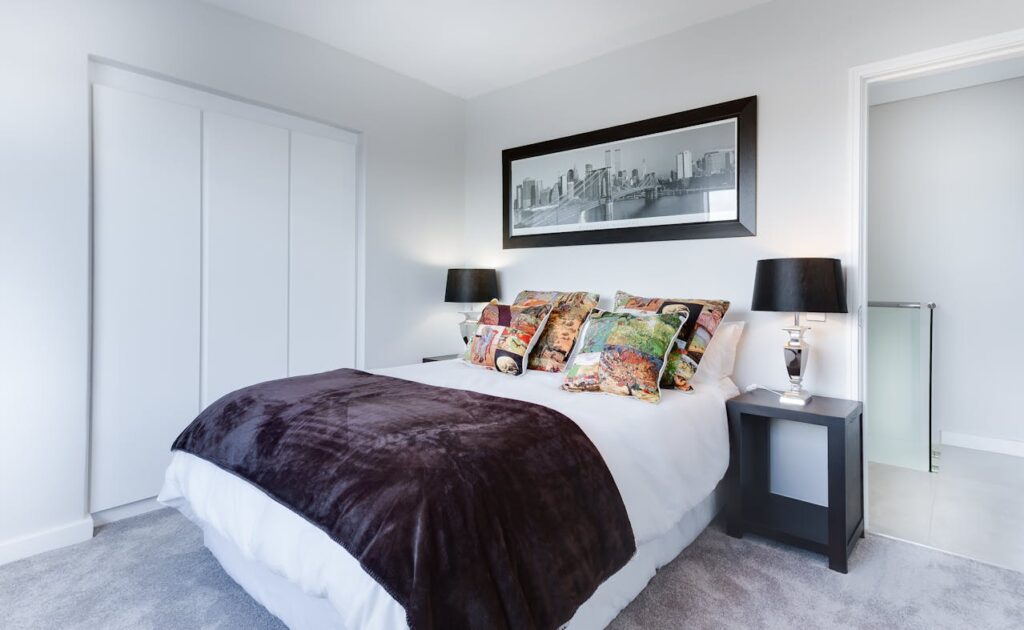
Lampshades are an easy way to introduce color and personality into a room. Neutral tones like white, beige, and gray blend seamlessly into various decor styles, while bold hues or patterns can act as accent pieces. If your decor is minimal, a textured or printed lampshade can add visual interest without overwhelming the space.
Considering Light Direction and Functionality
Different lampshade styles affect how light is distributed:
- Opaque Shades: Block most light and direct it downward or upward, making them ideal for accent lighting.
- Translucent Shades: Allow light to pass through, creating a warm glow and illuminating the room more evenly.
- Tapered Shades: Direct more light downward, perfect for reading or task lighting.
- Drum Shades: Distribute light evenly in all directions, making them suitable for general lighting.
Decide on the primary function of the lamp before choosing the shade.
Coordinating with Your Existing Decor
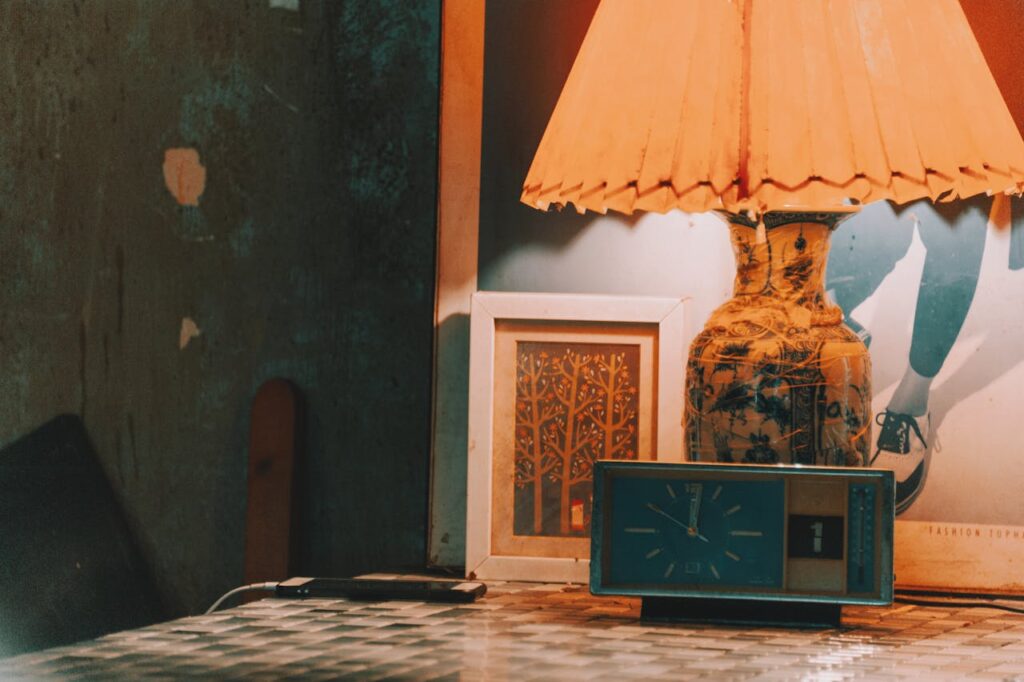
Lampshades should complement other design elements in the room. Consider matching the shade’s material or color with other textiles, such as curtains, rugs, or furniture upholstery. If your decor leans toward modern minimalism, opt for clean lines and neutral shades, while a vintage-inspired space may benefit from pleated or patterned shades.
Ensuring Proper Fit for Harp, Finial, or Clip-On Attachment
Lampshades attach to lamp bases in different ways. Some require a harp and finial to secure them in place, while others are clip-on styles that attach directly to the bulb. Make sure the attachment type matches your lamp base to avoid compatibility issues.
Final Thoughts
Selecting the right lampshade is about balancing form and function. By considering size, shape, material, color, and attachment type, you can find a shade that enhances both the lighting and overall aesthetic of your space. Thoughtful choices ensure that your lampshades contribute to a cohesive, well-designed home.