
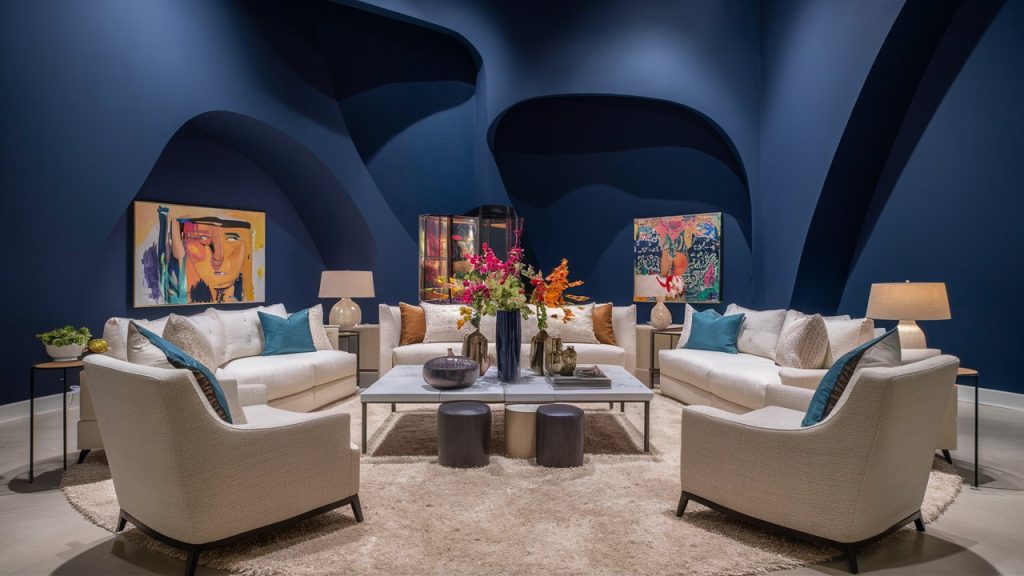
A well-designed living room feels both calm and dynamic—a space where everything has its place without feeling stiff or overly styled. The secret? Balance and focus. From layout to lighting, these ten living rooms masterfully combine symmetry, contrast, and focal points to create spaces that feel cohesive, inviting, and intentional.
1. Symmetry with a Twist
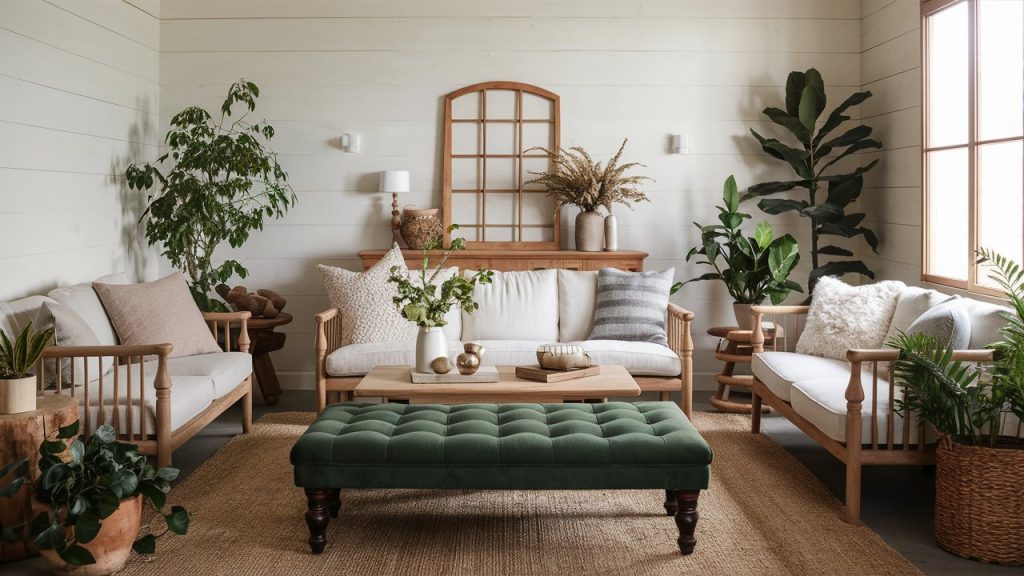
This living room achieves a sense of balance through symmetrical furniture placement while introducing visual intrigue with a mix of textures and art. Matching sofas on either side of a central coffee table provide structure, but the space avoids feeling too rigid thanks to asymmetrical details like varied pillows, sculptural vases, and layered artwork. The result is a layout that feels both grounded and expressive. This approach works well in many homes, offering a harmonious flow without sacrificing creativity or personality.
2. Statement Lighting as a Focal Point
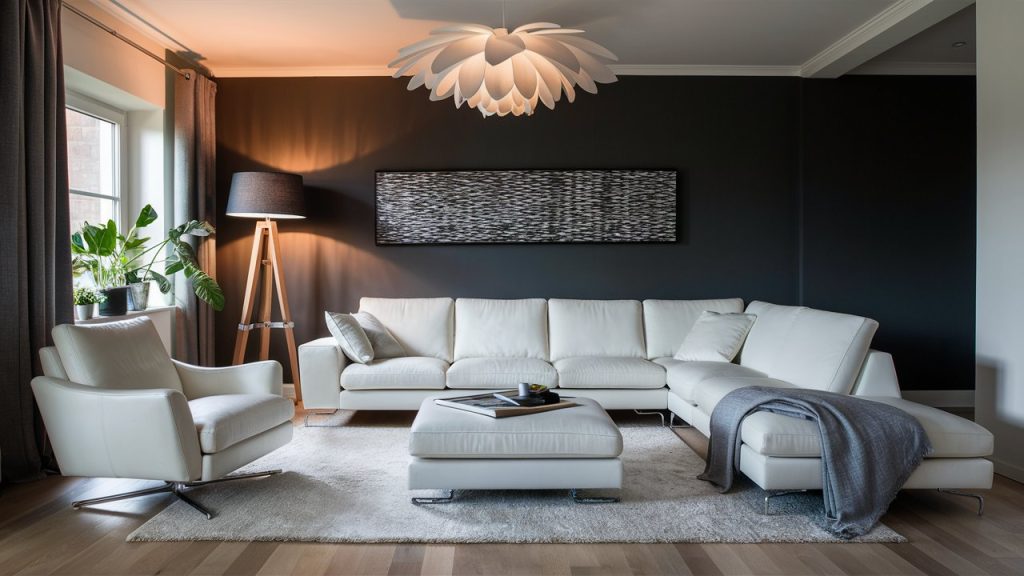
A dramatic chandelier or sculptural pendant light draws the eye upward, instantly creating a natural focal point that anchors the space. When paired with neutral, understated furnishings, the light fixture becomes the star of the room without feeling overwhelming. This design move works particularly well in spaces with high ceilings or minimal wall decor. To enhance the effect, use dimmers for flexibility, and consider symmetry or placement to ensure the fixture adds both visual interest and practical illumination.
3. Balanced Color Blocking
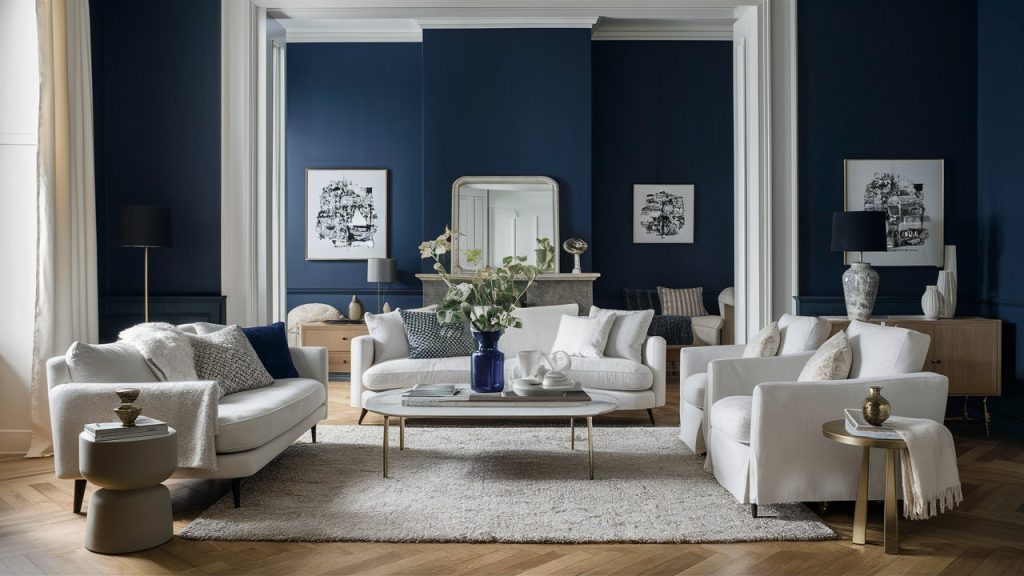
This living room masterfully balances bold color with a calming atmosphere. A deep navy accent wall sets the tone, while neutral-toned furniture and a light area rug soften the overall look. Pops of color in the artwork and decor echo the navy, creating a sense of cohesion without overwhelming the space. Each element is thoughtfully placed to guide the eye naturally. This technique is perfect for anyone wanting to add personality through color while maintaining a relaxed, harmonious feel throughout the room.
4. Furniture That Frames the View
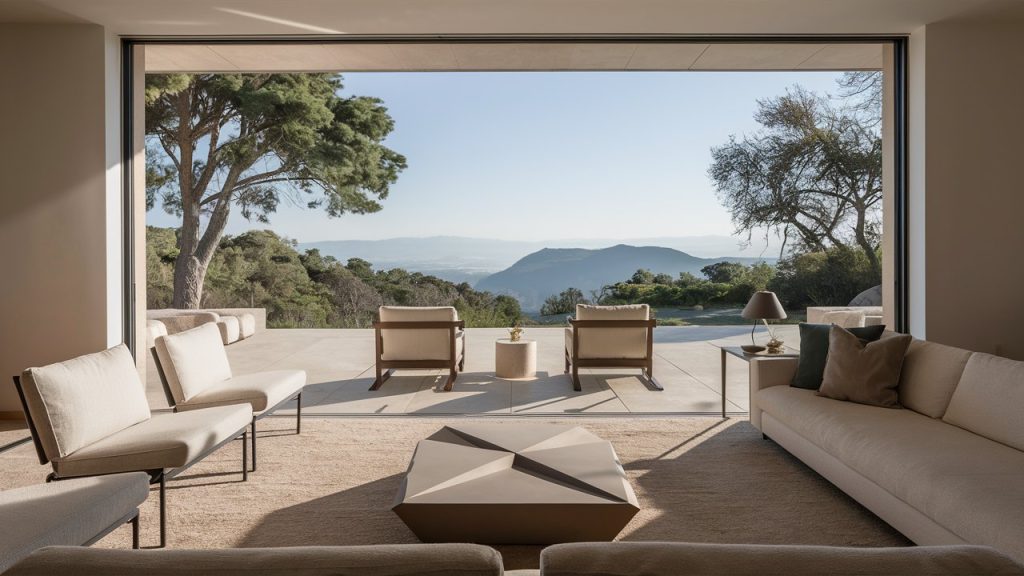
Instead of positioning the TV as the main attraction, this living room shifts focus to a breathtaking window view. The arrangement uses low-profile seating and a slim coffee table to preserve sightlines and let natural beauty take center stage. Minimalist decor choices, like muted tones and uncluttered surfaces, support the serene aesthetic. This layout proves that balance can come from embracing the outdoors, making it a smart design move for homes with striking landscapes or light-filled spaces.
5. Texture as a Unifying Force
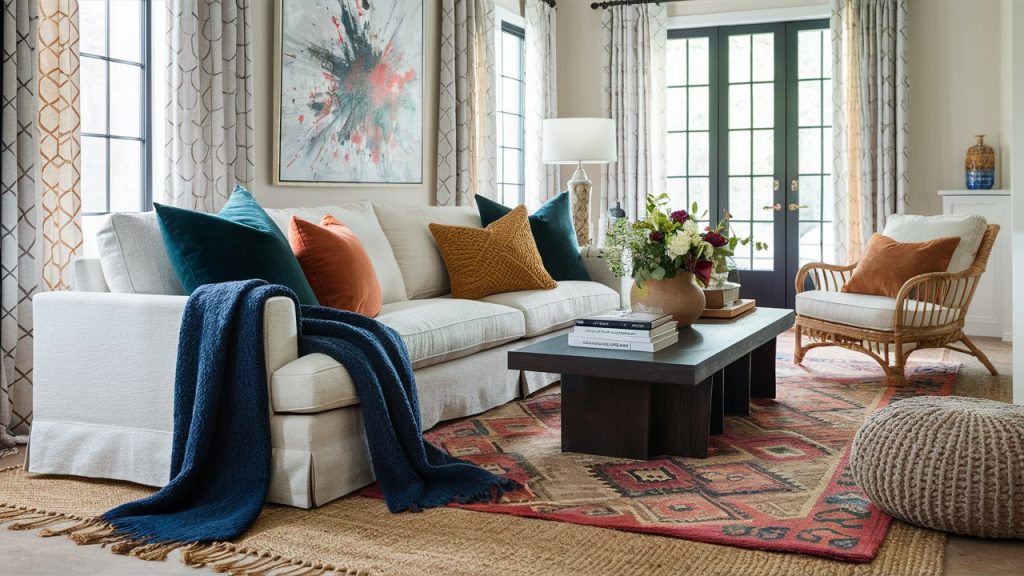
Different textures—linen, leather, wood, and wool—create depth and cohesion in this space. The combination of soft and hard surfaces brings balance, ensuring the room feels curated rather than chaotic. Each element has a purpose, contributing to a warm and welcoming atmosphere. Even with eclectic pieces, a consistent tone and quality across materials keeps the design cohesive. It’s a practical strategy for anyone wanting a rich, inviting space without relying on bold patterns or colors.
6. Art That Anchors the Room
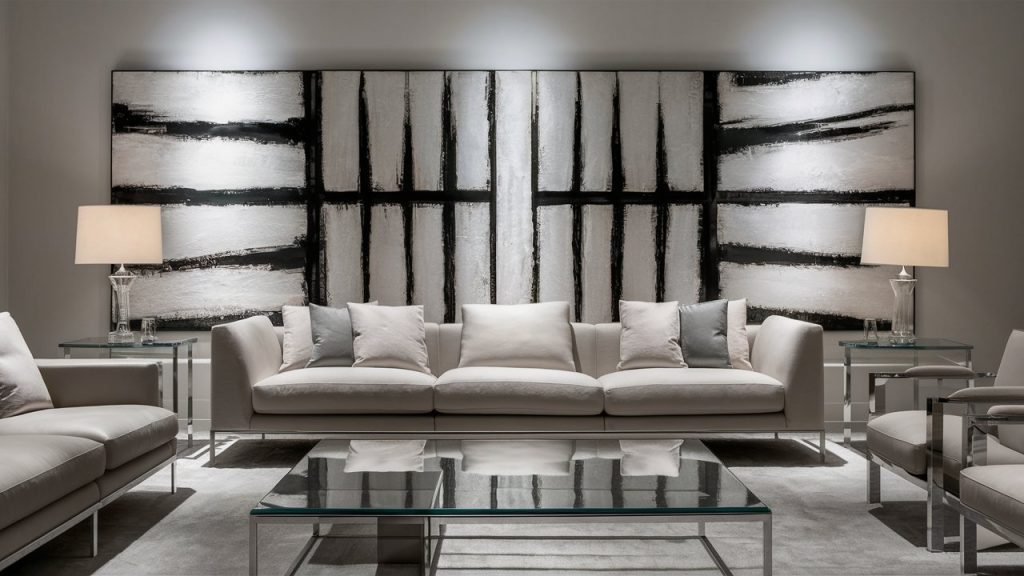
A single oversized piece of art above the sofa adds clarity and purpose to this space. Its colors subtly echo the palette of the room, tying everything together in a cohesive and stylish way. The rest of the decor remains minimal, allowing the artwork to command attention without competition. This technique is perfect for creating a focal point that feels intentional and high-impact. It’s a smart, low-effort way to add personality while keeping the space open and visually organized.
7. Soft Neutrals with Bold Contrast
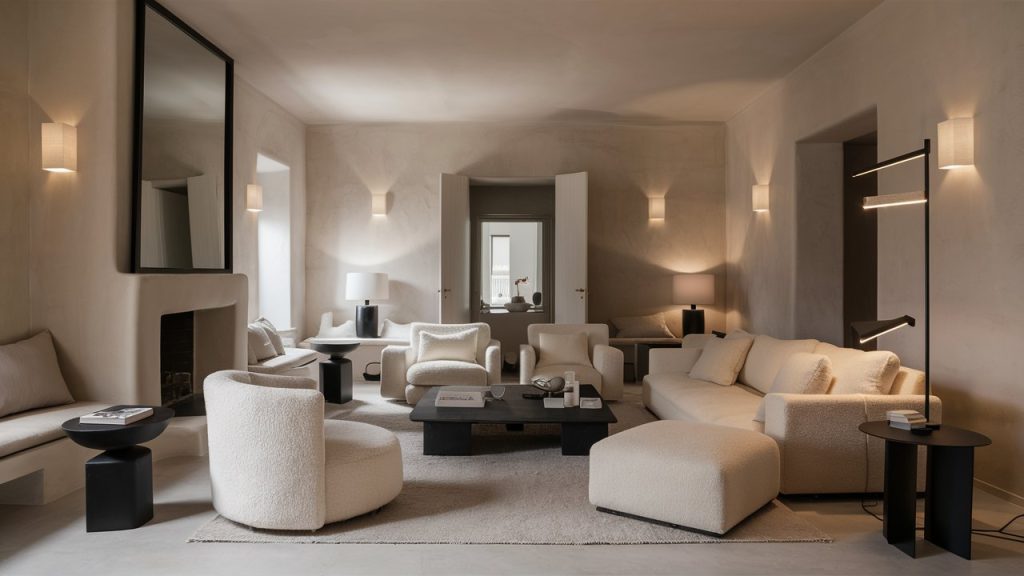
This room uses warm whites and soft grays as a calming canvas, then punctuates the space with bold black accents—think fireplace frames, minimalist lighting, or slim side tables. The contrast adds just enough drama to keep the design engaging without disrupting the overall tranquility. This strategy balances modern edge with timeless appeal, allowing neutral lovers to explore contrast in a subtle, controlled way. It’s especially effective for those craving sophistication without clutter or chaos.
8. Layered Lighting for Focus
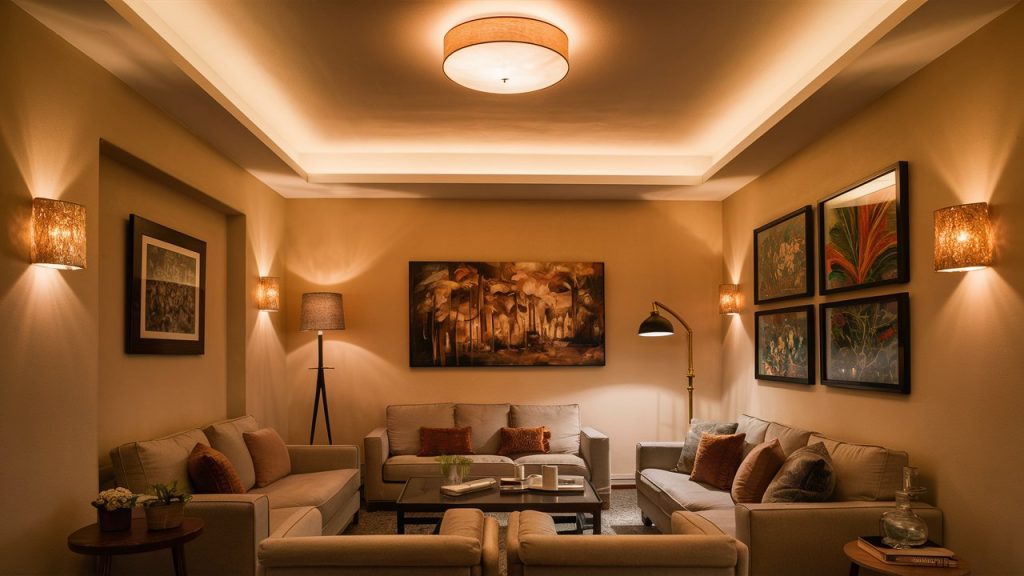
Instead of depending on one overhead light, try to layer different lighting types—pendant lights, sconces, and floor lamps—to create depth and flexibility. Each light should serve a purpose, from spotlighting art to brightening a cozy reading nook. This multi-source approach adds dimension, guides the eye across the room, and sets a comfortable ambiance. It’s an easy way to boost both style and function, making the space more inviting no matter the time of day.
9. Greenery as a Design Element
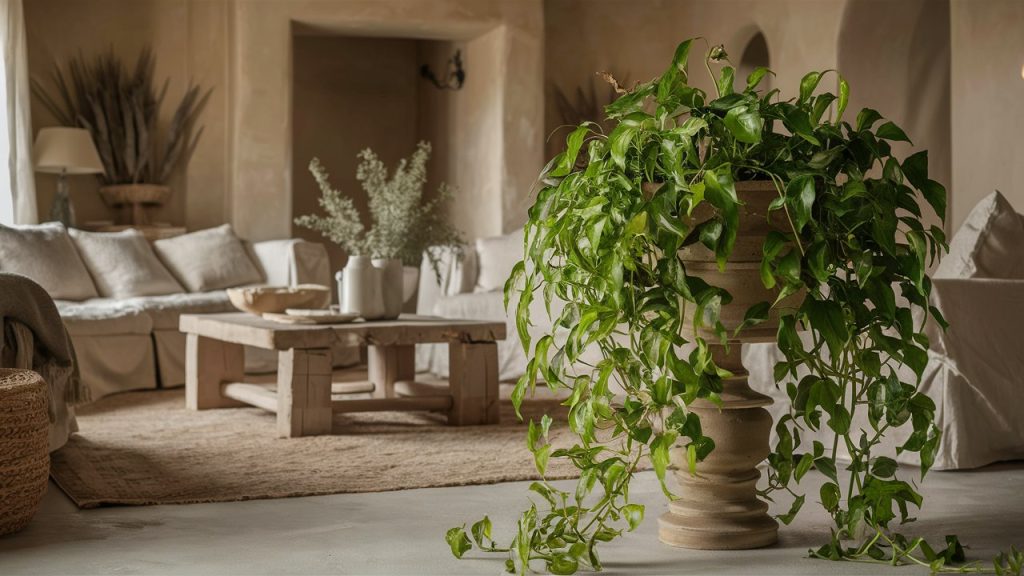
Plants add more than just greenery—they introduce height, texture, and a living focal point that softens hard lines and neutral palettes. In this room, a large trailing pothos brings life to an otherwise subdued space, adding movement and color without overwhelming the design. It’s an affordable and flexible option to enhance visual balance and connect the indoors with nature. Plus, the wellness benefits like air purification and a calming vibe make it a win all around.
10. Smart Use of Negative Space
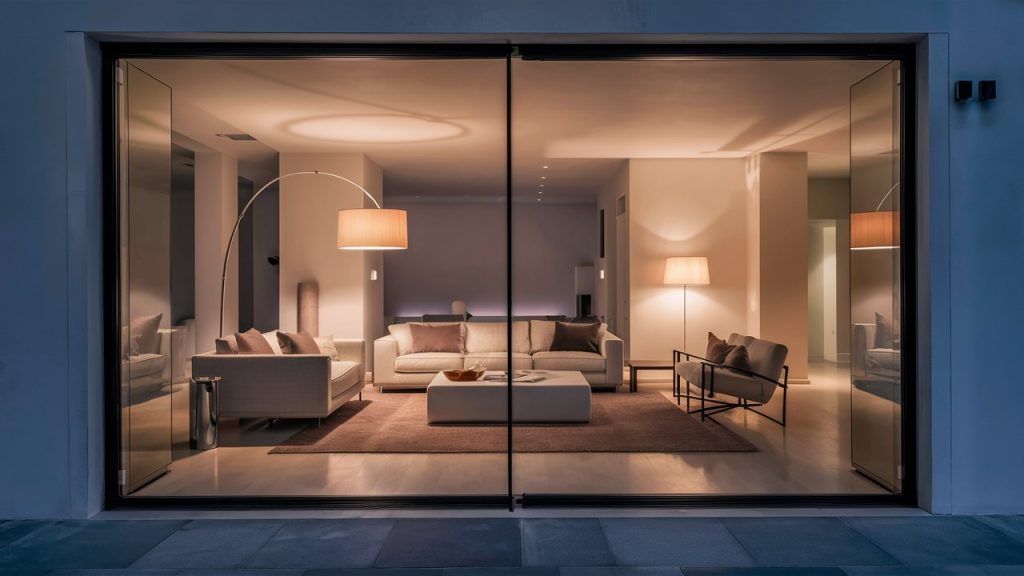
This design emphasizes that what you don’t add is just as important as what you do. By leaving open floor space, using a restrained color palette, and carefully selecting furnishings, the room is allowed to breathe. Instead of overcrowding the space, key elements are given room to shine. The result is a living room that feels expansive, tranquil, and focused—demonstrating that true balance often comes from a mindful approach of restraint, allowing each piece to stand out without competing for attention.
This article was created with the assistance of AI but thoroughly edited by a human being.