
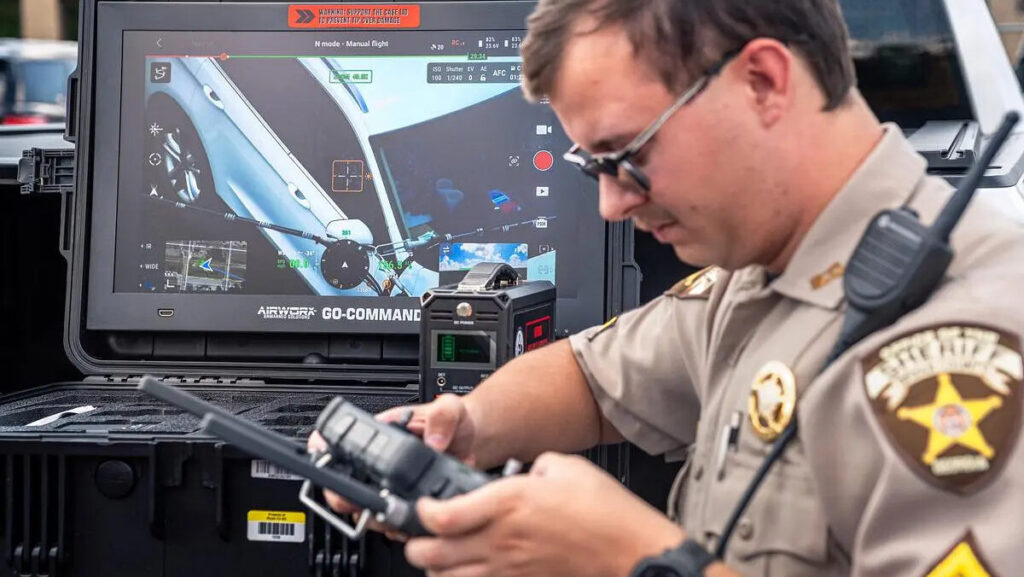
When a 71-year-old man went missing in the woods of Glynn County, Georgia, time was critical. Within 20 minutes of deploying a drone equipped with thermal imaging, the sheriff’s office located the man and safely brought him home. It was a textbook example of technology being used to serve the public good; fast, efficient, and effective. Sheriff E. Neal Jump credited the drone team’s quick thinking and equipment for the successful rescue.
The Upside: Fast Response and Safer Officers
Drones like this can be a game-changer for rural law enforcement. They cover large areas quickly, work at night, and can get into dangerous terrain without risking deputies’ lives. In missing person cases, active shooter incidents, or natural disasters, the tech offers a huge tactical edge. For smaller sheriff’s offices with limited manpower, this kind of gear can level the playing field.
But There Are Real Concerns About Surveillance
While stories like this rescue make headlines, the quiet reality is that law enforcement drone use is expanding fast—and with little public debate. Critics worry that drones with thermal imaging and facial recognition could be used to track citizens, monitor protests, or bypass traditional warrant procedures. When deployed without clear limits, these tools can easily cross from public safety into constant surveillance.
Who Watches the Watchers?
Supporting law enforcement doesn’t mean giving the government a blank check. Many Americans, especially in rural areas, value privacy and property rights. If a sheriff’s department can fly over your land without notice or a warrant, it’s not hard to imagine that same tech being misused by larger federal agencies. Accountability, transparency, and local control need to stay at the center of the conversation.
Final Thoughts
There’s no doubt drones can save lives—this Georgia case proves that. But just because the tool works doesn’t mean it should be used without limits. Law enforcement agencies should be encouraged to adopt life-saving technology, but they should also be required to operate under clearly defined rules that respect the rights of everyday citizens. Tech can be part of the solution, as long as it doesn’t become the problem.