
Mirrors are not just practical elements of home decor; they are powerful tools that can transform a small space into one that feels open, airy, and expansive. Whether you live in a compact apartment or want to make a small room feel less confined, strategically using mirrors can visually double the size of your space. Here’s a guide to using mirrors effectively to create the illusion of a larger, brighter home.
Strategies for Using Mirrors to Maximize Space and Light
Placing Mirrors Opposite Windows
One of the most effective ways to make a room appear larger is to position a mirror directly opposite a window. This placement reflects natural light back into the room, instantly brightening the space and giving the impression of an additional window. The reflection of outdoor views also extends the room’s visual boundaries, making it feel more open and connected to the outside world.
Creating a Focal Wall with Mirrors
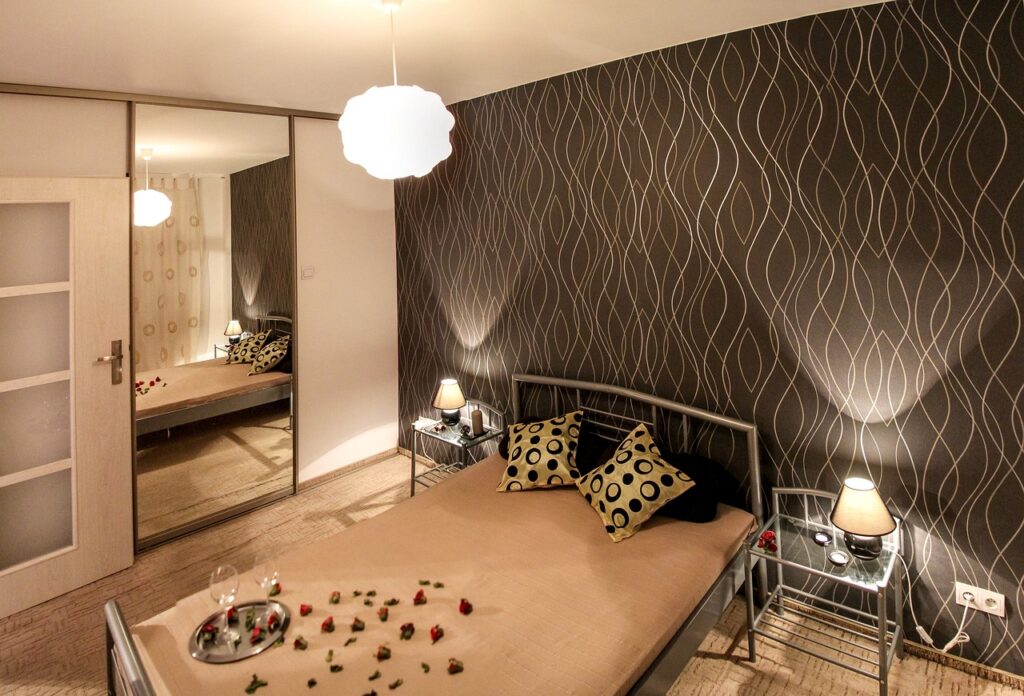
Transform an entire wall into a feature by using large mirrors or mirrored panels. A mirrored wall can double the perceived size of a room by reflecting the entire space. This technique works particularly well in dining rooms, narrow hallways, or small living areas where the reflection enhances the feeling of depth.
Using Floor-to-Ceiling Mirrors
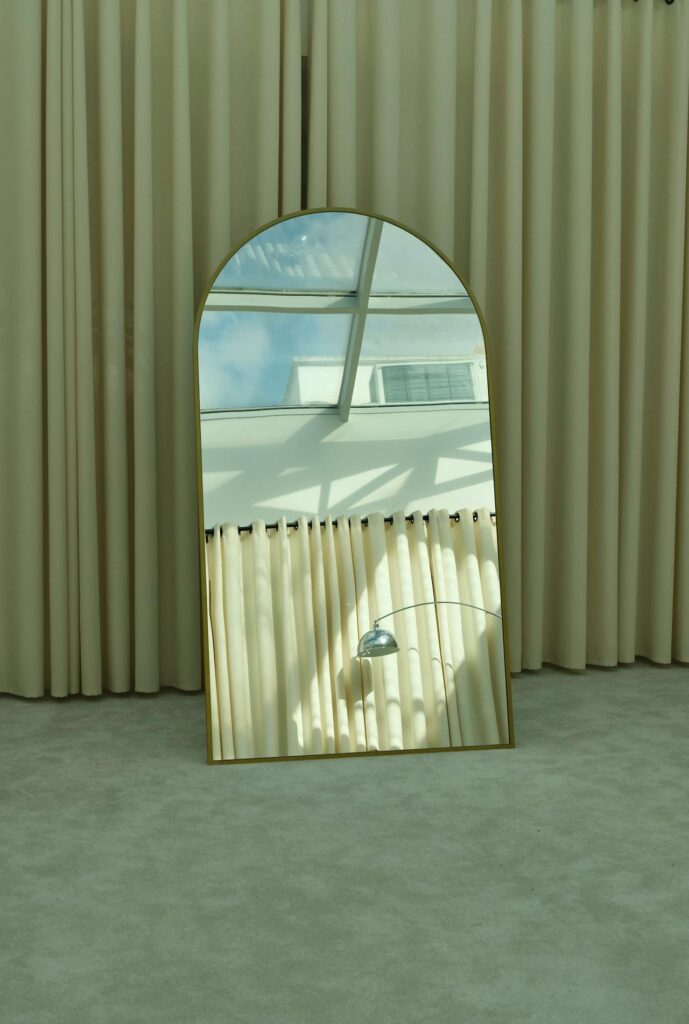
Tall mirrors that stretch from floor to ceiling can elongate a room vertically, making it feel grander and more spacious. Whether mounted or leaning against a wall, these mirrors draw the eye upward, creating a sense of height that makes a compact room feel larger.
Layering Mirrors with Other Decor
Enhance the effect of mirrors by layering them with other elements of your decor. Place a mirror behind furniture, such as a sofa or console table, to create depth and texture. Adding a mirror behind a group of candles or a small lamp amplifies light and creates a cozy yet spacious feel.
Reflecting Light Fixtures
Positioning mirrors near or behind light fixtures, such as chandeliers, wall sconces, or lamps, can amplify their illumination. The reflected light bounces around the room, reducing shadows and creating a brighter, more welcoming atmosphere.
Using Mirrors in Narrow Spaces
In tight hallways or small entryways, strategically placed mirrors can make a dramatic difference. A long, horizontal mirror along a wall creates a sense of width, while vertical mirrors add height. These simple additions prevent these areas from feeling cramped or confined.
Choosing the Right Frame Styles
The style of the mirror’s frame can significantly impact the overall effect. Minimalist frames or frameless mirrors blend seamlessly with walls, emphasizing the illusion of space. On the other hand, ornate or bold frames can serve as a decorative element while still offering the benefits of increased light and depth.
Grouping Mirrors for Visual Interest
If a single large mirror feels too overpowering, consider creating a gallery wall of smaller mirrors. Mixing different shapes and sizes adds character and charm while still reflecting light and opening up the room. This approach works beautifully in living rooms, bedrooms, and even bathrooms.
Incorporating Mirrored Furniture
Mirrored furniture, such as side tables, dressers, or cabinets, not only looks stylish but also reflects light and nearby decor, subtly enhancing the room’s size without overwhelming the space.
Avoiding Overuse of Mirrors
While mirrors are fantastic for creating the illusion of space, overusing them can make a room feel chaotic. Aim for balance by incorporating mirrors in a way that complements your design without making the room feel like a house of mirrors.
Final Thoughts
Using mirrors to make small spaces look bigger is an art that combines placement, lighting, and thoughtful decor choices. By strategically integrating mirrors into your home, you can transform compact spaces into bright, airy areas that feel inviting and expansive. With the right techniques, mirrors become not just functional tools but key elements of a well-designed interior.