
It was one of the most brazen thefts of pandemic relief money in the country. Now, the woman prosecutors portrayed as the architect of the scheme has received a sentence meant to match the scale of the crime.
A landmark sentence in a historic fraud case

Aimee Bock, the founder of Feeding Our Future, was sentenced to 500 months in federal prison and ordered to pay $243 million after being convicted for leading a sprawling fraud operation that exploited a pandemic-era child nutrition program. The punishment reflects the extraordinary size of the scheme, which federal prosecutors said siphoned roughly $250 million from a program intended to feed children during one of the most vulnerable periods in recent history. In practical terms, the case became a symbol of how emergency public spending, when rushed out during crisis conditions, can be turned into a target for organized fraud. According to prosecutors and court records, Bock was not a minor participant or a passive administrator. She was described as the central figure who used her nonprofit’s gatekeeping role to approve fake meal sites, process false reimbursement claims, and shield co-conspirators from scrutiny.
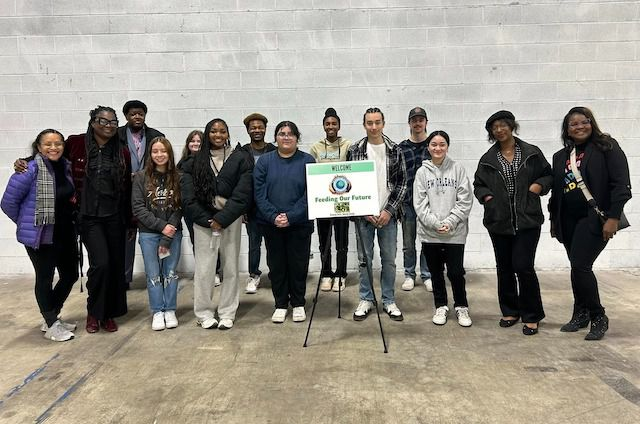
Feeding Our Future was a Minnesota-based nonprofit that served as a sponsor organization in the Federal Child Nutrition Program. During the pandemic, rules were loosened to allow broader meal distribution as schools closed and normal oversight became harder to maintain. That emergency flexibility, designed to help hungry children quickly, created opportunities for abuse. Prosecutors said dozens of defendants took advantage of those temporary changes by claiming to serve meals to thousands of children at sites that either served far fewer meals than reported or never served them at all. In many instances, the government argued, fake attendance rosters, fabricated invoices, and invented meal counts were used to support reimbursement requests.
What made the Bock case stand out was not only the dollar amount, but the alleged sophistication of the operation. Prosecutors said the fraud was sustained through layers of paperwork, shell entities, bribes, and misleading statements to regulators. Witness testimony and financial records described money flowing from federal meal reimbursements into luxury spending, high-end real estate, vehicles, and personal bank accounts rather than food purchases. The sentence of 500 months, which is more than 41 years, sends an unmistakable message about how courts view large-scale theft from programs meant for children. It also underscores a broader shift in pandemic fraud prosecutions, where judges are increasingly willing to impose severe penalties when the fraud is systematic, prolonged, and tied to public trust.
How the scheme worked and why prosecutors called it deliberate
At the center of the fraud was a simple but devastating formula: claim massive numbers of meals, submit supporting documents that looked legitimate, and move the money quickly once federal reimbursements arrived. Feeding Our Future acted as a sponsor for meal distribution sites, meaning it played an oversight role between the state and the local operators seeking reimbursement. Prosecutors argued that Bock used that position to help sites get approved despite obvious warning signs, then continued backing them even as claims exploded to implausible levels. In some cases, sites claimed to feed thousands of children per day from modest storefronts, apartments, or locations with little visible capacity to handle that volume. Authorities said those claims should have triggered intervention, but instead they were pushed through.
The government’s case painted a picture of fraud that was not accidental, bureaucratic, or caused by confusion over changing pandemic rules. Instead, prosecutors said it was intentional and coordinated, involving fake invoices from food vendors, fabricated sign-in sheets, and false records showing meal distribution at scales that did not match reality. Testimony in related proceedings described meal counts rising dramatically in a short period, with little credible explanation for how operations grew so fast. Financial records reportedly showed large sums moving into accounts controlled by participants, followed by purchases that had nothing to do with child nutrition. Luxury homes, commercial properties, expensive cars, and cash transfers became central evidence for the government’s claim that the scheme was built for enrichment, not relief.
Another striking part of the case was the way investigators said oversight efforts were resisted. According to trial evidence, there were attempts to portray scrutiny by state regulators as bias or harassment rather than compliance enforcement. That strategy mattered because it helped keep the reimbursement pipeline open while questions mounted. Prosecutors argued that Bock did more than process paperwork; she reassured participants, gave the operation legitimacy, and enabled the submission of false claims on a scale that smaller actors could not have achieved alone. In white-collar crime terms, that makes the difference between peripheral involvement and leadership. The sentence suggests the court accepted the government’s broader theory that this was a top-down fraud enterprise organized around the misuse of public funds during a national emergency.
Why this case matters far beyond one defendant
The Feeding Our Future case has become a defining example of pandemic relief fraud because it touches several public anxieties at once: child hunger, nonprofit accountability, government oversight, and the speed at which emergency money was distributed. Relief programs during Covid-19 were designed to move fast, and that urgency undoubtedly helped many families. But this case showed the trade-off. When safeguards are weakened, fraudsters can use the language of compassion and public service as cover for theft. That is one reason the case drew national attention well beyond Minnesota. It was not merely about financial loss; it was about money intended for children being diverted on a massive scale.
For the nonprofit sector, the consequences are especially serious. Organizations that administer public benefits depend on trust, and cases like this can damage confidence even among groups doing legitimate work under difficult conditions. Regulators and lawmakers are likely to respond by tightening documentation requirements, increasing site inspections, and using data analytics more aggressively to identify suspicious patterns. Experts in public fraud prevention often point to unusually rapid claim growth, repetitive vendor paperwork, and reimbursement requests disconnected from neighborhood demographics as early warning signs. Those indicators were central to the government’s case here, and they are likely to shape future monitoring systems in nutrition and relief programs.
The sentencing also sends a message to future defendants that pandemic-era fraud will continue to be pursued years after the underlying crimes occurred. Federal investigators have been working through a wide pipeline of relief cases involving nutrition funds, small business aid, unemployment programs, and health-related grants. The Bock sentence stands out because of its severity, but it also fits a broader pattern of prosecutors seeking to establish deterrence through large restitution orders, forfeiture actions, and long prison terms for organizers. In the end, the court’s decision is likely to be remembered as both punishment and precedent: punishment for a scheme that targeted a program for children, and precedent for how aggressively the justice system may respond when emergency aid is converted into private wealth.