
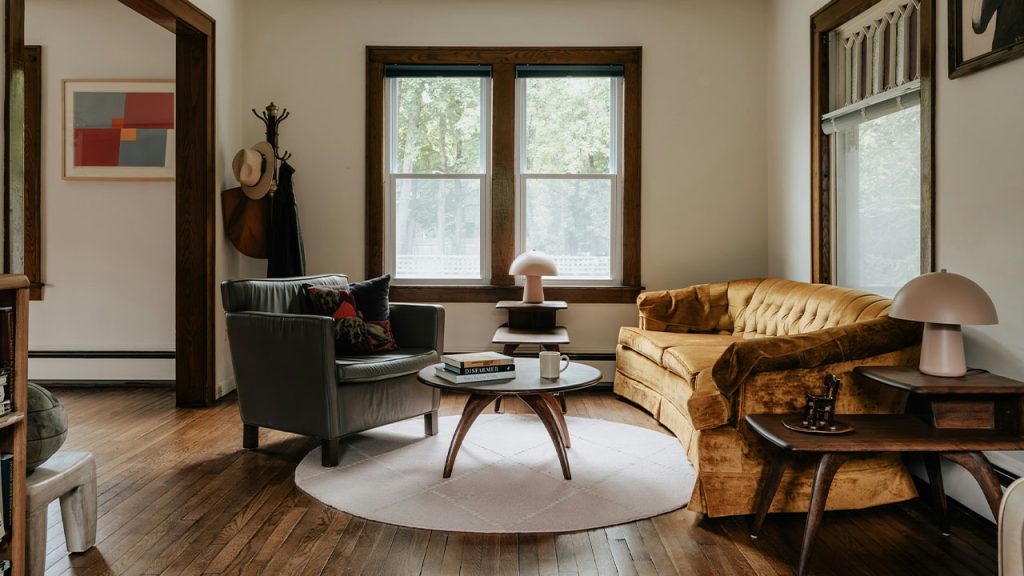
Designers have a keen eye for detail, and while they appreciate creativity, there are certain design choices that make them cringe. Whether it’s an outdated trend or a mismatch in style, these common mistakes can detract from a home’s potential. If you’re looking to make your space feel polished and thoughtfully curated, avoiding these seven design missteps will help you create a more harmonious and visually pleasing environment. Here’s what to watch out for!
1. Overly Themed Rooms That Feel Like a Costume
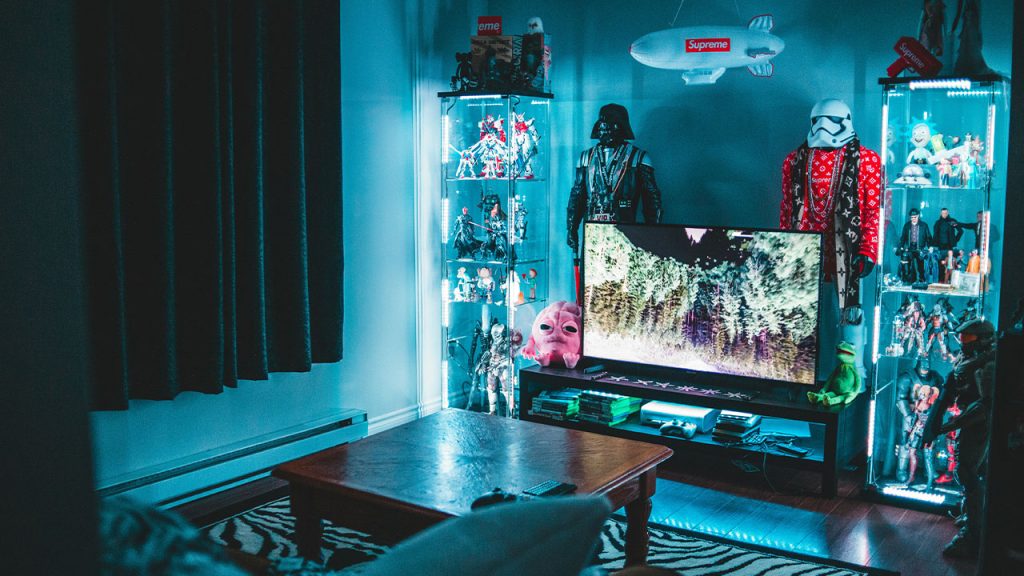
While themed rooms can be fun, going too far can create a space that feels more like a costume than a thoughtfully designed room. Designers cringe when rooms are so heavily themed that they lose any sense of cohesion or functionality. Whether it’s a tiki bar or an overly rustic cabin, an excessively themed room often ends up feeling gimmicky and dated. Instead, aim for subtle nods to a theme with a mix of timeless pieces that allow for flexibility and longevity.
2. Excessive Clutter and Overstuffed Spaces
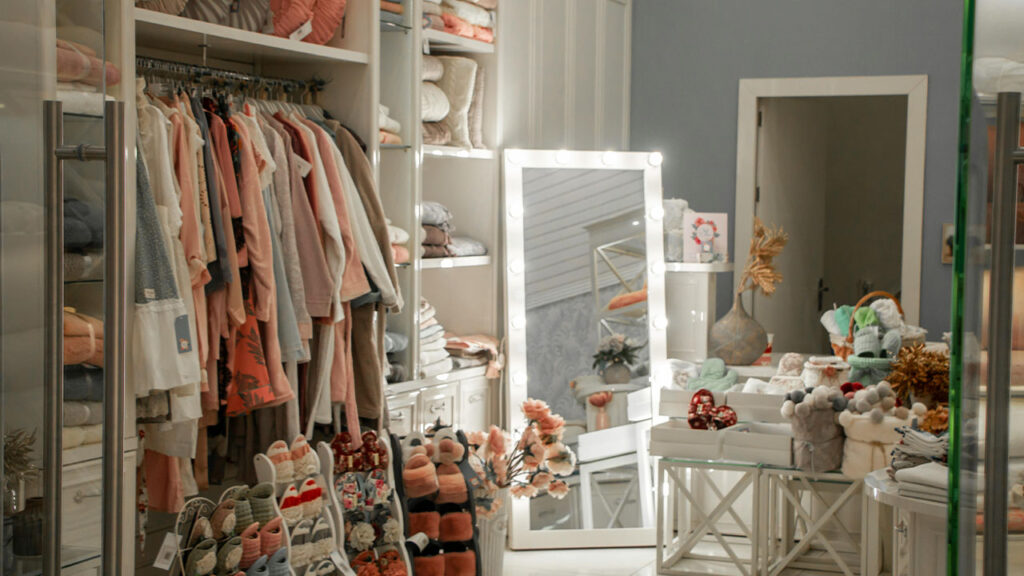
Cluttered spaces not only make a room feel chaotic but can also diminish its functionality and aesthetic. Designers often see spaces overloaded with unnecessary items, making the room feel smaller and disorganized. Piles of items, over-decorated shelves, and mismatched storage solutions can prevent a space from feeling restful. Embracing minimalism or investing in effective storage solutions can make all the difference, allowing the room to feel more spacious and visually serene.
3. Mismatched Furniture That Throws Off Balance
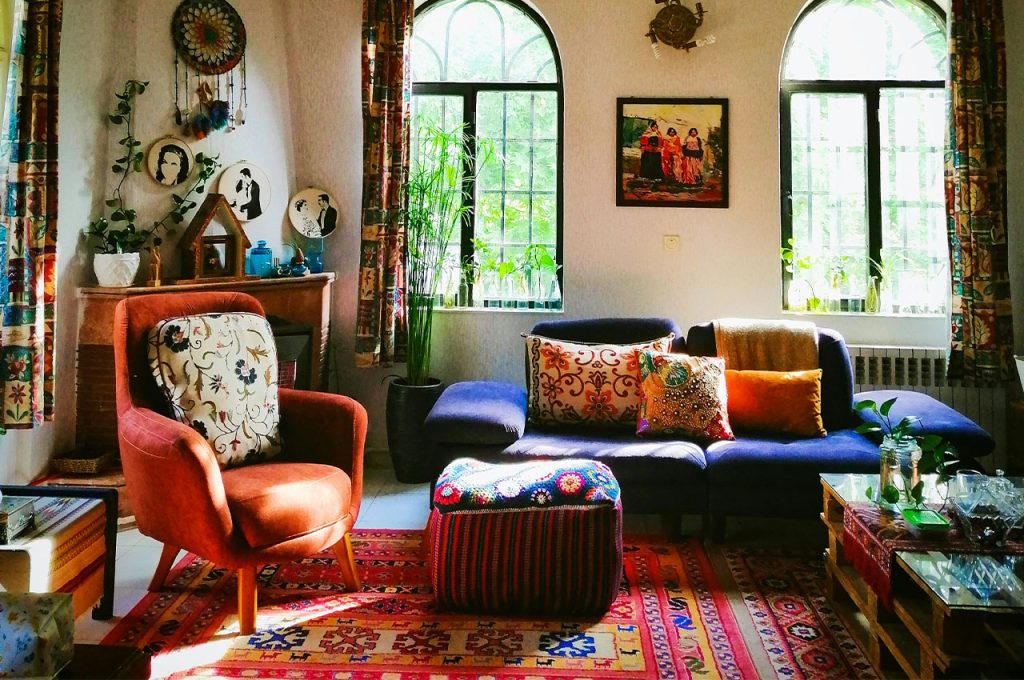
When furniture pieces clash in style, color, or size, it disrupts the balance of a room and creates a disjointed feeling. Designers often cringe at seeing mismatched sofas, chairs, or tables that don’t coordinate with each other, leaving a room looking like a hodgepodge of random pieces. To avoid this, select furniture that complements each other, keeping in mind scale, color, and design. Harmonizing your pieces creates a more cohesive and inviting atmosphere.
4. Cheap, Overused Décor Items
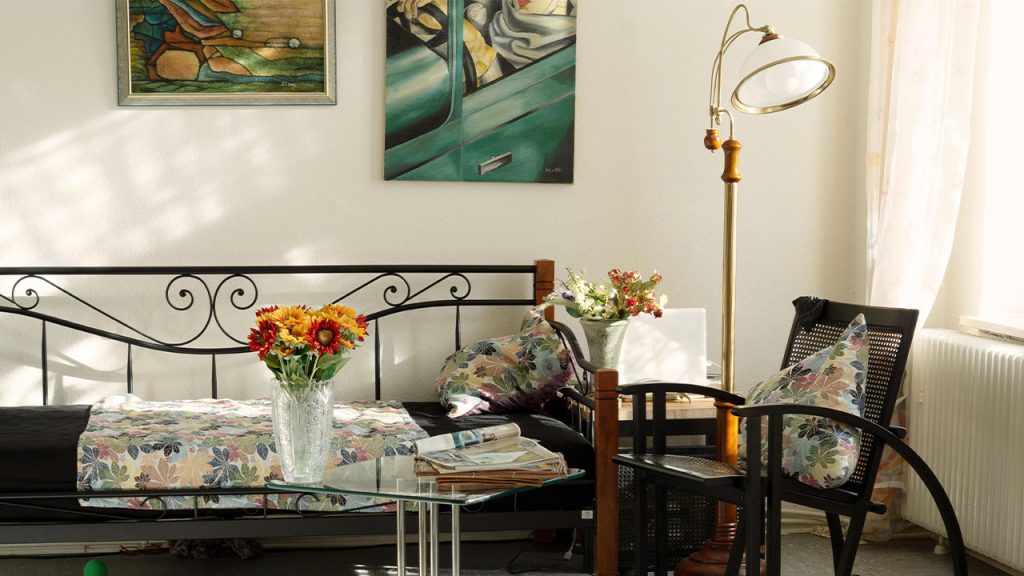
Certain décor items, like mass-produced prints, plastic flowers, and inexpensive faux materials, can make a space feel underwhelming and lacking in character. Designers cringe when they see overused, low-quality items that don’t contribute to the room’s overall aesthetic. While budget-friendly décor can be effective, opting for a few statement pieces that have longevity and character is key. Choose items that reflect your personality and elevate the space rather than relying on trends that fade quickly.
5. Ignoring Natural Light and Overusing Artificial Lighting
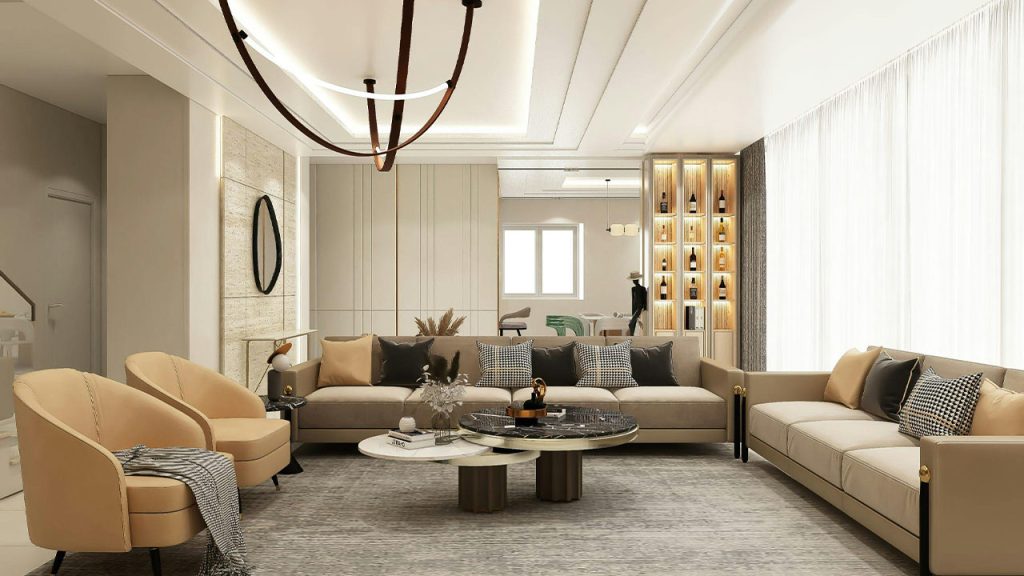
Designers know the importance of natural light in making a space feel open and airy. Rooms that rely too heavily on artificial lighting, especially harsh overhead fixtures, often feel cramped and uninviting. Maximizing natural light by choosing light window treatments and strategically placing mirrors can instantly brighten a room. When artificial lighting is needed, opt for layered lighting with soft, warm tones to create a cozy, balanced ambiance, rather than harsh fluorescent lights that kill the room’s mood.
6. Hanging Artwork Too High or Too Low
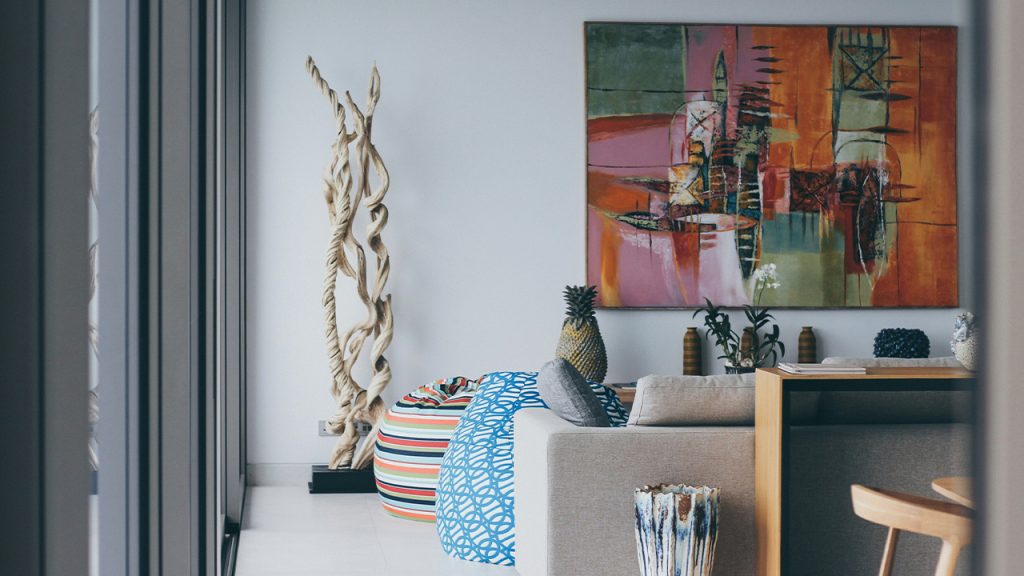
One of the most common design mistakes that makes professionals cringe is artwork hung at awkward heights. Art that’s too high or too low can throw off the room’s visual flow and feel disconnected from the space. The ideal height centers artwork at eye level, typically around 57–60 inches from the floor. Designers recommend aligning art with furniture to create a cohesive look, ensuring it feels naturally integrated into the room rather than floating or lost on the wall.
7. Not Paying Attention to Scale and Proportion
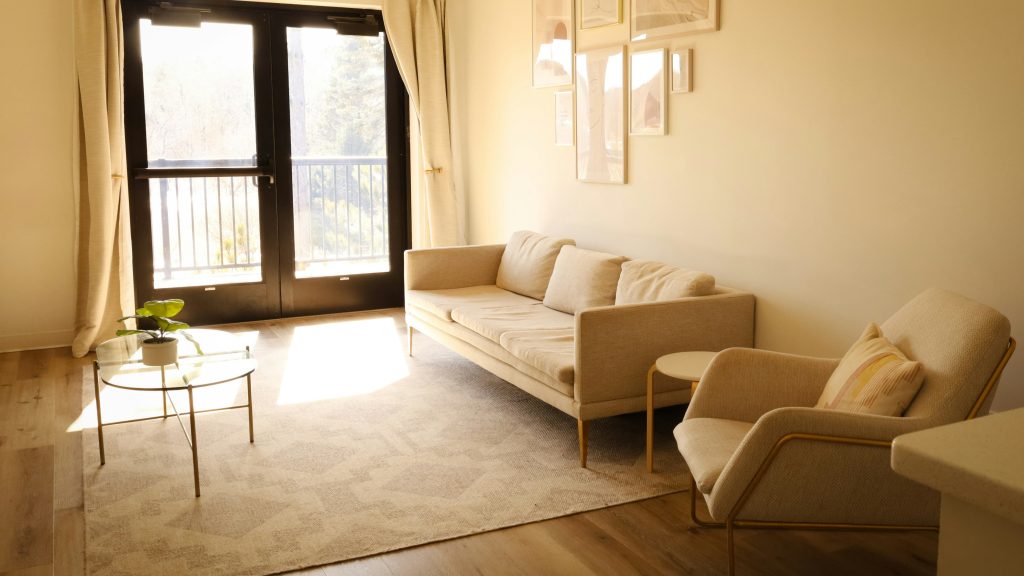
When furniture and décor don’t match the scale of a room, it can make even beautifully designed pieces look out of place. Oversized couches in small rooms or tiny rugs in large spaces create visual imbalance that designers immediately notice. Proper scale and proportion are key to a well-composed space. Think of how each item relates to the room and to one another—whether it’s lighting, art, or furniture—to ensure everything feels intentional, balanced, and harmonious.
This article was created with the assistance of AI but thoroughly edited by a human being.