
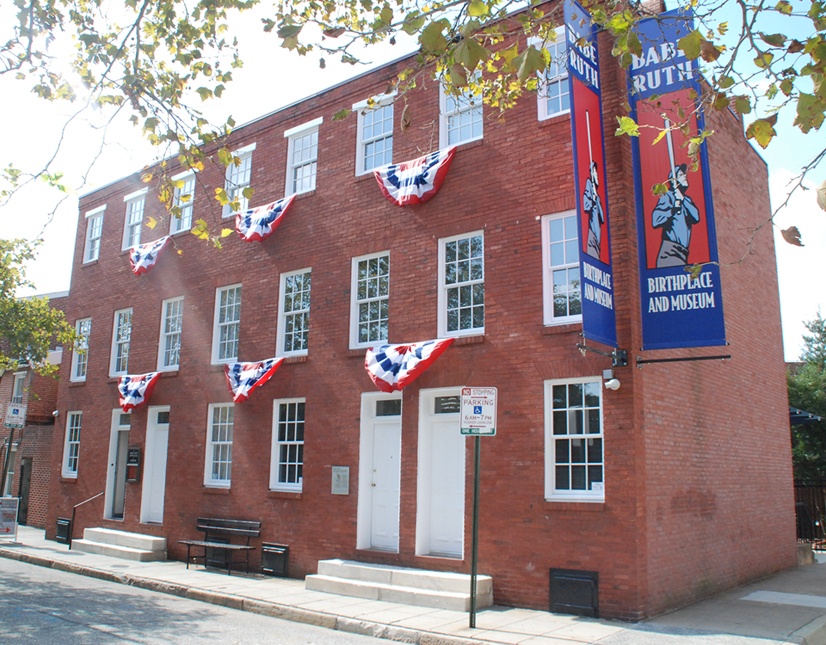
Some legends begin in palaces. Babe Ruth’s began in a small brick rowhouse on an ordinary Baltimore street.
The House Where an American Icon Began
Babe Ruth was born on February 6, 1895, at 216 Emory Street in Baltimore’s Pigtown neighborhood, a working-class area shaped by immigrant families, rail activity, and dense urban housing. The narrow brick rowhouse belonged to his maternal grandfather, Pius Schamberger, a German immigrant and trade unionist, and the property was originally leased within the family. That detail matters because it places Ruth’s origins squarely in the everyday realities of late-19th-century city life, far from the mythic scale his name would later assume.
The home itself was modest, which makes its survival especially remarkable. Ruth would grow into one of the most famous athletes in American history, posting a .342 batting average, 714 home runs, and a .690 slugging percentage while transforming baseball into a power-driven national spectacle. Yet his first setting was not a grand estate but a compact urban dwelling that reflected the economic and social texture of Baltimore at the time.
That contrast between humble beginnings and monumental fame gives the house unusual interpretive power. Visitors are not simply looking at walls and bricks; they are confronting the physical starting point of a figure who reshaped American sports culture. Few athlete birthplaces carry that kind of symbolic weight.
From Near Demolition to Museum Preservation
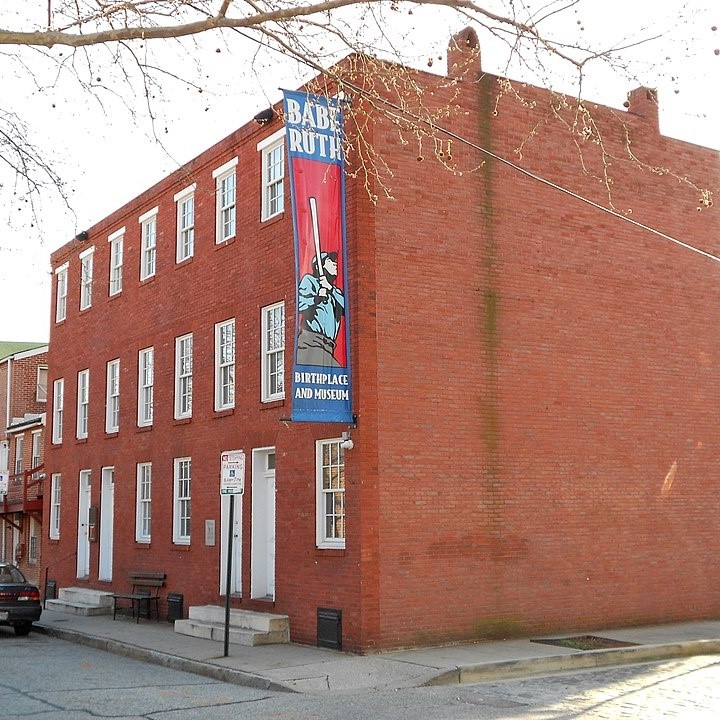
By the 1970s, the future of the Emory Street house was far from secure. Urban redevelopment pressures threatened many older Baltimore structures, and Ruth’s birthplace could easily have disappeared as just another aging rowhouse. Instead, preservationists and community supporters intervened, recognizing that the building represented far more than a private residence. Saving it meant protecting a tangible link to one of baseball’s foundational figures and, by extension, to Baltimore’s broader sporting identity.
That rescue effort ultimately led to the creation of the Babe Ruth Birthplace and Museum. For more than fifty years, the Babe Ruth Birthplace Foundation has worked to preserve and interpret the site, while expanding its mission to celebrate Maryland’s sports heritage. According to the museum’s public history materials, the institution has welcomed millions of visitors and developed educational programs that frame sports as a force for civic pride and intergenerational connection.
The museum’s location adds another layer of relevance. Situated just blocks from Camden Yards, it connects baseball’s modern fan experience with the game’s formative past. That proximity helps explain why the site appeals not only to committed historians and baseball devotees, but also to casual visitors who may arrive expecting a quick stop and leave with a deeper sense of the sport’s cultural reach.
Why the Birthplace Still Matters Today
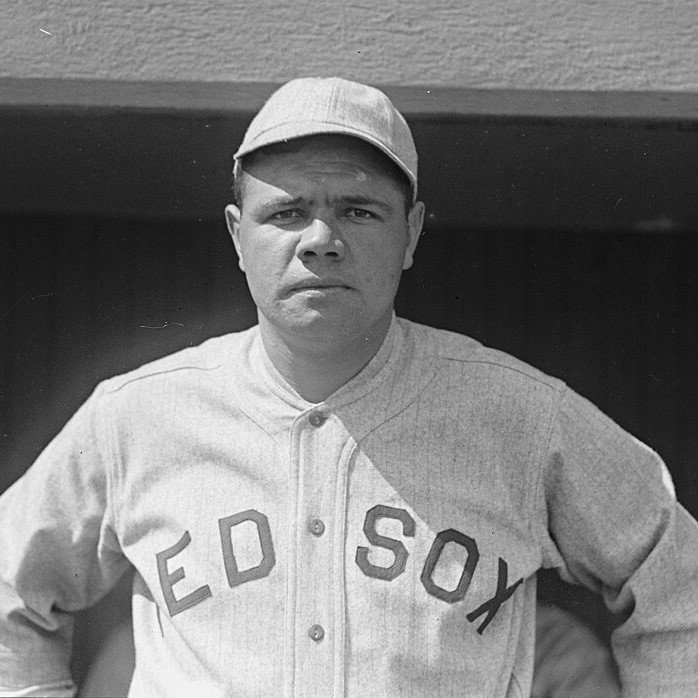
The significance of the Babe Ruth Birthplace and Museum lies in more than celebrity nostalgia. It anchors Ruth’s story in Baltimore, reminding audiences that before he became the “Sultan of Swat,” he was George Herman Ruth Jr., a local child from a crowded immigrant neighborhood. That historical grounding is essential because it resists the tendency to turn legendary athletes into abstract myths detached from place, class, and family history.
The museum also broadens the conversation beyond Ruth alone. Its collections and programming reflect Maryland’s larger sports story, linking baseball to the state’s enduring traditions of competition, memory, and community pride. Visitor reactions frequently highlight this wider appeal, noting not only Ruth artifacts but also exhibits connected to Baltimore and regional sports history.
As a national historic landmark, the birthplace now stands as a case study in why preservation matters. Demolished buildings erase context; preserved ones restore it. In this case, a narrow rowhouse on Emory Street continues to tell a national story through a local address, proving that America’s greatest sports legends often begin in places small enough to overlook, but too important to lose.