
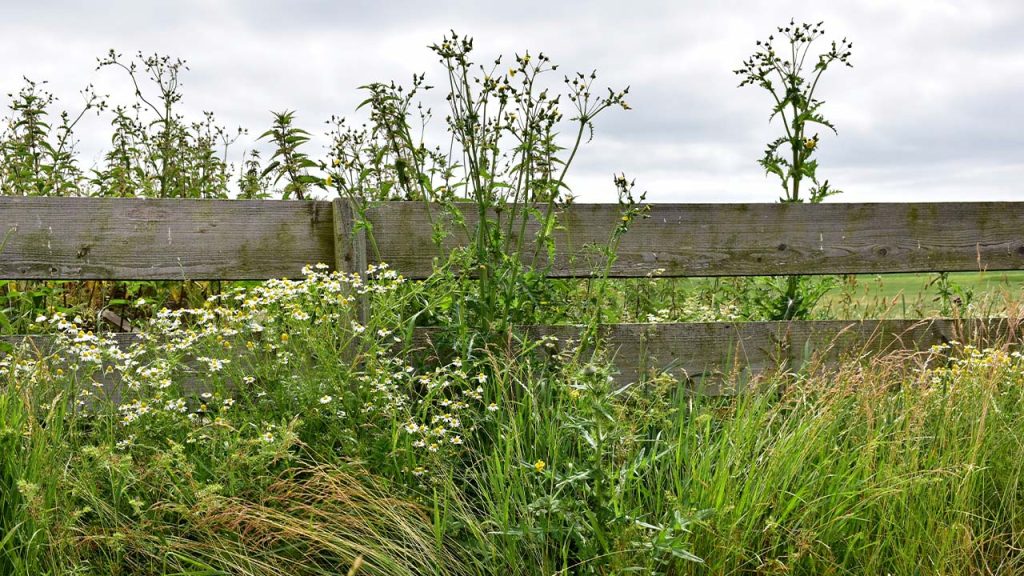
Not all green things in your yard are welcome guests. Weeds can creep in quietly, but once established, they compete with your lawn and garden for space, nutrients, and sunlight. While some may look harmless—or even pretty—they can quickly take over and become a real nuisance. This guide highlights 20 common weeds you might spot in your yard, helping you identify and manage them before they get out of control.
1. Dandelion

With its sunny yellow blooms and puffball seed heads, the dandelion looks innocent enough—but it’s one of the most stubborn perennial weeds around. It conquers tough, compacted soil with ease, launching airborne seeds while anchoring itself with a taproot that’s hard to beat. Left unchecked, it can dominate a lawn in a single season. While edible and medicinal, most homeowners battle dandelions to preserve turf health and uniformity.
2. Crabgrass
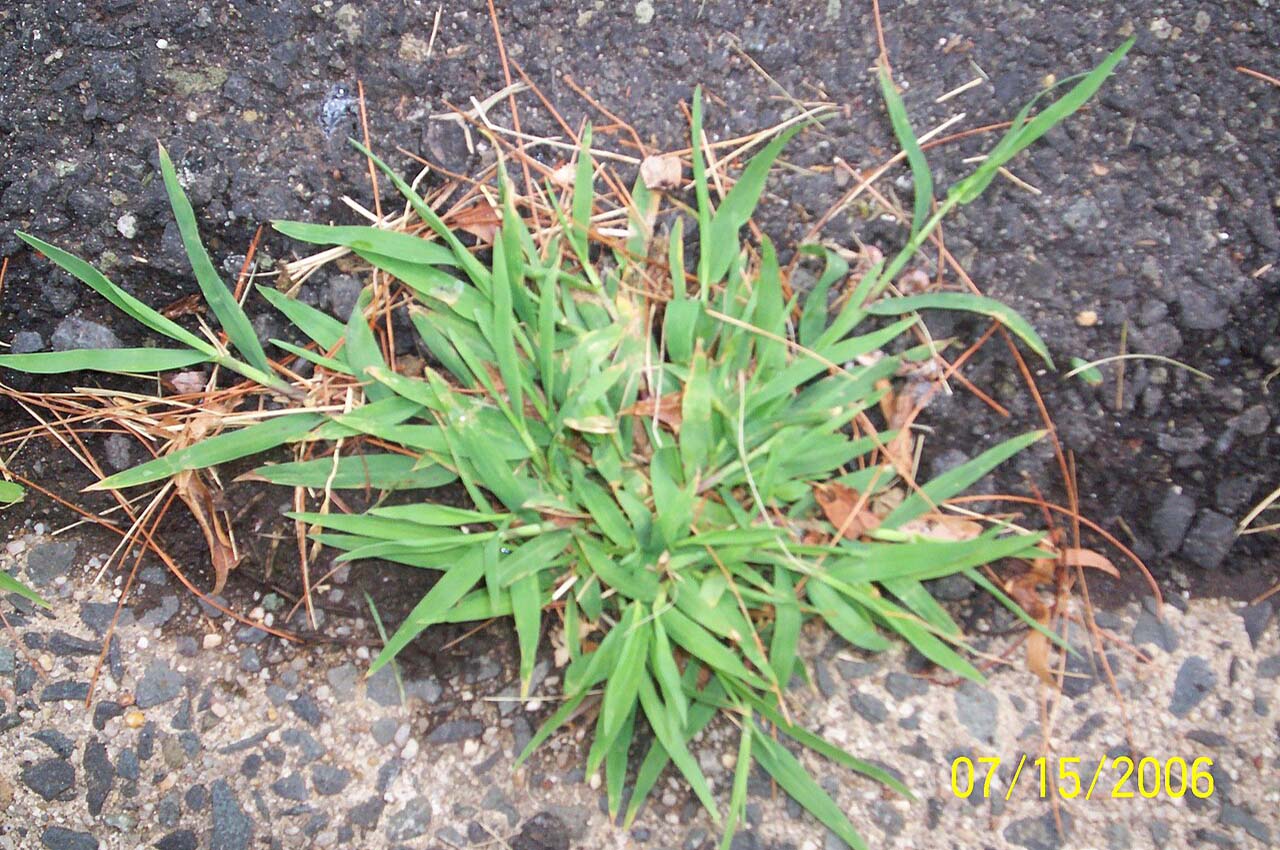
This low-growing, summer-loving grass sneaks into bare lawn patches and quickly sprawls outward with finger-like stems. It germinates when soil warms in spring, then aggressively chokes out desired grasses. Each plant produces thousands of seeds before dying in fall—ensuring a return next year. It thrives in heat and drought, making it tough to control without pre-emergent treatments and healthy turf density.
3. Chickweed
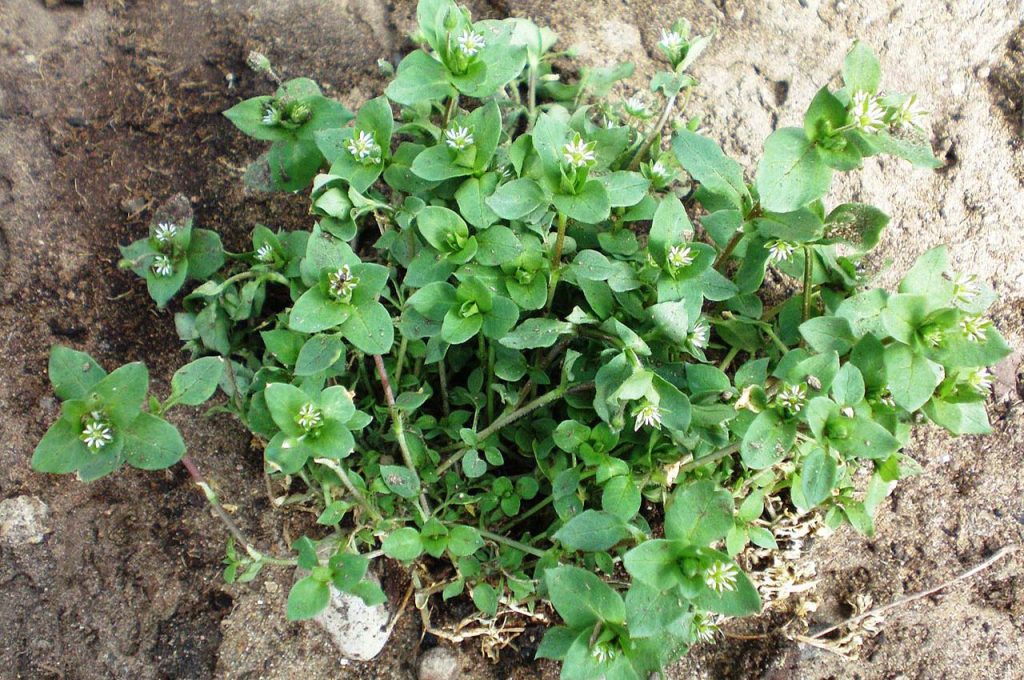
Chickweed forms dense, mat-like patches with tiny white star-shaped flowers and smooth, light green leaves. It’s a cool-season annual that thrives in moist, shaded soil and spreads by both seeds and stem fragments. Though it’s edible and soft to the touch, it quickly overgrows flower beds and garden rows, smothering less aggressive plants. Its shallow roots make it easy to pull—but only if caught early.
4. Clover
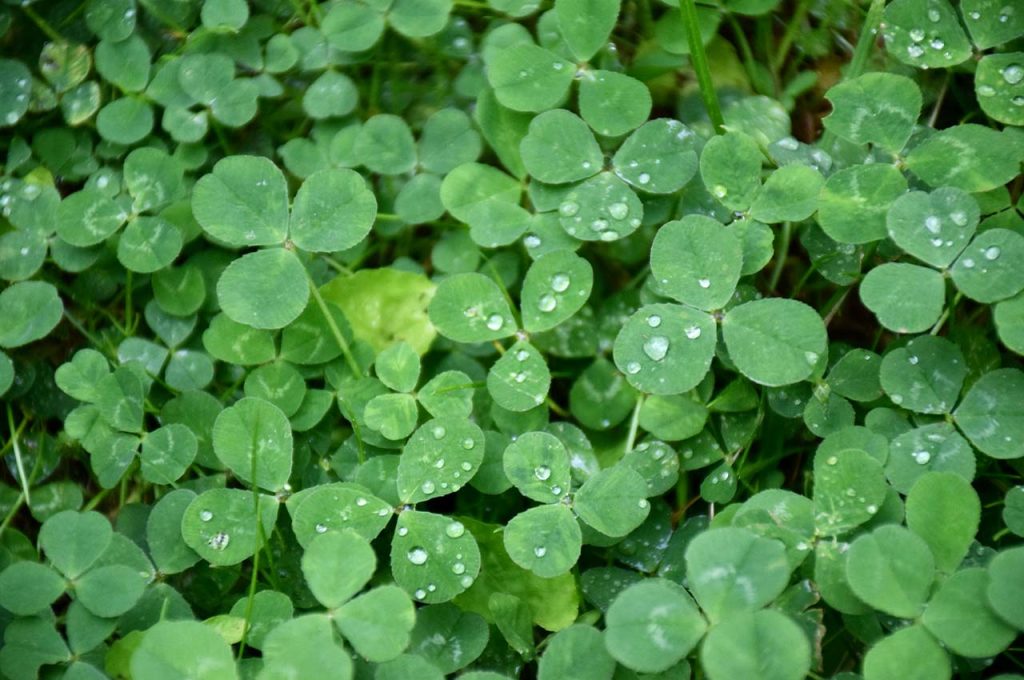
Often admired for its bee-friendly blooms and nitrogen-fixing properties, clover is a polarizing lawn intruder. It grows low, spreads fast, and thrives in under-fertilized soil where grass struggles. White and pink flowers dot its leafy mats, attracting pollinators while outcompeting turf grasses. While some homeowners now embrace clover lawns, others view it as a sign of poor soil health and neglect.
5. Creeping Charlie (Ground Ivy)
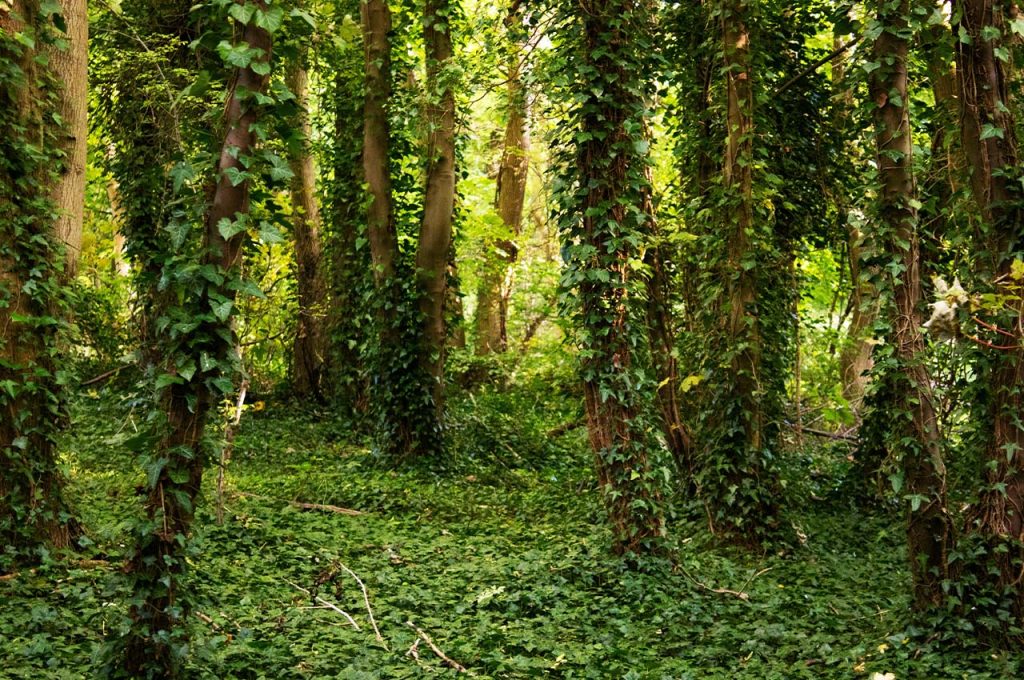
Creeping Charlie is a tenacious, vine-like weed with scalloped leaves and small purple flowers. It forms thick carpets in shady, moist areas and can quickly overrun garden beds, lawn edges, and even paved cracks. It spreads via seeds and creeping stems called stolons, making it difficult to eradicate once established. Hand-pulling often leaves roots behind, and many herbicides struggle to contain it.
6. Nutsedge
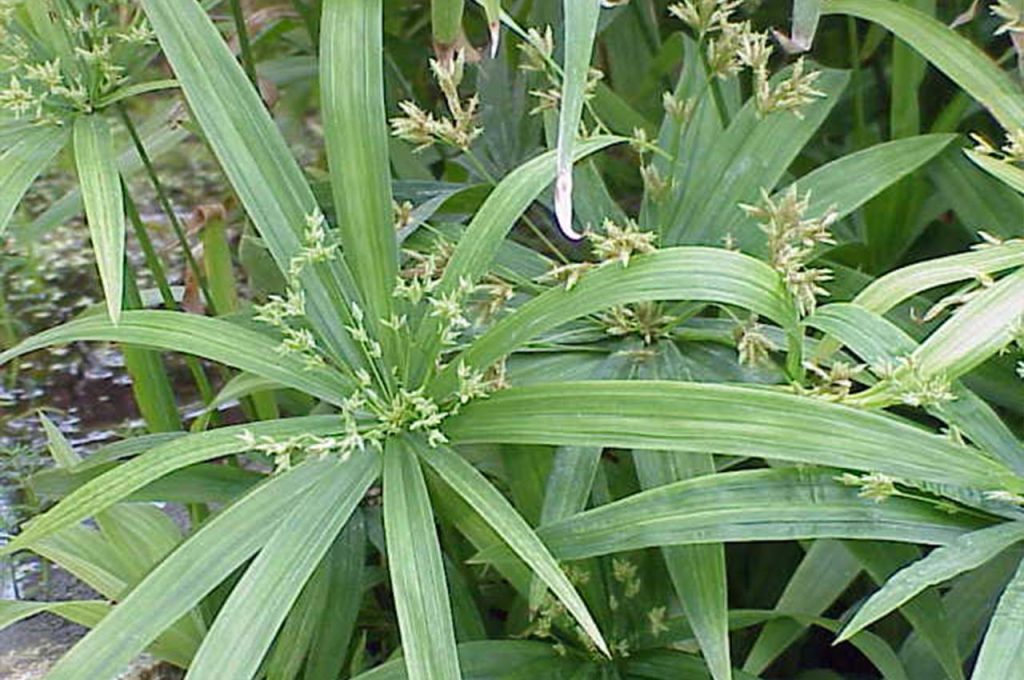
Often mistaken for grass, nutsedge stands taller and stiffer with a triangular stem and glossy, yellow-green leaves. It thrives in soggy or poorly drained soil and spreads aggressively through underground tubers called nutlets—hence the name. Pulling it usually leaves tubers behind, causing it to return with a vengeance. Fast-growing and hard to kill, it quickly takes over lawns and garden beds.
7. Bindweed
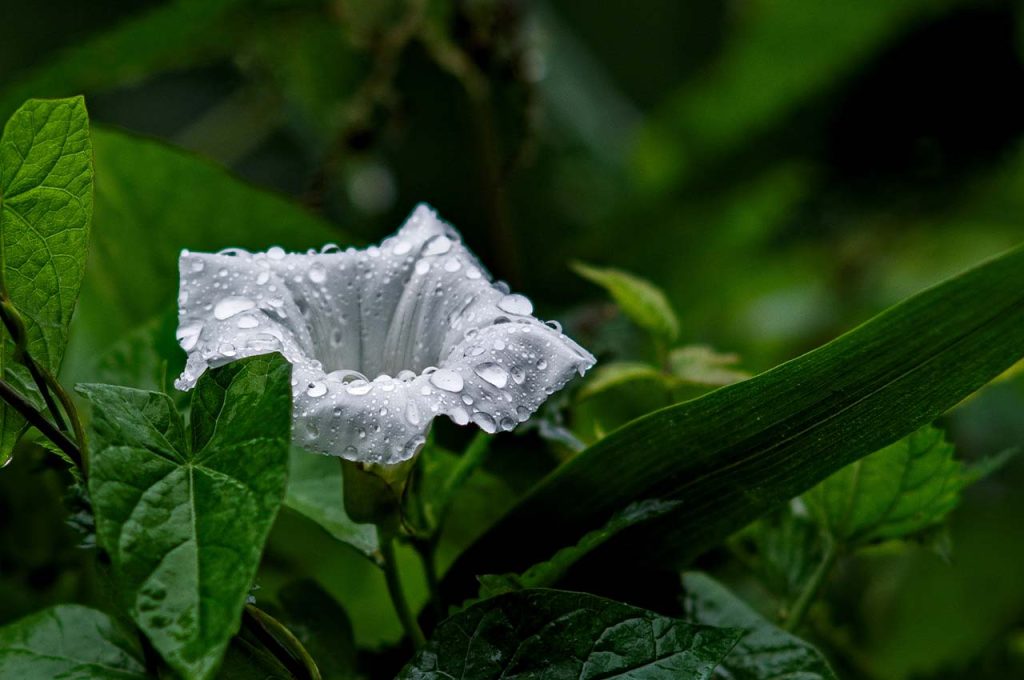
This delicate-looking vine is a master of entanglement. Bindweed unleashes delicate white or pink trumpet flowers, but don’t be fooled—it twines tightly around anything in its path, choking out prized plants with stealth and speed. With deep, persistent roots and a rampant growth habit, it spreads underground and can be nearly impossible to eliminate. Even tiny root fragments can regenerate, making it one of the most frustrating perennial weeds to fight.
8. Canada Thistle
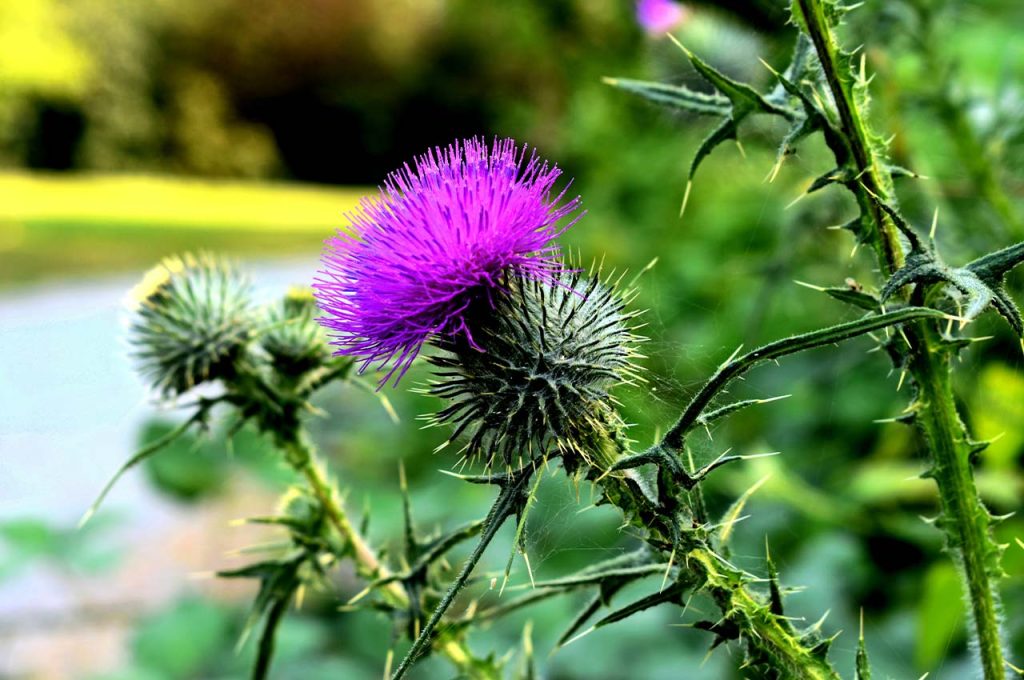
Armed with spiny leaves and purple flowers, Canada thistle is no garden guest. It spreads aggressively through deep horizontal roots that send up new shoots far from the original plant. Touching it is painful, and removing it is labor-intensive. Once it takes hold, it spreads aggressively across open ground, smothering native species and garden favorites in a relentless green tide. Herbicides and repeated mowing are often needed to control it.
9. Purslane
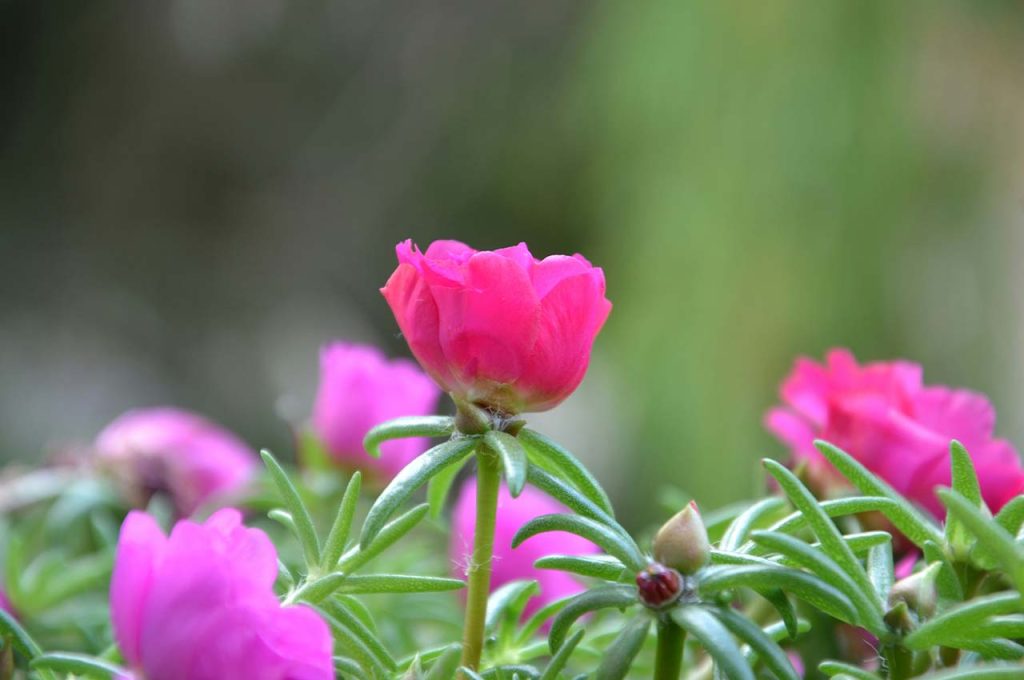
Purslane may look like a harmless succulent, but this low-growing annual is a prolific spreader. Its fleshy, spoon-shaped leaves and reddish stems form dense mats that thrive in sunny, disturbed soil. It reproduces from both seeds and broken stems, making it tough to control once rooted. While edible and nutritious, many gardeners consider it an invasive pest that can take over veggie beds and walkways.
10. Plantain (Broadleaf and Narrowleaf)
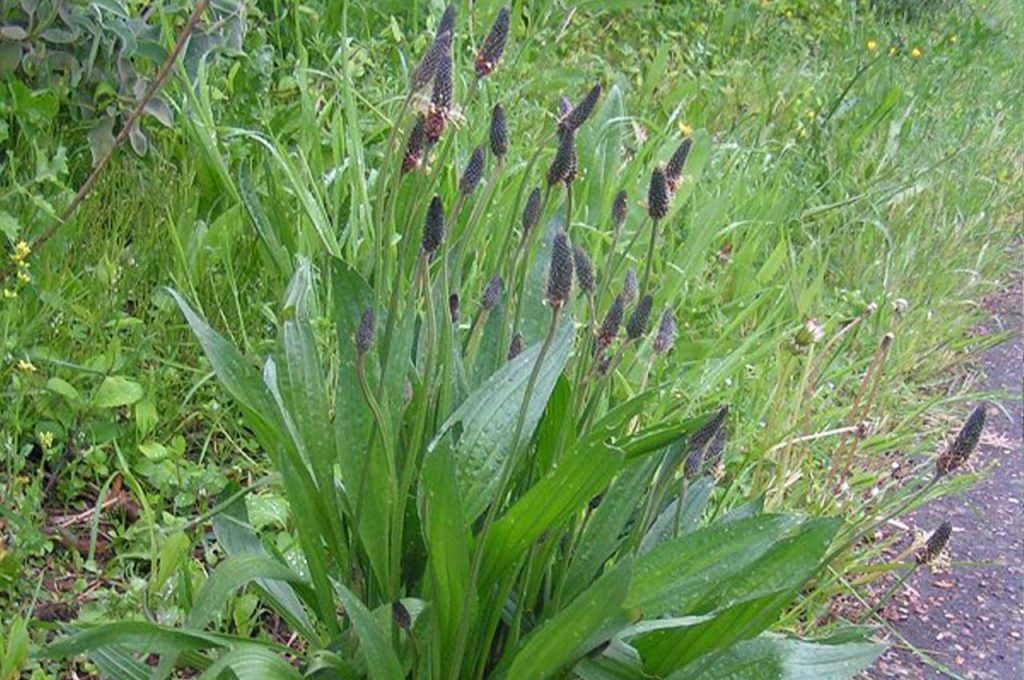
These hardy weeds grow in compacted soil where grass often fails. Broadleaf plantain features wide, ribbed leaves in a rosette shape, while the narrowleaf version has slender, lance-like foliage. Both send up seed spikes that scatter quickly. Their deep taproots make them hard to pull, and they return season after season. Although medicinal in folk remedies, they’re tough invaders in modern lawns.
11. Spotted Spurge
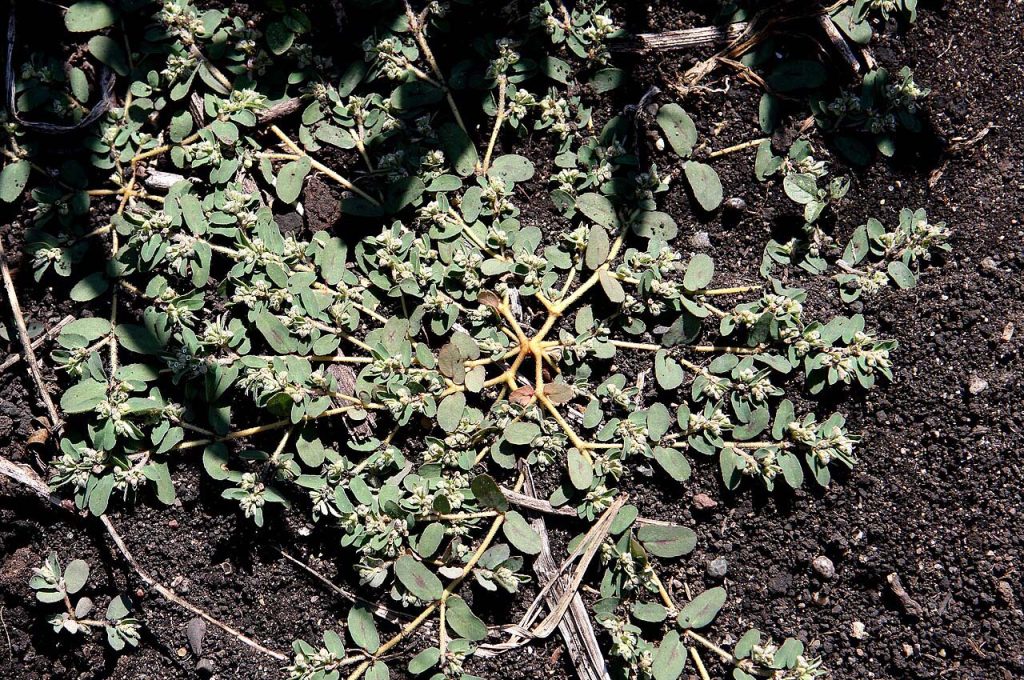
This fast-growing annual weed hugs the ground in hot, dry areas and spreads in a dense mat. It’s easily identified by its tiny leaves with reddish spots and a milky sap that can irritate skin. Spotted spurge hugs the ground in sun-scorched spots like sidewalks, driveways, and patchy turf, forming low mats that quickly outcompete grass. Its reddish stems and milky sap signal its stubborn nature—thriving in poor soil, resisting foot traffic, and reseeding itself with ruthless efficiency. Pulling it early is key, or you’ll be battling a dense, weedy carpet all summer long.
12. Quackgrass
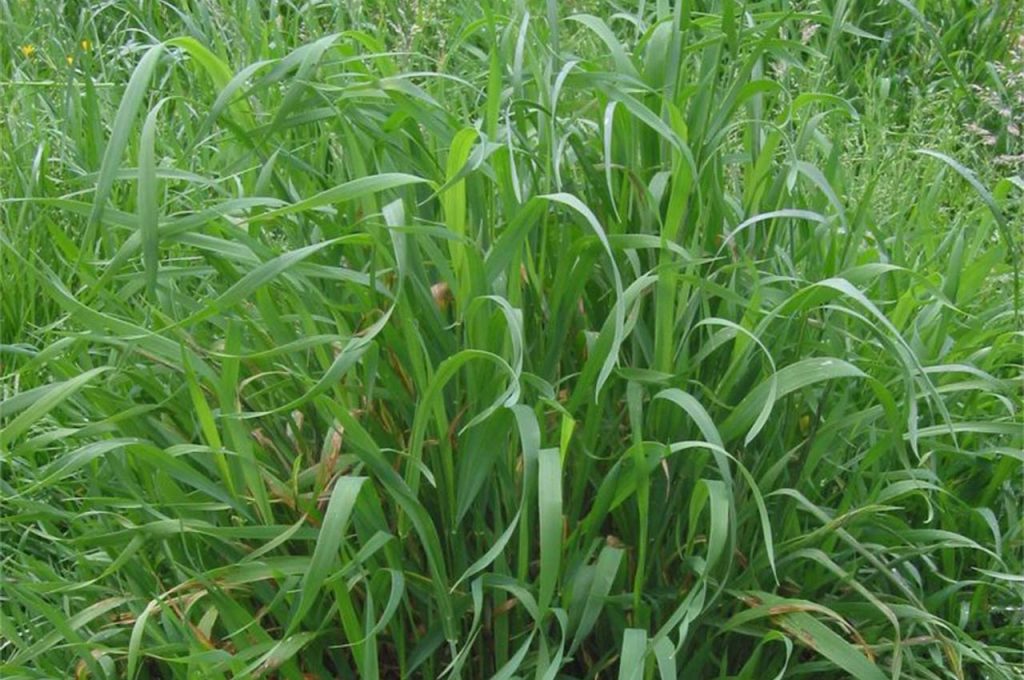
With its tough, creeping rhizomes and coarse blue-green blades, quackgrass is a formidable perennial weed. It sneaks into gardens and lawns, weaving its roots beneath desirable plants. Pulling often breaks the roots, allowing it to regrow aggressively. This grass tolerates poor soil and harsh conditions, making it a persistent problem in both ornamental beds and vegetable gardens.
13. Oxalis (Wood Sorrel)
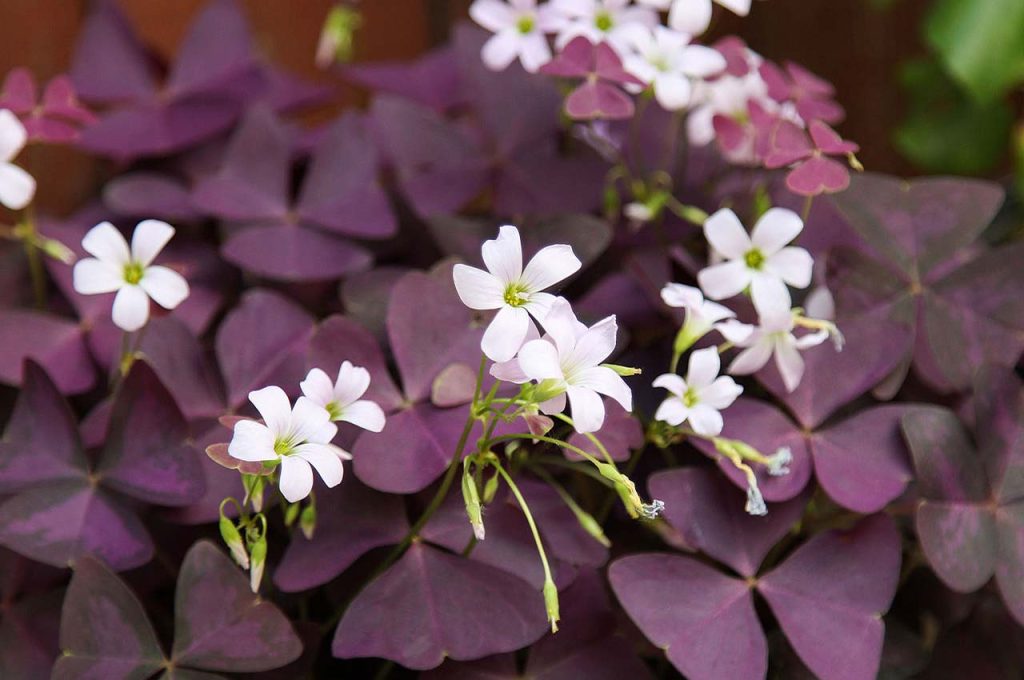
Often mistaken for clover, oxalis features heart-shaped leaves and delicate yellow or purple flowers. While charming at first glance, it’s a persistent invader that spreads via seeds and tiny underground bulbs. It pops up in flower beds, lawns, and even potted plants. When disturbed, its seed pods burst, launching seeds feet away. Removing it requires diligence—and a lot of patience.
14. Wild Violet
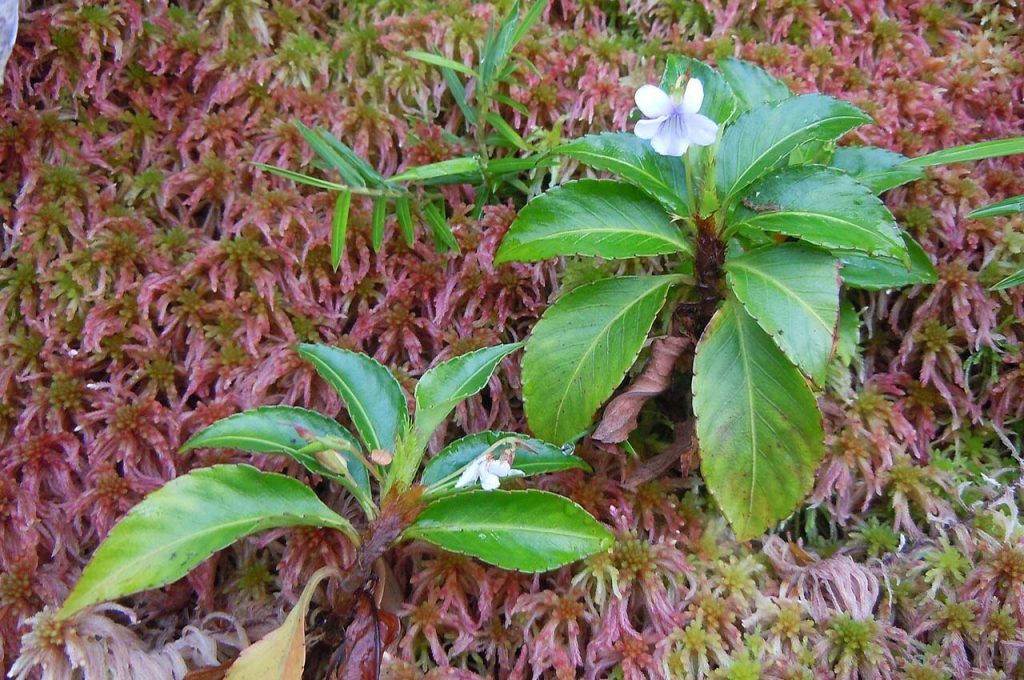
Wild violets bring lovely purple blooms in spring—but they’re notoriously hard to control. They form dense mats of waxy, heart-shaped leaves that resist herbicides and smother turfgrass. Thriving in shady, moist areas, they spread through underground rhizomes and self-seeding. Left alone, wild violets quickly take over lawn corners and shady beds, requiring aggressive, repeated treatment to manage.
15. Henbit
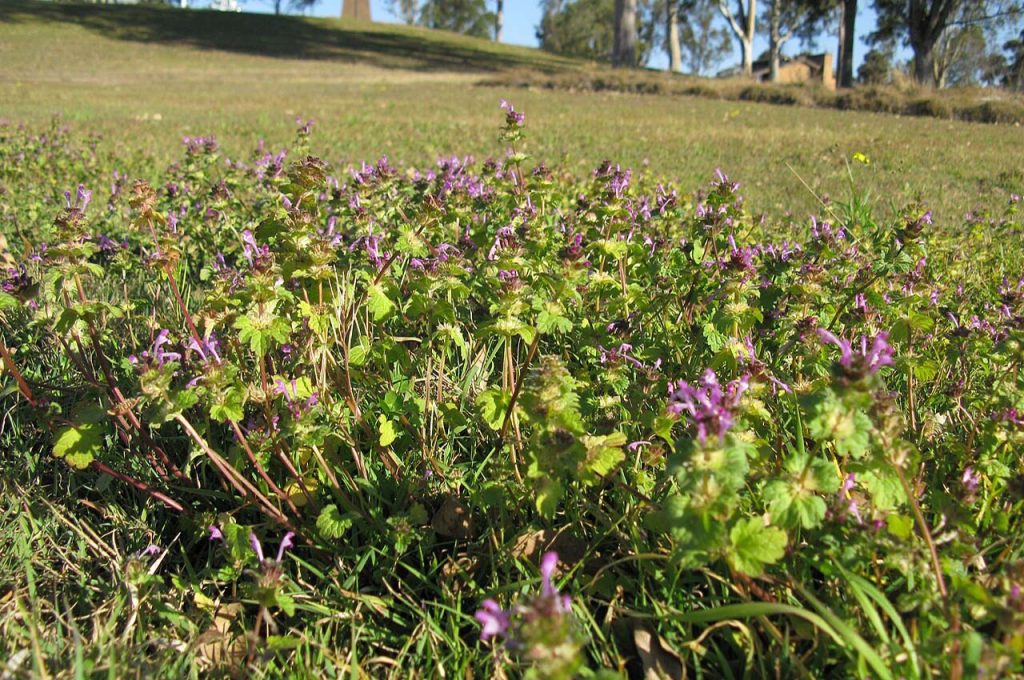
Henbit is a common cool-season weed with square stems, scalloped leaves, and tiny pink-purple flowers that attract early pollinators. It often carpets lawns and gardens in late winter or early spring, especially where soil is moist and disturbed. Though shallow-rooted and easy to pull, it seeds prolifically, ensuring it returns year after year without proper management.
16. Common Mallow
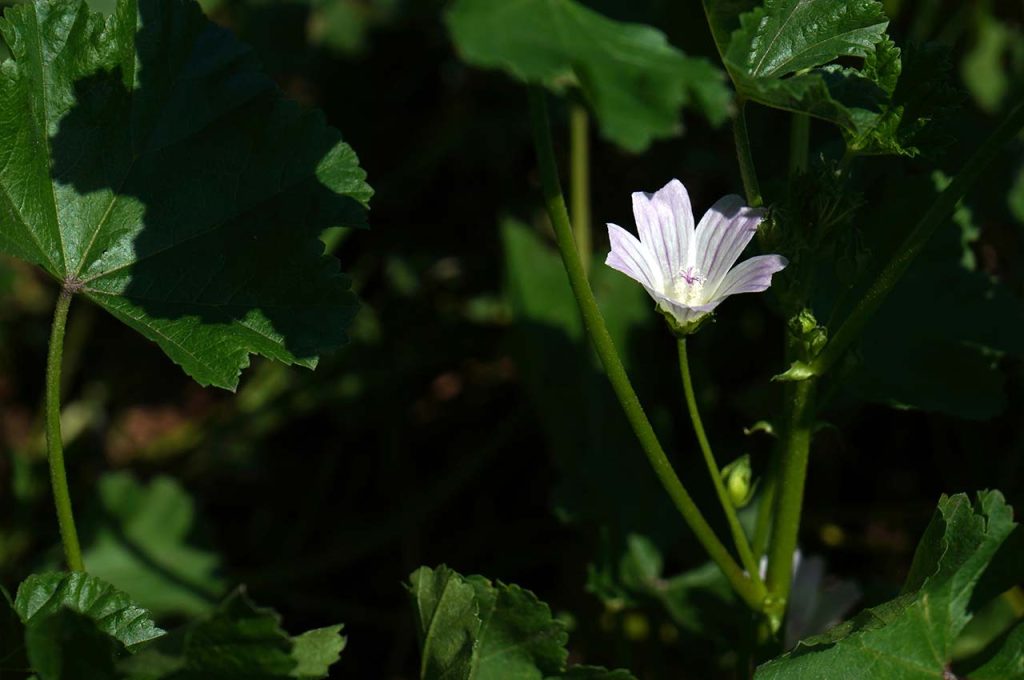
With its rounded, crinkly leaves and pretty lilac flowers, common mallow may seem harmless—but it’s a tough perennial weed. It grows low to the ground and develops a deep taproot that makes hand-pulling difficult. Once established, it spreads quickly through seeds and thrives in compacted or disturbed soil. Its resilience and tendency to hide in garden edges make it a sneaky, persistent invader.
17. Shepherd’s Purse
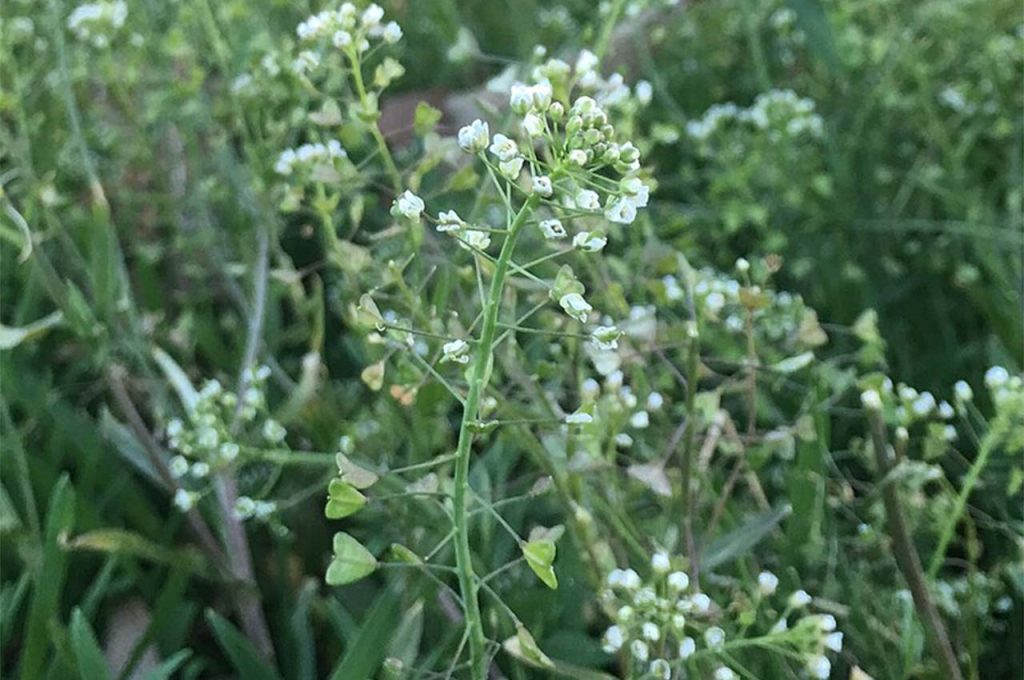
This cool-season weed gets its name from its tiny, heart-shaped seed pods. It grows in a rosette form with jagged leaves and a central stalk that shoots up small white flowers. A prolific seed producer, shepherd’s purse can quickly populate lawns, gardens, and sidewalk cracks. Though it’s part of the mustard family and technically edible, its aggressive spread makes it a nuisance for most gardeners.
18. Lamb’s Quarters
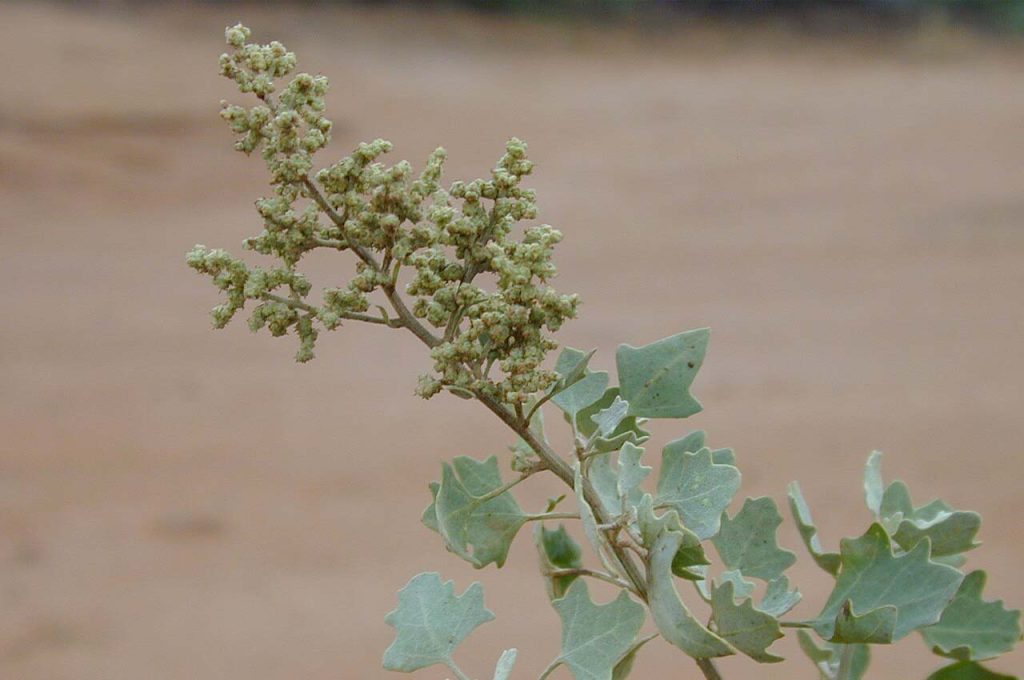
Lamb’s quarters is a fast-growing annual weed with diamond-shaped, dusty-looking leaves that often have a white, powdery coating underneath. It thrives in rich soil and disturbed areas, such as vegetable gardens, where it competes aggressively with crops. This weed produces thousands of seeds and grows several feet tall if left unchecked. While edible, most homeowners find it hard to manage.
19. Goosegrass
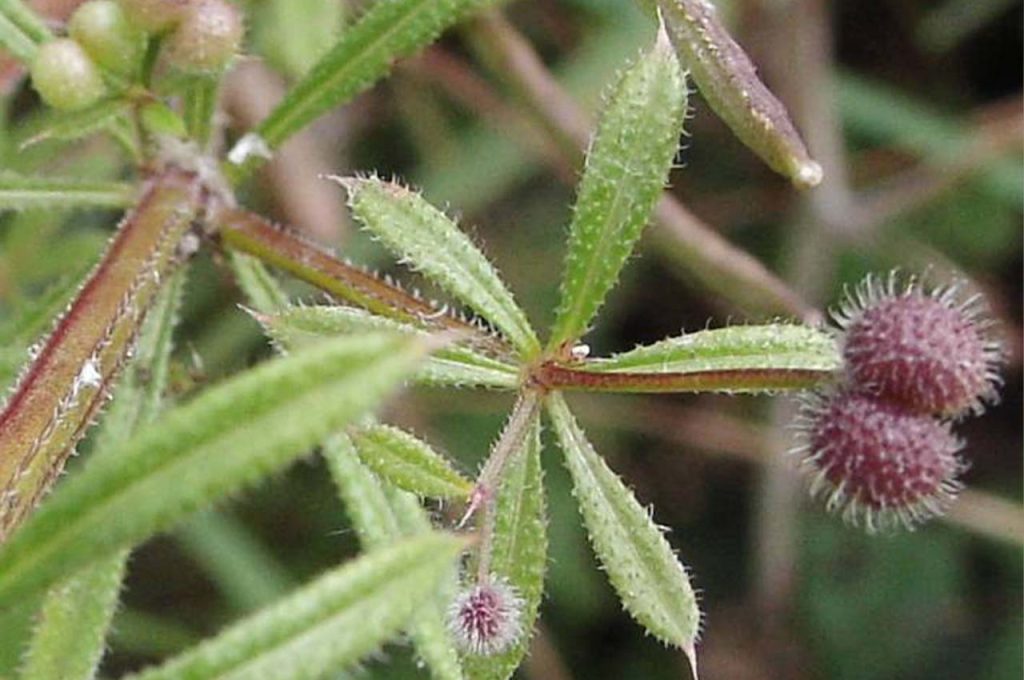
Goosegrass forms dense, low clumps of flattened grass blades that radiate out like a wagon wheel. It typically invades compacted or thin lawns in hot weather and spreads rapidly through seeds. The tough, wiry texture makes it unpleasant underfoot and hard to mow cleanly. Goosegrass often slips through lawn care routines unnoticed until it dominates sunny, worn-down patches in turf or garden paths.
20. Carpetweed
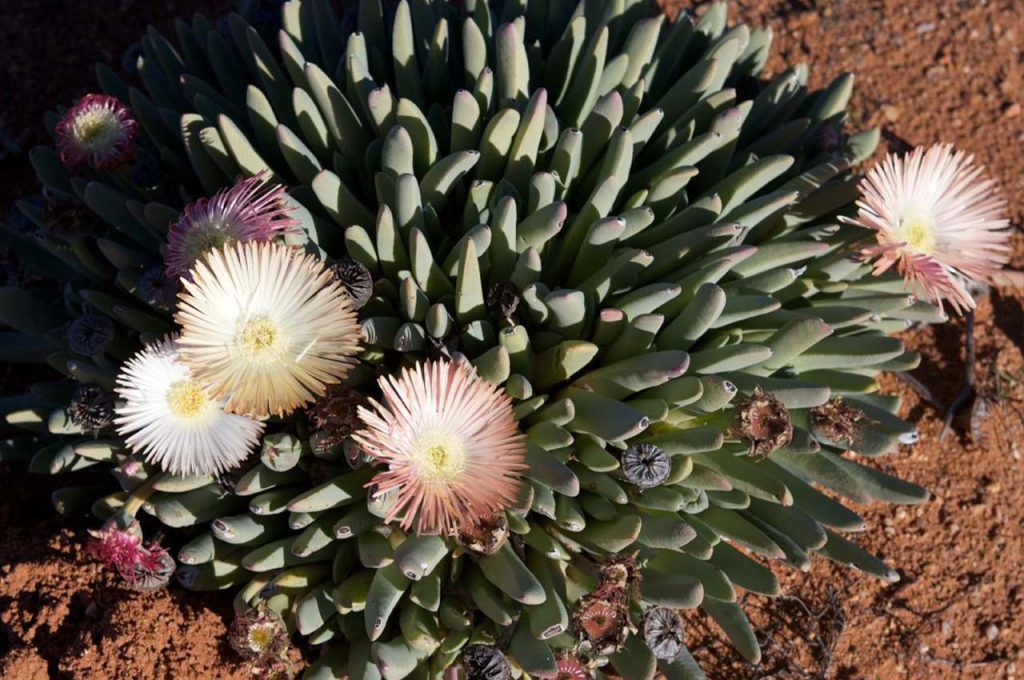
True to its name, carpetweed spreads in a tight mat across bare soil and disturbed ground. Its thin stems radiate outward, forming a starburst pattern of small green leaves and tiny white flowers. It thrives in hot weather and poor soil, and while shallow-rooted and easy to pull, its fast germination makes it hard to stay ahead of. Gardeners often find it creeping around vegetables and along garden edges.
Want to see more from Remodr?

Drop a comment below, share this with your friends and family, and don’t forget to follow us for more fresh ideas, updates, tips, and home trends.
This article was created with the assistance of AI but thoroughly edited by a human being.