
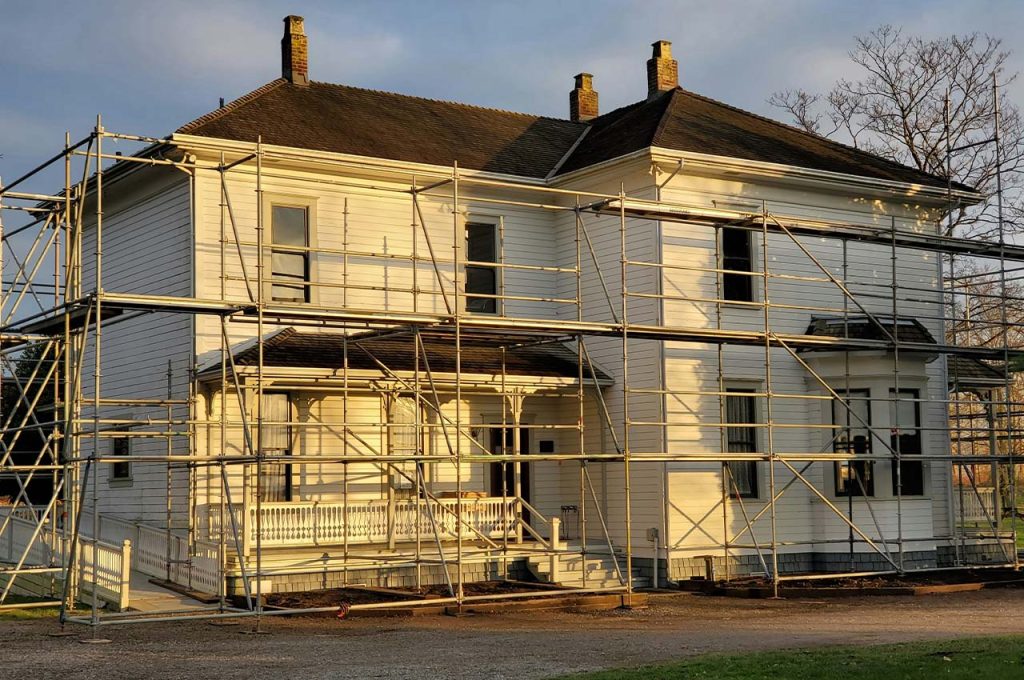
Putting off home repairs might seem harmless, but some issues can escalate quickly—causing costly damage, safety hazards, or even structural problems. Whether it’s a small leak or a flickering light, certain fixes demand immediate attention. Tackling them early not only saves money in the long run but also helps maintain your home’s value and livability. Here are nine home fixes you should never ignore.
1. Fix Leaky Faucets or Pipes Immediately
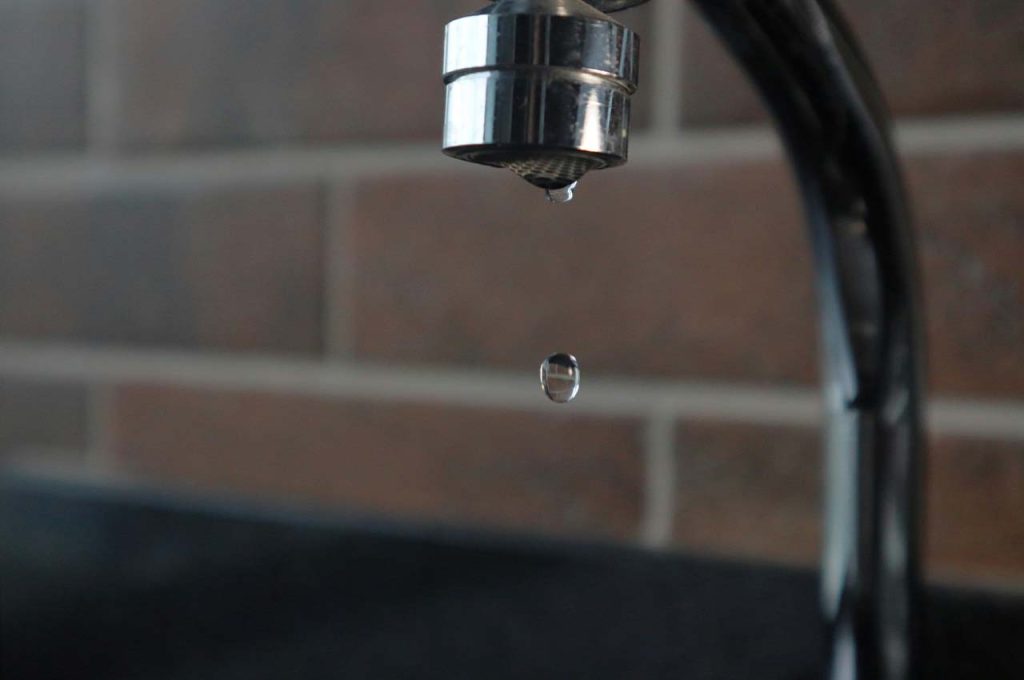
A slow drip may seem harmless, but it wastes water and can signal deeper plumbing issues. Left alone, leaks under sinks or behind walls can lead to mold, wood rot, and serious structural damage. The fix is often simple—replacing a washer, tightening a connection, or sealing a joint. Acting quickly prevents bigger headaches down the line and keeps your water bill in check.
2. Address Flickering or Dead Outlets
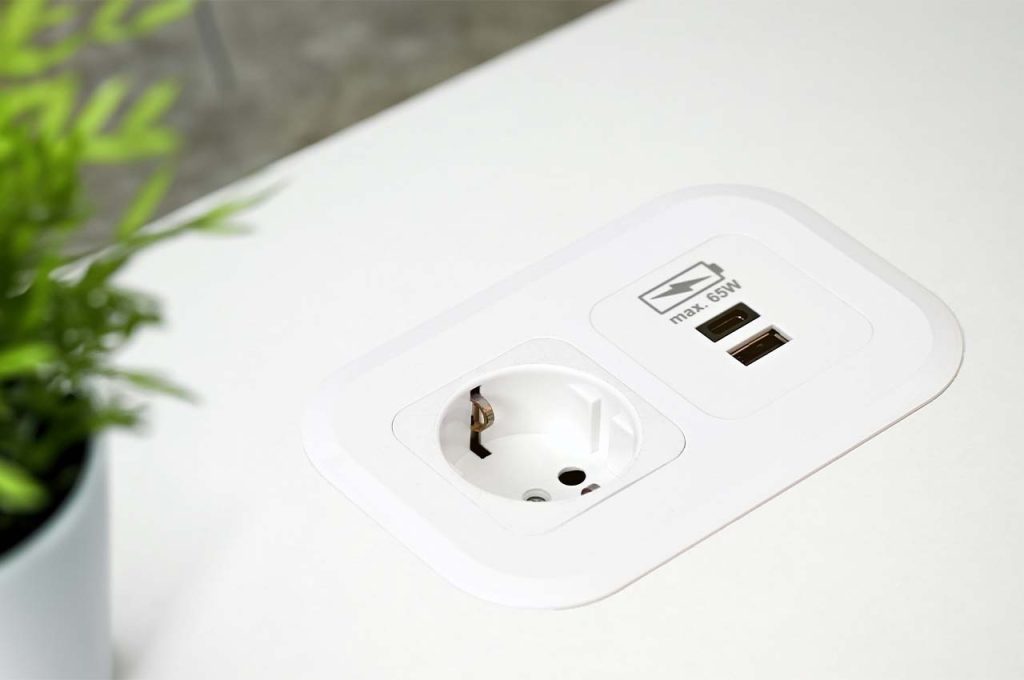
If an outlet isn’t working or your lights flicker randomly, don’t shrug it off—it could be a sign of loose wiring, overloaded circuits, or even fire risk. These aren’t weekend DIYs—call in a licensed electrician before a minor glitch sparks a major disaster. Ignoring them could put your safety at risk and damage electronics. A professional inspection now can prevent costly repairs—or worse—later.
3. Repair Roof Damage After a Storm
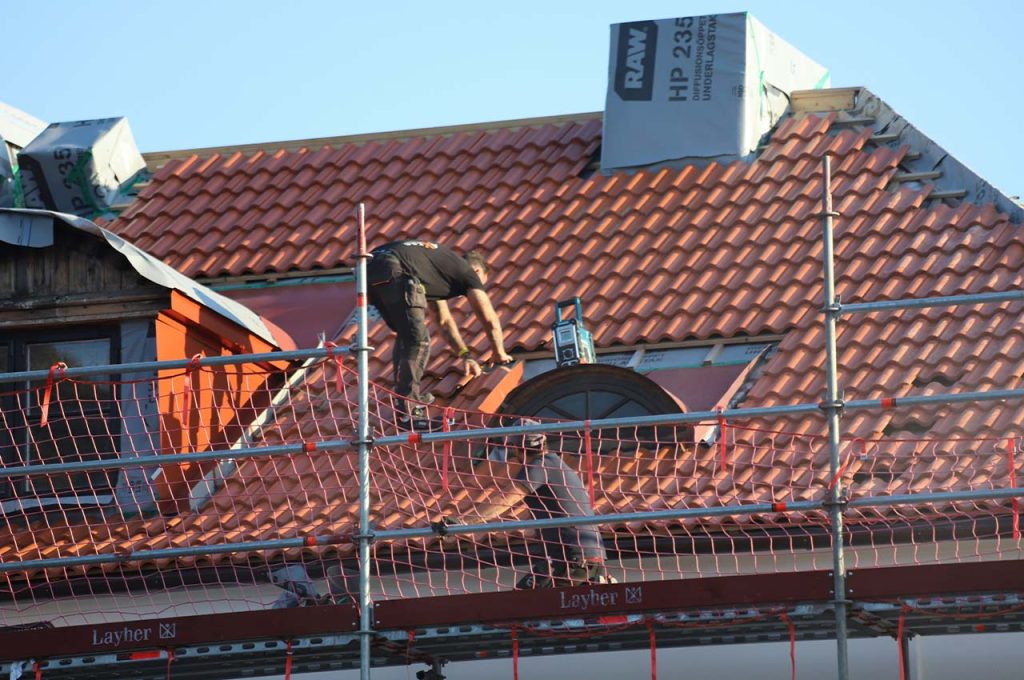
Shingles blown off or flashing peeled back after heavy wind or rain? Don’t delay. Water infiltration can sneak in fast and cause ceiling stains, insulation damage, or mold. A missing shingle today can mean a leaky ceiling tomorrow—small roof issues have a way of turning into expensive surprises fast. Tarp the area temporarily and call a roofer as soon as possible to assess and fix it before moisture causes long-term trouble.
4. Seal Gaps and Cracks Around Windows and Doors
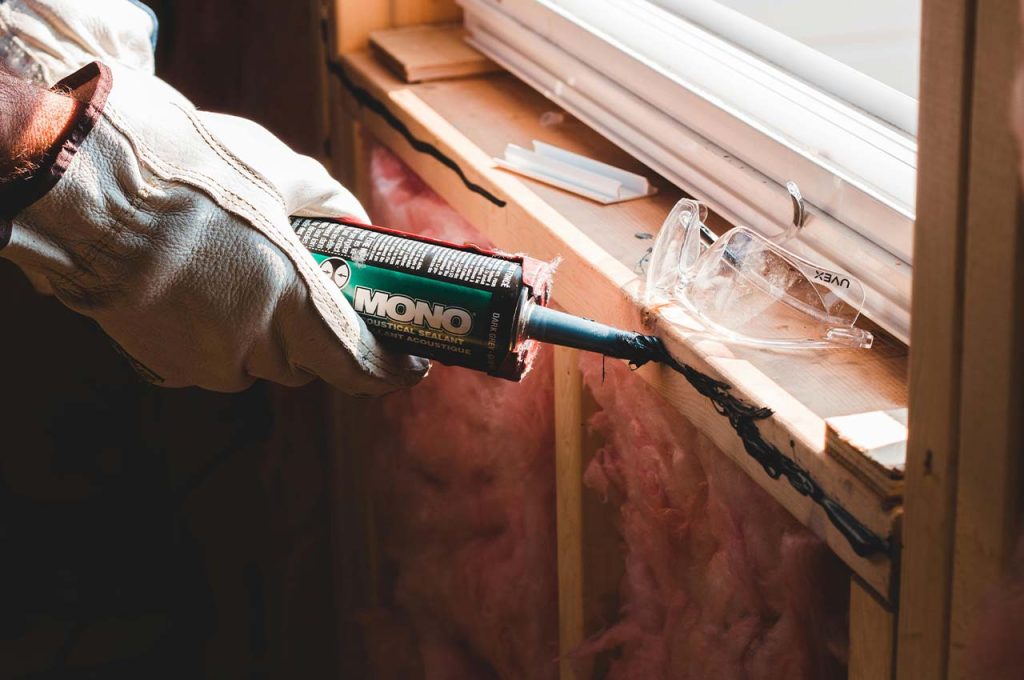
Tiny cracks may not seem urgent, but they let in drafts, moisture, and even pests. Over time, this drives up energy bills and can damage window frames or flooring. Sealing gaps with caulk or weatherstripping is a fast DIY task that boosts efficiency and comfort year-round. Do it now, and your HVAC system—and wallet—will thank you.
5. Unclog Drains That Are Slow or Backing Up
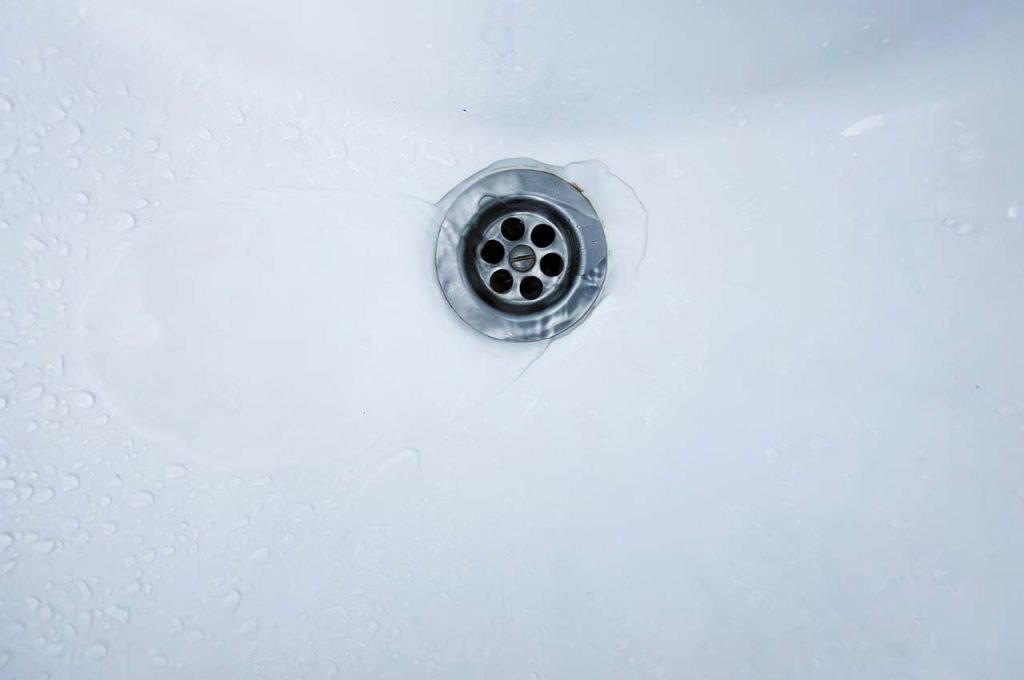
A slow drain is often the first sign of a bigger clog forming. Ignore it too long, and you could face full backups or burst pipes. Skip the harsh chemicals, which can damage plumbing—use a drain snake or call in a plumber to clear things out safely. Jump on leaks early—what starts as a small drip can spiral into warped walls, ruined floors, and a hefty repair bill.
6. Replace Broken or Missing Shingles
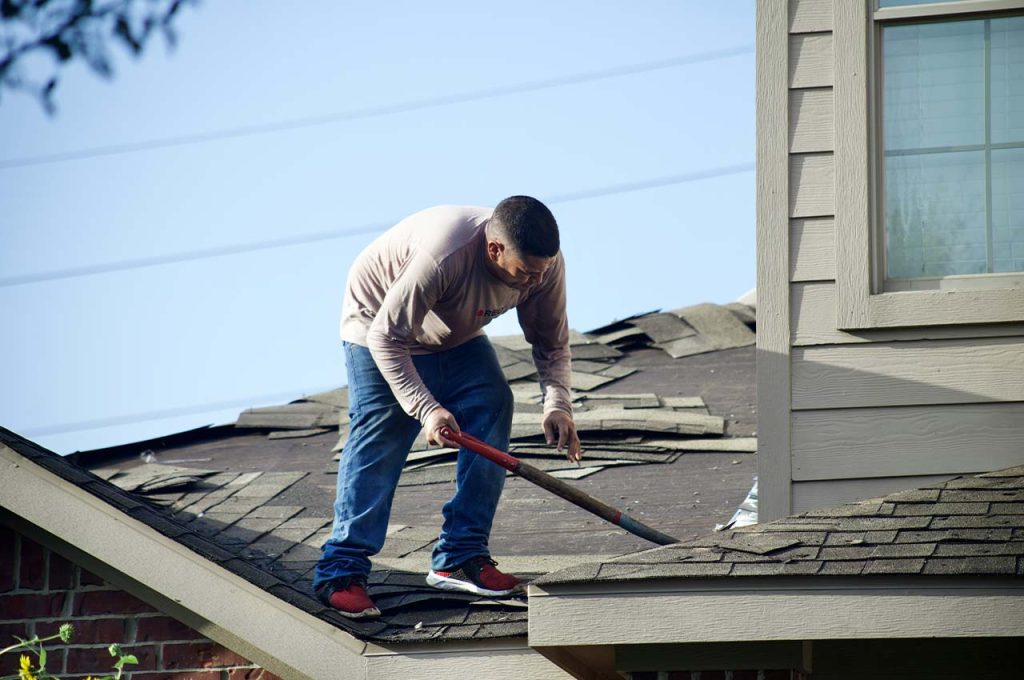
Just a handful of missing shingles can turn your roof into a ticking time bomb for leaks, rot, and costly structural damage. Rainwater can seep beneath exposed areas, damaging your attic insulation or ceiling drywall. Shingles are your home’s first line of defense—replacing them quickly prevents expensive water repairs and prolongs your roof’s life. Don’t wait until the next storm to find out the damage is worse.
7. Tighten Loose Stair Railings or Floorboards

A wobbly railing or creaky, loose floorboard isn’t just annoying—it’s a serious safety hazard. Whether it’s a tripping risk or a fall waiting to happen, these issues should be fixed right away. Tightening screws, adding bracing, or replacing warped wood can restore stability and safety, especially if kids or older adults use the space regularly.
8. Check and Repair Faulty Smoke Detectors

Smoke detectors are silent heroes—until they’re not. A dead battery or faulty sensor could mean no warning in an emergency. Test all alarms monthly, replace batteries annually, and make sure devices are under 10 years old. If they’re chirping or unresponsive, it’s time for a fix. Don’t gamble with fire safety—this small task saves lives.
9. Tackle Signs of Mold or Water Damage Quickly
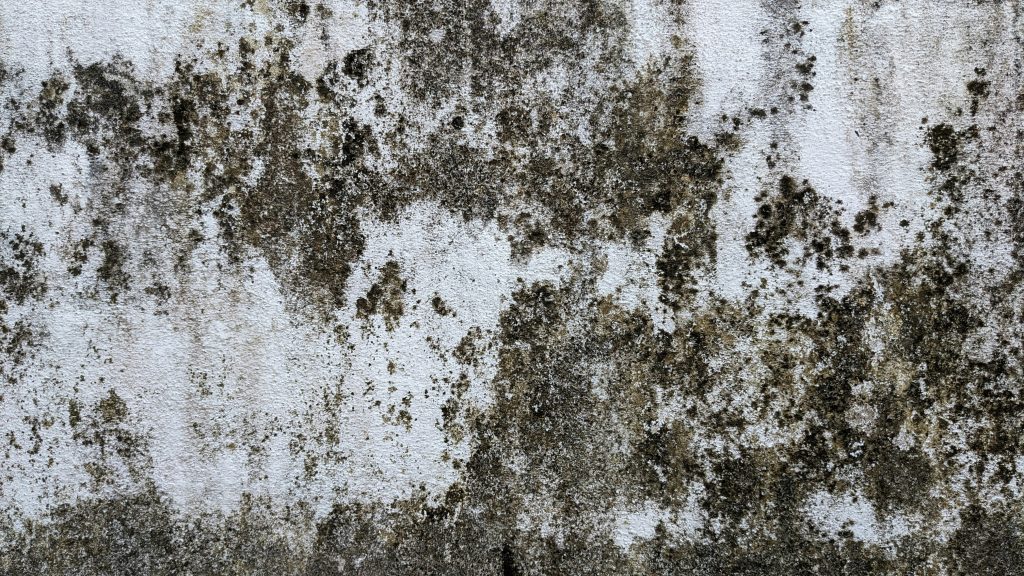
Dark spots on the ceiling, musty smells, or warped drywall are early signs of water issues and potential mold growth. Mold isn’t just unsightly—it spreads quickly and can wreak havoc on indoor air quality, triggering allergies and respiratory issues. Identify the source—often a hidden leak—and remediate it before it worsens. The longer you wait, the worse it gets—delays can turn simple fixes into full-blown renovations with sky-high repair bills.
Want to see more from Remodr?

Drop a comment below, share this with your friends and family, and don’t forget to follow us for more fresh ideas, updates, tips, and home trends.
This article was created with the assistance of AI but thoroughly edited by a human being.