
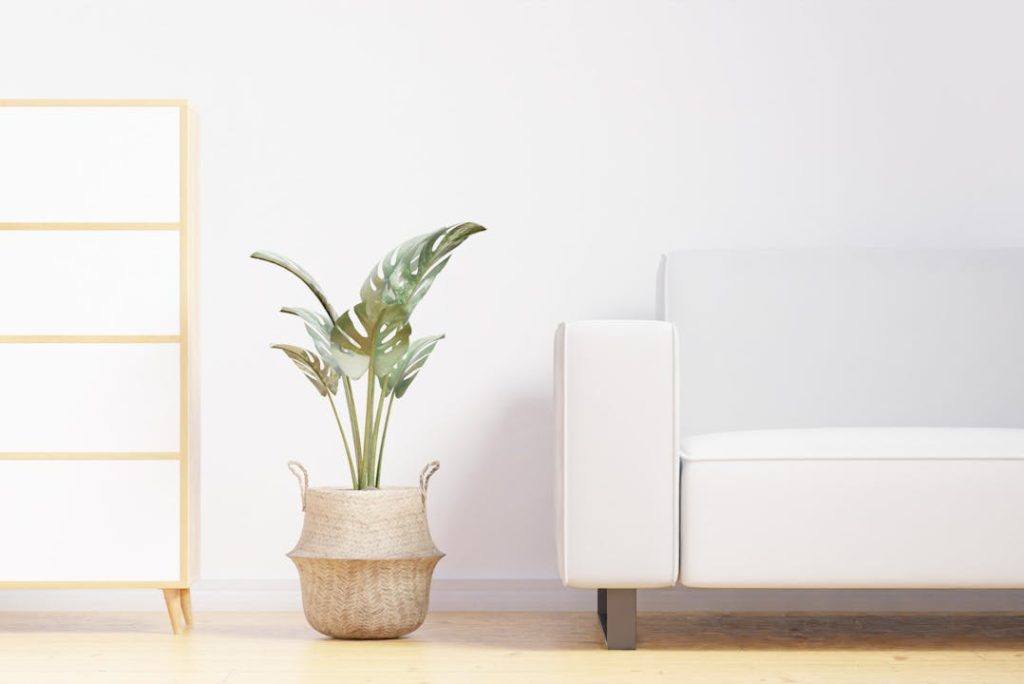
Decluttering should make your home feel calm and open—but some common missteps can do just the opposite. Avoid these nine pitfalls to create a space that feels truly simplified and serene, not accidentally more chaotic.
1. Decluttering Without a Plan
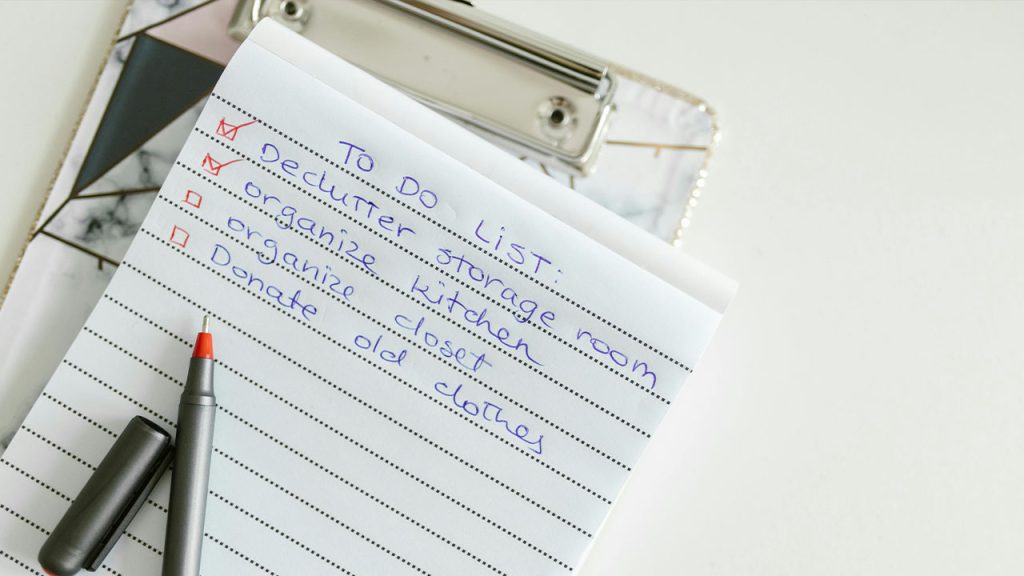
Jumping into decluttering without a clear plan often leads to unfinished piles and misplaced items. Instead of freeing up space, you may end up with more visible mess. Minimalists recommend setting small, focused goals—like tackling one drawer or shelf at a time. This keeps the process manageable and helps you make real, lasting progress without creating temporary chaos.
2. Buying Storage Before You Declutter

It’s tempting to run out and buy bins and baskets, but doing so before purging only masks clutter, it doesn’t fix it. You risk organizing things you don’t actually need. Instead, start by letting go of what you no longer use, then assess what’s left. Only then should you buy storage solutions that truly suit your space and needs, helping to maintain a cleaner, more functional home.
3. Shuffling Items Between Rooms

Moving clutter from one room to another might make one area look tidier, but it doesn’t solve the problem. It’s like hiding laundry in a closet—it’s still there, just out of sight. This mistake often leads to disorganized zones that become harder to clean and manage over time. Real decluttering means making decisions about what to keep, donate, or discard—not just relocating the mess.
4. Keeping “Just in Case” Items

Hanging onto things you might use “someday” clogs up valuable space. Minimalists challenge this mindset by asking, “Have I used this in the past year?” If not, it’s probably safe to let it go. Keeping items just in case often leads to overflowing drawers and crowded closets, making your home feel cramped and less functional, even after an hours-long decluttering session.
5. Ignoring Digital Clutter

Decluttering isn’t just physical—digital mess counts too. Overloaded desktops, endless phone photos, and unorganized files can add mental stress and slow your tech down. Minimalists take time to delete old apps, unsubscribe from junk emails, and back up what truly matters. A cleaner digital space makes daily tasks feel lighter and your devices much easier to use.
6. Decluttering Without Letting Go

Sorting items into “maybe” piles without making real decisions can stall the entire process. If everything ends up in a box marked “figure it out later,” you’re not truly decluttering. Minimalists emphasize decisiveness—each item should have a clear yes or no. Avoiding the emotional weight of choice just delays the inevitable and clutters your space with indecision, which adds more stress than peace.
7. Getting Rid of Storage Furniture Too Soon

In a rush to simplify, some people toss storage furniture like bookshelves, baskets, or cabinets without first reducing their belongings. The result? Items with nowhere to go. Instead, declutter your stuff first, then see what furniture you actually need. Removing storage before downsizing contents creates more visual mess and forces useful items into piles that only grow over time.
8. Decluttering Alone Without Support

Decluttering can be emotional, and trying to do it all alone can lead to burnout or impulsive decisions. Minimalists often enlist a friend or set clear timelines for accountability. Support helps you stay focused, keeps momentum going, and provides a second opinion when you’re stuck. Without it, it’s easier to abandon the process halfway or keep items that don’t belong.
9. Not Setting Boundaries for New Items

Decluttering only works if you prevent clutter from returning. Failing to set boundaries—like the “one in, one out” rule—can quickly undo your efforts. Minimalists keep clutter in check by being mindful of new purchases and gifts. If you don’t create limits, your space will slowly fill back up, making your home feel busier over time, no matter how well you’ve decluttered.
This article was created with the assistance of AI but thoroughly edited by a human being.