
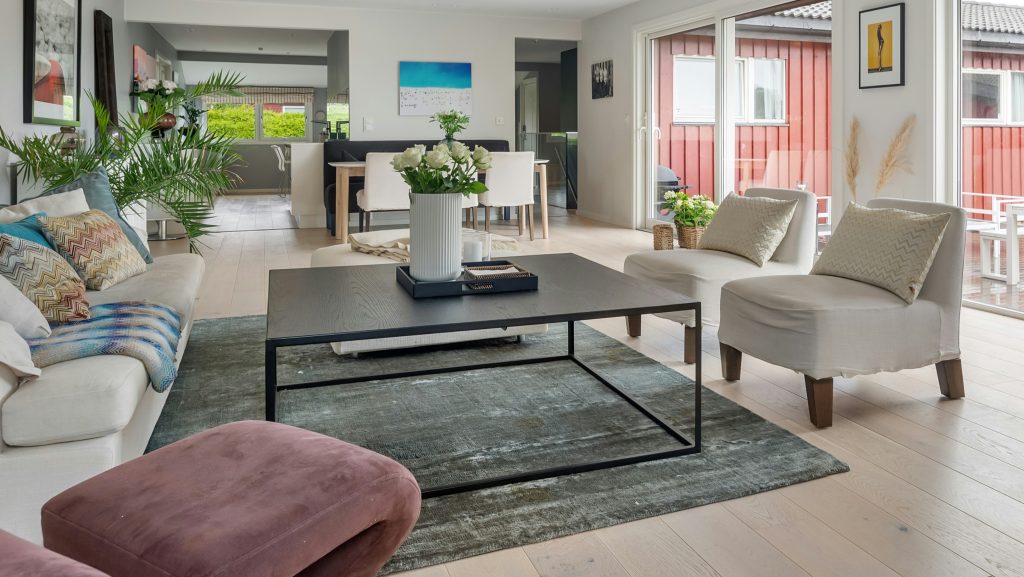
The 1990s may feel like a distant memory for some, but the design trends from that era are quietly making a comeback in modern interiors. From bold patterns to sleek minimalism, the influence of the ’90s is subtly woven into today’s architectural and interior design choices. Designers are embracing the nostalgia of the ’90s, adapting these trends for contemporary tastes, and proving that the past often has a lasting impact on the future. Whether it’s the resurgence of grunge-inspired decor, the revival of geometric patterns, or the reimagining of iconic color schemes, these trends are showing that style is cyclical, blending the old with the new in surprisingly fresh ways.
1. Industrial Chic
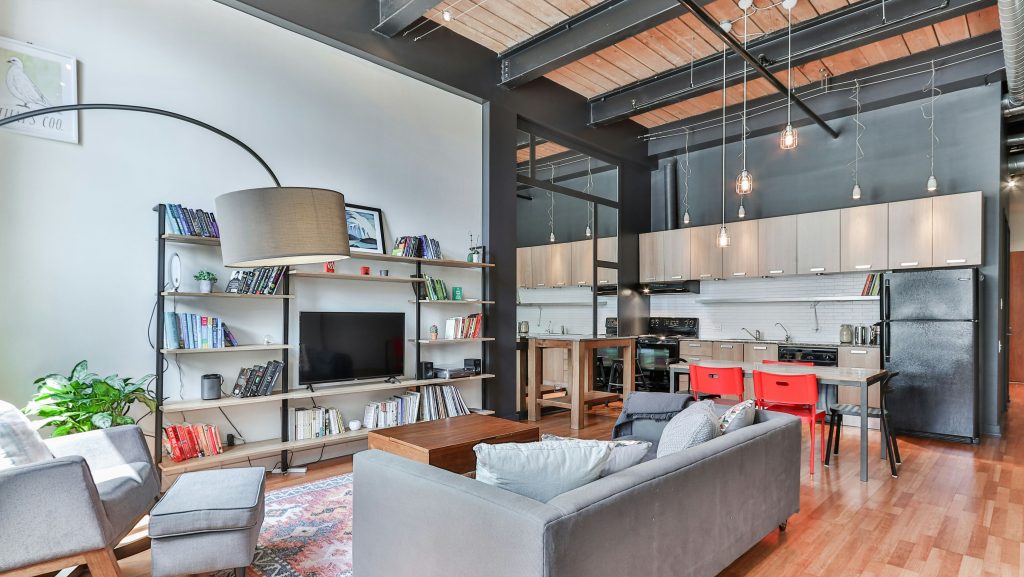
The ’90s saw the rise of industrial aesthetics, characterized by raw, unfinished materials, exposed brick walls, and metal accents. This trend, born out of the urban loft culture, has evolved into a modern favorite. Designers today have embraced the trend but with a more refined approach. Sleek steel finishes, open shelving, and neutral color palettes dominate the look, transforming what was once considered gritty into sophisticated elegance. This balance of functionality and style continues to resonate with homeowners seeking both practicality and artistic flair in their spaces.
2. Bold Color Palettes
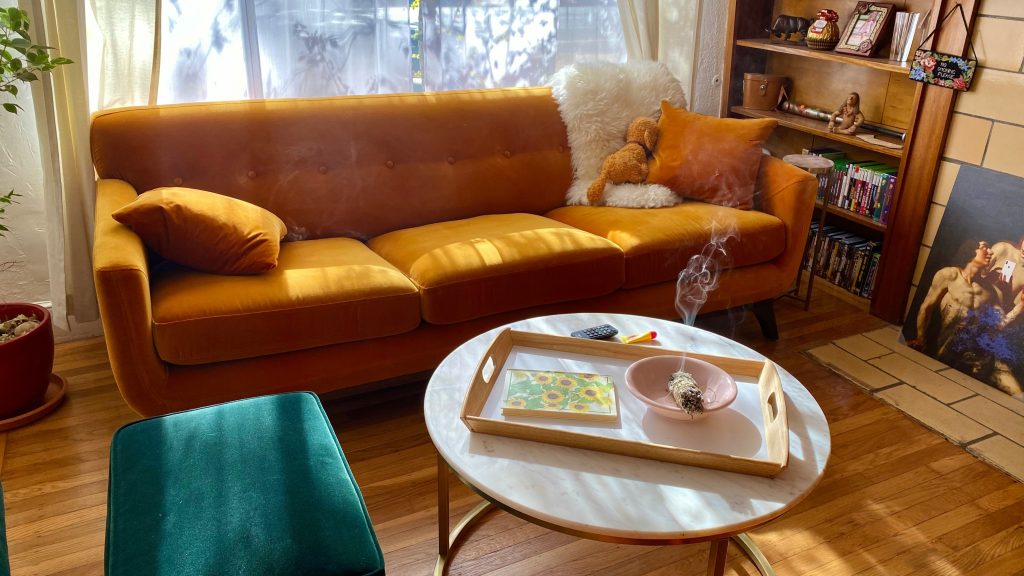
The ’90s were all about rich, vibrant colors like deep burgundy, mustard yellow, and teal, often used in unexpected combinations. Today’s designers are returning to these bold hues, but with a more curated, intentional use. The key is integrating these colors in subtle ways such as through accent walls, colorful furniture, and patterned textiles. These hues evoke a sense of warmth and nostalgia, while also adding personality and depth to a space. The resurgence of jewel tones in contemporary design gives a nod to the eclectic, lively energy of the ’90s.
3. Geometric Patterns
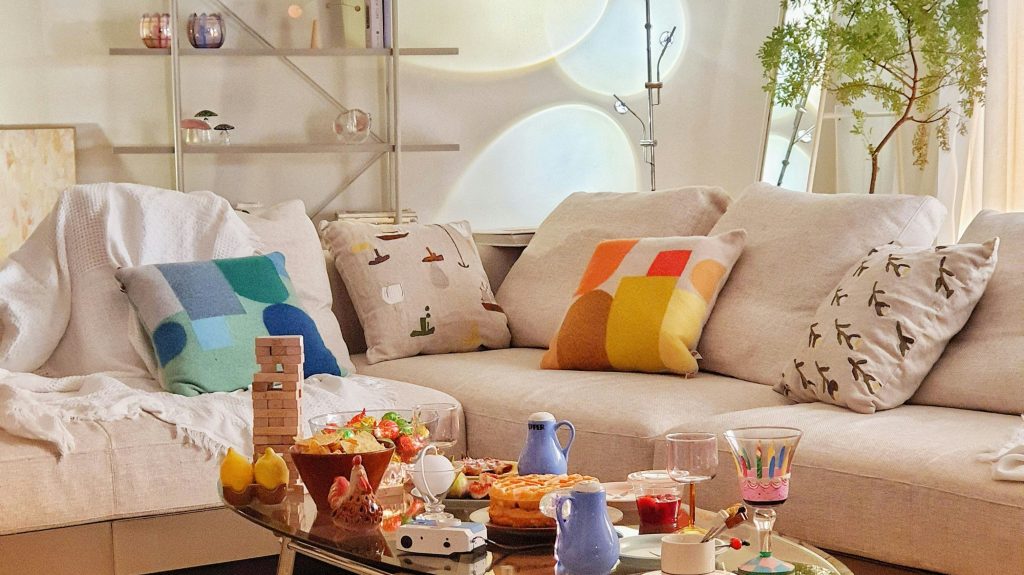
Geometric patterns were a staple of ’90s decor, from checkered floors to abstract wallpaper. This trend is making a comeback in modern design, though the application has evolved. Geometric shapes are now integrated into furniture design, rugs, and wall art, offering a playful yet structured aesthetic. Designers use these patterns in contemporary spaces to create visual interest and a sense of balance. The modern take on ’90s geometry focuses on simplicity, using muted tones or natural materials, making it a more sophisticated yet still energetic design choice.
4. Sleek Minimalism
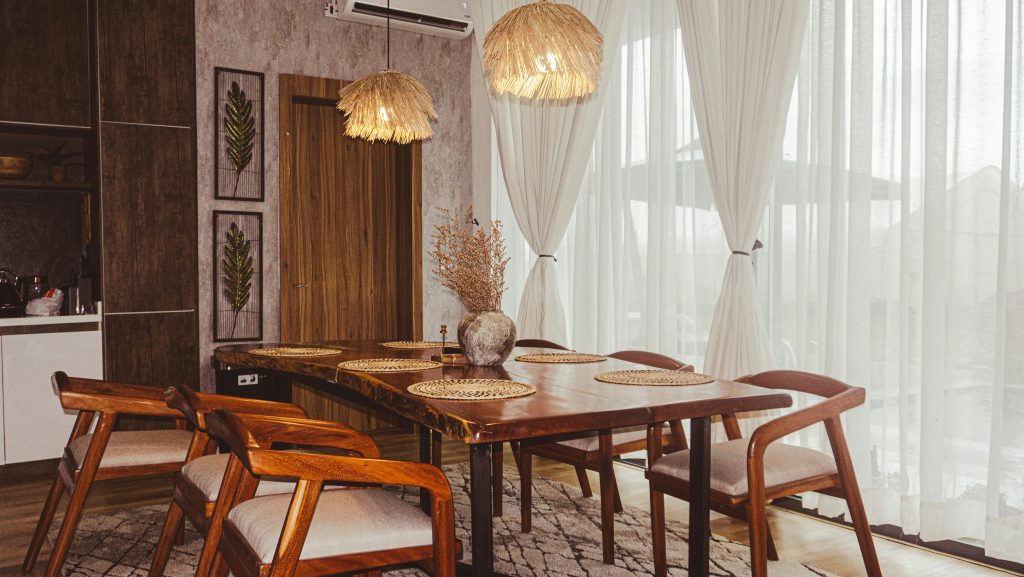
The minimalistic design trend of the ’90s focused on clean lines, neutral tones, and functional furnishings. Today, this look has evolved into what is now known as “modern minimalism,” where the essence of simplicity remains, but with enhanced attention to quality materials and innovative technology. Open-plan spaces, low-profile furniture, and sleek kitchen designs reflect this timeless trend. The modern interpretation combines aesthetics with convenience, making it ideal for urban living, where space is often at a premium.
5. Wood Paneling
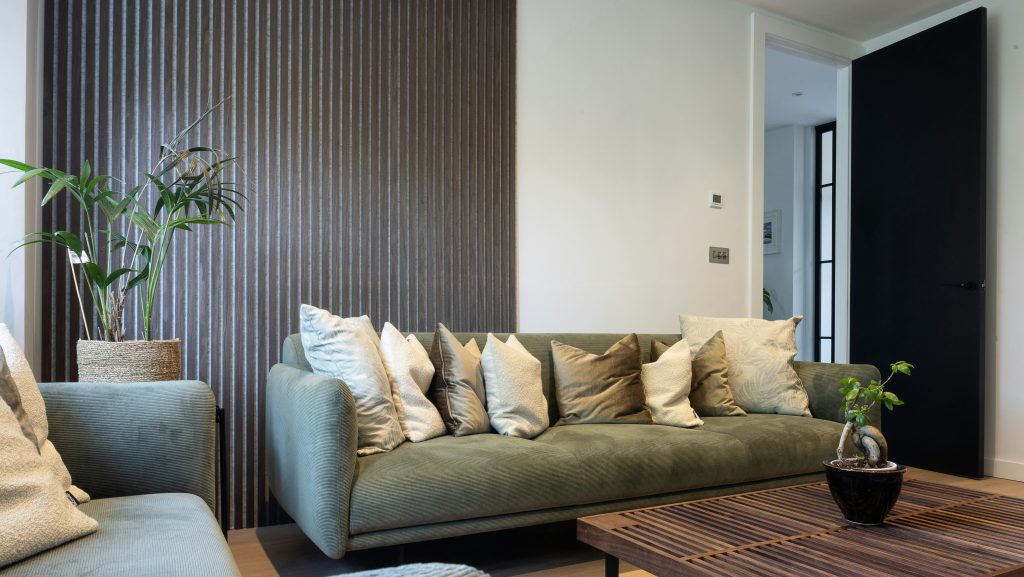
While wood paneling was a common feature in homes during the ’70s, the ’90s saw a more refined, subtle use of wood in design. Today, designers are bringing back wood paneling, but with a modern twist. Light wood tones, such as oak and maple, are being used in unexpected places such as on ceilings or accent walls creating a warm and inviting atmosphere. The key to incorporating wood paneling today is to keep it light and airy, complementing contemporary furniture and accessories, rather than overwhelming the space with heavy, dark panels.
6. Velvet Furniture
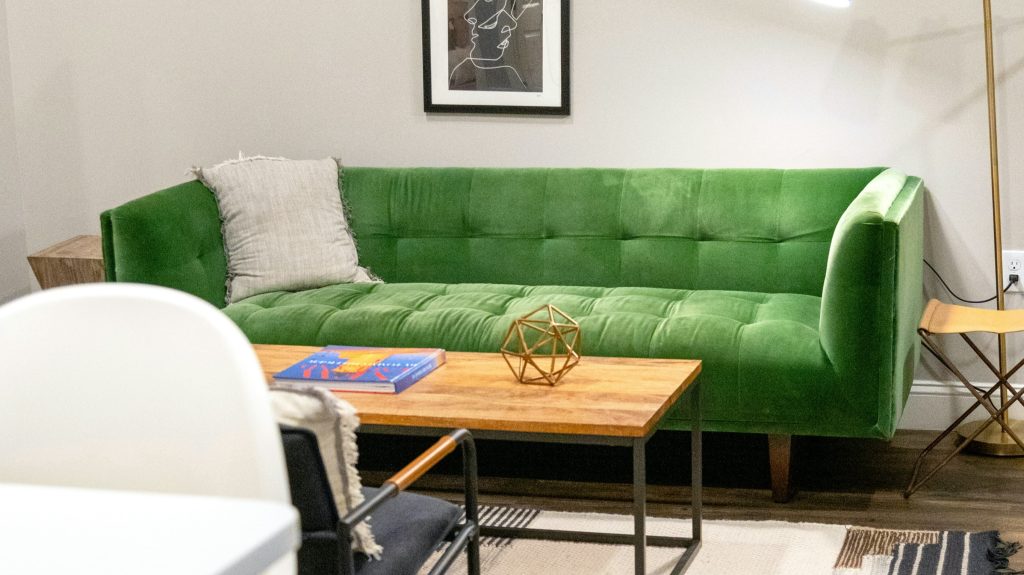
In the ’90s, velvet was a luxurious fabric often used for upholstery and curtains. Designers are once again embracing velvet, but with a fresh perspective. Today, velvet furniture pieces especially sofas, armchairs, and cushions, add richness and texture to living spaces. The plush, tactile nature of velvet makes it an inviting material that adds depth and comfort. Modern velvet furniture is often designed with clean lines and in jewel tones like emerald green, deep blue, and royal purple, blending the opulence of the past with today’s more refined tastes.
7. Abstract Art
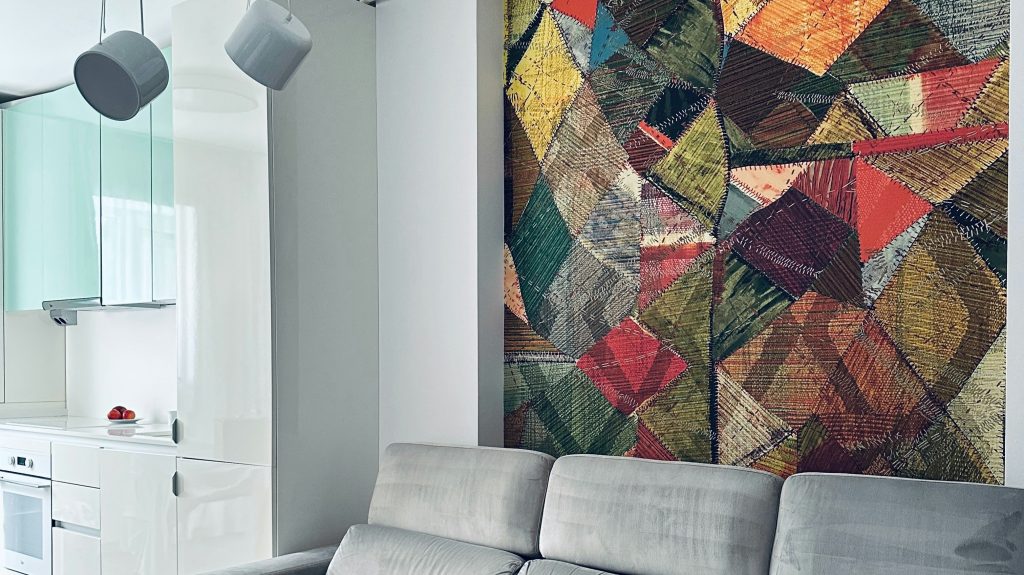
In the ’90s, abstract art made a significant impact on interior design. The bold lines, irregular shapes, and vibrant colors of abstract art are once again being used to inject personality into spaces. Designers are incorporating large, statement-making abstract pieces that serve as the focal point of a room. The art’s chaotic beauty contrasts nicely with the clean lines of modern furniture, adding depth and a touch of creative flair. This trend speaks to the idea that art should evoke emotion and spark conversation, aligning with a more expressive approach to home decor.
8. Track Lighting
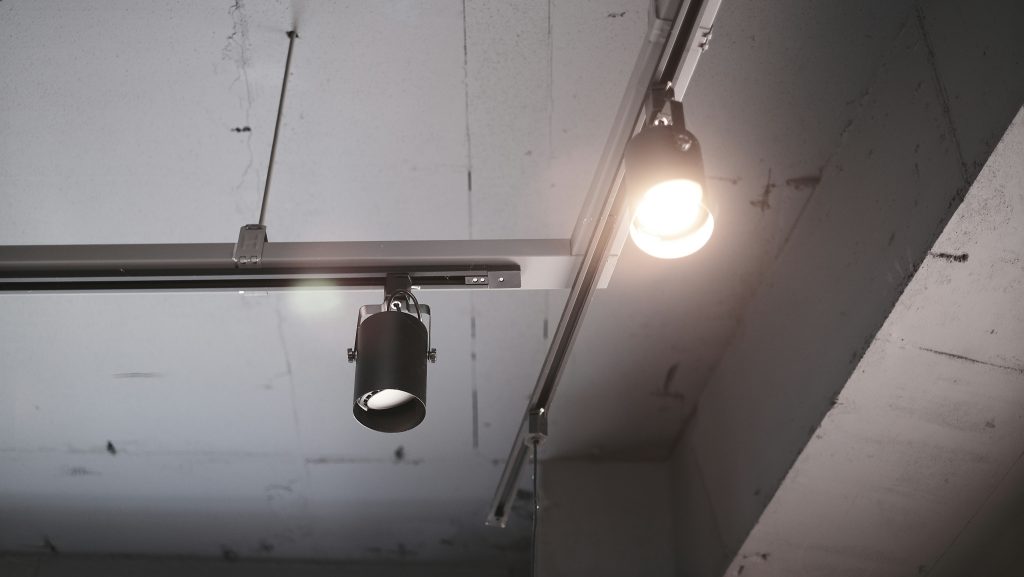
Track lighting, popular in the ’90s for its versatility and sleek design, has made a comeback. Modern versions are more discreet and sophisticated, often featuring adjustable heads and LED technology. This allows for precise lighting control, which is perfect for highlighting architectural features or artwork. Track lighting is an excellent choice for creating ambiance in contemporary spaces, adding both functionality and style without overwhelming the design. The contemporary designs are also more energy-efficient, providing an eco-friendly option for modern interiors.
9. Retro Futurism
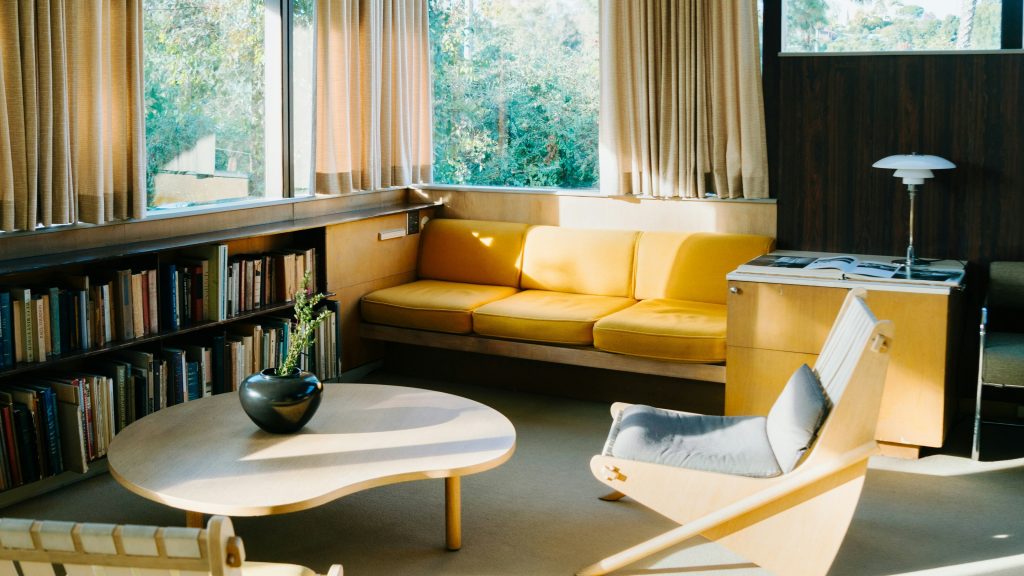
The ’90s were fascinated with futuristic ideas, often blending them with retro influences. Retro-futurism in design was all about bold, imaginative shapes and materials that evoked visions of the future, such as metallic finishes and unconventional forms. Today, this aesthetic is being reinterpreted with a more refined edge, combining modern technology with design elements inspired by the past. Think chrome finishes, sleek surfaces, and curvaceous furniture that nods to ’90s optimism while remaining stylish and forward-thinking.
This article was created with the assistance of AI but thoroughly edited by a human being.