
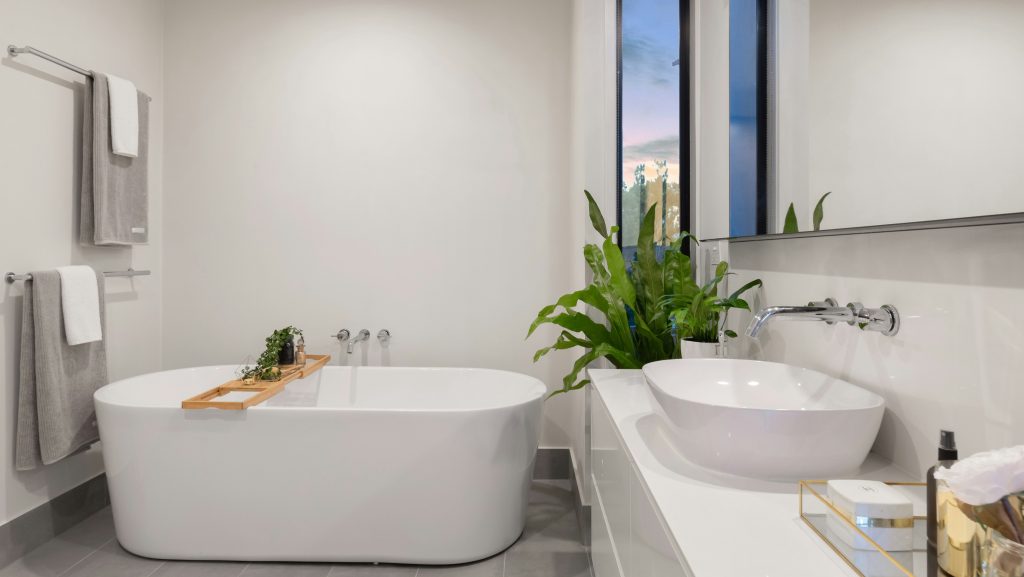
Bathrooms have evolved far beyond their utilitarian roots. Today, they’re sanctuaries, spaces where we begin and end our days, and where comfort meets style. But as design trends come and go, not all of them stand the test of time. Some fads that once felt fresh now feel tired, even awkward. So, if you’re dreaming of a bathroom refresh, it’s worth knowing which trends to leave behind and which timeless ideas are leading the way. Here are 9 outdated styles we’re waving goodbye to, and 4 enduring concepts redefining bathroom bliss.
1. All-White Bathrooms
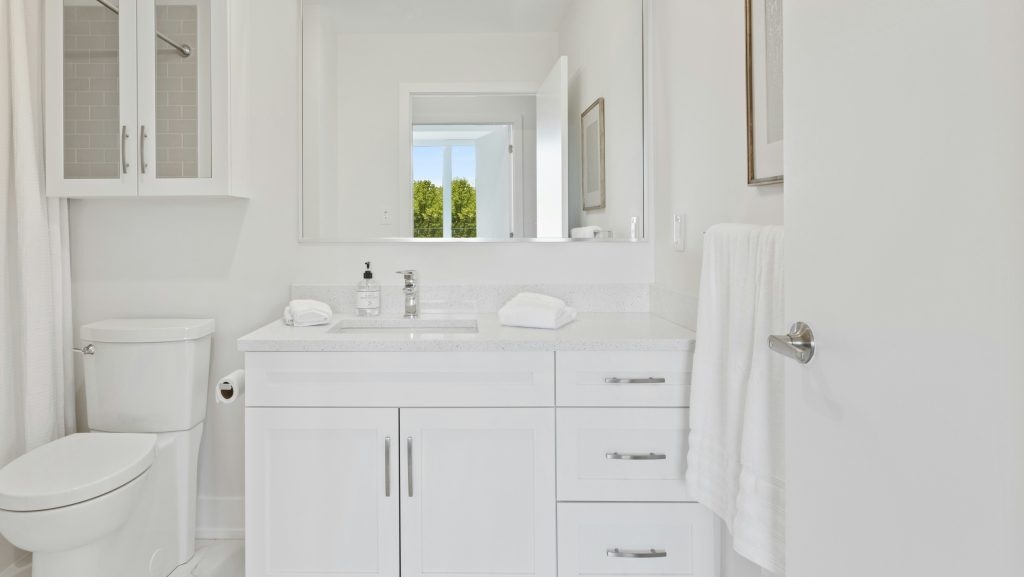
White-on-white interiors may have once stood for simplicity, purity, and modern elegance, but now they often feel cold, lifeless, and overused. These spaces can lack the soul and warmth that make a house feel like a home. Instead of calm, they feel clinical, more like a showroom than a living space. They’re also surprisingly high-maintenance, showing every smudge and speck of dust. People crave character, texture, and lived-in charm, something white-on-white rarely delivers. A home should tell your story, not just follow a trend.
2. Over-the-Top Glam Vanity Mirrors
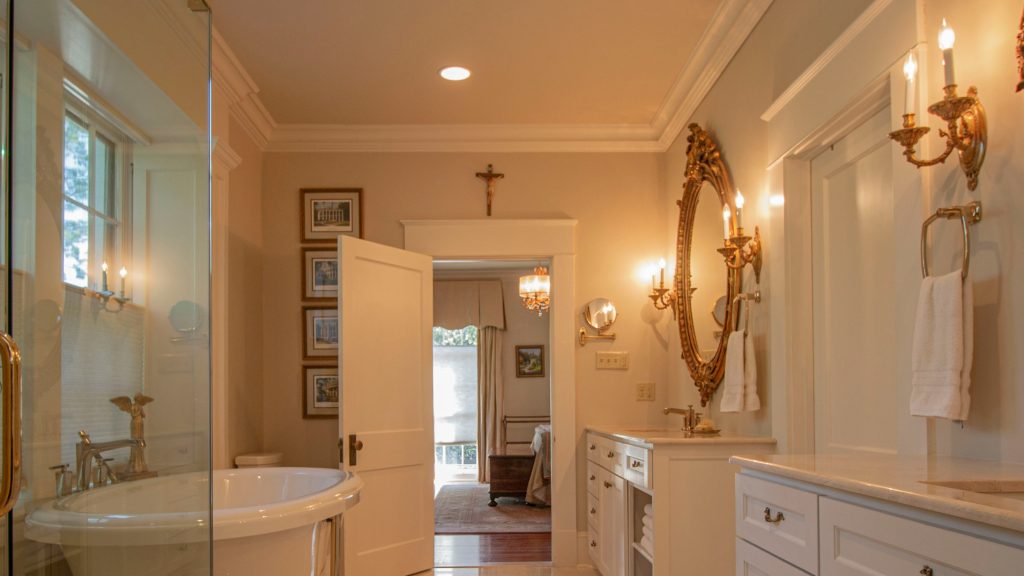
Mirror frames dripping in crystals or heavy, ornate designs are being replaced by clean, architectural shapes. The old glam aesthetic once the go-to for adding a sense of luxury—now feels forced, overly embellished, and a bit out of touch. Today’s luxury is more about subtle sophistication, think sculptural silhouettes, refined materials, and thoughtful simplicity. Instead of shouting for attention, modern design speaks with quiet confidence, blending beauty with purpose in a way that feels fresh, elevated, and effortlessly stylish.
3. Matching Bathroom Sets
Coordinated soap dispensers, tissue boxes, and toothbrush holders in matching colors and patterns might look neat, but they can feel more like hotel room decor than a reflection of real personality. These hyper-matched sets often limit creativity and make bathrooms feel staged rather than lived-in. Your space should feel like you, not a catalog page. Mixing textures, colors, or even repurposing unique items can make your bathroom feel warmer, more personal, and way less cookie-cutter.
4. Vessel Sinks
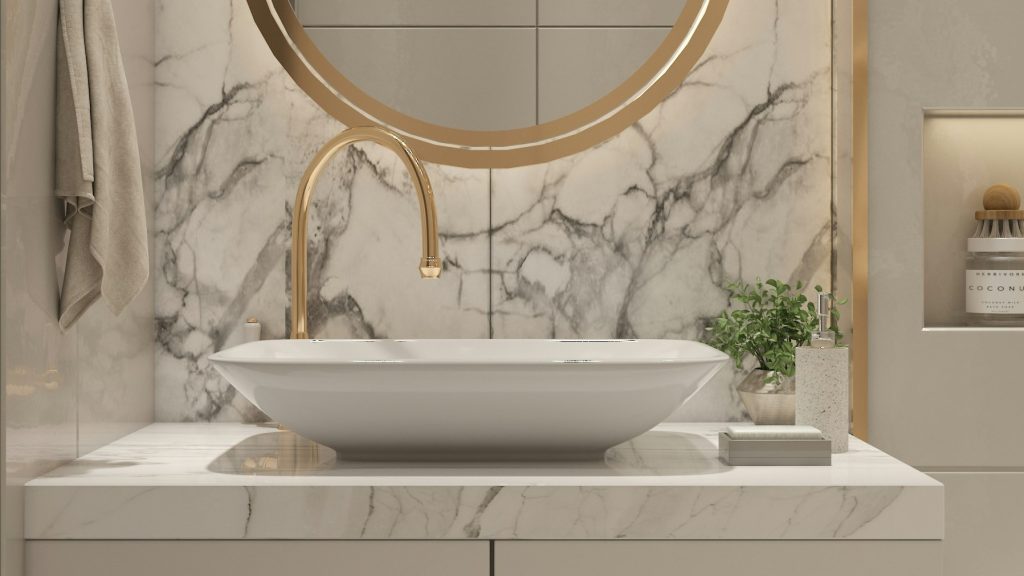
Once hailed as the epitome of modern bathroom design, vessel sinks are now falling out of favor. While they made a bold style statement, they often interrupt the visual flow of countertops and can lead to messy splashing. Today’s designers are leaning into more integrated, seamless sink styles that blend effortlessly into vanities. These designs not only look cleaner and more refined but also offer better functionality and easier maintenance. It’s all about simplicity, practicality, and a more streamlined aesthetic.
5. Faux Wood Tile
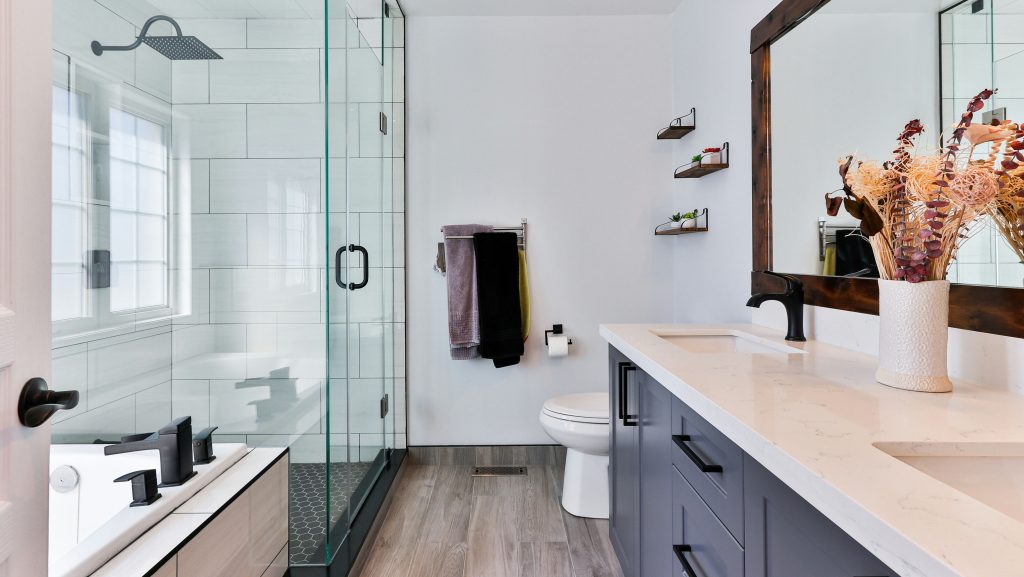
While faux wood tile was meant to bring the natural warmth of wood into bathrooms, it often falls short. The overly glossy finish and repeated grain patterns can feel artificial and uninspired. Instead of evoking the cozy charm of real wood, it can make the space feel colder and more staged. It lacks the texture, depth, and imperfections that give wood its character. What was meant to be rustic and inviting often ends up looking more like printed plastic, pulling away from the comfort a bathroom should offer.
6. Busy Mosaic Borders
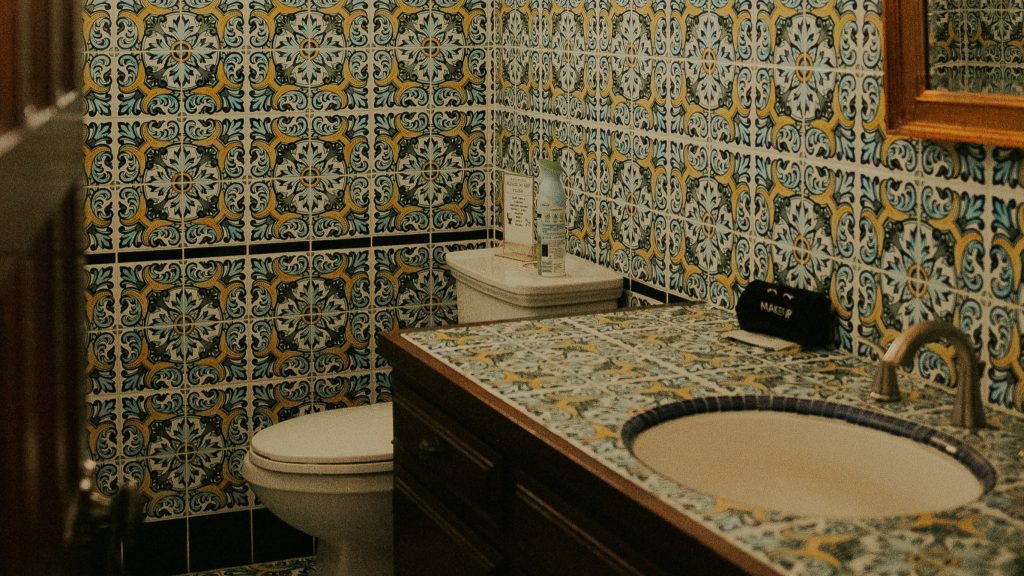
Tiny, multicolored tiles once felt fresh and fun, a playful way to line shower walls or add a pop of personality to a bathroom. But now, they can feel more like visual noise than a design statement. Instead of elevating a space, they often break the clean, seamless look that modern bathrooms strive for. What used to feel stylish now reads as busy and outdated, disrupting the calm, spa-like vibe many people crave. Smooth, uninterrupted surfaces just feel more elegant and timeless.
7. Barn Doors
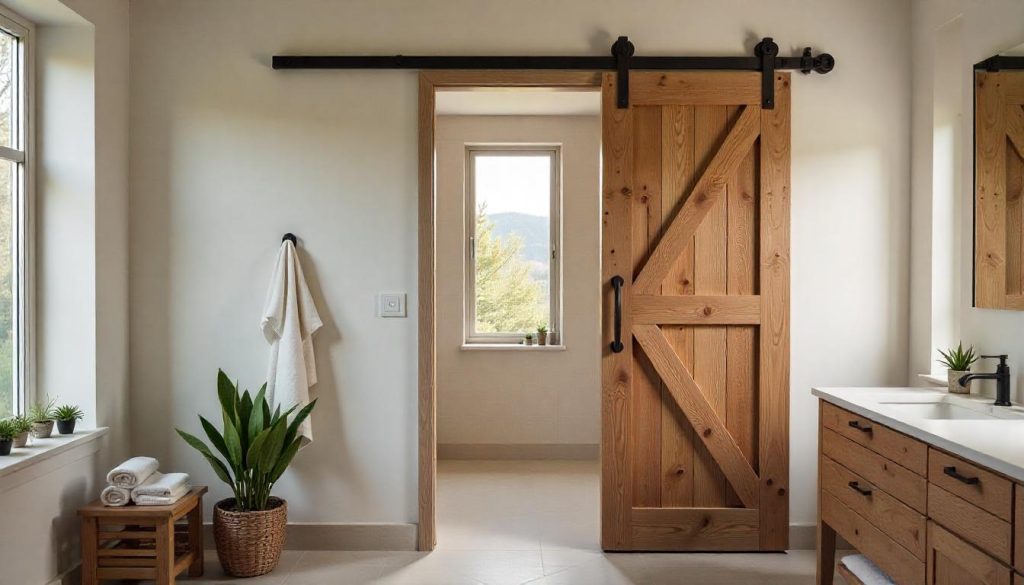
Rustic sliding barn doors once brought a touch of farmhouse charm to homes, even finding their way into bathrooms. But let’s be honest, they’ve lost their appeal. They often lack proper privacy, offer little to no sound insulation, and can feel awkward or out of place in more modern spaces. What once felt cozy now just feels outdated. They’re noisy, don’t seal well, and aren’t always the most practical choice especially when you’re looking for peace and quiet, or just trying to avoid those awkward bathroom moments.
8. Overuse of Grey
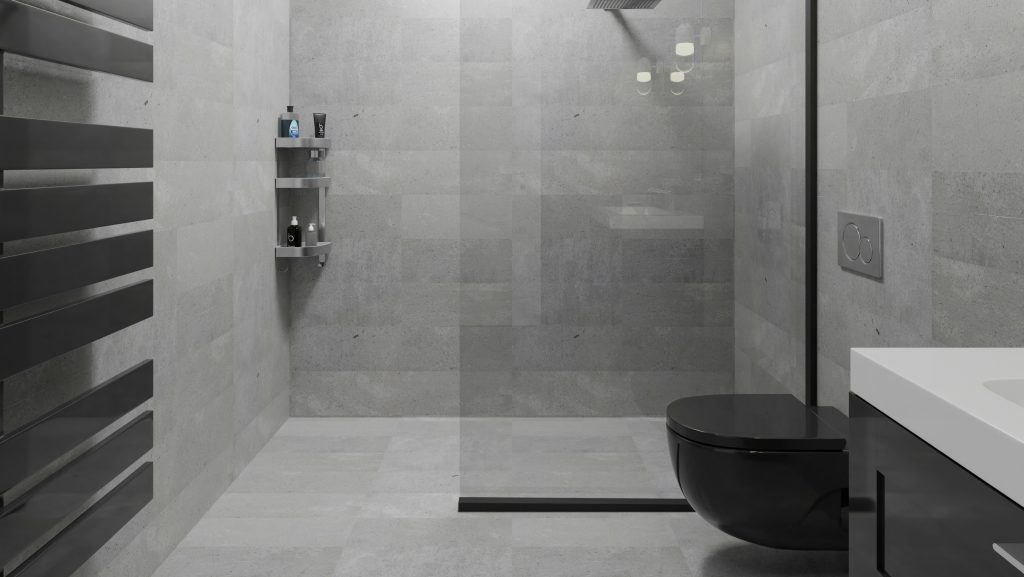
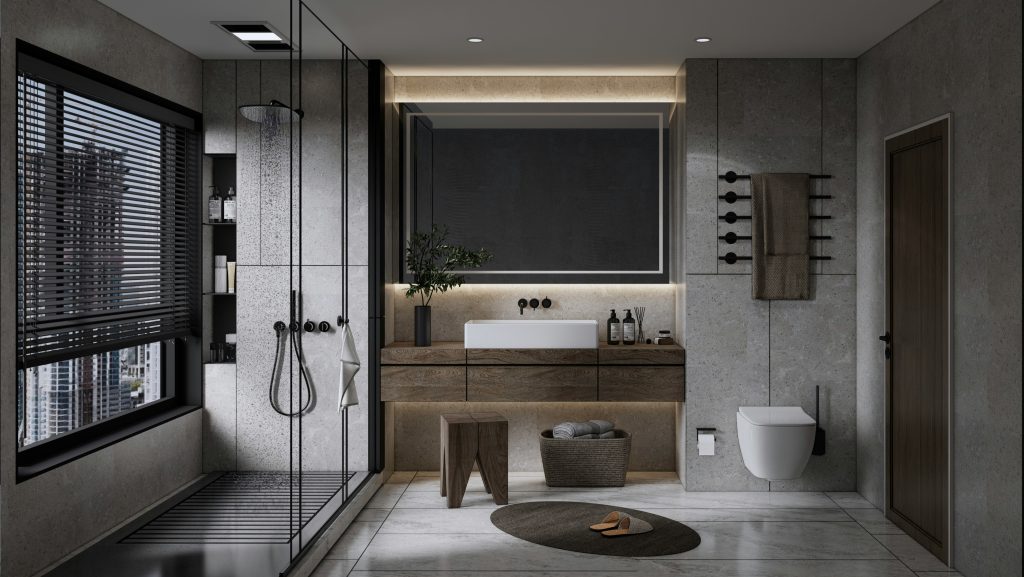
Grey was once the go-to neutral, offering a sleek and modern feel in any space. However, its widespread use has led to a sense of monotony, making rooms feel cold and lifeless rather than welcoming. Bathrooms, in particular, should serve as a retreat, a place of relaxation and serenity. As a result, designers are increasingly turning to richer, earthier tones like warm terracotta, deep forest green, and soft sand. These colors evoke a natural calmness and warmth, creating an inviting and soothing atmosphere that transforms bathrooms into true havens for self-care.
9. Overly Industrial Fixtures
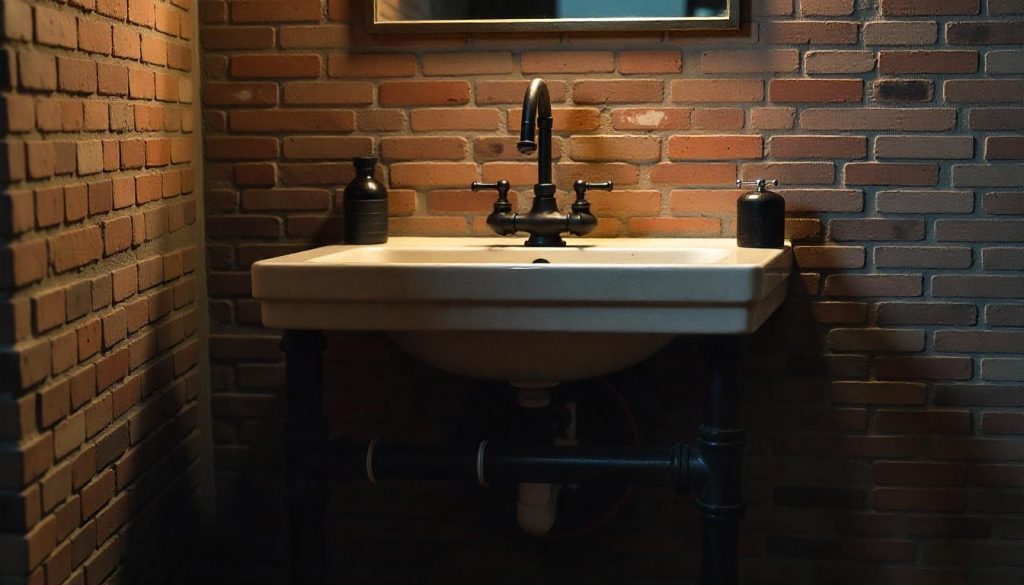
Pipe shelving, exposed plumbing, and black metal everywhere created a gritty industrial trend that has overstayed its welcome. While it initially brought a raw, edgy aesthetic, it often sacrifices comfort and warmth for the sake of style. The cold, harsh lines of metal and concrete can make a space feel more like a factory than a home, leaving little room for relaxation. It’s easy to see how the industrial look can seem rebellious and cool, but over time, it can feel sterile and impersonal. We all want spaces that are not just visually striking but also inviting and cozy.
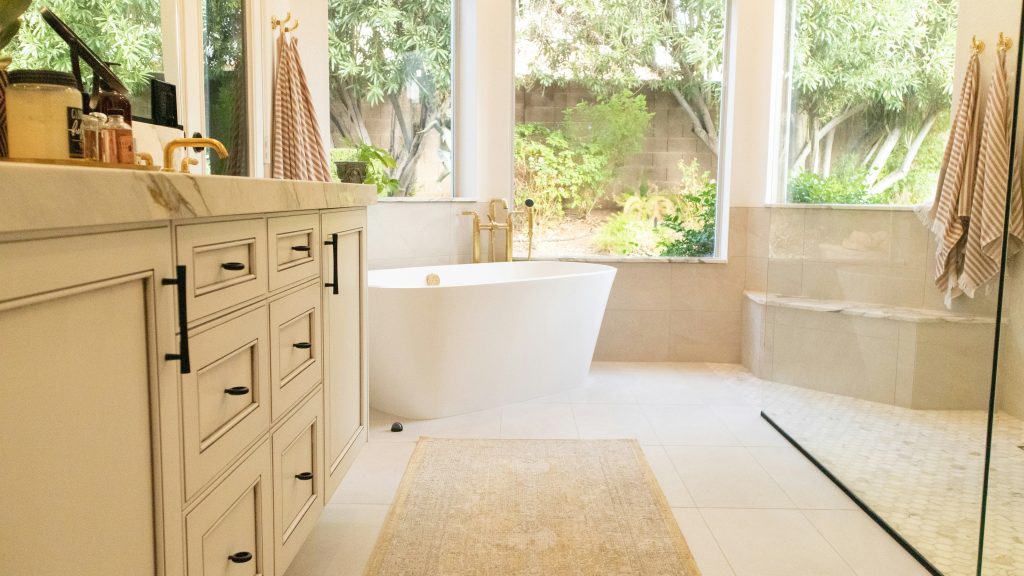
As bathroom design continues to evolve, some trends emerge as timeless classics. These enduring styles go beyond fleeting fads, combining both practicality and beauty to create spaces that stand the test of time. Whether it’s through the use of sustainable materials, innovative technology, or just the right balance of elegance and comfort, these four trends are here to stay. Here’s a look at what’s shaping the future of bathroom design, offering not just aesthetic appeal but also functionality that suits our modern lifestyles.
1. Organic Materials
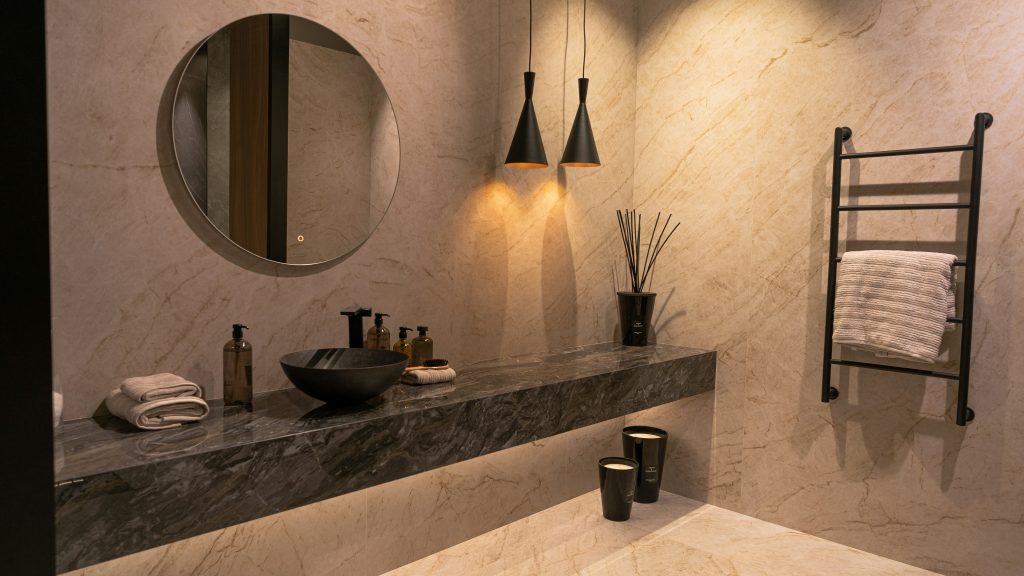
Natural stone, warm wood, and handmade ceramic tiles are redefining luxury in a more grounded, organic way. These timeless materials bring a unique, tactile quality to spaces, adding texture and depth that evokes a sense of comfort and authenticity. The earthy tones and natural patterns create a serene, spa-like atmosphere that invites relaxation, making them perfect for creating peaceful retreats. Unlike trends that come and go, these materials stand the test of time, offering enduring beauty and sophistication.
2. Soft Curves and Rounded Edges
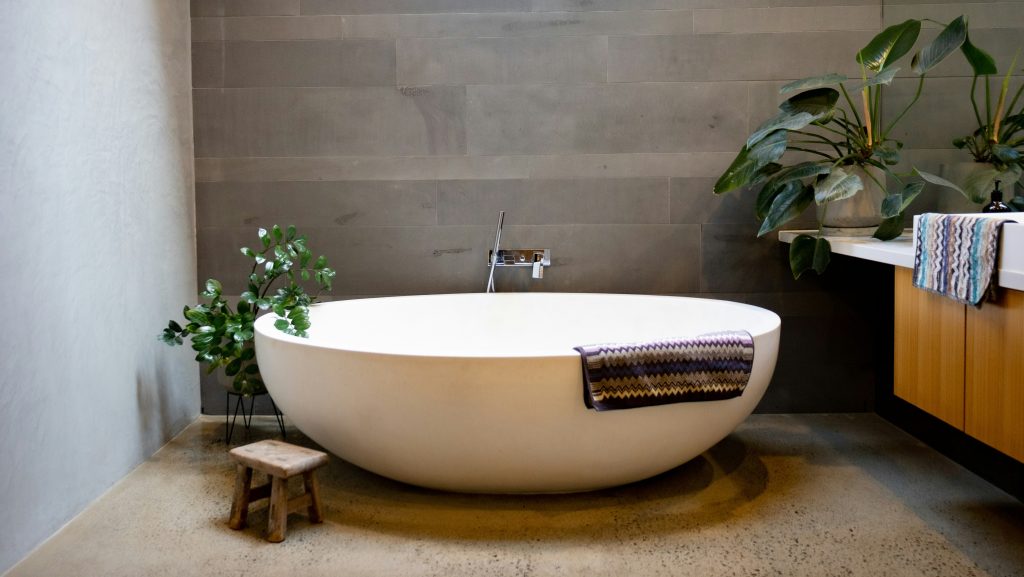
From arched mirrors to oval tubs, these gentle curves create a welcoming, calm atmosphere, transforming a simple space into a sanctuary. Unlike sharp, angular designs, curved elements add a timeless quality that blends seamlessly with both modern and traditional decor. They balance form and function beautifully, offering not just style but also comfort. Whether it’s a gracefully rounded vanity or a curvy shower enclosure, these shapes bring a sense of tranquility and flow, turning your bathroom into a more inviting, serene retreat.
3. Smart and Subtle Tech
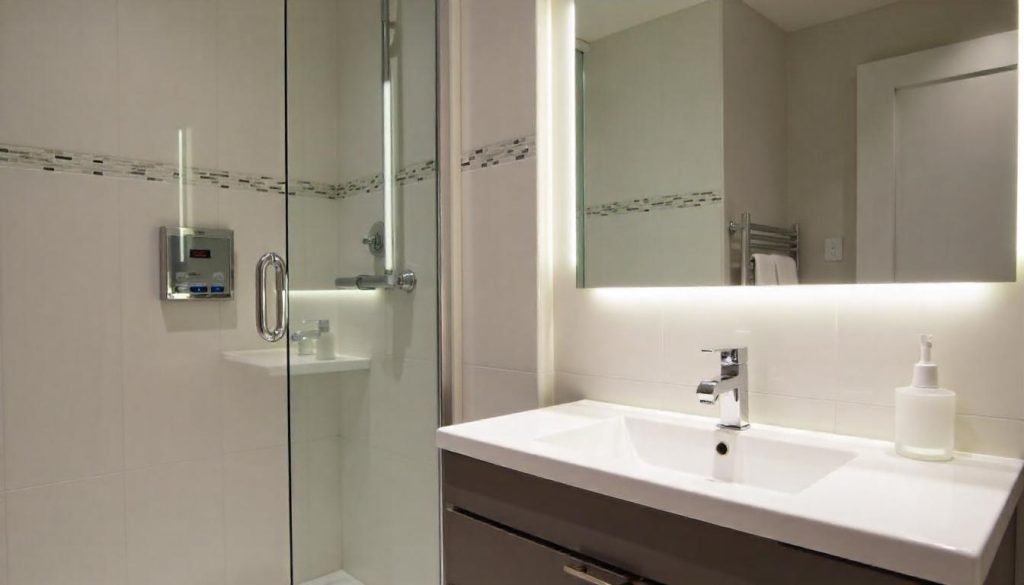
Tech in bathrooms is evolving, shifting from flashy gadgets to more practical, comfort-enhancing features. Imagine stepping onto heated floors on chilly mornings or using touchless faucets that create a seamless, hygienic experience. Smart lighting, with circadian settings, adjusts throughout the day to match your body’s natural rhythms, helping you wake up gently in the morning or wind down at night. These innovations aim to make daily routines smoother and more enjoyable, all while maintaining a clean, minimalist aesthetic that blends effortlessly into your bathroom’s design.
4. Earthy, Muted Colors
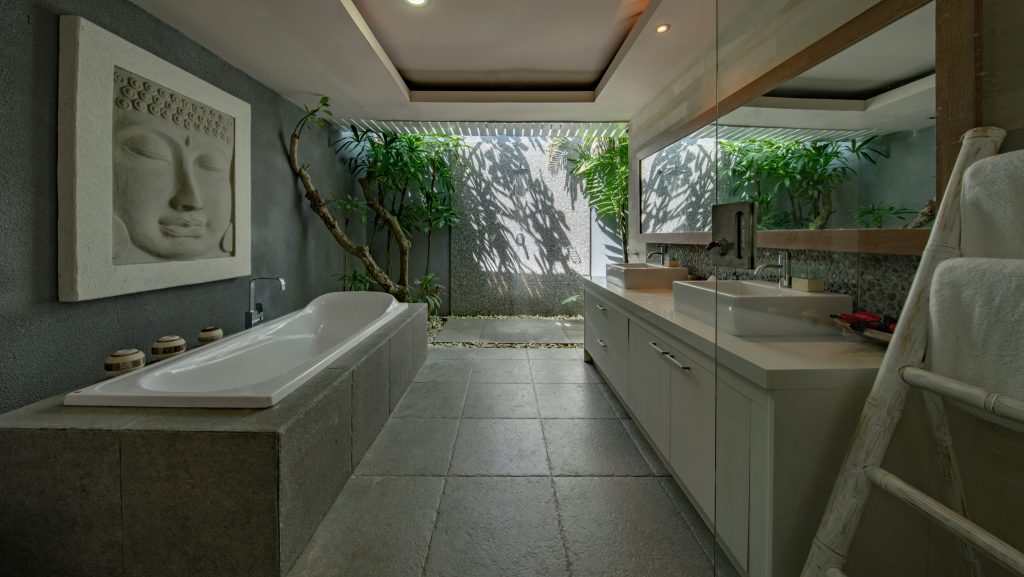
Gone are the sterile whites and cold greys that once dominated modern design. Instead, we’re embracing the calming, earthy hues of muted sage, soft clay, and warm sand tones. These colors bring a sense of coziness and personality to any space, creating an inviting atmosphere that feels both fresh and grounded. The beauty of these shades lies in their versatility, pairing effortlessly with natural materials like wood, stone, and linen. Add in the right touch of lighting, and the result is a space that feels open, balanced, and harmoniously connected to nature.
This article has been created with the assistance of AI but thoroughly edited by a human being.