
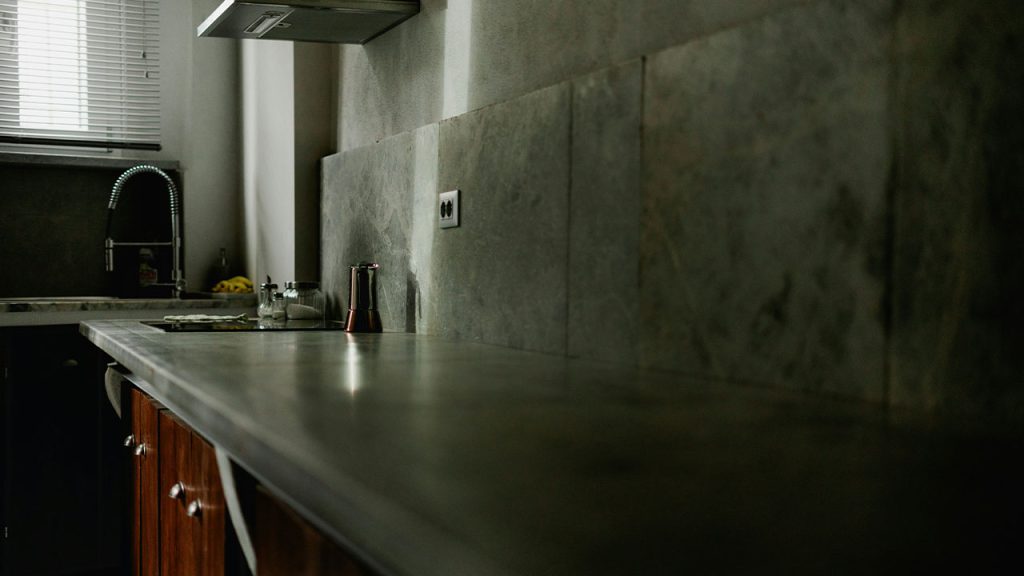
Countertops play a major role in kitchen and bathroom design, but not all materials stand the test of time. In 2025, designers are moving away from surfaces that are high-maintenance, outdated, or lack durability. Homeowners now seek materials that combine style, function, and longevity. If you’re planning a renovation, it’s worth knowing which countertops are falling out of favor. Here are seven materials designers are replacing with more practical and stylish alternatives.
1. Laminate Countertops That Lack Durability
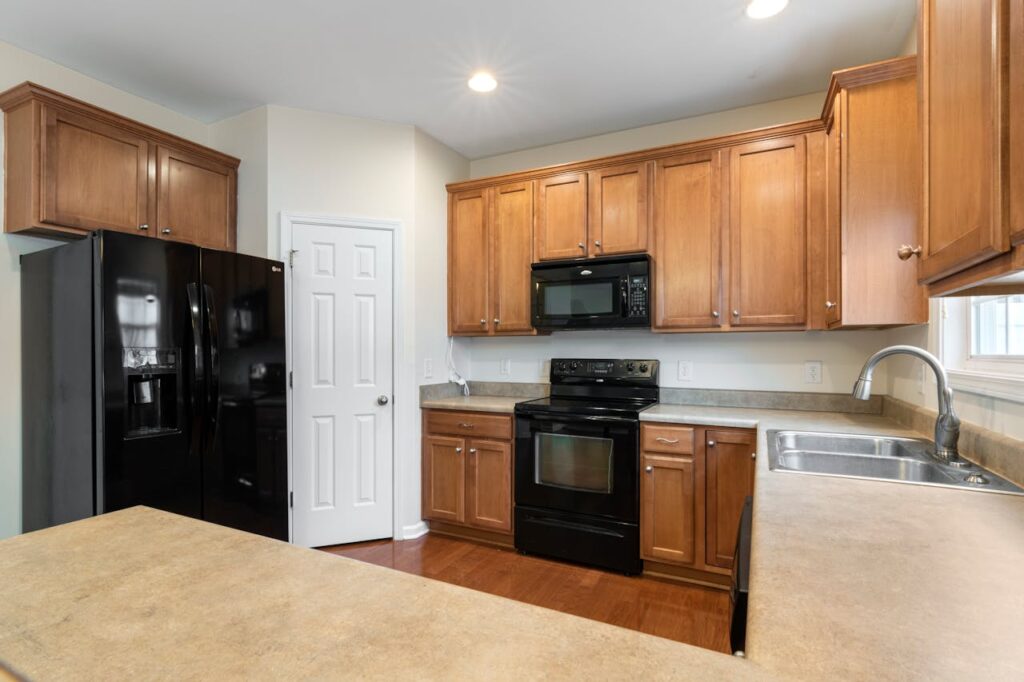
Laminate countertops were once a budget-friendly favorite, but designers are phasing them out due to their lack of durability. They scratch, chip, and peel over time, making them less practical for busy kitchens. While modern laminates have improved in style, they still can’t match the longevity of natural stone or engineered surfaces. Homeowners are now opting for quartz or solid surfaces, which offer a more upscale look without sacrificing durability or easy maintenance.
2. Tile Countertops with Hard-to-Clean Grout Lines
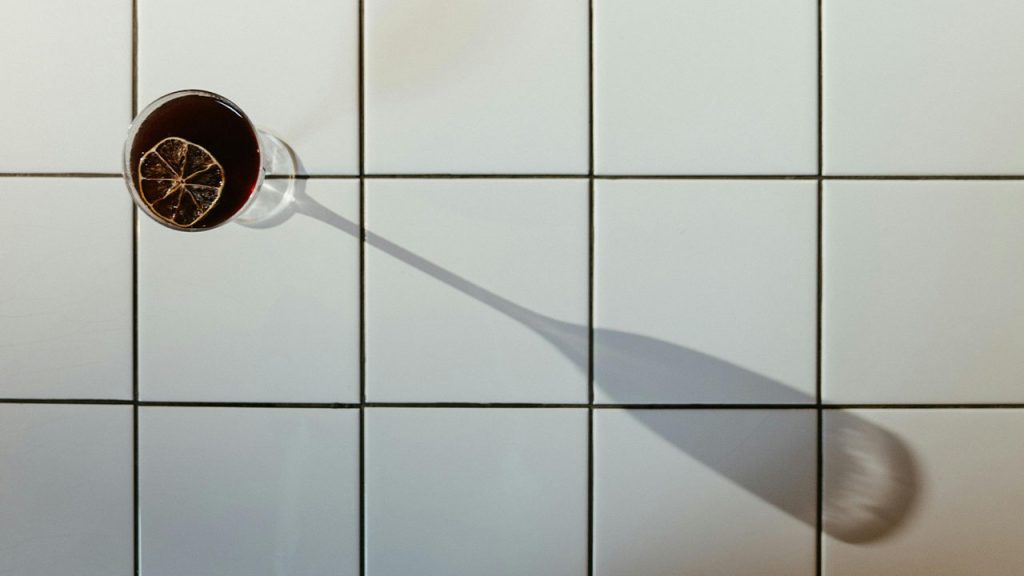
Tile countertops were popular for their affordability and customization options, but their biggest drawback is the grout. Over time, grout lines collect stains, dirt, and bacteria, making them difficult to clean and maintain. Cracked or chipped tiles also require frequent repairs. Designers are now favoring seamless materials like quartz, porcelain slabs, or solid surfaces, which provide a sleeker aesthetic with minimal upkeep and better long-term performance.
3. High-Gloss Granite That Feels Outdated
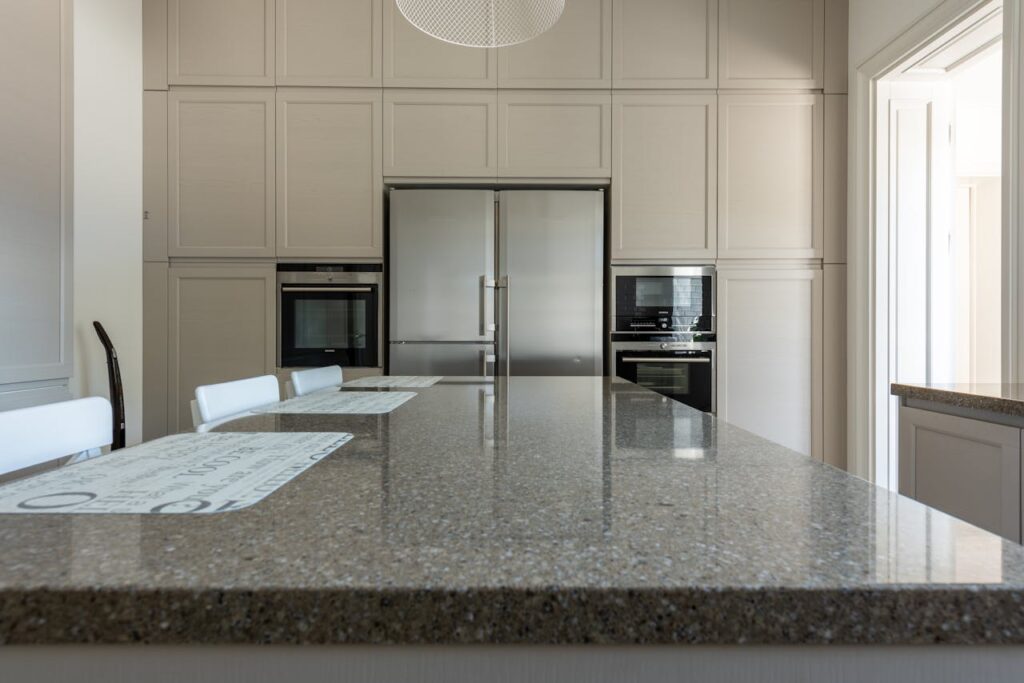
Once the gold standard for luxury kitchens, high-gloss granite is now losing favor due to its heavy, polished look. Dark, speckled patterns that were once trendy can feel visually overwhelming and difficult to coordinate with modern design aesthetics. Additionally, granite requires regular sealing to prevent stains. Designers are shifting toward matte or honed finishes, as well as more subtle, natural-looking stone options like quartzite or muted marble.
4. Butcher Block That Requires Too Much Maintenance
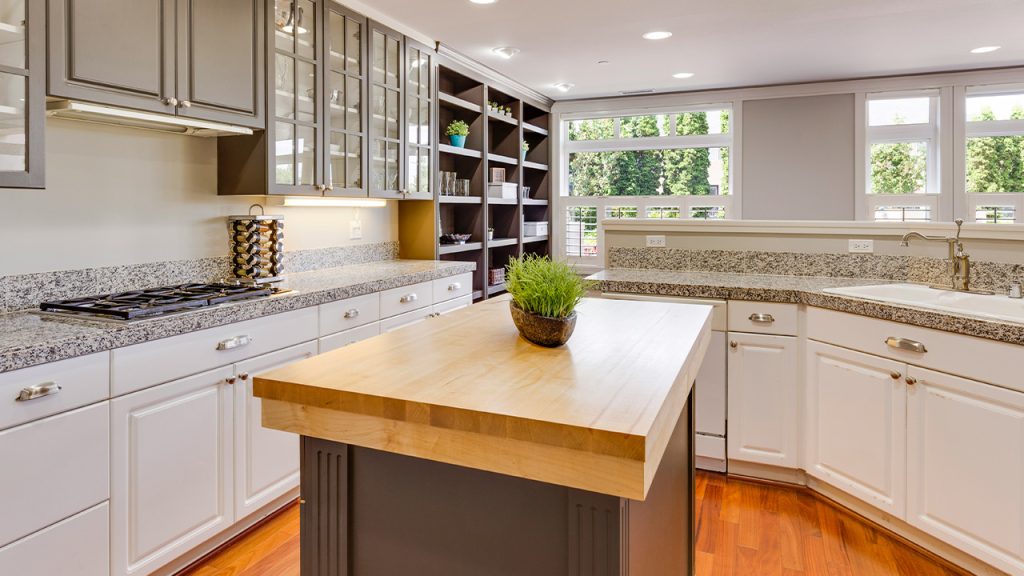
Butcher block countertops offer warmth and charm, but their high maintenance requirements make them less appealing for modern kitchens. They are prone to scratches, dents, and water damage, requiring frequent oiling and sealing to stay in good condition. Bacteria buildup is also a concern if not properly maintained. As a result, homeowners are replacing them with wood-look quartz or durable composite materials that provide the same cozy aesthetic with less upkeep.
5. Concrete Countertops That Are Prone to Cracking
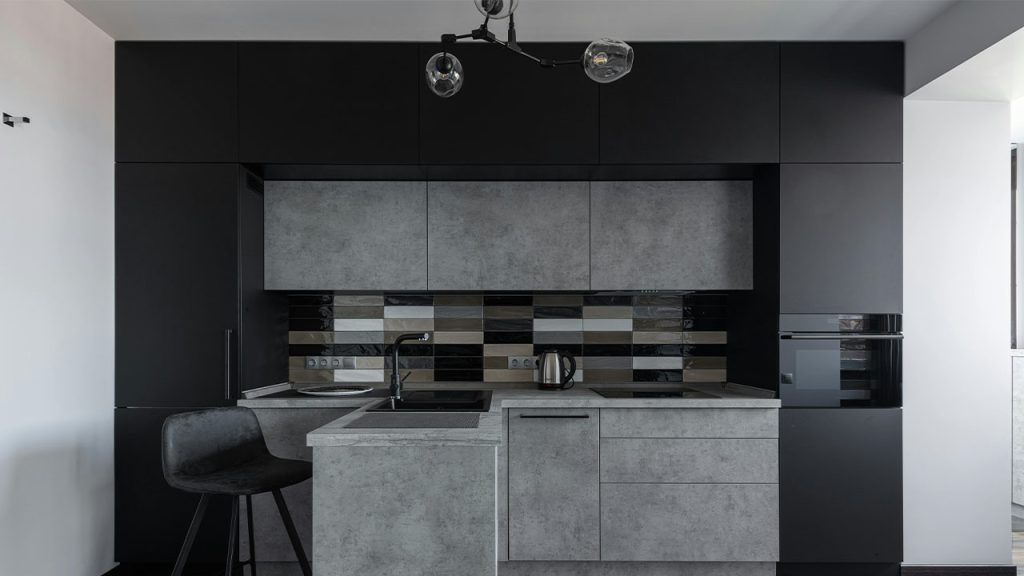
Concrete countertops gained popularity for their industrial, minimalist appeal, but their drawbacks are becoming more apparent. They are highly prone to cracking over time, even with proper sealing. The porous surface also makes them susceptible to stains and water damage. While their custom look is appealing, many homeowners are now opting for quartz or porcelain slabs, which offer the same sleek, modern aesthetic without the risk of cracking or excessive maintenance.
6. Marble Countertops That Stain Too Easily
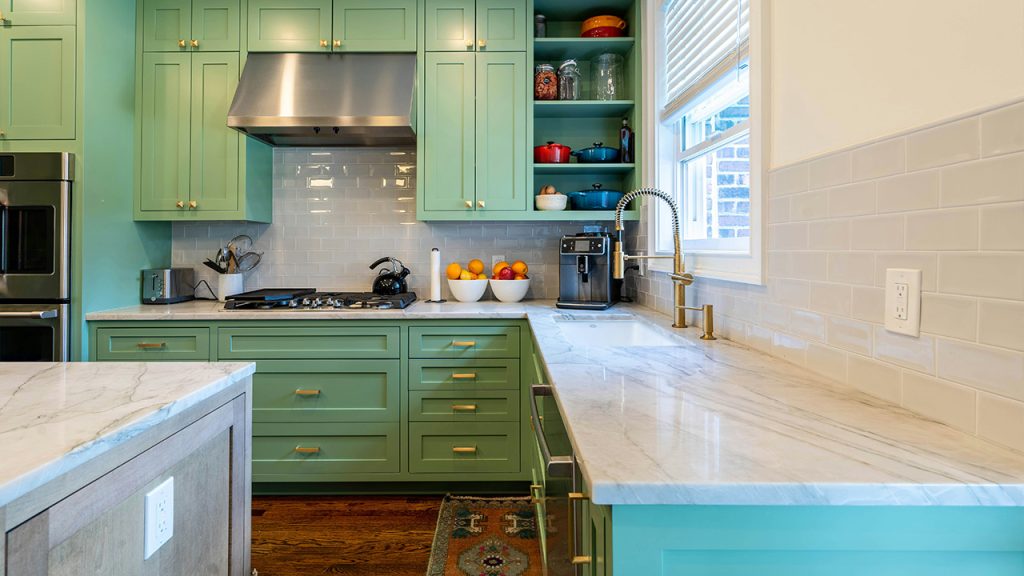
Marble countertops exude timeless luxury, but their high-maintenance nature is causing designers to look elsewhere. Marble is extremely porous, making it vulnerable to stains from wine, coffee, and acidic foods. It also scratches and etches easily, requiring constant care and sealing. Homeowners who love the look of marble are now choosing engineered quartz or sintered stone, which mimic marble’s elegance but offer far greater durability and stain resistance.
7. Recycled Glass Countertops That Are Losing Popularity
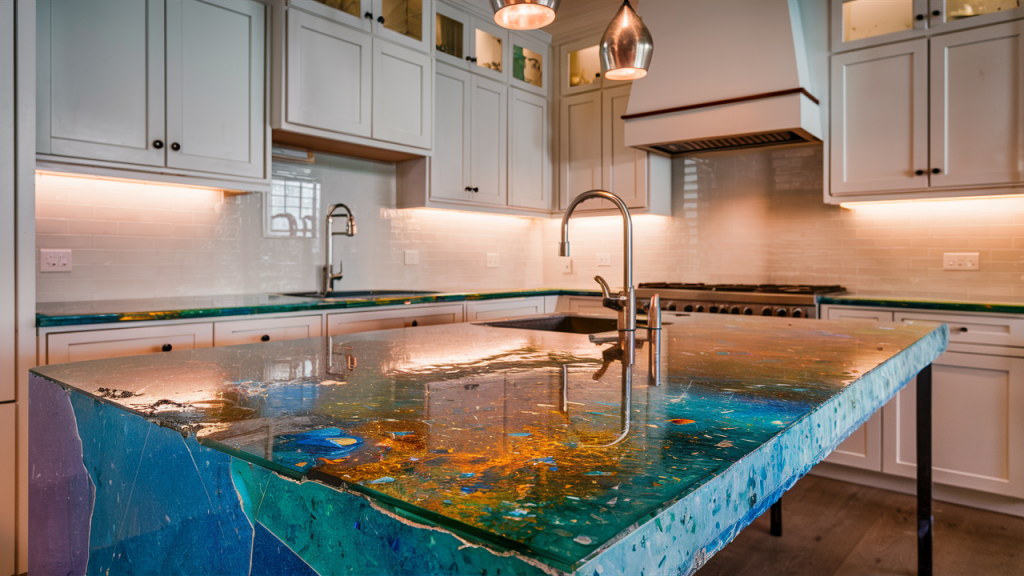
Recycled glass countertops were once a trendy eco-friendly option, but they are falling out of favor due to durability concerns. The surface is prone to chipping, cracking, and staining, especially in high-use areas like kitchens. The bold, speckled appearance also doesn’t suit modern, minimalist design trends. Designers are now favoring more practical sustainable materials like recycled quartz or composite surfaces that offer durability while maintaining an eco-conscious appeal.
This article was created with the assistance of AI but thoroughly edited by a human being.