
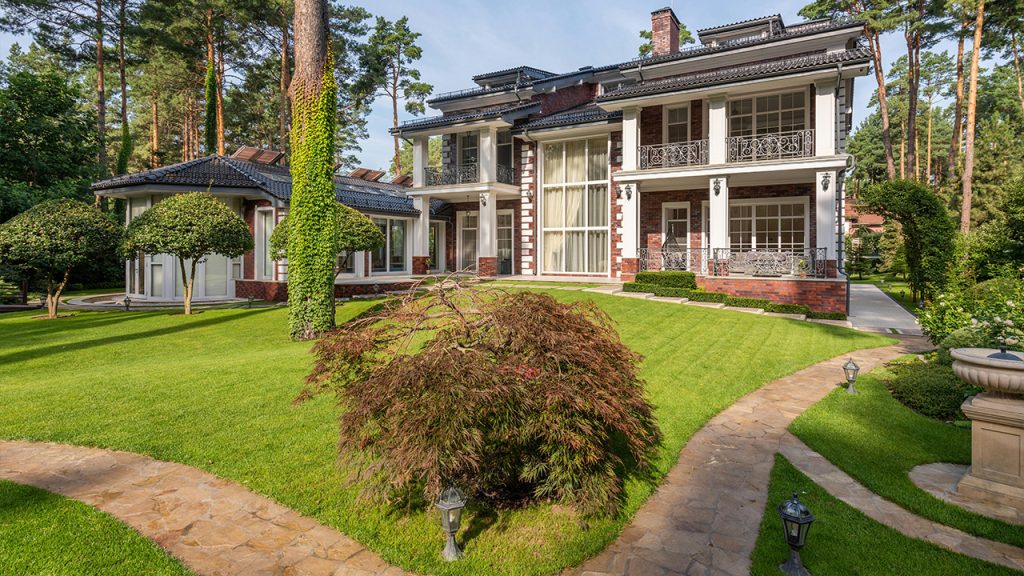
Some landscaping trends have stuck around far longer than they should. While they once defined curb appeal, today they often make outdoor spaces feel dated or overly contrived. Designers are encouraging homeowners to rethink these old-school choices in favor of fresher, more sustainable approaches that better suit modern lifestyles and aesthetics. Here are six outdated landscaping styles it might be time to finally retire.
1. Perfectly Manicured Lawns That Look Like Golf Courses
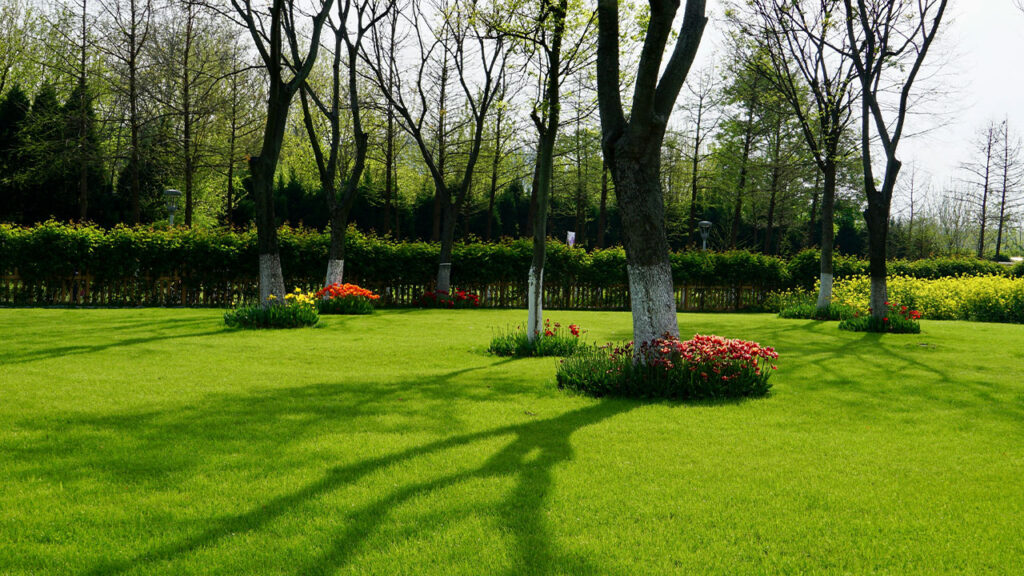
Once a status symbol, flawless lawns now feel sterile and resource-heavy. They demand excessive watering, mowing, and fertilizing for aesthetics alone. Designers are favoring drought-tolerant ground covers and native grasses that offer texture, movement, and ecological benefits without the upkeep or environmental toll.
2. Symmetrical Shrub Rows That Lack Personality
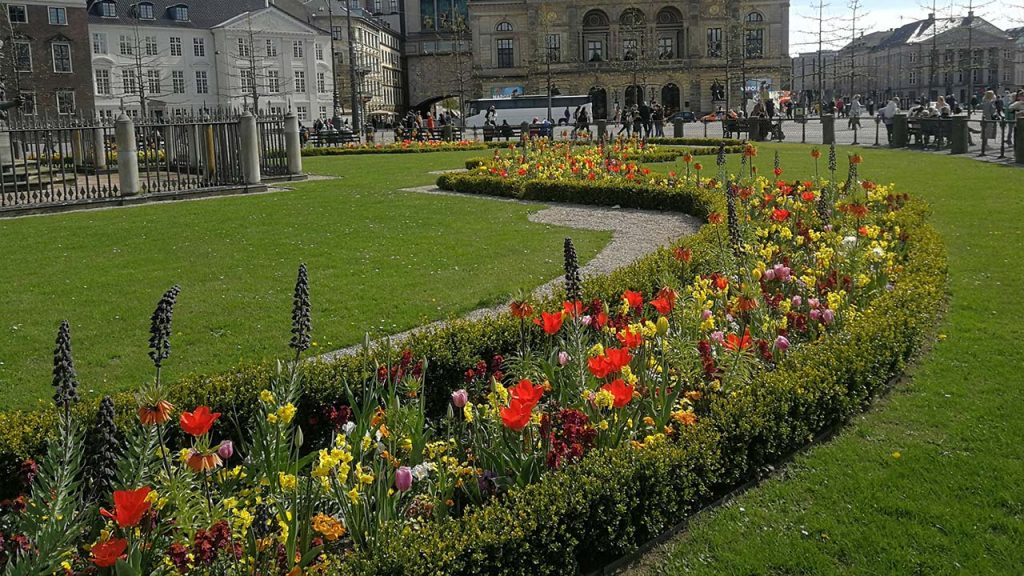
Neatly trimmed rows of identical shrubs once signaled order, but today they read as stiff and uninspired. Today’s landscapes lean into artful imperfection—layered heights, unexpected pairings, and organic shapes that echo nature’s quiet chaos. Layered plantings add dimension, attract pollinators, and give your yard a relaxed, organic character.
3. Red Mulch Overload in Every Flower Bed
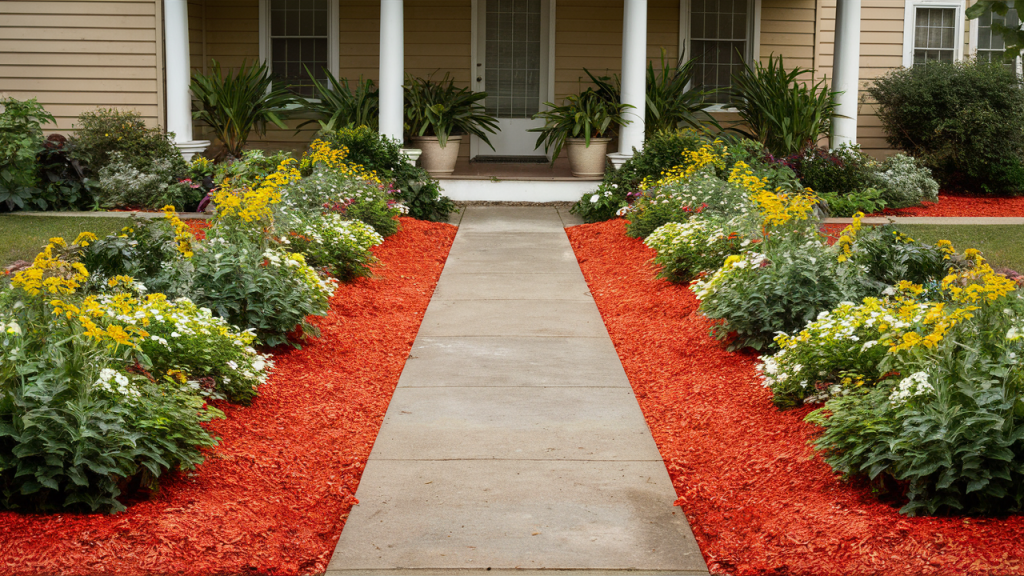
Red mulch may have been trendy decades ago, but its unnaturally vivid tone often clashes with greenery and draws unwanted attention. Designers now recommend natural-toned mulches like bark, cocoa hulls, or even leaf litter to create a more harmonious and grounded look that allows your plants—not the ground cover—to shine.
4. Overly Formal Hedges and Topiaries
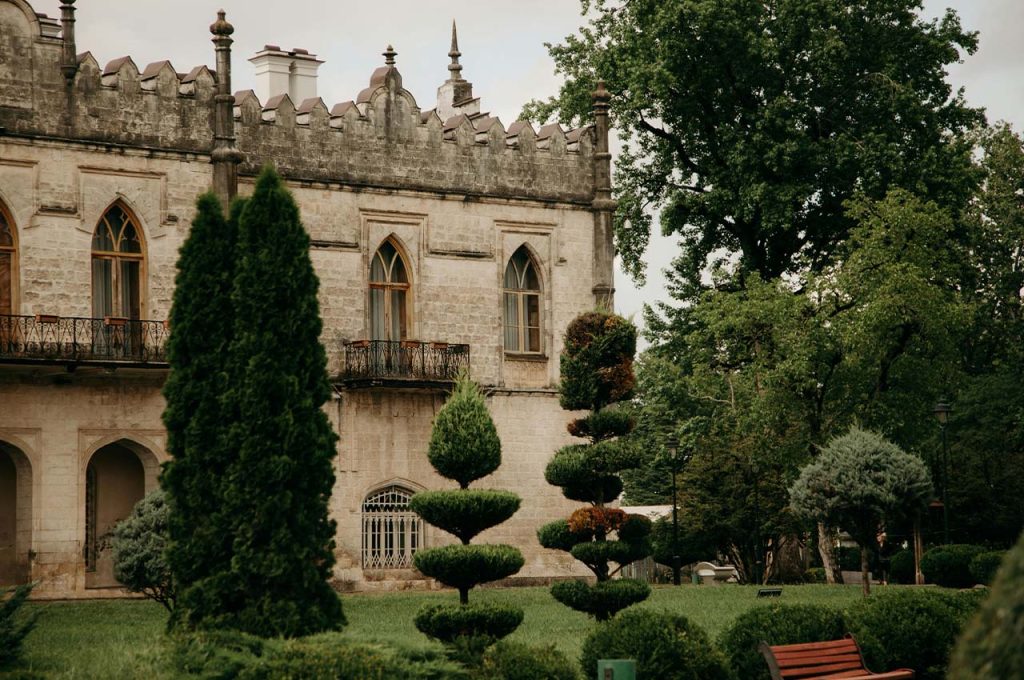
Intricately sculpted hedges and rigid geometric shapes can make a yard feel more like a museum than a home. While structure has its place, designers are embracing looser, more relaxed forms that let plants grow into themselves. Soft-edged hedging and flowing borders offer beauty without the burden of constant pruning.
5. Rock Gardens That Feel More Like Gravel Pits
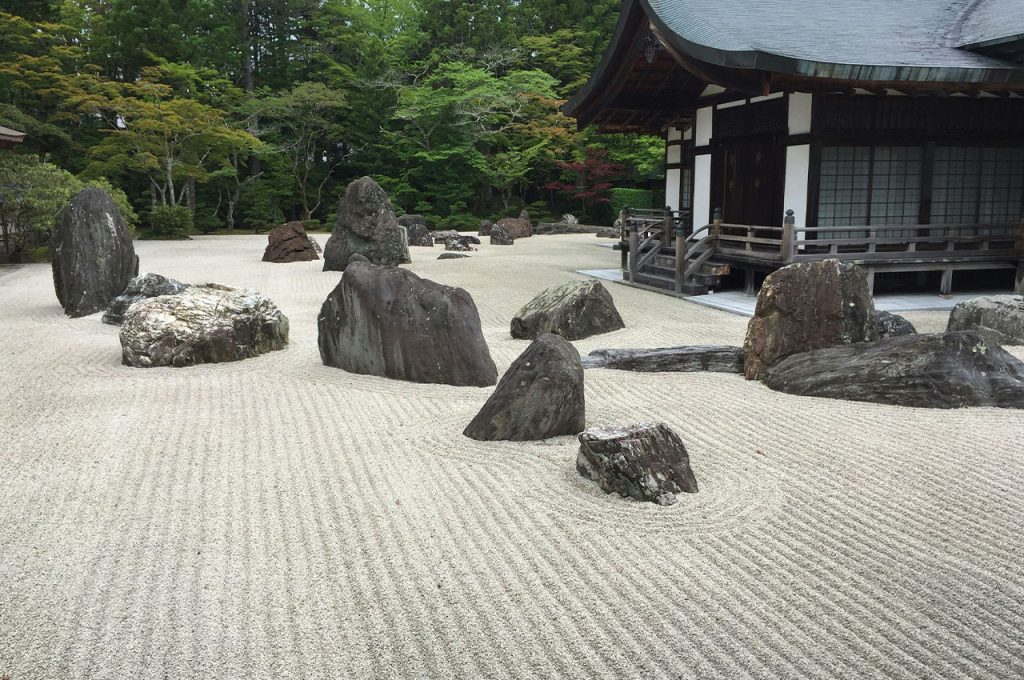
Once considered low-maintenance, traditional rock gardens often lack warmth and visual interest, especially when overrun with gravel and sparse plantings. Today’s updated approach blends natural stones with drought-tolerant plants like succulents and grasses, creating layered, textural scenes that feel curated rather than barren.
6. Plastic Edging That Distracts From Natural Beauty
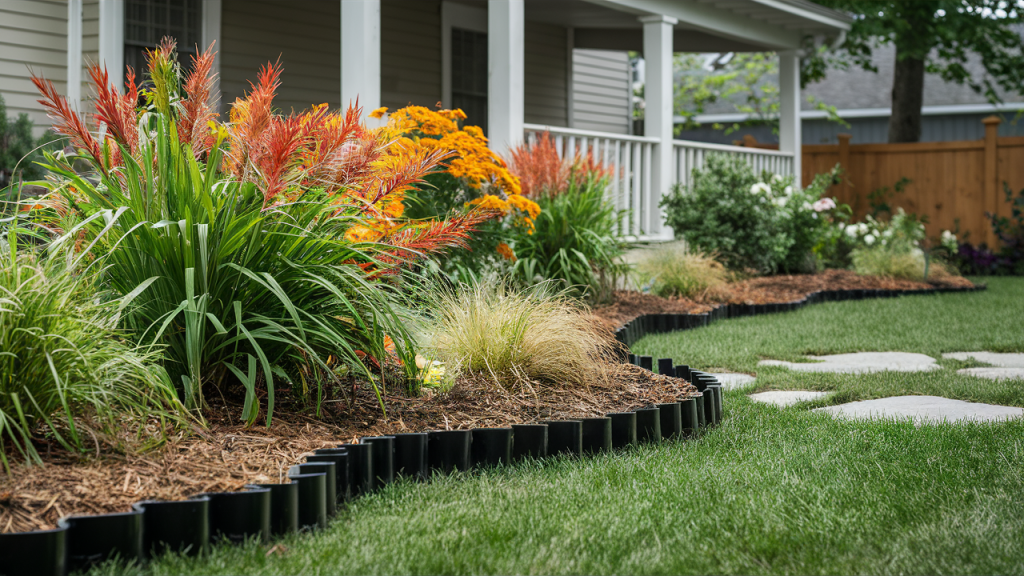
Hard black plastic edging was once seen as a tidy way to define flower beds, but it now interrupts the flow of natural landscaping. Designers prefer organic transitions using stone, brick, or densely planted borders that blend into the environment. These options look more refined and elevate the entire aesthetic of the yard.
Want to see more from Remodr?

Drop a comment below, share this with your friends and family, and don’t forget to follow us for more fresh ideas, updates, tips, and home trends.
This article was created with the assistance of AI but thoroughly edited by a human being.