
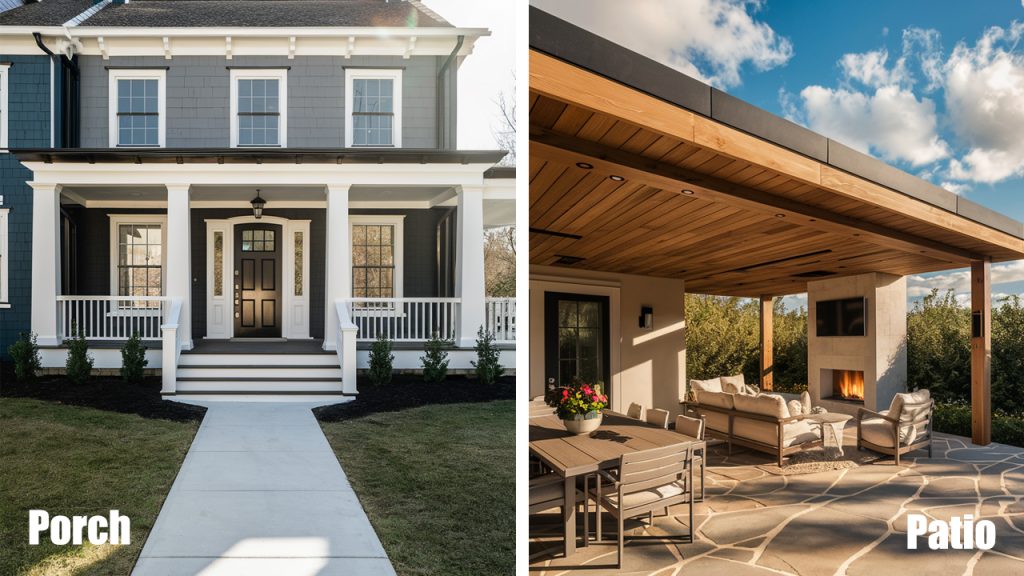
A patio and a porch may both serve as inviting outdoor spaces, but they have distinct characteristics that influence their function, structure, and design. While a porch is typically attached to the home’s entrance and often covered, a patio is a more flexible, open-air space that can be located anywhere in the yard. These differences impact not only how they’re used but also how they should be decorated. Understanding the key distinctions between patios and porches can help you make the most of your outdoor space while enhancing your home’s overall aesthetic.
1. Location and Attachment
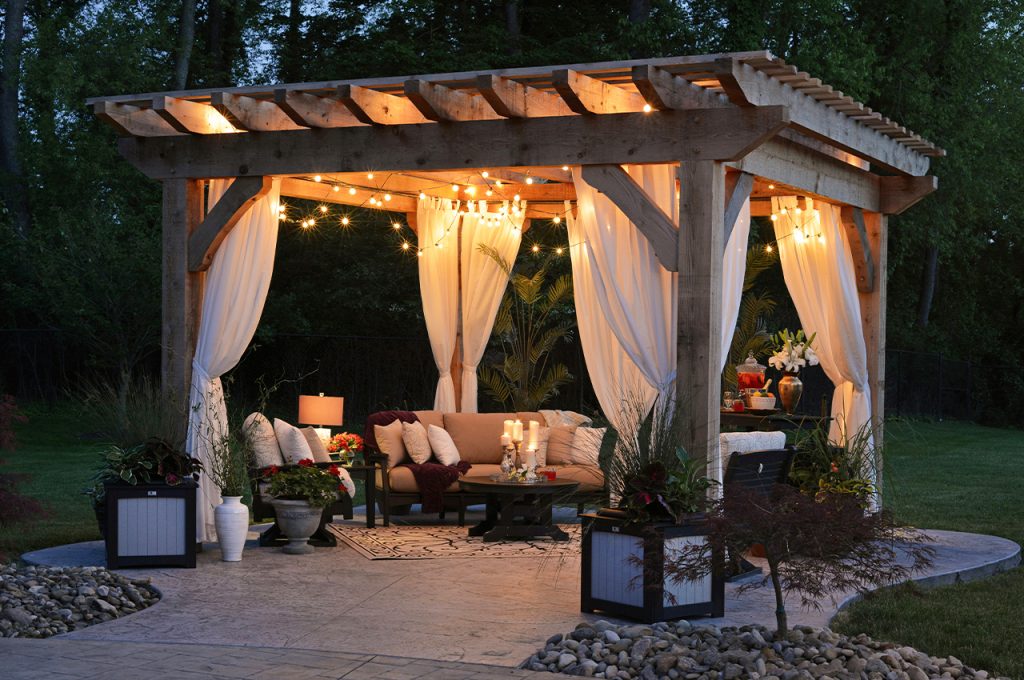
A defining difference between a patio and a porch is their placement. A porch is always attached to the front, side, or back of a house, acting as a transition space between the indoors and outdoors. Porches are typically covered, offering shelter from the elements. In contrast, patios are detached or attached to the home but placed directly in the yard. Their open design allows for a more immersive outdoor experience, making them ideal for lounging, dining, and entertaining under the sky.
2. Structural Differences
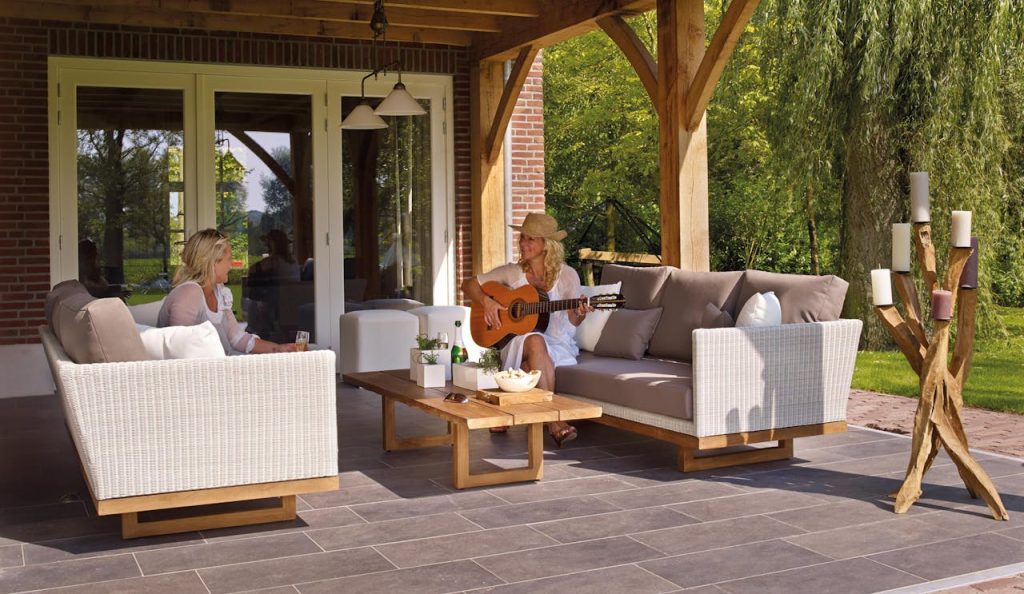
Porches and patios differ in their construction and materials. Porches are often raised and supported by columns or beams, with a floor made of wood, composite decking, or concrete. They usually include railings or screens for added safety and comfort. Patios, on the other hand, are ground-level spaces made from stone, pavers, or concrete. Their low-maintenance nature makes them a versatile option, while porches require more upkeep due to their exposure to weather and structural elements.
3. Decorating and Design Approach
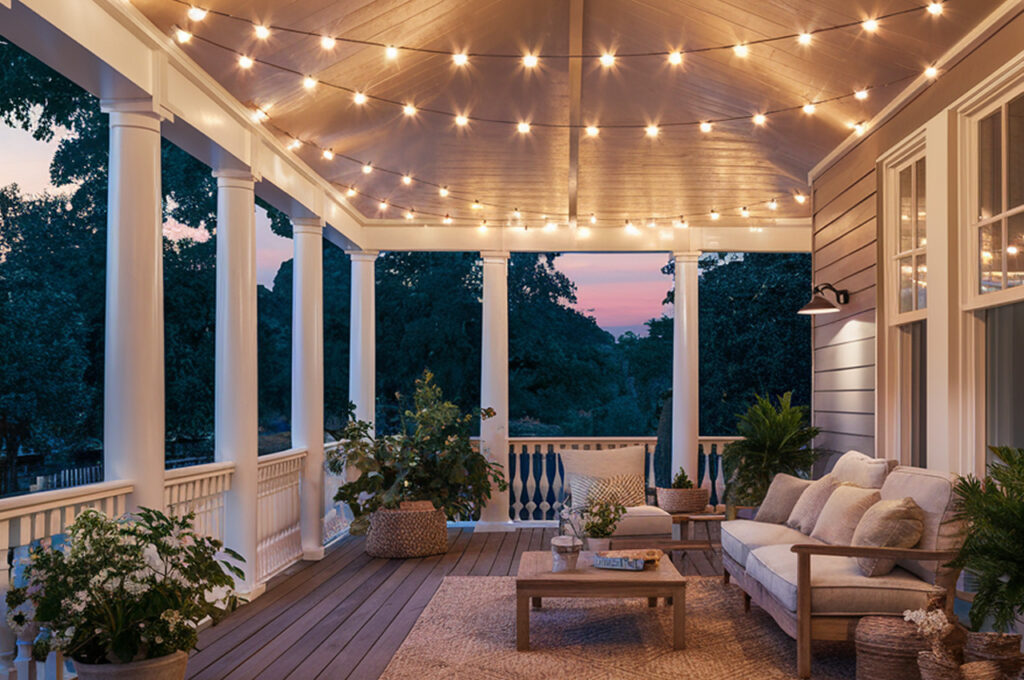
The design approach for a patio versus a porch varies due to their structure and function. A porch is often decorated with cozy seating, rugs, and lighting to create an inviting ambiance that connects seamlessly to the home’s interior. Since patios are exposed to the elements, they rely on durable furniture, fire features, and plant arrangements to establish a comfortable setting. While porches lean toward classic and traditional styles, patios offer a range of aesthetics, from rustic to modern, depending on their layout and materials.
4. Purpose and Functionality
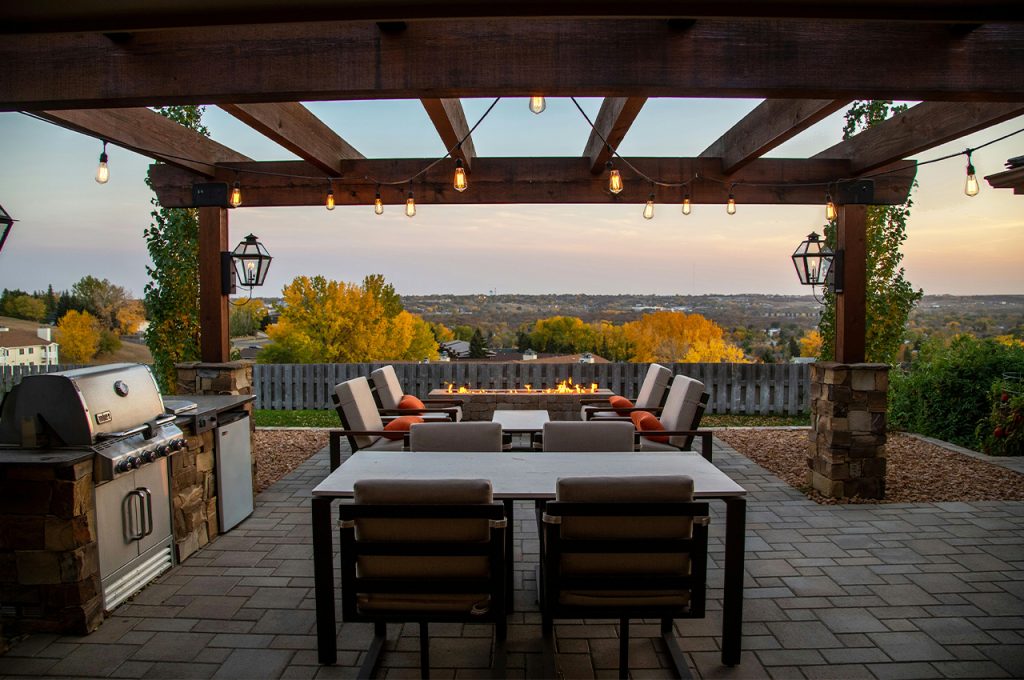
Porches and patios serve different functions based on their designs. A porch is often seen as an extension of the home’s entryway, providing a cozy, welcoming space for relaxing, greeting guests, or enjoying the neighborhood view. Patios, however, are more private and designed for recreation, outdoor dining, and entertaining. Since patios are often larger than porches, they provide more flexibility for outdoor activities such as barbecues, fire pits, and seating areas.
5. Cover and Exposure to Weather
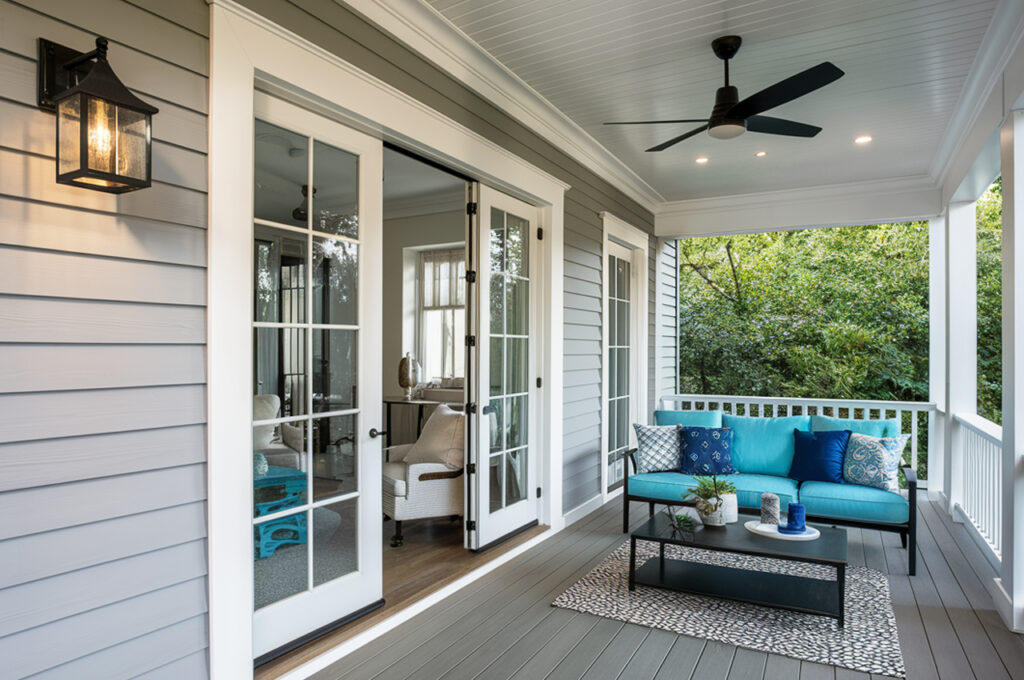
One of the most noticeable differences is the level of cover each space provides. Porches almost always have a roof, offering shade and protection from rain, making them comfortable in various weather conditions. Patios, however, are typically open-air, although they can include pergolas, umbrellas, or retractable awnings. This difference influences how each space is furnished and decorated, as porches allow for more delicate furniture, while patios require weather-resistant materials.
6. Privacy and Social Use
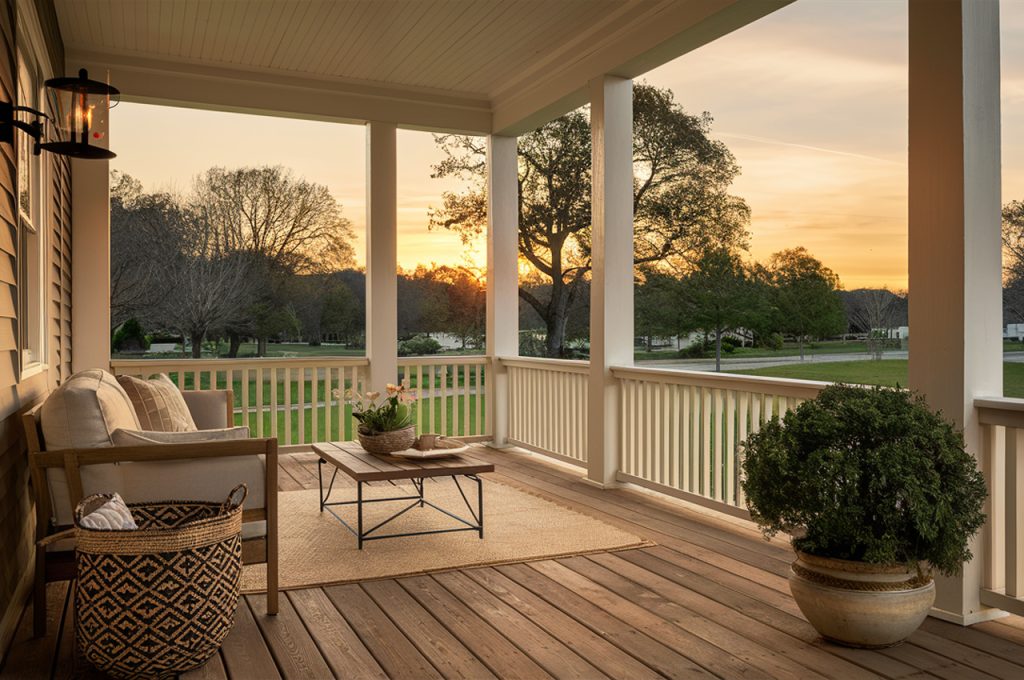
Porches tend to be more visible from the street, making them a social space for interacting with neighbors or watching the world go by. They are ideal for those who enjoy casual gatherings and community engagement. Patios, on the other hand, offer more privacy, as they are often located in backyards and surrounded by landscaping. This makes them perfect for hosting intimate get-togethers, relaxing in solitude, or creating a personalized outdoor retreat away from public view.
This article was created with the assistance of AI but thoroughly edited by a human being.