
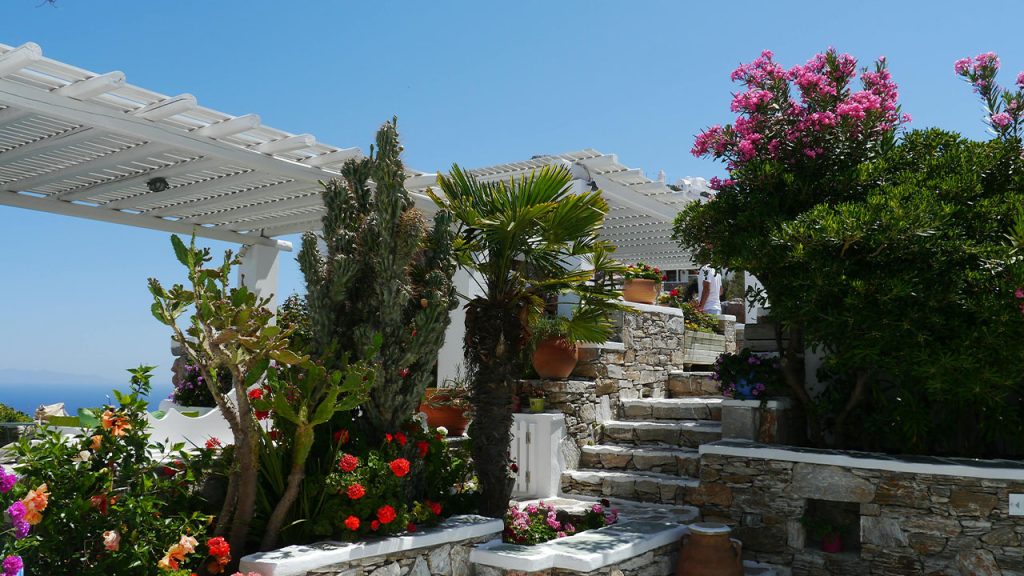
Tired of maintaining a traditional lawn? Grass-free landscaping offers a low-maintenance, eco-friendly alternative that doesn’t sacrifice beauty. Whether you’re dealing with drought, shade, or just want a fresh look, there are countless creative ways to design a stunning yard without a single blade of grass. From ground covers and gravel to patios and native plants, these ideas can help you transform your outdoor space with style and ease.
1. Replace Grass With Ground Cover Plants
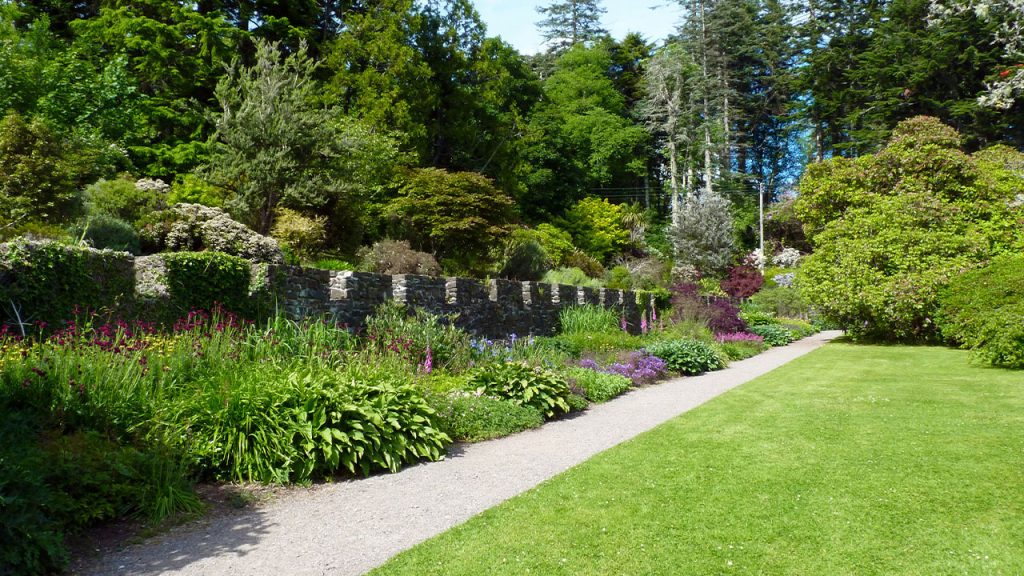
Ditch the mower and swap turf for low-growing ground covers like creeping thyme, clover, or sedum. These hardy plants spread beautifully, need minimal watering, and often flower, adding color and texture to your yard. They’re perfect for filling awkward corners or covering large open areas—turning once-boring grass into a lush, living carpet that’s easy on maintenance and high on charm.
2. Install a Gravel or Stone Pathway
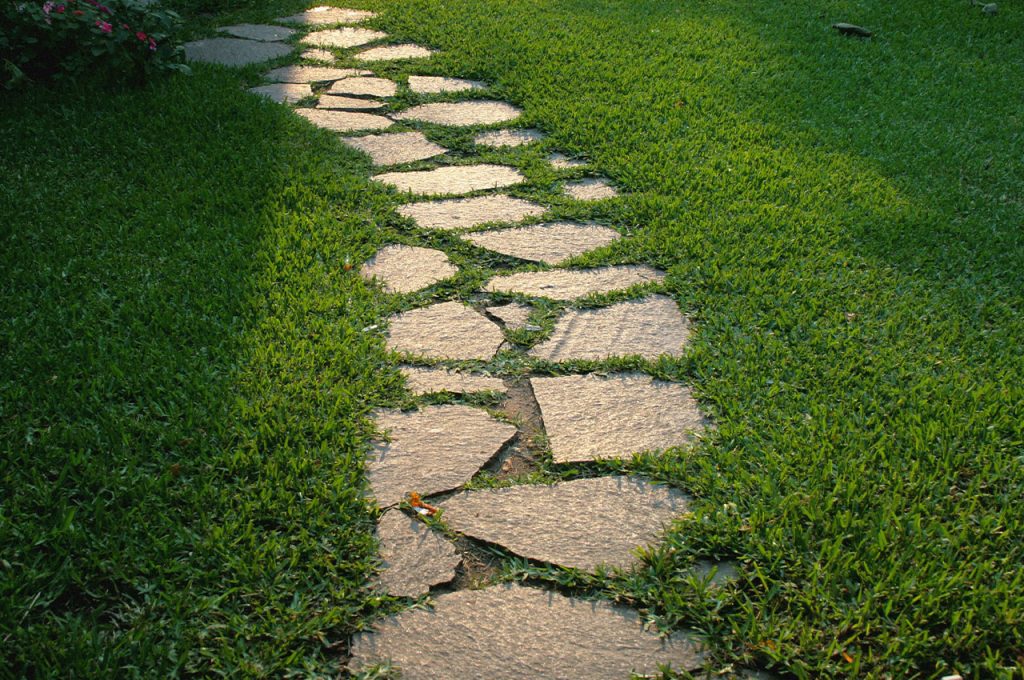
A winding path of gravel or stone weaves character into your yard, guiding footsteps with rustic charm and effortless elegance. Whether curving through a garden or leading to a seating area, it creates structure while reducing grassy areas. Choose materials that complement your home’s style—pea gravel for a casual look, or flagstone for elegance. Define your landscape with crisp edging and borders of native plants, creating a seamless blend of structure, color, and local charm.
3. Create a Patio With Pavers or Bricks
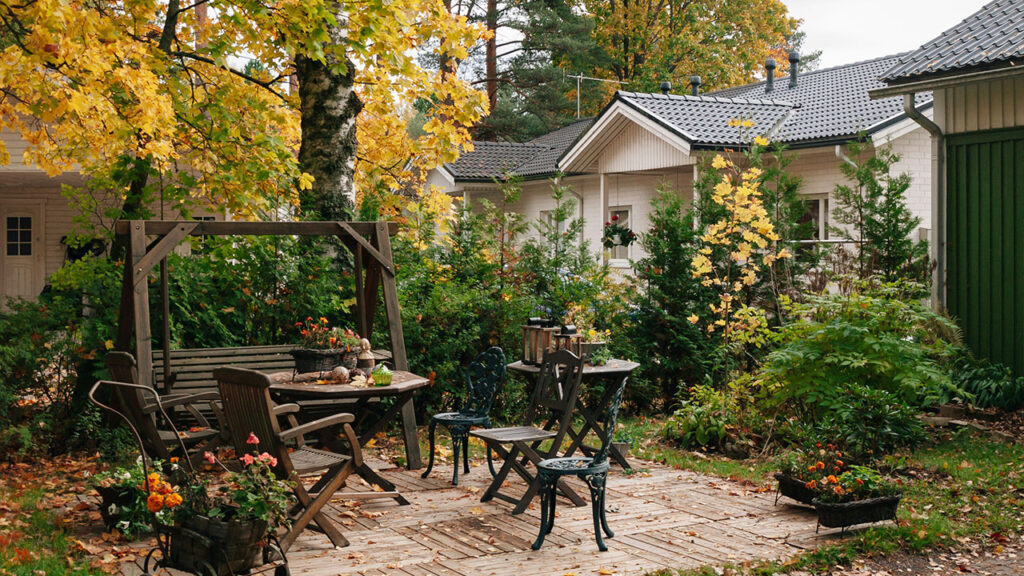
A patio made from pavers or bricks offers a durable, stylish alternative to lawn. It becomes an instant gathering space—ideal for dining, lounging, or entertaining. Choose patterns and colors that enhance your outdoor aesthetic, and consider mixing materials for added interest. With proper installation and a bit of creative layout, a paver patio adds both function and flair to your yard.
4. Build a Drought-Tolerant Rock Garden
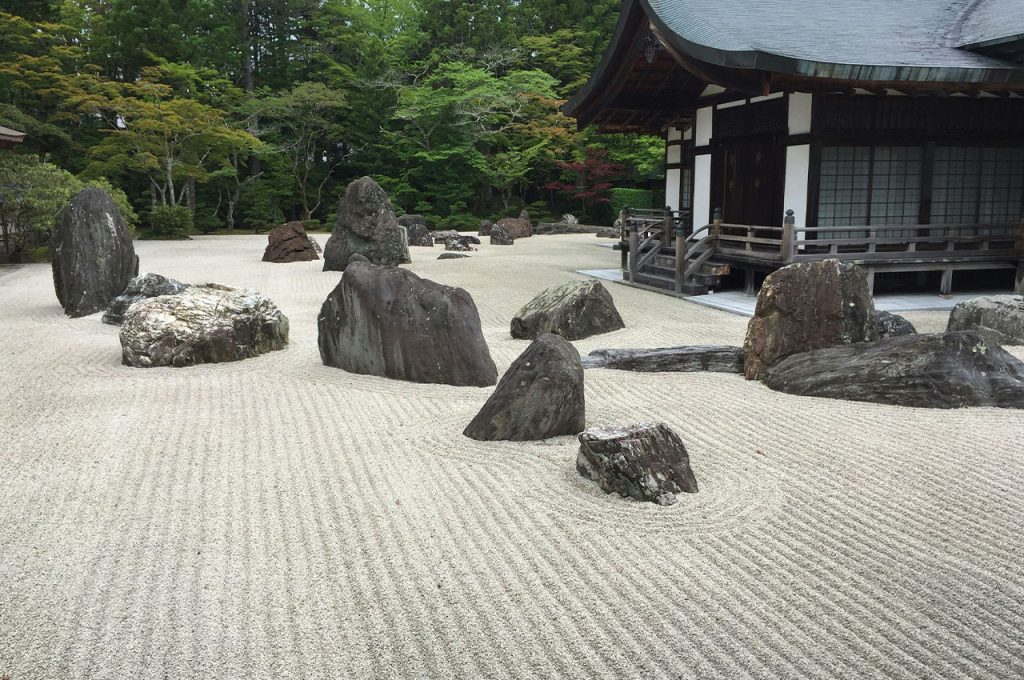
Rock gardens are not only beautiful, but also practical in dry climates. Use a mix of boulders, gravel, and drought-loving plants like succulents or lavender to create a sculptural, low-water landscape. Play with height, texture, and color to keep it visually interesting year-round. Once established, a rock garden practically takes care of itself—just a bit of weeding now and then, and plenty of time to admire the view.
5. Use Mulch as a Low-Maintenance Base

Mulch does more than just look tidy—it retains moisture, discourages weeds, and improves soil health. Use it to fill areas where grass once struggled, especially under trees or along borders. Natural wood chips offer a warm, earthy vibe, while dyed mulch can match your home’s palette. Surround it with drought-tolerant plants for an effortless, organic finish.
6. Design With Artificial Turf
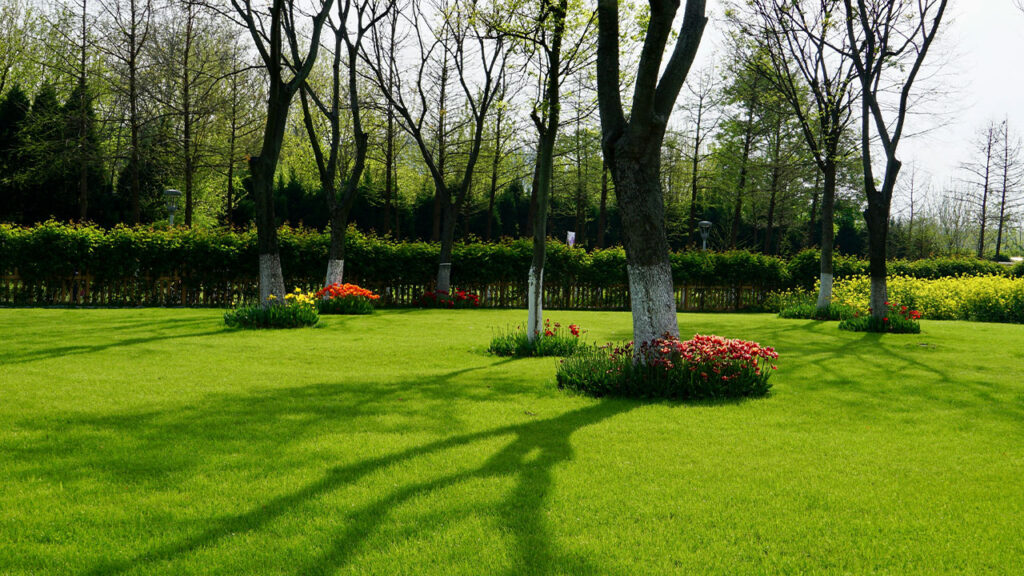
Artificial turf has come a long way—it’s now soft, realistic, and ideal for areas where real grass just won’t grow. It’s a great solution for small yards, shady spots, or high-traffic zones. No watering, mowing, or mud—just green all year long. Frame it with pavers, planters, or rock features to give your space a clean, contemporary look without the upkeep of natural grass.
7. Add Raised Garden Beds
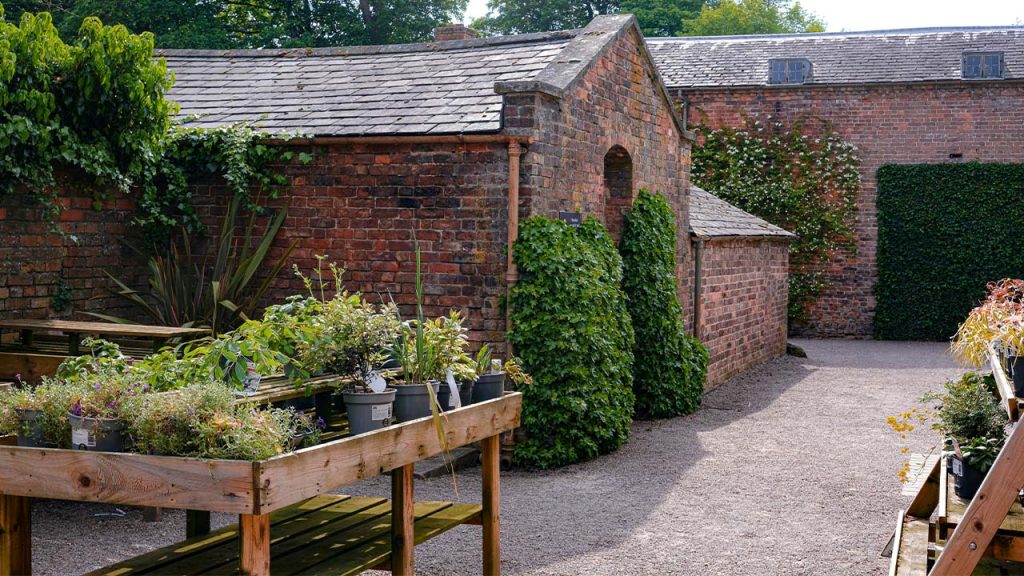
Raised garden beds bring structure, height, and productivity to your landscape. Whether for flowers, herbs, or veggies, they’re perfect for replacing grass while encouraging biodiversity. Use wood, metal, or stone to build them, and fill them with nutrient-rich soil. They make gardening easier on the back and can turn a plain yard into a lush, food-producing oasis.
8. Plant a Pollinator-Friendly Wildflower Meadow
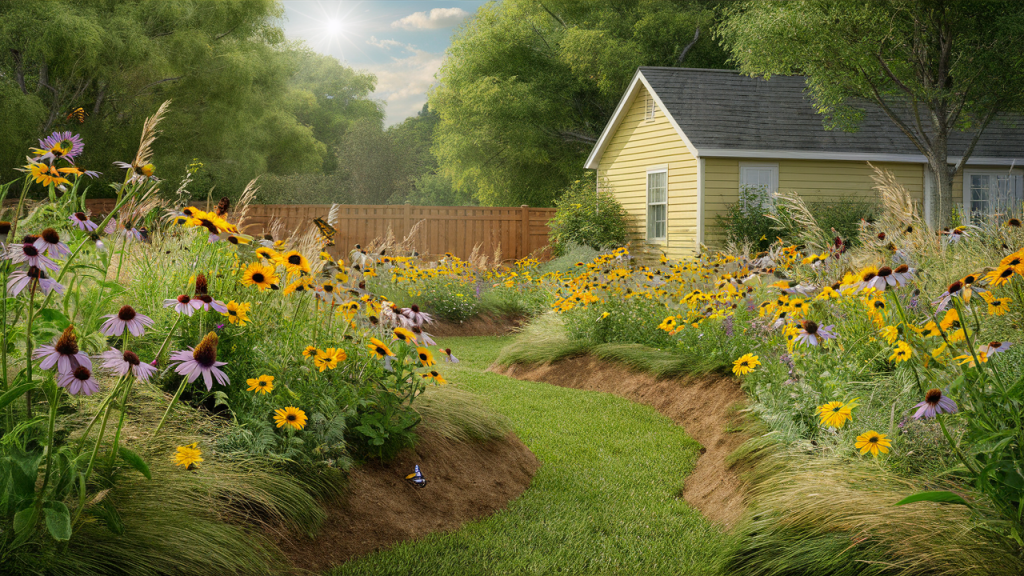
A wildflower meadow adds color, movement, and life to your yard while eliminating the need for a traditional lawn. Choose native blooms that support bees, butterflies, and hummingbirds. Once established, meadows need minimal care and thrive in a variety of soil types. They’re a beautiful way to support the ecosystem and make your landscape feel untamed and alive.
9. Use Decorative Concrete or Stamped Surfaces
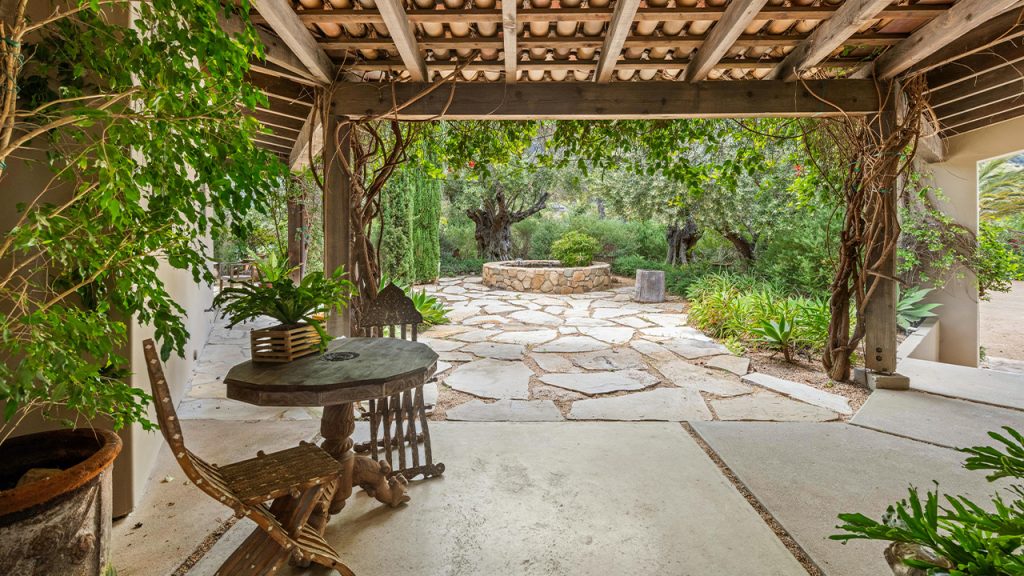
Decorative concrete or stamped patios offer a sleek, modern lawn alternative with texture and personality. Stamps can mimic stone, brick, or wood, giving you the look without the cost or maintenance. It’s ideal for large spaces or transitional zones between garden beds and structures. Add contrasting borders or stains to create a truly customized design.
10. Create a Zen-Inspired Gravel Garden
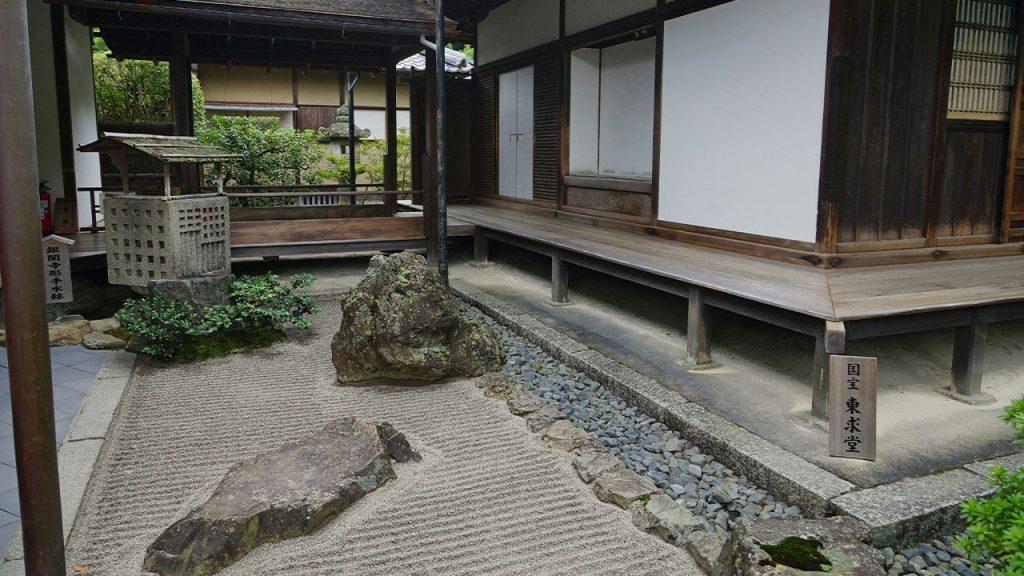
A gravel garden inspired by Japanese design brings tranquility and simplicity to your yard. Raked gravel patterns, scattered stones, and minimalist plantings like dwarf pines or bamboo make this style both low-maintenance and meditative. It’s a calming space that invites mindfulness and reflection, while also eliminating the hassle of mowing or watering.
11. Incorporate Moss in Shady Areas
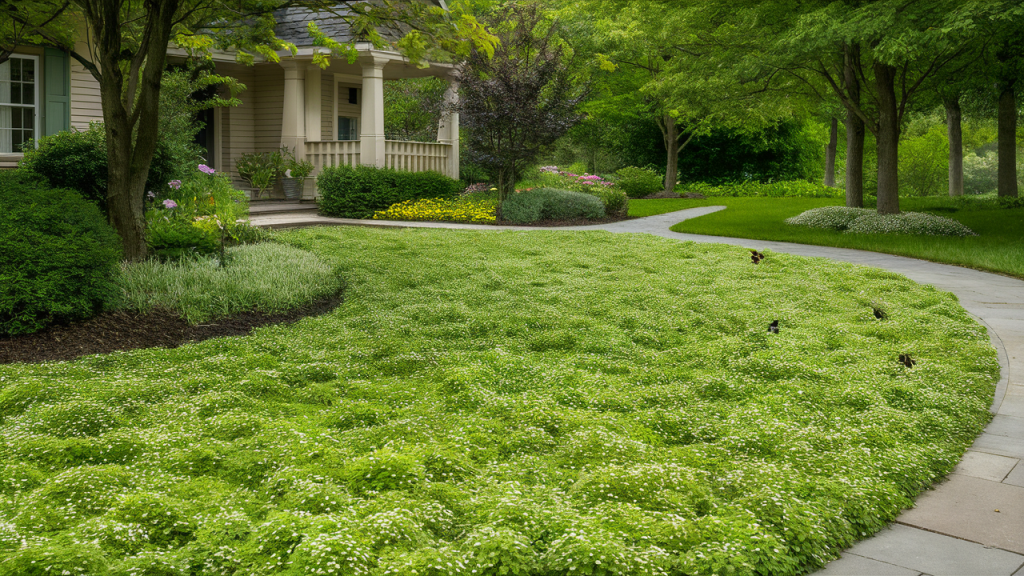
Moss thrives where grass fails—especially in damp, shady corners of your yard. Its velvety texture and vibrant green color bring a serene, forest-like feel to outdoor spaces. Moss requires little maintenance, no mowing, and thrives without fertilizer. Use it between stepping stones or as a full ground cover for a soft, natural carpet that transforms overlooked areas into peaceful green retreats.
12. Add a Water Feature as a Focal Point
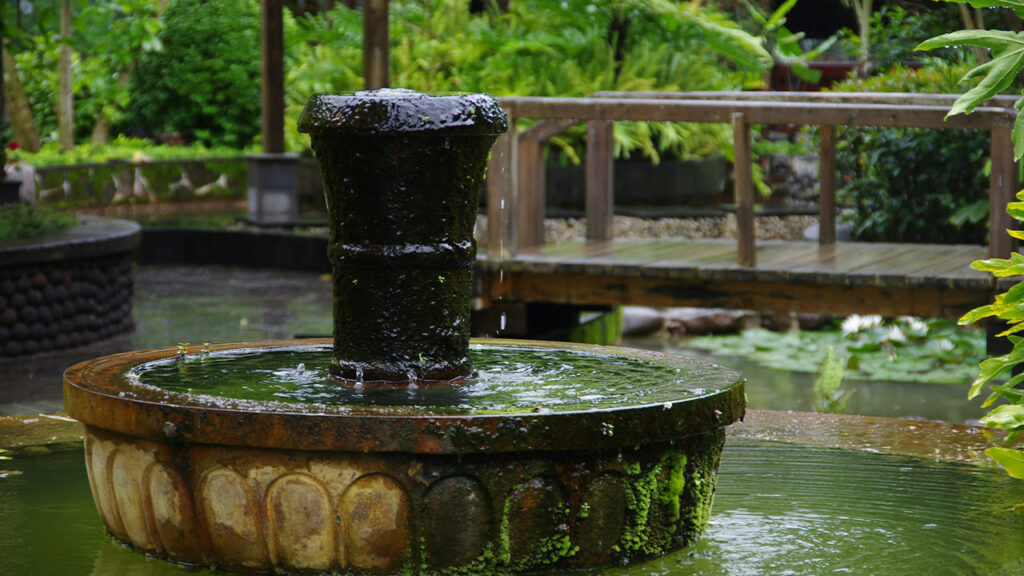
A small pond, bubbling fountain, or birdbath can become the heart of your grass-free yard. Water features add movement, sound, and a sense of calm—plus they attract birds and pollinators. Nestled among rocks or framed by native plants, they help soften hardscapes and break up open areas. With solar options and compact designs available, it’s easier than ever to add this lush touch.
13. Install a Boardwalk or Deck Path
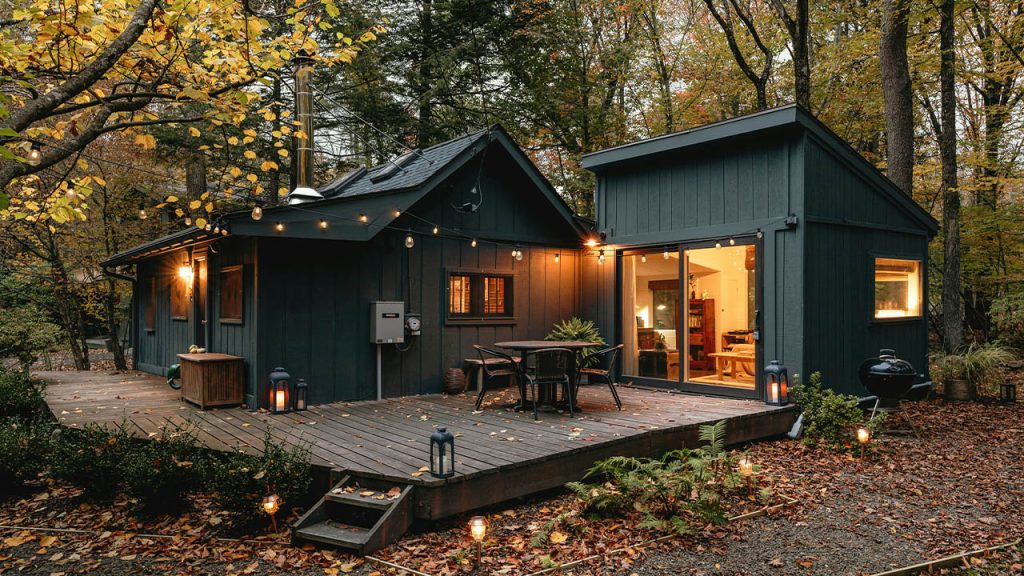
A boardwalk or wooden deck path adds warmth, structure, and flow to your landscaping while eliminating the need for grass. It can meander through gardens or connect seating areas with purpose and charm. Choose weather-resistant wood or composite materials for long-lasting appeal, and pair with gravel, lighting, or planters to blend function and beauty in one elegant step.
14. Replace Lawn With Ornamental Grasses
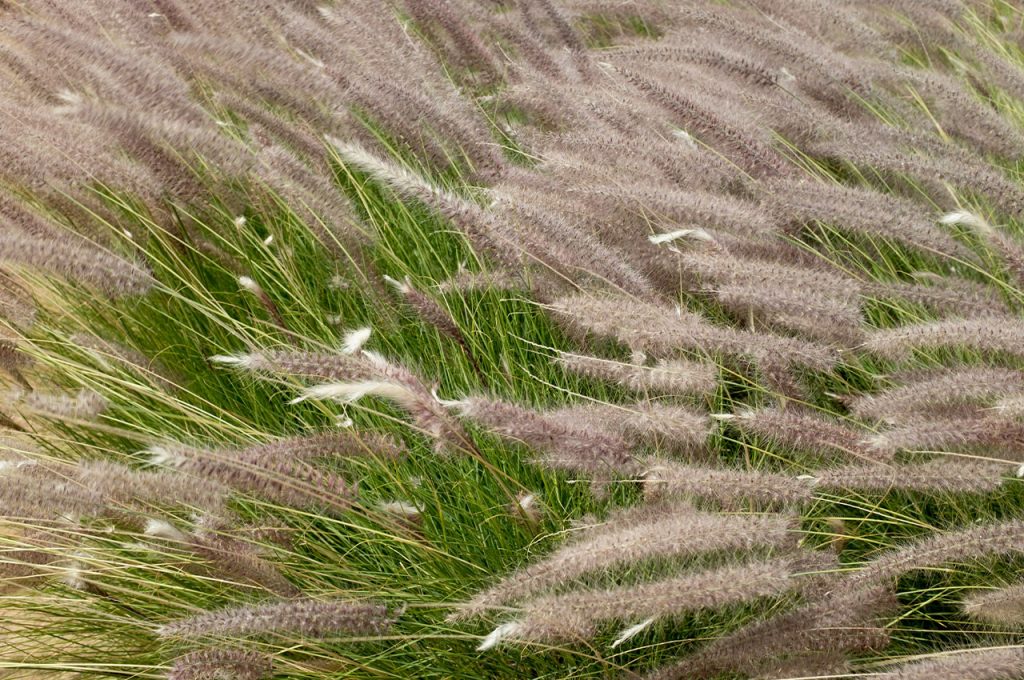
Ornamental grasses bring texture, height, and year-round interest without the demands of a traditional lawn. From feathery fountain grass to tall pampas plumes, they sway with the wind and catch light beautifully. Once established, they’re drought-resistant and low-maintenance. Plant them in clusters, rows, or as natural dividers to give your yard soft structure and movement.
15. Use Recycled Materials for Eco-Friendly Hardscaping
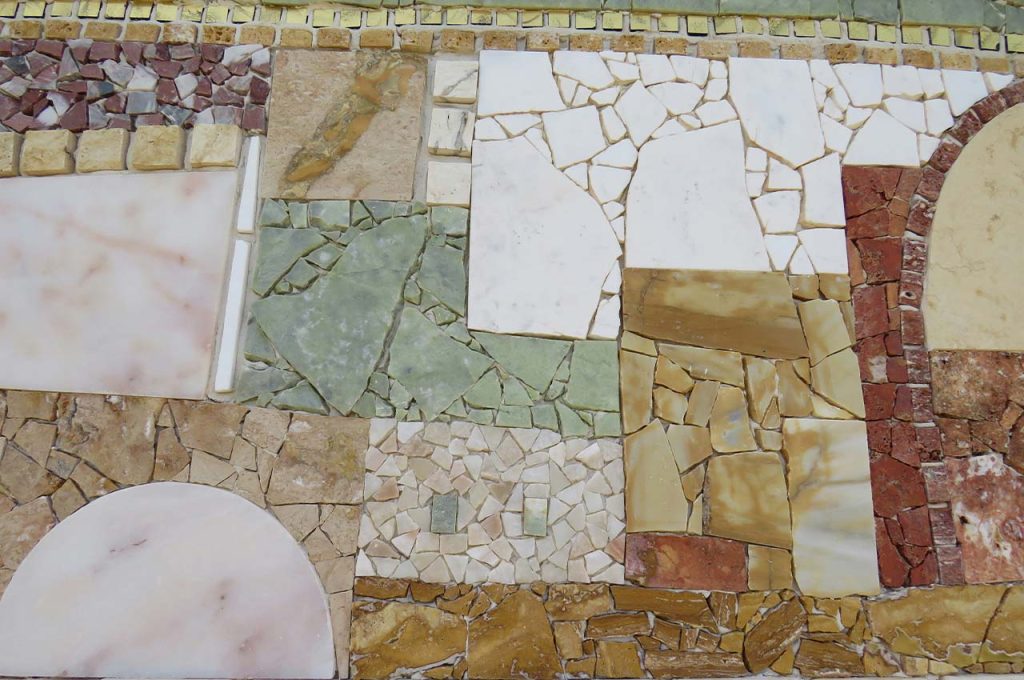
Turn salvaged bricks, reclaimed wood, or broken concrete into creative, sustainable landscaping elements. These materials can form patios, pathways, or edging while giving your yard a unique, textured look. Reusing resources not only reduces waste—it also saves money and adds character. Mix with drought-tolerant plants for a bold, earth-friendly alternative to grassy lawns.
16. Frame Outdoor Spaces With Native Plants
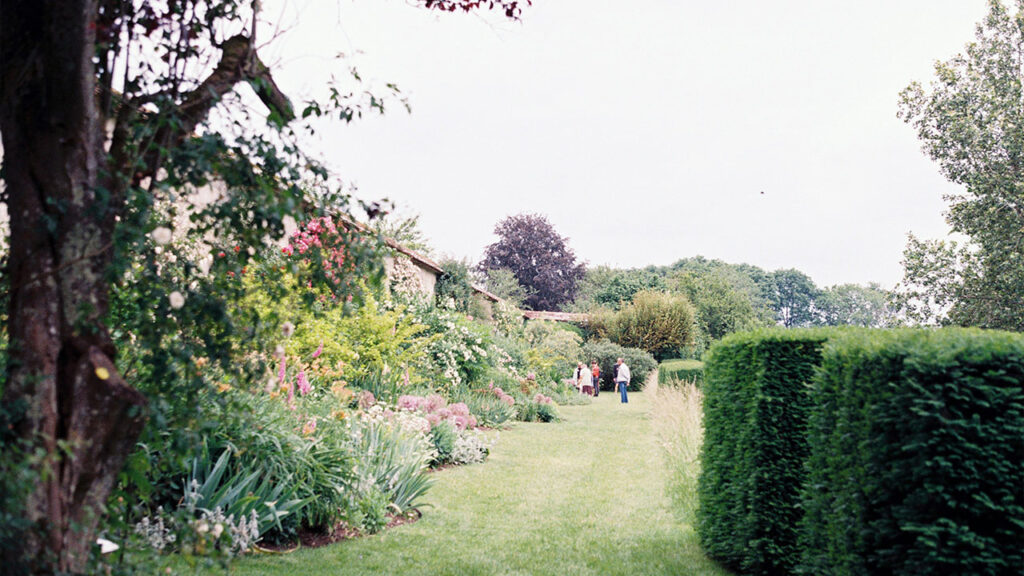
Native plants thrive in your local climate with minimal care, making them perfect for grass-free yards. Use them to define borders, frame patios, or create soft transitions between walkways and walls. They provide habitat for local wildlife, require less water, and are often more resilient to pests and disease. Their raw, organic beauty adds layers of texture and earthy tones, grounding your yard with a natural sense of place and timeless charm.
17. Create a Seating Area With Stepping Stones
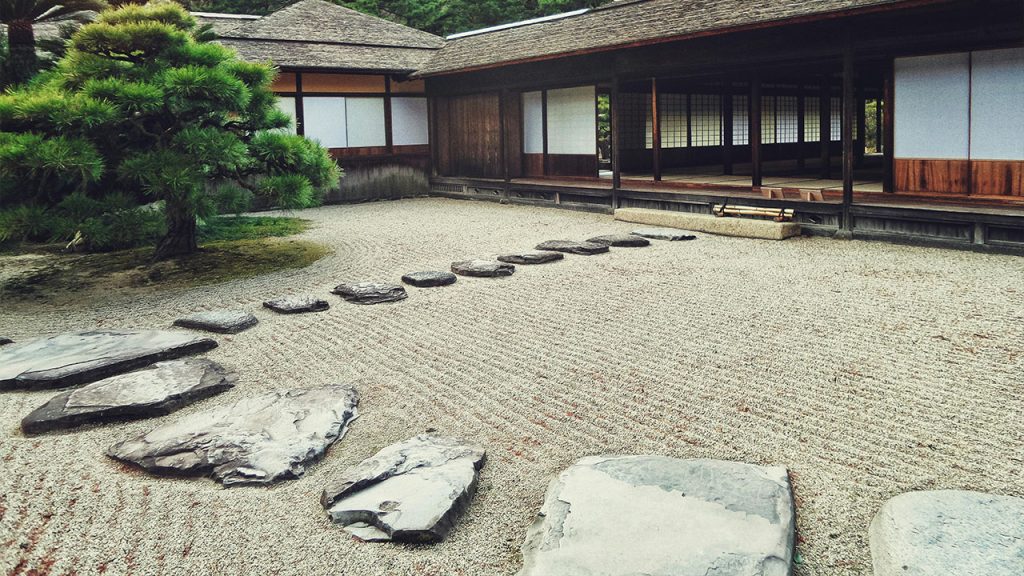
A patch of gravel or mulch with wide, flat stepping stones can become a charming base for a bistro table, bench, or lounge chairs. This grass-free solution feels intentional and cozy, especially when framed with plants or string lights. It’s also easy to install and adapt as your needs change. Whether in a sun-drenched corner or a shaded nook, it creates a defined, usable space without needing turf.
18. Build a Vertical Garden on Fences or Walls
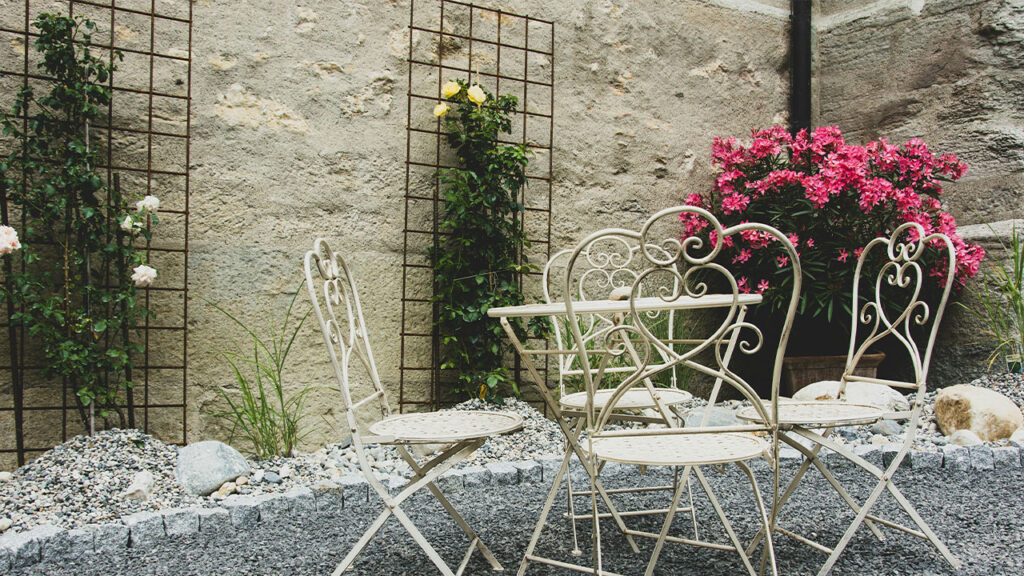
When ground space is limited—or you want to avoid grass altogether—go vertical. Attach planters, trellises, or modular wall gardens to fences and blank walls to grow herbs, flowers, or foliage. Vertical gardens add lushness and color without taking up yard space and can double as privacy screens. They turn plain surfaces into living walls that feel vibrant and thoughtfully designed.
19. Fill Open Spaces With Succulent Arrangements
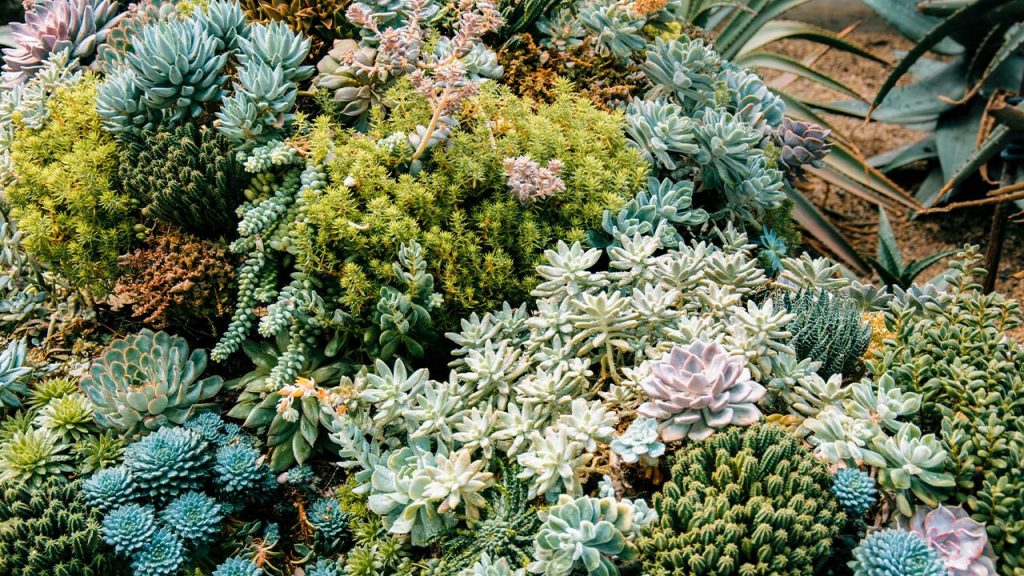
Succulents are the heroes of low-maintenance, drought-tolerant landscaping. In rock gardens, containers, or tucked into gravel beds, they offer a sculptural, colorful way to replace grass. Use a mix of heights and hues for visual interest, and combine with pebbles or driftwood for a modern, desert-inspired look. They thrive in sunny spots and need minimal watering—ideal for stress-free gardening.
20. Design a Fire Pit Lounge Area
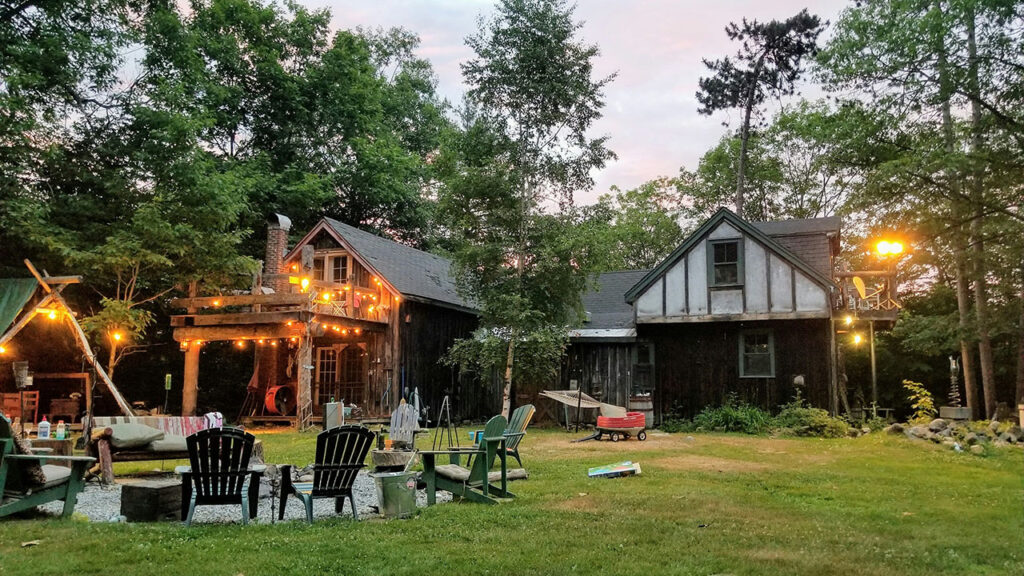
Swap your lawn for a welcoming fire pit lounge with pavers, gravel, or decomposed granite underfoot. Surround it with weatherproof seating, layered cushions, and maybe a few container plants to soften the edges. It becomes an all-season destination for relaxing or entertaining, and a functional alternative to empty grass space. Bonus: no mowing, just marshmallow roasting.
21. Combine Pebbles and Potted Plants for Texture

Mixing smooth river pebbles with an assortment of potted plants creates a layered, polished look that’s ideal for grass-free landscaping. The pebbles offer a clean, low-maintenance ground cover, while potted greenery allows flexibility and seasonal variety. Use pots of different heights, shapes, and materials to add visual interest. This combo is especially great for patios, narrow side yards, or rental-friendly upgrades.
22. Make a Dry Creek Bed for Drainage and Style
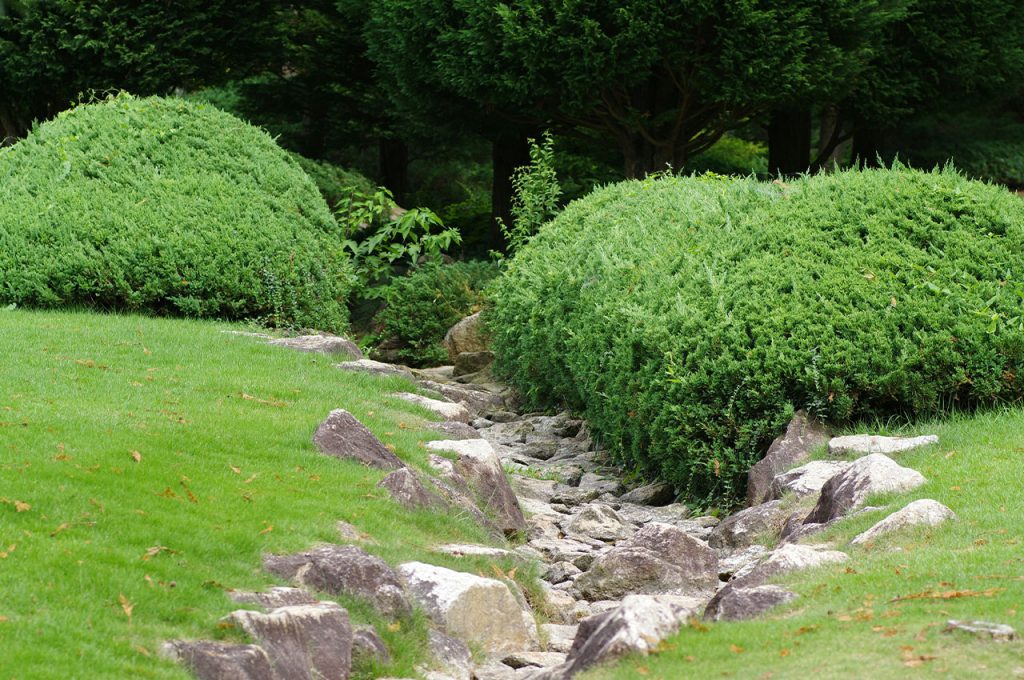
A dry creek bed does more than look good—it also helps manage runoff and improve drainage. Use rocks of varying sizes to mimic a natural stream, and edge it with drought-tolerant grasses or native perennials for a soft, organic feel. It brings movement and visual flow to your yard, even without water. Perfect for sloped areas or spots where grass struggles to grow, it’s a practical and pretty lawn alternative.
23. Use Edible Landscaping Instead of Lawn
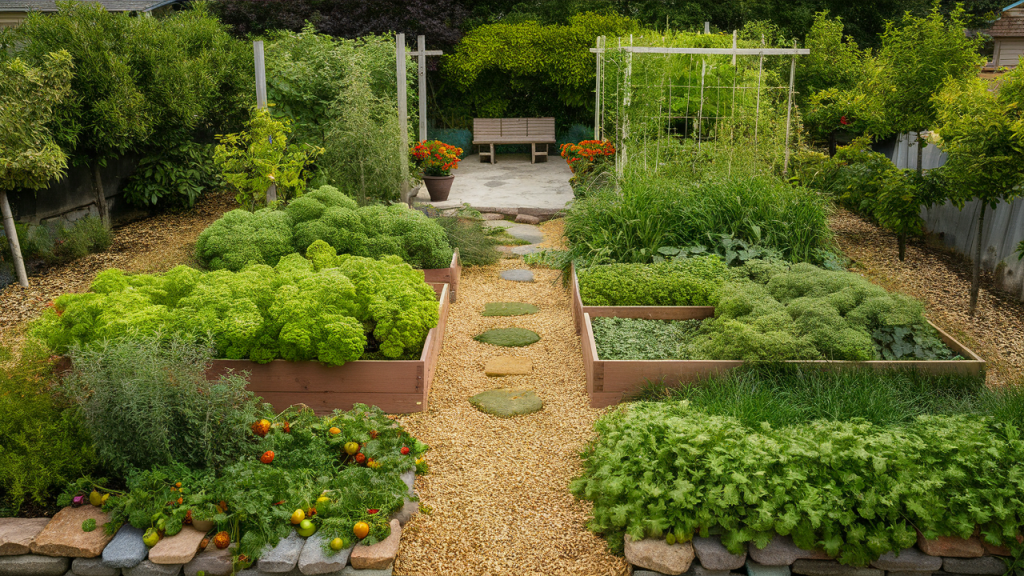
Transform unused grassy areas into beautiful, functional gardens filled with fruits, vegetables, and herbs. Think blueberry bushes instead of hedges or kale and lettuce in place of flower beds. Edible landscaping is not only visually appealing but also productive and sustainable. It connects you to your food, reduces waste, and invites pollinators into your yard—proving that utility and beauty can coexist beautifully.
Want to see more from Remodr?

Drop a comment below, share this with your friends and family, and don’t forget to follow us for more fresh ideas, updates, tips, and home trends.
This article was created with the assistance of AI but thoroughly edited by a human being.