

A well-designed flower bed can instantly boost your home’s curb appeal and bring vibrant energy to your outdoor space. But creating a show-stopping garden doesn’t require a professional landscaper or a massive budget. With a little creativity and planning, you can transform even the simplest flower beds into eye-catching displays. Here are 20 smart and stylish ways to make your flower beds look truly awesome.
1. Edge It with Style
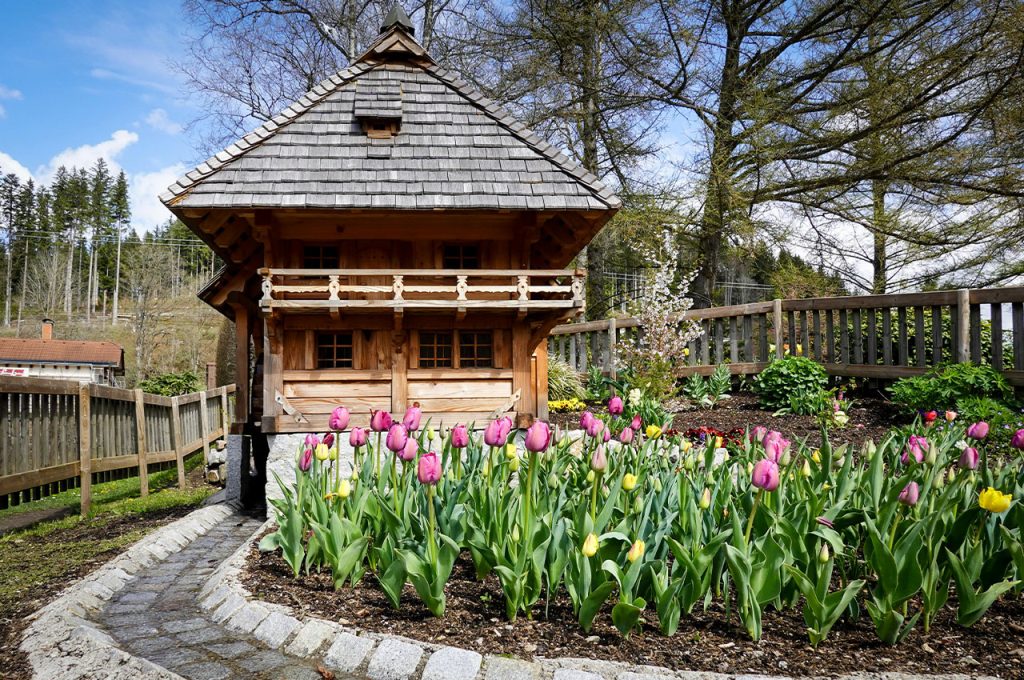
Defining the edges of your flower beds instantly elevates their appearance. Use materials like stone, brick, or metal edging to create clean, crisp borders that prevent grass from creeping in and give your beds a refined finish. You can opt for sleek modern lines or go for a more rustic, natural edge. Well-defined borders not only enhance visual appeal but also make maintenance easier and keep your garden looking intentional.
2. Layer Your Plants Like a Pro
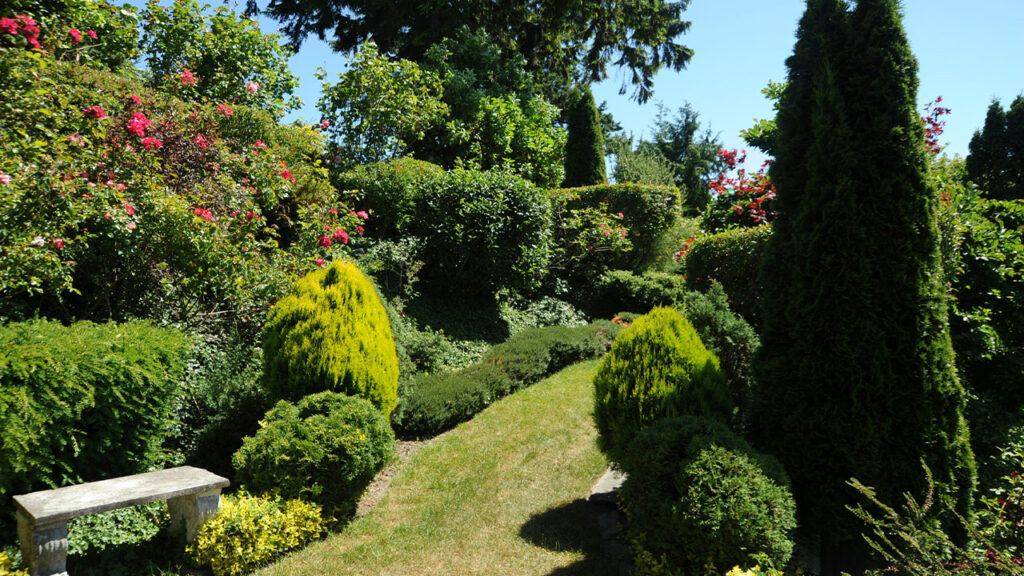
Strategic layering creates depth and visual harmony in flower beds. Start with taller plants at the back, medium-height varieties in the middle, and shorter ground covers or trailing flowers up front. This tiered effect ensures that each plant is visible and adds texture to the overall display. Think of your flower bed as a stage—layering lets each bloom shine without crowding others, resulting in a lush, professional-looking arrangement.
3. Add a Burst of Color with Annuals
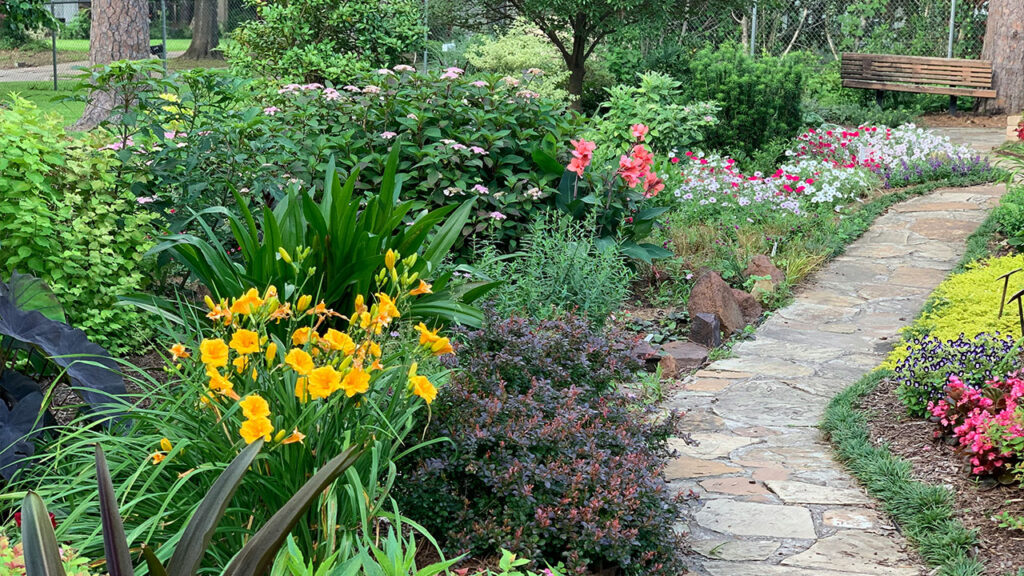
Annuals are a simple way to infuse instant color into your flower beds. These seasonal favorites bloom vibrantly and can be swapped out throughout the year to keep your garden fresh and lively. Try pairing bold shades with neutral perennials for a striking contrast, or go monochromatic for a cohesive look. Whether planted in drifts or clusters, annuals like marigolds, petunias, and zinnias offer show-stopping appeal.
4. Incorporate Unique Focal Points
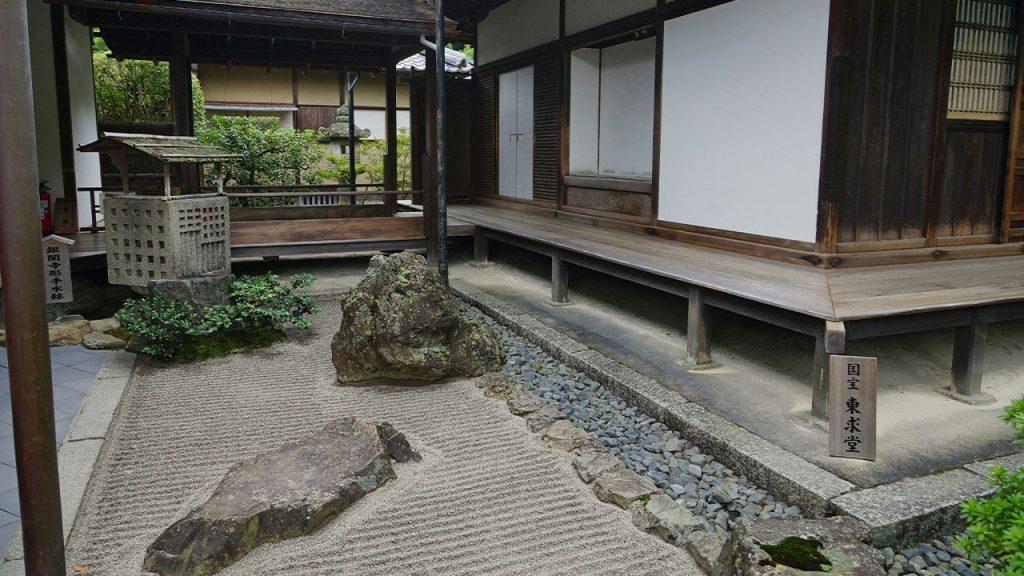
Every flower bed benefits from a visual anchor. Focal points like garden statues, birdbaths, or even a large ornamental plant can guide the eye and add personality. Choose a piece that contrasts with surrounding blooms in size, shape, or color to make it stand out. Focal elements create structure and balance while offering a place for the eye to rest—perfect for making your garden feel both curated and welcoming.
5. Use Mulch for a Polished Look
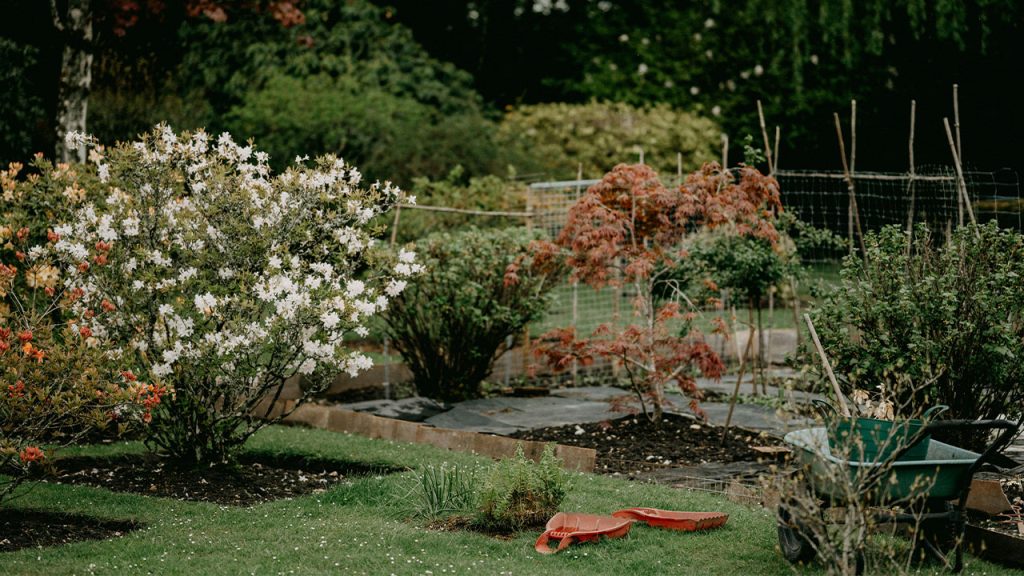
Mulch does more than neaten up your flower beds—it enhances their overall appeal while working behind the scenes. Natural options like bark, cocoa shells, or leaf mulch help lock in moisture, improve soil health, and block out weeds. The rich tones of dark mulch create striking contrast with bright flowers, making colors stand out. Whether rustic or polished is your style, a well-mulched bed feels complete and easier to maintain.
6. Create Contrast with Leaf Textures
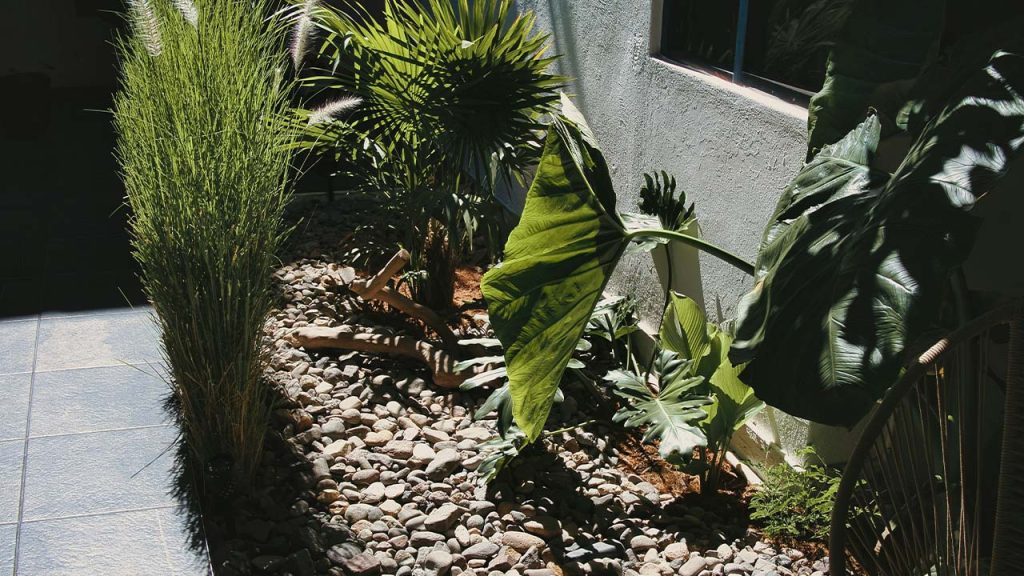
Flowers may grab the spotlight, but foliage brings the drama. Mixing plants with varied leaf shapes—like spiky ornamental grasses, broad-leafed hostas, and feathery ferns—adds dimension and richness to your flower beds. Contrasting textures make the space feel layered and visually engaging, even when blooms fade. This subtle design trick keeps beds looking dynamic and intentional year-round.
7. Shape Your Beds Creatively
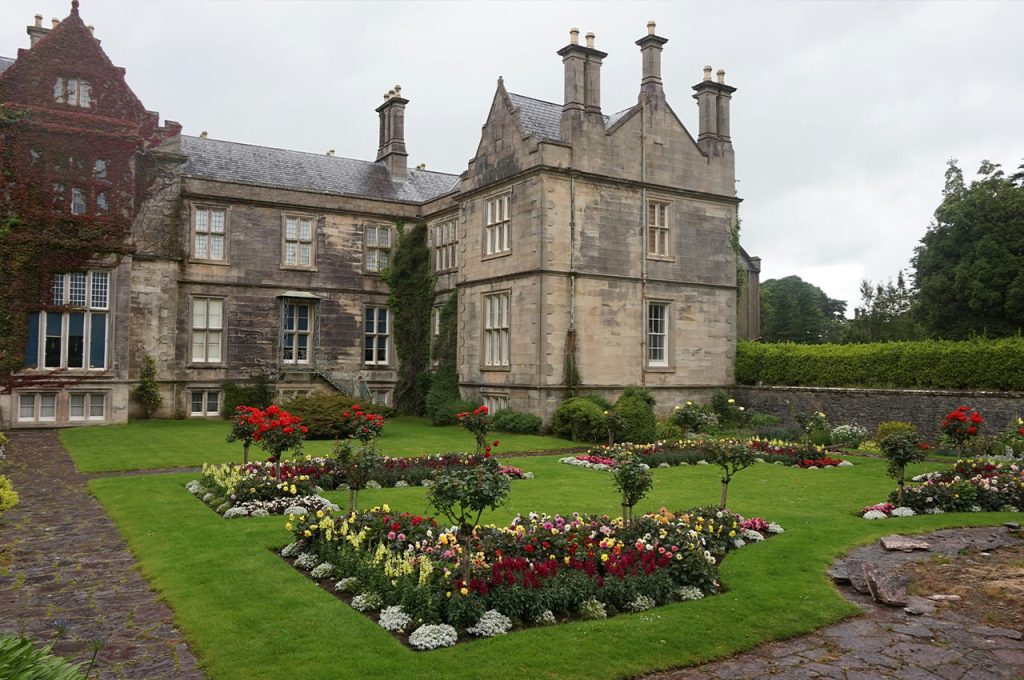
Ditch the standard rectangle and experiment with curves, waves, or keyhole designs to give your flower beds a custom, high-end feel. Unique shapes help define spaces, guide foot traffic, and add a playful, artistic touch to your yard. Whether flowing organically or laid out with geometric precision, a well-shaped bed complements the surrounding landscape and enhances curb appeal with minimal effort.
8. Install Decorative Garden Lighting
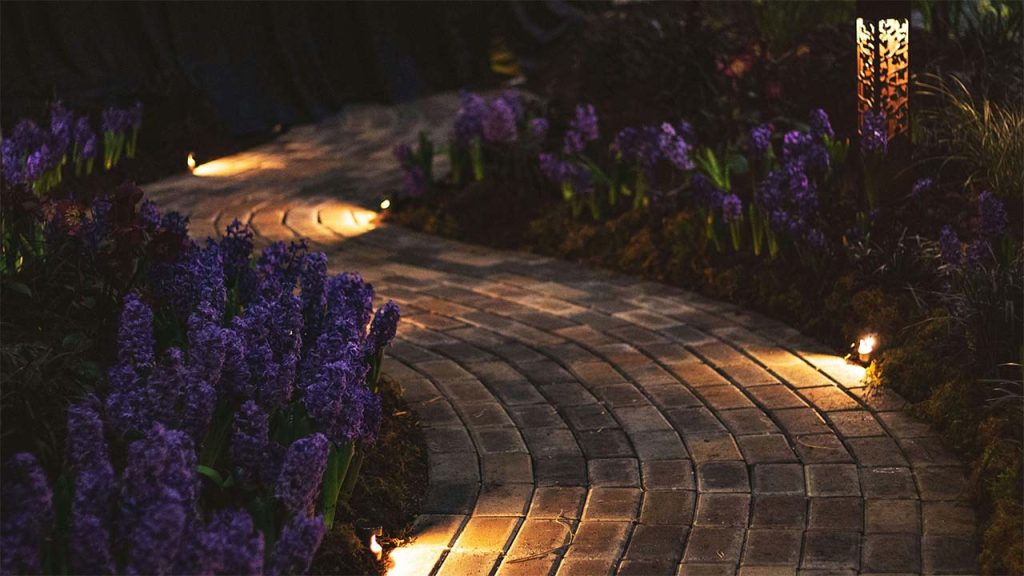
Thoughtful lighting can transform flower beds into a nighttime feature, casting soft glows that emphasize plant textures and silhouettes. Solar stakes, low-profile spotlights, or even draped string lights can create layers of warmth and drama. Highlighting key plants or edging a path enhances both safety and mood. Rather than fading into darkness, your garden becomes a softly lit extension of your home—inviting, atmospheric, and effortlessly enchanting.
9. Mix Heights for Visual Interest
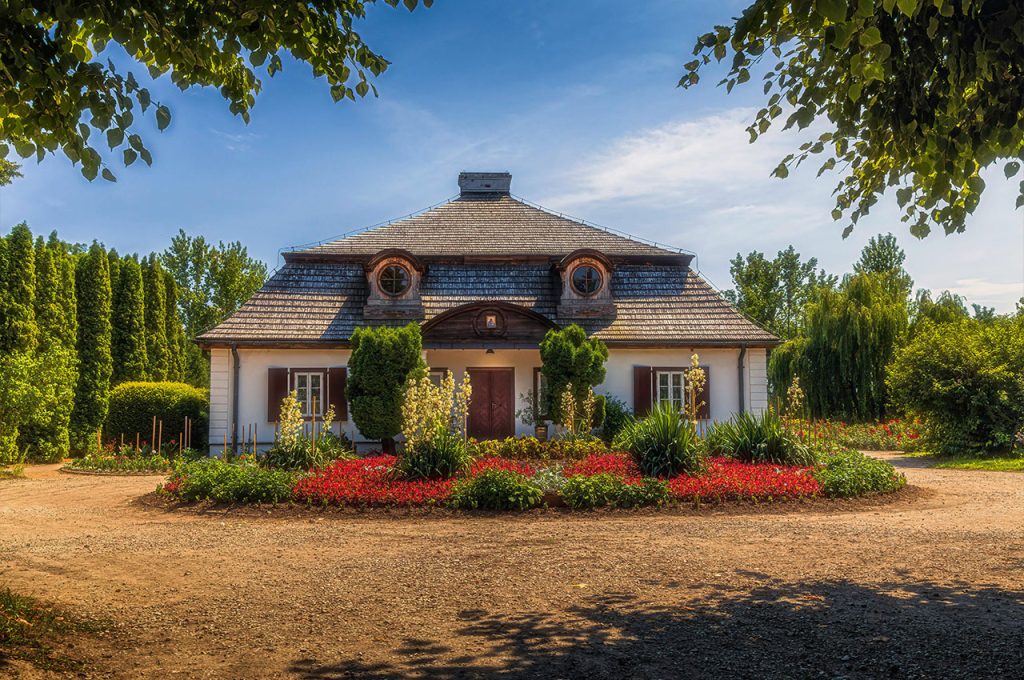
Varying plant heights adds rhythm and keeps the eye moving. Combine tall spires like delphiniums or foxgloves with medium-height bloomers and low-growing creepers. This creates a layered, multi-dimensional bed that feels lush and thoughtfully planned. Play with height contrasts across the entire bed—not just front to back—for a natural, sweeping look that draws attention from every angle.
10. Include Evergreen Structure
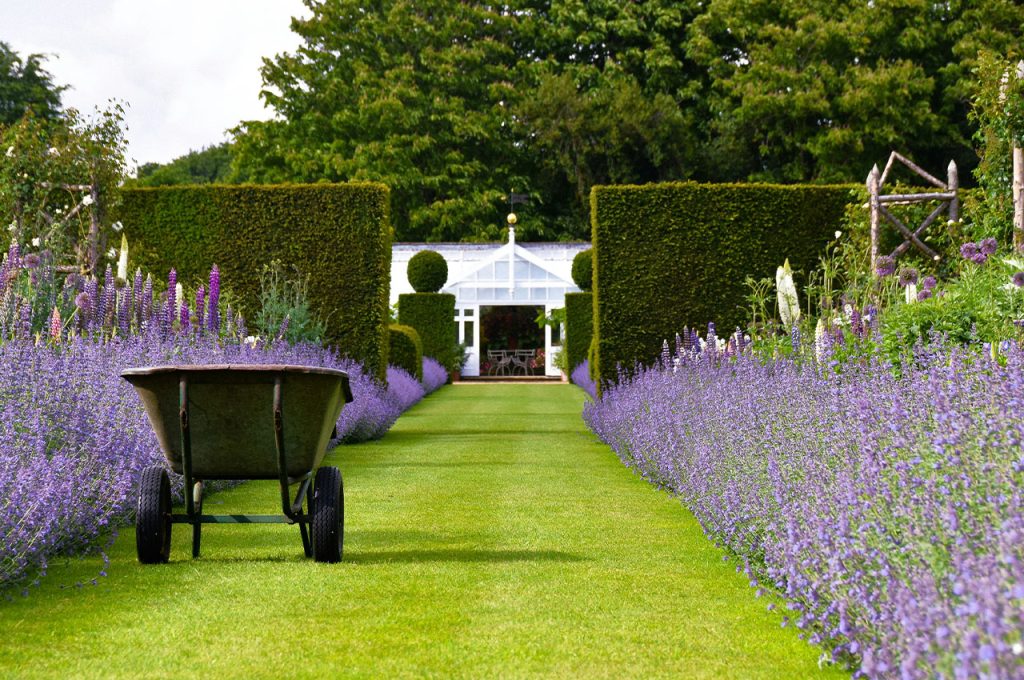
Evergreens offer year-round form and color, giving flower beds structure when seasonal plants die back. Some examples of plants that can be used to serve such a purpose are small shrubs, boxwoods, or dwarf conifers. Their rich greens provide contrast to colorful blooms and serve as visual pillars that hold the design together. Think of them as the bones of your flower bed—always present, always grounding.
11. Add Pathways for Easy Access
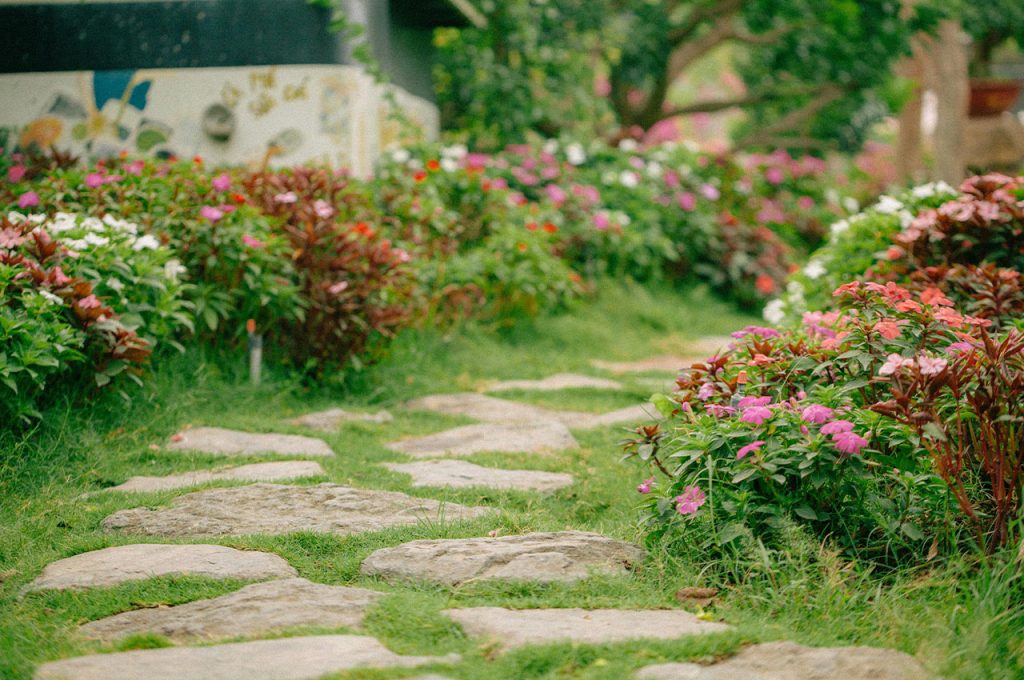
Pathways not only make it easier to tend your flower beds but also add structure and charm. Gravel, stepping stones, or brick pavers can guide the eye and invite exploration, giving your garden a more finished and functional look. A well-placed path breaks up planting areas, reduces foot traffic damage, and provides a sense of rhythm and flow that ties the whole landscape together.
12. Try a Monochromatic Color Scheme
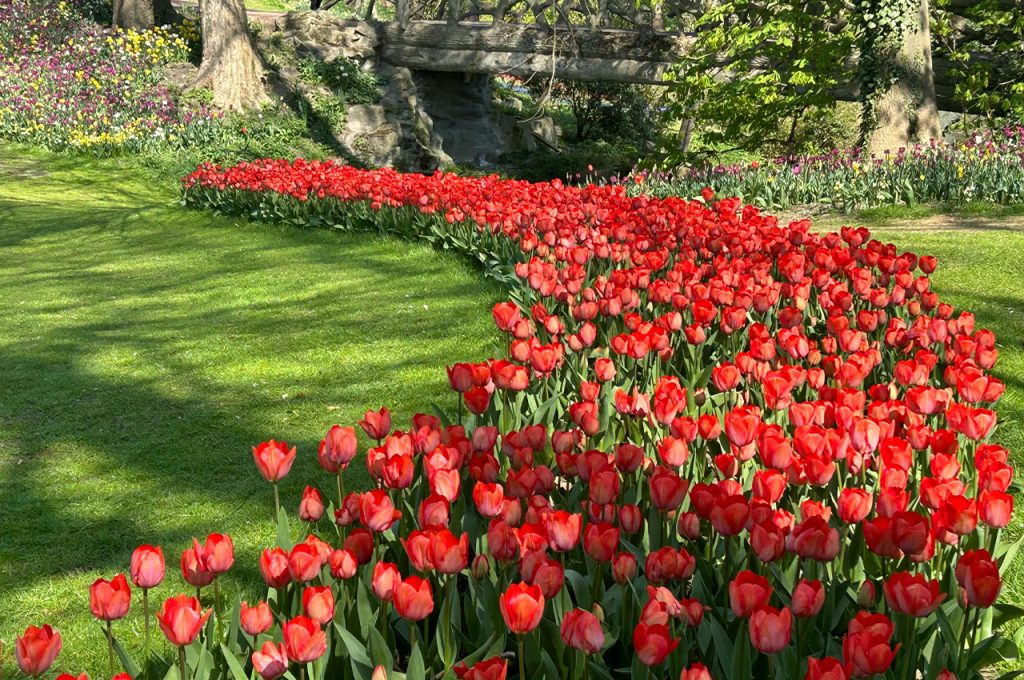
A monochromatic color palette can be a bold statement visual for any garden space, lending a curated aspect to an otherwise organic scene. Whether it’s a bed filled with pinks, purples, or whites, a monochromatic palette feels elegant and cohesive. You can play with texture and plant shape to keep things interesting without overwhelming the eye. This design approach is especially effective in small spaces where unity and calm are key.
13. Incorporate Vertical Elements
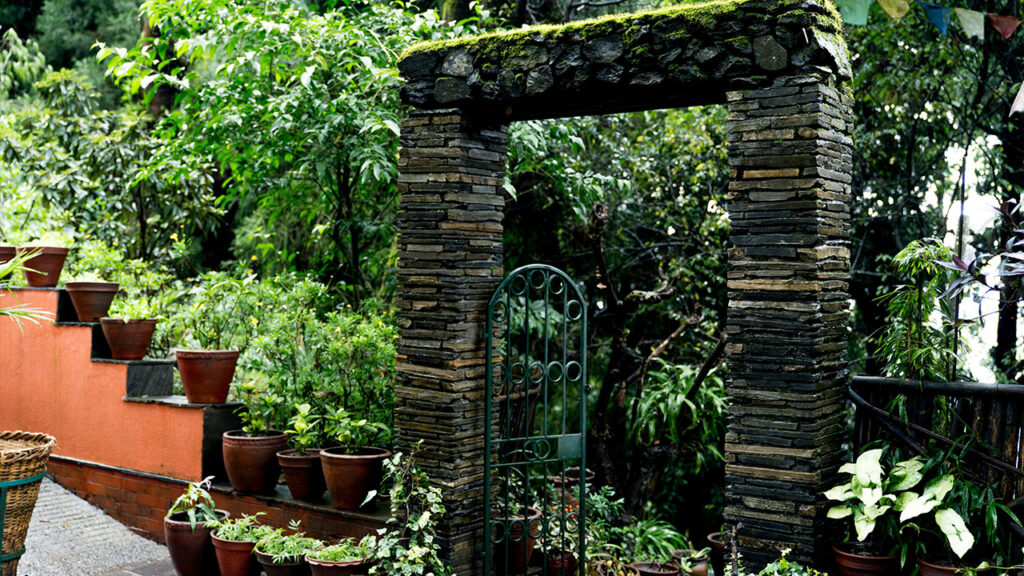
Adding height through trellises, obelisks, or garden arches brings a whole new dimension to your flower beds. Climbing roses, clematis, or sweet peas draw the eye upward and create a lush, layered effect. Vertical features help break up flat spaces and can serve as a striking focal point. They’re also great for making small gardens feel larger and more dynamic.
14. Frame with Shrubs or Hedges
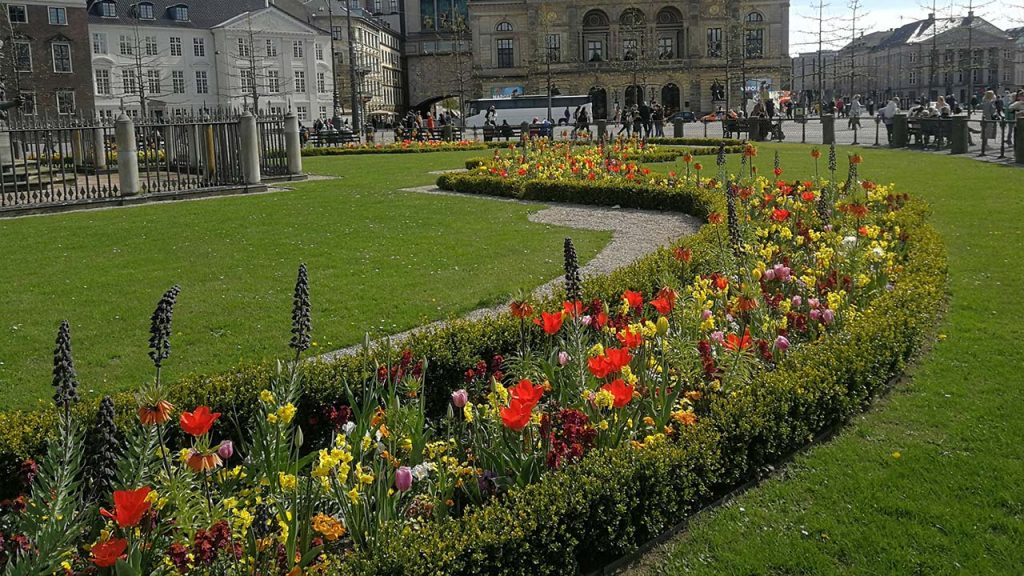
Defining your flower beds with low shrubs or hedges gives them a polished, well-organized appearance. Boxwoods, lavender, or dwarf hydrangeas can border the beds while softening the edges. This living frame creates visual boundaries and keeps beds from blending into the lawn or walkways. It’s a subtle way to add structure and long-lasting beauty.
15. Use Garden Art or Sculptures

A carefully placed sculpture, wind spinner, or vintage garden ornament can elevate a flower bed from pretty to memorable. The inclusion of garden art adds the magic of narrative and whimsical storytelling to a garden. Choose pieces that reflect your style—whimsical, rustic, modern—and nestle them among the plants so they feel like part of the landscape, not just an add-on.
16. Play with Repetition and Rhythm
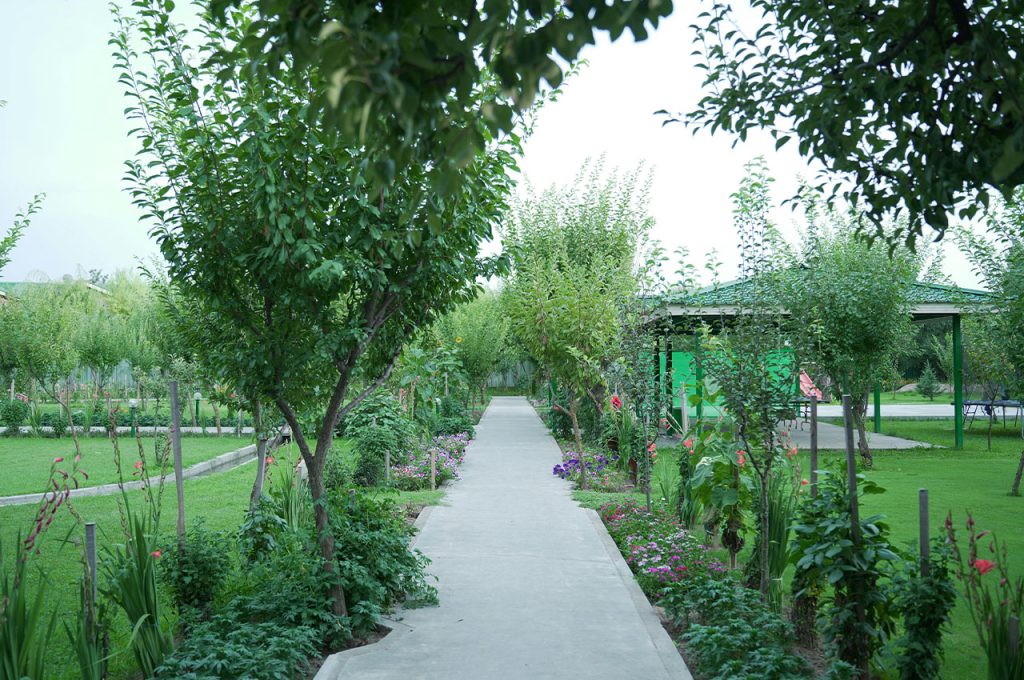
Repeating certain plants, colors, or shapes throughout your flower beds creates a sense of rhythm that feels intentional and soothing. This technique helps guide the eye and adds cohesion to your garden. Whether it’s a trio of hostas, repeated bursts of purple salvia, or evenly spaced topiaries, repetition brings a pleasing visual flow that ties everything together beautifully.
17. Update Your Planters and Borders
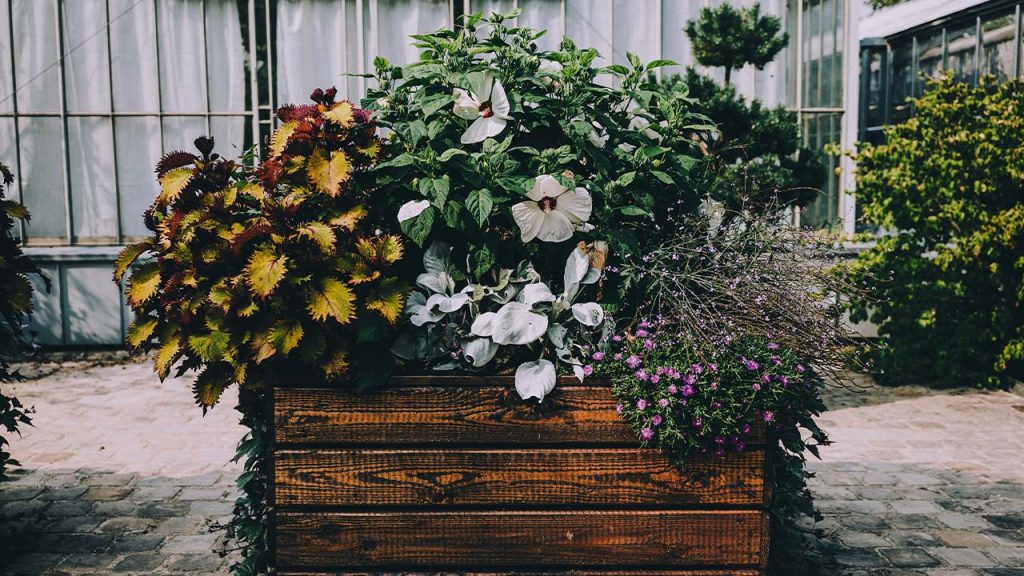
Swapping out old planters or refreshing border materials can instantly uplift the look of your flower beds. Try modern concrete pots, rustic wooden boxes, or colorful ceramic containers to suit your style. Upgrading edging with stone, metal, or brick can help define the space and prevent soil and mulch from spilling out, making your beds feel well-kept and thoughtfully designed.
18. Create a Seasonal Planting Plan
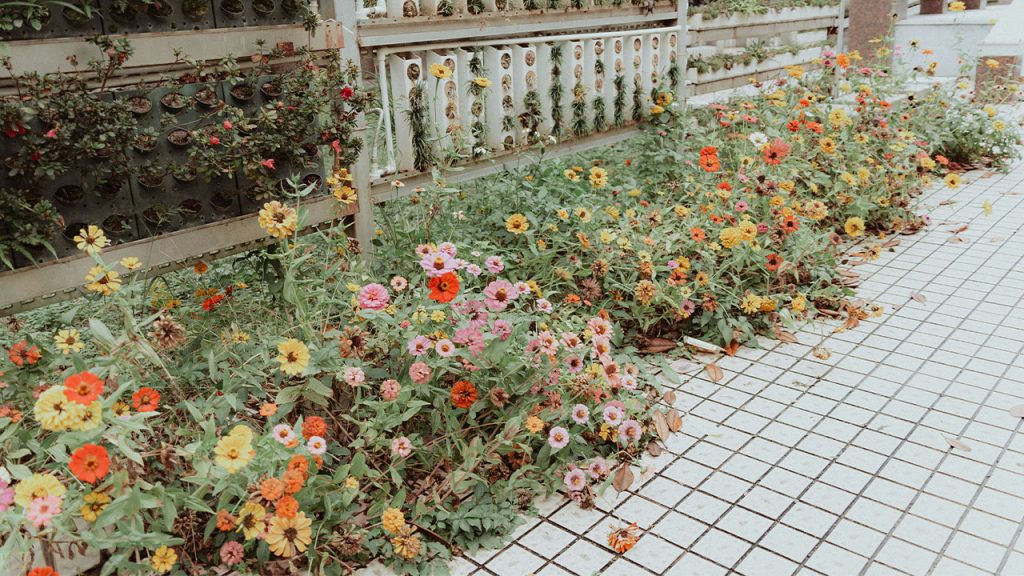
A well-thought-out planting schedule ensures your flower beds stay vibrant all year long. Mix early spring bulbs with summer bloomers and late-season perennials to keep the display evolving. Add in seasonal annuals for a quick color boost. This rotating show of blooms keeps your garden interesting and ensures there’s always something fresh to enjoy, no matter the month.
19. Use Rocks or Pebbles as Accents
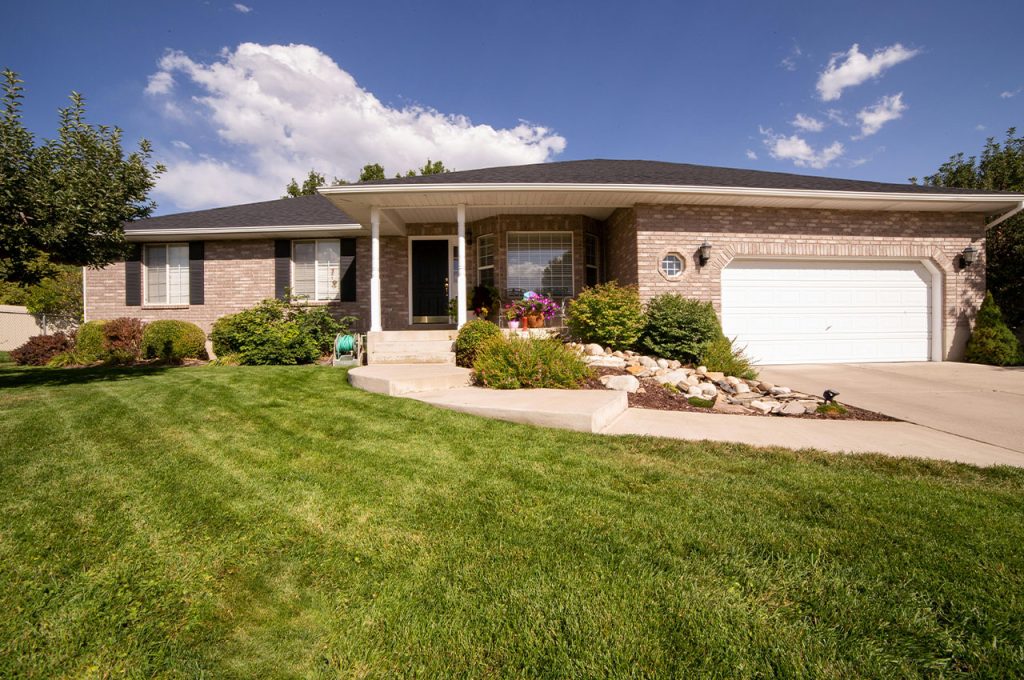
Natural elements like rocks or decorative pebbles can bring texture and contrast to your flower beds. Arrange them around focal plants, along borders, or in dry stream-like patterns for a zen-inspired touch. These accents add earthy interest and help break up areas of dense planting. They’re also practical for drainage and weed suppression, blending beauty with function.
20. Maintain with Consistent Care and Pruning
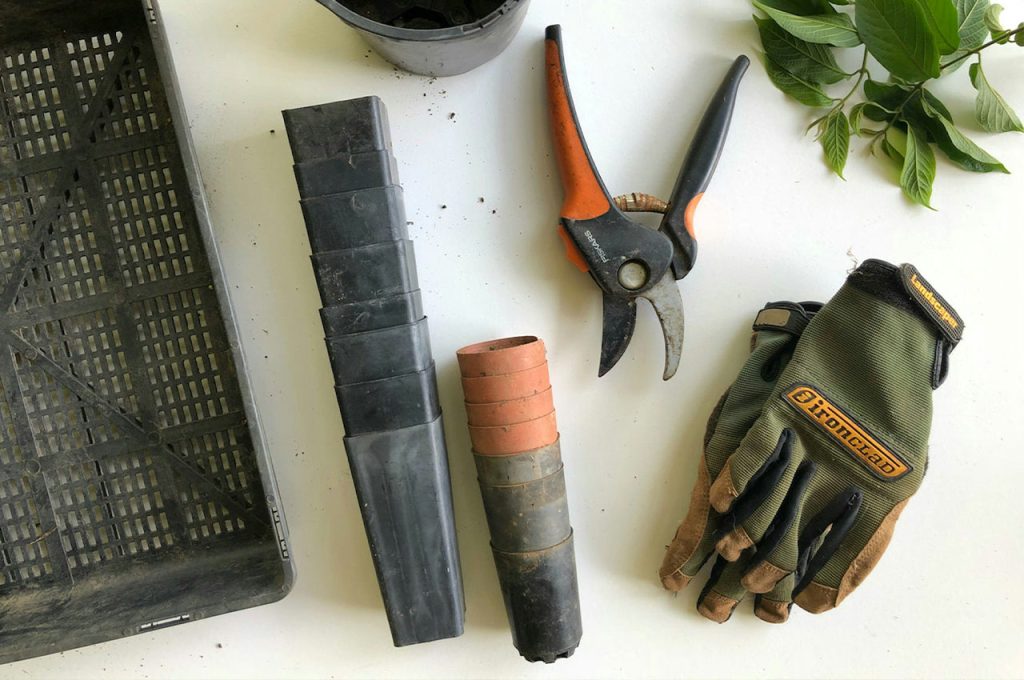
A beautiful flower bed thrives on regular upkeep. Routine pruning, deadheading, and weeding keep plants healthy and prevent overcrowding. Trim back leggy growth, remove faded blooms, and tidy borders to maintain a clean look. Regular maintenance not only boosts the appearance but also extends the lifespan of your plants, ensuring your garden always looks its best.
This article was created with the assistance of AI but thoroughly edited by a human being.