
Not all beautiful backyard plants are welcome in the U.S.—some are banned for being invasive, toxic, or harmful to local ecosystems. While many of these species may seem harmless or even decorative, they can cause major damage to native plants, wildlife, and even your neighbors’ yards. Before adding greenery to your garden, it’s wise to know which plants could land you in legal trouble—or ecological hot water.
1. Kudzu
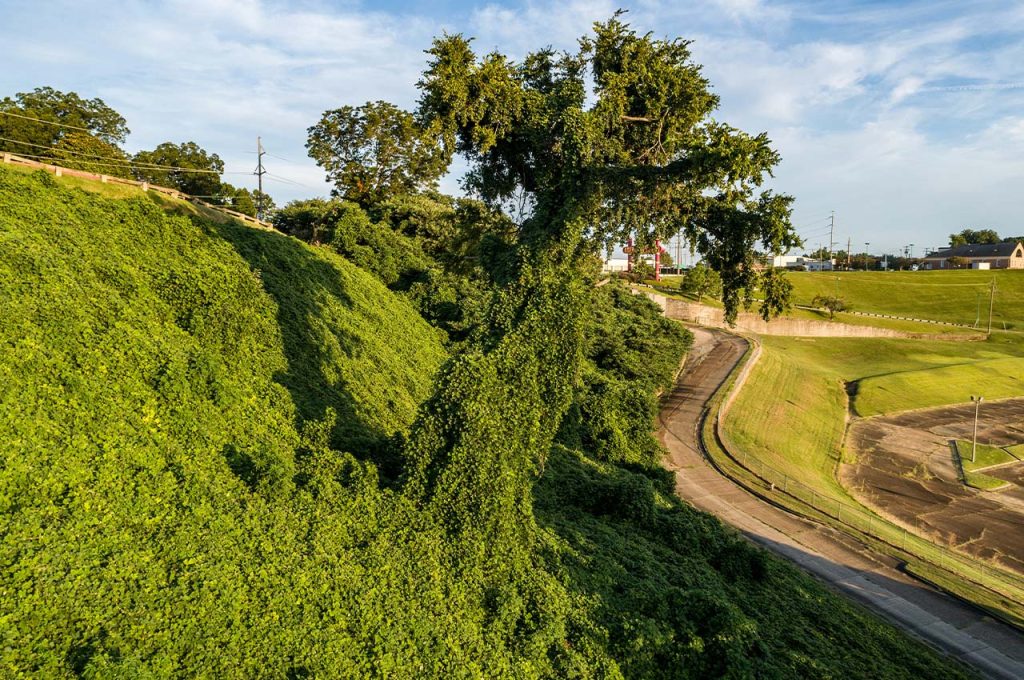
Once introduced for erosion control, kudzu quickly earned the nickname “the vine that ate the South.” This aggressive grower can stretch a foot a day in warm climates, smothering trees, power lines, and entire structures. Its fast spread has made it a major threat to native ecosystems, and it’s now banned or restricted in several states. Don’t be fooled by its leafy green appeal—kudzu takes no prisoners once it takes root.
2. Purple Loosestrife
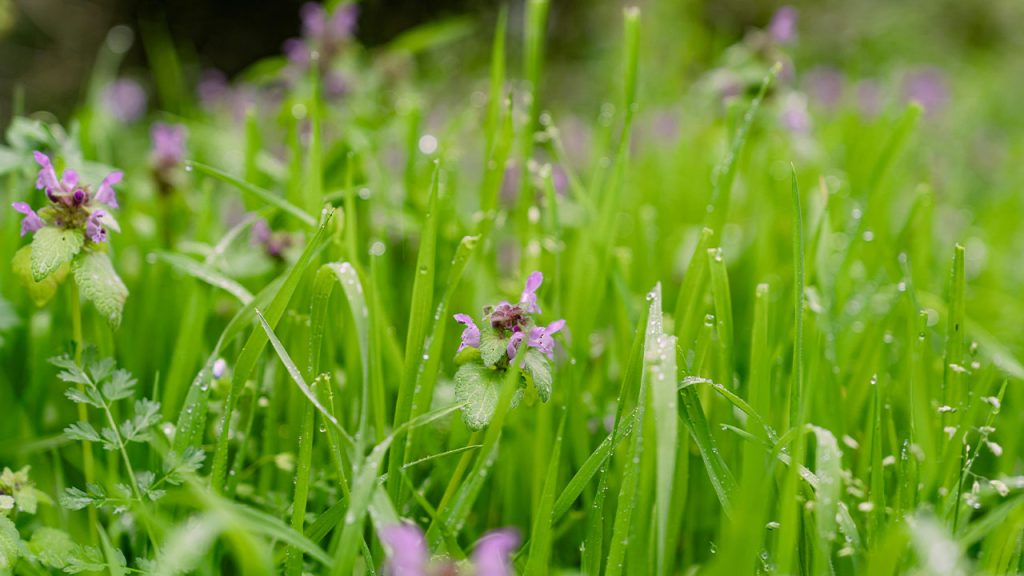
With its tall spikes of vibrant magenta blooms, purple loosestrife looks charming—but it’s a deceptive beauty. This plant rapidly takes over wetlands, crowding out native flora vital to birds and pollinators. Despite its ornamental use, it’s considered invasive in many states and is illegal to plant or transport in places like Minnesota and Wisconsin. Its impact on biodiversity has led to strict regulation across the U.S.
3. Giant Hogweed
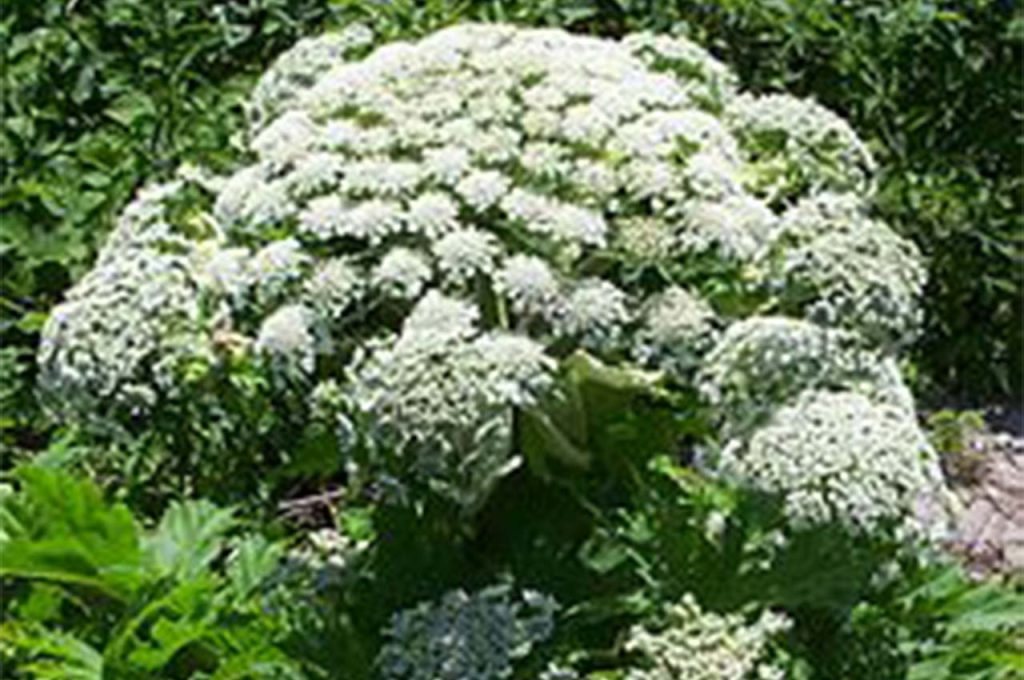
Giant hogweed isn’t just an impressive plant—it’s a towering menace with sap that can cause severe burns, blisters, and even blindness. Its sap contains compounds that react with sunlight, causing severe skin burns and even permanent scarring. Reaching over 14 feet tall, this invasive giant rapidly takes over riverbanks and disturbed soils, crowding out native vegetation. It’s listed as a noxious weed in multiple states, and landowners are required to report and remove it immediately upon discovery.
4. Japanese Knotweed
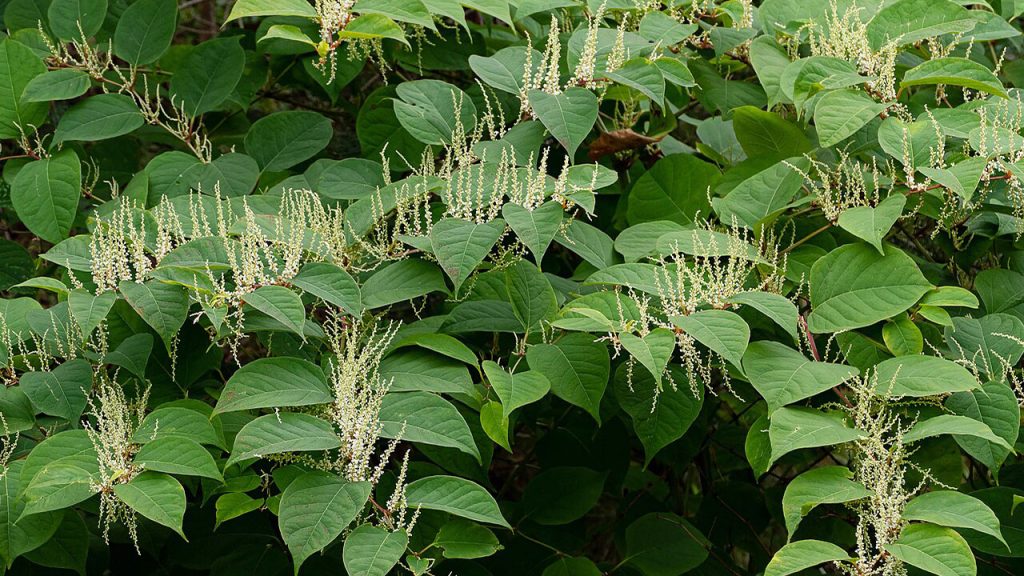
Japanese knotweed is a nightmare for homeowners and a menace to infrastructure. It spreads through underground rhizomes that can crack concrete, invade foundations, and choke waterways. Even a tiny fragment left behind can regrow into a full plant. Though introduced for ornamental purposes, it’s now heavily regulated or banned in many areas for its destructive growth and the extreme difficulty of eradication.
5. English Ivy
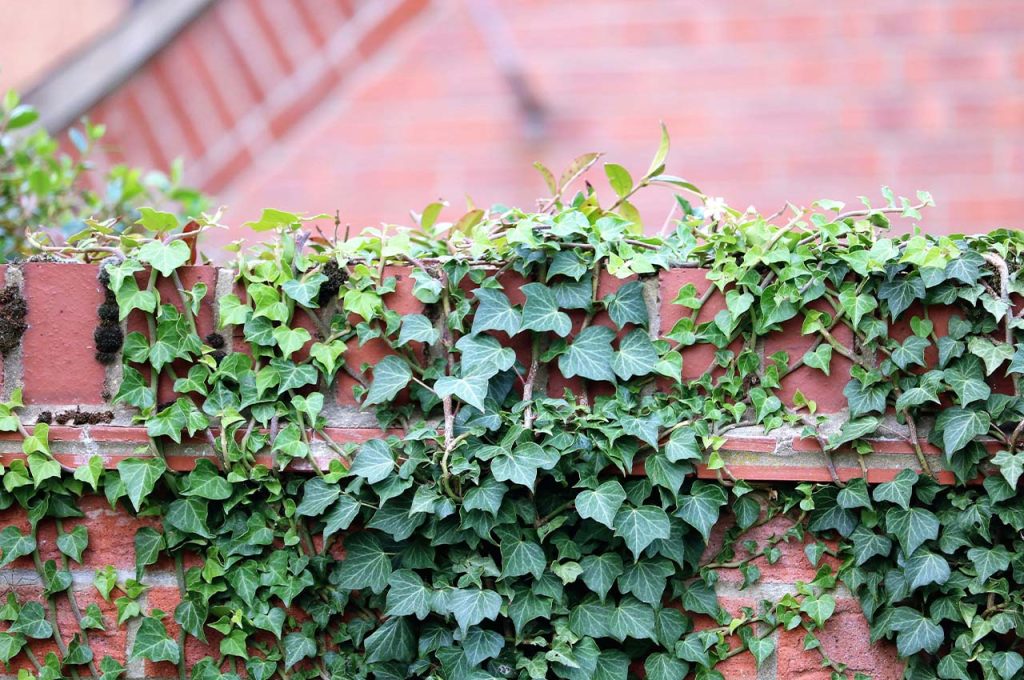
Often seen climbing up brick walls or trees, English ivy might look picturesque, but it’s an ecological threat. It creates thick, tangled mats that choke out native groundcovers and wrap around tree trunks, stressing ecosystems and toppling mature trees. Its aggressive spread makes it hard to control once established, leading to restrictions in places like Oregon and parts of the Southeast. It’s one pretty plant you don’t want to battle in your backyard.
6. Yellow Star-Thistle
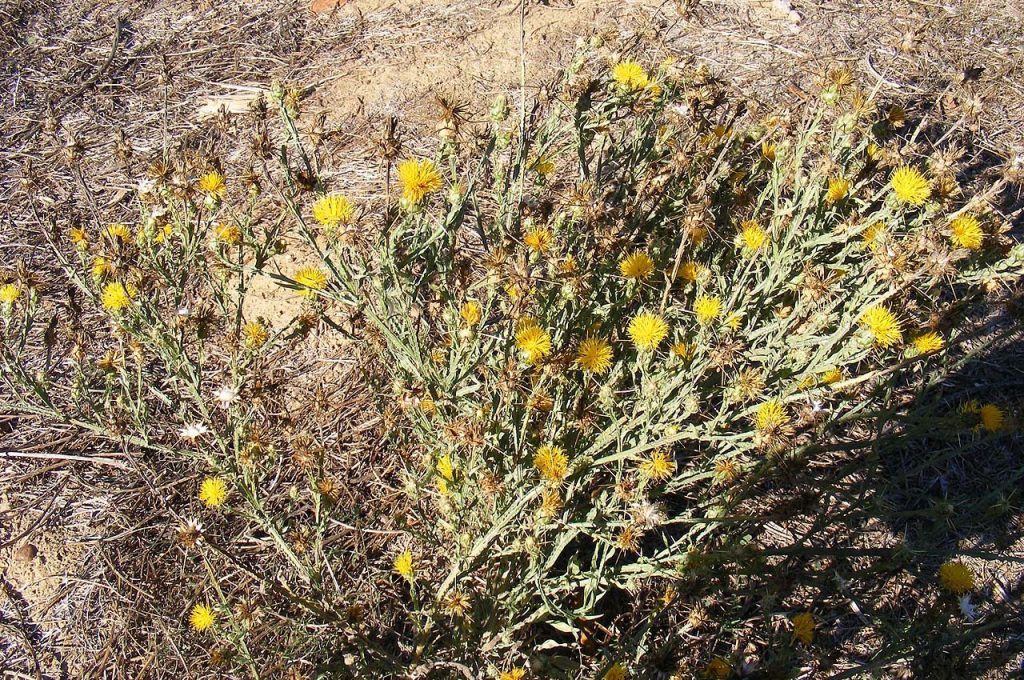
Yellow star-thistle might look harmless with its spiky yellow blooms, but it’s a pasture-invading bully. Known for depleting soil moisture and reducing grazing land for livestock, it’s especially destructive in the western U.S. Its sharp spines make it painful to handle, and it’s toxic to horses. It spreads aggressively by seed, often taking over entire fields, and is classified as a noxious weed in many states, where planting it is strictly prohibited.
7. Water Hyacinth
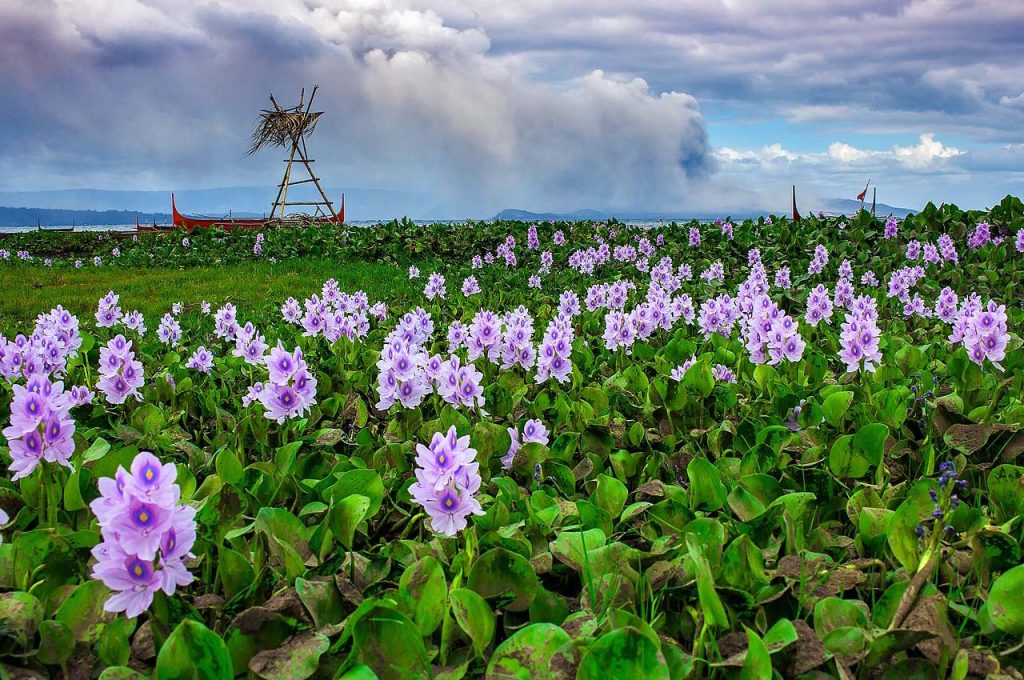
Floating peacefully on ponds with its lavender flowers, water hyacinth conceals its dark side well. This aquatic plant multiplies rapidly, forming thick mats that block sunlight and deplete oxygen in waterways. That harms fish, clogs irrigation systems, and disrupts native aquatic ecosystems. It’s illegal to grow or transport in several states, including Florida and Texas, due to its ability to cripple entire water bodies almost overnight.
8. Garlic Mustard
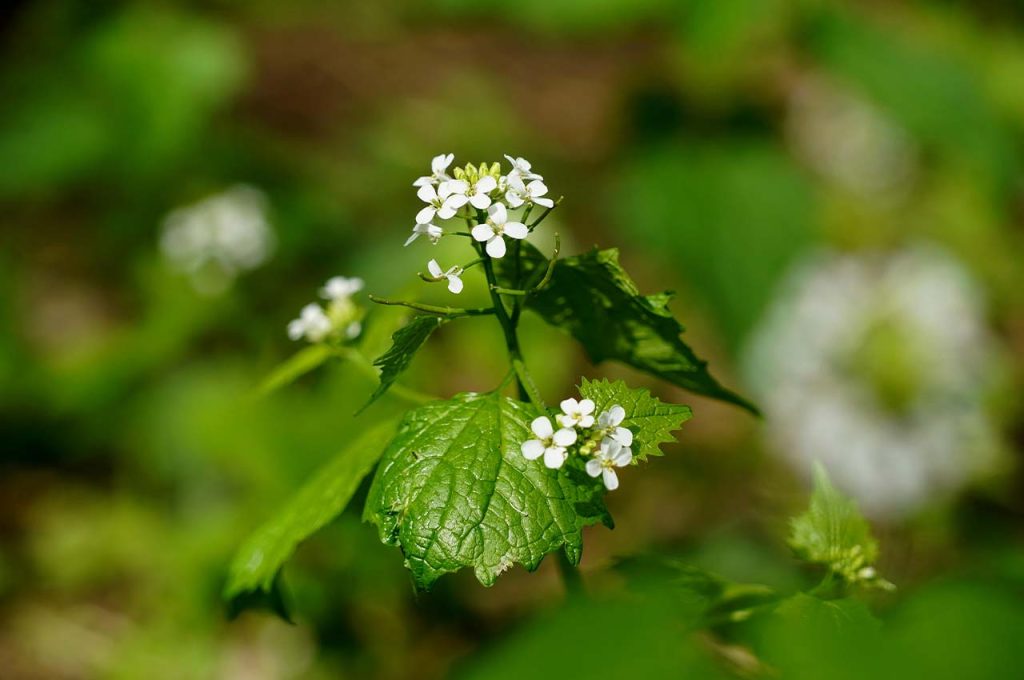
Garlic mustard may smell like something from your kitchen, but it’s a recipe for ecological disaster. It aggressively invades forest floors, releasing chemicals into the soil that inhibit native plant growth. This dominance throws local ecosystems out of balance, especially in the Midwest and Northeast. Despite its unassuming appearance, it’s banned or controlled in multiple states because it spreads quickly and is tough to eliminate once rooted.
9. Brazilian Pepper Tree
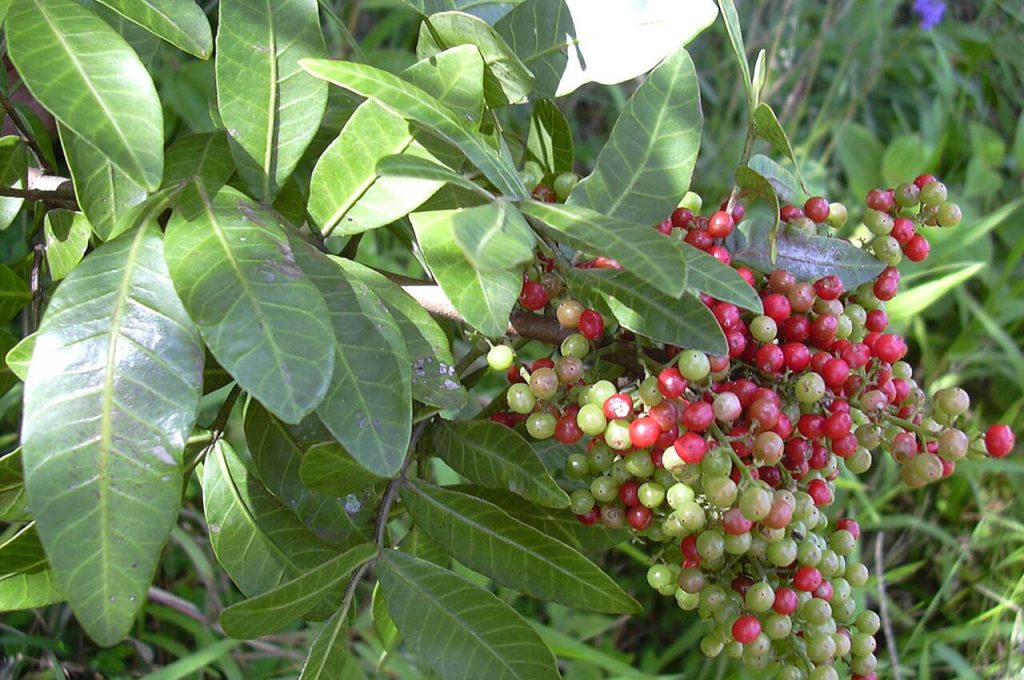
The Brazilian pepper tree is often mistaken for a festive ornamental due to its red berries and glossy leaves, but it’s far from friendly. This aggressive shrub forms impenetrable thickets, crowding out native vegetation and creating barriers that disrupt natural wildlife paths. Its sap can cause allergic reactions similar to poison ivy, making removal risky. It’s a major concern in states like Florida, where it has taken over large swaths of land and is banned for planting or sale.
10. Tree of Heaven
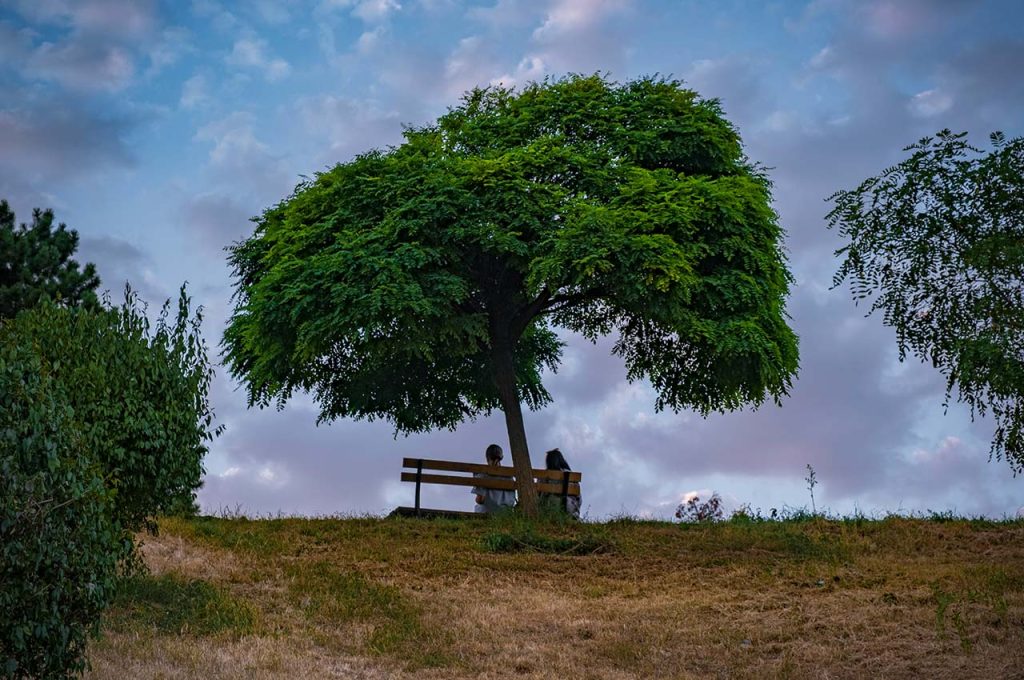
Don’t let the name fool you—the Tree of Heaven is a fast-growing invader that can feel more like a curse. It releases toxins into the soil that kill off other plants and produces massive amounts of seeds. Often found in urban areas, its roots can damage pavement and foundations. It doubles as a welcome mat for the invasive spotted lanternfly, offering shelter and sustenance to a pest that wreaks havoc on local ecosystems. States are cracking down on its spread, with bans and aggressive removal programs in place.
11. Mile-a-Minute Weed
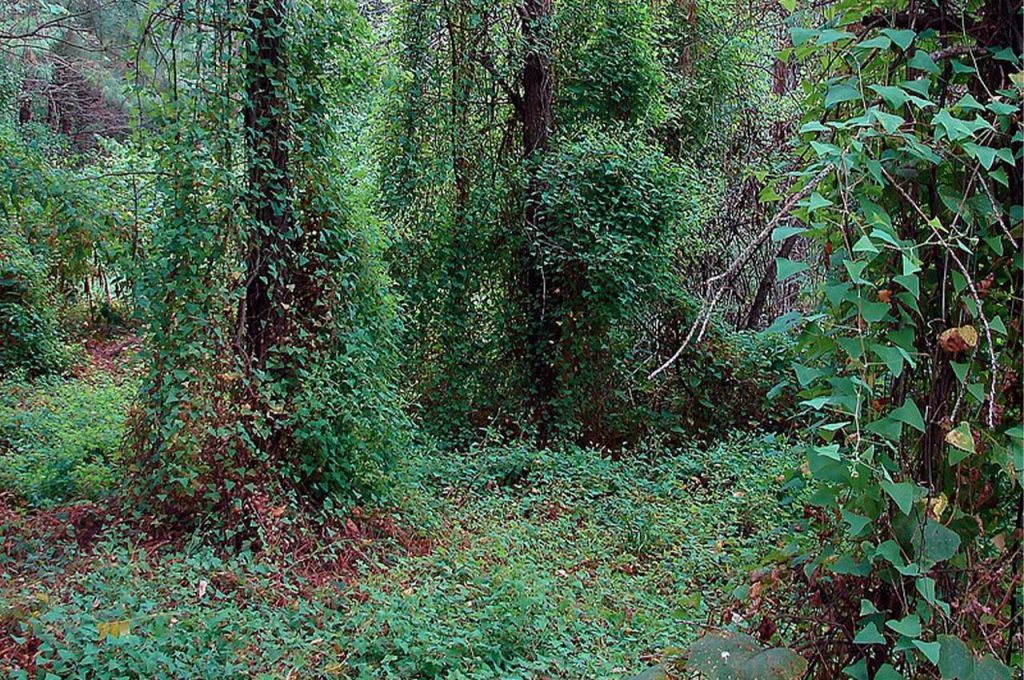
True to its name, Mile-a-Minute weed grows at an alarming rate—up to six inches per day. Its barbed stems quickly smother native plants and young trees, blocking sunlight and stalling reforestation efforts. Originally introduced as a decorative vine, it’s now a noxious weed in many eastern states. Its rapid growth and seed spread make it difficult to control, and growing it—intentionally or not—can trigger serious ecological consequences.
12. Tansy Ragwort
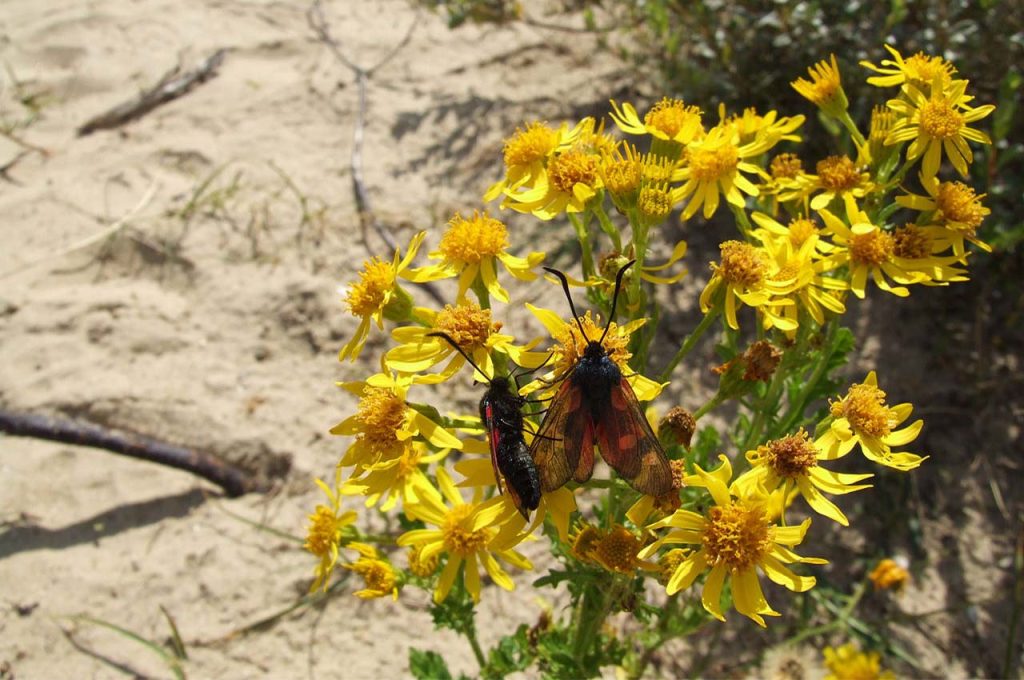
With its bright yellow blooms, tansy ragwort may appear cheerful, but it’s highly toxic to livestock and wildlife. Found in pastures and roadsides, it contains alkaloids that can cause liver failure when ingested. Even dried, it remains poisonous in hay. It spreads through windborne seeds and root fragments, making eradication difficult. Due to its threat to agriculture and animal health, it’s banned or heavily regulated in many western states.
13. Scotch Broom
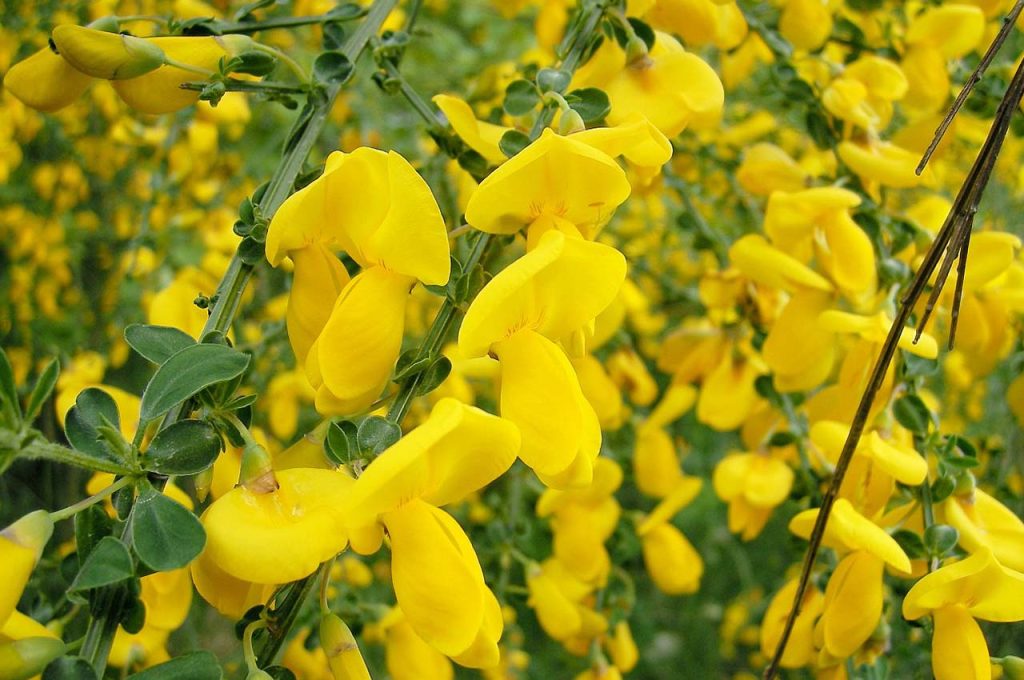
Scotch broom is a hardy shrub with vivid yellow flowers—and a tendency to take over entire landscapes. Originally introduced to stabilize soil, it now displaces native plants, disrupts reforestation, and creates fire hazards with its oily, flammable stems. It’s particularly troublesome in the Pacific Northwest and California, where it’s illegal to sell or plant in many areas. Despite its showy look, it’s a silent ecological threat.
14. Hydrilla
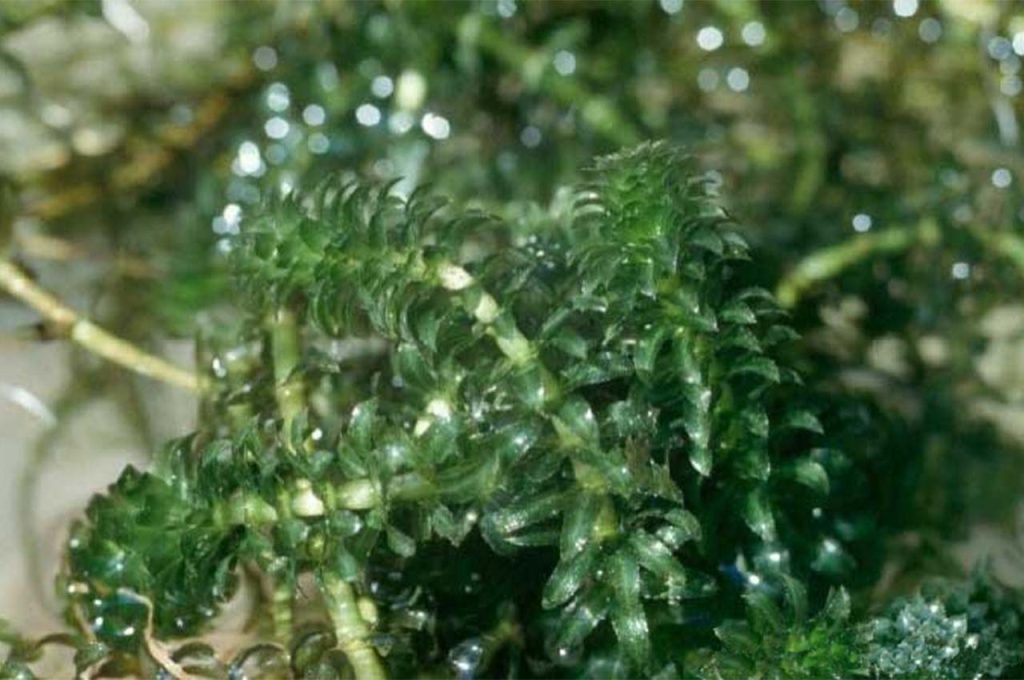
Hydrilla is one of the most aggressive aquatic invaders in the U.S. A single fragment can grow into a dense mat that clogs waterways, reduces oxygen levels, and disrupts boating and fishing. It’s almost impossible to eradicate once established, and it spreads rapidly through boats, wildlife, and even aquarium dumping. Banned in many states, hydrilla is a prime example of why not all greenery is good for your backyard pond or local lake.
15. Pampas Grass (in some states)
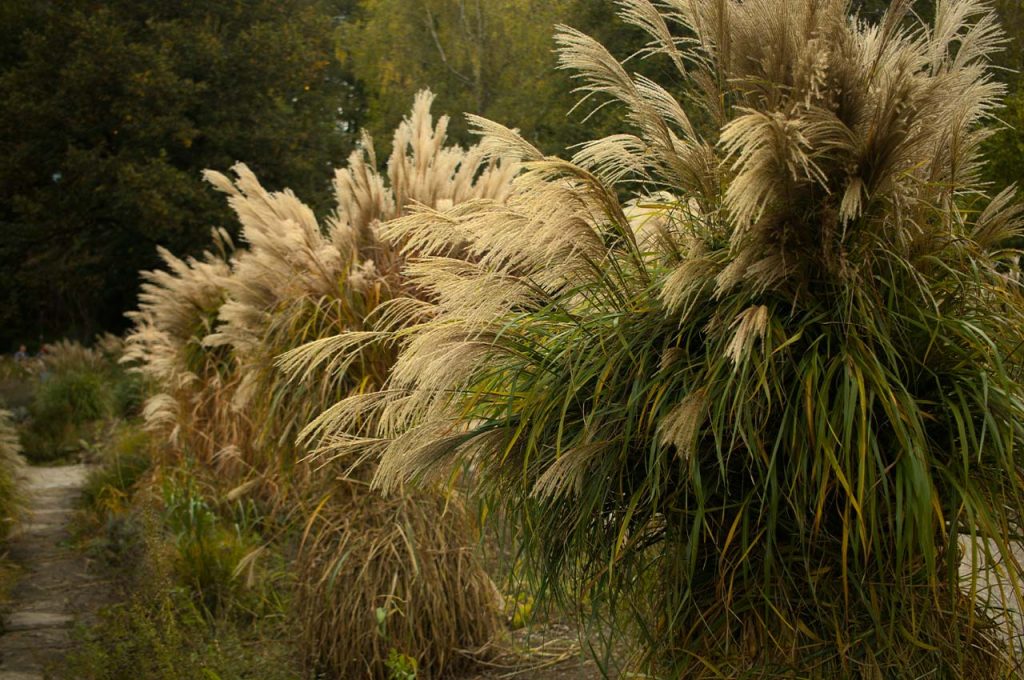
While pampas grass is trendy in decor and landscaping, it’s considered invasive in states like California and Hawaii. Its fluffy plumes may look harmless, but it spreads aggressively through wind-dispersed seeds and forms dense clumps that choke out native plants. The sharp-edged leaves are also a hazard for pets and people. In areas where it’s banned, homeowners are encouraged to opt for native ornamental grasses instead.
16. Cogongrass
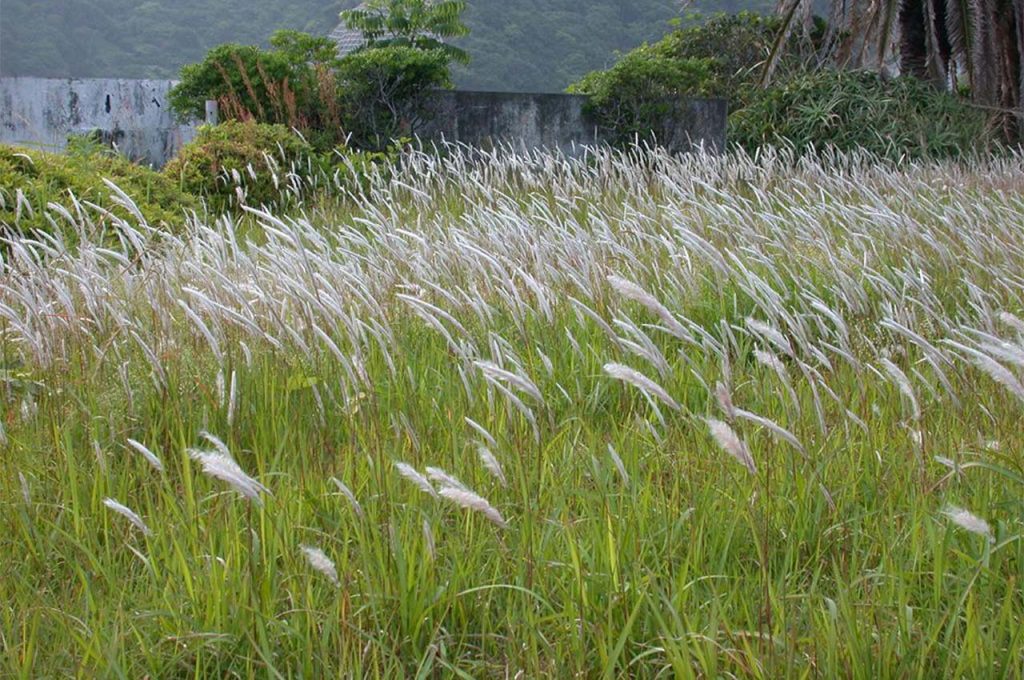
Cogongrass may look like ornamental grass, but it’s one of the most aggressive invasive species in the southeastern U.S. It spreads rapidly through underground rhizomes, creating thick mats that crowd out native plants and alter fire patterns by burning hotter and faster. Its razor-sharp blades not only wreak havoc on machinery but also cause painful skin irritations on contact. Banned in many states, it’s not just a gardening mistake—it’s a major ecological threat.
17. Russian Olive
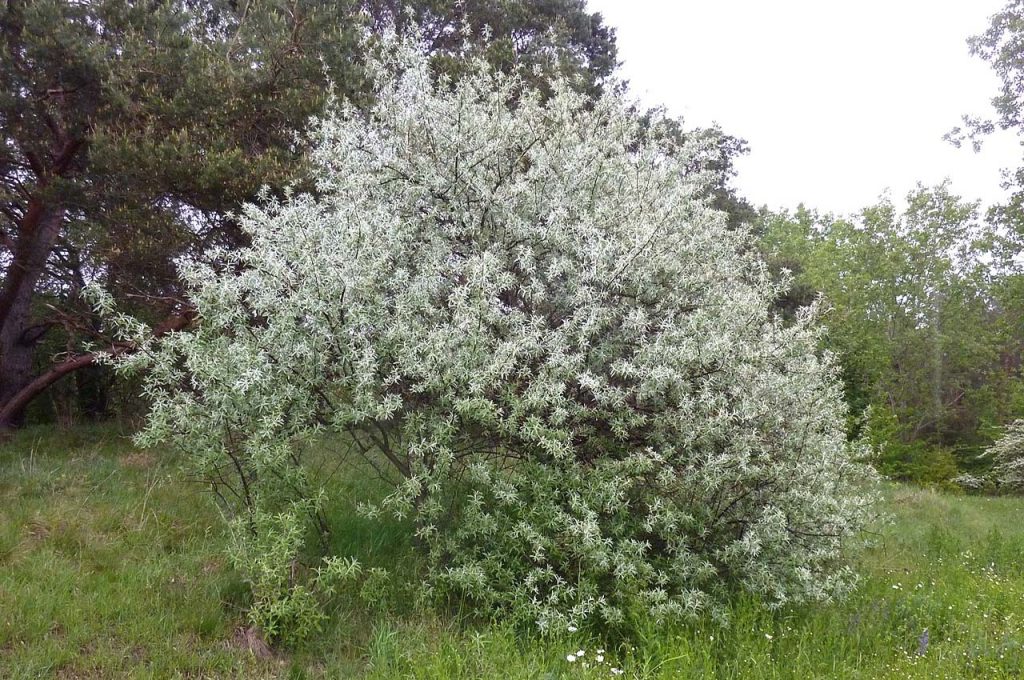
Russian olive trees were once prized for windbreaks and erosion control, but they’ve since become a problem across the western U.S. These fast-growing trees outcompete native species and deplete soil nutrients, while their dense canopies block sunlight for plants below. Birds unwittingly become agents of spread, carrying seeds across vast distances and fueling its relentless invasion. In many regions, planting Russian olive is now restricted or prohibited due to its lasting ecological impact.
18. Barberry (certain varieties)
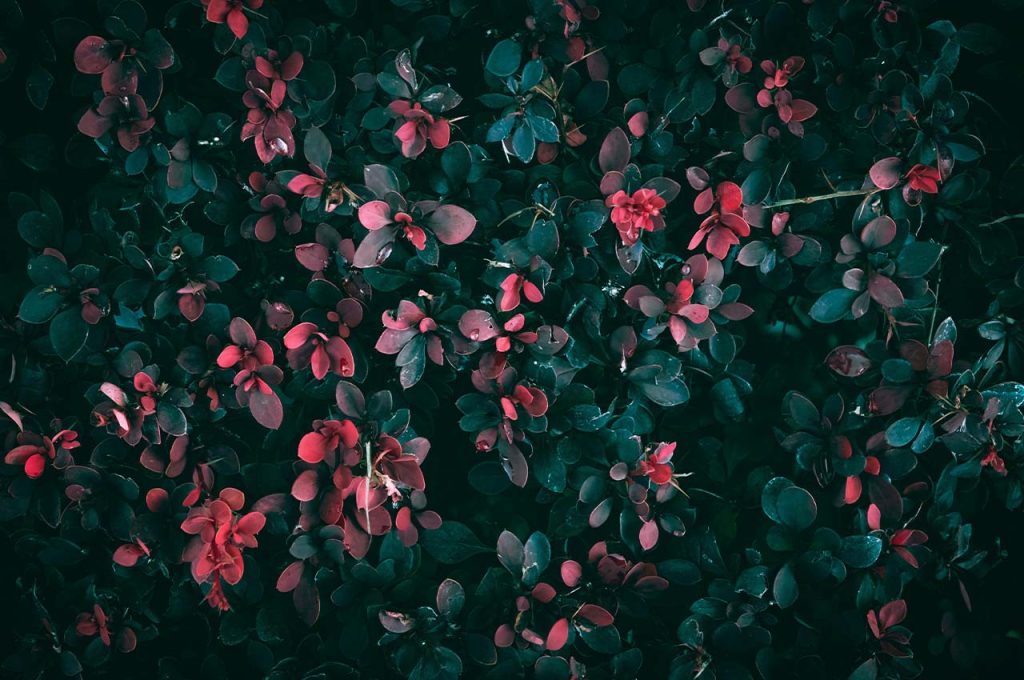
Some types of Japanese barberry, a once-popular hedge plant, are now considered invasive. Thick, thorny thickets create ideal hiding spots for ticks and rodents, increasing the risk of Lyme disease in affected areas. Barberry also outcompetes native undergrowth, especially in forests and wild areas. While some cultivars are deemed safe, others are banned in states like New York and Massachusetts. Always check local guidelines before planting.
19. Multiflora Rose
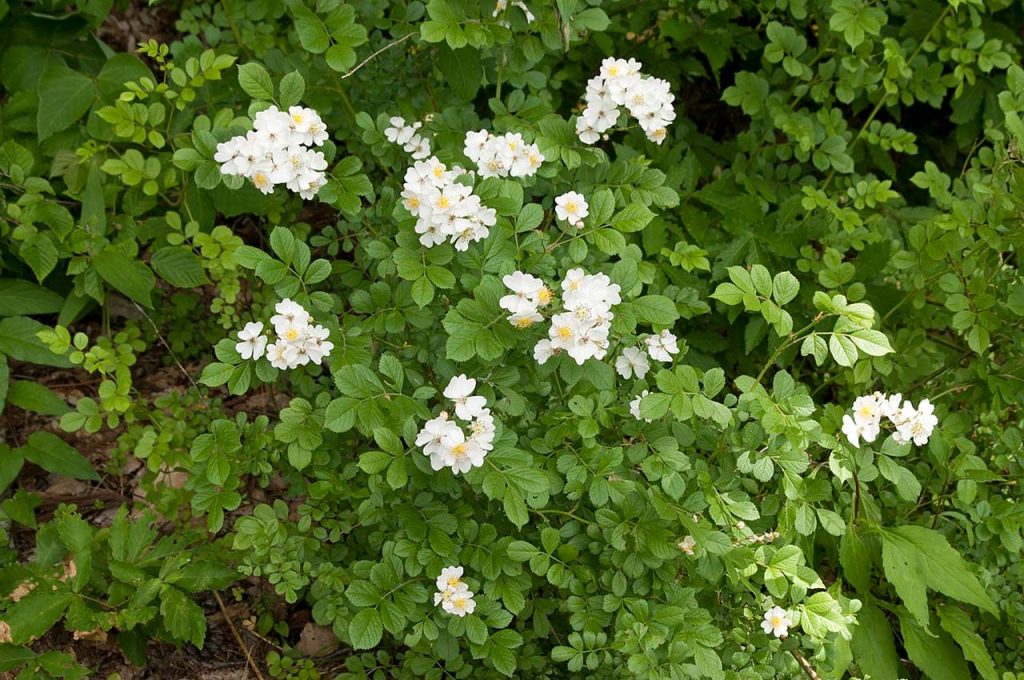
Originally introduced for erosion control and wildlife habitat, multiflora rose is now classified as a noxious weed in many states. Its arching canes and fast-growing habit allow it to dominate pastures, forests, and roadsides. Birds readily spread its seeds, making containment nearly impossible once established. Its dense thickets displace native plants and are difficult—and painful—to remove, thanks to its long, hooked thorns.
Want to see more from Remodr?

Drop a comment below, share this with your friends and family, and don’t forget to follow us for more fresh ideas, updates, tips, and home trends.
This article was created with the assistance of AI but thoroughly edited by a human being.