
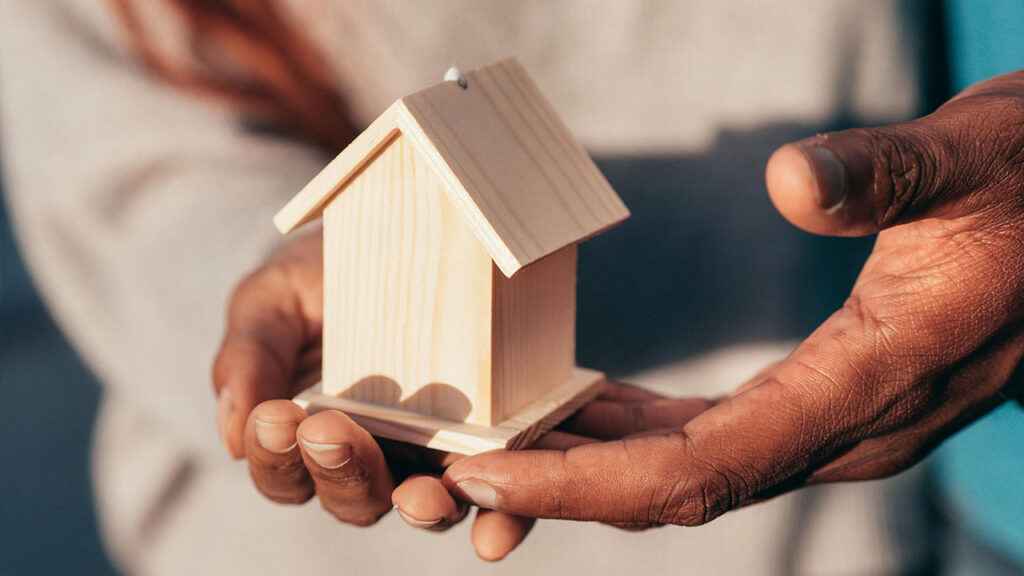
Owning a firearm for home defense is a serious responsibility—but simply having one isn’t enough. Many gun owners overlook key safety, strategy, and legal factors that can compromise their preparedness or even put their families at risk. From storage habits to situational awareness, here are 16 critical home defense considerations that are often missed, but too important to ignore.
1. Improper Firearm Storage
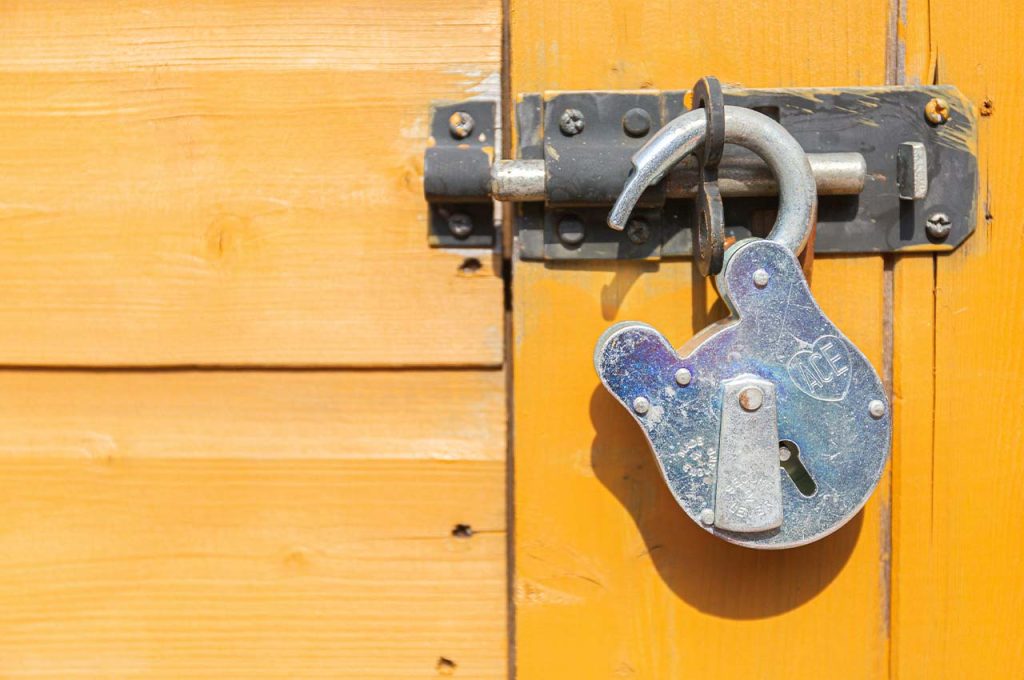
Leaving a firearm accessible but unsecured is one of the biggest mistakes gun owners make. Whether it’s curious kids, a break-in, or a moment of panic, poor storage can lead to tragedy. A quick-access safe or biometric lock offers both security and speed. Proper storage isn’t just about safety—it’s about control and accountability.
2. Lack of a Home Defense Plan

Owning a gun won’t help much if you haven’t thought through what you’d actually do in a crisis. Who grabs the phone? Where does your family go? Which door do you cover? Without a clear plan, chaos can take over when seconds count. A home defense plan turns confusion into coordination, giving you a critical edge when it matters most.
3. Ignoring Legal Responsibilities

Laws around firearm use in self-defense vary widely and are often misunderstood. Firing a weapon in your own home doesn’t guarantee legal immunity. Knowing your state’s laws on castle doctrine, duty to retreat, and what constitutes reasonable force can mean the difference between protection and prosecution.
4. Poor Lighting Around Entry Points
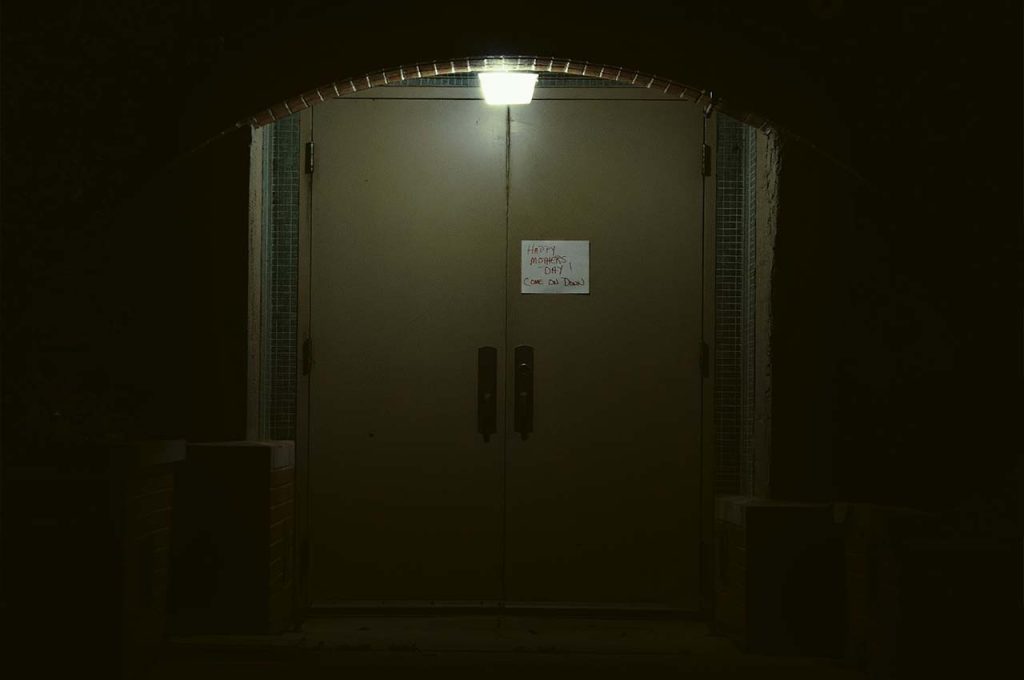
A dark entryway is an invitation for trouble—and a tactical disadvantage for you. Intruders thrive in shadows, and poor exterior lighting gives them cover. Motion-sensor lights, especially near doors and windows, can deter trespassers and give you visibility when you need it most. Good lighting is a silent, constant form of defense.
5. Not Practicing Situational Awareness

Being aware of your surroundings is just as important as owning a firearm. Too many gun owners assume the weapon itself is enough, forgetting that early detection often prevents the need to draw at all. Situational awareness means recognizing threats before they escalate—whether it’s a strange car in the driveway or an open gate you didn’t leave open.
6. Failure to Train Under Stress
Target shooting at the range is helpful—but it’s a far cry from reacting under pressure in your own home. Real-life scenarios involve adrenaline, confusion, and split-second decisions. Training under stress—such as during timed drills or low-light simulations—prepares you mentally and physically to act with clarity when it truly counts
7. Neglecting Safe Backstops in the Home
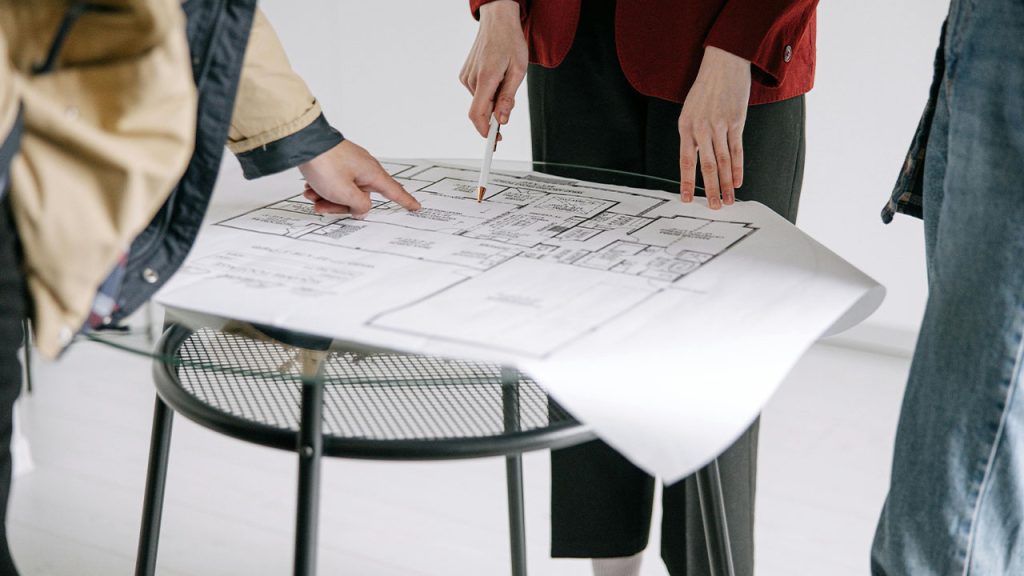
In the heat of a defensive situation, many forget to consider what’s behind their target. Drywall doesn’t stop bullets, and a missed shot could injure someone in another room. Mapping out safe lines of fire and understanding your home’s layout can prevent tragic accidents. Defensive awareness should always include what lies beyond the threat.
8. Assuming One Gun Is Enough
Having a single firearm might seem sufficient—until you’re caught in the wrong room or unable to reach it. Storing strategically placed firearms (secured, of course) in different areas can offer access when time is limited. Redundancy isn’t overkill; it’s preparation for the unexpected, when reaching your main weapon isn’t an option.
9. Relying Too Heavily on Technology

Smart security systems and surveillance cameras are helpful—but they aren’t foolproof. Power outages, network failures, or a tech-savvy intruder can leave you exposed. Physical readiness, layered with tech, is key. Relying solely on electronics can create a dangerous sense of security if you’re not prepared to act without them.
10. Forgetting Family or Roommate Training

It’s not enough for just one person in the household to know what to do. Your spouse, roommate, or even older kids need to understand where to go, what to say, and how to avoid danger. A coordinated response prevents confusion and crossfire risks. In a real emergency, every second matters—and everyone’s actions count.
11. Inadequate Communication Plan During Emergencies

In a crisis, silence or panic can lead to disaster. Without a clear way to alert family members or contact help, valuable time slips away. Have a communication plan—who calls 911, what keywords signal danger, and how to check in with each other. A well-practiced plan turns fear into action and helps prevent chaos from escalating.
12. No Medical Supplies for Aftermath Scenarios
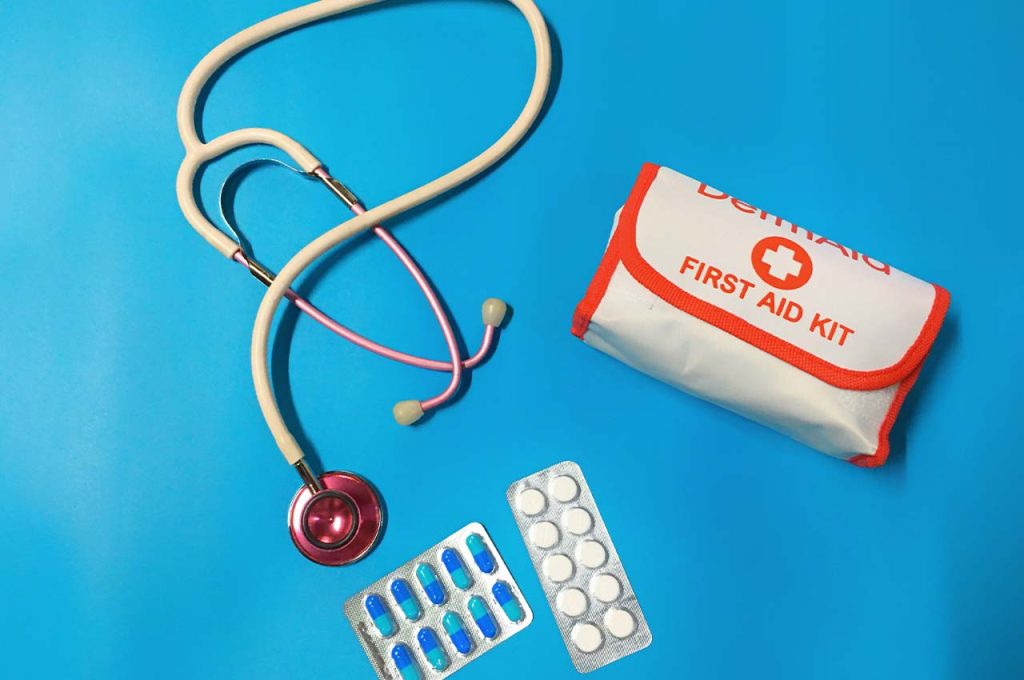
Even the best defense can end with injuries—yours, a loved one’s, or even the intruder’s. Having a trauma kit and knowing how to use it could be life-saving. Tourniquets, bandages, and clotting agents are essential tools. A gun may end the threat, but medical preparedness handles what comes after—when seconds can save a life.
13. Unsecured Ammunition
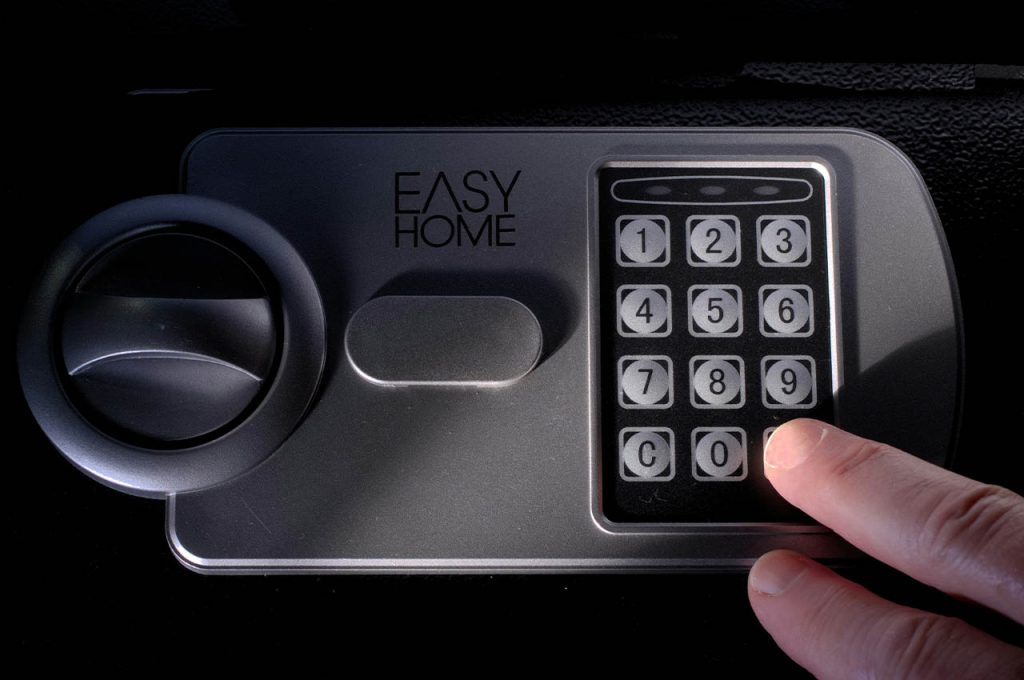
Ammunition that’s scattered, improperly stored, or hard to locate under stress can make your firearm useless in a critical moment—or dangerous in the wrong hands. Keep ammo dry, organized, and stored safely but accessibly. Whether it’s a spare mag or shotgun shells, quick and safe access matters just as much as the firearm itself.
14. Not Considering Home Layout in Defense Strategy
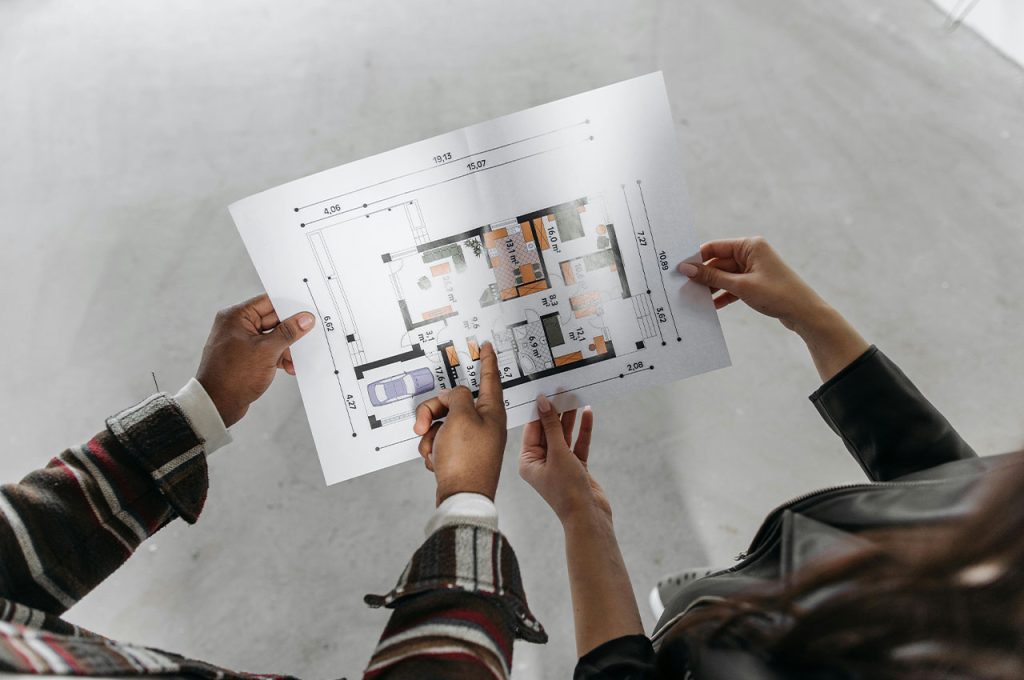
Every home is different, and your defensive strategy should reflect that. Where are the choke points? Which doors creak? Is your bedroom in line with the front door? Understanding your layout—where you can defend from and where you’re exposed—is vital. Defense isn’t just about tools; it’s about tactics tailored to your environment.
15. Overconfidence in Shooting Ability
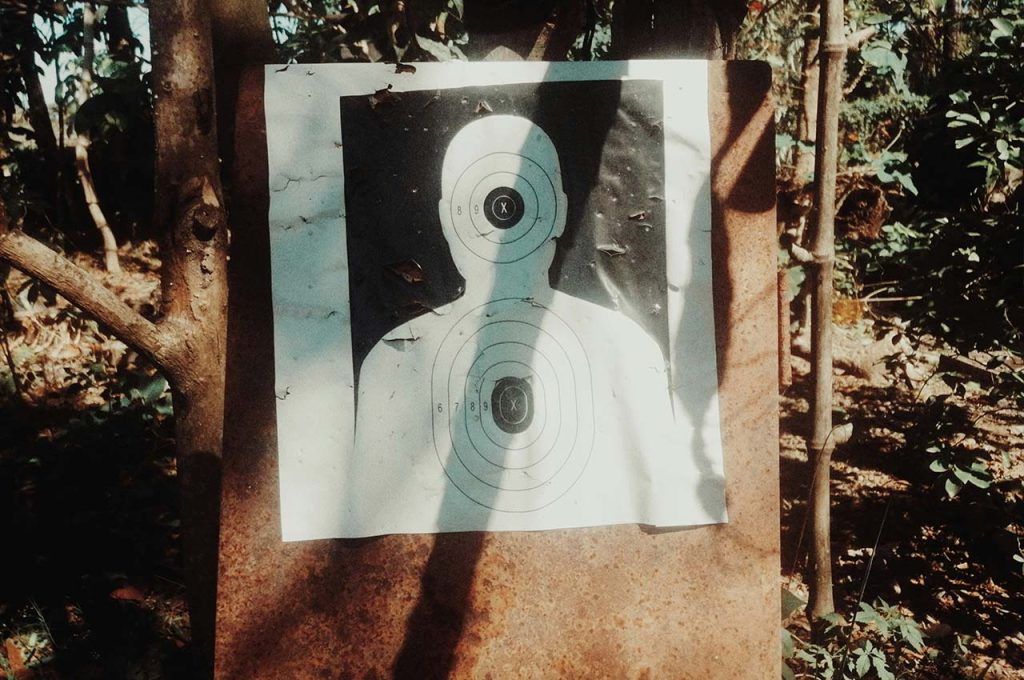
Confidence is important, but overconfidence can be deadly. Many gun owners overestimate their ability to shoot accurately under pressure. Real-world defense is messy, loud, and fast. Regular training, including close-quarters and low-light drills, keeps you grounded and improves your odds. A realistic mindset saves lives more than bravado does.
16. Failure to Reassess as Life Circumstances Change

Home defense isn’t a one-and-done plan—it should evolve as your life does. A new baby, a different work schedule, aging parents, or even a home renovation can change your vulnerabilities. Many gun owners forget to adjust their strategy accordingly. Reassessing regularly ensures your defense plan stays relevant, safe, and effective for everyone in the home.
Want to see more from Remodr?

Drop a comment below, share this with your friends and family, and don’t forget to follow us for more fresh ideas, updates, tips, and home trends.
This article was created with the assistance of AI but thoroughly edited by a human being.