
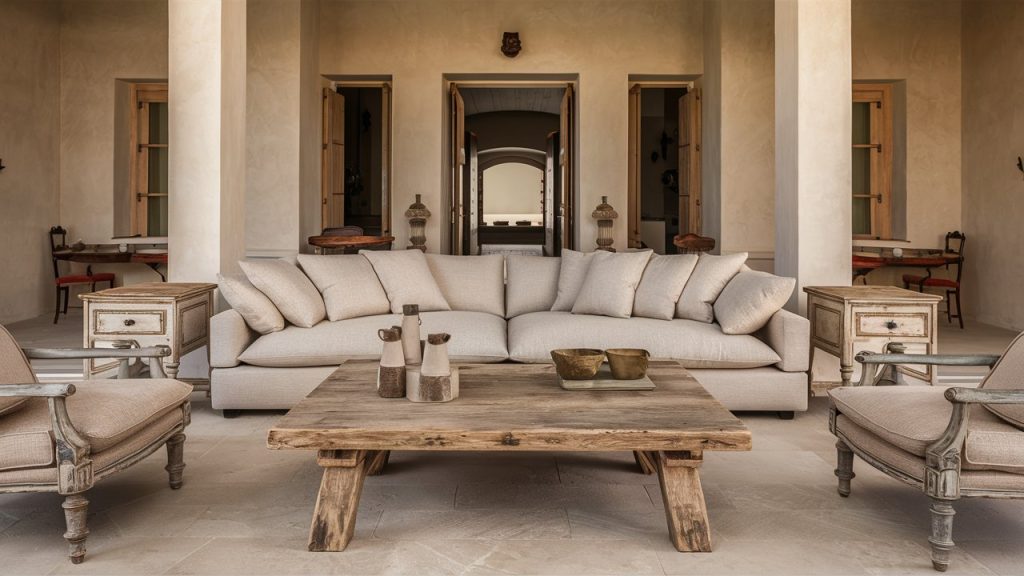
Interior designers may know the traditional rules of decorating—but they also know that some of the best results come from breaking them. From mixing unexpected styles to rethinking color palettes and layouts, designers often bend the guidelines to create spaces that feel personal and inspired. Here are 15 decorating rules the pros frequently ignore—and why doing so can actually elevate your space.
1. Matching All Wood Tones
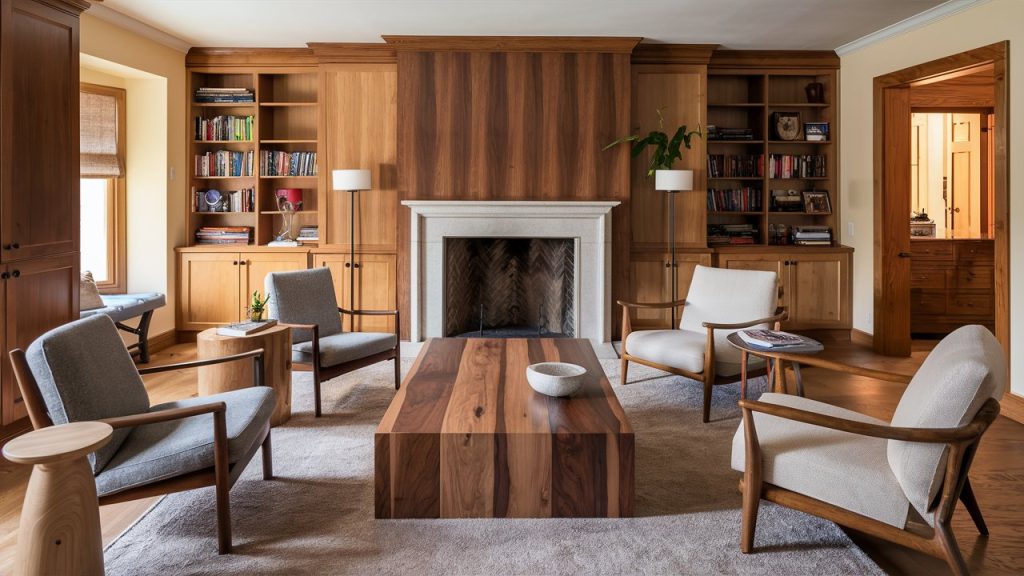
You don’t have to use the same wood finish throughout a room. Designers often mix walnut with oak, or espresso with pine, to add visual interest and warmth. The key is repeating each tone at least once so the contrast feels intentional, not accidental. Mixing wood tones can actually make a space feel more layered and collected over time, rather than overly coordinated or cookie-cutter. It’s a way to add dimension and character without sacrificing cohesion.
2. Keeping Everything Symmetrical
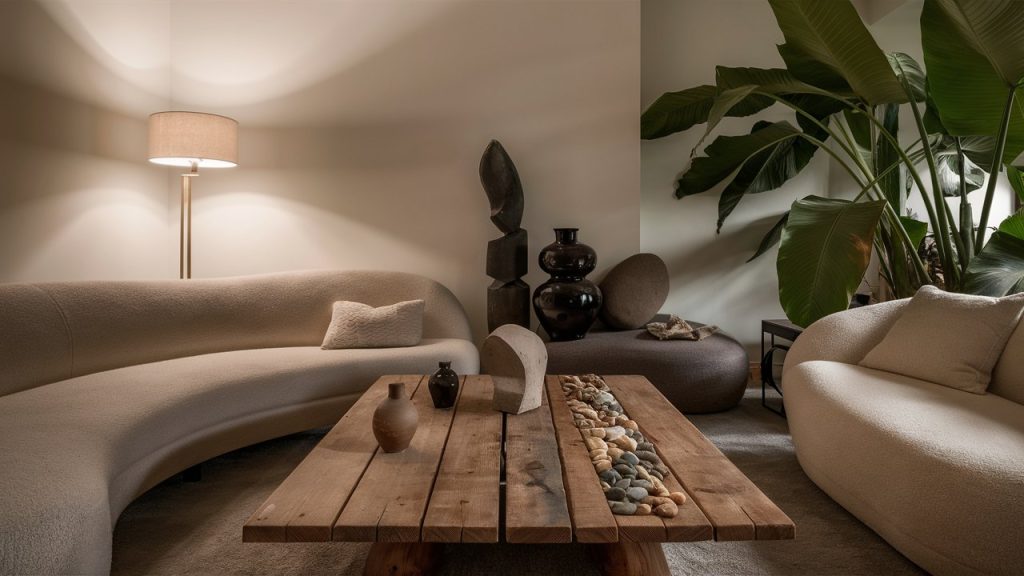
Symmetry might feel orderly, but it can sometimes make a room feel too formal or stiff. Designers regularly offset furniture, lighting, and decor to create more organic and relaxed layouts. A lamp on one side of a sofa might be paired with an oversized plant on the other. This kind of asymmetry adds movement and makes a room feel alive. When done well, it adds balance without being predictable, helping the space feel approachable and personal.
3. Sticking to One Design Style
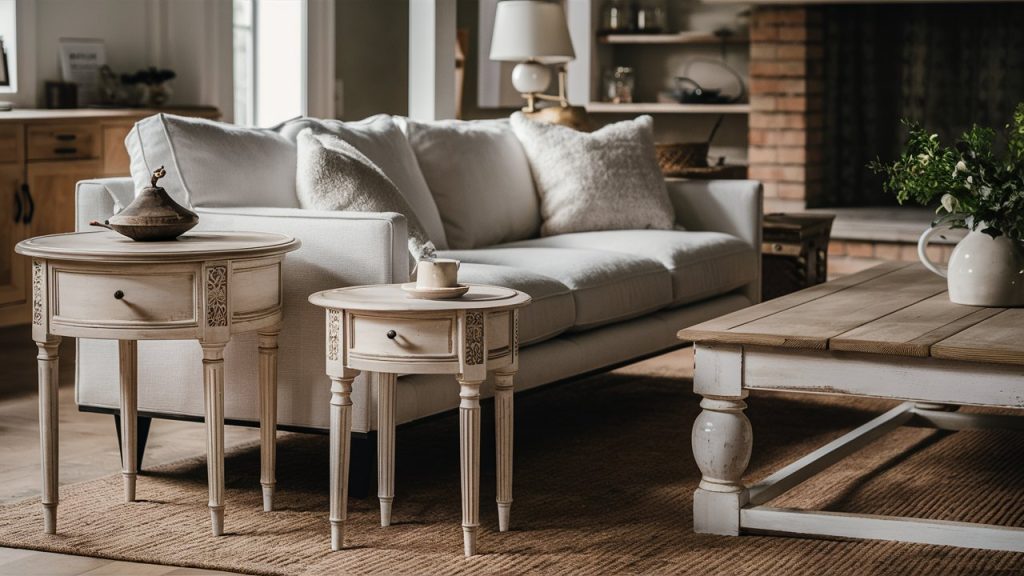
Blending styles—such as modern and farmhouse or vintage and contemporary—is something many designers do instinctively. It allows them to create spaces with soul and history. The trick is to find a unifying thread, like a shared material, color, or silhouette. By mixing different periods and styles, designers avoid the matchy-matchy look and instead create rooms that feel curated, sophisticated, and deeply personal—like they’ve evolved naturally over time.
4. Using Only Light Colors in Small Rooms
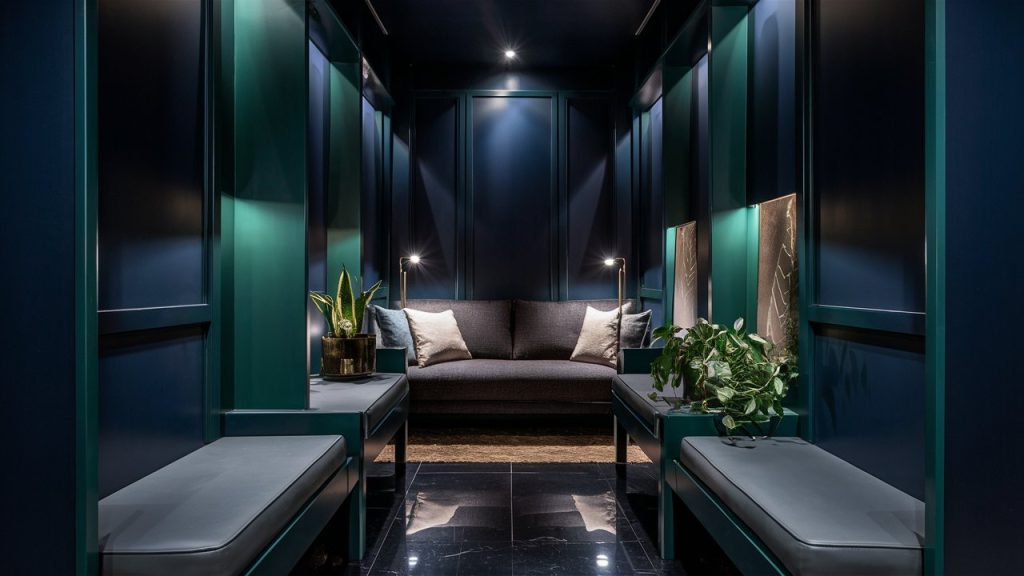
It’s long been said that light colors make a small space feel larger—but designers know that dark hues can work magic, too. Deep navy, forest green, or charcoal can add richness and make walls seem to recede. When paired with good lighting and thoughtful accessories, these tones create intimacy and depth. Instead of feeling closed in, small rooms with darker shades often feel cozy, dramatic, and luxurious, proving this “rule” isn’t always the right move.
5. Hanging Art at Eye Level
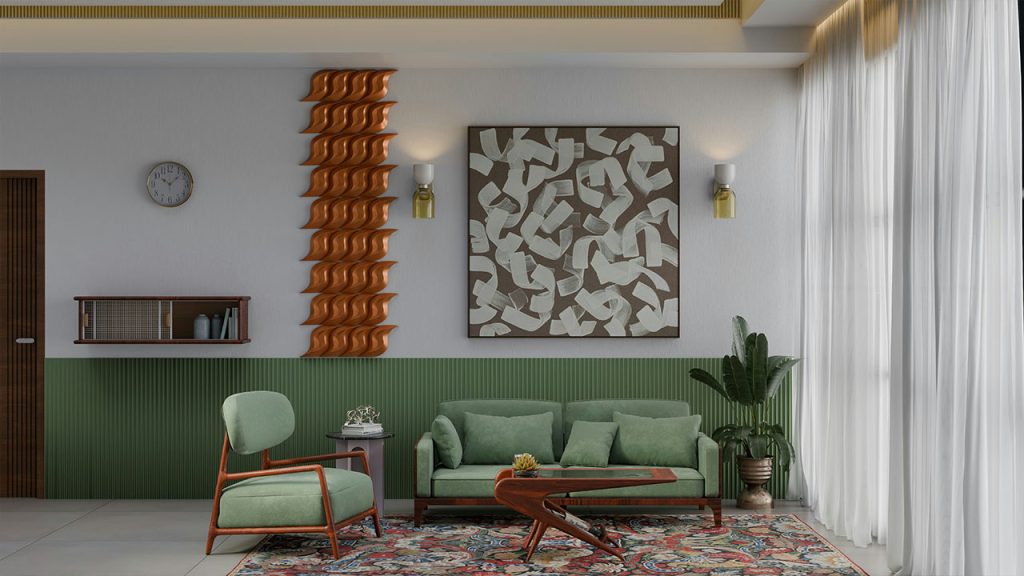
The idea of hanging art at eye level is a great starting point, but it’s far from a one-size-fits-all rule. Designers often go higher or lower based on ceiling height, furniture arrangement, or overall composition. A gallery wall that climbs above a doorway or drops down behind a console table can create drama and visual flow. Rigidly following the eye-level rule can limit creativity—adjusting it opens up new possibilities for styling walls.
6. Avoiding Large Furniture in Small Rooms
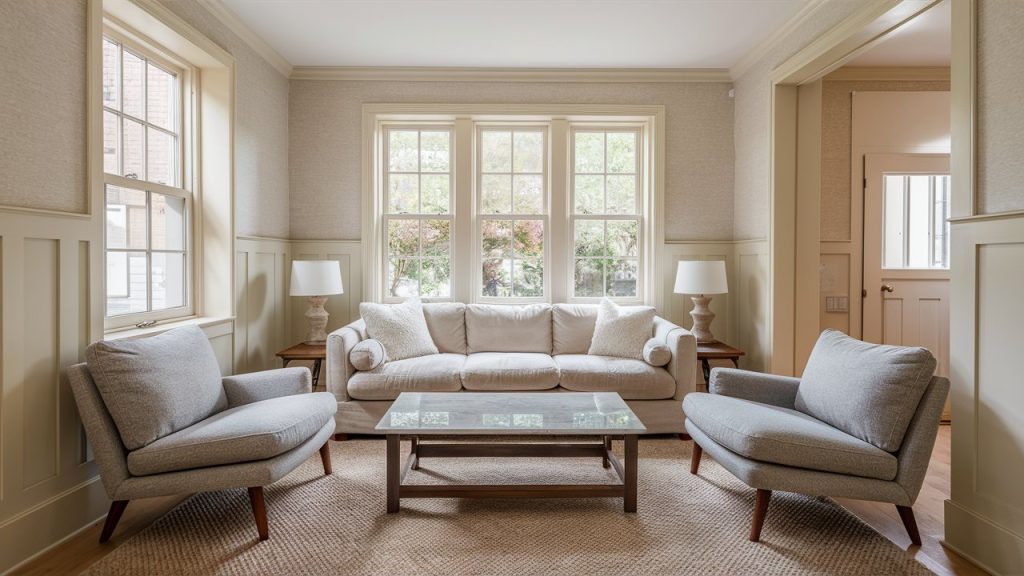
It’s a common belief that smaller rooms require small furniture, but that can actually make a space feel cluttered and underwhelming. Designers often choose fewer but larger pieces—like a full-sized sofa or an oversized headboard—to give the room a sense of scale and purpose. These substantial items can anchor the room and make it feel more intentional. With smart placement and a limited color palette, even bold furniture won’t overwhelm a modest footprint.
7. Using Only Neutral Upholstery
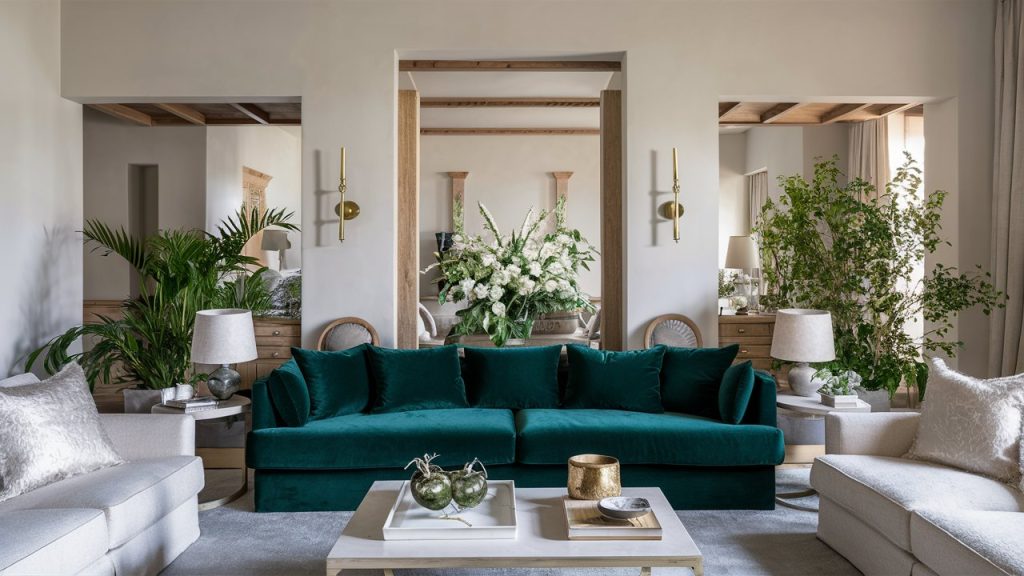
While neutrals are versatile, designers aren’t afraid to upholster statement pieces in color or pattern. A bold velvet sofa or a chair with graphic print can bring life to an otherwise quiet room. The key is balancing that energy with more subdued elements around it. Contrasting textures and finishes also help prevent the space from feeling too loud. A thoughtfully chosen colorful piece can act as a focal point and infuse a room with personality and charm.
8. Limiting Metallic Finishes to One Type
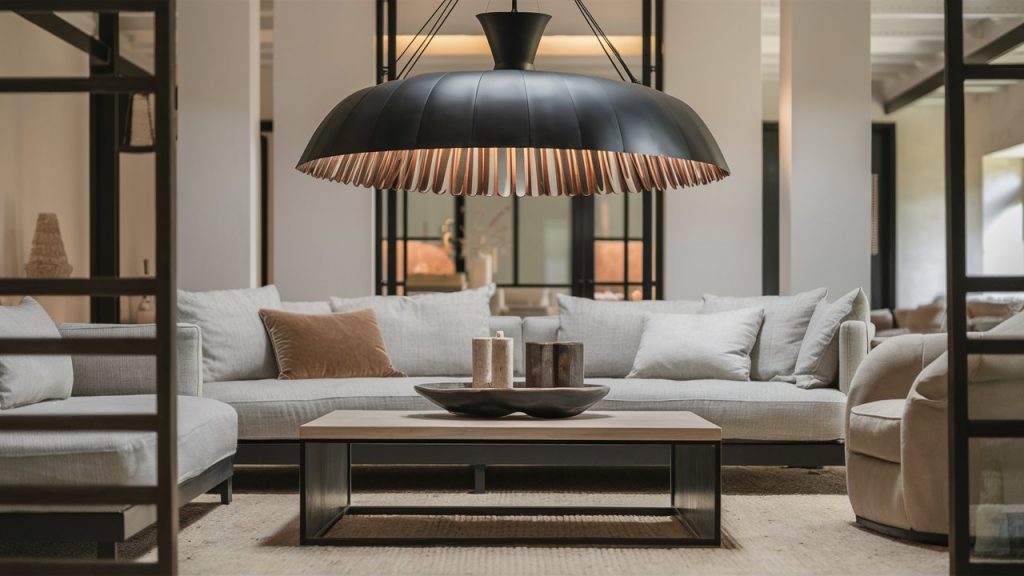
Mixing metals like brass, chrome, and matte black is something many designers embrace to add dimension and edge. The idea that you must stick to a single metal throughout a space is outdated. What matters more is maintaining balance and harmony. For example, pairing cool-toned stainless steel with the warmth of antique brass can create contrast without clashing. As long as the finishes are repeated and thoughtfully placed, the look feels intentional and modern.
9. Keeping Every Piece in a Set
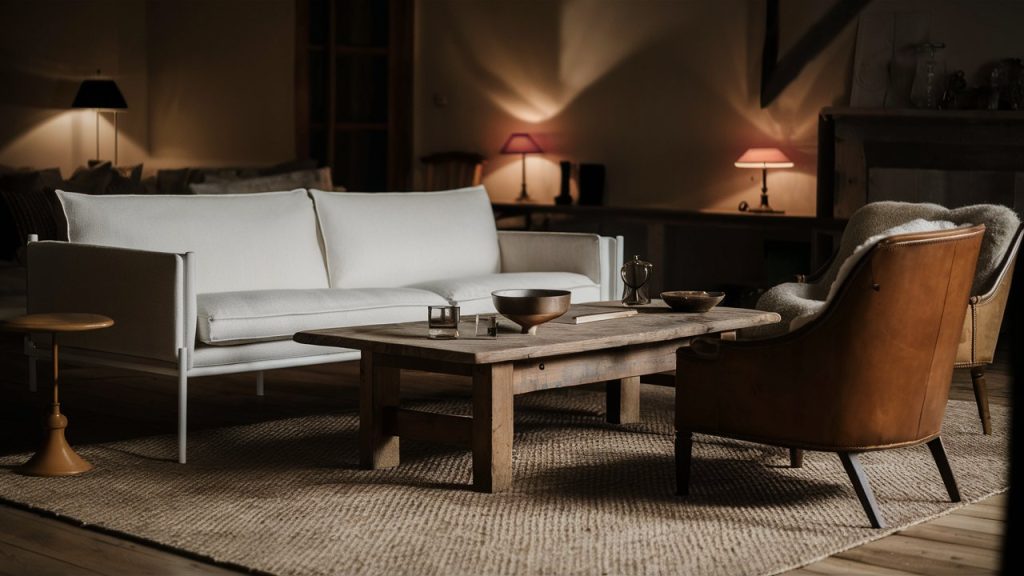
Matching furniture sets might seem like the safest bet, but designers often break this rule to avoid a showroom feel. Mixing a modern sofa with vintage side tables or a sleek bed with mismatched nightstands creates a more dynamic and lived-in aesthetic. It shows character and confidence in your choices. By curating individual pieces that speak to your style, the room becomes a reflection of your personality, not a catalogue page.
10. Using Only One Rug Per Room
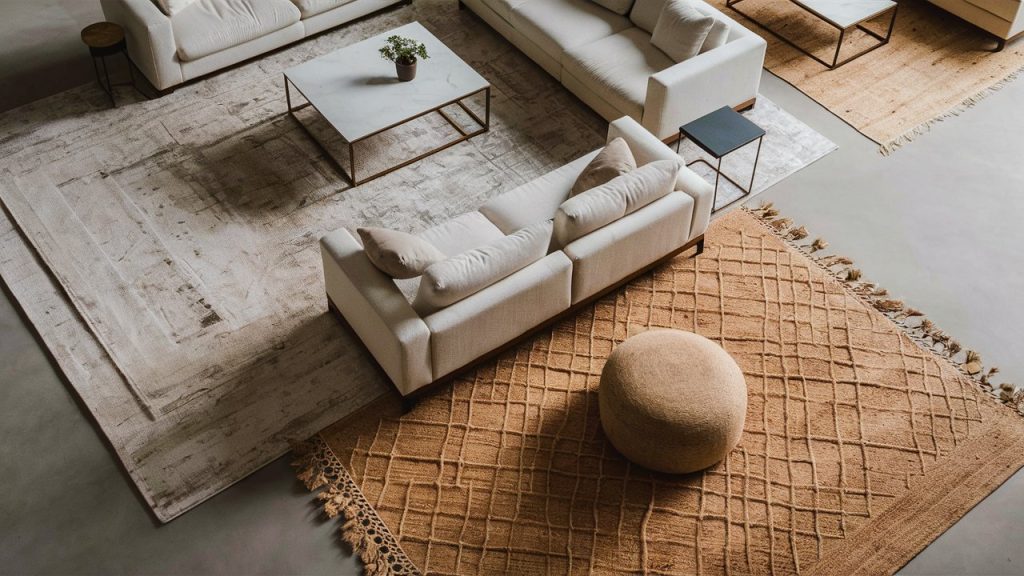
Layering rugs or using multiple area rugs in one room is a trick designers use to define spaces and add texture. In open floor plans, it can help separate zones like dining, lounging, and workspaces. Layering a smaller patterned rug over a larger jute or sisal base adds depth and visual interest. Rather than creating visual chaos, this technique—when done with complementary tones and textures—can tie everything together with warmth and style.
11. Avoiding Dark Ceilings
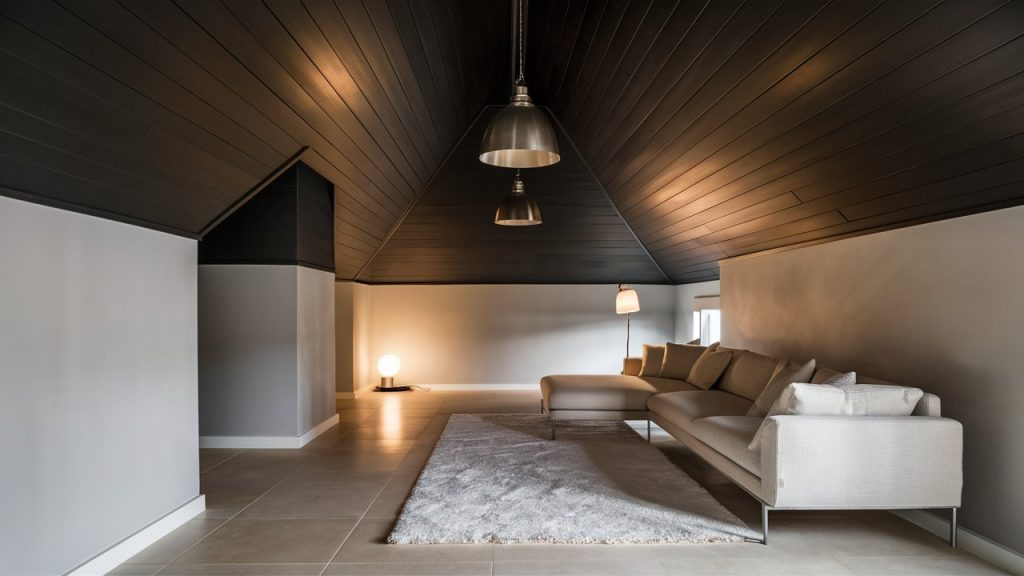
Designers often paint ceilings darker than the walls to add drama, especially in rooms with good light or high ceilings. While it might seem risky, a dark ceiling can actually make a room feel cozier and more grounded. It draws the eye upward and creates contrast, which makes architectural features pop. With the right lighting and color balance below, this unexpected move can create a luxe, enveloping atmosphere that feels intentional and rich.
12. Following the Rule of Threes
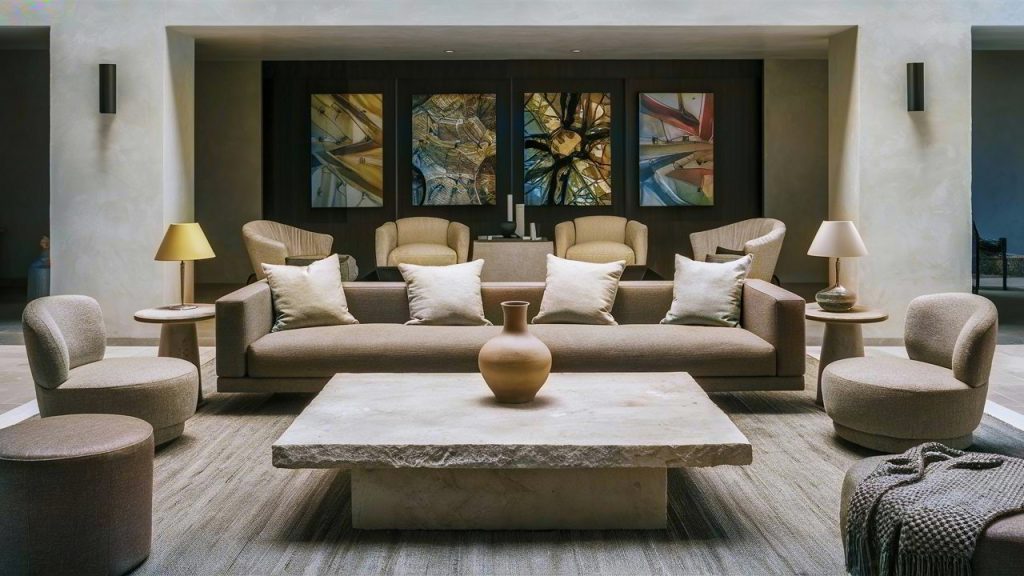
The rule of threes suggests grouping items in sets of three for visual harmony, but designers often go beyond that—using twos, fours, or whatever looks best in context. Sometimes symmetry or repetition works better than odd groupings, especially in modern or minimalist spaces. The important thing is balance, not numbers. Trusting your eye and considering proportion, placement, and texture can lead to arrangements that are more original and just as visually satisfying.
13. Sticking to One Color Temperature
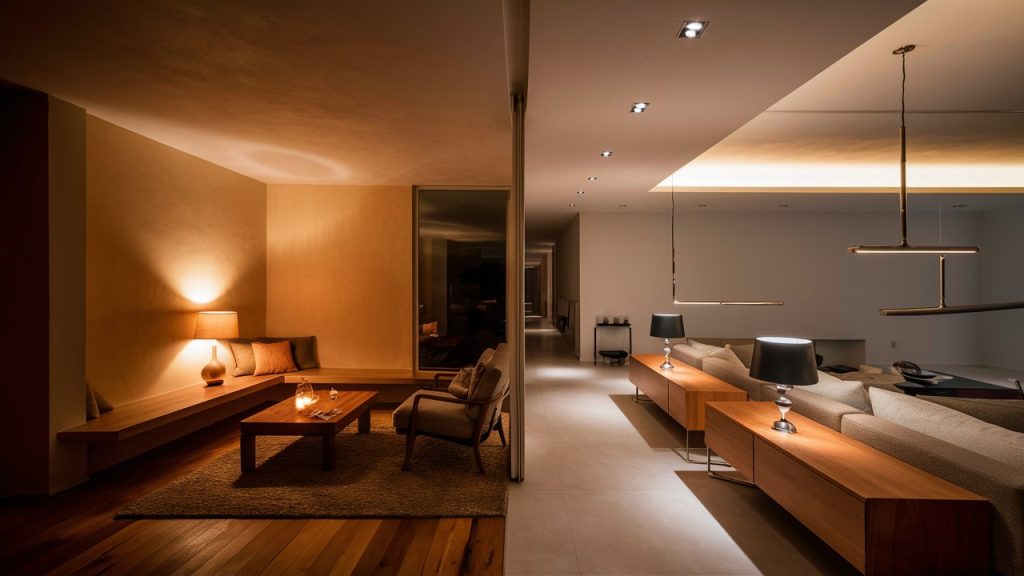
Many people try to match all their lighting and finishes to a single temperature—warm or cool—but designers know mixing them can create a more natural, layered atmosphere. A room that includes both warm table lamps and cooler overhead lighting feels dynamic and lived-in. Similarly, pairing warm woods with cooler metal finishes keeps the palette balanced. Carefully blending temperatures adds realism and comfort to a space rather than making it feel overly staged.
14. Centering Everything
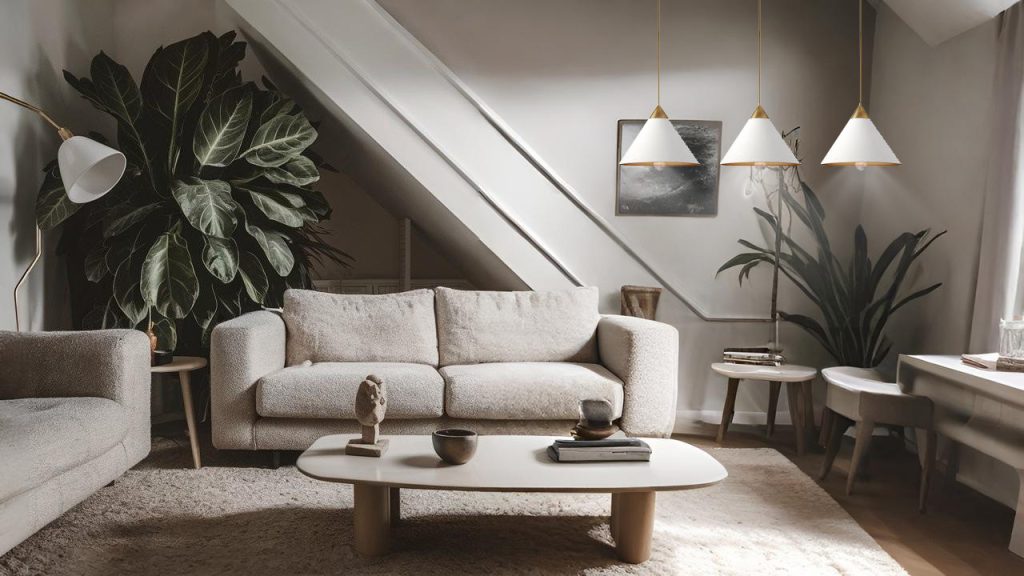
Centering furniture or décor is not always the best choice. Designers often offset items—like hanging a light fixture slightly off-center or floating a sofa away from a wall—to give the space a more relaxed and curated feel. This helps avoid rigidity and encourages visual movement. The result is a layout that feels more organic and adaptable to real-life use, proving that strategic imbalance can make a room feel more dynamic and well-designed.
15. Always Playing It Safe with Decor
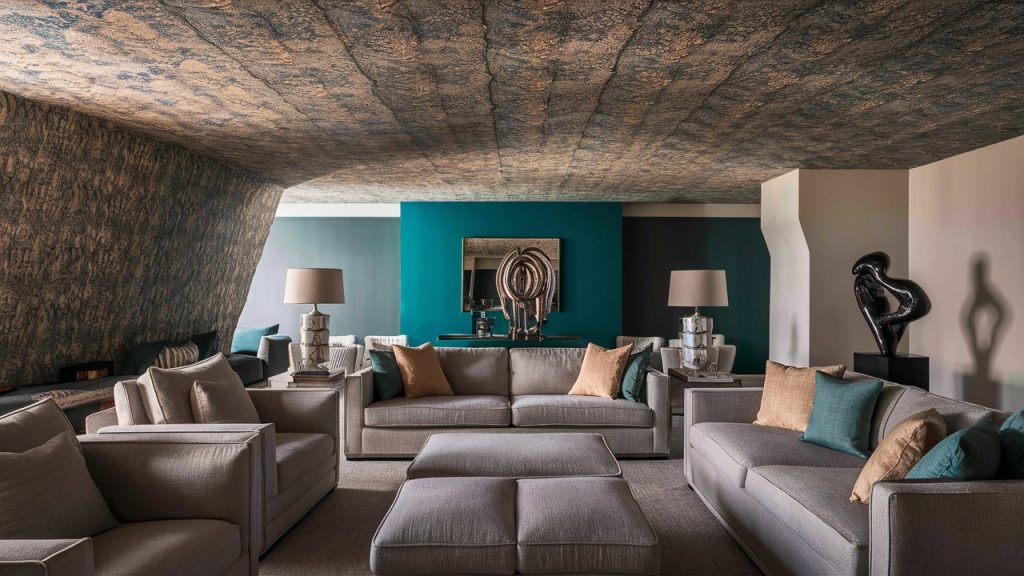
While safe choices can make a space feel cohesive, they rarely make it memorable. Designers regularly take risks—whether it’s wallpapering a ceiling, adding an oversized sculpture, or choosing unexpected paint colors. These bold choices might not follow traditional rules, but they bring life and personality to a room. Even a single daring decision can elevate a space from standard to standout, reminding us that great design often comes from stepping outside the comfort zone.
This article was created with the assistance of AI but thoroughly edited by a human being.