
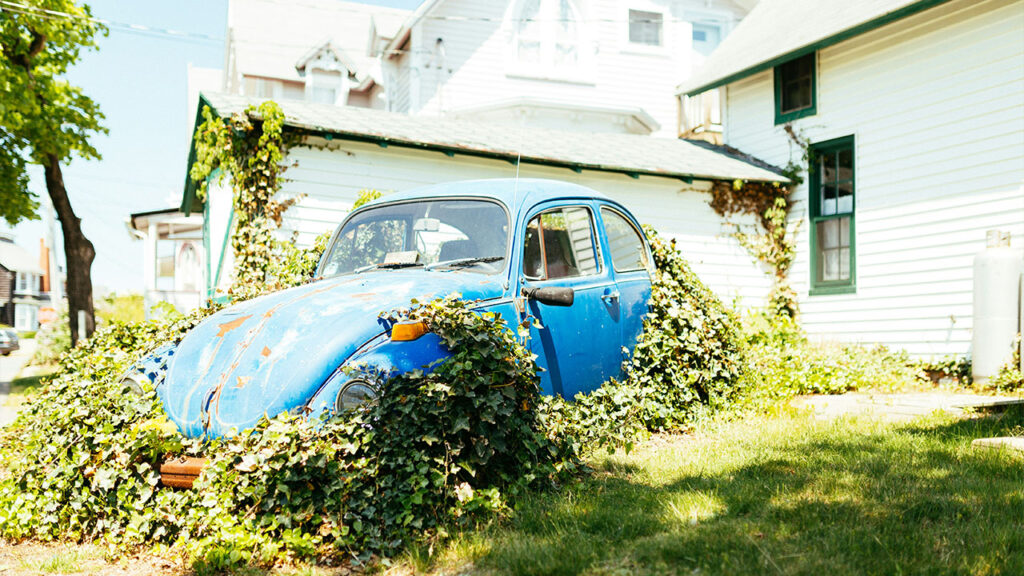
Great landscaping boosts curb appeal—but the wrong choices can drag it down fast. From overgrown shrubs to awkward edging, certain missteps can make even the most beautiful home look neglected or poorly planned. Whether you’re sprucing up for resale or just want to enjoy a more polished outdoor space, knowing what not to do is just as important as what to plant. These 15 landscaping missteps might seem small, but they can quietly sabotage your curb appeal—and make your home look far less valuable.
1. Patchy or Neglected Lawns
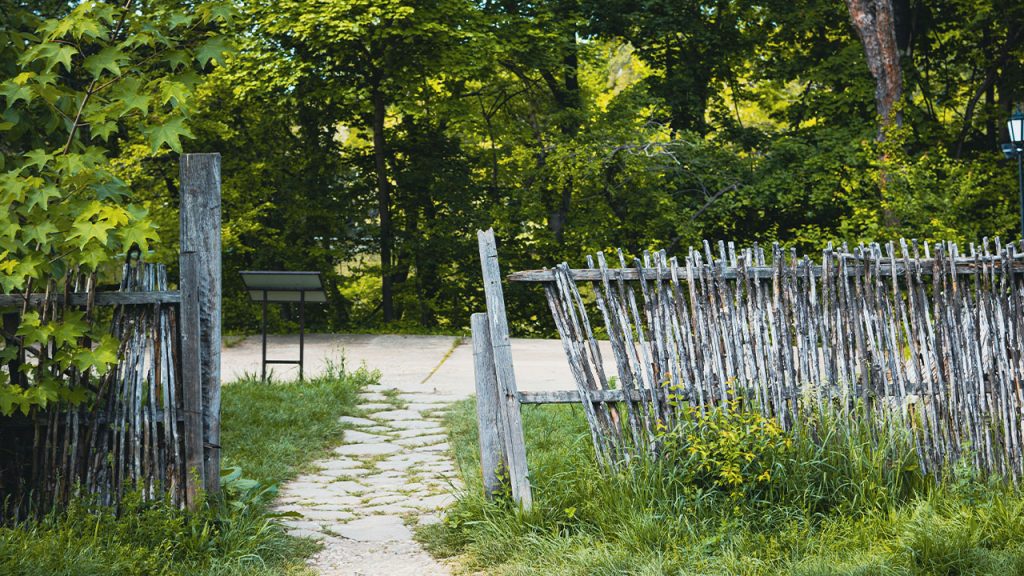
A lawn full of brown spots, weeds, or bare patches immediately gives the impression that the home isn’t cared for. Even the most beautiful house can lose its appeal when surrounded by unhealthy grass. It signals poor maintenance and can make potential buyers or guests think twice. Consistent care—like mowing, feeding, and reseeding—can turn a tired lawn into a vibrant green welcome mat that speaks volumes about your home.
2. Overgrown Shrubs and Trees
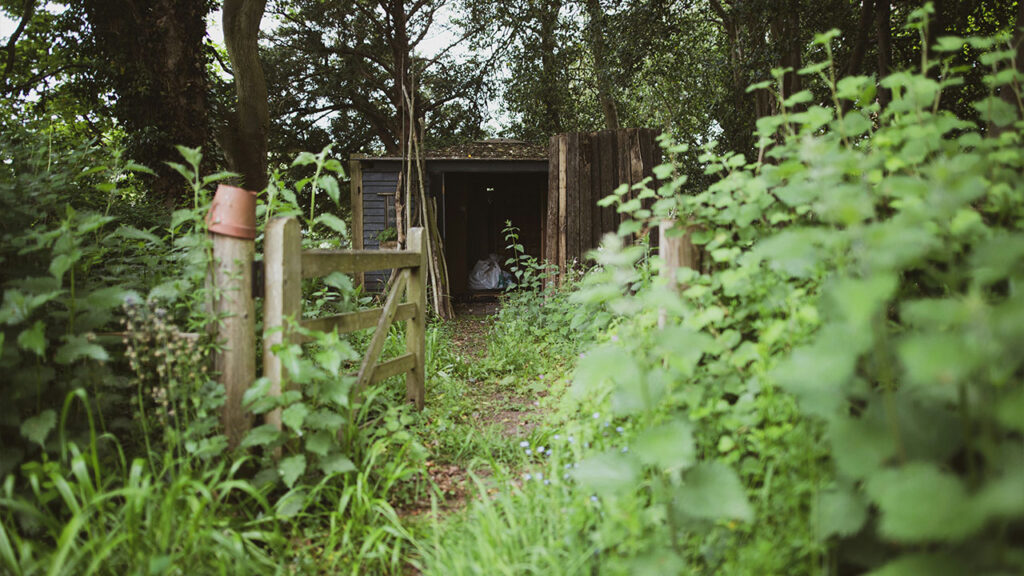
When trees and shrubs are left untrimmed, they quickly go from charming to chaotic. Overgrowth can block windows, crowd pathways, or even damage siding and roofs. It hides the home’s best features and suggests neglect. Well-maintained greenery, on the other hand, frames a property beautifully and adds natural structure. A few hours of pruning can dramatically improve visibility, sunlight, and the overall appearance of your landscape.
3. Excessive Lawn Ornaments
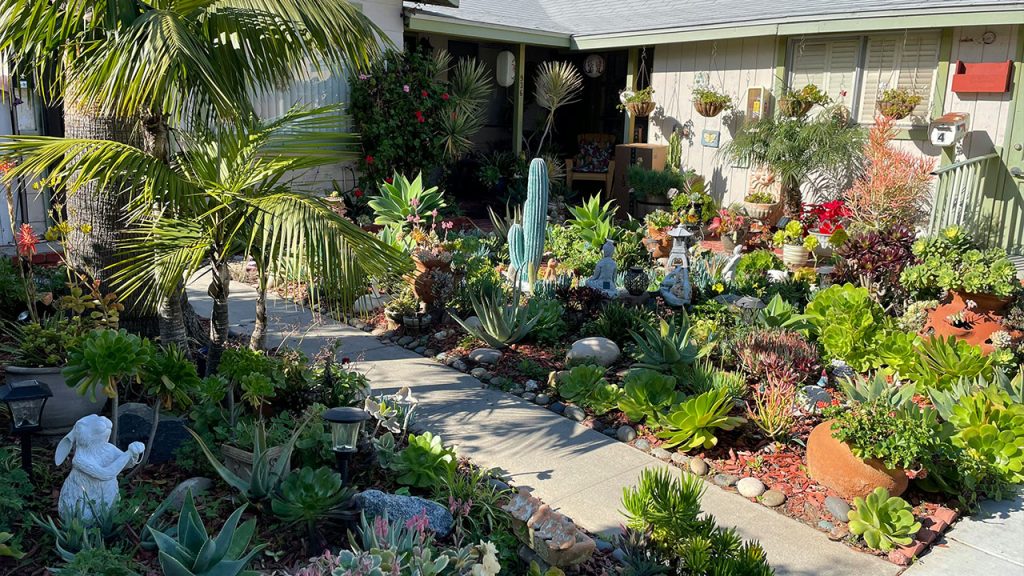
A handful of tasteful ornaments can personalize a yard, but when every corner features gnomes, windmills, or birdbaths, the result is visual chaos. Too many decorations distract from your home’s design and can cheapen the look of the property. It’s best to curate just a few meaningful pieces that suit the style of your home and garden. Less really is more when it comes to creating a polished and intentional outdoor space.
4. Poorly Placed or Mismatched Lighting
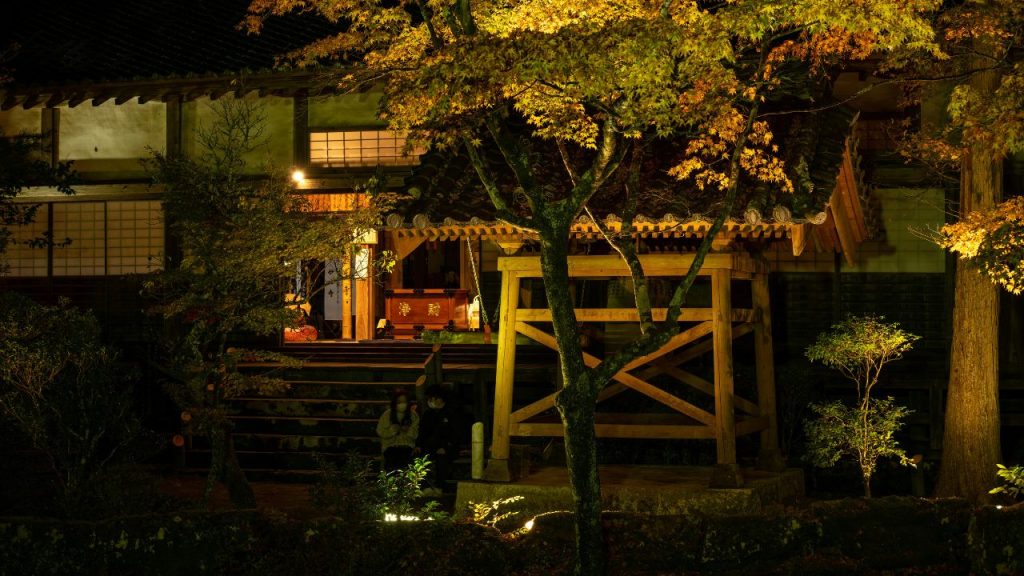
Outdoor lighting should elevate your landscape, not distract from it. Mismatched fixtures, awkward placements, and dim or overly bright bulbs can create a chaotic or underwhelming atmosphere. Instead, think of lighting as the final brushstroke—subtle yet impactful. Use a unified style to illuminate key features like paths, trees, or entryways. When done right, it adds depth, enhances safety, and turns your yard into a space that feels both intentional and inviting after dark.
5. Using Artificial Grass in Visible Areas
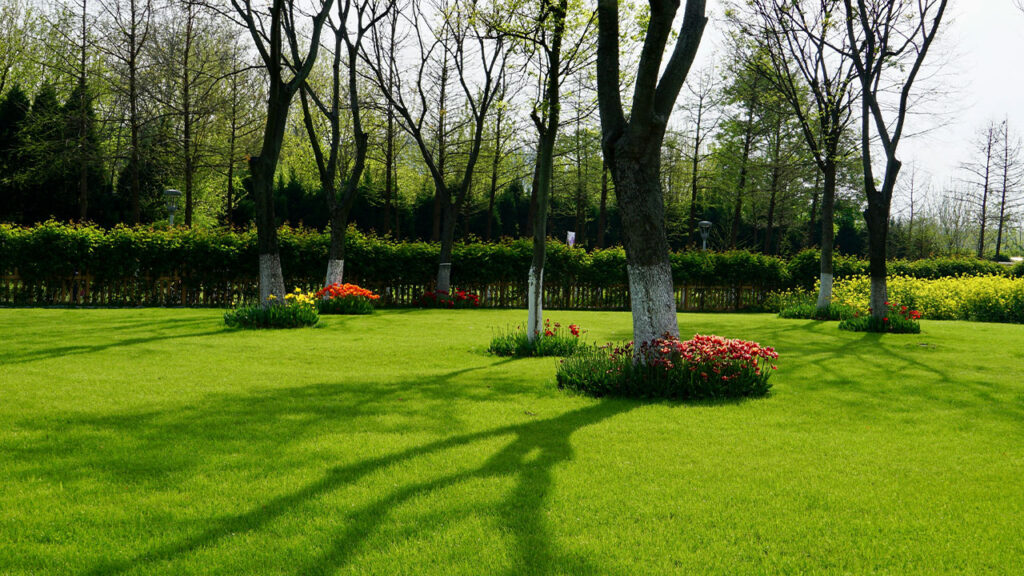
Artificial turf may be convenient, but when used in highly visible areas like front lawns, it often looks too uniform and plastic. Under direct sunlight, the sheen and rigid texture give away its synthetic nature. While it might reduce maintenance, it sacrifices authenticity. A better alternative is drought-tolerant landscaping or natural ground covers that offer both beauty and practicality without looking overly fake or sterile.
6. Clashing or Inconsistent Plant Choices
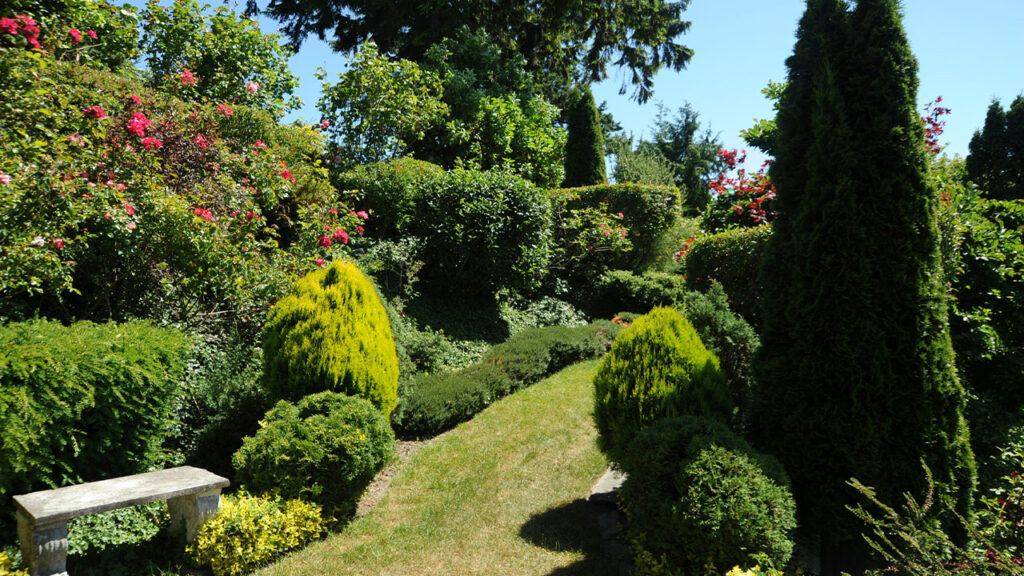
A garden full of random plants with no thought to color, size, or climate compatibility can feel chaotic rather than charming. Mixing tropical palms with alpine evergreens or pairing neon blooms with soft pastels creates visual discord. To avoid this, stick to a cohesive palette and choose plants that thrive in your region. A thoughtfully planned garden looks polished, inviting, and naturally balanced, rather than haphazard and messy.
7. Cracked or Weedy Driveways and Paths
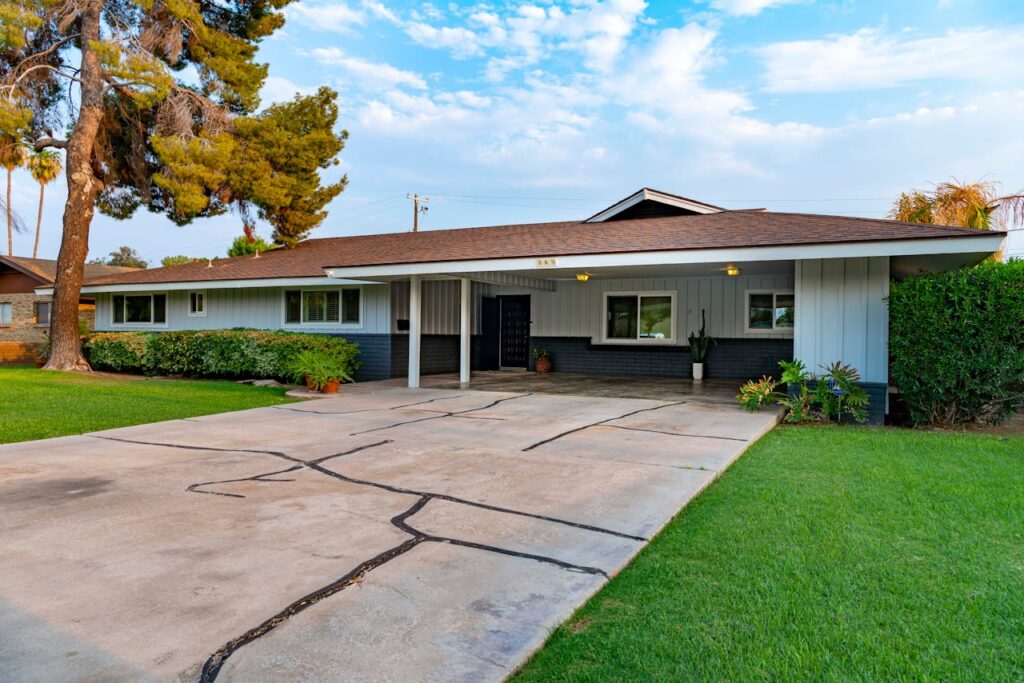
Driveways and walkways in poor condition instantly drag down curb appeal. Cracks, weeds, and crumbling edges suggest long-term neglect and can even become safety hazards. These surfaces frame your home’s entry and should feel intentional and cared for. Power washing, sealing, or re-paving not only restores their appearance but also adds structure and clarity to your landscaping design, guiding guests in a welcoming, orderly way.
8. Bare or Mulch-Free Garden Beds
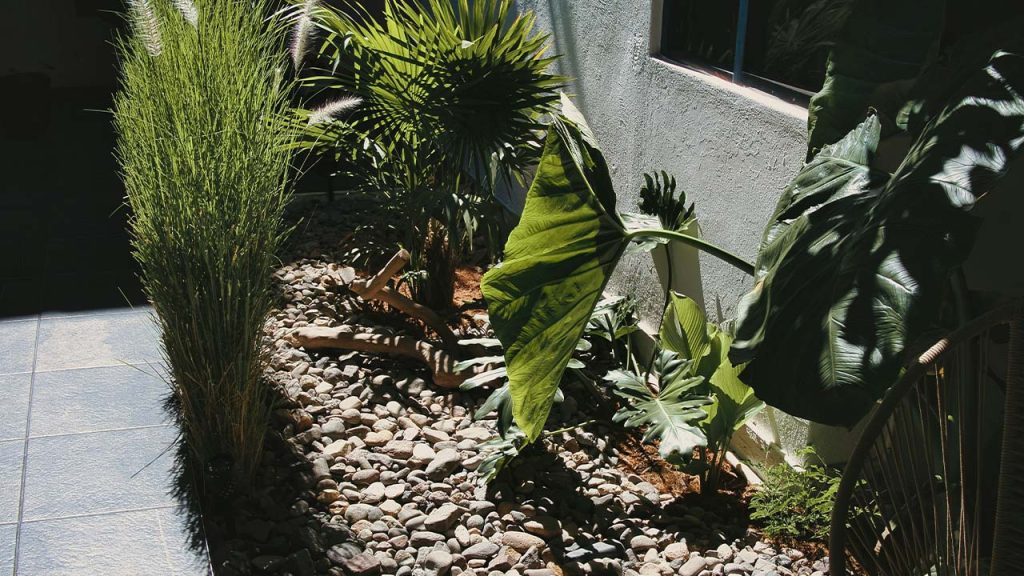
Garden beds left bare can give your yard an incomplete, forgotten look—no matter how healthy the plants are. Without mulch, soil erodes, weeds thrive, and moisture escapes too quickly. Mulch adds a clean, cohesive layer while retaining moisture and boosting soil health. Whether you use bark, pine straw, or compost, the result is a tidy, well-maintained garden bed that ties your entire landscaping scheme together and looks effortlessly elegant.
9. Low-Quality or Faded Outdoor Furniture
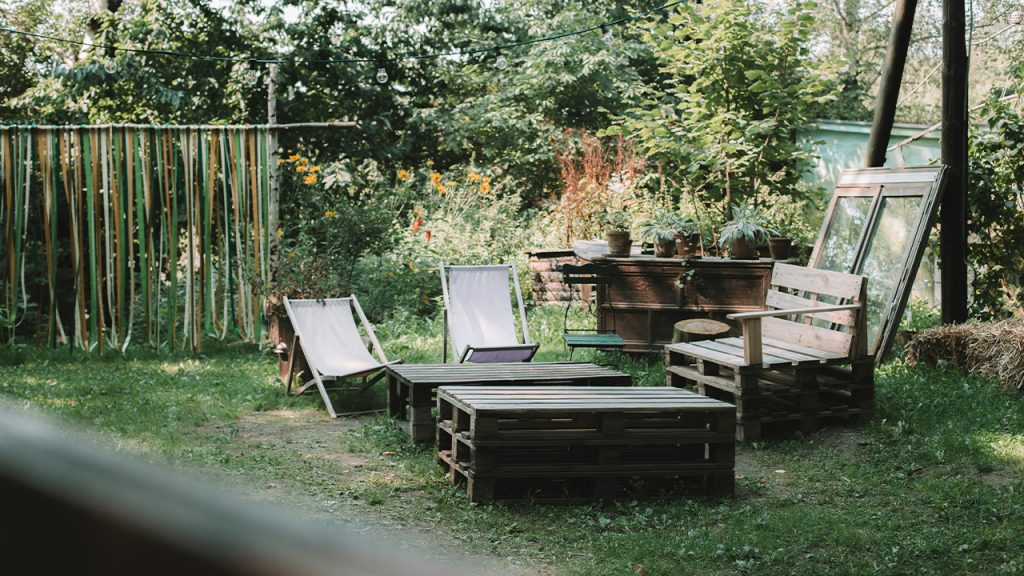
Plastic chairs or weather-worn patio sets can make your yard feel more like a clearance aisle than a cozy retreat. Faded cushions, rusted frames, or flimsy materials send the message that comfort and design weren’t priorities. Choose furniture that’s built to brave the elements and complement your outdoor aesthetic—durable, stylish pieces that look good and last. A small set with fresh cushions and durable finishes will elevate your outdoor area and make it feel like an intentional extension of your home.
10. Too Much Gravel or Rock
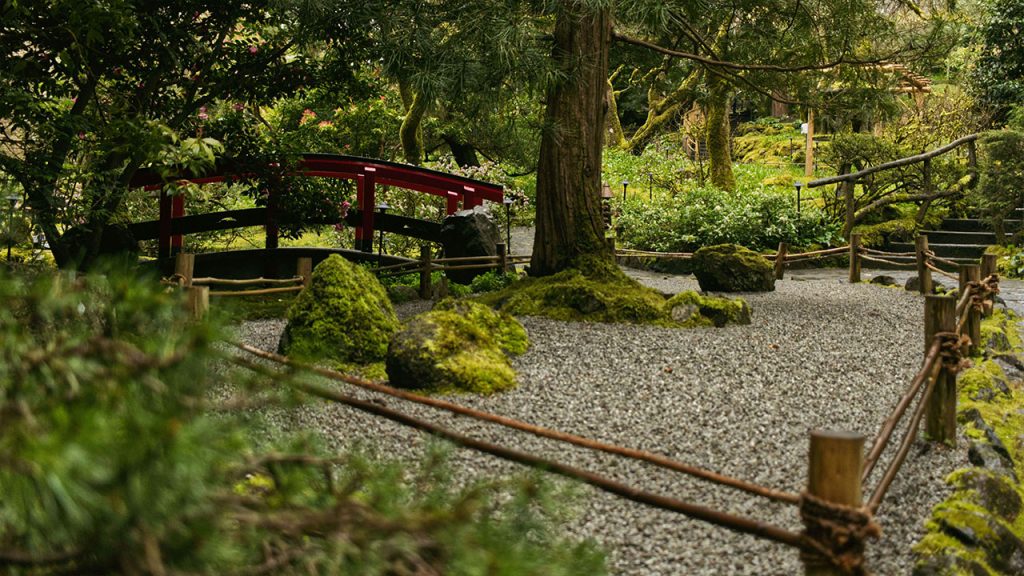
While gravel can be a practical low-maintenance solution, overusing it makes your yard feel dry, barren, or industrial. Large expanses of rock lack warmth and can resemble parking lots rather than inviting landscapes. To soften the look, balance gravel areas with greenery, potted plants, or a mix of textures. Strategic use keeps the space visually interesting and avoids the overly stark appearance that can cheapen your home’s exterior.
11. Neglected Edging or Borders
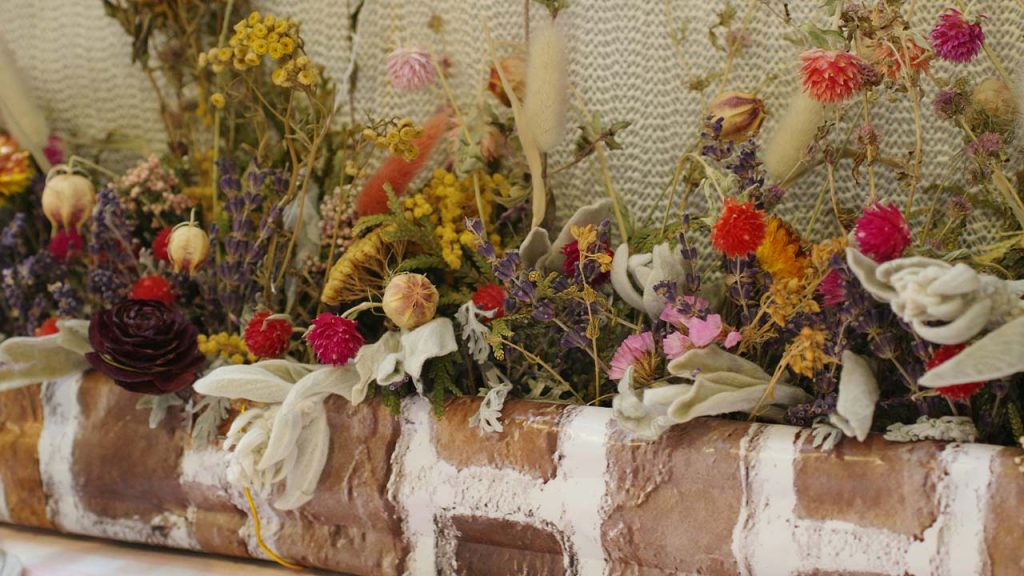
When lawn edges spill into garden beds or pathways blur into the grass, it makes your entire yard feel sloppy. Crisp, well-defined edges act like picture frames for your garden—bringing order, polish, and a sense of intention to your outdoor space. Whether you use stone, metal, or neatly trimmed grass edges, proper edging creates a polished look that frames your yard like a well-cut suit. Letting it go unchecked signals neglect and can undo the effect of even the most well-planted garden.
12. Plants in Dying or Cheap-Looking Planters
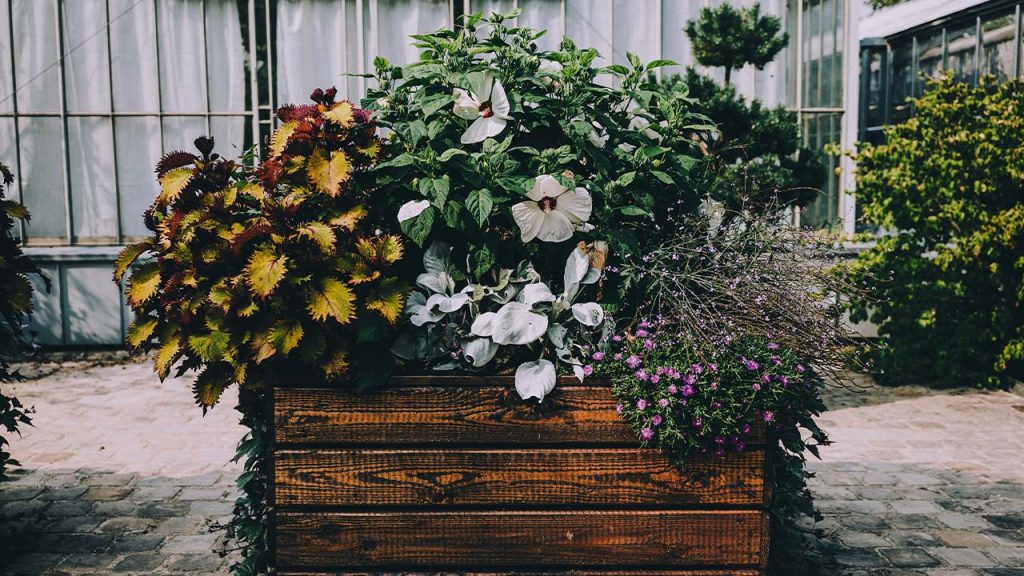
Plastic pots that have faded under the sun or cracked over time can undermine your curb appeal, even if the plants inside are thriving. Likewise, planters with wilted or overwatered greenery signal a lack of care. Invest in sturdy, weather-resistant containers and keep them tidy and healthy. Planters are often front-and-center by doors and patios—treat them like décor. They should enhance your space, not distract from it.
13. Ignoring Seasonal Cleanup
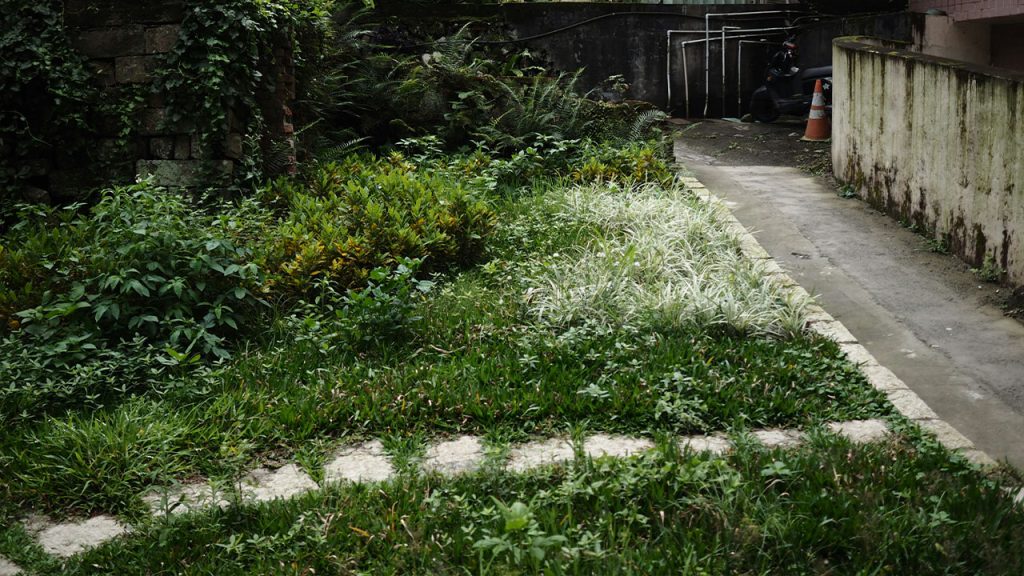
Fallen leaves, broken branches, and dead plants left behind from last season create a messy, abandoned look. Neglecting seasonal tasks like pruning, raking, or removing annuals not only hurts aesthetics but can also invite pests or disease. A clean, cared-for yard shows pride of ownership and boosts overall curb appeal. With just a few seasonal sweeps, your landscape can stay fresh and welcoming year-round.
14. Overuse of One Type of Plant
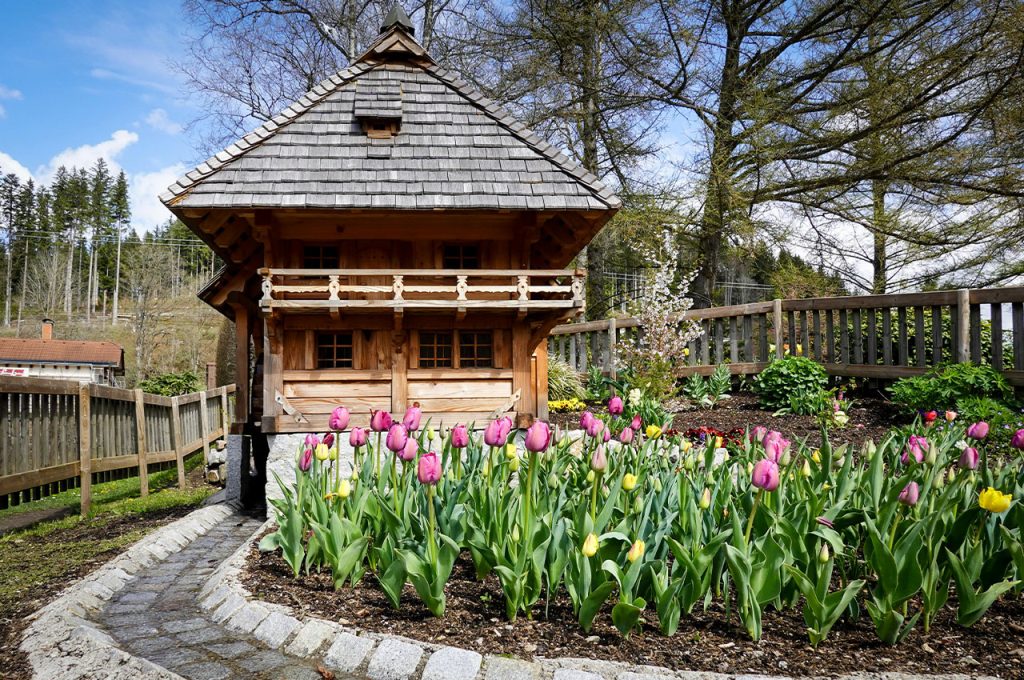
Relying heavily on a single plant—like endless rows of boxwoods or nothing but hostas—can make your landscaping feel monotonous. While repetition has its place in design, too much of one thing becomes dull and unbalanced. It also makes your yard vulnerable to pests or disease that target that species. Mixing heights, textures, and bloom times creates a dynamic, visually interesting space that feels intentional and vibrant.
15. No Defined Centerpiece or Guiding Flow
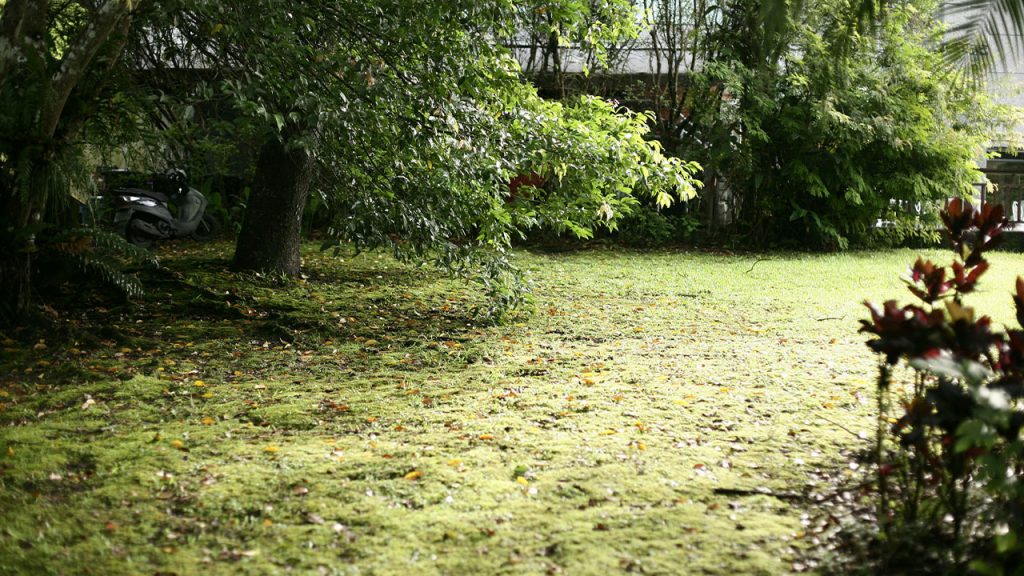
A yard without direction feels confusing and unfinished. Whether it’s a winding path, a water feature, or a standout tree, every landscape needs a visual anchor and clear flow. Without a focal point, the landscape feels like a story without a headline—leaving the eye to drift and visitors unsure where to land. Pathways and intentional design elements create structure, guide movement, and offer purpose to each corner of your outdoor space, transforming chaos into calm cohesion.
This article was created with the assistance of AI but thoroughly edited by a human being.