
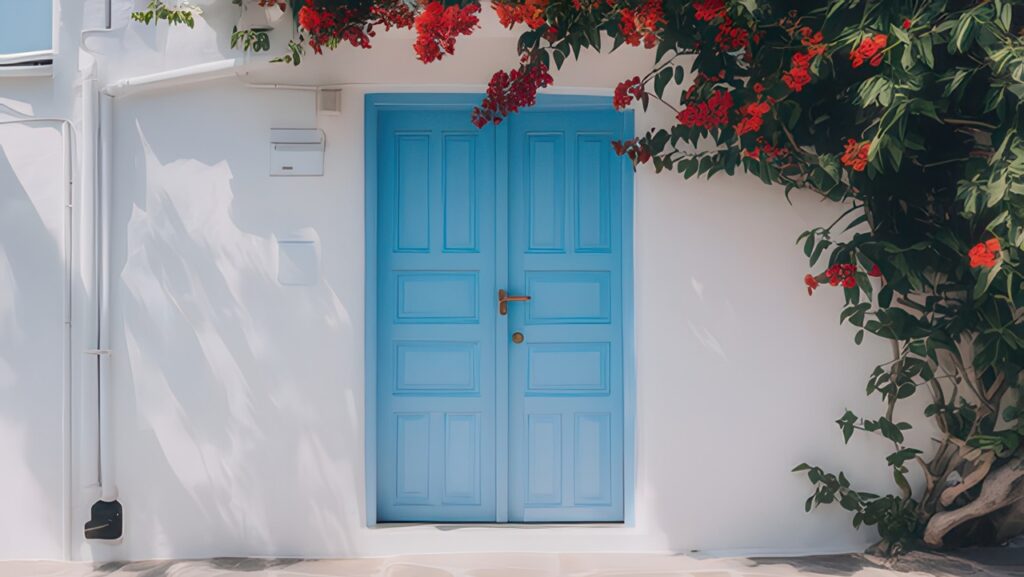
Your front door is the first thing guests and passersby notice, making it a key element in your home’s overall curb appeal. The right color can transform your entrance, setting the tone for the rest of your home while creating a warm and inviting atmosphere. Whether you prefer bold and dramatic hues or soft and soothing shades, these 15 front door colors will instantly make your home feel more welcoming and stylish.
1. Classic Red
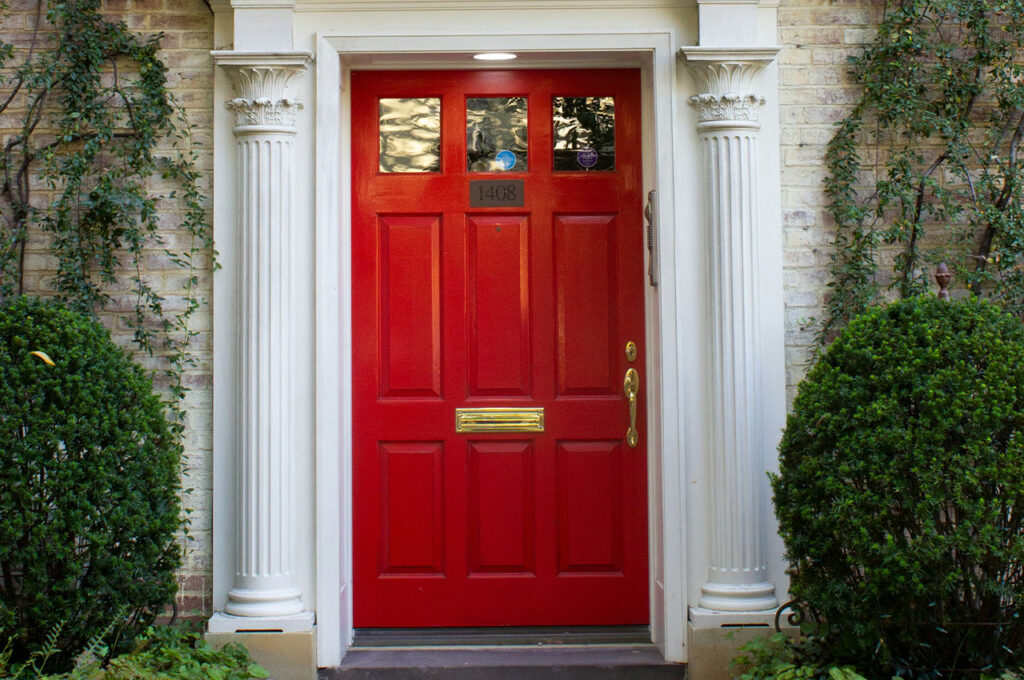
A bold red front door exudes warmth and confidence, instantly drawing attention to your home. This timeless color works well with a variety of exterior styles, from traditional brick homes to modern farmhouses. Red has long been a symbol of warmth and hospitality, making it an ideal choice for creating a welcoming entrance. Pair it with white or black trim for a sophisticated contrast, or let it stand out against neutral siding for a striking focal point that enhances curb appeal.
2. Navy Blue
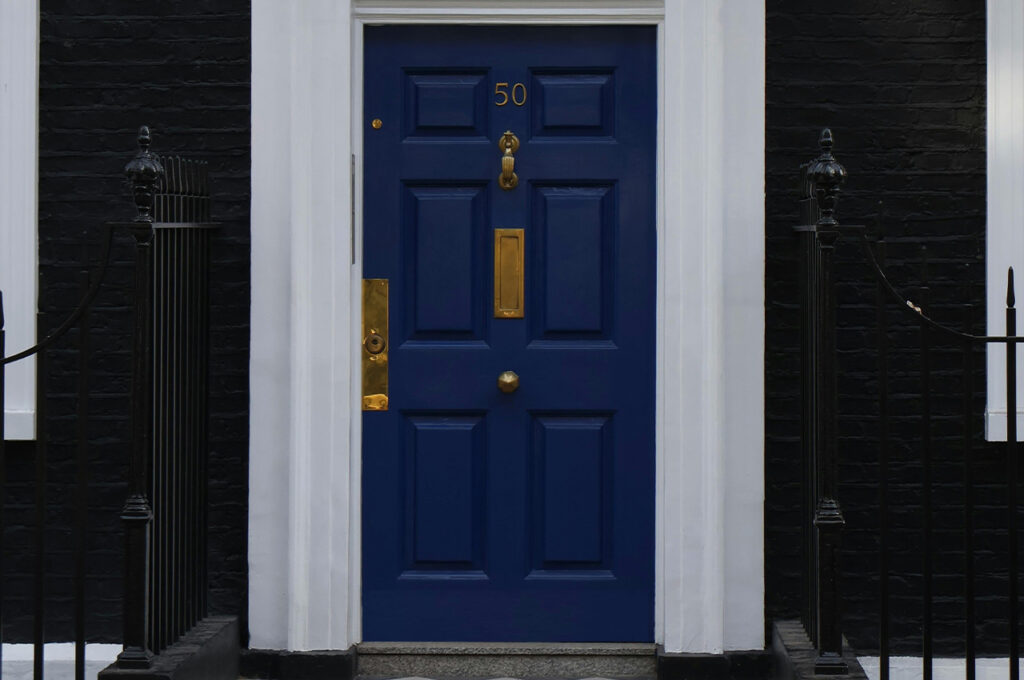
Navy blue is a refined yet inviting color that adds a touch of elegance to any home’s exterior. This deep, rich shade pairs beautifully with white or gray siding, giving your home a classic and stately appearance. Navy blue conveys a sense of stability and calm, making it an excellent choice for those who want to create a sophisticated but welcoming first impression. Whether your style is coastal, colonial, or contemporary, this versatile shade enhances curb appeal while maintaining a timeless charm.
3. Sunny Yellow
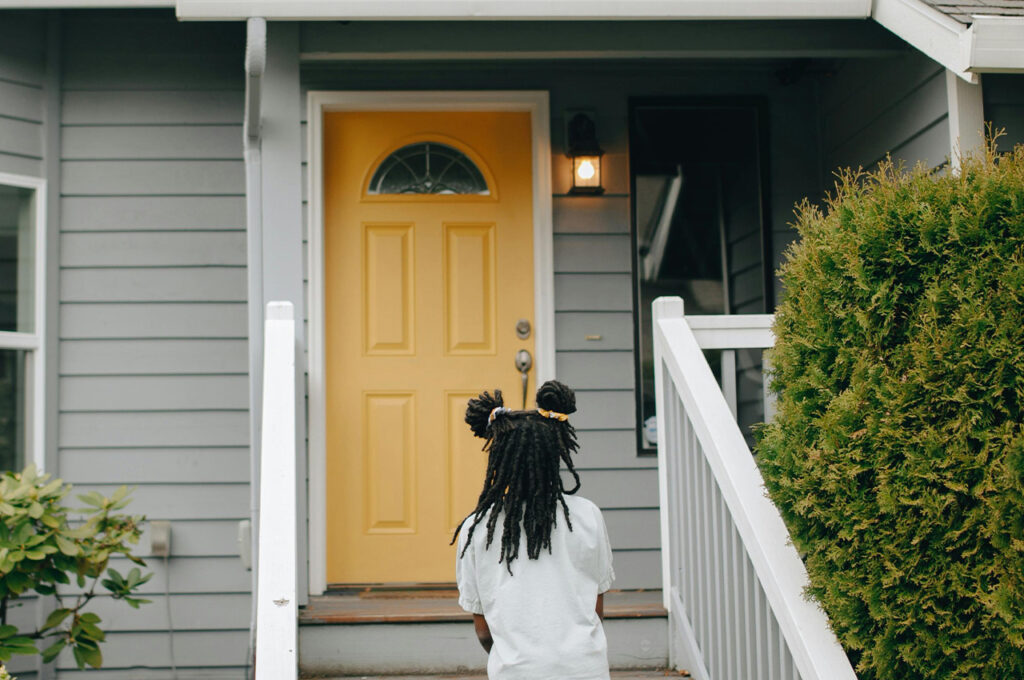
For a cheerful and uplifting entrance, yellow is an excellent choice. A bright yellow front door radiates warmth and positivity, making your home feel inviting and full of personality. This color pairs particularly well with neutral exteriors, such as gray, white, or beige, allowing it to stand out as a joyful focal point. Whether you opt for a soft buttery yellow or a bold sunflower shade, this color creates a friendly and welcoming vibe that immediately catches the eye.
4. Deep Green
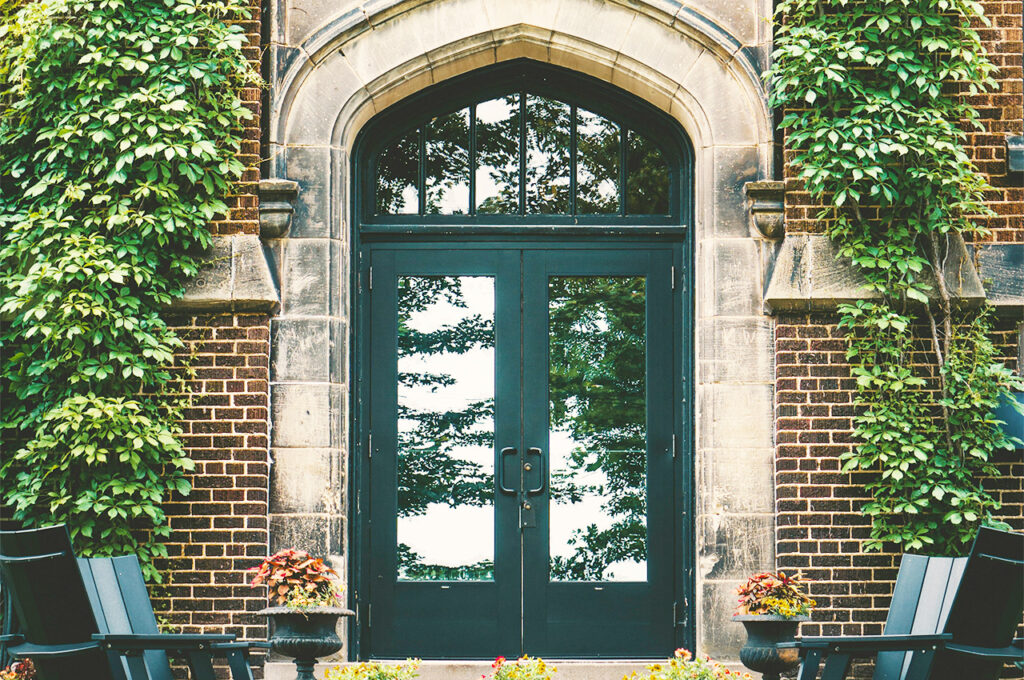
A deep green front door brings a sense of nature and tranquility to your home’s exterior. Shades like forest green or emerald evoke feelings of freshness and harmony, making them a great fit for homes surrounded by lush landscaping. Green pairs well with earthy tones, such as brown, beige, and stone accents, enhancing the natural beauty of your home. This color choice is perfect for homeowners who want to create a grounded, peaceful, and timeless aesthetic while making a strong statement.
5. Charcoal Gray
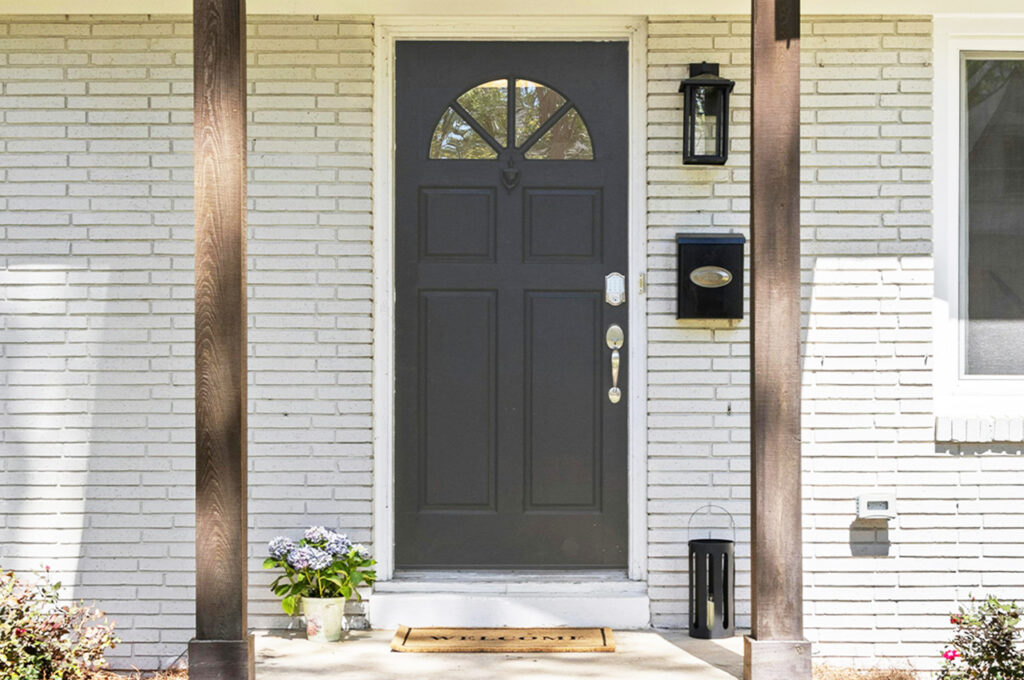
For a modern yet sophisticated entrance, charcoal gray is an excellent option. This sleek and neutral shade works well with a variety of home styles, from contemporary to traditional. Gray offers a refined look that blends seamlessly with both light and dark exteriors, creating an understated yet inviting ambiance. It pairs beautifully with metallic hardware and glass panels, giving your front door a stylish and polished appearance without being overly bold.
6. Warm Orange
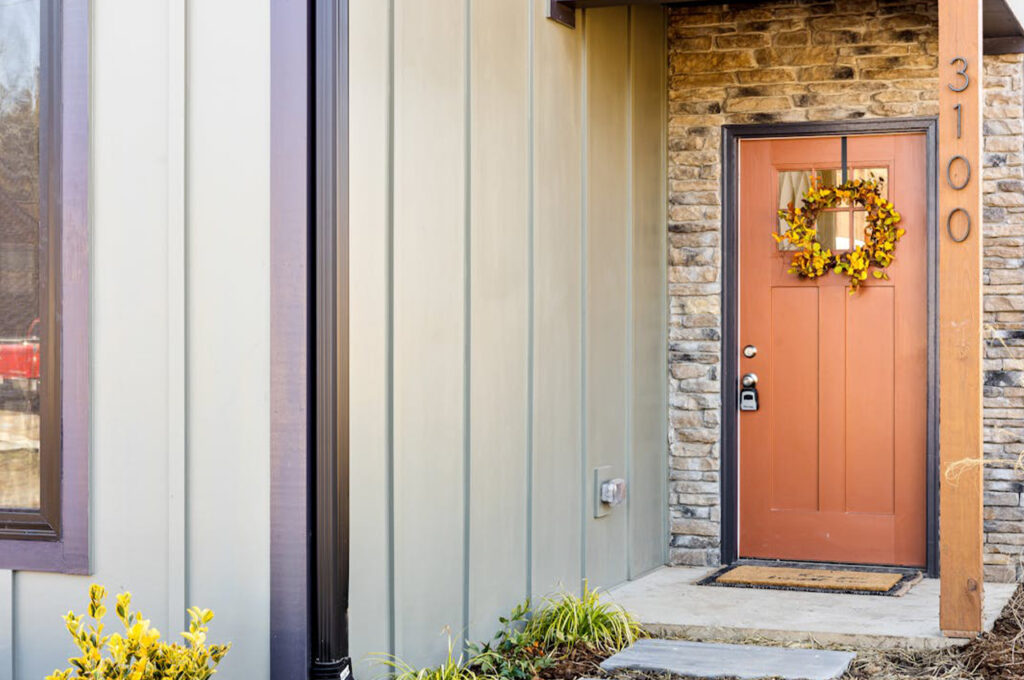
A warm orange front door is an unexpected yet charming choice that adds energy and personality to your home. Shades like warm orange offer a balance between vibrancy and warmth, making them ideal for Mediterranean, Southwestern, or rustic-style homes. This earthy hue complements brick facades, natural wood tones, and neutral exteriors, creating a cozy and welcoming entrance. If you want a color that stands out while still feeling inviting, warm orange is a perfect pick.4
7. Beige
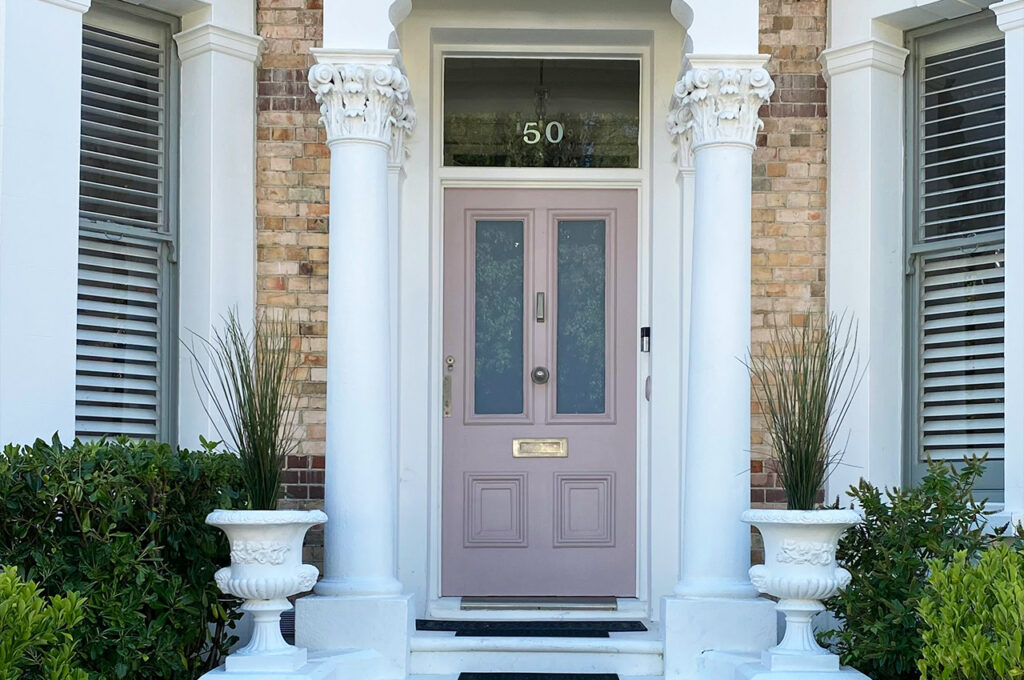
For a timeless and inviting touch, beige brings effortless elegance to your home’s entrance. This neutral hue is both sophisticated and welcoming, making it an excellent choice for traditional and modern homes alike. Beige pairs beautifully with white or deep brown trim and natural stone accents, creating a balanced and harmonious look. It’s a color that reflects warmth and versatility, perfect for homeowners looking to add a classic yet inviting charm to their entryway.
8. Crisp White
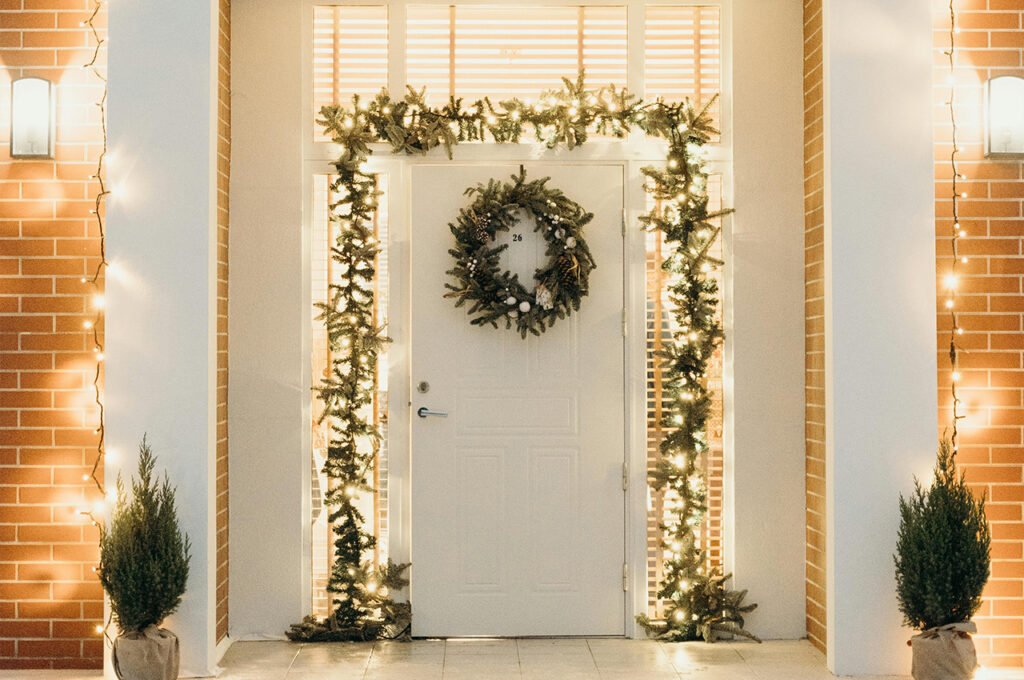
A crisp white front door offers a clean and timeless appeal, making any home feel fresh and inviting. This color works well with both traditional and modern designs, creating a bright and airy aesthetic. White pairs beautifully with dark or colorful exteriors, allowing for a striking contrast that enhances curb appeal. It’s a perfect choice for those who appreciate a minimalist and sophisticated entrance. The simplicity of white ensures your entryway remains effortlessly stylish.
9. Slate Blue
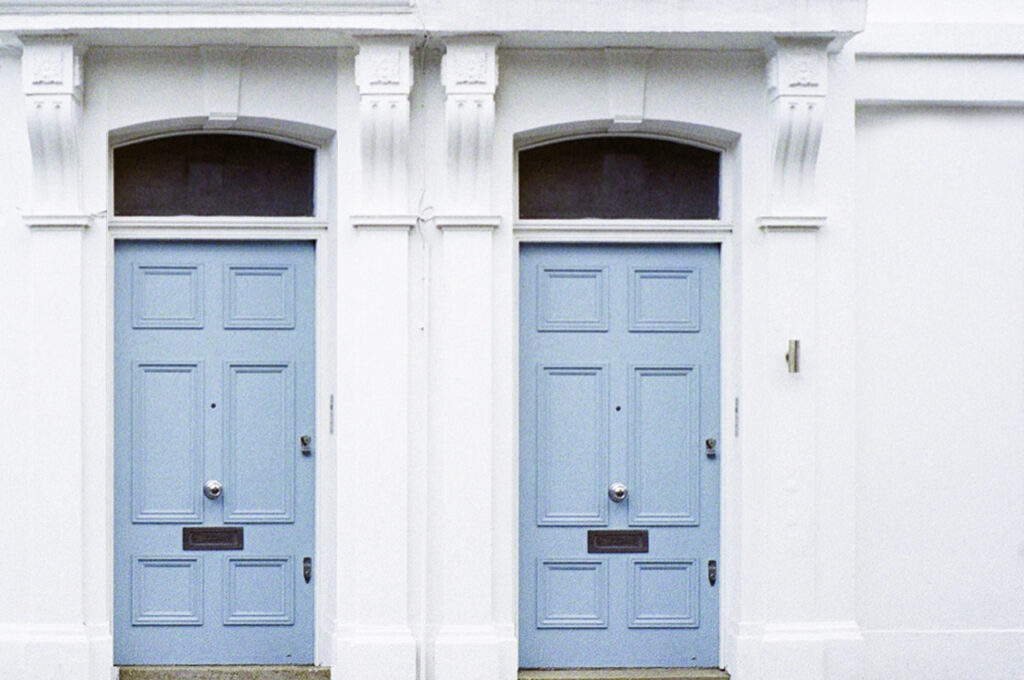
Slate blue is a muted yet stylish shade that blends elements of gray and blue for a sophisticated look. This color offers a cool and calming effect, making it an excellent choice for a welcoming entryway. It pairs well with both light and dark exteriors, giving homes a touch of understated elegance. Whether your home is classic or contemporary, slate blue adds a refined charm. It provides a perfect mix of warmth and modernity for an entryway that stands out subtly.
10. Burgundy
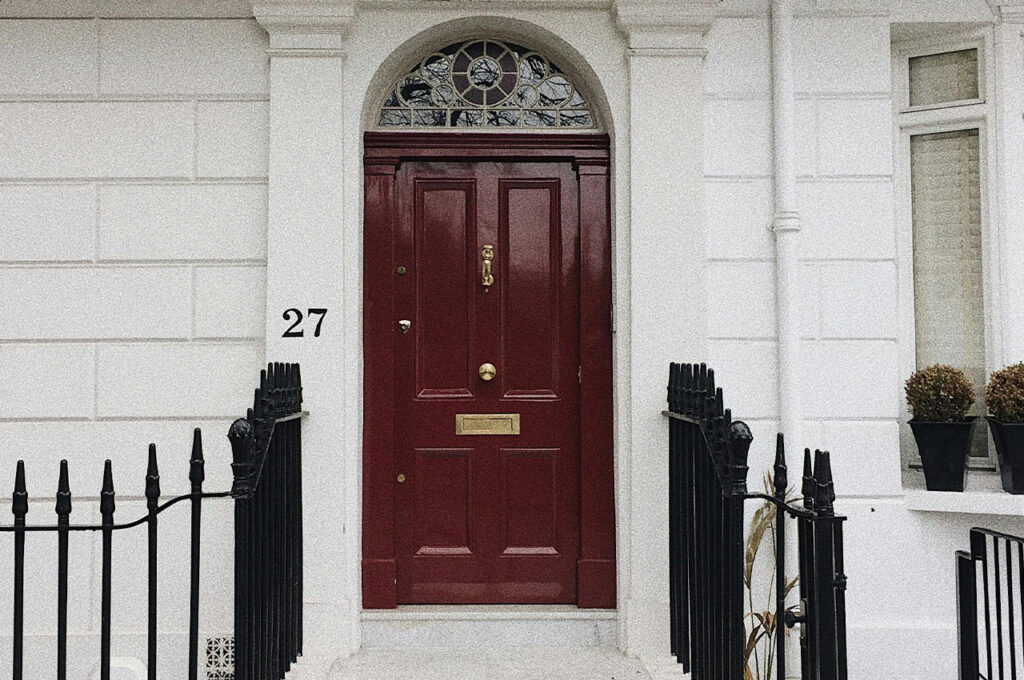
For those who want a rich and dramatic entrance, burgundy is an excellent choice. This deep, wine-inspired hue conveys a sense of luxury and tradition, making it perfect for colonial and historic homes. Burgundy pairs beautifully with neutral or earthy tones, creating a warm and inviting first impression that exudes character and elegance. Its deep tones also work well with gold or brass accents, adding a sense of grandeur to your home’s entrance.
11. Sage Green
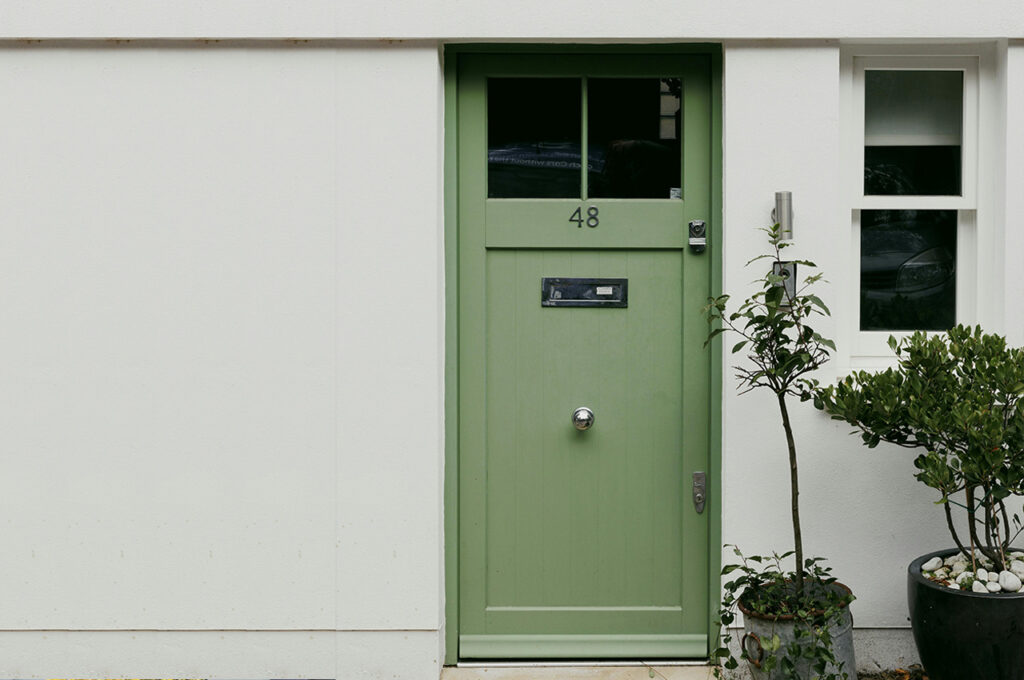
Sage green is a soft, earthy shade that brings a subtle yet refreshing touch to your home’s exterior. This muted green pairs well with white, beige, or gray siding, offering a gentle and natural look. Sage green is an excellent choice for homeowners who want a relaxed, welcoming entryway that blends seamlessly with nature. It’s especially appealing for homes with lush gardens, as it harmonizes beautifully with outdoor greenery.
12. Black
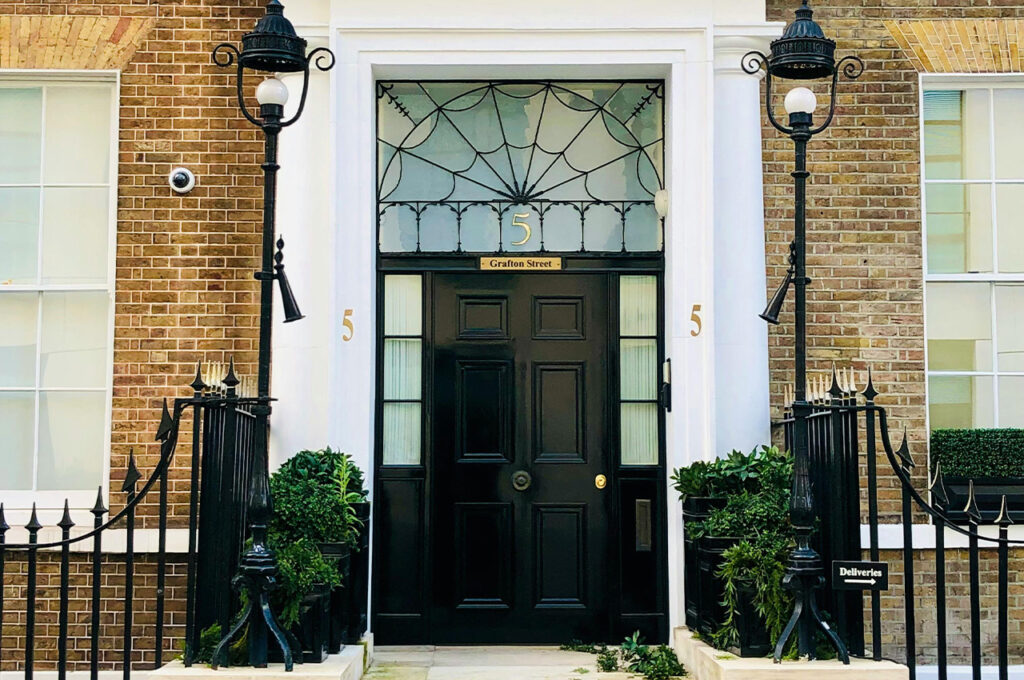
A black front door is bold, elegant, and effortlessly stylish. It adds a level of sophistication that suits modern, traditional, and industrial-style homes alike. Black pairs beautifully with nearly any exterior color, creating a strong contrast that makes your entrance stand out. This classic choice conveys a sense of luxury and timeless appeal. A glossy or matte finish can further enhance the dramatic effect, making your entryway both eye-catching and elegant.
13. Teal
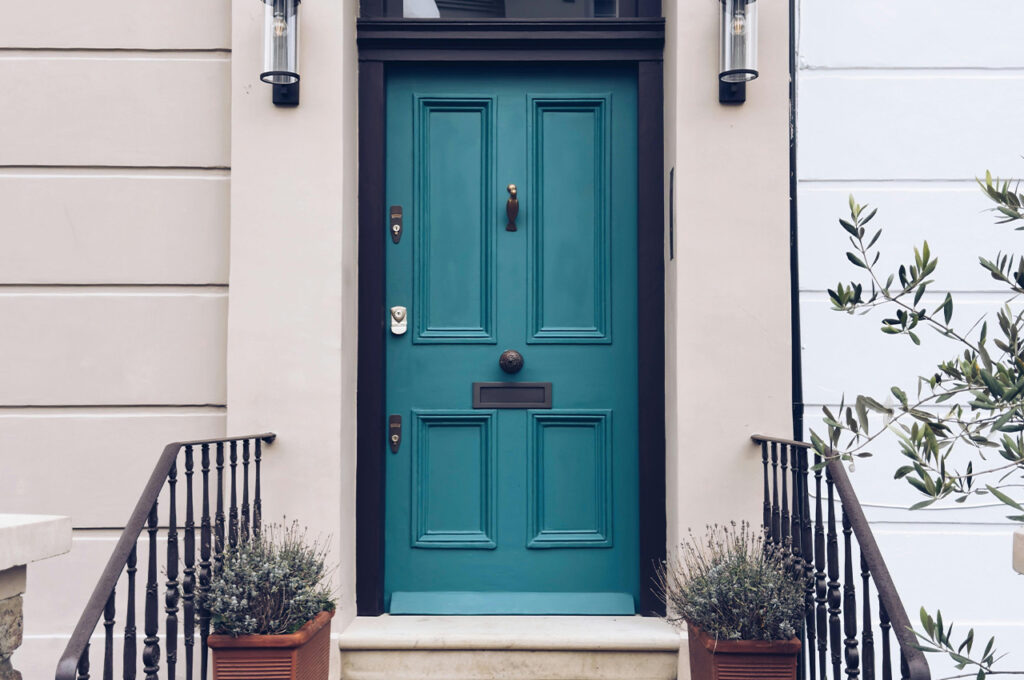
Teal is a lively yet balanced shade that adds personality and charm to your home’s entrance. This color works well with coastal, cottage, or contemporary homes, bringing a playful yet sophisticated feel. Teal pairs beautifully with white or gray exteriors, creating a bright and inviting look. Its balance between blue and green tones makes it both refreshing and stylish, perfect for those who want to make a bold but tasteful statement.
14. Muted Coral
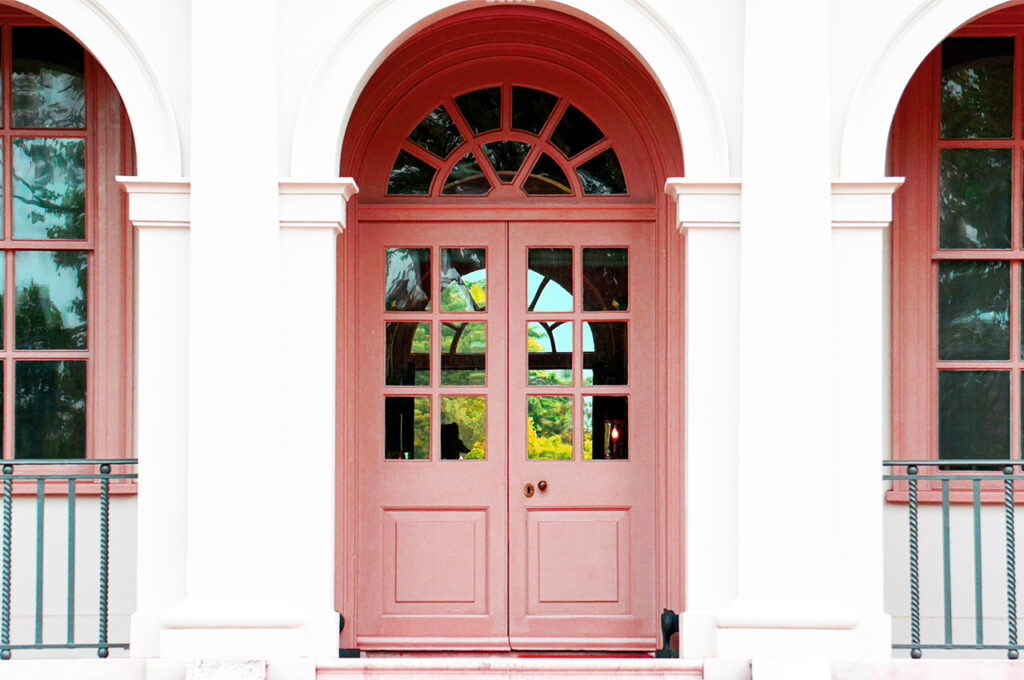
Muted coral offers a fresh and welcoming vibe that’s both warm and cheerful. This color is a great choice for tropical, coastal, or Mediterranean-style homes, providing a subtle pop of color without being overpowering. It pairs well with neutral backdrops, making your front door a charming focal point. Coral’s soft undertones bring a lively yet soothing energy, making your entrance feel both unique and inviting.
15. Espresso Brown
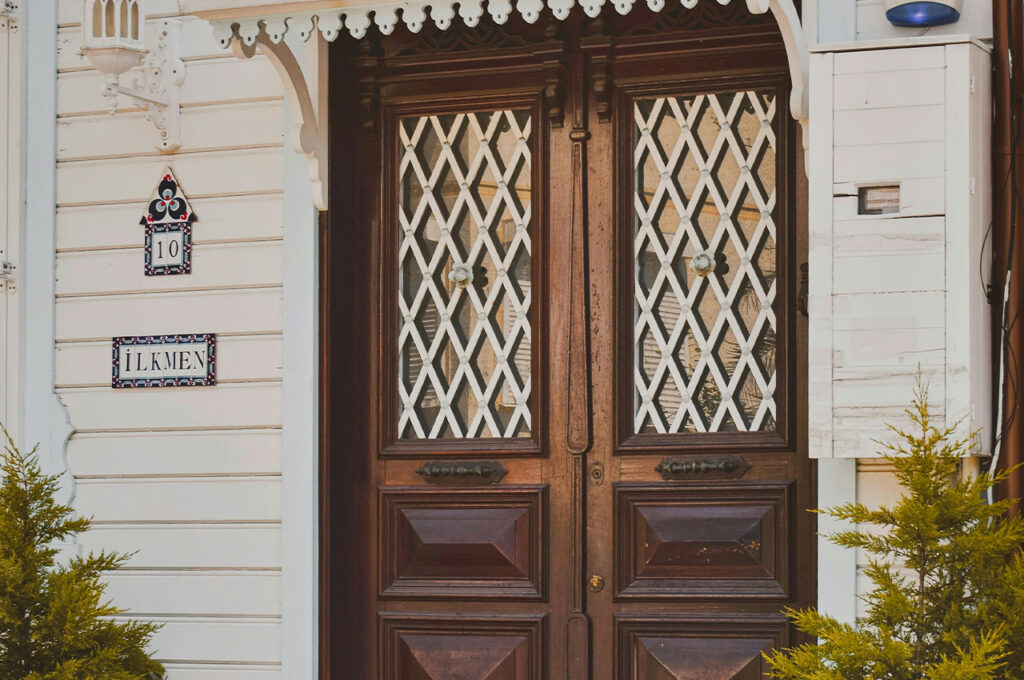
For a rich and grounded look, espresso brown is a fantastic option. This deep, warm shade enhances rustic, craftsman, and farmhouse-style homes, offering a cozy and inviting feel. It pairs beautifully with stone, brick, or wood exteriors, creating a natural and welcoming entryway. Its depth adds a sense of stability and elegance, making it a wonderful choice for those who prefer a sophisticated yet earthy aesthetic.