

Downsizing your home is a major life decision that comes with both challenges and rewards. Whether you’re looking to reduce expenses, simplify your lifestyle, or move to a more manageable space, careful planning is essential. From decluttering and organizing to financial considerations and emotional adjustments, every step plays a crucial role in making the transition smooth. By focusing on what truly matters and taking a strategic approach, you can create a comfortable and functional living space that supports your needs. Here’s a complete checklist to help you downsize the right way.
1. Define Your Downsizing Goals

Before you start downsizing, take a moment to define your reasons for making this change. Are you looking to cut expenses, simplify your lifestyle, or just move closer to family? Having a clear purpose will make the process easier and help you make better decisions. Think about what matters most—location, home size, accessibility, or amenities—so your new space truly fits your needs. Setting these goals early keeps you focused and prevents last-minute regrets. Plus, knowing why you’re downsizing makes it easier to let go of unnecessary belongings, ensuring a smooth transition to a more manageable and comfortable home.
2. Do an Inventory

Before you move, take stock of everything you own and determine what will fit in your new space. Sort your belongings into categories: essentials, sentimental items, and things you can live without. Pay close attention to large furniture, kitchen appliances, and storage-heavy items that may not work in a smaller home. Be honest about what you truly need and use versus what has just accumulated over time. Downsizing is a great opportunity to declutter, making your new space more functional and stress-free. Letting go of excess will help create a fresh, organized start in your new home.
3. Sort and Declutter in stages

Downsizing is easier when done in stages rather than all at once. Start with areas that have fewer personal attachments, like the garage, attic, or closets, before tackling meaningful keepsakes. Break the process into manageable tasks to avoid feeling overwhelmed. Use the “Keep, Donate, Sell, or Discard” method to make clear decisions. Selling valuable but unnecessary items can add extra funds, while donating helps those in need. Decluttering gradually prevents rushed, emotional decisions and makes the transition smoother. By taking it one step at a time, you’ll create a more organized and stress-free move.
4. Get to Know Your New Space

Before making any moving decisions, take the time to understand the layout and dimensions of your future home. Measure each room, and if needed, remeasure key areas to ensure accuracy. Compare these measurements with your current furniture to determine what will fit and what needs to go. If possible, visit the property multiple times to visualize furniture placement and assess storage options. Look for built-in features, closet space, and any modifications needed for comfort. Planning ahead helps prevent clutter and ensures a smooth transition. By familiarizing yourself with your new space early, you can make informed choices and create a functional, well-organized home.
5. Maximize Your Storage Space
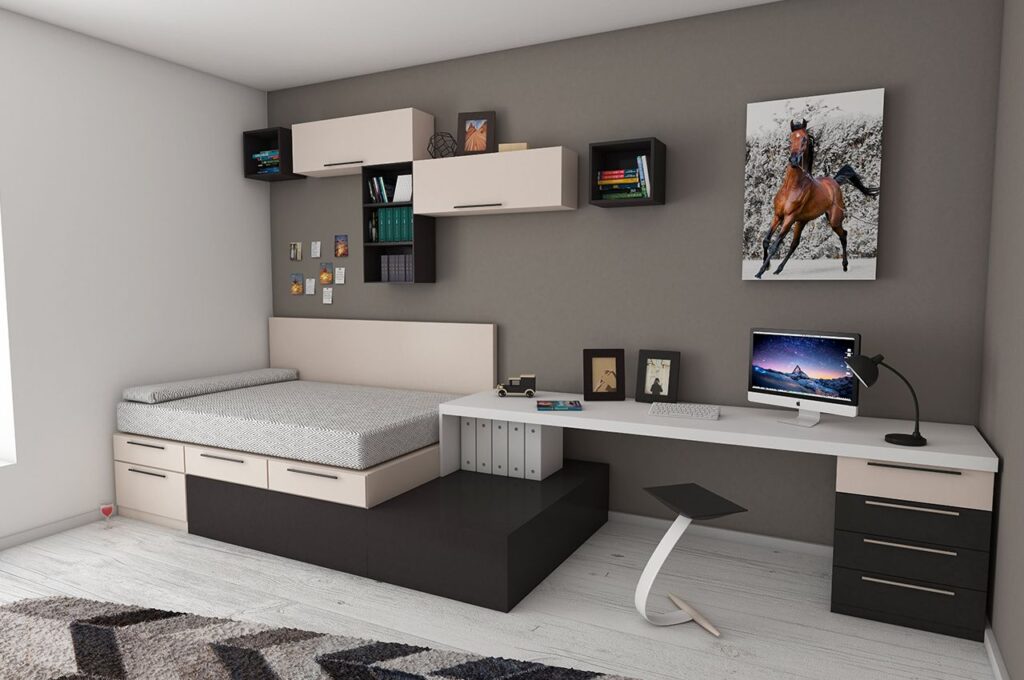
Moving into a smaller home means rethinking how you store your belongings. Look for furniture that doubles as storage, such as ottomans with compartments or beds with built-in drawers. Maximize vertical space with shelves, hooks, and wall-mounted organizers. If your new home lacks closet space, consider under-bed storage or multi-purpose cabinets. Investing in smart storage solutions will help you keep your new space tidy and functional without feeling cramped. A well-thought-out storage plan ensures that everything has its place, making it easier to maintain an organized and clutter-free home.
6. Consider Lifestyle Changes

Downsizing isn’t just about moving into a smaller space—it’s about adapting to a new way of living. Consider how your daily routines will change. Will you still host gatherings, or will you need a dedicated workspace? Understanding how you’ll use your new home helps you decide what to keep and what to let go of. Focus on items that support your current and future lifestyle, ensuring your new space remains functional and comfortable. Downsizing should simplify your life, not feel restrictive. By making intentional choices, you can create a home that enhances convenience, efficiency, and overall well-being.
7. Set a Realistic Moving Timeline

Rushing the downsizing process can cause unnecessary stress, so it’s important to set a realistic timeline for sorting, packing, and moving. Break tasks into weekly or monthly goals based on your available time. Give yourself extra time for selling, donating, or discarding items, as these steps often take longer than expected. If possible, plan a transition period where you gradually move belongings instead of doing everything at once. A structured schedule helps you stay organized, reduces last-minute panic, and makes the entire process smoother. Proper planning ensures a stress-free and efficient downsizing experience.
8. Budget Mindfully

Downsizing can save money, but there are also costs involved. Consider expenses such as moving services, home renovations, new furniture, or storage rentals. Be aware of property taxes, homeowners association fees, and utility costs in your new home. Selling unneeded items can offset some expenses, but budgeting ahead ensures there are no financial surprises. If you’re selling your current home, work with a real estate professional to maximize its value. Careful financial planning will help make downsizing a smart and stress-free decision.
9. Hold Off on Buying New Items

It’s tempting to buy new furniture and décor before moving in, but it’s best to wait until you’re fully settled. Your new space may have different lighting, layouts, or storage needs that you won’t completely understand until you live there. Instead of rushing into purchases, start by bringing only essential items and gradually assess what truly fits. Repurpose what you already own before spending on new pieces, ensuring that every addition serves a purpose. Holding off on unnecessary buying helps prevent clutter, saves money, and allows you to create a home that feels both functional and well-designed over time.
10. Test Your Space Before Committing to a Design

Before making any major interior design changes, take time to truly experience your new home. Live in space for a few weeks to understand how natural light flows, which areas you use the most, and what storage challenges arise. Rushing into renovations or big décor decisions can lead to regret if the space doesn’t function as expected. Waiting allows you to identify what works and what needs improvement. By observing how you interact with your new environment, you can make thoughtful choices about furniture placement, color schemes, and décor, ensuring your home is both beautiful and practical.
11. Keep Your Documents Up to Date

Moving to a new home means updating important documents to reflect your new address. Notify banks, insurance providers, government agencies, and subscription services to avoid disruptions. Review legal paperwork such as your will, homeownership records, and power of attorney to ensure they align with your new living situation. If you’re downsizing into a retirement community or assisted living, check any required agreements and policies. Staying proactive with paperwork prevents future complications, avoids missed bills or important notices, and ensures a smooth transition into your new home without unnecessary stress.
12. Give yourself time to adjust

Downsizing isn’t just about moving—it’s about creating a fresh, simplified lifestyle. Once you’ve settled in, take time to appreciate the benefits of a smaller, more manageable home. Explore your new neighborhood, personalize your space, and focus on experiences rather than possessions. Let go of any lingering attachment to what you left behind and embrace the freedom that comes with less clutter and fewer responsibilities. Downsizing is an opportunity to design a life that feels lighter, more fulfilling, and better suited to your current needs, allowing you to fully enjoy this new chapter.