
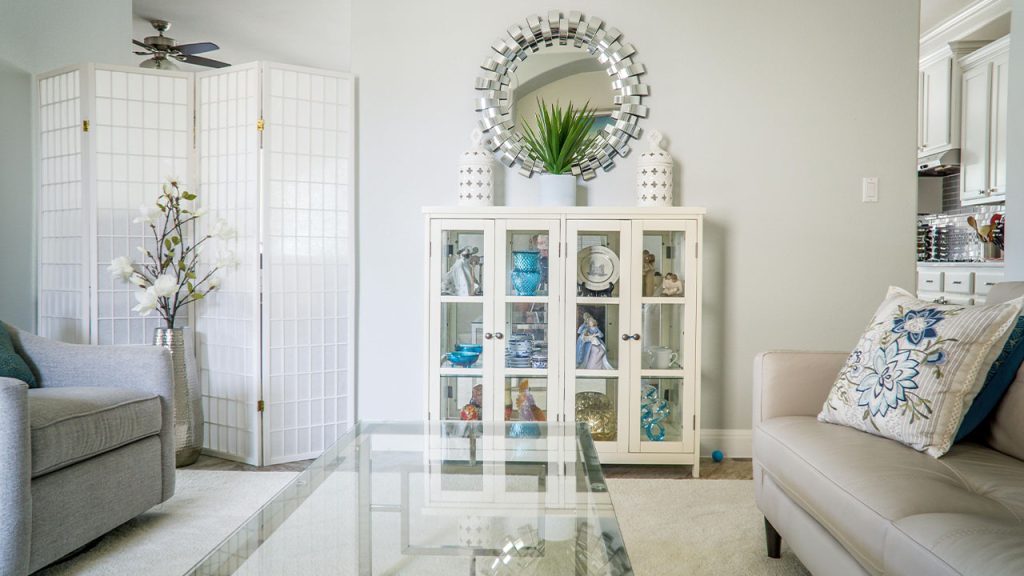
Furniture trends come and go, but some styles are falling out of favor faster than others in 2025. Designers are shifting away from pieces that feel overly bulky, outdated, or impractical, opting instead for timeless silhouettes and functionality. Whether it’s overly ornate designs or mass-produced items lacking personality, these furniture styles are getting the boot—and making room for smarter, more elevated choices.
1. Overstuffed Recliners That Dominate the Room
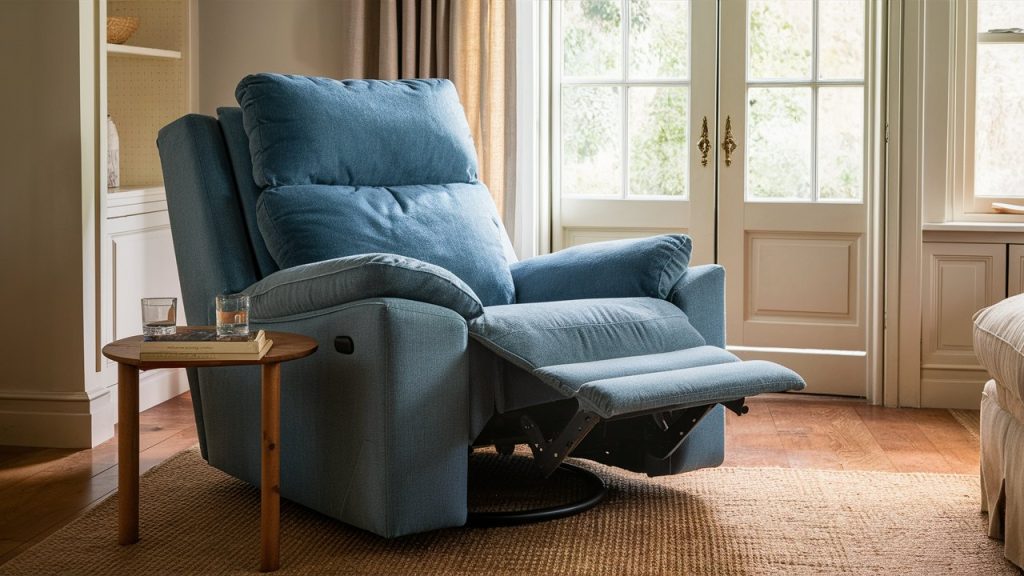
Oversized recliners may offer comfort, but their bulky presence often throws off the balance of a space. Designers are steering away from these room-swallowing chairs in favor of streamlined seating that offers both support and style. In smaller living areas especially, overstuffed recliners can feel outdated and impractical, making it harder to create a cohesive and visually appealing layout.
2. Matching Furniture Sets Without Personality
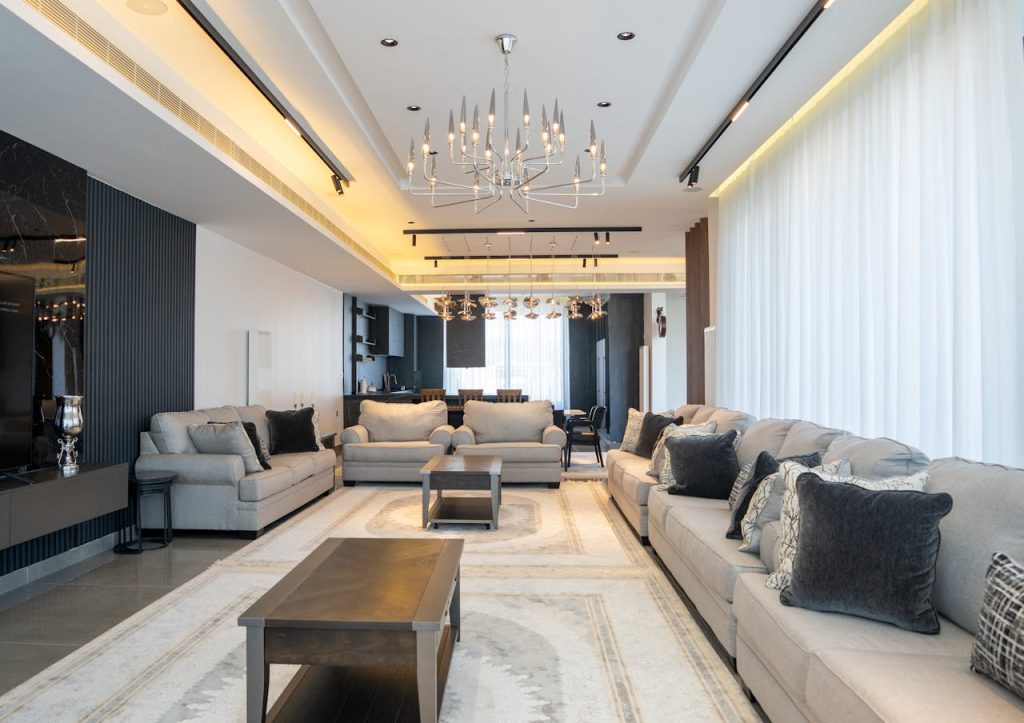
Gone are the days when perfectly matched living room or bedroom sets were a design must. In 2025, designers favor a curated mix of pieces that reflect personal taste and individuality. Identical sets can make a space feel like a showroom, lacking character and creativity. Instead, blending textures, finishes, and styles creates a more dynamic, lived-in look that feels intentional and fresh.
3. Glossy, High-Shine Finishes That Feel Cold
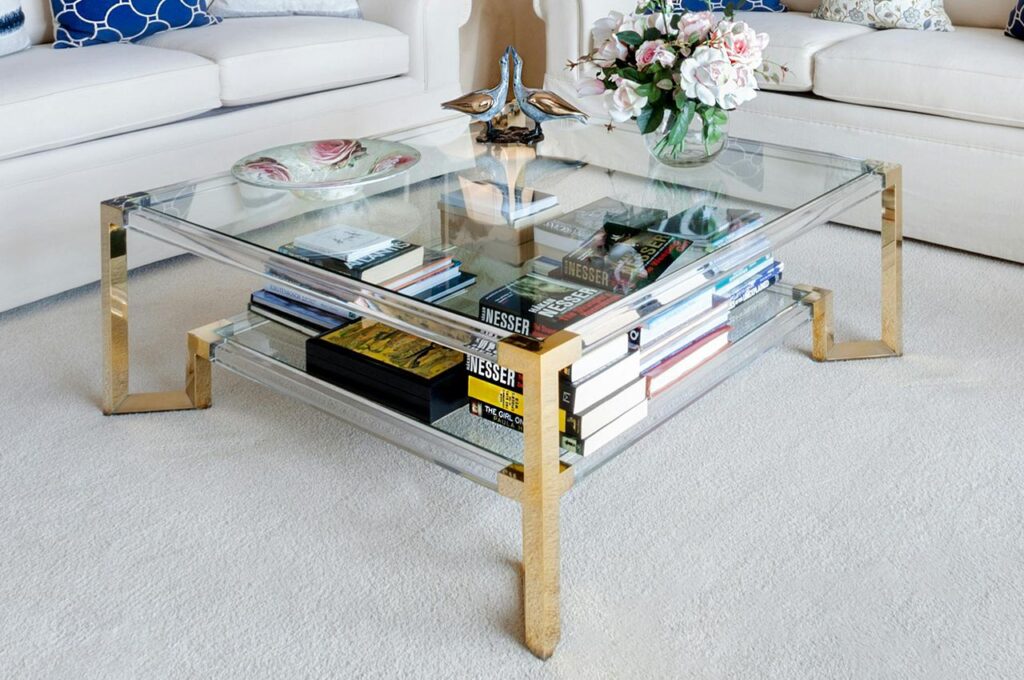
Furniture with ultra-glossy finishes once felt modern and sleek, but now they often come off as sterile and uninviting. These surfaces show fingerprints easily and rarely pair well with softer, more natural materials that are trending. In 2025, designers prefer matte, woodgrain, or textured finishes that bring warmth and subtle sophistication to the home without overwhelming the senses.
4. Faux Farmhouse Pieces That Lack Authenticity
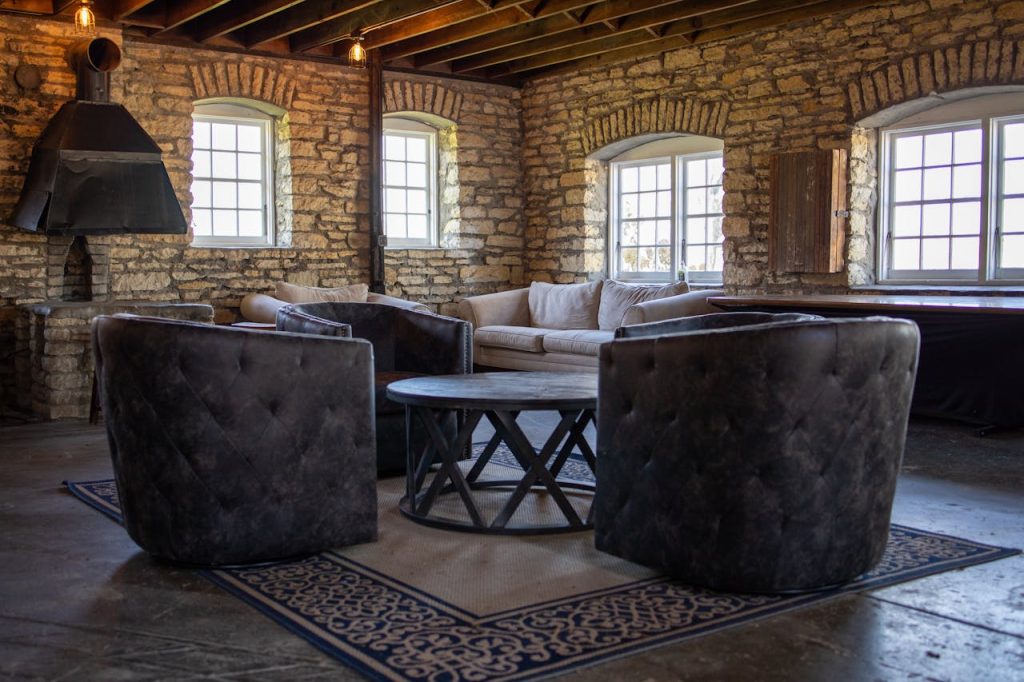
Mass-produced farmhouse-style furniture with fake distressing and cookie-cutter designs is quickly falling out of favor. While rustic charm still has its place, designers now lean toward authentic vintage or well-made reproductions. Faux farmhouse items often feel forced and lack the depth that true, time-worn pieces bring to a space. The key is quality craftsmanship over imitation.
5. Bulky Sectionals That Overwhelm the Space
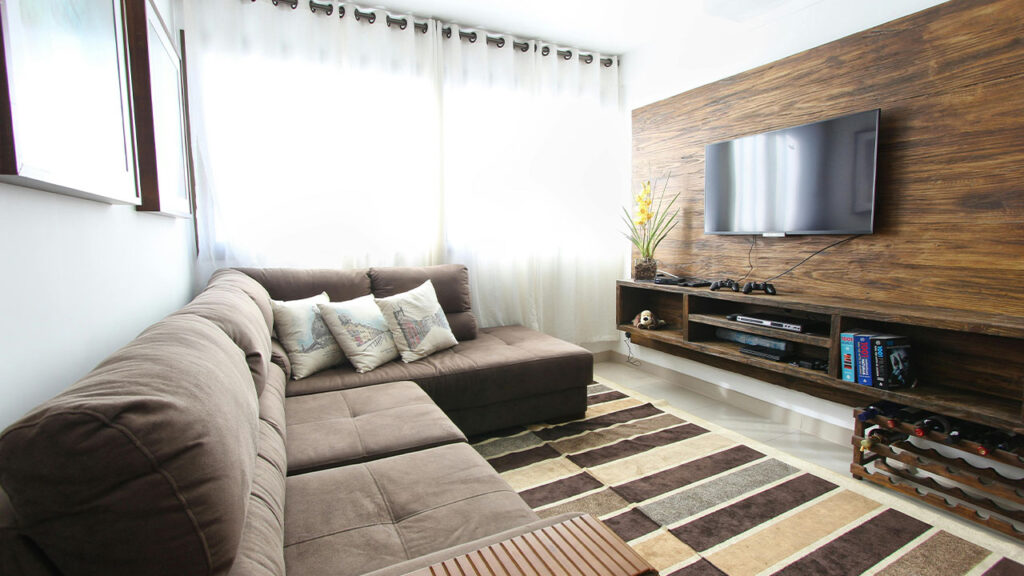
While sectionals offer ample seating, overly large or heavy ones can overpower a room, especially in smaller or open-plan layouts. Designers are moving toward modular or low-profile sectionals that still provide comfort without blocking flow or natural light. Sleeker silhouettes help maintain visual openness and make it easier to balance proportions throughout the living area.
6. All-Mirrored Furniture That Feels Dated
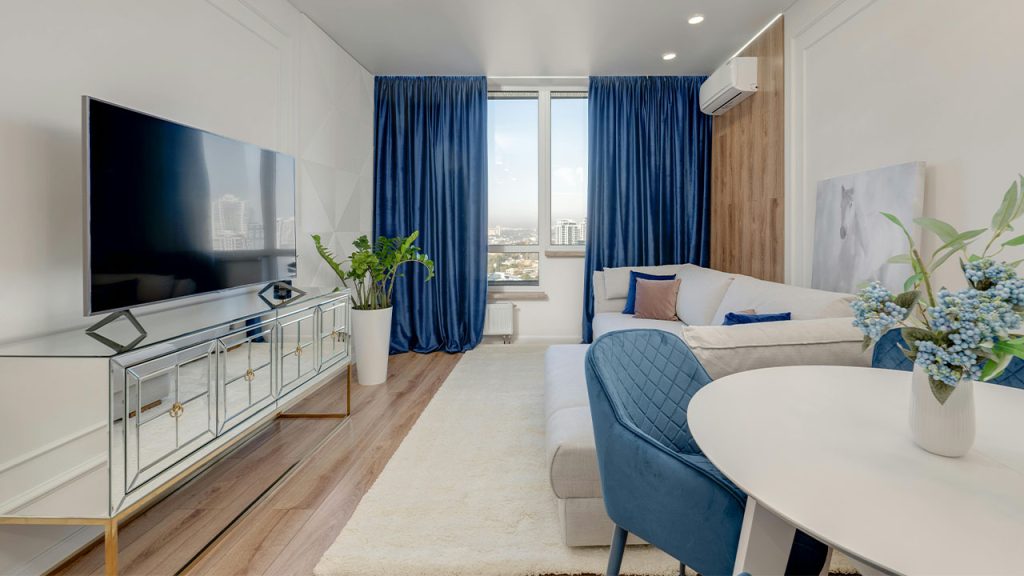
Once considered glamorous, all-mirrored furniture has lost its shine with designers in 2025. These pieces tend to look overly flashy and often date a room rather than elevate it. They’re also high-maintenance, showing smudges, fingerprints, and scratches easily. Designers now prefer more subtle reflective accents or materials with natural texture that bring depth without dominating the space.
7. Shabby Chic Styles with Excessive Distressing
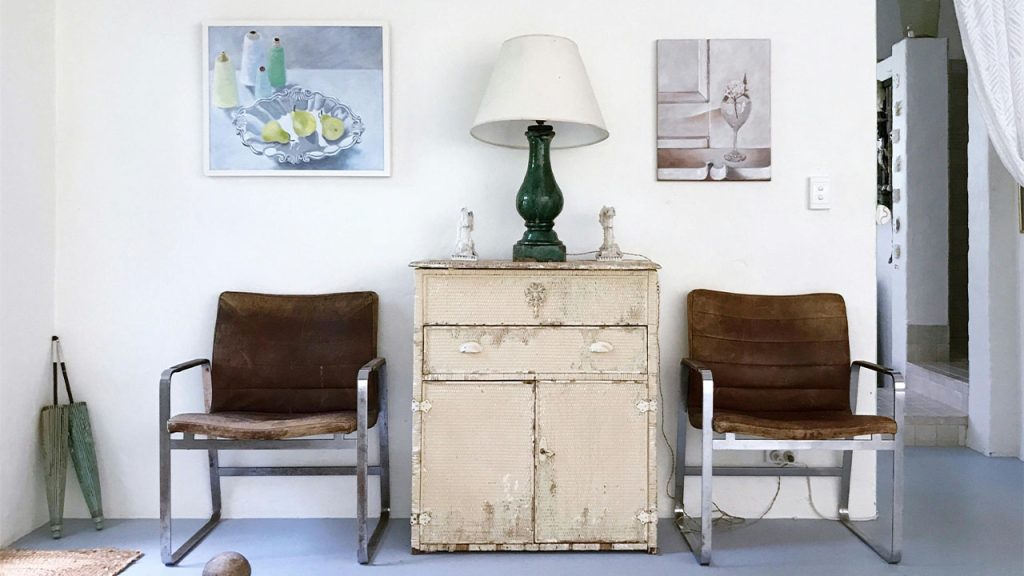
The overly distressed, whitewashed look of shabby chic furniture is no longer charming—it’s tired. While vintage-inspired pieces still have appeal, furniture that looks aggressively worn or artificially aged can feel inauthentic and outdated. Designers are opting for cleaner, more refined pieces that nod to the past without looking like they’ve survived a storm.
8. Ultra-Minimalist Pieces That Sacrifice Comfort
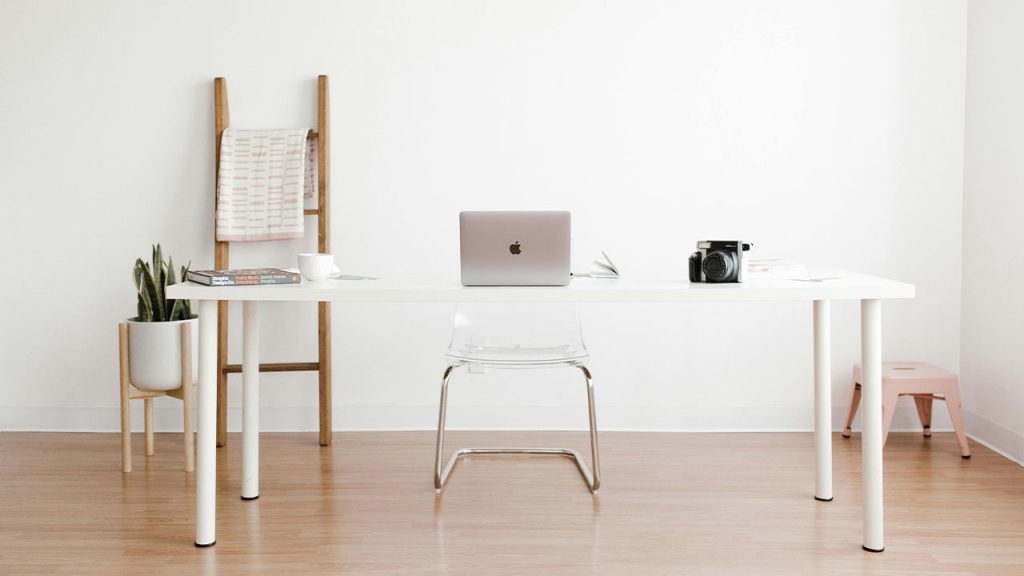
Minimalist furniture that looks sleek but feels stiff is quickly falling out of favor. In 2025, designers are moving away from pieces that prioritize aesthetics over livability. Ultra-streamlined sofas or chairs with little cushioning or ergonomic support may fit the minimalist mold, but they don’t invite relaxation. Comfort and function are now as important as form.
9. Fast-Fashion Furniture Lacking Durability
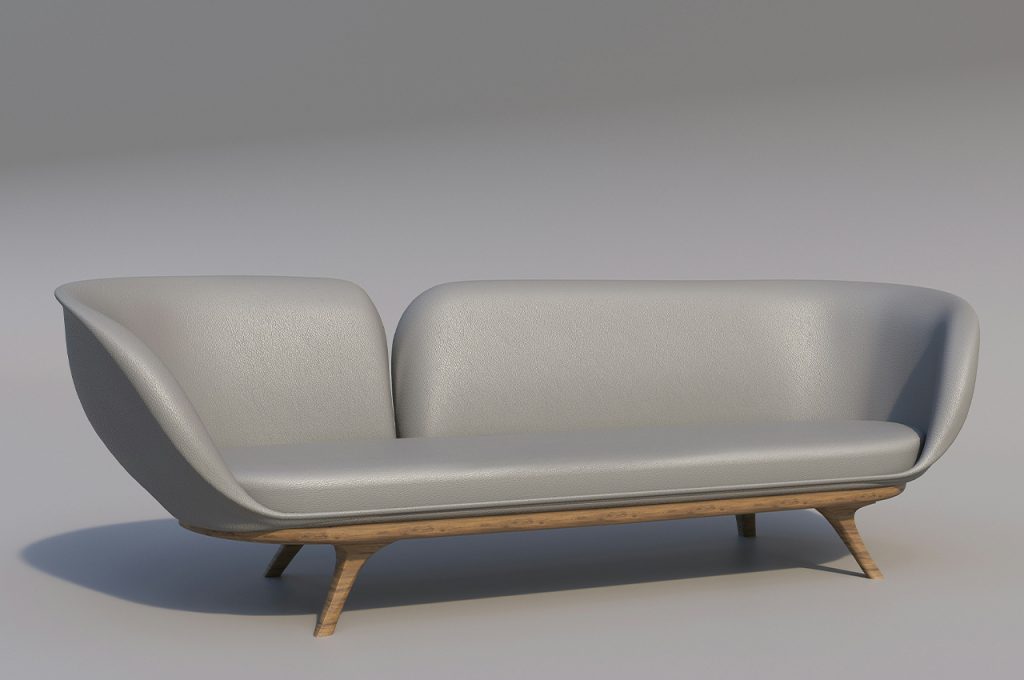
Trendy, low-cost furniture that’s designed to be replaced in a year or two is a no-go for designers focused on sustainability and longevity. These pieces often use flimsy materials, don’t wear well, and contribute to waste. Instead, there’s a growing appreciation for well-crafted, timeless furniture—even if it means investing more upfront for quality that lasts.
10. Excessive Tufting on Every Piece
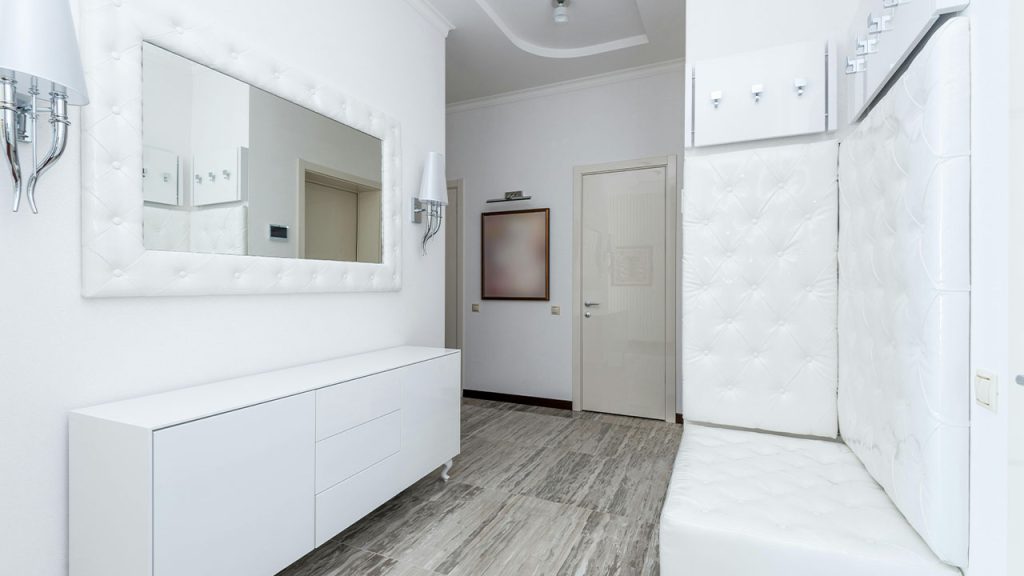
Tufted upholstery can add a touch of elegance, but when every chair, headboard, and ottoman is covered in buttons, it starts to feel overdone. Designers in 2025 are saying no to excessive tufting that overwhelms the eye. Instead, they’re embracing cleaner lines with occasional tufted accents used purposefully, allowing texture and form to shine without visual clutter.
11. Industrial Designs That Feel Too Harsh
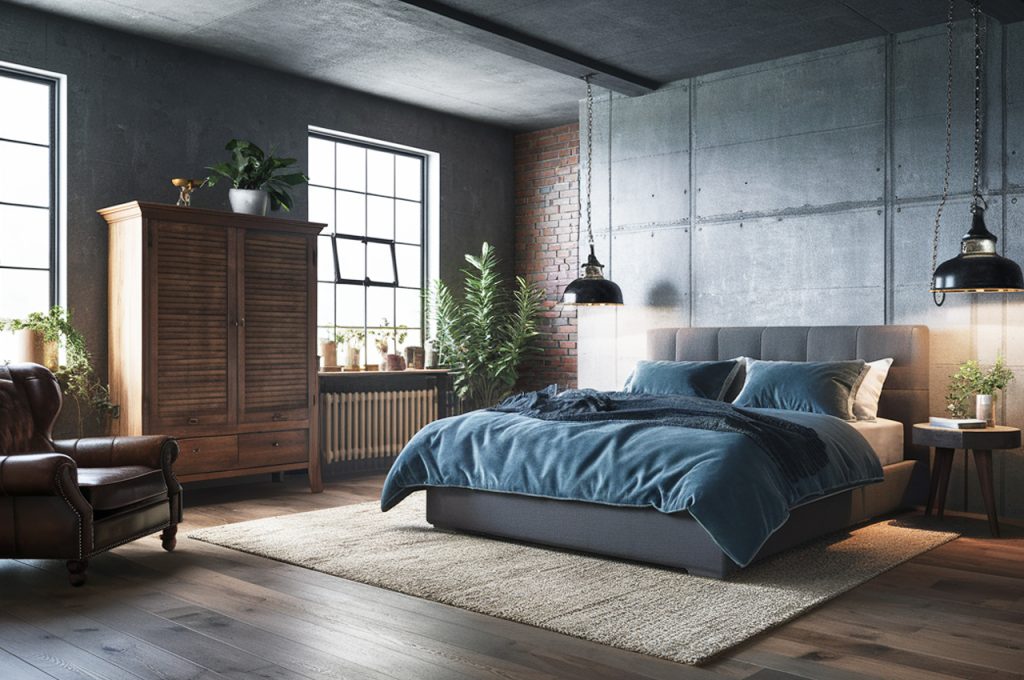
Industrial-style furniture with cold metal frames, rough wood, and a stark, utilitarian feel is losing its appeal in 2025. While the style once added an edgy vibe, its overly raw aesthetic now feels harsh and uninviting in residential spaces. Designers are moving toward softer interpretations—mixing in warmer finishes, rounded edges, and cozy textures to create a more balanced, livable look.
12. Ornate, Baroque-Inspired Furniture in Modern Homes
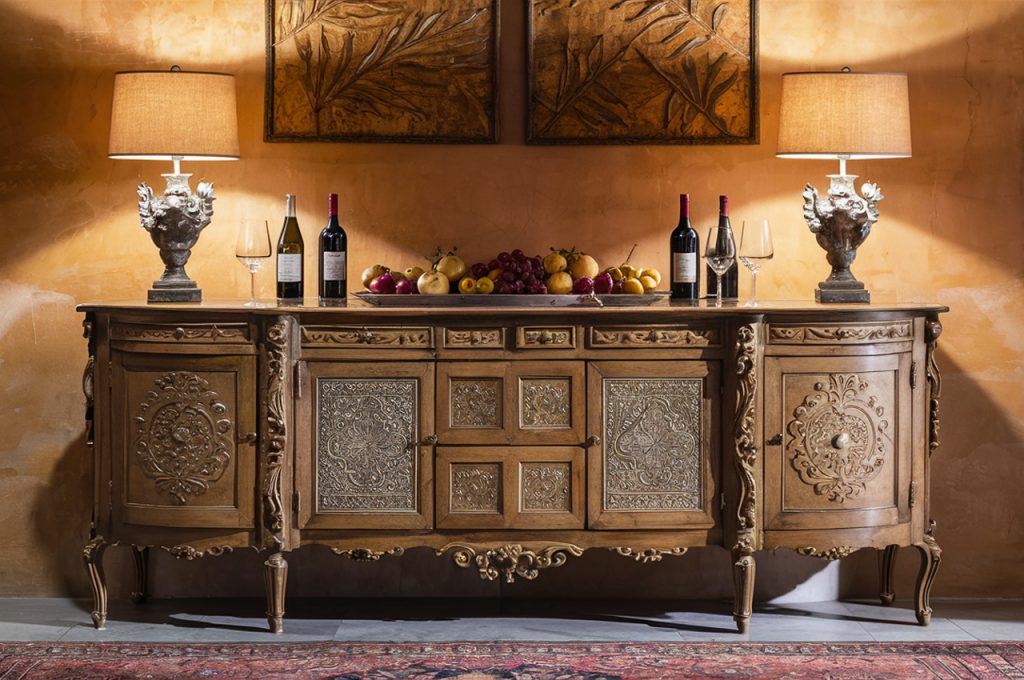
Baroque-style furniture with heavy carvings, gold embellishments, and oversized silhouettes feels out of place in today’s streamlined homes. These grandiose pieces can easily clash with modern architecture and make rooms feel cluttered and dated. Designers now favor furnishings with subtle classical nods—think refined curves and quality craftsmanship—without the overwhelming drama of past eras.
This article was created with the assistance of AI but thoroughly edited by a human being.