

As concerns over water conservation, biodiversity, and climate change grow, traditional grass lawns are quickly falling out of favor. Experts predict that by 2040, homeowners will embrace bolder, more sustainable alternatives that are both visually striking and eco-friendly. From wildflower meadows to edible landscapes, these innovative garden ideas are set to redefine what a front or backyard should look like in the near future.
1. Native Wildflower Meadows
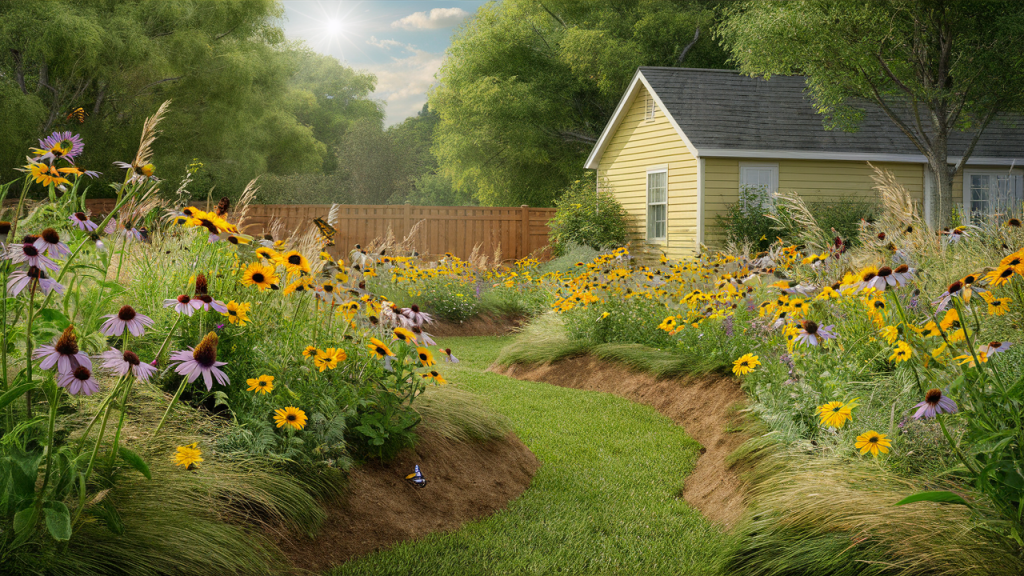
Replacing traditional lawns with native wildflower meadows brings a burst of seasonal color and supports local biodiversity. These meadows require less mowing and water, while attracting bees, butterflies, and birds. They create a dynamic, ever-changing landscape that mimics natural ecosystems, offering beauty with ecological benefits.
2. Edible Landscapes with Fruits and Vegetables
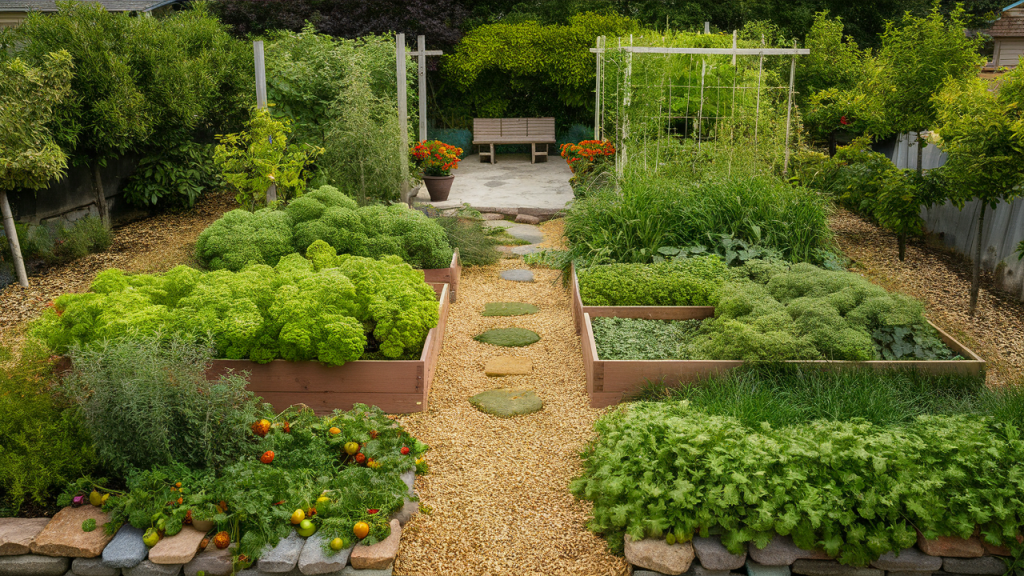
Edible landscapes combine beauty and functionality by mixing ornamental plants with fruits, herbs, and vegetables. From blueberry shrubs to kale borders, these gardens offer a steady harvest while reducing grocery bills. They promote sustainability, encourage outdoor activity, and turn yards into productive, edible ecosystems.
3. No-Mow Clover Lawns
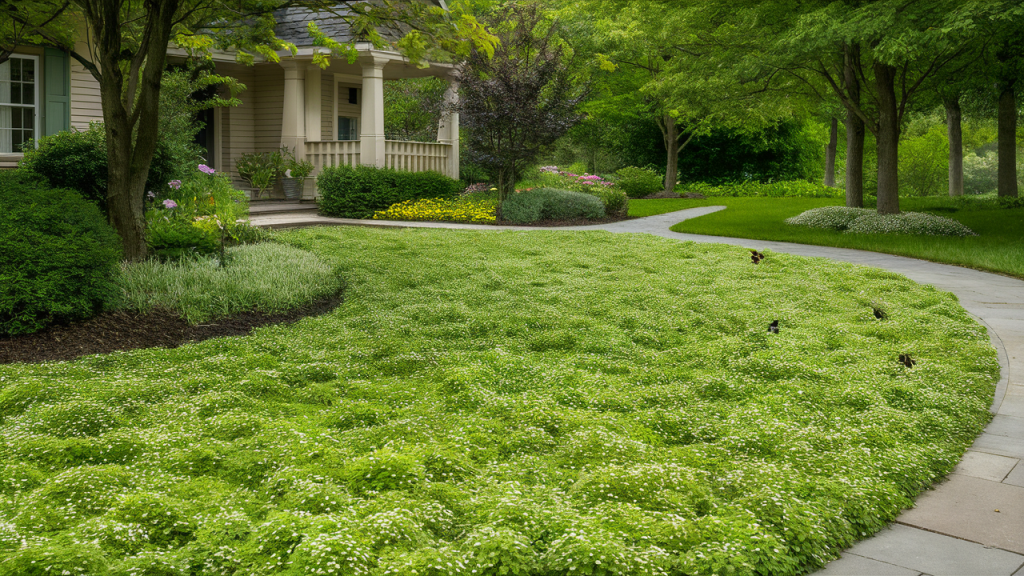
Clover lawns are becoming a favorite lawn alternative due to their lush, green appearance and low maintenance needs. These lawns stay green longer, require less water and mowing, and enrich soil with nitrogen naturally. Clover attracts pollinators and resists common lawn pests, making it an eco-friendly and practical replacement.
4. Gravel and Rock Gardens
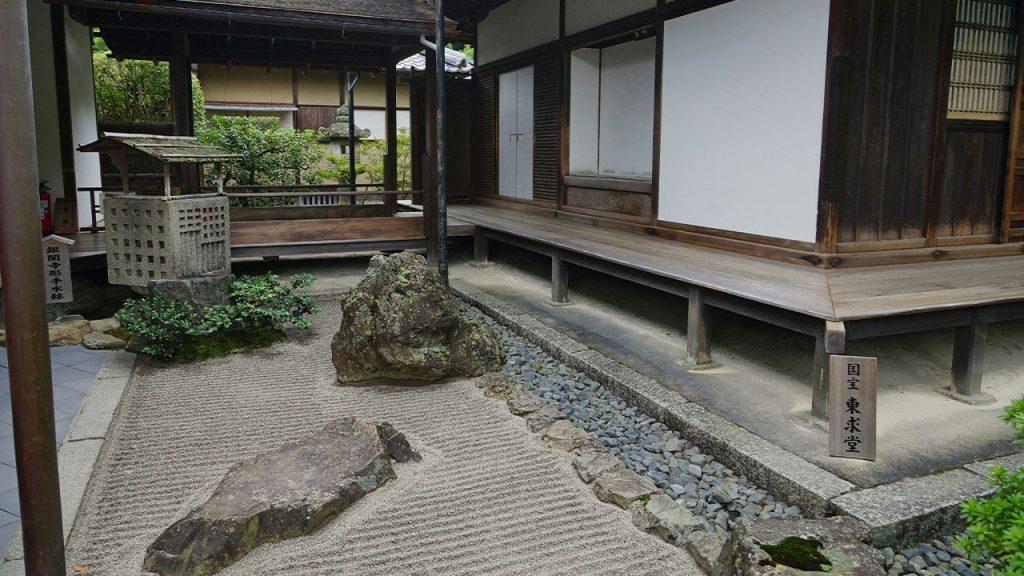
Gravel and rock gardens offer a clean, modern aesthetic with incredible drought tolerance. Ideal for dry climates, they reduce water use and eliminate mowing altogether. These landscapes often feature low-maintenance succulents, grasses, and hardy perennials, creating texture and visual interest with minimal upkeep.
5. Pollinator-Friendly Planting Zones
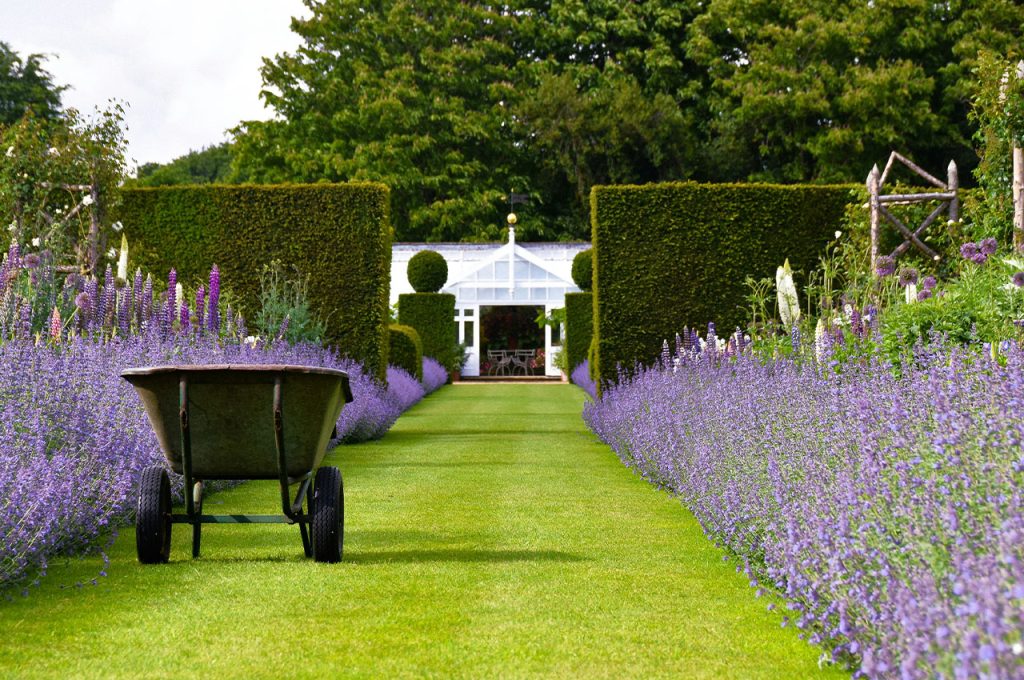
Gardens designed with pollinators in mind feature nectar-rich plants like milkweed, bee balm, and lavender. Grouped in dense clusters, these flowers provide food and shelter for bees, butterflies, and hummingbirds. These zones support declining pollinator populations and bring vibrant color and motion to any yard.
6. Ground Cover Gardens with Creeping Plants
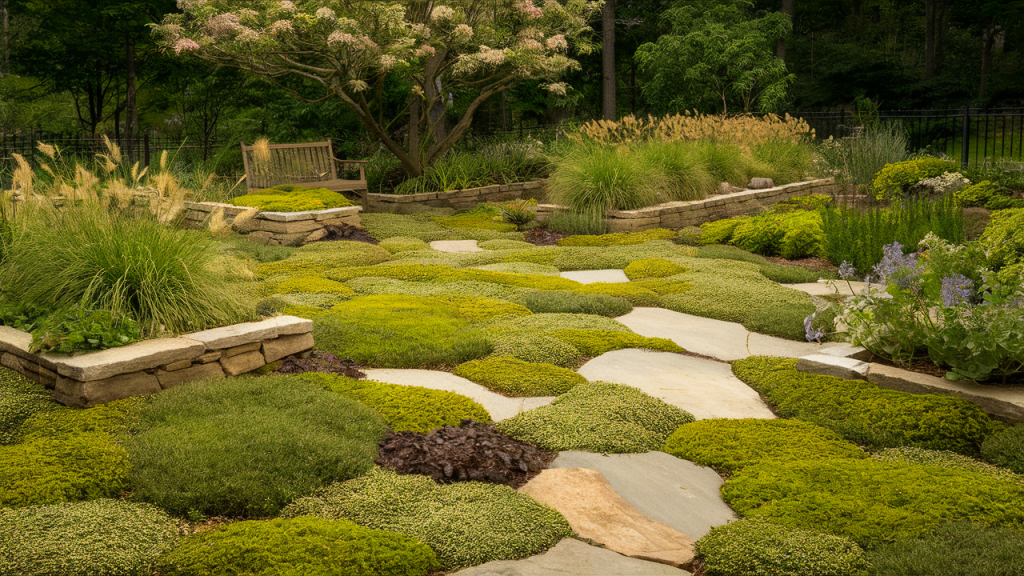
Ground cover gardens use low-growing plants like creeping thyme, moss, or ajuga to form dense, carpet-like layers that replace grass. These living tapestries prevent erosion, crowd out weeds, and require far less water and mowing than traditional lawns. They also add texture and color, creating a lush and inviting landscape.
7. Rain Gardens for Stormwater Management
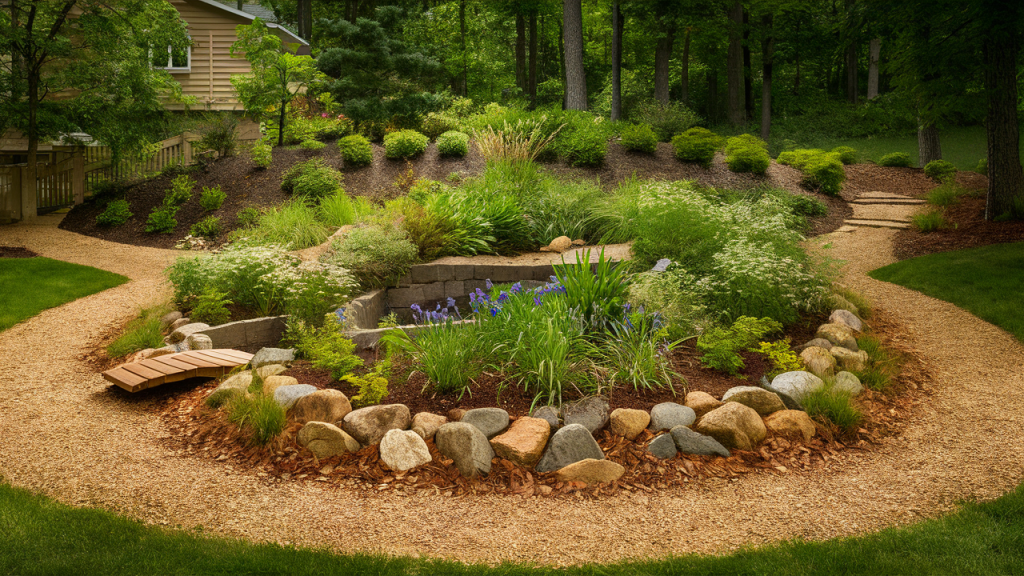
Rain gardens are shallow, planted basins designed to capture and filter stormwater runoff. Filled with native plants that thrive in wet conditions, they help reduce erosion, recharge groundwater, and prevent pollutants from reaching waterways. These functional features also double as attractive focal points in sustainable landscapes.
8. Drought-Tolerant Xeriscaping
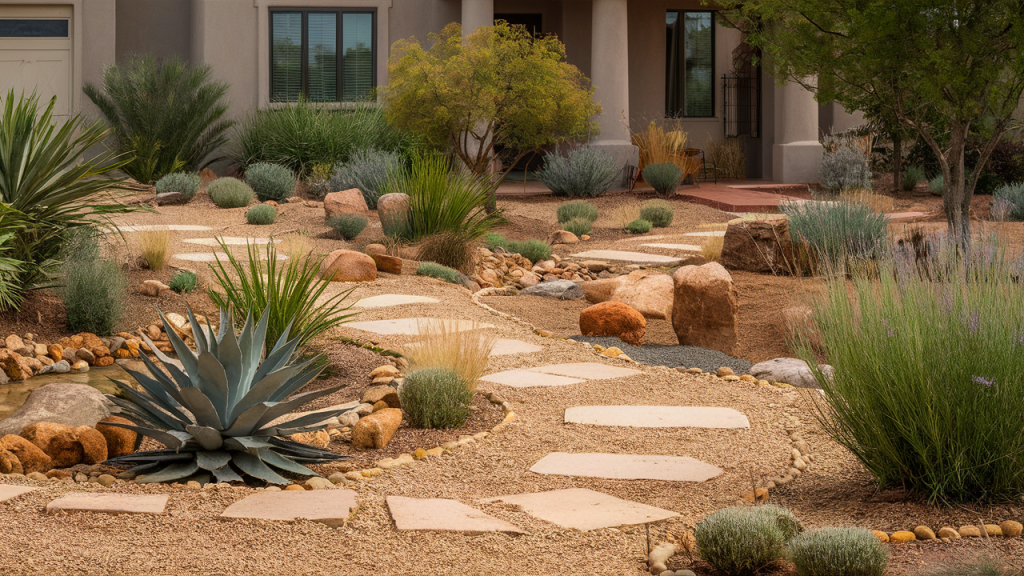
Xeriscaping focuses on using drought-tolerant plants like succulents, ornamental grasses, and native shrubs to create striking, low-water landscapes. By minimizing lawn space and prioritizing efficient irrigation, xeriscaping reduces water use and maintenance. It’s ideal for dry climates and environmentally conscious homeowners.
9. Vertical Gardens and Living Walls
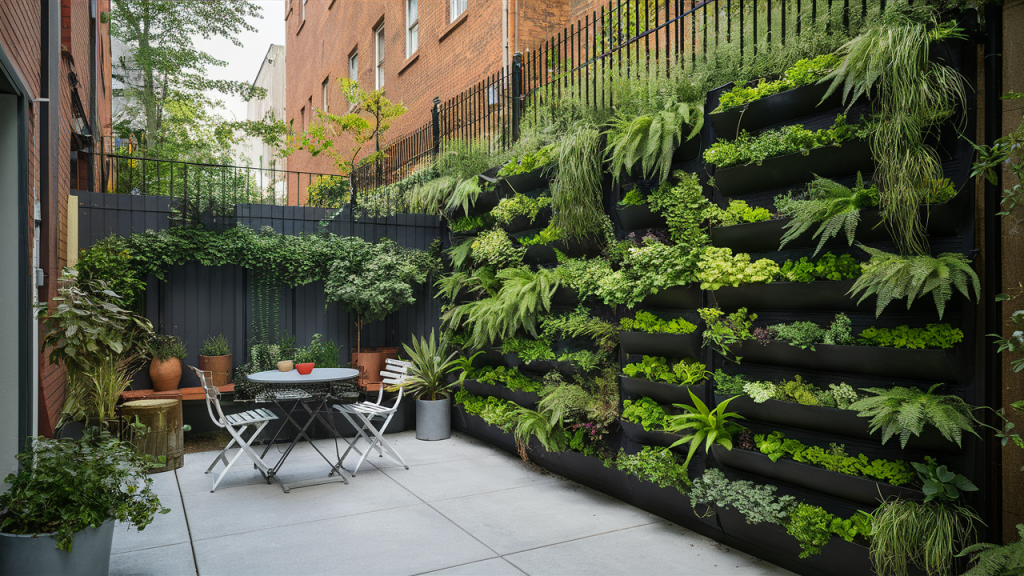
Vertical gardens make use of walls and upright structures to grow herbs, flowers, or foliage in small spaces. These living walls maximize planting space, offer natural insulation, and add greenery where lawns won’t grow. Perfect for urban yards and patios, they create dramatic, space-saving displays with environmental benefits.
10. Permaculture-Style Yards
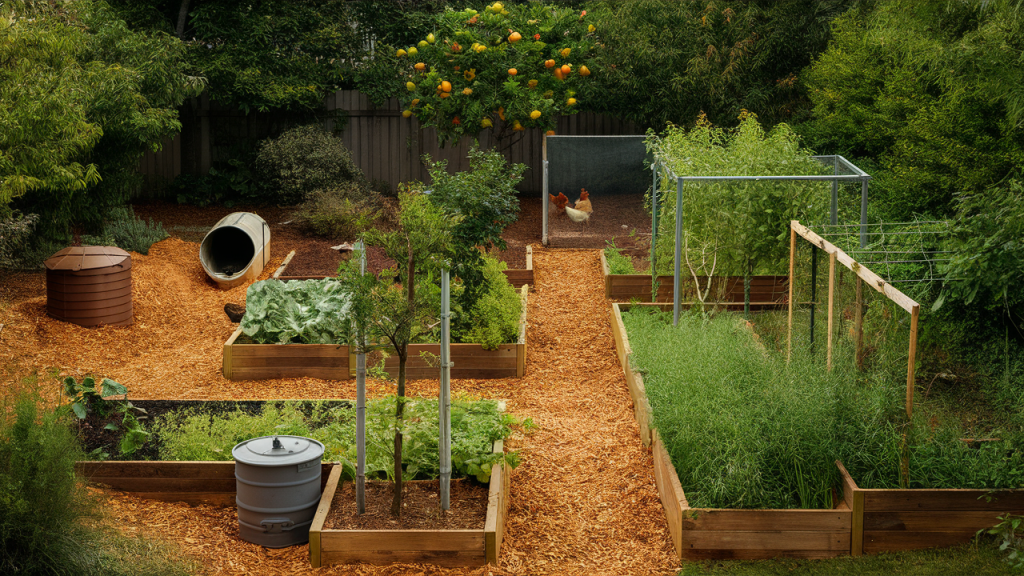
Permaculture yards mimic natural ecosystems by incorporating layered plantings, compost systems, and water harvesting features. Designed for sustainability and self-sufficiency, they blend edible plants, native species, and wildlife habitats. The result is a productive, low-maintenance garden that regenerates rather than depletes resources.
11. Rewilded Natural Lawns
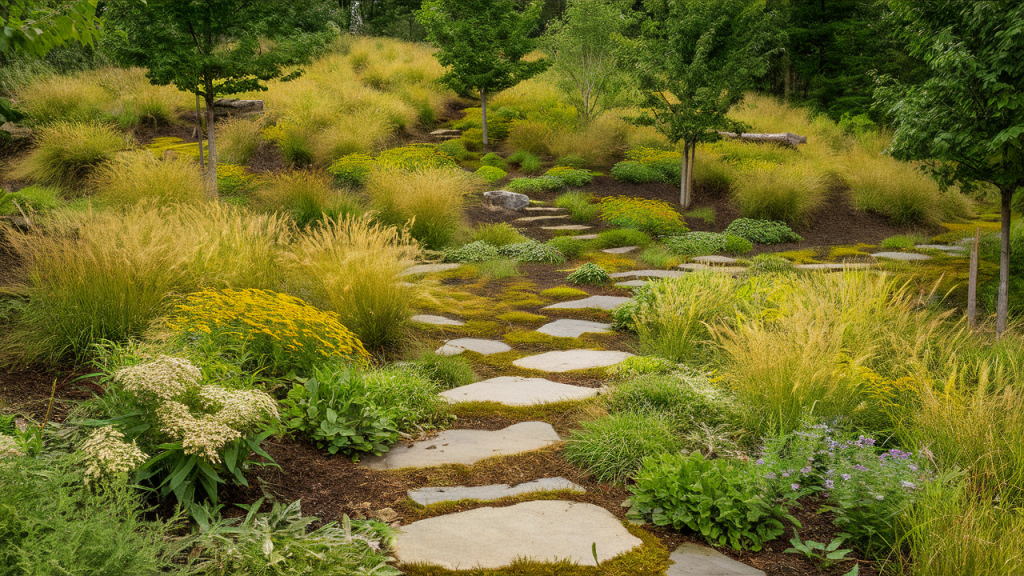
Rewilded lawns embrace nature by allowing grass to grow freely and mixing in native plants and wildflowers. This low-maintenance approach supports pollinators, improves soil health, and mimics natural ecosystems. Rather than the uniform look of a traditional lawn, rewilded yards offer a soft, meadow-like aesthetic that changes with the seasons.
12. Mixed Shrub and Ornamental Grass Borders
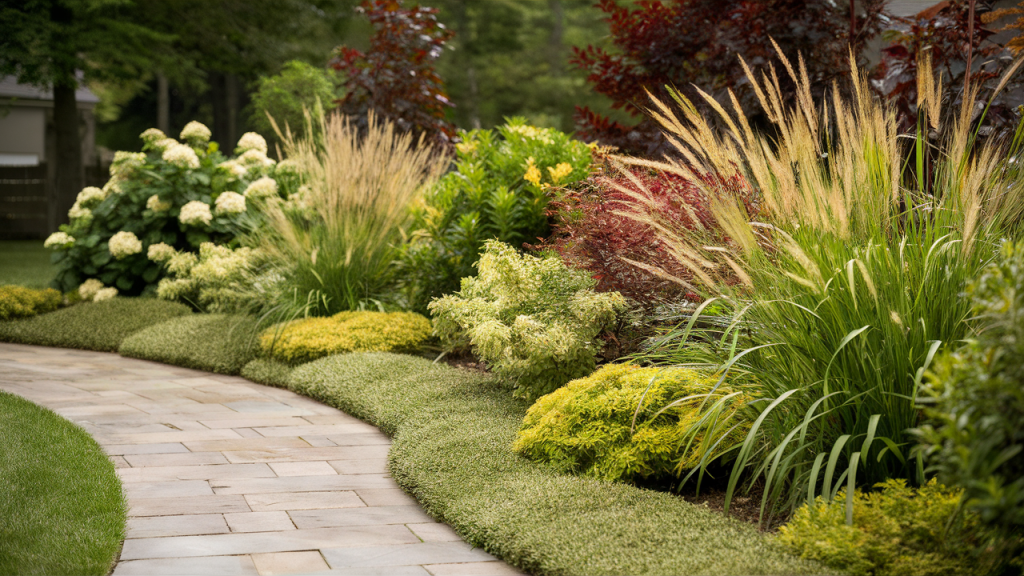
Combining flowering shrubs with ornamental grasses creates layered, textural borders that offer year-round interest. These mixes provide structure, movement, and color while supporting biodiversity. Unlike lawns, these plantings require less mowing and watering, making them a stylish and sustainable alternative for framing paths, patios, or fences.
Want to see more from Remodr?

Drop a comment below, share this with your friends and family, and don’t forget to follow us for more fresh ideas, updates, tips, and home trends.
This article was created with the assistance of AI but thoroughly edited by a human being.