
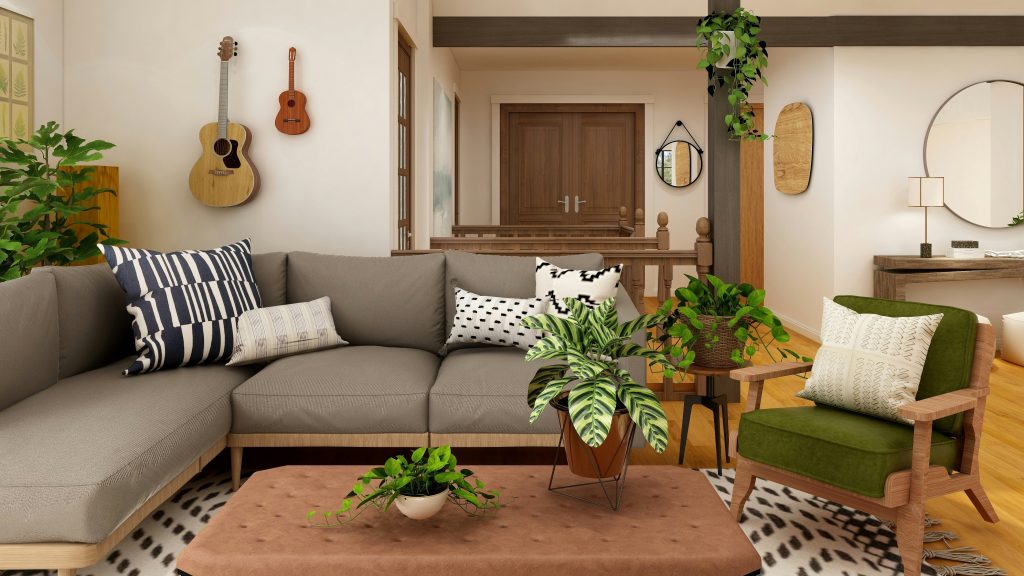
From the rolling hills of the English countryside to the storybook charm of a French hamlet, European cottages have long enchanted design lovers with their authenticity, craftsmanship, and cozy spirit. Now, American homeowners are beginning to adopt the very details that make these cottages unique. Here are 11 distinctive elements from European cottages that are quickly making their way into American homes, each offering a timeless charm rooted in tradition.
1. Exposed Wooden Beams
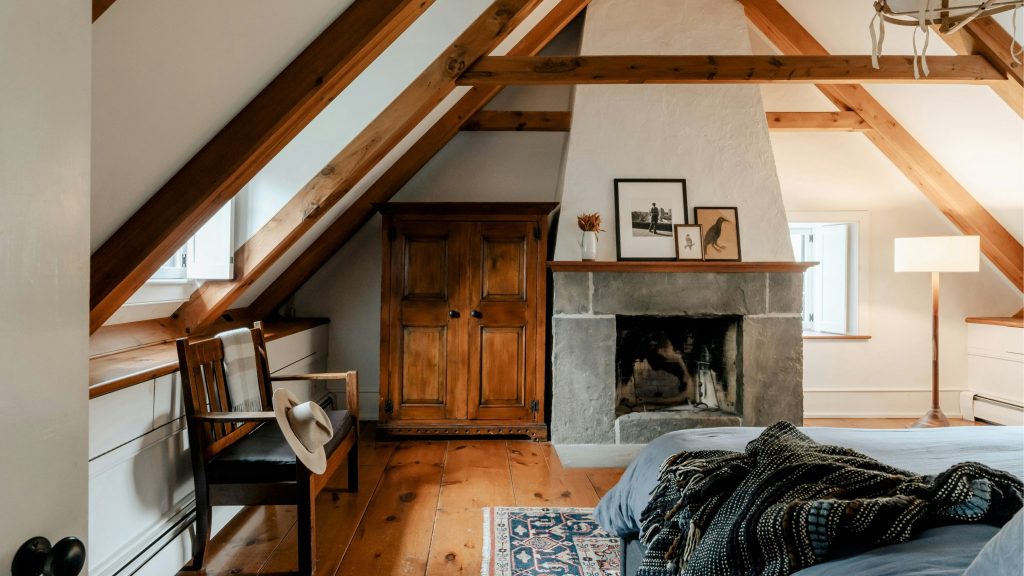
In European cottages, exposed wooden beams are more than just structural necessities, they’re visual testaments to age-old craftsmanship and character. Often made from reclaimed timber, these beams embrace natural imperfections like knots, cracks, and uneven grain, which only deepen their charm. They lend warmth, texture, and a lived-in feel to ceilings, drawing the eye upward and adding a sense of history. Paired with white plaster walls, the contrast is striking rustic yet elegant. Each beam tells a story, quietly reminding us of the generations who’ve lived, laughed, and built lives beneath them.
2. Stone Walls and Lime Plaster Finishes
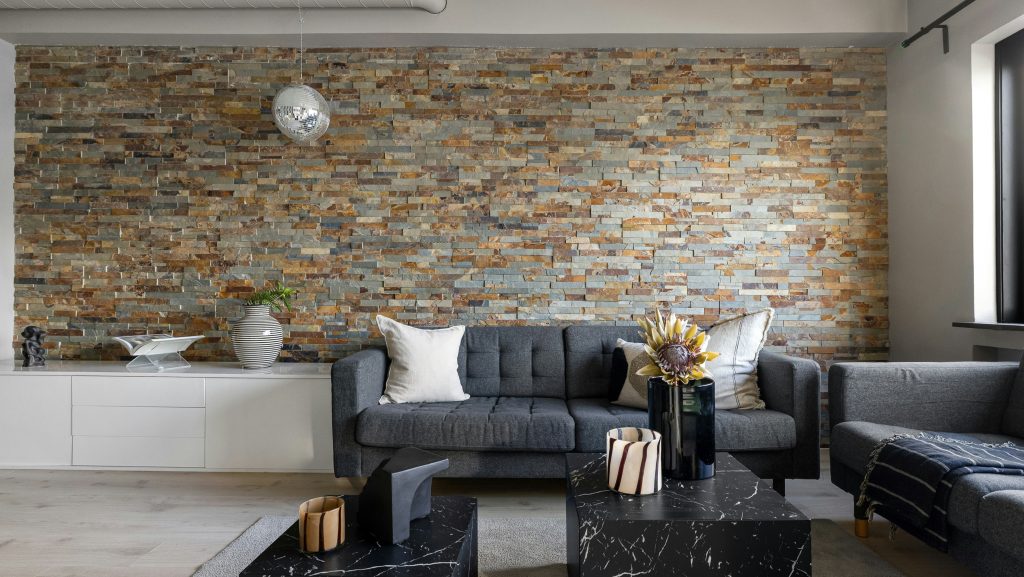
Stone walls, often paired with breathable lime plaster, are iconic in European cottages. These walls are not just aesthetically pleasing, they naturally regulate temperature and moisture, making interiors feel cozy in the winter and cool in the summer. Their irregular, handmade texture adds timeless charm, reminding homeowners of the generations of craftsmanship behind them. In America, designers are increasingly embracing this look, using either real stone or high-quality faux finishes to recreate the old-world character. These materials bring warmth, depth, and a sense of history into modern homes.
3. Deep Windowsills
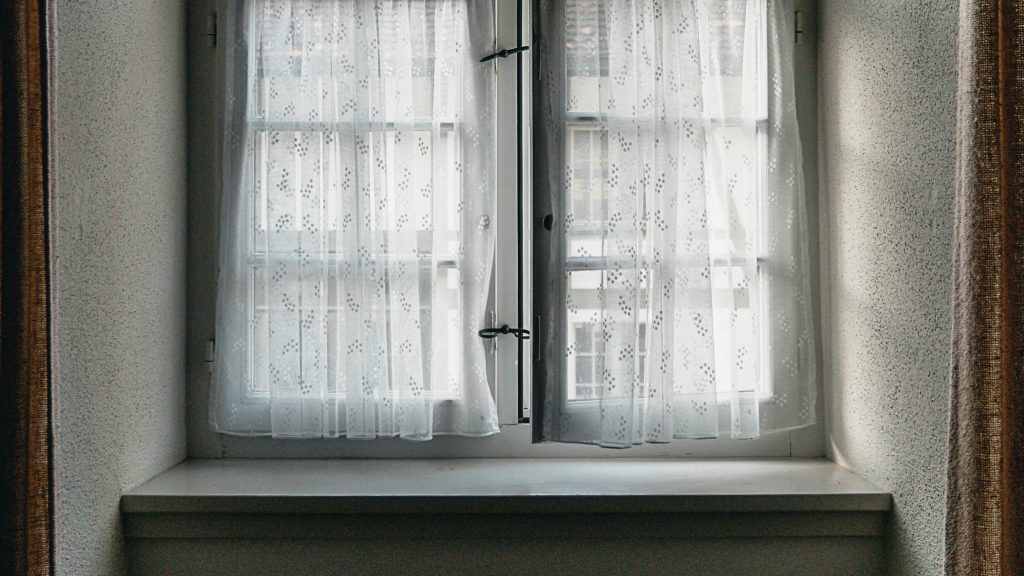
One charming result of thick masonry walls is the deep windowsill, a beloved feature in many European cottages. These wide ledges are often used for seating, plant displays, or cozy reading nooks. They frame the landscape outside like a painting, making windows not just functional but central to the home’s design. In older homes, these sills also served practical purposes, keeping out the cold and offering extra insulation. Today, American homes are embracing similar designs through creative wall and trim construction, adding character, charm, and usable space to even the most modern builds.
4. Thatched or Clay Tile Roofs
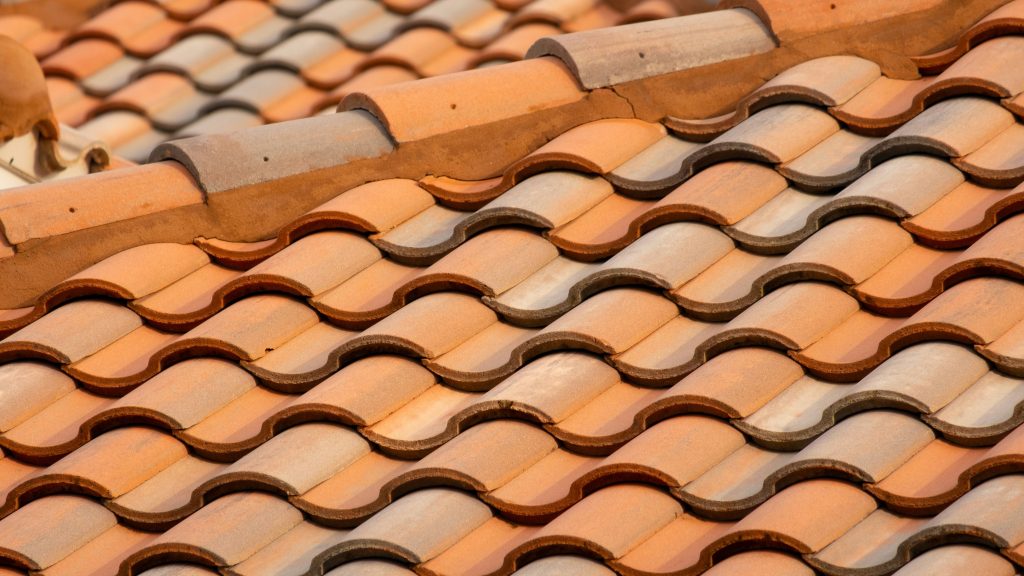
A quintessential feature of cottages from England to Spain, thatched and clay tile roofs are as practical as they are beautiful. Thatched roofs, made from dry vegetation like straw or reeds, offer excellent insulation, keeping homes cool in summer and warm in winter. Clay tile roofs, common in Mediterranean cottages, are known for their durability, fire resistance, and charming weathered appearance. Though rarely used in the U.S. due to cost and climate, modern homes now mimic these textures using synthetic materials that capture the same cozy, storybook appeal, blending tradition with innovation.
5. Built-In Nooks and Alcoves
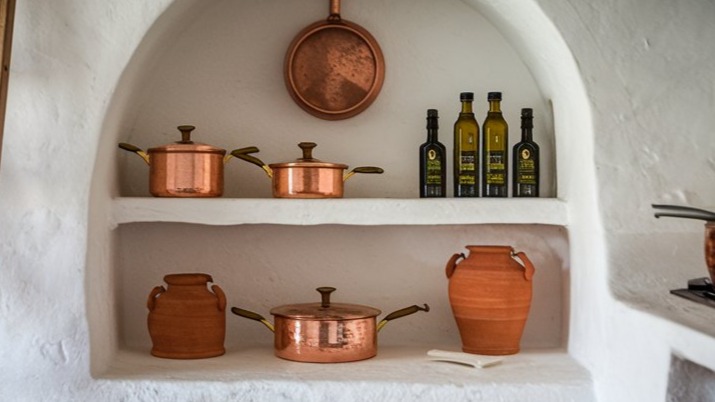
European cottages often include built-in nooks carved into thick walls perfect for displaying heirlooms, storing books, or housing kitchen staples. These charming recesses stem from space-saving traditions and the cottage’s naturally organic layout. Centuries ago, when furniture was a luxury, homeowners made use of every inch of their stone or plaster walls. Today, American designers are embracing this old-world detail for its ability to add both charm and functionality, turning bare walls into cozy, personalized spaces without the need for bulky furniture.
6. Leaded Glass Windows
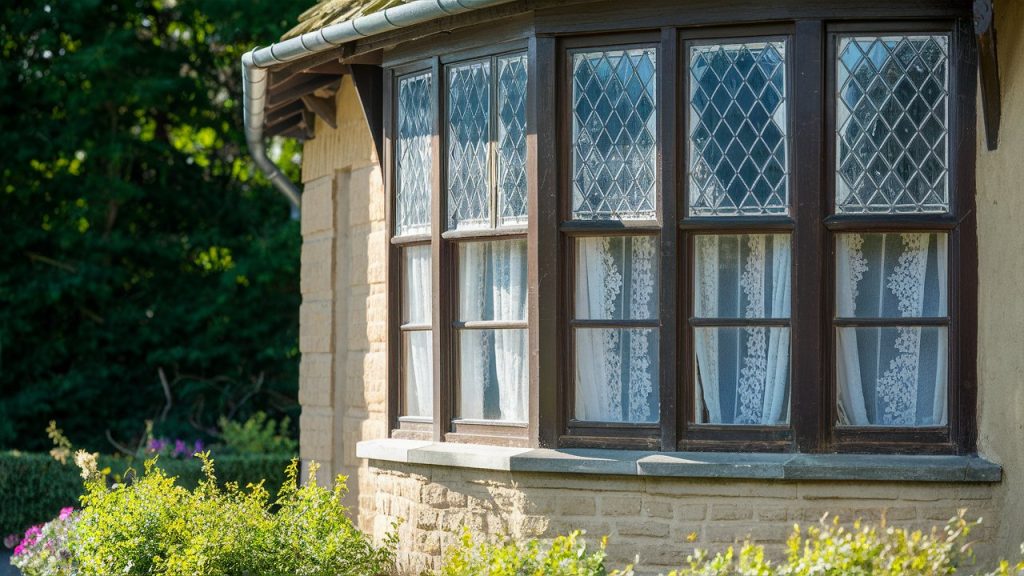
Delicate leaded glass windows are typical in older European homes, where small panes are pieced together with intricate leadwork. These windows allow soft light to enter while maintaining a sense of privacy and artistry. In America, modern replicas using insulated glass and faux lead are finding favor, bringing vintage charm with today’s energy efficiency. Homeowners love how these windows evoke a timeless, handcrafted feel while still meeting modern standards. They’re especially popular in cottages, Tudors, and even some contemporary spaces seeking a touch of old-world elegance without sacrificing comfort or performance.
7. Handcrafted Wooden Doors
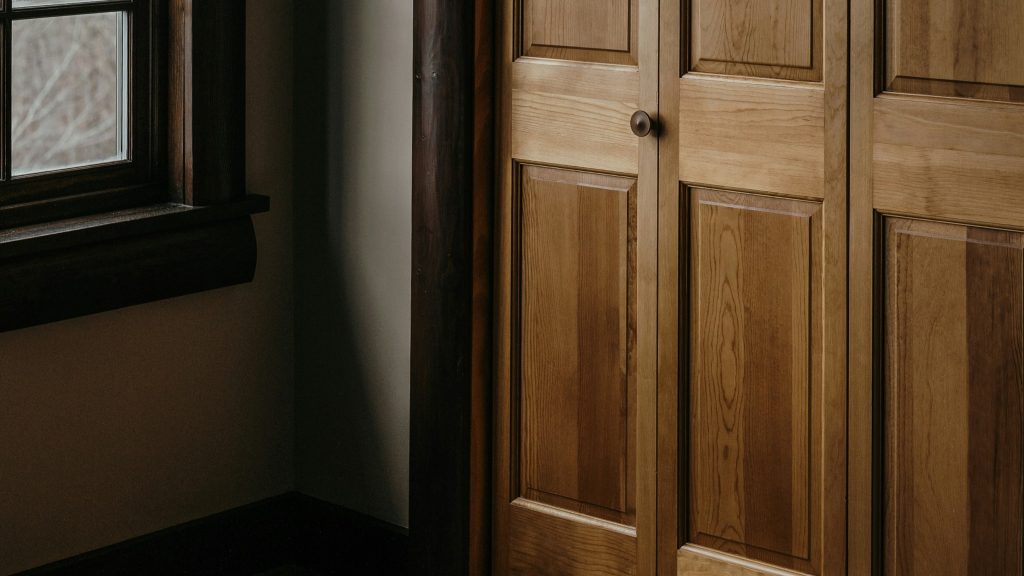
European cottage doors are often solid wood with visible grain, ironwork accents, and charming imperfections that reveal the maker’s hand. These doors reflect local traditions arched in Alpine regions, rectangular in the Low Countries and are typically crafted from oak, pine, or chestnut. The rich patina and hand-forged hardware add both character and a sense of history. American homeowners are now embracing this old-world charm, swapping out cookie-cutter doors for bespoke pieces that feel warm, lived-in, and uniquely personal, bringing craftsmanship back to the forefront of home design.
8. Weathered Shutters
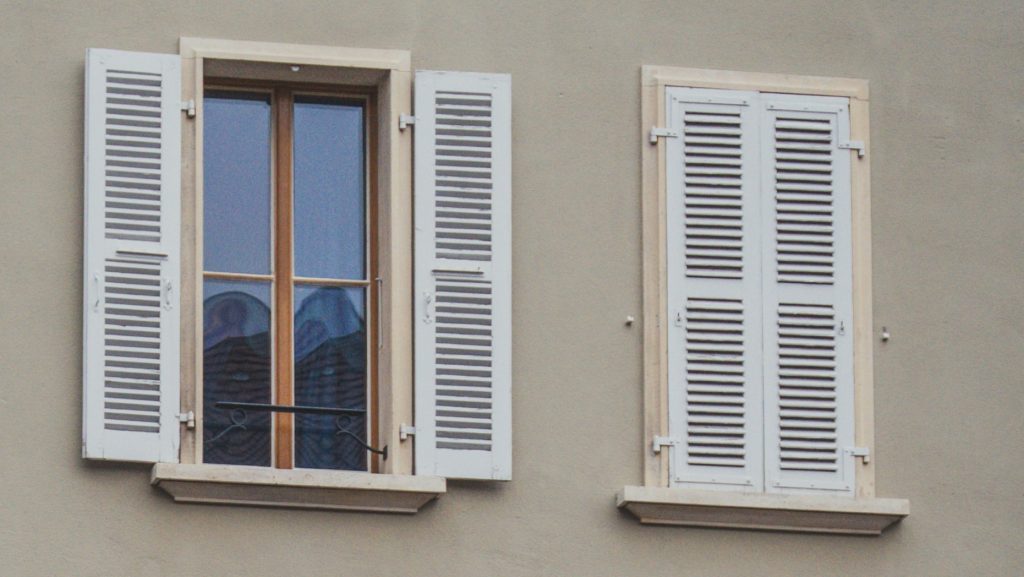
Functional and decorative, shutters in European cottages are typically made of solid wood, painted in muted, earthy tones, and crafted to age gracefully with time. These shutters do more than just frame the windows, they offer protection from harsh sun, wind, and storms, and help insulate the home during colder months. Their rustic charm adds depth and authenticity to the façade, telling stories of tradition and craftsmanship. As U.S. homeowners aim for that same timeless, lived-in look, many are swapping out flimsy, purely ornamental shutters for durable, operable ones that offer both charm and purpose.
9. Stone or Brick Fireplaces
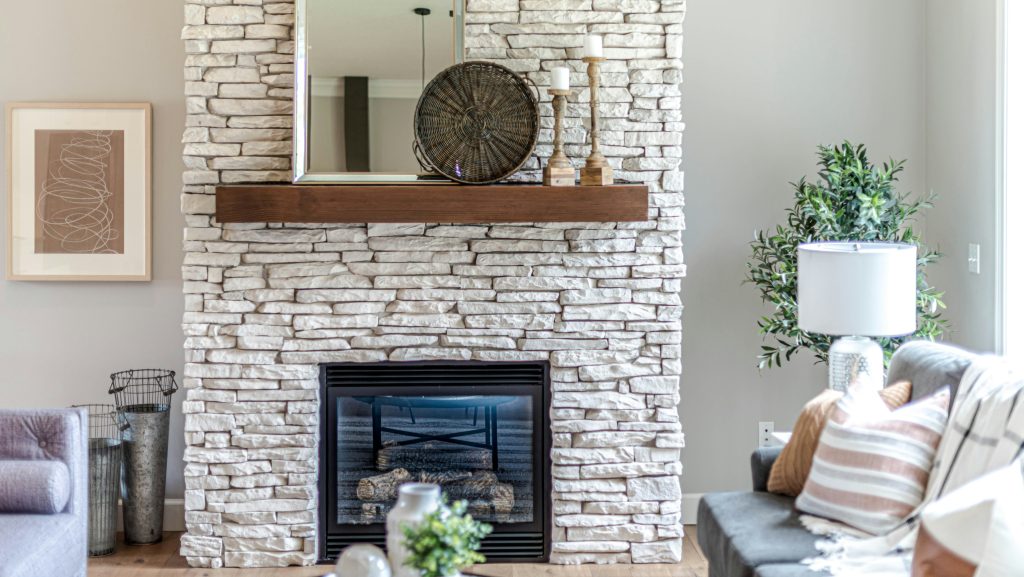
In a European cottage, the fireplace is often the heart of the home. Crafted from local stone or aged brick, these fireplaces are both a source of warmth and a gathering place for family and friends. They’re not just decorative, they’re functional, radiating a steady, comforting heat on chilly evenings. Unlike modern American fireplaces that lean toward sleek and minimal, European cottage hearths celebrate a kind of imperfect charm. The soot-stained stone, the hand-carved mantels, and the crackle of real wood evoke tradition and coziness. More Americans are now embracing this rustic aesthetic.
10. Wild Cottage Gardens
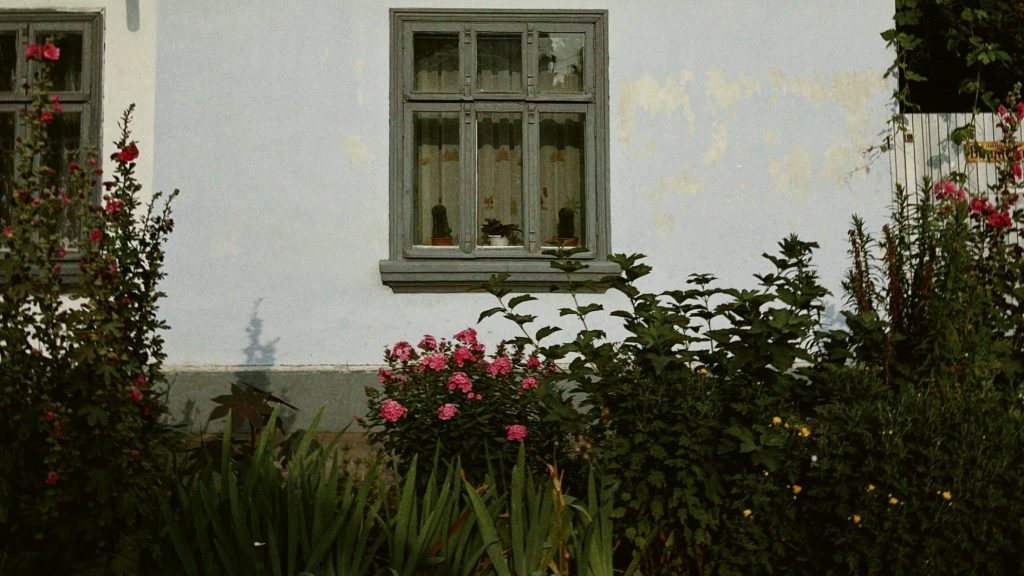
The romantic, slightly unkempt cottage garden is as European as the cottage itself. These gardens embrace a natural, informal style, prioritizing native perennials, winding paths, and a relaxed layering of color and texture. There’s no rush to make everything perfect, it’s about creating a space that feels lived-in and organic. Americans, inspired by this old-world charm, are stepping away from the traditional, manicured lawn. Instead, they’re choosing pollinator-friendly blooms, fragrant herbs, and herbaceous borders that not only beautify but also contribute to the local ecosystem.
11. Aged Patinas and Layered Interiors
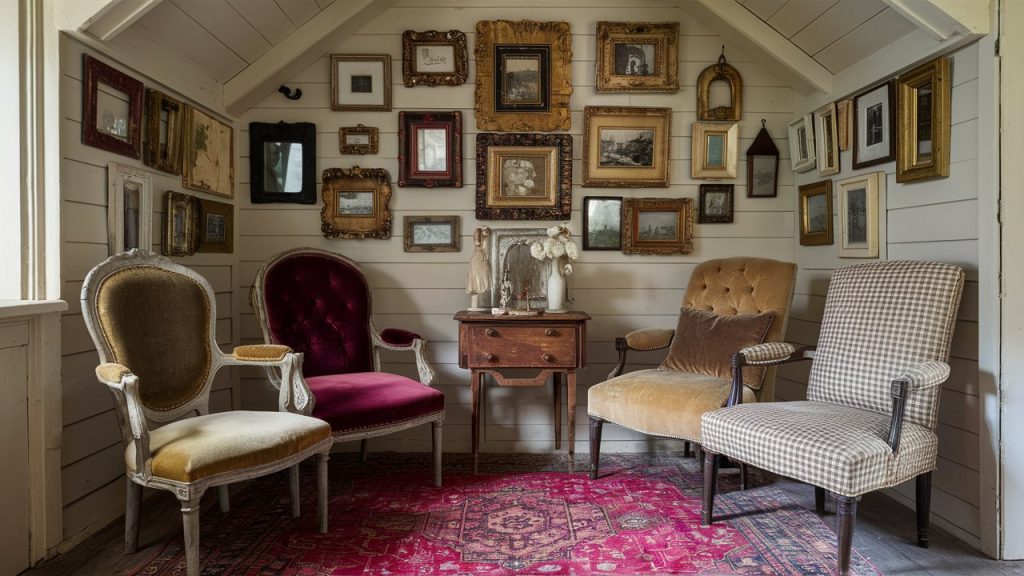
Perhaps the most intangible, yet most defining trait of European cottages is the sense of lived-in age. From layered textiles and inherited furniture to timeworn finishes and mismatched hardware, these spaces tell stories. Each item holds a memory, from a well-worn armchair to a creaky floorboard. Instead of sterile minimalism, American interiors are now leaning into this aesthetic, curating rooms that feel collected, not decorated. The beauty of European cottages lies in their charm embracing imperfections and celebrating the passage of time.
This article was created with the assistance of AI but thoroughly edited by a human being.