
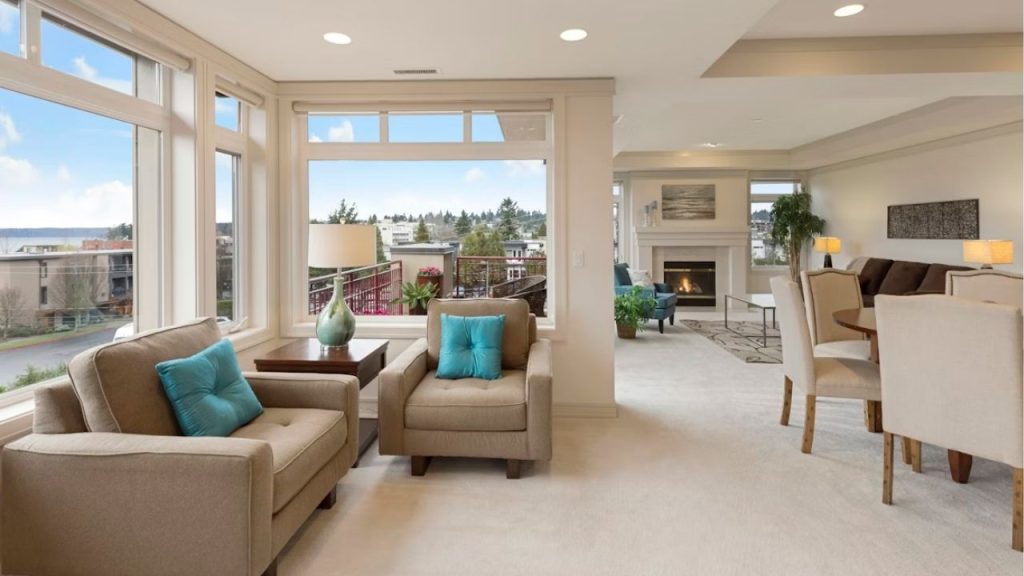
Open-concept spaces offer flow and flexibility, but without the right design choices, they can quickly feel chaotic or disjointed. From lack of defined zones to clashing styles, small missteps can disrupt the harmony. With thoughtful planning, you can keep things cohesive and inviting.
1. Lack Of Storage Solutions
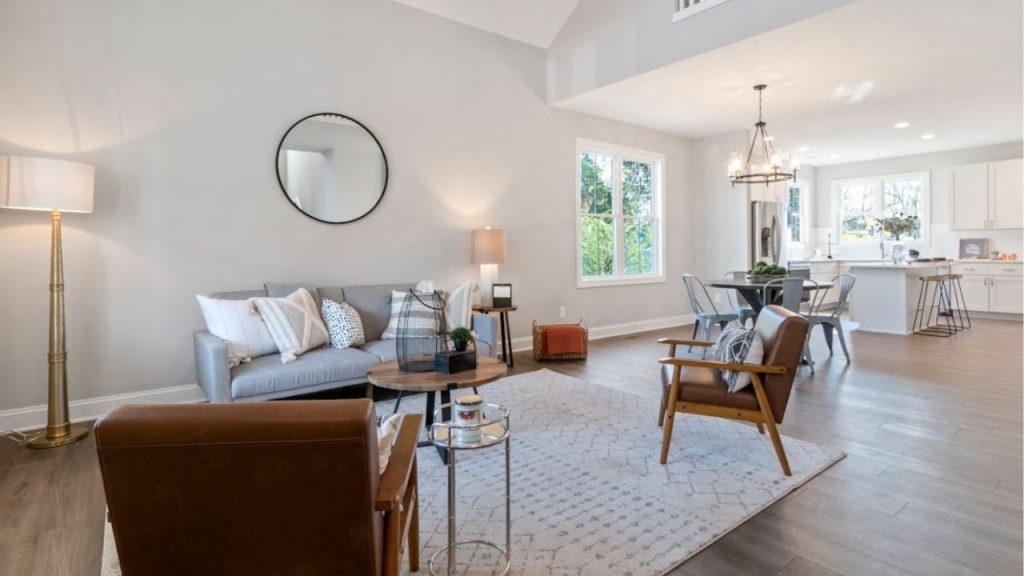
Clutter has nowhere to hide in an open-concept layout. Without smart storage, everyday messes like mail, electronics, and toys can quickly take over. Incorporate built-ins, closed cabinetry, or multipurpose furniture like storage ottomans to keep things tidy. A clean space helps maintain that airy, open vibe that makes these layouts so appealing in the first place.
2. Using Inconsistent Colors Throughout
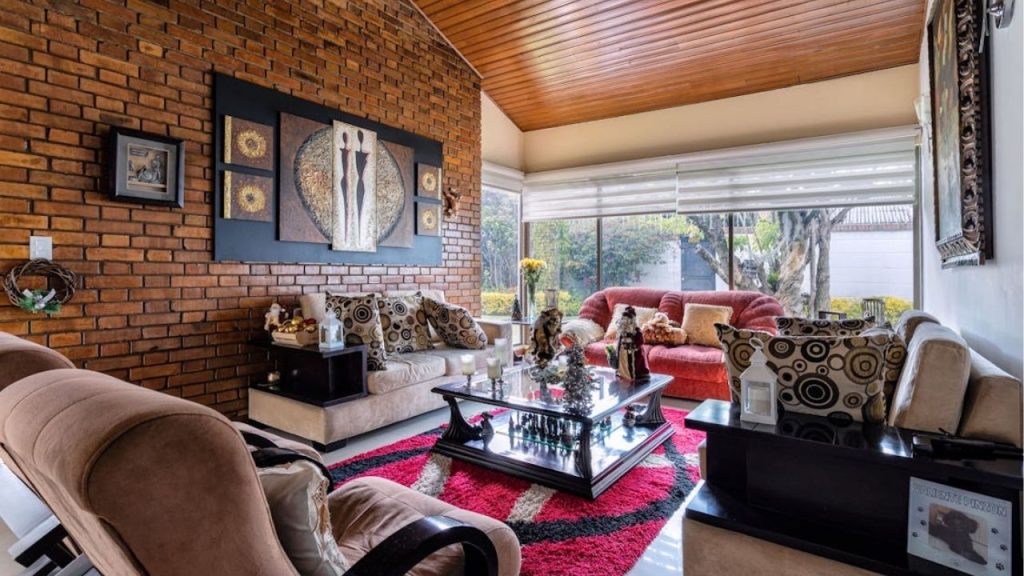
Using wildly different colors in each area of an open layout can make the whole space feel disconnected. A cohesive color palette creates visual flow and harmony, tying each zone together while still allowing for personality. Stick to a few complementary shades across furniture, walls, and décor, and use textures or accent pieces to add interest. The result feels polished rather than patchy.
3. Floating Rugs That Don’t Fit
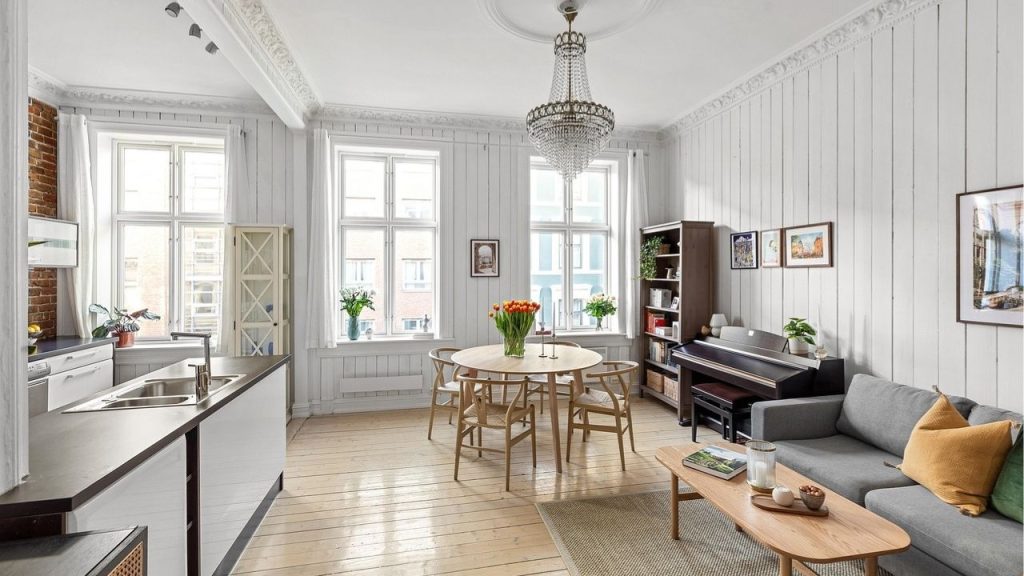
A too-small rug that floats in the middle of your living area will instantly throw off the balance of the room. Rugs should help ground and define the zones they’re in—whether it’s under the dining table or beneath a seating area. Make sure the size suits the space, with at least the front legs of major furniture resting on the rug. This anchors the area and makes it feel deliberate.
4. Skipping Defined Zones
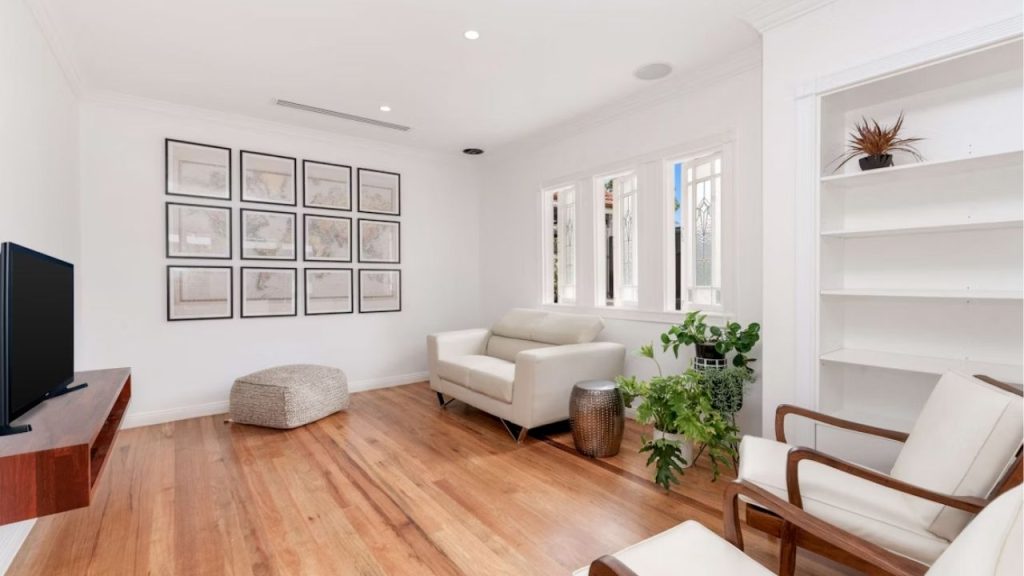
Open-concept spaces can feel aimless without clear boundaries. When everything blends together with no visual separation, it’s hard to know where one area ends and another begins. Use rugs, lighting, or furniture placement to subtly break the space into functional zones—like dining, lounging, or working. Even without walls, these cues help create order and purpose, so the space feels intentional instead of chaotic.
5. Disrupting Traffic Flow
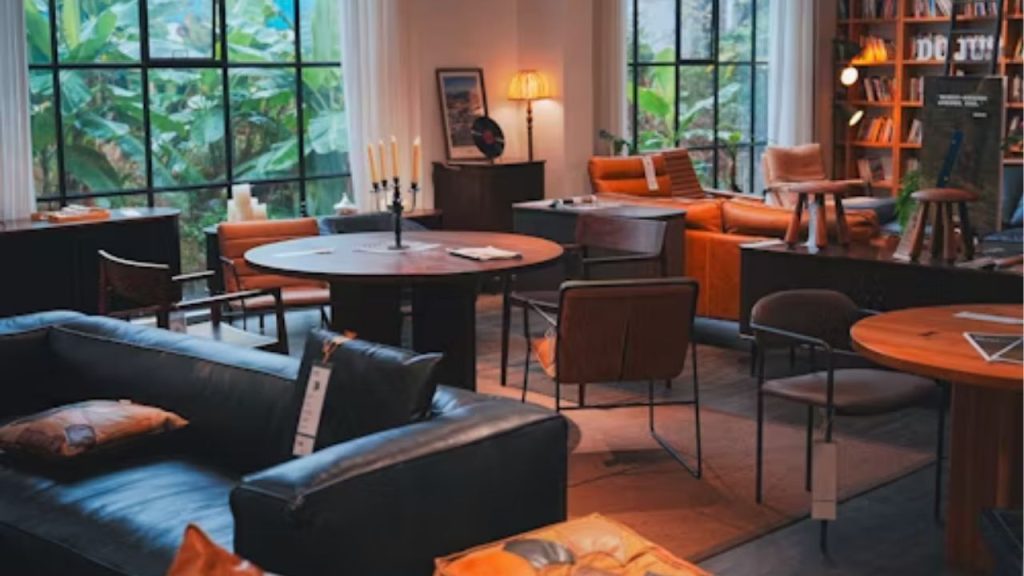
In open-concept homes, it’s easy to unintentionally block paths with furniture or accessories. When you interrupt the natural flow from room to room, the space feels cramped and awkward. Always consider how people will move through the area, and arrange furniture with wide, clear walkways. Open space isn’t just about looks—it’s about movement and comfort, too.
6. Overloading The Room With Focal Points
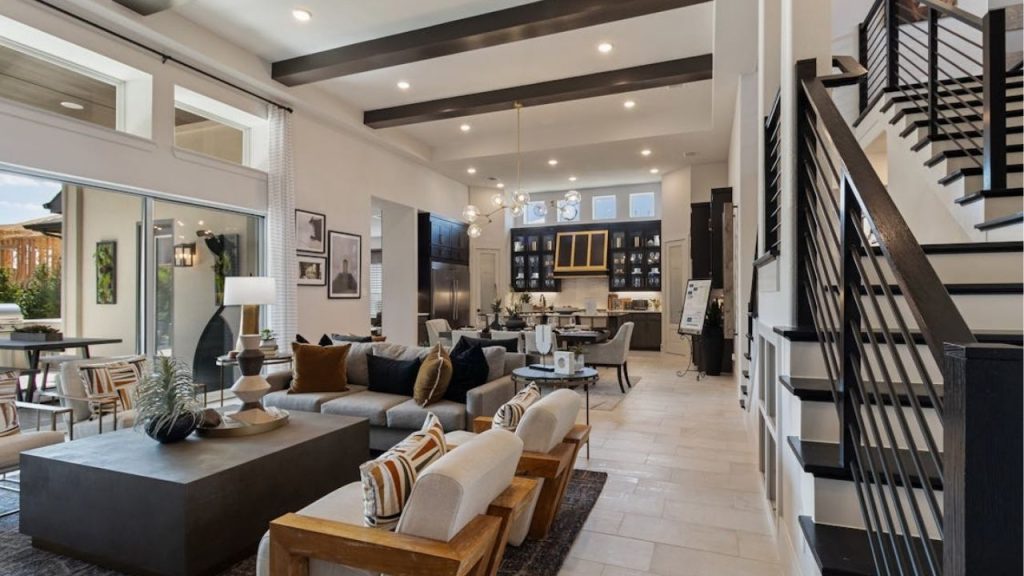
When everything is trying to grab your attention—bold artwork, dramatic light fixtures, busy patterns—it creates visual chaos. In an open space, pick one or two standout elements and let everything else support them. For example, if you have a statement chandelier in the dining area, keep adjacent zones more minimal to balance the overall look. Your eyes (and your guests) will thank you.
7. Combining Styles That Don’t Work Together
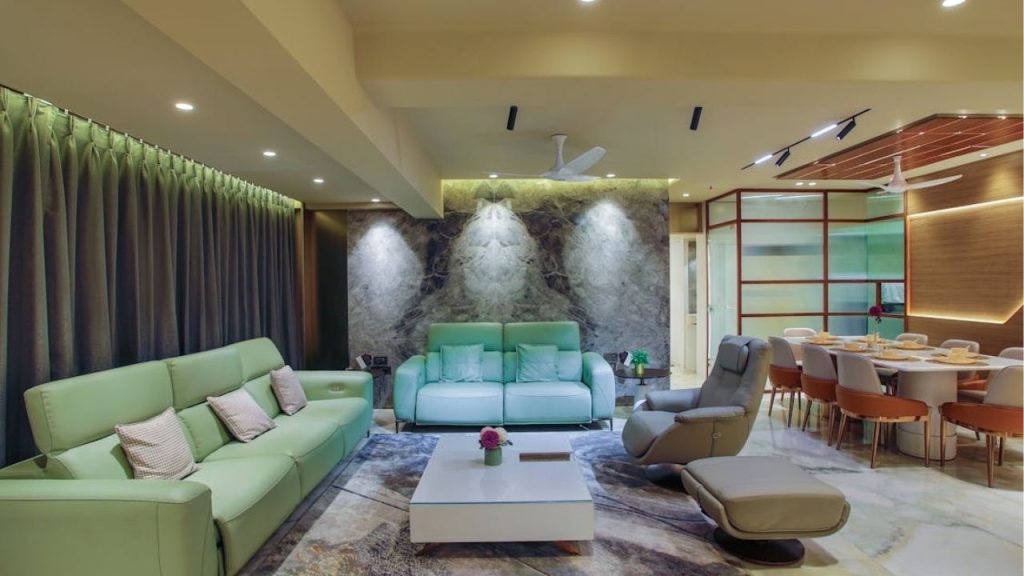
A modern kitchen next to a rustic dining room and a glam living space? It’s too much. Open-concept homes benefit from a consistent design thread that flows throughout. That doesn’t mean every piece has to match, but the styles should complement each other. Choose one main aesthetic and let subtle variations add character without causing confusion.
8. Lack Of Acoustic Control
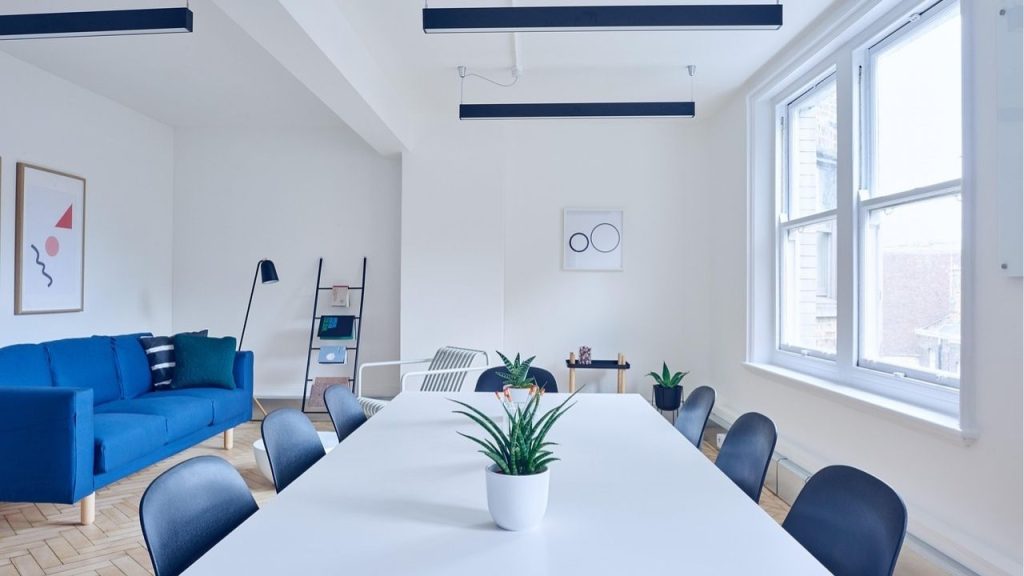
With no walls to buffer sound, open spaces can get noisy fast. Hard surfaces like wood floors and high ceilings can make voices and footsteps echo. Soft furnishings—rugs, curtains, upholstered furniture—help absorb sound and create a more comfortable atmosphere. If noise is a problem, consider adding fabric panels or textured wallpaper to help soften the acoustics.
9. Poor Lighting Layering
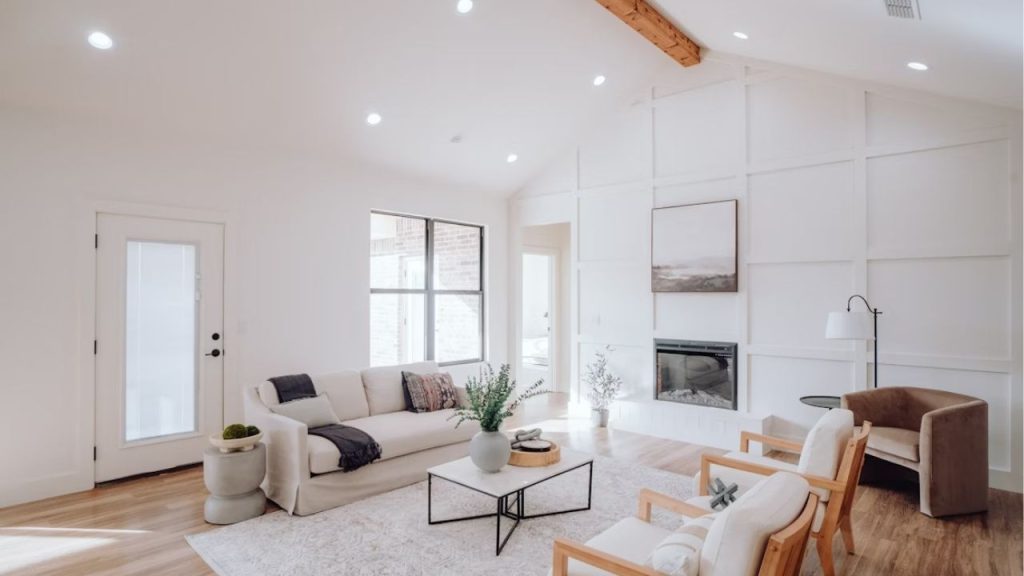
Relying on a single overhead fixture leaves open spaces feeling flat and dim. Instead, layer different types of lighting—ambient, task, and accent—to add depth and dimension. Use pendants over the dining table, floor lamps near the sofa, and under-cabinet lights in the kitchen. A thoughtful mix of light sources can help define zones and make the whole space feel warmer and more inviting.
10. Ignoring Wall And Ceiling Opportunities
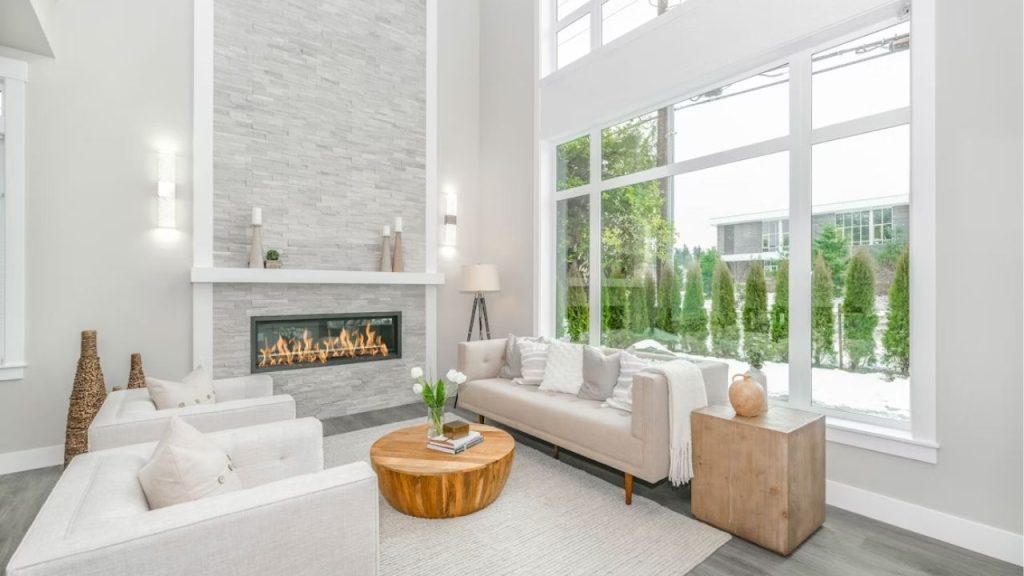
When focusing so much on layout, it’s easy to ignore the vertical plane. But walls, ceilings, and even tall shelving can play a big role in open-concept design. Use vertical elements like tall bookcases, hanging plants, or statement lighting to draw the eye up and add interest without crowding the floor. It’s a great way to enhance visual flow and make the space feel dynamic without clutter.
This article was created with the assistance of AI but thoroughly edited by a human being.