
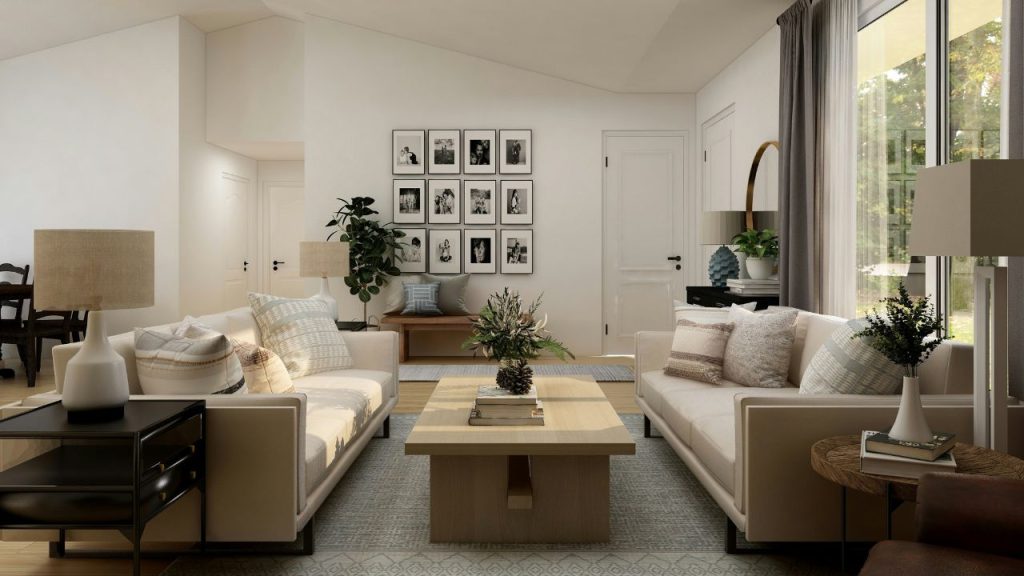
When designers walk into a living room, they don’t just see the furniture—they notice a variety of details that affect the space’s overall feel and functionality. From the flow of the room to its color palette, designers have a trained eye for spotting elements that either elevate or hinder the room’s design. Whether you’re refreshing your living room or just curious about what experts look for, here are 10 things designers always notice first—and you should too.
1. The Layout and Flow
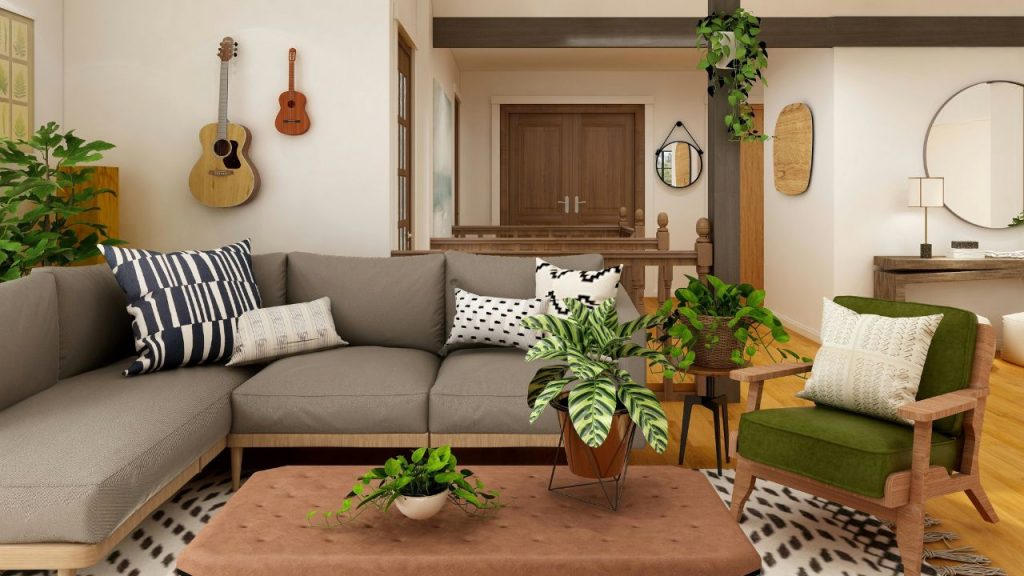
When a designer enters a room, they immediately assess the layout and flow. The arrangement of furniture is key to promoting a natural flow and conversation. Designers look for clear pathways that allow easy movement, without obstacles or blockages. An ideal layout balances functional zones and creates a welcoming, comfortable environment. To improve flow, arrange seating so that it invites conversation while leaving enough space for traffic. Consider focal points, like a fireplace or TV, when planning seating arrangements.
2. The Color Scheme
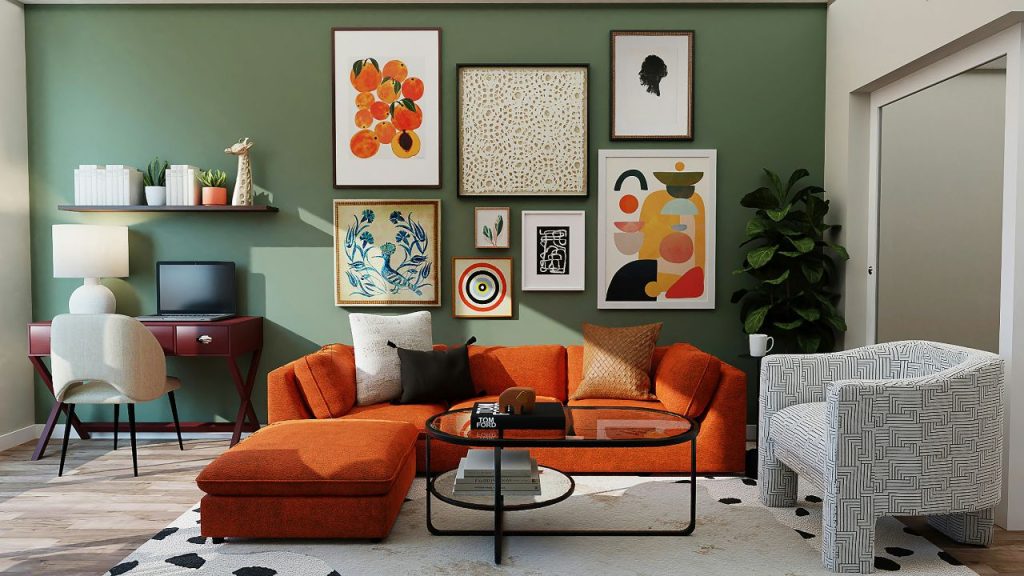
Designers immediately evaluate the color scheme of a room, as it significantly impacts the space’s overall vibe. A cohesive palette can create a calming, harmonious atmosphere, while clashing colors may feel chaotic or overwhelming. Designers look for complementary hues that flow seamlessly together, often adding contrasting accents to provide visual interest without overwhelming the space. If the colors feel mismatched, simplifying the palette or introducing neutral tones can help ground bold choices and create a more balanced, inviting environment.
3. Lighting
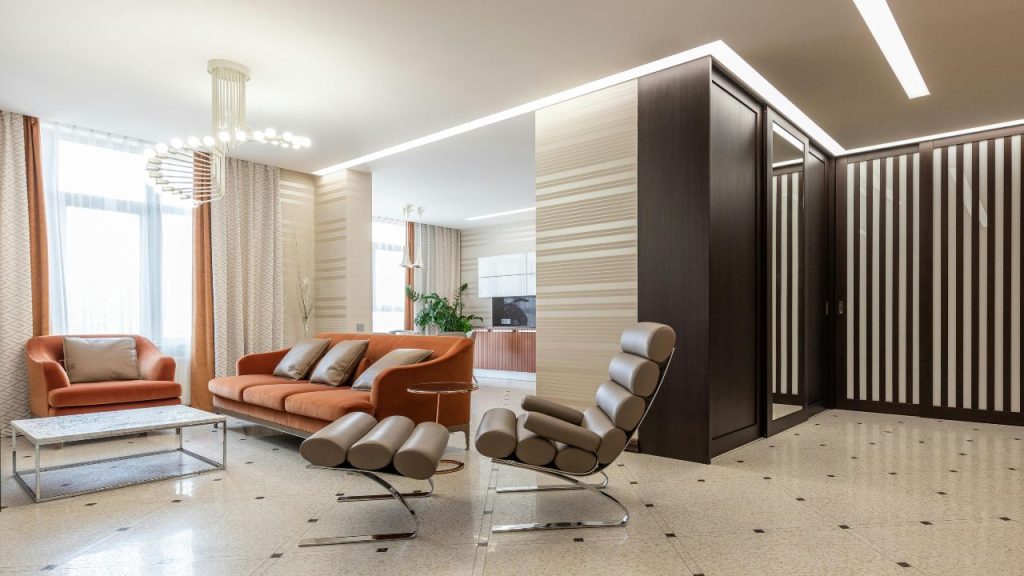
Lighting plays a crucial role in how a designer perceives a space, as it can dramatically influence both the mood and functionality of a room. Designers look for a balance between natural light and layered lighting options, such as overhead, task, and ambient lighting. A well-lit room feels open, welcoming, and spacious, while poor lighting can make it feel cramped and uninviting. To enhance your space, incorporate lamps, sconces, and dimmable lights that create versatile layers to suit various activities and moods throughout the day.
4. Furniture Proportions
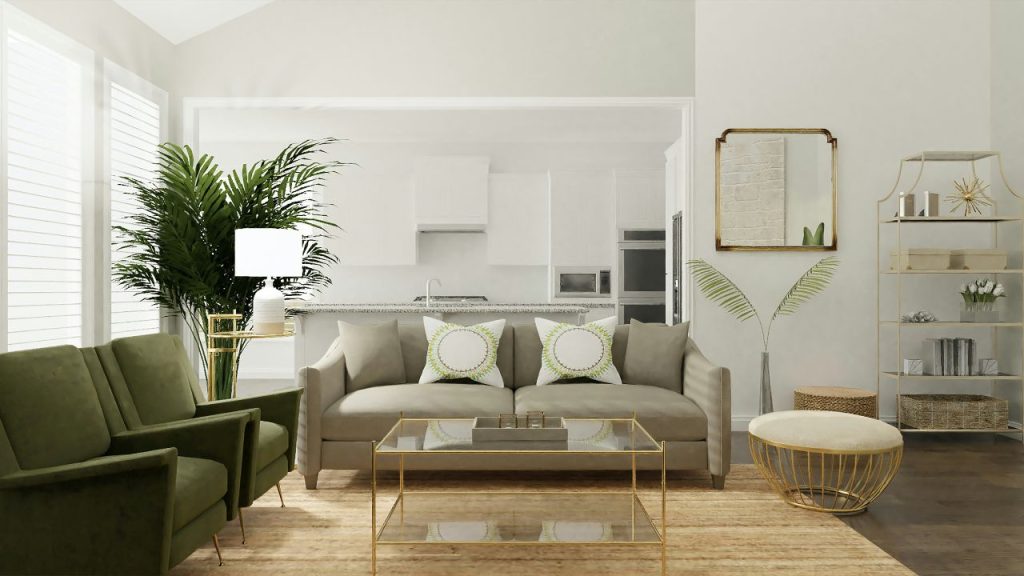
Proper furniture size and proportion are key to creating a balanced, visually pleasing room. Designers immediately notice if furniture overwhelms the space by being too large, or if it feels sparse and uninviting when too small. To achieve harmony, select pieces that suit the scale of the room. For example, large furniture can dominate a small room, while too-small pieces can make a room feel empty. Strive for furniture that fits comfortably within the room’s layout, leaving enough breathing space for movement and flow.
5. The Focal Point
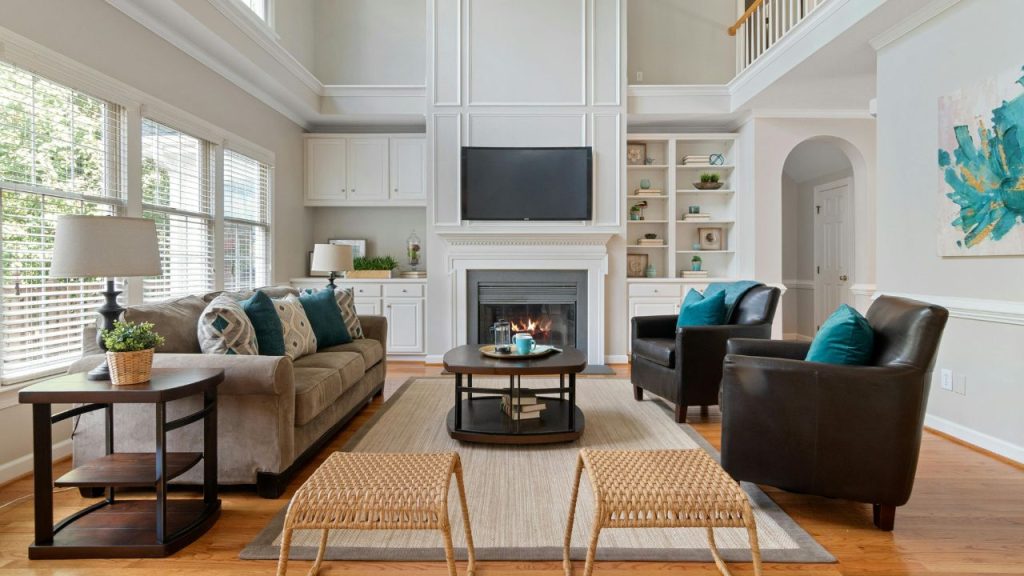
A well-designed living room always has a clear focal point, whether it’s a striking fireplace, a bold piece of artwork, or a standout piece of furniture. Designers quickly recognize if a room lacks a focal point, as it can make the space feel disorganized or aimless. A strong focal point draws the eye and adds purpose to the layout. If your room feels unfocused, consider introducing a central feature—like a statement light fixture, a large art piece, or an elegant furniture arrangement—to create balance and visual interest.
6. Textures and Materials
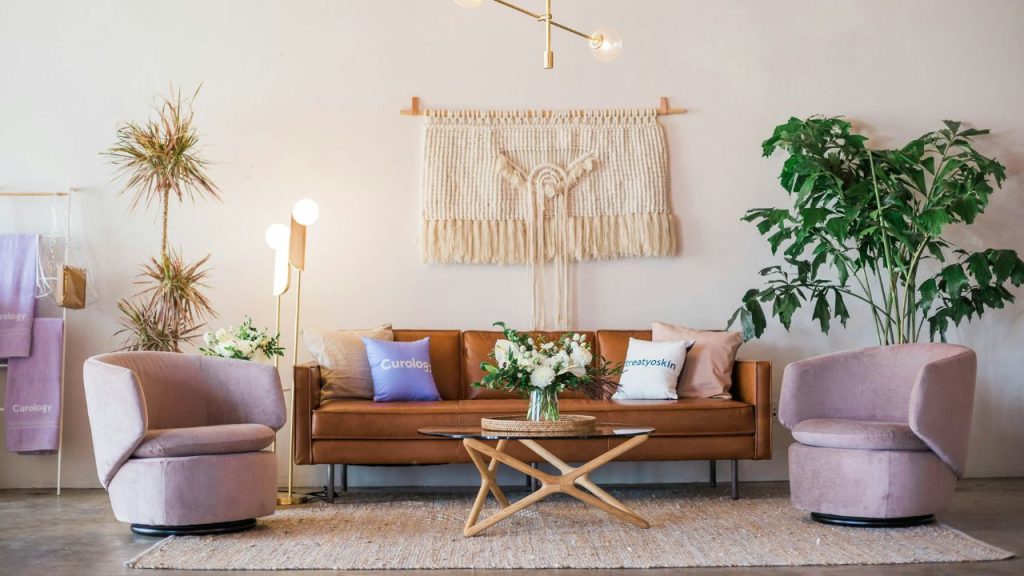
Designers understand that textures are crucial for adding depth, warmth, and visual interest to a room. A mix of materials—like the softness of velvet on a sofa, the natural roughness of wood on a coffee table, or the sleekness of a metal light fixture—creates a dynamic and inviting space. Too much of the same texture can make the room feel flat and uninspired. By thoughtfully combining different textures, you can bring comfort, character, and a rich, layered feel to the design.
7. Personal Touches
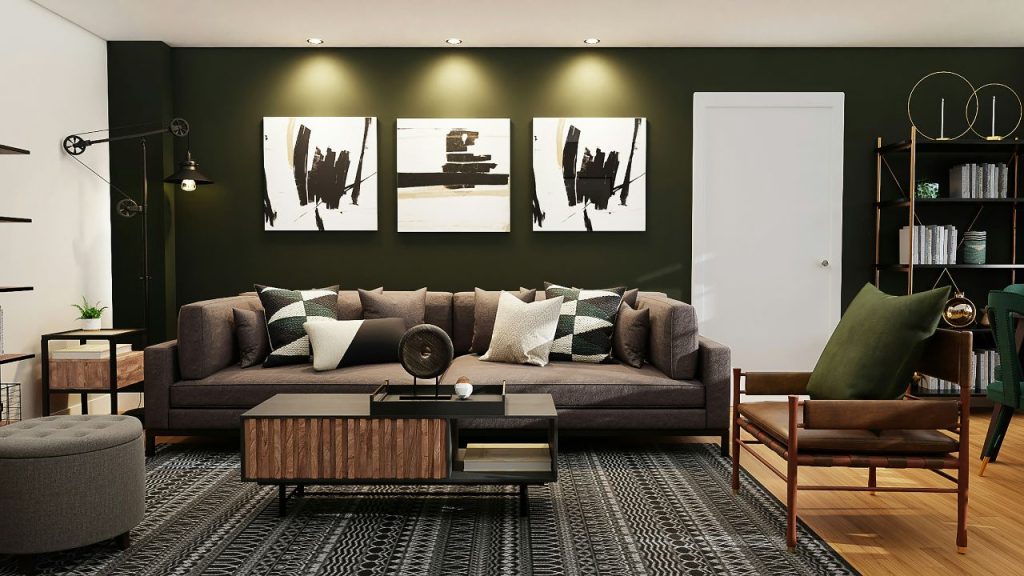
Designers believe that a living room should reflect the personality and lifestyle of its inhabitants. They pay attention to how personal items—like family photos, travel souvenirs, or unique collectibles—are displayed. These personal touches bring warmth, authenticity, and character to the room, making it feel more inviting. Carefully curated pieces help tell your story and add a sense of comfort. By incorporating meaningful items that reflect your experiences, you can create a space that feels uniquely yours and genuinely lived-in.
8. Clutter
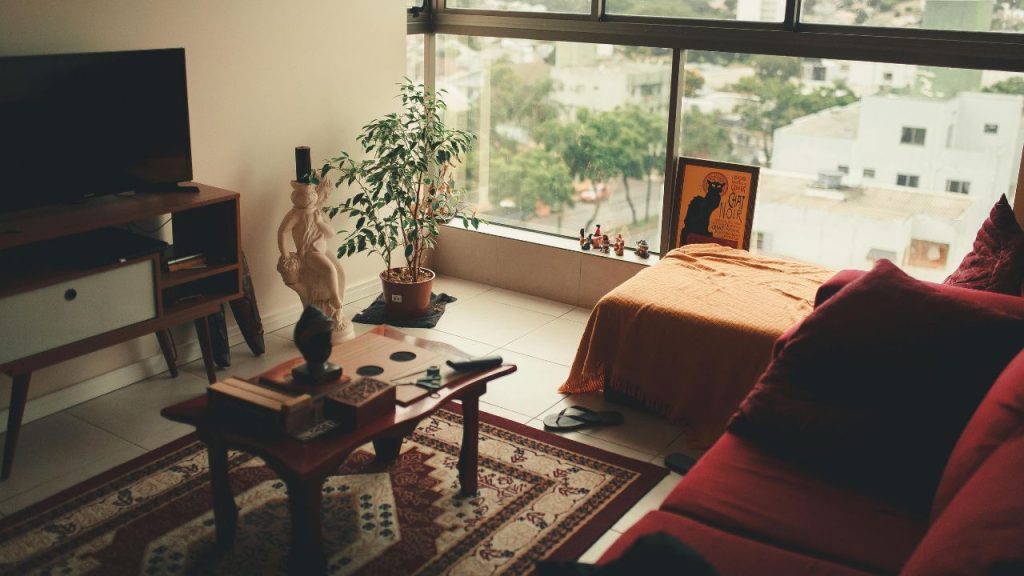
Clutter can instantly diminish the appeal of a living room, making it feel chaotic and overwhelming. Designers immediately notice when a space feels disorganized, as it often indicates a lack of functional planning. A clean, tidy room promotes a sense of calm and openness, making the space feel larger and more inviting. To reduce clutter, focus on organization and carefully curate what you display. Keep surfaces clear and only showcase items that contribute meaningfully to the room’s design, enhancing both style and functionality.
9. The Use of Wall Space
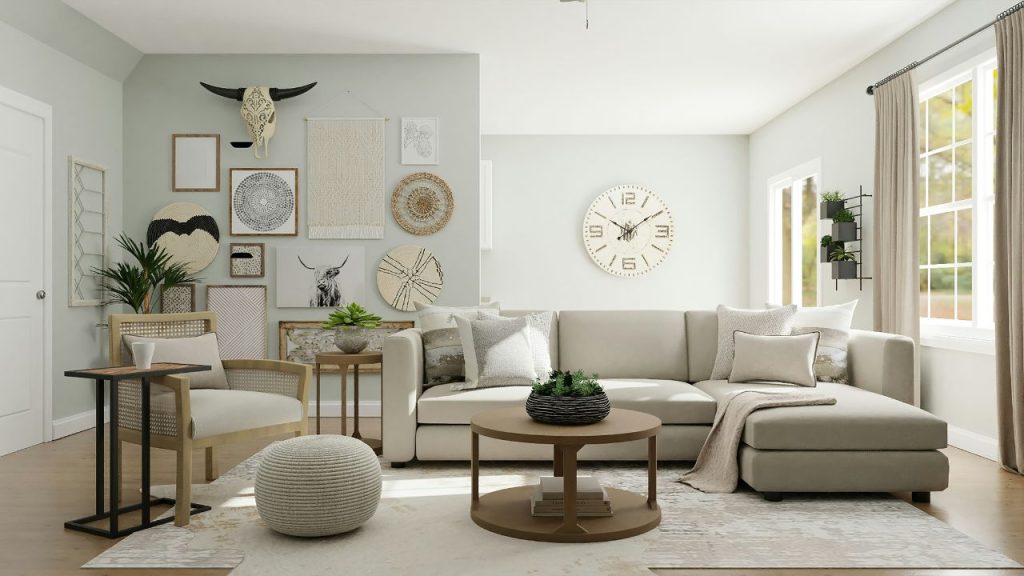
Designers quickly evaluate how wall space is utilized, as it plays a key role in the overall design. Are the walls adorned with artwork that enhances the room, or do they feel empty and underused? Wall space offers a prime opportunity to introduce style and personality. Whether through framed art, mirrors, or floating shelves, effectively using the walls adds visual interest and helps organize the space. Don’t hesitate to incorporate wall decor that complements your room’s style and adds dimension, making the space feel more complete.
10. The Overall Mood
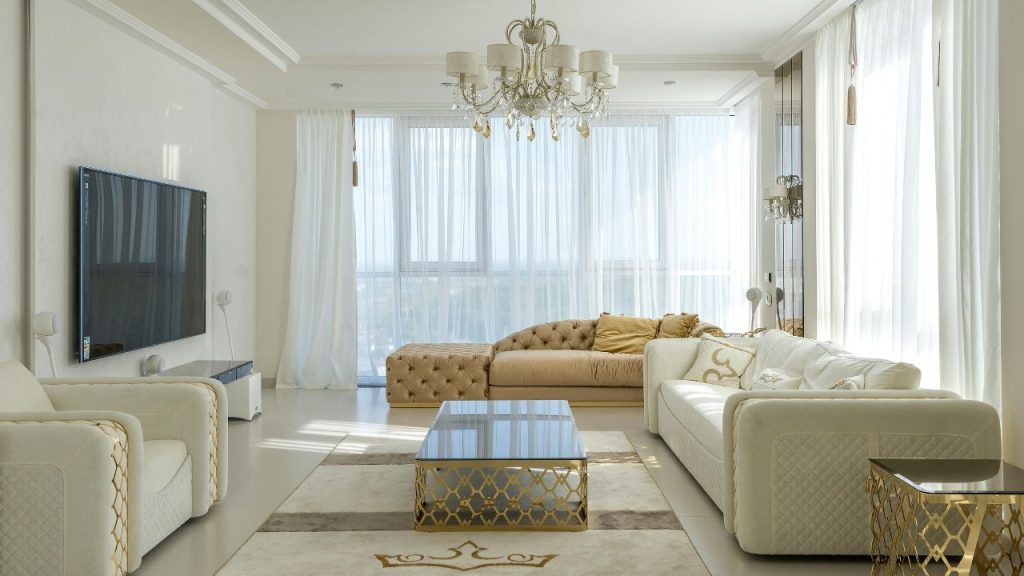
Designers are always assessing the overall mood of a room to determine whether it feels inviting and comfortable or stiff and unwelcoming. They observe how all the design elements—layout, color scheme, furniture, and accessories—work together to shape the atmosphere. A well-designed living room should feel balanced, cozy, and relaxed, offering a space where people naturally want to gather. The mood should foster connection and comfort, making the room feel like a true haven that invites both relaxation and conversation.
This article was created with the assistance of AI but thoroughly edited by a human being.