
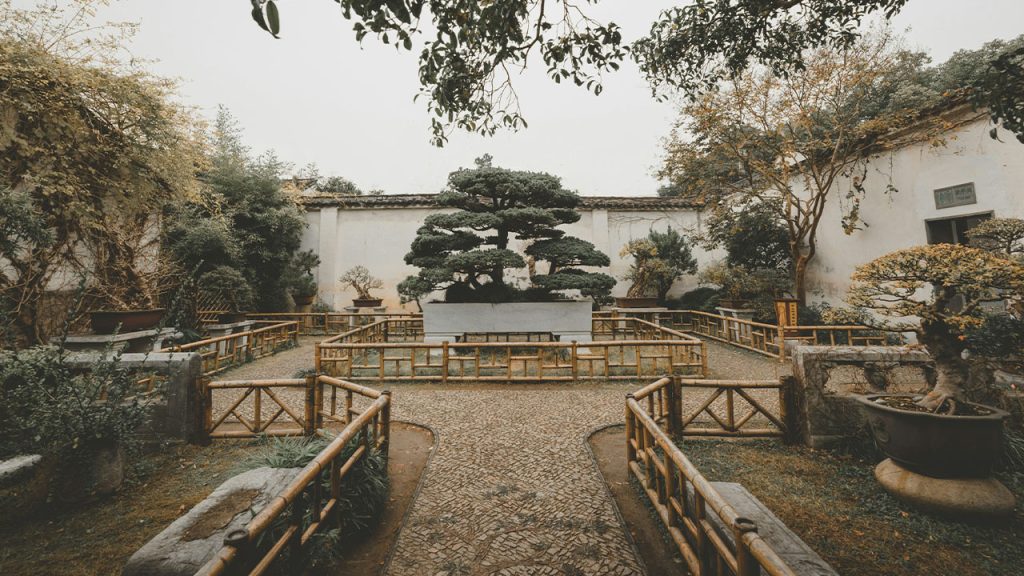
Craving a peaceful retreat just outside your door? A Japanese-inspired outdoor space blends nature, simplicity, and harmony to create an atmosphere of calm. Rooted in balance and natural beauty, this design style focuses on clean lines, soothing textures, and intentional layout. Whether you have a large garden or a small patio, these simple ideas can help you transform your outdoor area into a tranquil, meditative escape.
1. Incorporate Natural Materials Like Stone and Wood
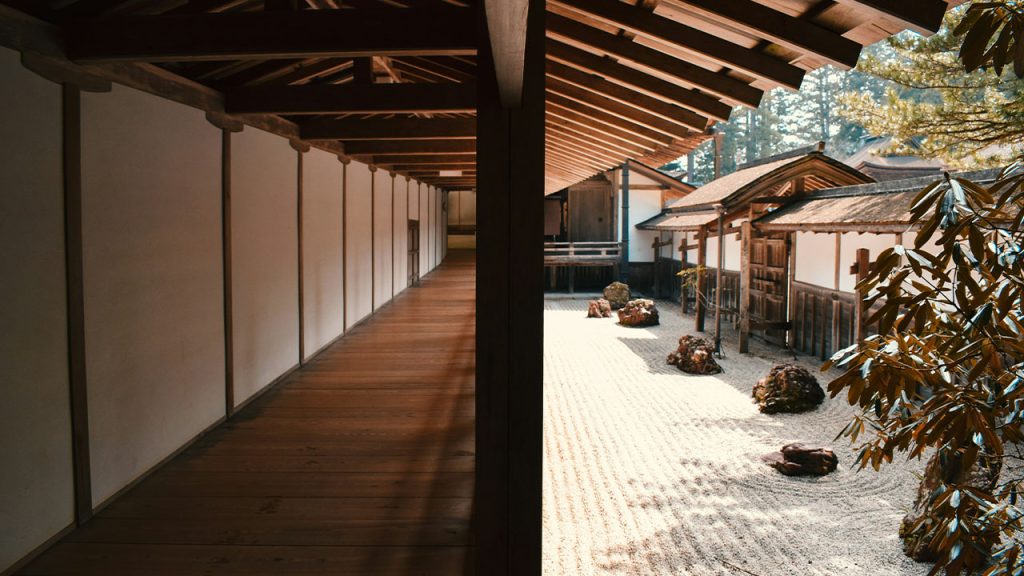
Stone and wood are essential in Japanese garden design, bringing harmony and authenticity to your outdoor space. Use smooth stones for edging or pathways, and opt for wooden elements like fences, benches, or bridges to add warmth. These natural materials blend seamlessly with the environment, fostering a grounded, serene atmosphere that invites relaxation and mindful connection with nature.
2. Add a Water Feature for Calming Sounds
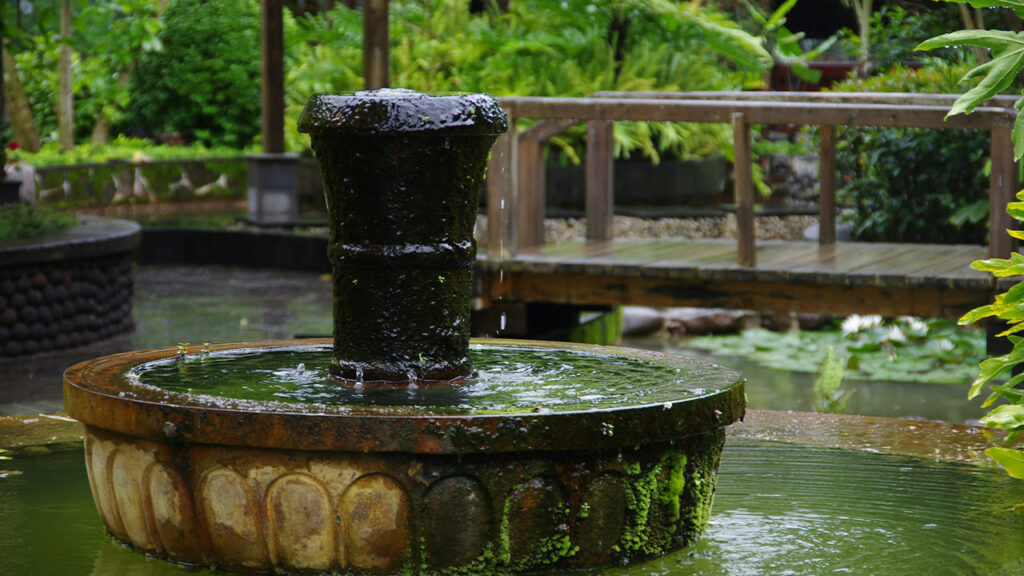
Water is a symbol of life and movement in Japanese gardens. A small koi pond, trickling fountain, or bamboo water spout (called a shishi-odoshi) can bring soothing sounds that help mask urban noise and create a calming backdrop. The gentle movement of water not only adds visual interest but also promotes a meditative ambiance, essential for a truly tranquil garden experience.
3. Create a Meandering Pathway with Stepping Stones
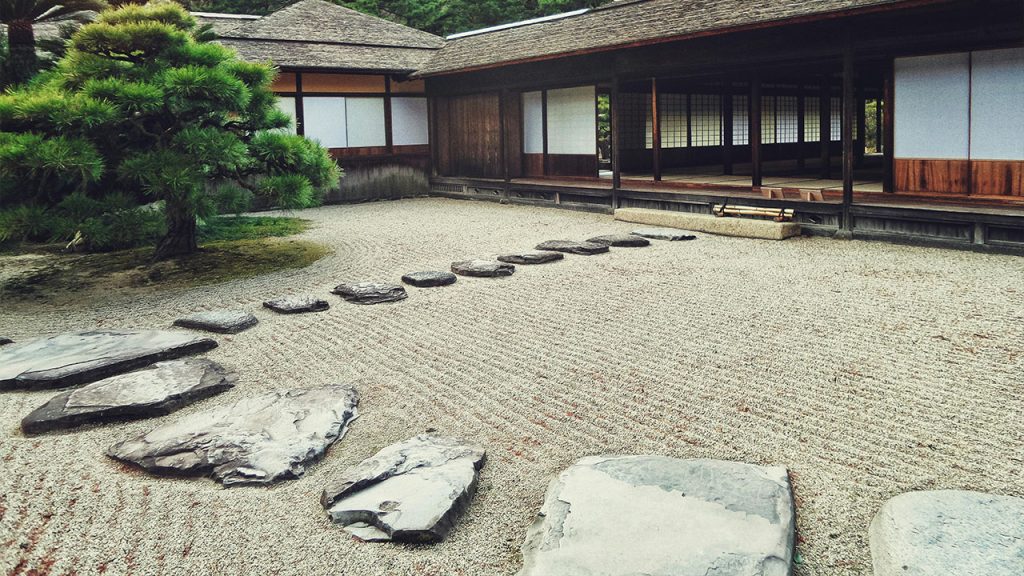
Unlike straight paths, a meandering stone pathway slows your pace and encourages mindfulness. Use natural stone slabs or irregularly shaped stepping stones to create a journey through your garden. These pathways guide visitors through points of interest while mimicking the organic, flowing design often found in traditional Japanese landscapes, making the space feel larger and more immersive.
4. Use Bamboo Screens for Privacy and Texture
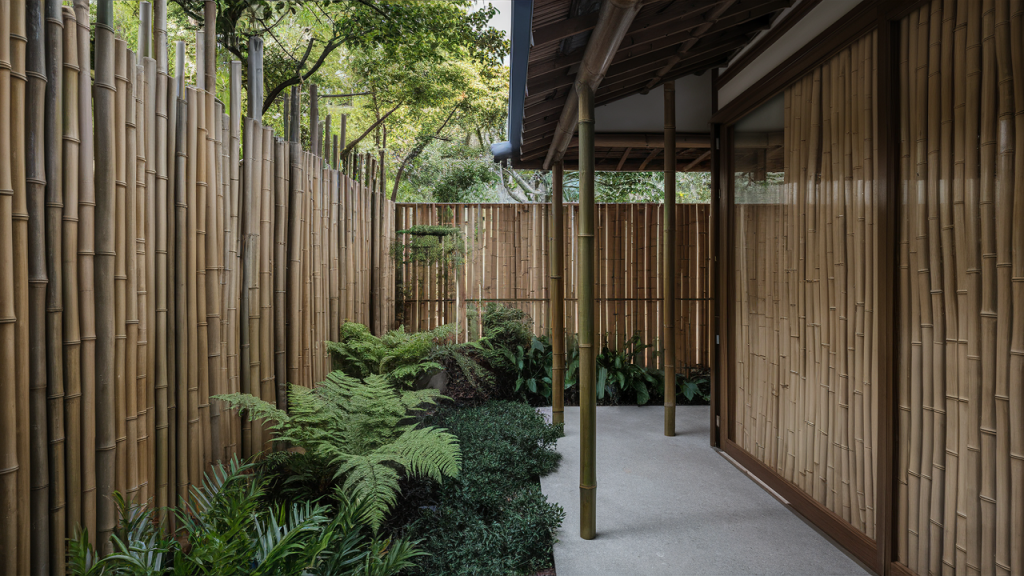
Bamboo is both functional and aesthetic in a Japanese-inspired garden. Install bamboo screens or fencing to define spaces and provide subtle privacy without feeling closed off. The vertical lines and natural texture of bamboo add depth and movement to the garden, while its light-filtering properties create shifting patterns of shadow and sunlight that enhance the peaceful atmosphere.
5. Include a Zen Sand or Gravel Garden
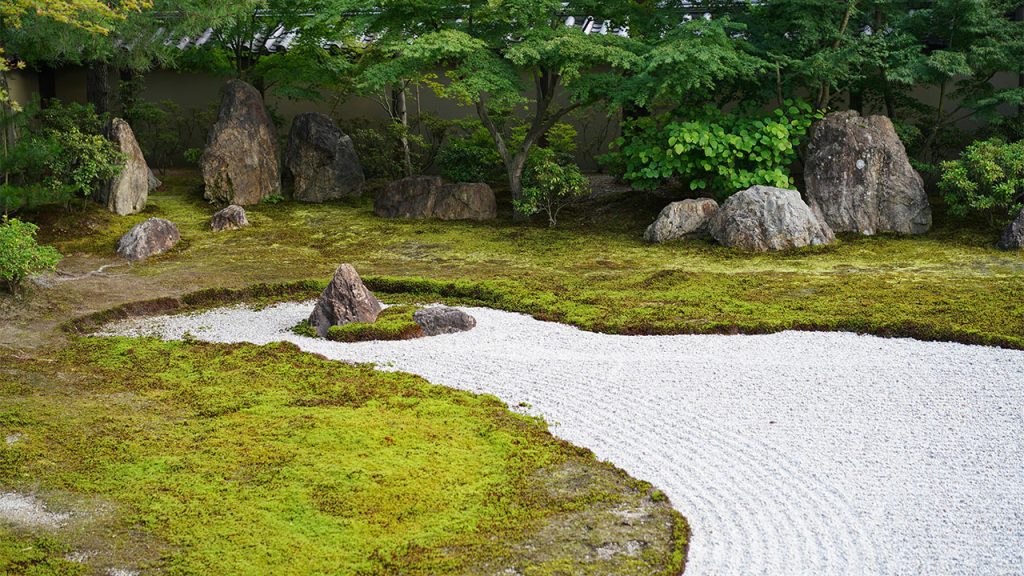
A sand or gravel garden—also known as a karesansui or dry landscape—is central to Zen aesthetics. Rake patterns into the surface to represent flowing water or waves, using stones to symbolize mountains or islands. These abstract compositions offer a peaceful spot for quiet reflection and add a minimalist touch to your garden, emphasizing simplicity, balance, and the beauty of stillness.
6. Choose Minimal, Thoughtful Plantings
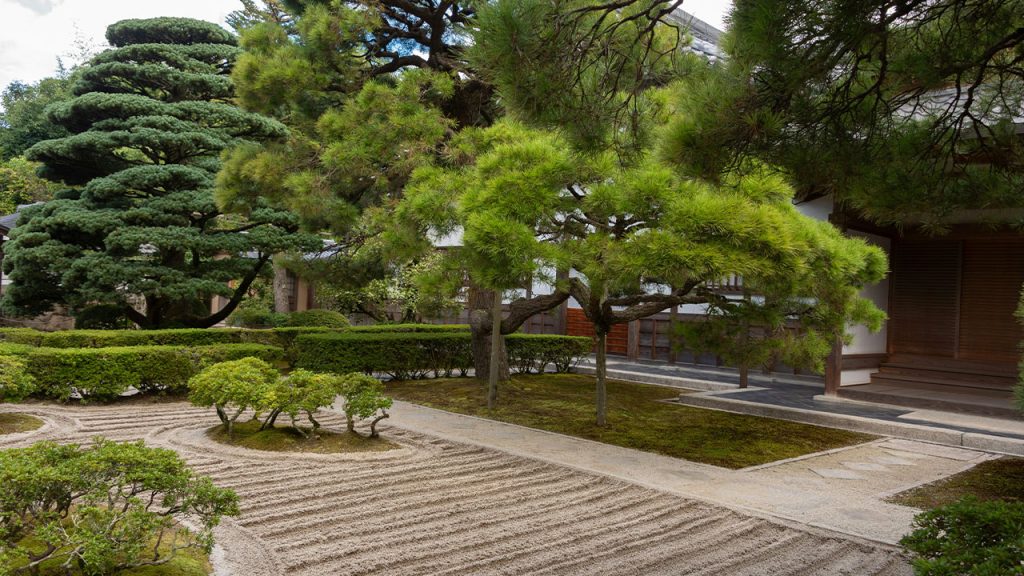
In a Japanese-inspired garden, less is often more. Focus on a few carefully selected plants, such as Japanese maples, azaleas, or ornamental grasses. These plants should be thoughtfully placed to create balance, texture, and seasonal interest without overcrowding the space. The emphasis is on simplicity, allowing each plant to have room to breathe and contribute to a peaceful, uncluttered atmosphere that feels harmonious with nature.
7. Introduce a Simple Wooden Bench or Tea Pavilion

A simple wooden bench or a traditional tea pavilion adds a functional yet serene focal point to your garden. The bench offers a peaceful spot for contemplation, while a tea pavilion invites quiet gatherings or solitary moments of reflection. Both elements should blend seamlessly with the landscape, allowing visitors to pause and engage with the natural surroundings. Opt for natural wood tones to maintain an organic, understated look that enhances the tranquil ambiance.
8. Use Lantern Lighting for Soft Illumination
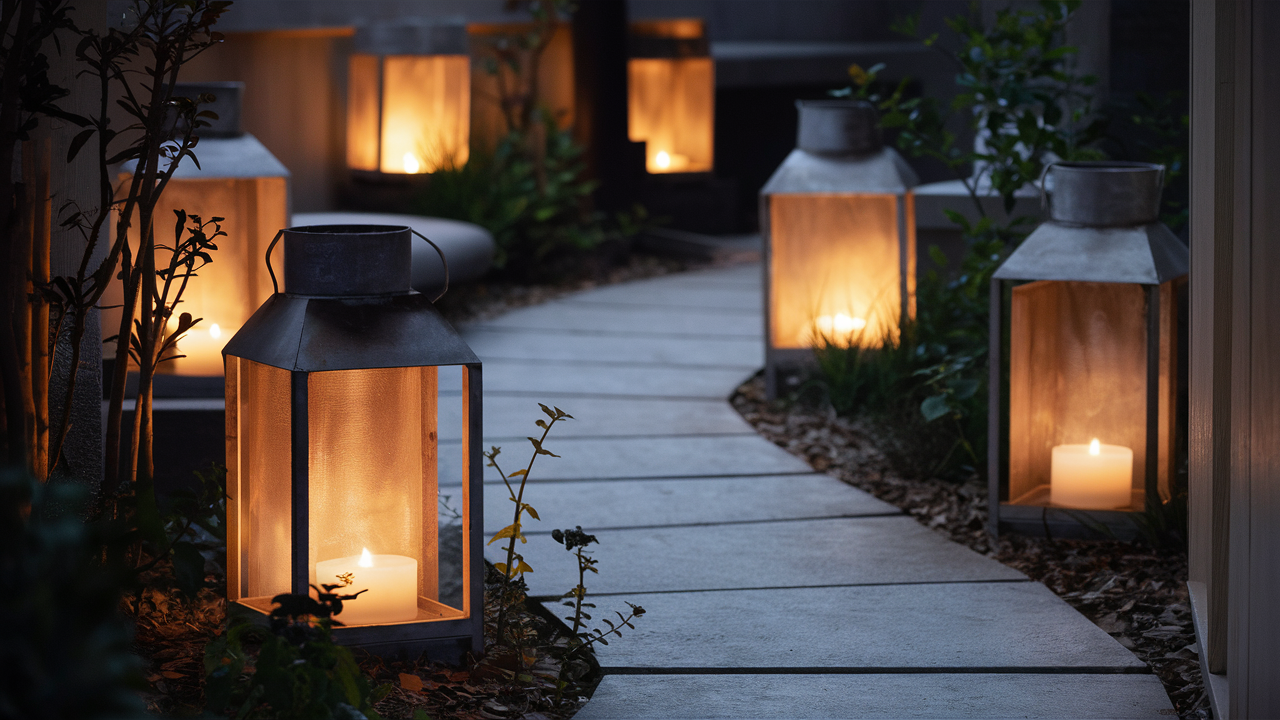
Japanese garden lanterns, often made from stone, wood, or metal, provide soft, ambient light that adds an ethereal glow to your outdoor space. Strategically placing lanterns along pathways, near water features, or beside plants will create a soothing atmosphere in the evening. The gentle lighting enhances the peaceful vibe of your garden, making it an inviting space for evening meditation or relaxation. Avoid harsh lighting, focusing instead on subtle illumination.
9. Frame Views with Gateways or Arbors
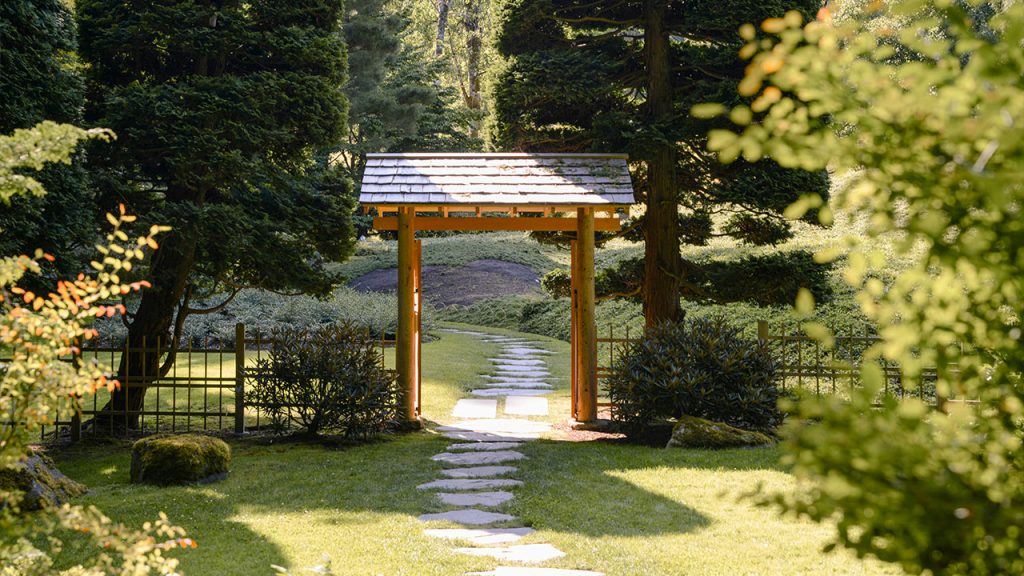
Gateways and arbors help to frame views in a Japanese garden, offering a sense of transition as you move from one area to another. Made from wood or bamboo, these structures serve as natural focal points, drawing the eye toward key elements like plants or water features. They add visual interest while also creating a sense of privacy and seclusion, perfect for cultivating a space that feels both personal and connected to the surrounding environment.
10. Maintain Clean Lines and Clutter-Free Spaces
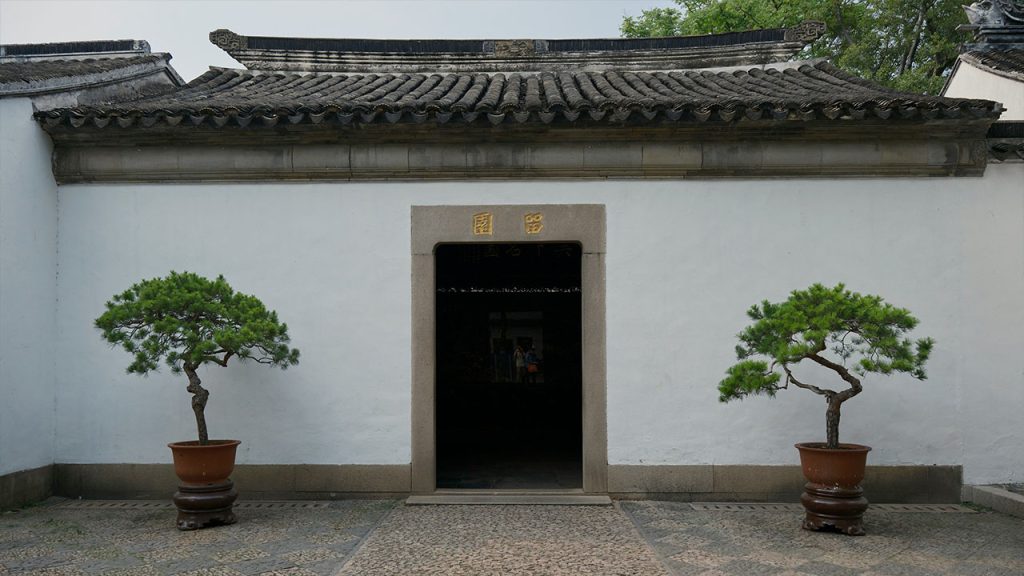
Japanese garden design emphasizes simplicity and order, making it essential to maintain clean lines and clutter-free spaces. Keep pathways, plantings, and features organized and minimal, avoiding excessive ornamentation. The result is a serene, uncluttered environment where each element has a purpose. This simplicity allows for easy movement and contemplation, helping to reduce visual noise and create a peaceful space that promotes mental clarity and relaxation.
This article was created with the assistance of AI but thoroughly edited by a human being.