
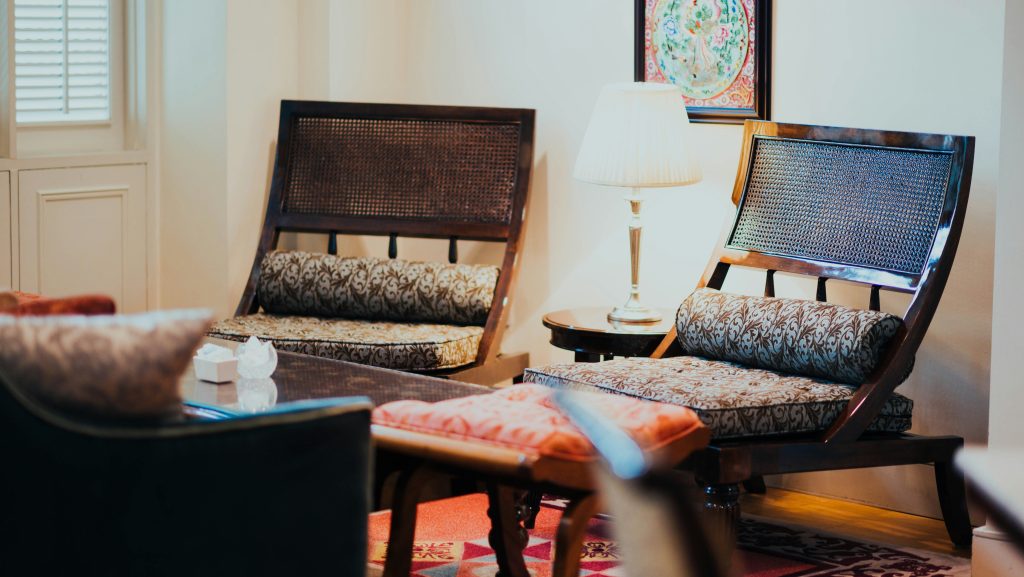
Home decor is an evolving art form, and what once felt modern and fresh can quickly become dated. Whether you’ve inherited furniture from previous generations or stuck to trends that no longer resonate, it’s easy for your style to fall behind. If you’re noticing that your living space feels out of touch with current trends, it might be time to reassess. Below, we explore 10 signs your decor style might be stuck in the past—and how to bring your space up to date.
1. Overuse of Heavy Dark Wood Furniture
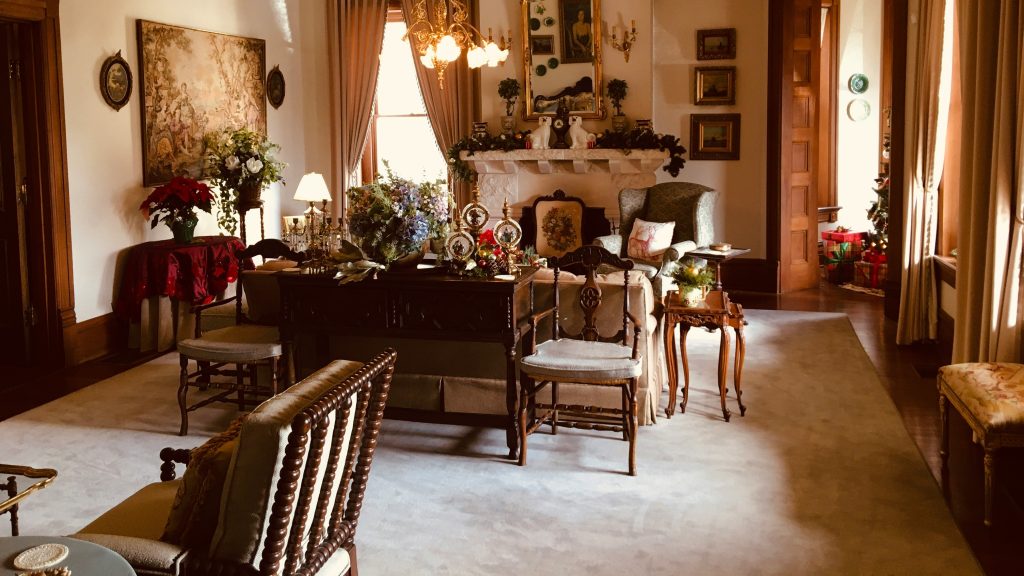
Heavy, dark wood furniture was once synonymous with sophistication and durability. However, in today’s design world, it can feel old-fashioned and imposing. Large wooden tables, cabinets, and bookshelves with dark stains may dominate your room, making it feel more like a museum than a cozy home. The solution is you may lighten things up with neutral tones or natural finishes. Opt for modern wooden furniture with sleek lines, or incorporate lighter materials like glass or metal to balance the room’s weight. A light oak or ash finish can provide a fresh, airy vibe that keeps your space feeling contemporary.
2. Excessive Use of Floral Patterns
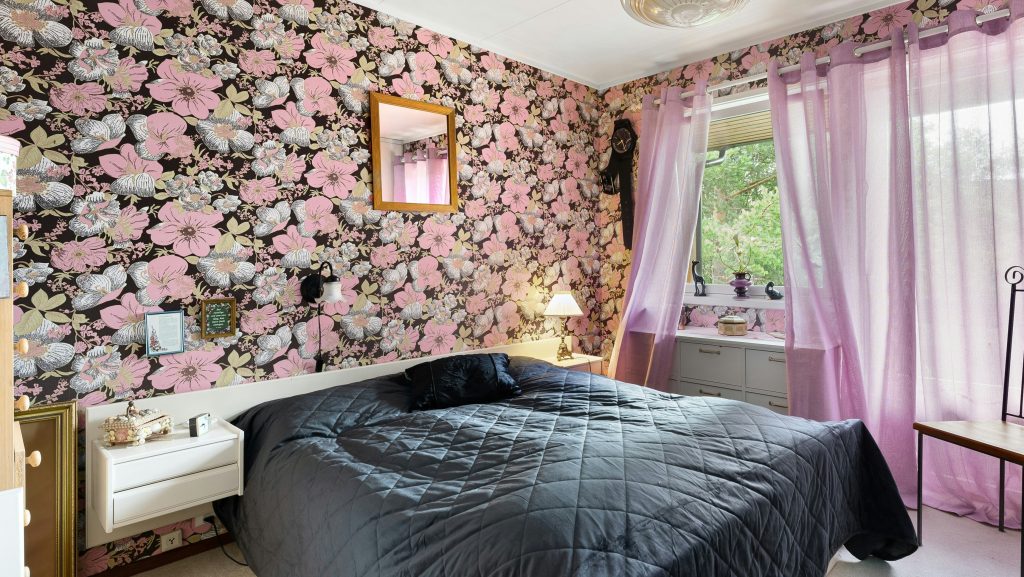
Floral patterns used to be the height of elegance, especially in upholstery and wallpaper. But today, they can make a space feel stuffy and overly traditional. An overabundance of floral designs can weigh down a room and may seem disconnected from current minimalistic or Scandinavian-inspired trends. To fix this, integrate subtler floral elements, think small-scale patterns or a single statement piece like a throw pillow or a vase. For a more modern twist, go for abstract florals or botanical prints that feel fresh and clean.
3. A Lack of Open Shelving or Clutter-Free Spaces
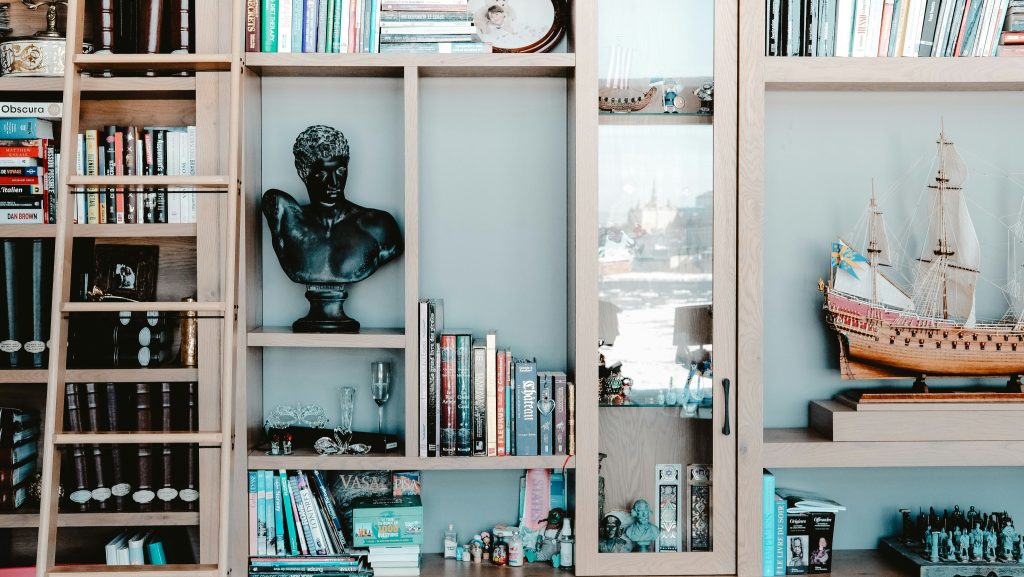
In the past, cabinets and shelves were built to conceal clutter, making storage the priority. But modern spaces embrace a more open layout with minimalistic touches. If your shelves are filled with knick-knacks and bulky storage, it can make your home feel closed-off and crowded. The fix? Embrace open shelving but with intention. Consider floating shelves for books, art, or plants. Keep the clutter to a minimum by curating meaningful items and using smart storage solutions to keep everything tidy. This strategy promotes a cleaner, more organized atmosphere.
4. Overly Matchy-Matchy Furniture
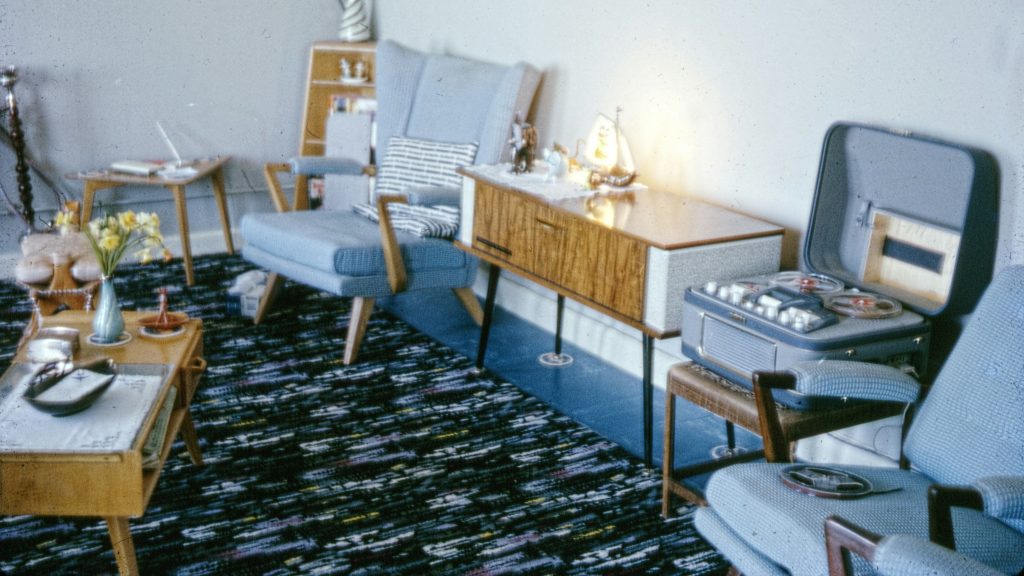
Once upon a time, matching furniture sets were the epitome of style and harmony. However, today’s design ethos leans towards mixing and matching, creating a more personalized, eclectic look. If your space feels like it was designed by a furniture catalog, with matching couches, chairs, and tables, it might feel rigid. To fix this, break up the monotony by incorporating different textures, colors, and styles. Consider pairing a vintage armchair with a contemporary sofa or combining a traditional wood table with modern chairs. This contrast can add depth and interest to any room.
5. Dated Lighting Fixtures
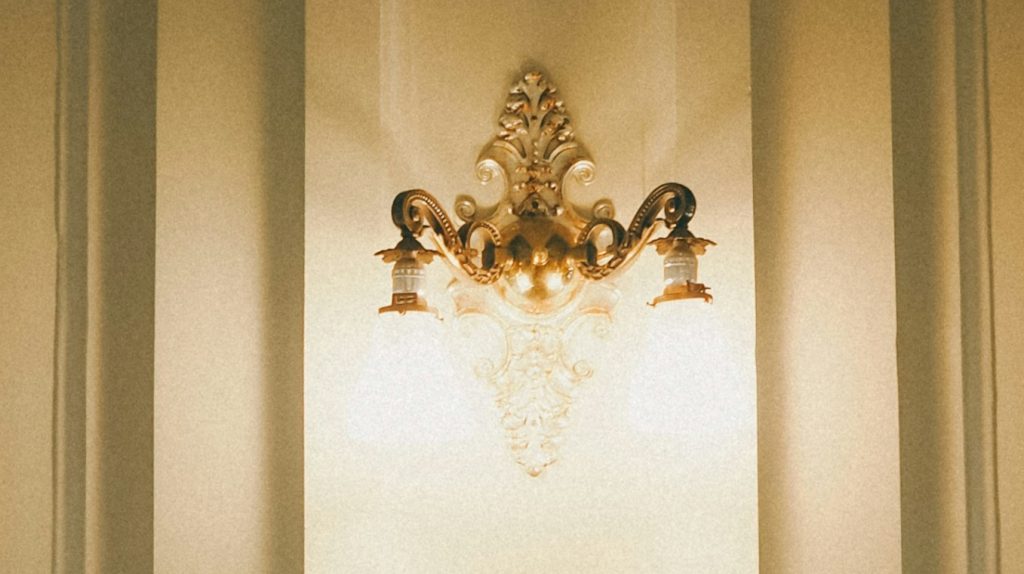
Lighting sets the mood of a room, and outdated fixtures, think ornate chandeliers, brass sconces, and heavy pendant lights, can pull your space back in time. These older fixtures often feel too opulent or overly complex for modern tastes. The easy fix? Swap them out for sleek, streamlined options in finishes like matte black, brushed gold, or stainless steel. Try pendant lighting in geometric shapes or LED fixtures that offer both function and style. Lighting should be both decorative and practical, enhancing the atmosphere without overwhelming the space.
6. Wallpaper That’s Seen Better Days
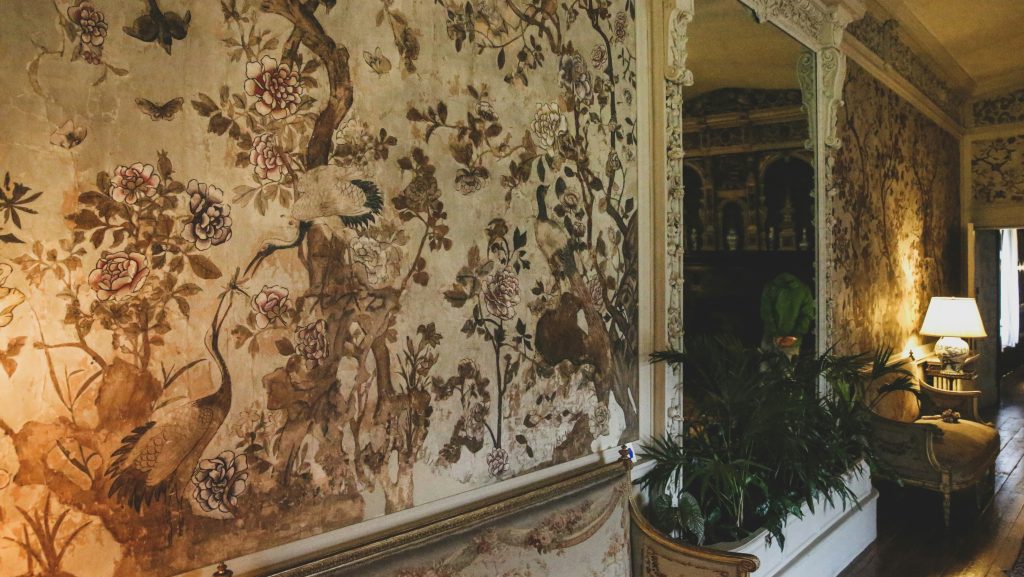
Wallpaper has seen a resurgence in interior design, but many older styles such as dated florals, stripes, or overly busy peel-and-stick patterns can make a space feel small and outdated. These designs often overwhelm a room, diminishing its visual appeal. To modernize your space, consider replacing old wallpaper with subtle textures like linen or grasscloth, or opt for clean, geometric patterns that reflect current design trends. For added sophistication, try creating a bold accent wall using muted tones such as deep blue, sage, or charcoal. These updates can instantly refresh your room, adding depth and elegance.
7. Outdated Tile Flooring
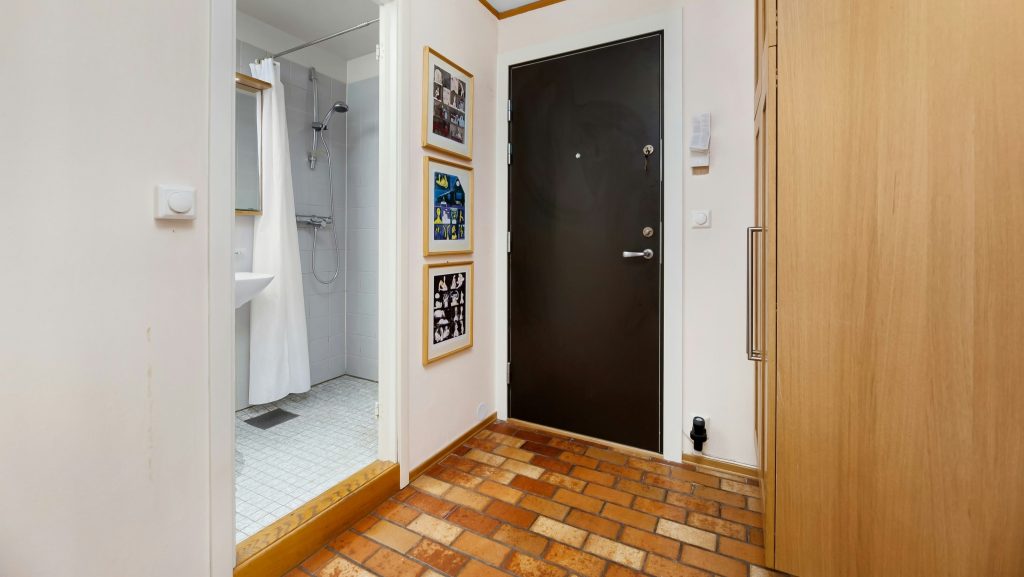
Tiles can quickly date a space if you’re still living with terracotta, shagreen, or high-gloss ceramic tiles from previous decades. While they may have been stylish at one point, they often fail to reflect modern design preferences. The fix? Go for natural materials like wide-plank wood flooring, or opt for trendy cement tiles in a matte finish or contemporary subway tiles. For a luxurious touch, marble effect tiles can provide an elegant and timeless look, making your flooring feel fresh without the high-maintenance cost of real marble.
8. Lack of Statement Art or Decorative Items
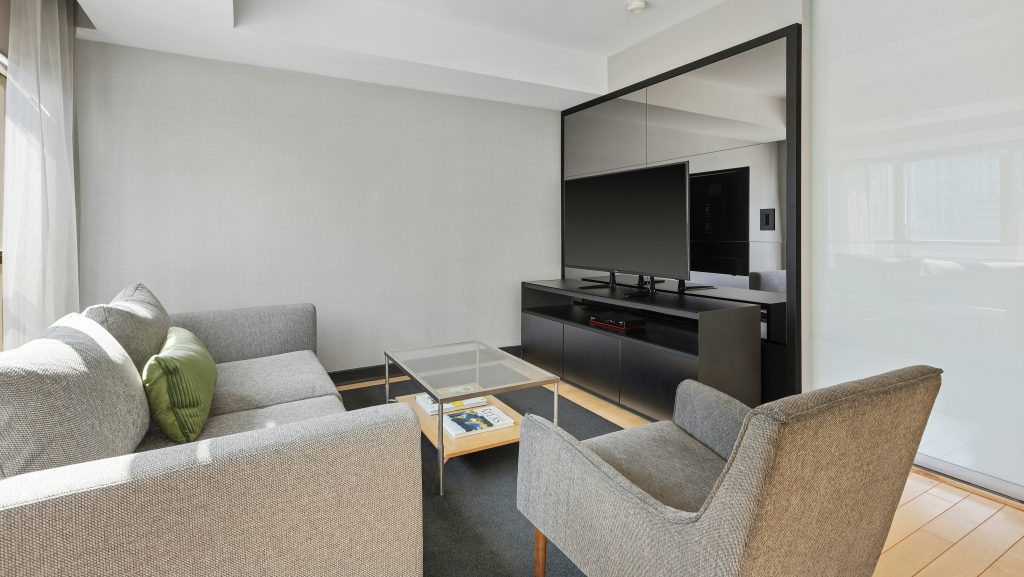
If your walls are bare or covered with mass-produced prints, it might be time to update your art. Dated decor often includes generic art pieces that don’t inspire or tell a story. The fix? Invest in statement art pieces that speak to your personal style. Choose pieces with vibrant colors, abstract designs, or even locally sourced art. Mix and match frames or create a gallery wall with your favorite photos, prints, and illustrations. Art can elevate your space and add personality, while still maintaining a chic, modern vibe.
9. Outdated Textiles and Fabrics
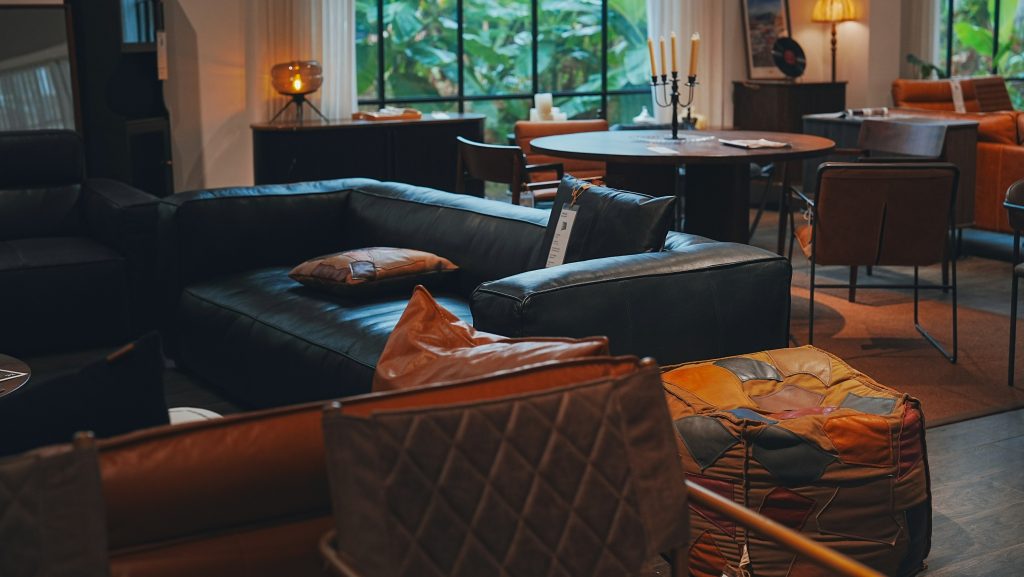
From heavy brocade curtains to thick velvet upholstery, textiles can easily feel out of place if they haven’t been updated in years. These fabrics often weigh down a space, making it feel more formal and dated. The fix? Choose lighter fabrics like linen, cotton, and soft velvet for a more contemporary look. Opt for window treatments like sheer curtains or simple roman blinds that let in light and provide a clean, airy feel. For furniture, look for modern slipcovers or leather in neutral tones that blend seamlessly with the rest of the room.
10. Overly Themed Rooms
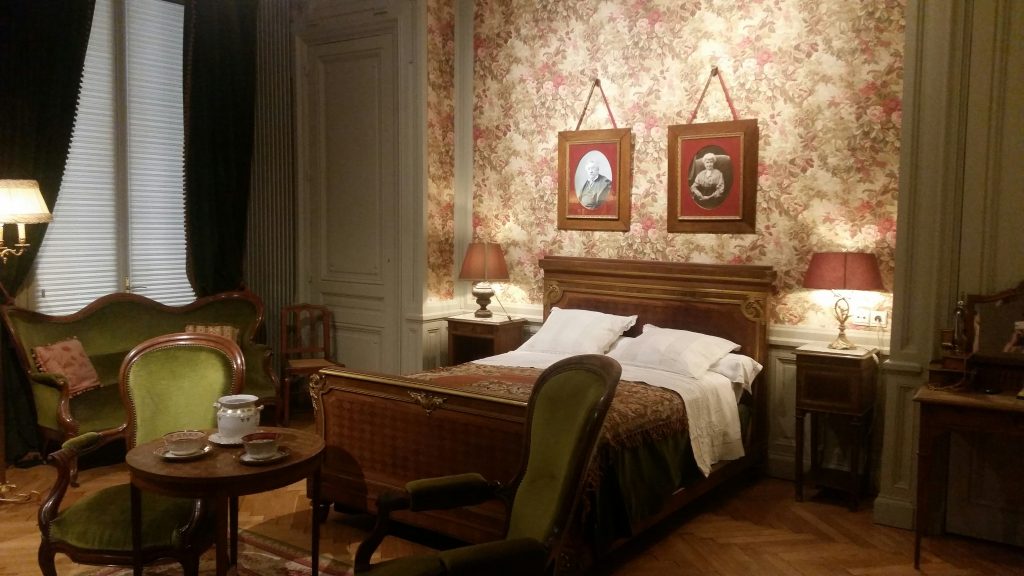
Rooms that follow an overly specific theme, be it Victorian, country cottage, or Mediterranean can make your home feel less like a dynamic, evolving space and more like a set piece. The fix? Embrace a more flexible, cohesive approach. Select a color palette that flows from room to room, incorporating a variety of styles and finishes that complement each other. Mix traditional and contemporary pieces to create harmony, ensuring each room has a sense of individuality while still working as part of a whole. The goal is for the space to feel balanced and organic rather than “staged.”
This article was created with the assistance of AI but thoroughly edited by a human being.