
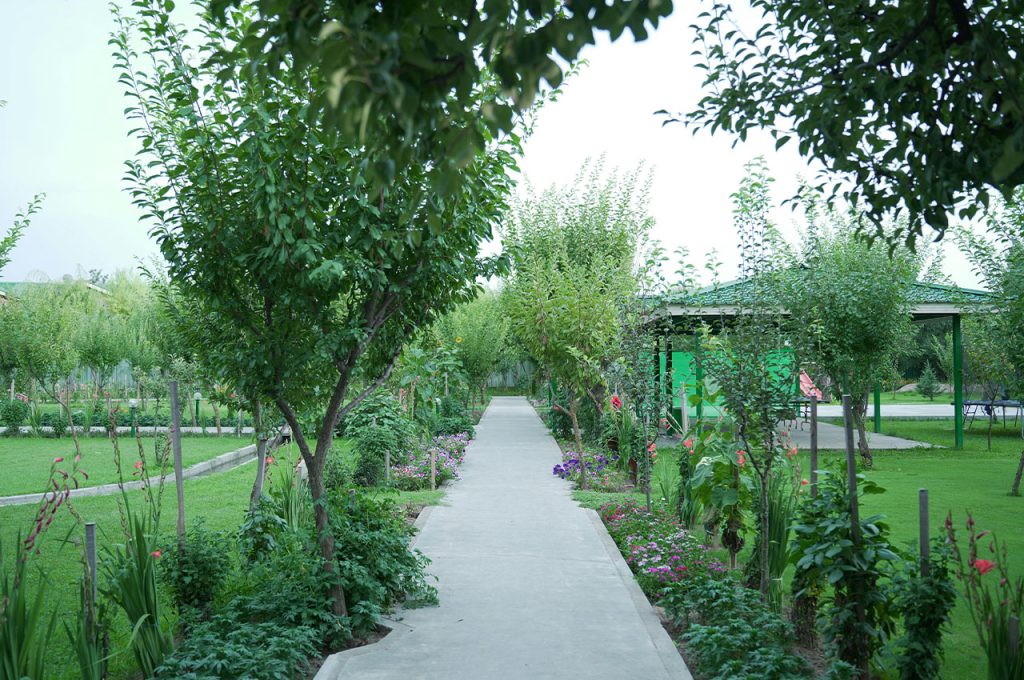
Pruning is key to unlocking your garden’s full summer potential. By trimming certain plants at the right time, you encourage healthier growth and bigger, brighter blooms. But not all plants respond the same way to pruning—knowing which ones to trim immediately can make all the difference. Here are 10 plants you should prune right away to enjoy the most vibrant and abundant summer flowers possible.
1. Ornamental Grasses: Trim Before They Grow Wild
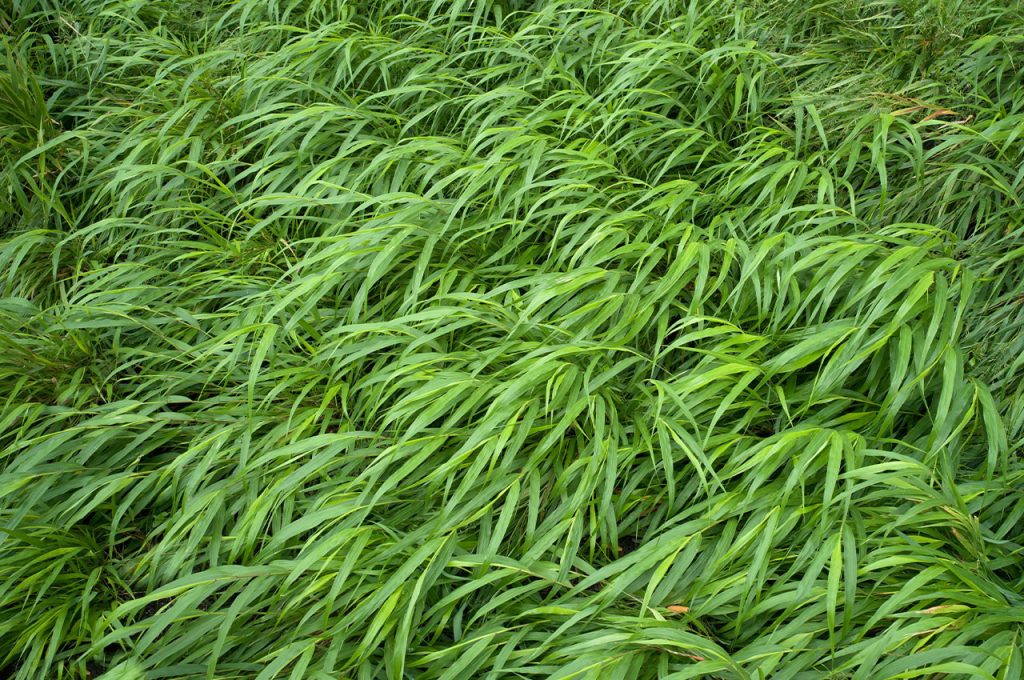
Ornamental grasses can quickly become unruly if left unchecked. Trimming them early helps control their size and encourages fresh, vigorous growth. Cutting back old foliage not only keeps your garden looking neat but also improves airflow, reducing the risk of disease. Early pruning also allows new shoots to develop fully, ensuring your grasses stay lush, vibrant, and a beautiful backdrop for your summer blooms.
2. Panicle Hydrangeas: Prune Now for Larger Blooms
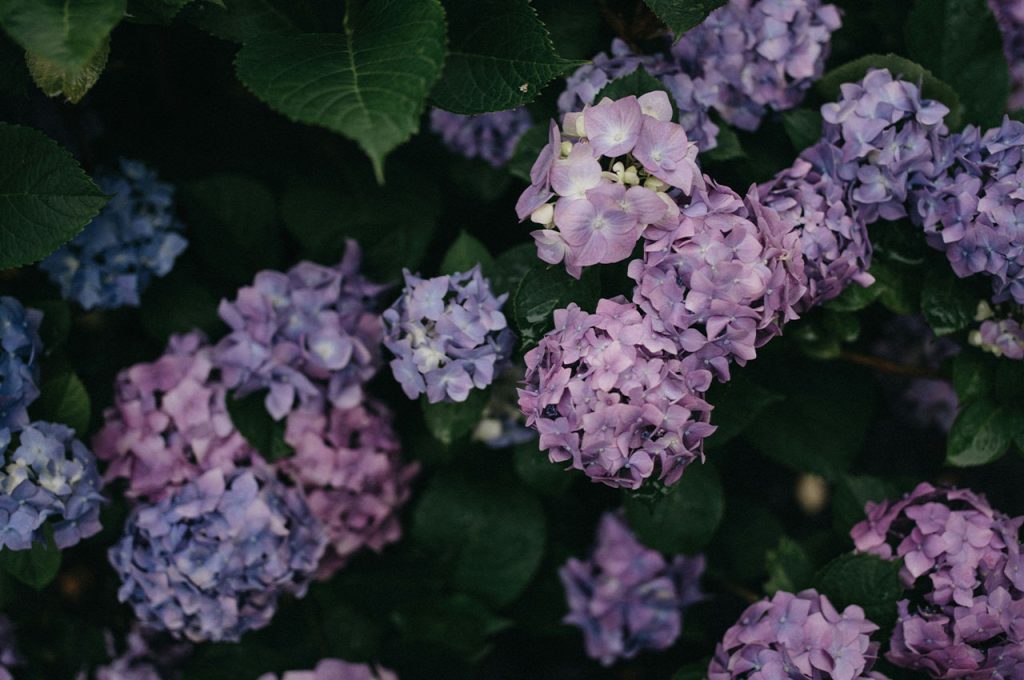
Panicle hydrangeas bloom on new wood, so pruning them now sets the stage for impressive summer flowers. Cutting back old growth stimulates strong stems and encourages the development of large, conical flower clusters. This early trim also helps maintain the plant’s shape and health, ensuring your hydrangeas produce bold, long-lasting blooms that brighten up any garden space throughout the summer.
3. Caryopteris (Bluebeard): Shape for a Fuller Display
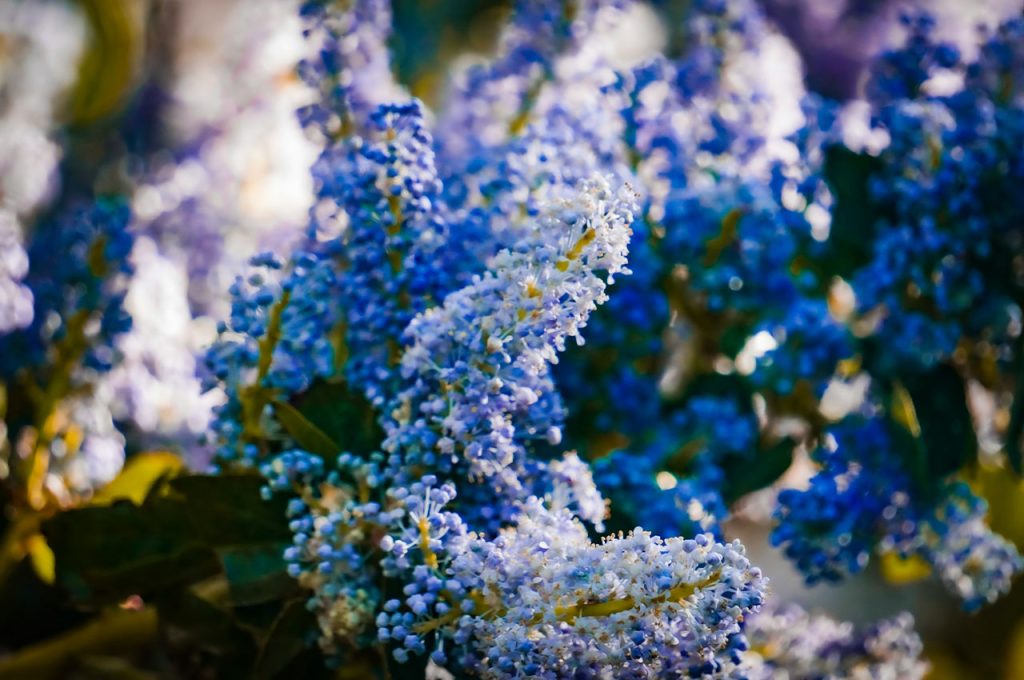
Caryopteris, or bluebeard, responds well to early pruning, which promotes a bushier, more attractive shape. Trimming encourages multiple new shoots to develop, resulting in a fuller plant covered in vibrant blue flowers. Without pruning, it can become leggy and sparse. Regular shaping helps keep your bluebeard dense and flowering profusely, making it a standout addition to any sunny garden.
4. Smooth Hydrangeas: Cut Back for Sturdy Stems

Smooth hydrangeas bloom on new growth, so cutting them back now encourages robust stem development. Removing older, weaker branches directs energy to fresh shoots, which support bigger, healthier flowers. This early pruning also improves air circulation and sunlight penetration, helping prevent disease. The result is a stronger plant with striking, rounded flower heads that truly shine during summer.
5. Russian Sage: Prune to Encourage Robust Growth
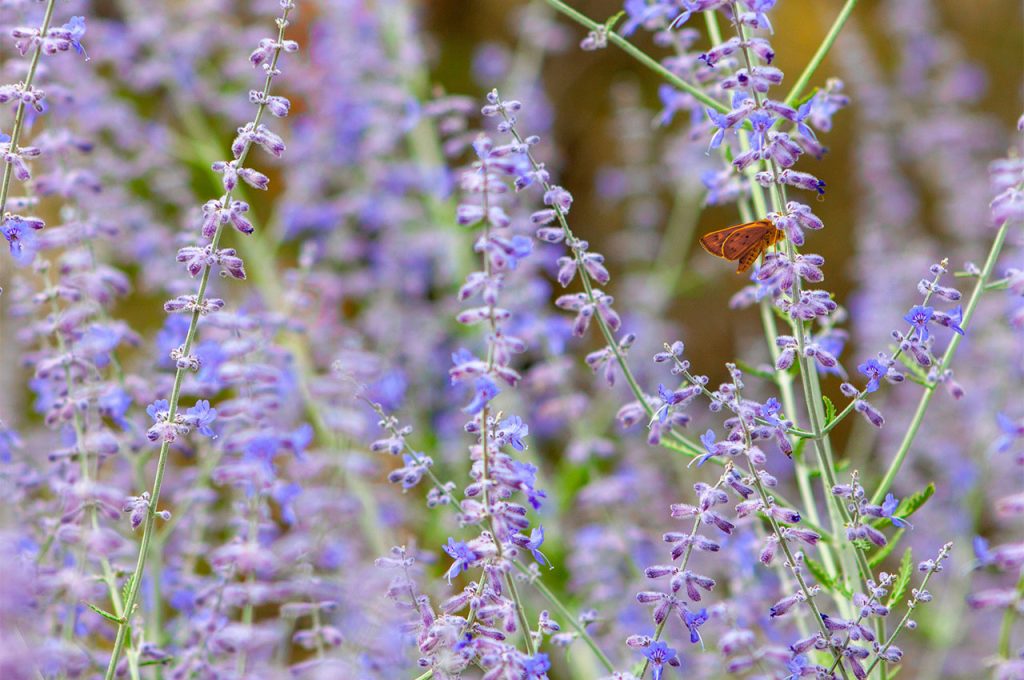
Russian sage thrives with a firm pruning each spring. Cutting it back encourages vigorous, compact growth and abundant flowering. Without this trim, the plant can become woody and leggy, diminishing its visual appeal. Early pruning also helps maintain its neat shape and promotes the production of fragrant, lavender-blue blooms that attract pollinators and brighten up garden borders all summer long.
6. Butterfly Bushes: Trim to Promote Abundant Flowers

Butterfly bushes bloom on new wood, so a thorough early-season trim encourages a flood of vibrant flowers. Cutting back old growth stimulates fresh shoots that produce more blossoms, attracting butterflies and pollinators all summer long. Pruning also keeps the bush tidy and prevents it from becoming leggy or overgrown, ensuring a lush, eye-catching display throughout the warm months.
7. Roses: Prune to Enhance Flowering and Health
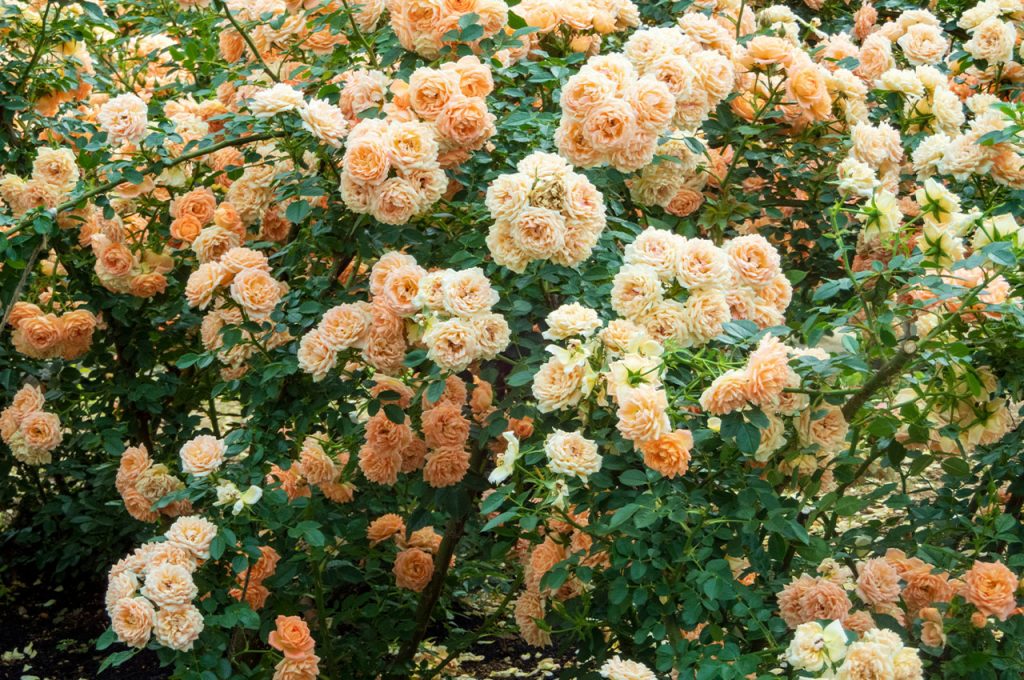
Pruning roses in early spring removes dead or weak branches, opening up the plant for better airflow and sunlight. This process stimulates strong new growth and encourages larger, healthier blooms. Proper pruning also reduces disease risk and shapes the plant for a more attractive appearance. By trimming roses now, gardeners set the stage for a flourishing summer display full of fragrant, vibrant flowers.
8. Lavender: Trim for a Neat and Fragrant Garden
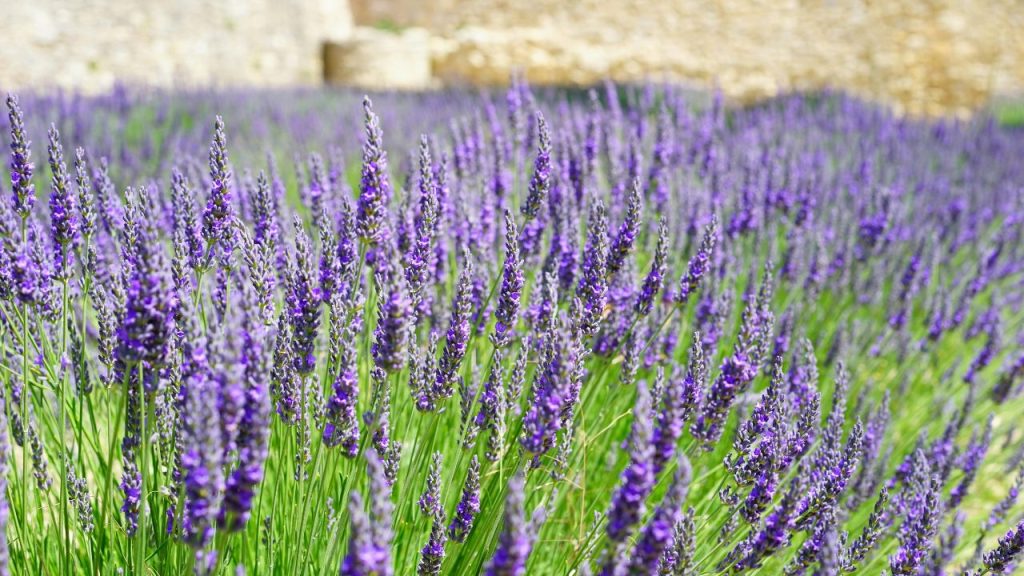
Lavender benefits from a careful trim after winter to maintain its compact shape and boost fragrance. Cutting back spent stems encourages bushier growth and prevents the plant from becoming woody and sparse. A timely trim also promotes better airflow and more abundant blooms, ensuring your garden stays neat and filled with the plant’s signature soothing scent throughout the summer season.
9. Catmint: Prune to Revive Blooms and Maintain Shape
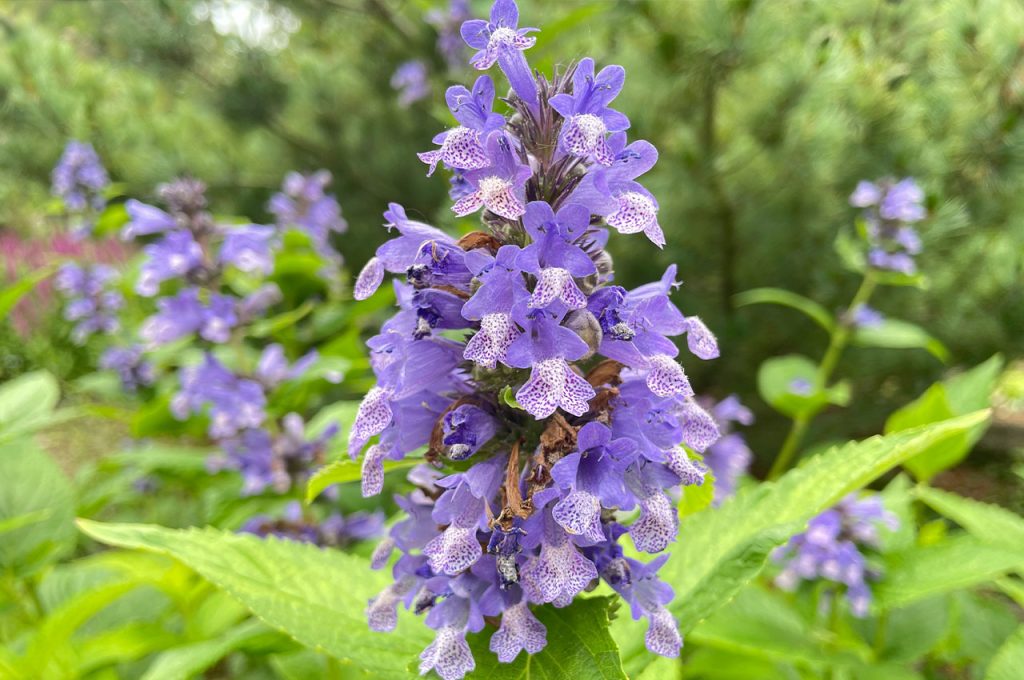
Catmint responds beautifully to early pruning, which encourages a fresh flush of growth and prolonged flowering. Removing old stems prevents the plant from becoming leggy and promotes a dense, attractive shape. Maintenance through pruning is essential to improve air circulation, in order to reduce the risk of disease. The result is a lively, well-shaped catmint that delivers soft purple blooms and fills the garden with its calming aroma.
10. Boxwood: Shape for a Tidy and Vibrant Garden

Boxwoods thrive with regular shaping, which keeps their dense foliage neat and vibrant. Pruning in spring removes any damaged or overcrowded branches, promoting healthy new growth. This tidy trim enhances the plant’s natural form, making it a perfect hedge or structural element in the garden. Well-maintained boxwoods provide year-round interest and a polished backdrop for your summer flowers.
This article was created with the assistance of AI but thoroughly edited by a human being.