
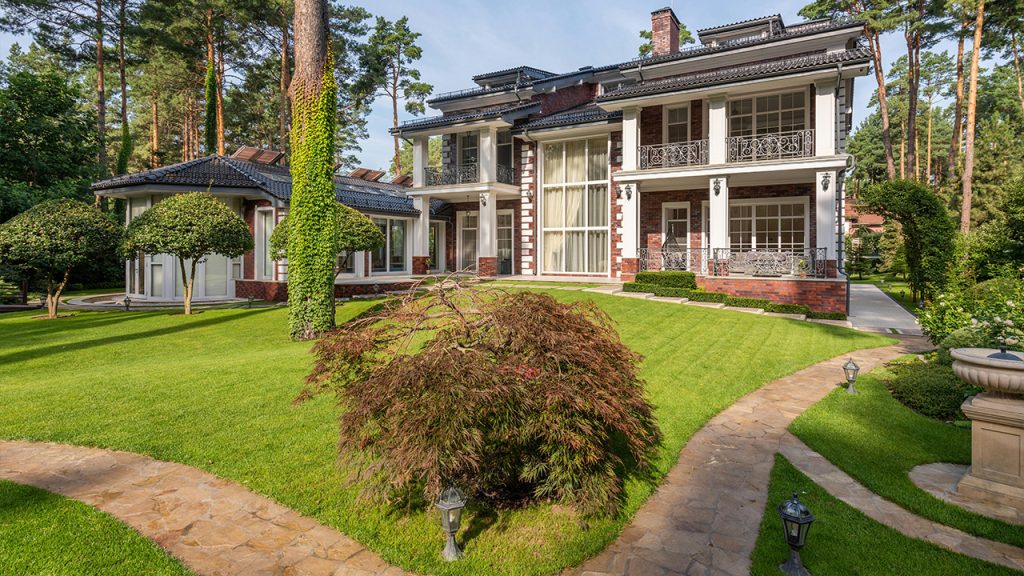
Not all landscaping trends are worth the investment—some that look stunning on social media can turn into costly, high-maintenance headaches. According to landscape designers, certain popular choices often fail to live up to expectations or suit real-life needs. From overly minimal designs to hard-to-maintain features, these are 10 landscaping trends that homeowners often regret embracing after the excitement wears off.
1. All-Gravel Yards
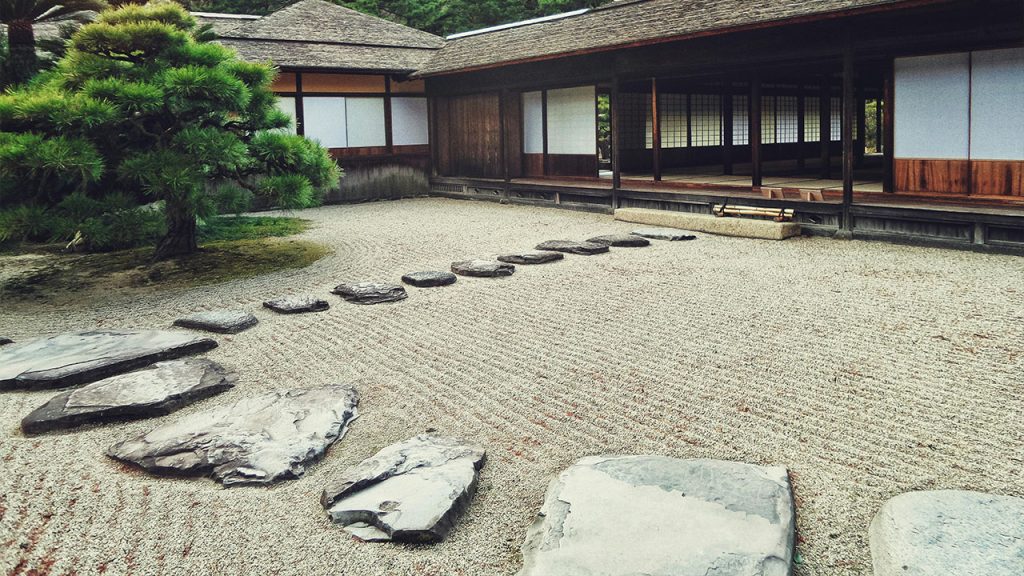
Gravel yards may seem low-maintenance and drought-friendly, but they often create more problems than they solve. Gravel heats up outdoor spaces, can displace over time, and offers little ecological benefit. Homeowners often find the look too stark and sterile, and removing or replacing gravel can be both costly and labor-intensive.
2. Overly Minimalist Garden Designs
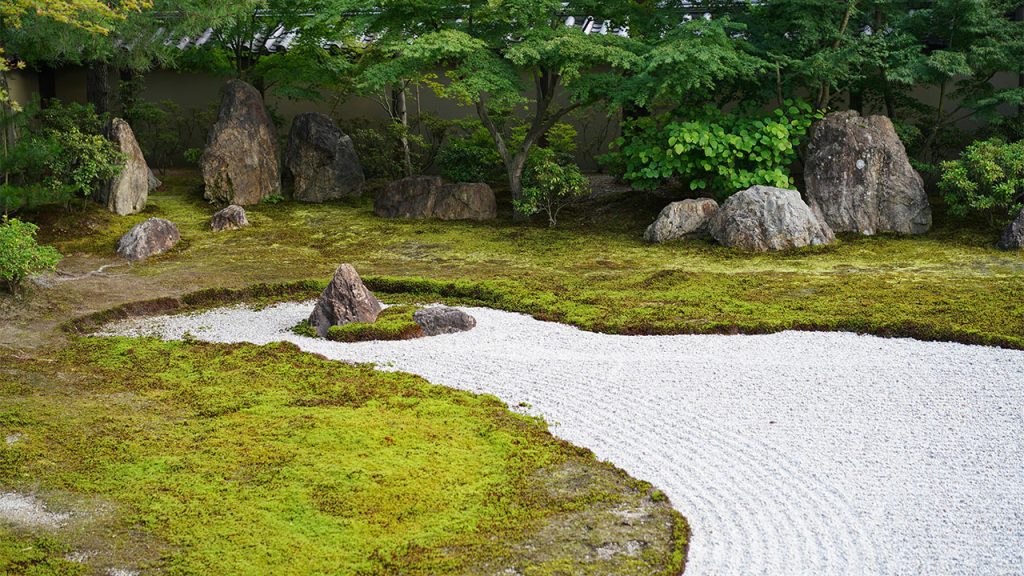
Minimalist landscapes with sparse greenery and rigid lines can initially look sleek but often feel lifeless and uninviting. The lack of diversity makes gardens more vulnerable to pests and weather damage, and homeowners may miss the seasonal interest, textures, and colors that fuller, more natural designs provide.
3. Large Monoculture Plantings
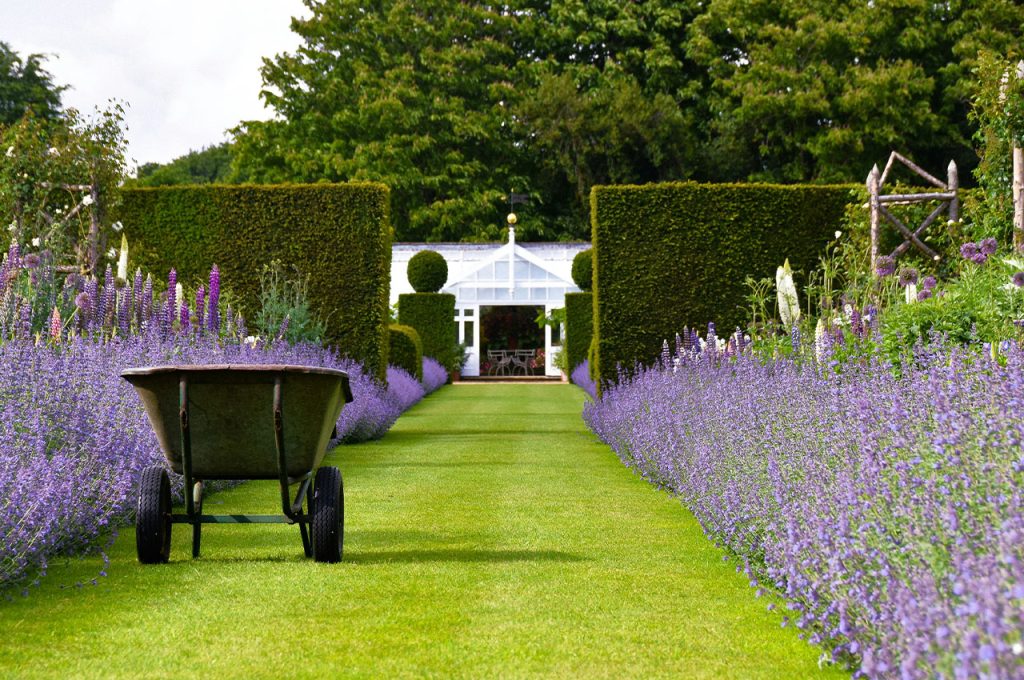
Using just one type of plant across an entire yard might appear elegant at first, but it creates maintenance issues and invites pests and diseases. If one plant species struggles, the whole yard suffers. Homeowners quickly regret the lack of visual interest and the need for frequent replacements due to limited biodiversity.
4. Artificial Turf Lawns
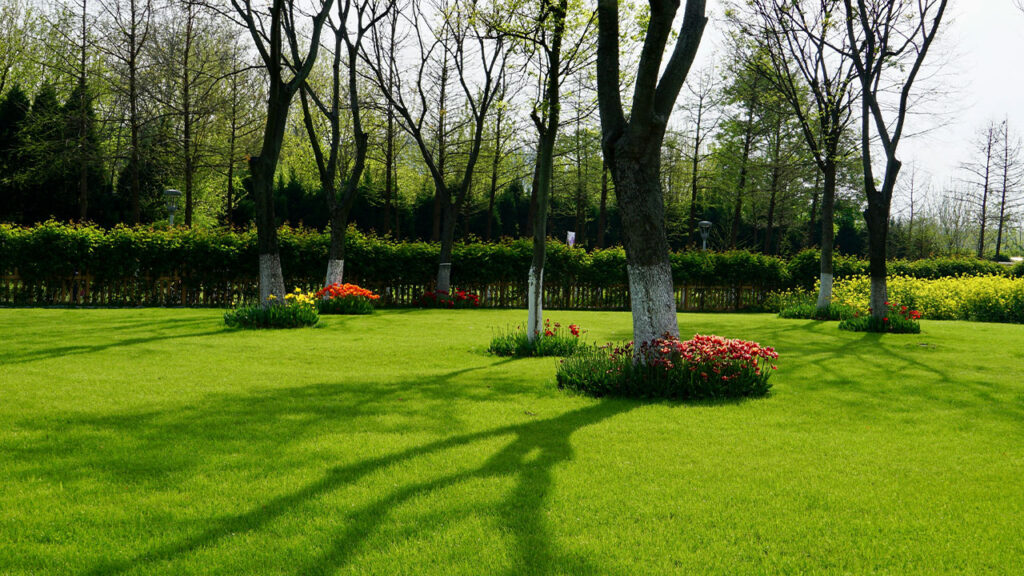
Artificial turf eliminates mowing, but it can overheat in the sun, retain unpleasant odors, and become a breeding ground for bacteria. It also requires periodic maintenance and cleaning. Over time, homeowners often miss the feel and appearance of natural grass and regret the environmental impact of synthetic materials.
5. Complex Water Features
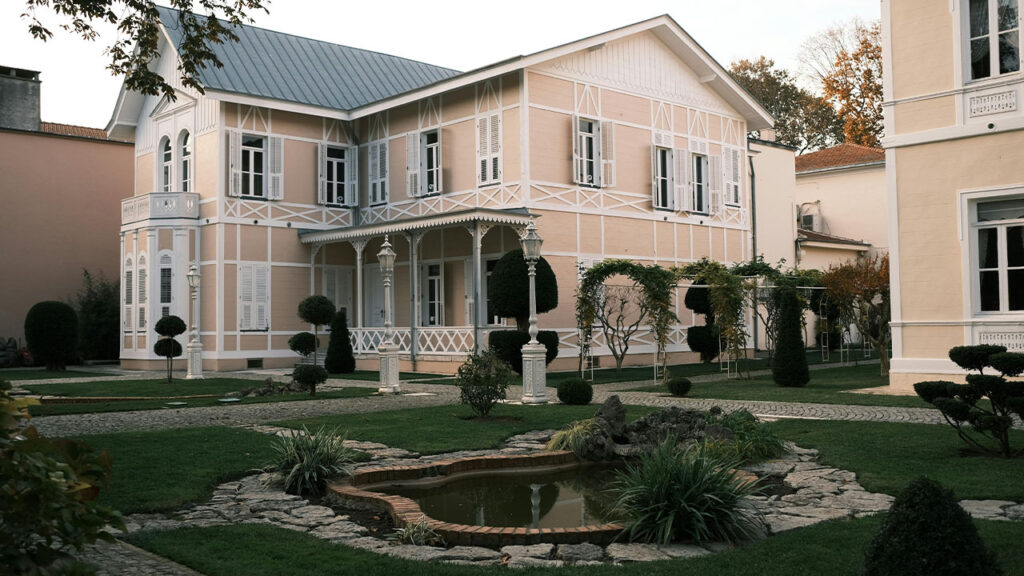
Intricate water features like multi-tiered fountains or koi ponds can be beautiful, but they demand constant upkeep. Issues like algae, pump failures, and water leaks are common. What starts as a showpiece can become a burden, with many homeowners finding the maintenance time and costs outweigh the aesthetic appeal.
6. Too Many Potted Plants

A few potted plants can add charm, but an overload turns into a cluttered maze of mismatched containers that require constant watering, rearranging, and care. Unlike rooted landscaping, pots are prone to tipping, drying out, and seasonal failure. Homeowners often regret the upkeep and lack of cohesion once the novelty wears off.
7. High-Maintenance Topiaries
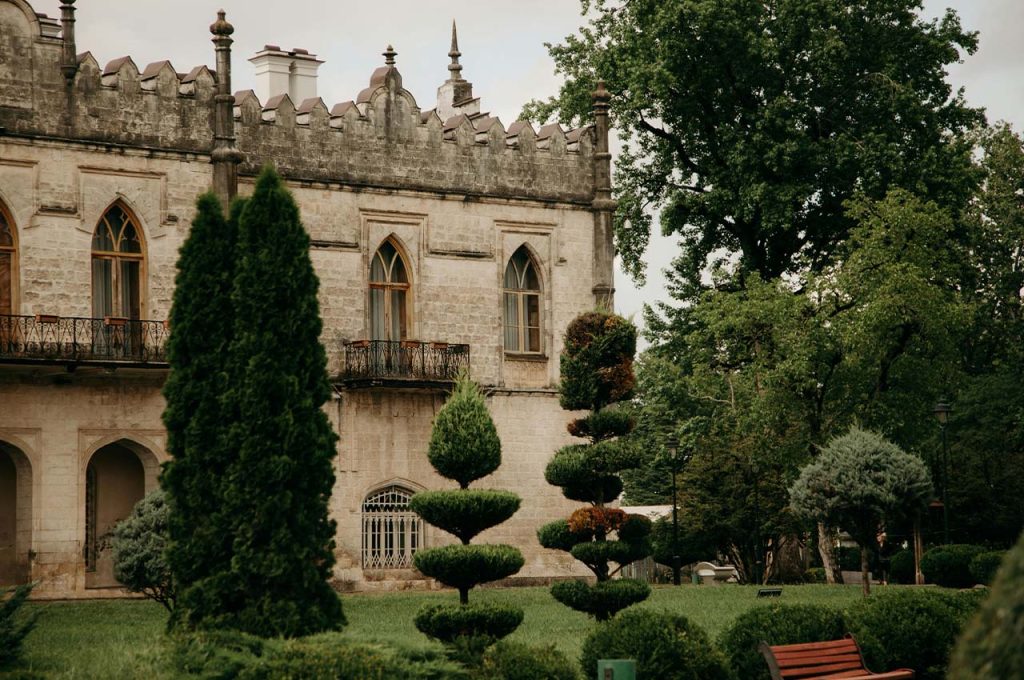
While topiaries can make a striking statement, they demand meticulous pruning to maintain their shape. Miss one trim and the design looks sloppy fast. They’re often ill-suited to naturalistic gardens and can feel out of place. Many homeowners eventually find the precision too demanding for everyday living.
8. Oversized Outdoor Kitchens
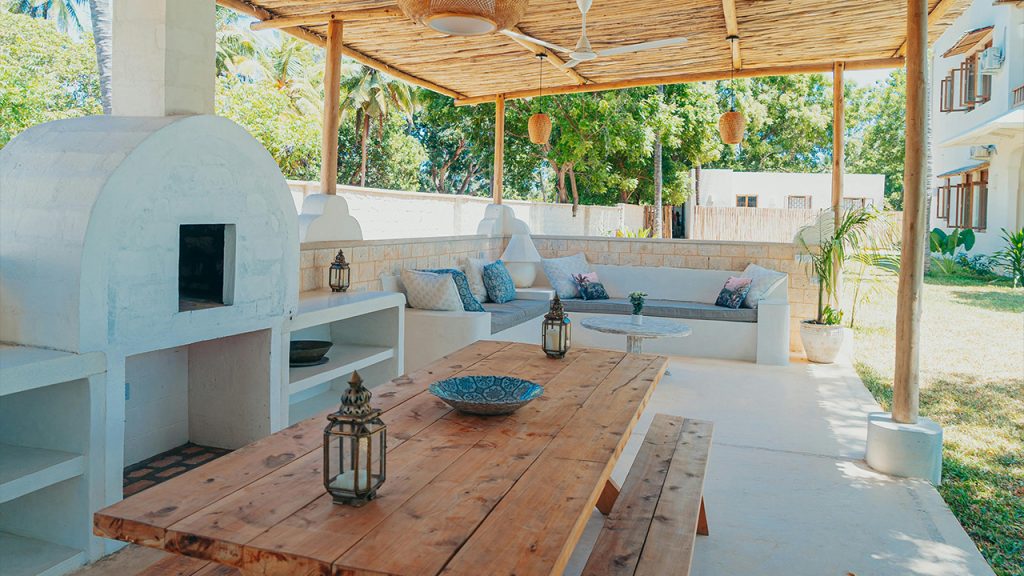
Sprawling outdoor kitchens may look impressive, but if rarely used, they become wasted space. Large grills, fridges, and stone counters take up valuable yard room and need cleaning, covering, and maintenance. Homeowners often realize they overestimated their outdoor cooking habits and underestimated the upkeep.
9. Trendy but Invasive Plant Choices
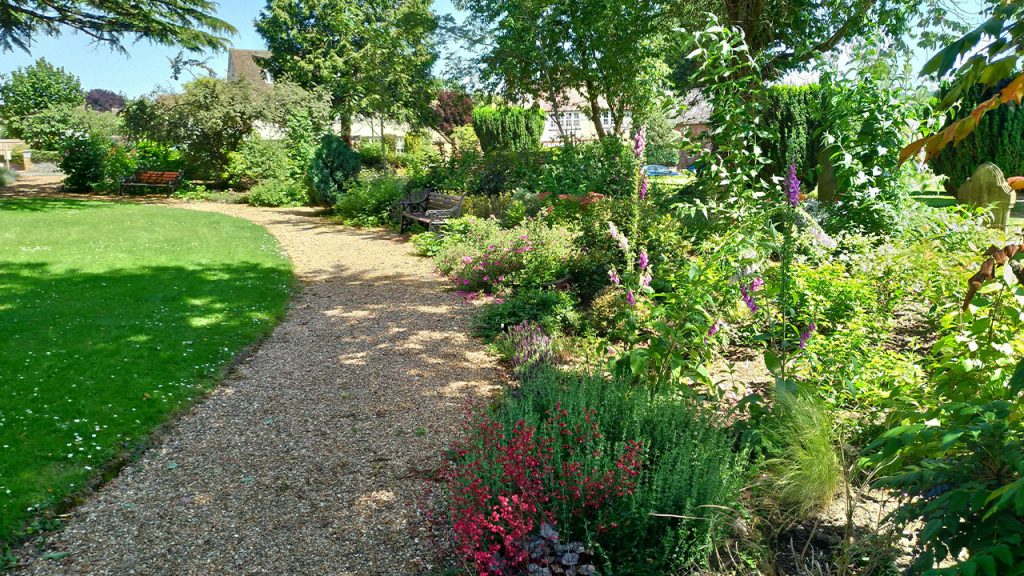
That fast-growing vine or exotic ground cover might be all the rage now, but it can quickly turn into an ecological nightmare. Invasive plants spread aggressively, choking out native species and requiring constant removal. Designers may love the look, but homeowners often battle the consequences for years.
10. Excessive Use of Hardscaping
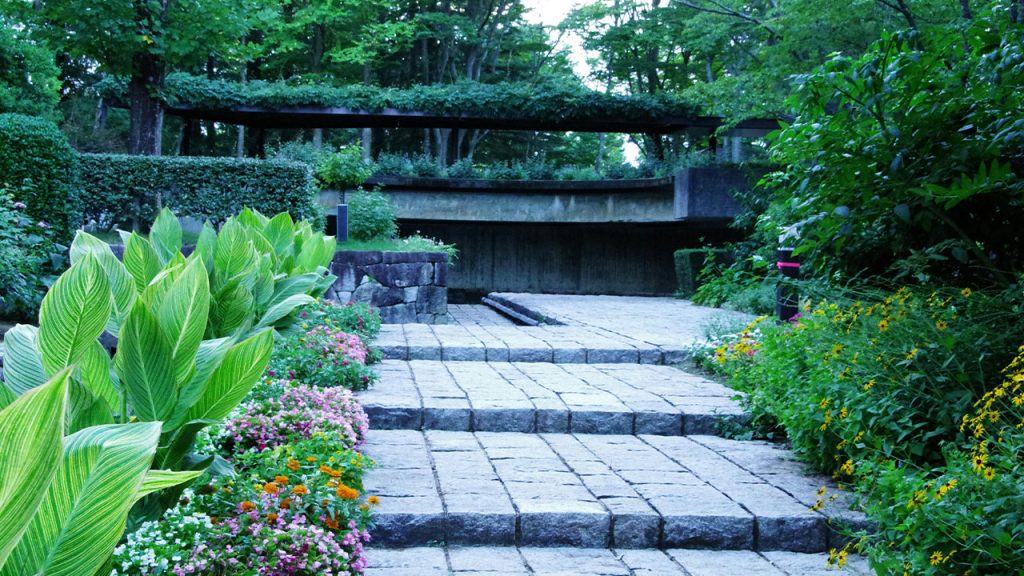
Stone patios, gravel paths, and concrete walls offer structure, but too much hardscaping can make a yard feel cold, unwelcoming, and prone to drainage issues. It also removes space for planting and wildlife. Homeowners often regret trading green for gray, missing the softness and life of a living landscape.
Want to see more from Remodr?

Drop a comment below, share this with your friends and family, and don’t forget to follow us for more fresh ideas, updates, tips, and home trends.
This article was created with the assistance of AI but thoroughly edited by a human being.