

As neighborhoods across the U.S. tighten regulations to maintain curb appeal and environmental standards, some common yard features may soon be facing bans. From popular decorative trends to practical additions, local ordinances and HOA rules are beginning to crack down. Whether due to safety concerns, water conservation, or aesthetic guidelines, here are 10 yard features that might not be welcome much longer.
1. Artificial Grass Installations
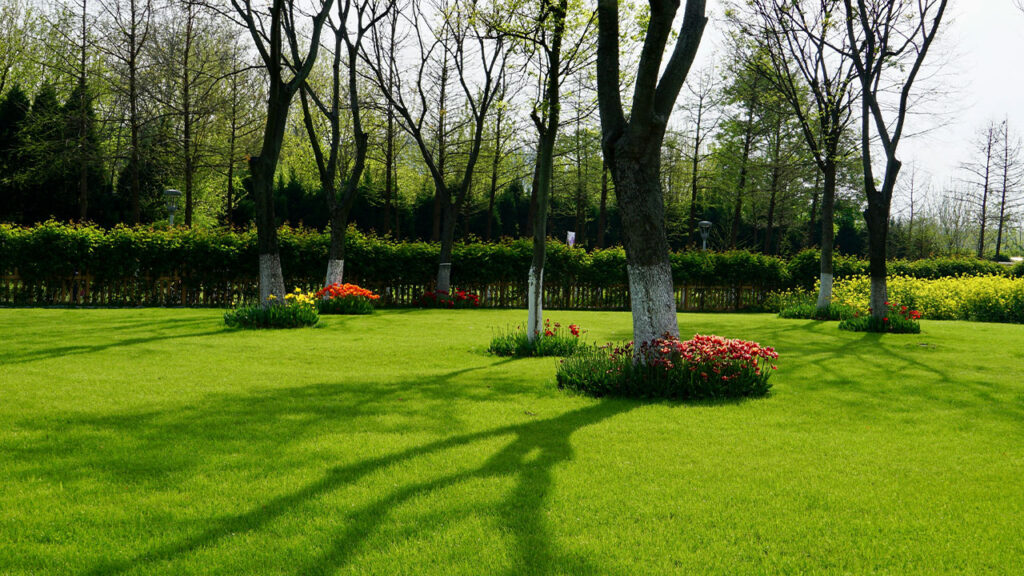
While artificial grass may seem like a low-maintenance, eco-friendly solution, some neighborhoods are starting to push back. Concerns over heat retention, synthetic runoff, and lack of ecological benefit have led some HOAs and local ordinances to restrict or ban its use, especially in front yards. Communities focused on sustainability may prefer natural landscaping alternatives that support pollinators and soil health.
2. Oversized or Bright Lawn Ornaments
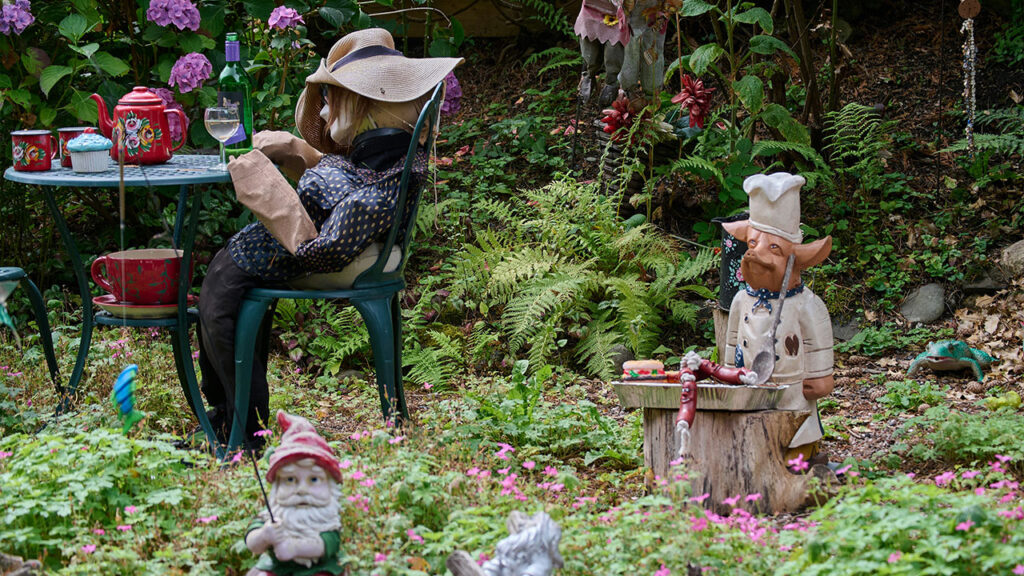
Larger-than-life lawn décor—like inflatable characters or brightly colored sculptures—can quickly clash with neighborhood aesthetics. Many communities have begun tightening regulations on the size, color, and number of decorations permitted in visible areas. These bans aim to preserve curb appeal, reduce visual clutter, and maintain a uniform appearance among homes in residential developments.
3. Chain-Link Fencing
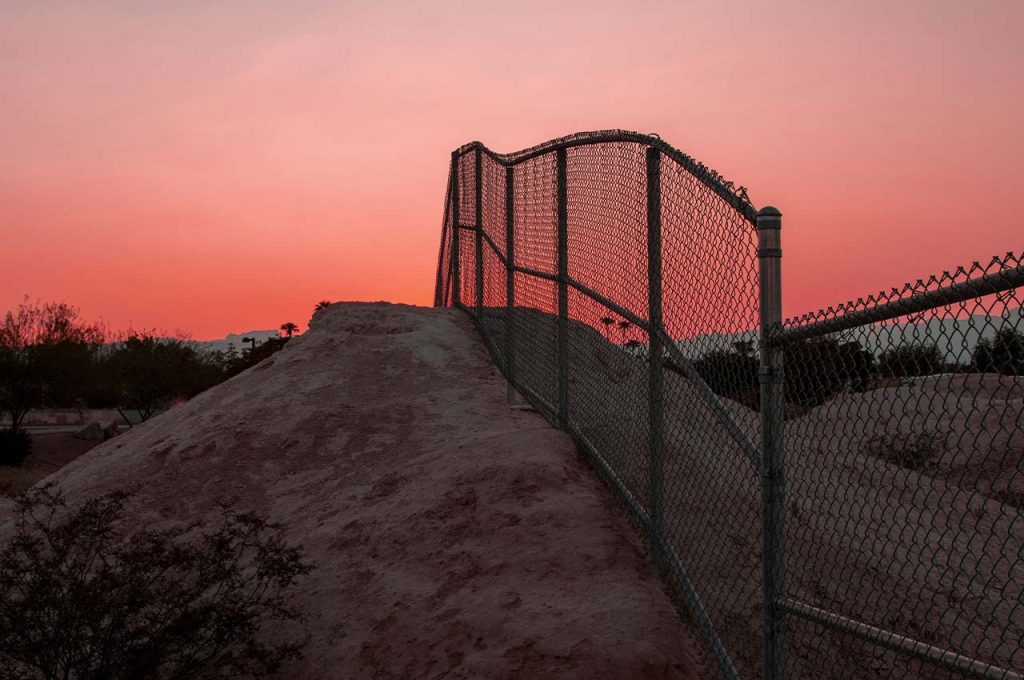
Chain-link fences, while practical, are falling out of favor in many suburban neighborhoods. These utilitarian barriers are often seen as unattractive and not in line with modern design standards. As a result, more HOAs are banning them outright or limiting their use to less visible areas. Homeowners may be encouraged—or even required—to install wooden, vinyl, or wrought iron fences instead.
4. Gravel or Rock Lawns
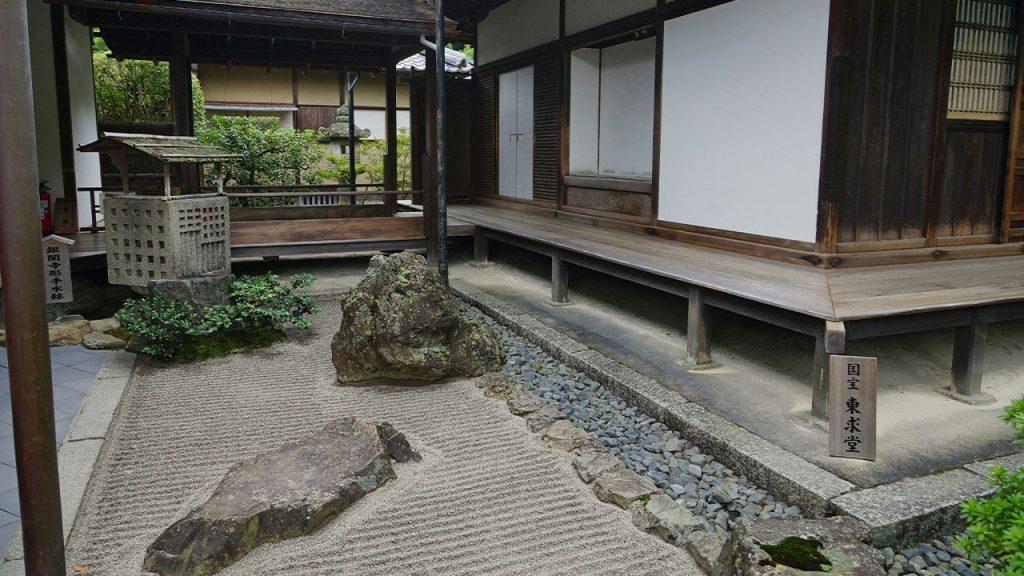
Gravel lawns are gaining popularity for their drought resistance, but they may soon face pushback. In some areas, local ordinances are beginning to ban extensive rock landscaping due to issues like increased surface heat, stormwater runoff, and a lack of plant life. These yards often conflict with sustainability goals that favor native plants, green coverage, and biodiversity.
5. Non-Native or Invasive Plants
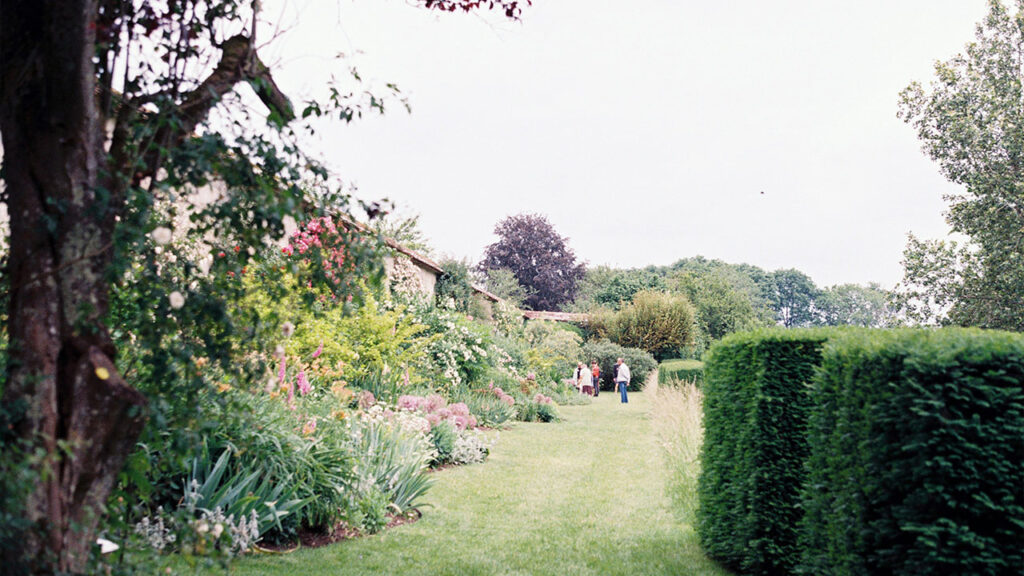
Using exotic plants might create a striking landscape, but it can come with ecological risks. Many municipalities are considering bans on invasive species that disrupt local ecosystems and require excessive watering or chemical treatments. Communities increasingly prefer native plants that support wildlife and adapt better to local climates, making non-native varieties less welcome in upcoming landscaping regulations.
6. Above-Ground Pools
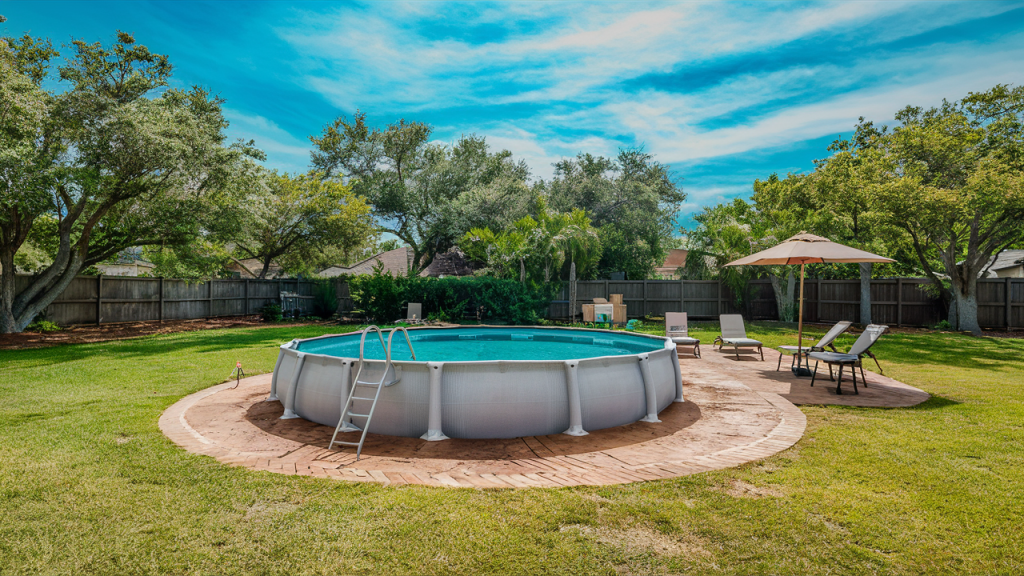
Above-ground pools are often seen as convenient and affordable summer additions, but many neighborhoods are starting to limit or ban them. Concerns include safety risks, unsightly appearances, and potential noise issues. HOAs and local regulations may require permits or outright prohibit these pools, especially when placed in front or side yards, to maintain a neat and consistent community look.
7. Excessive Outdoor Lighting
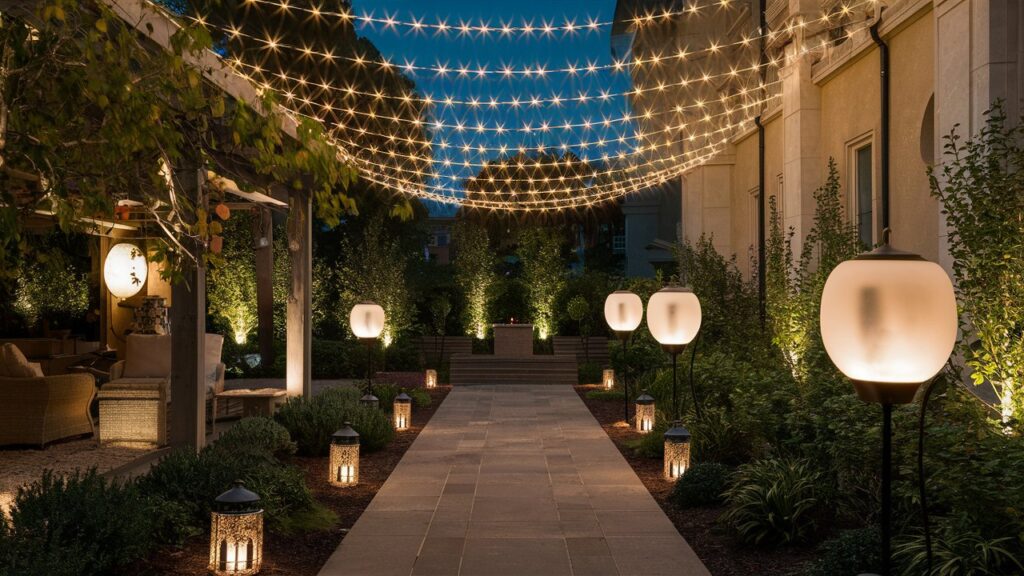
Outdoor lighting can enhance security and ambiance, but excessive or improperly directed lighting has become a growing concern. Many communities are introducing restrictions to prevent light pollution, glare, and disturbances to neighbors or local wildlife. These rules often limit brightness levels, types of fixtures, and hours of operation, encouraging more thoughtful and energy-efficient outdoor illumination.
8. Front Yard Vegetable Gardens
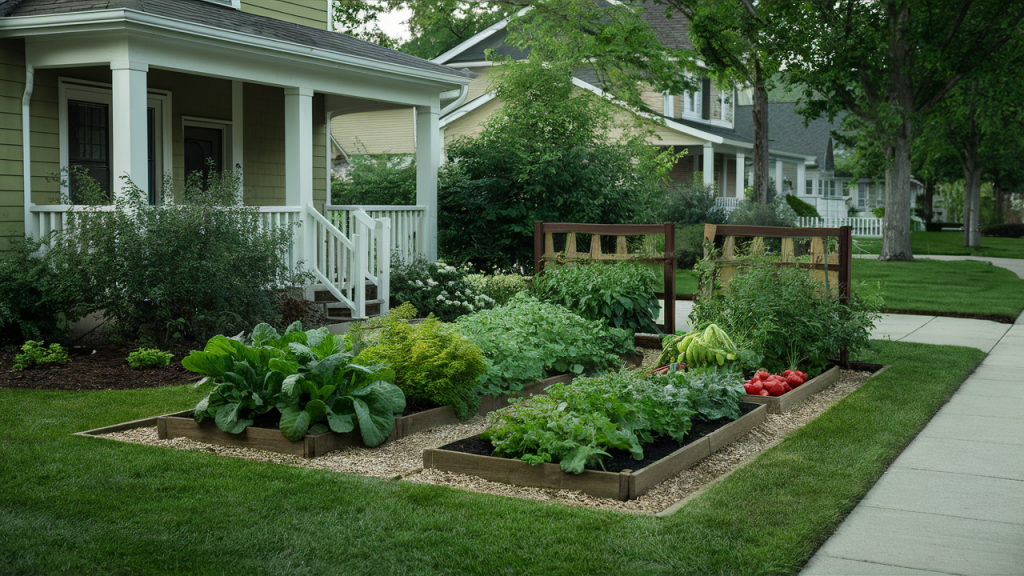
While vegetable gardens promote sustainability and healthy living, some neighborhoods are pushing back on front yard plantings. These bans stem from worries about aesthetic uniformity, pest attraction, or property value impacts. Certain HOAs may restrict front yard gardens or require they be confined to less visible areas, encouraging residents to place edible plants in backyards instead.
9. Outdoor Structures Without Permits
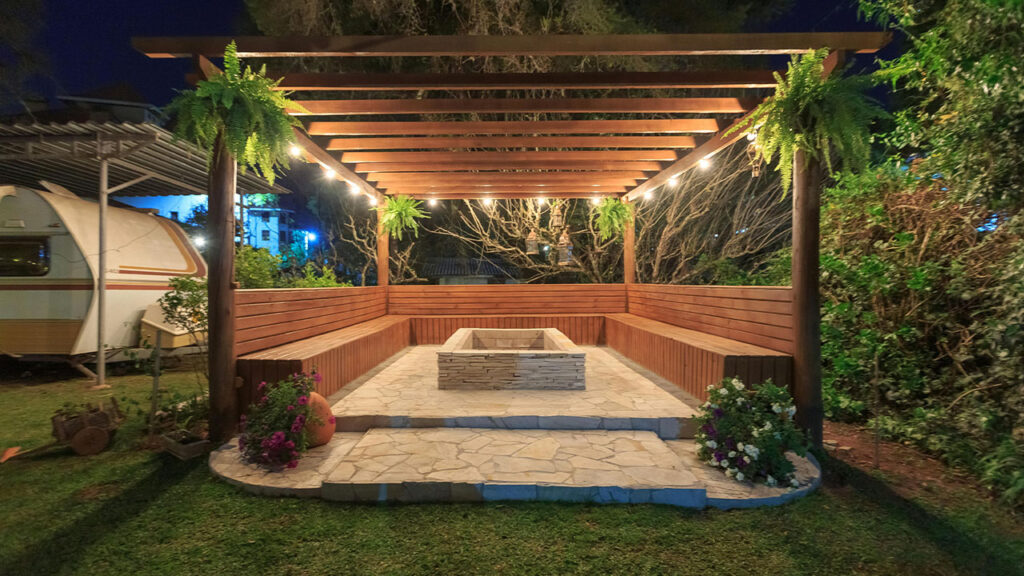
Adding decks, sheds, pergolas, or other outdoor structures without proper permits is a common violation that neighborhoods are cracking down on. These unapproved constructions can affect property lines, safety, and community standards. Increasingly, local governments and HOAs enforce permit requirements and may issue fines or require removal if rules are not followed.
10. Untended Natural Lawns and “No-Mow” Areas
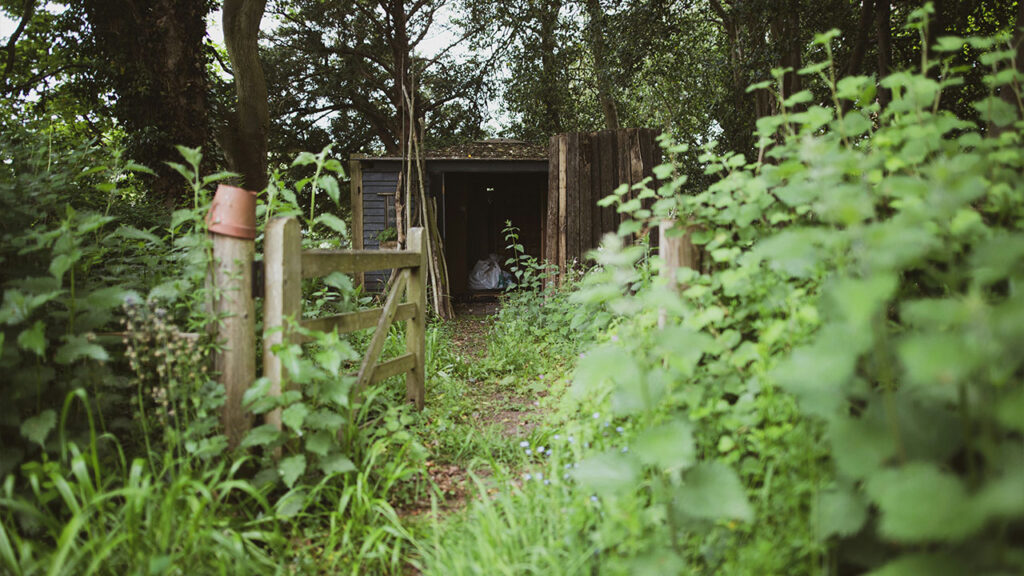
No-mow zones and natural lawns aimed at promoting biodiversity are gaining attention but may face resistance in some neighborhoods. Untended grass or wildflower patches can be seen as messy or neglected, prompting regulations requiring regular lawn maintenance. Homeowners may need to balance ecological benefits with community standards for yard appearance.
Want to see more from Remodr?

Drop a comment below, share this with your friends and family, and don’t forget to follow us for more fresh ideas, updates, tips, and home trends.
This article was created with the assistance of AI but thoroughly edited by a human being.