
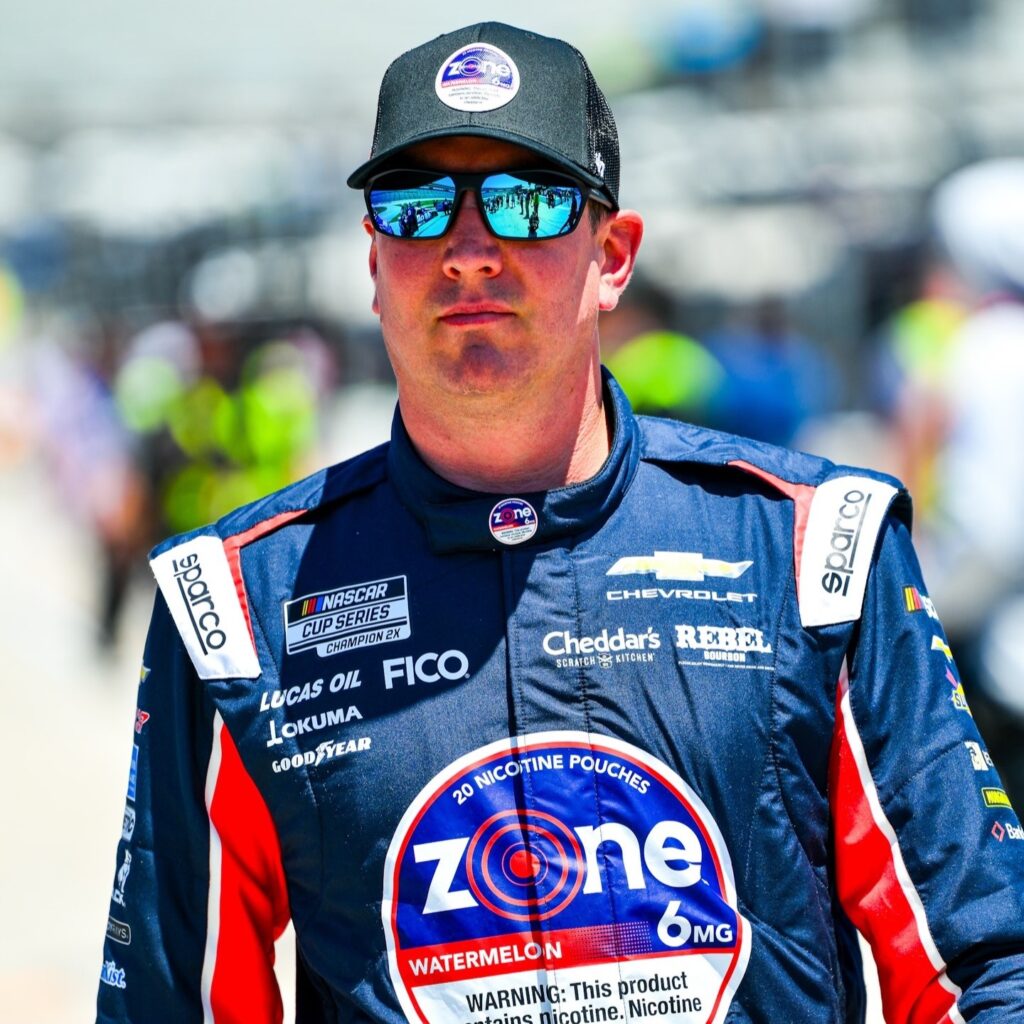
The news stunned NASCAR almost instantly. Kyle Busch, one of the sport’s defining modern stars, has died at 41, ending a career that was still active and highly competitive.
A sudden loss that shakes NASCAR
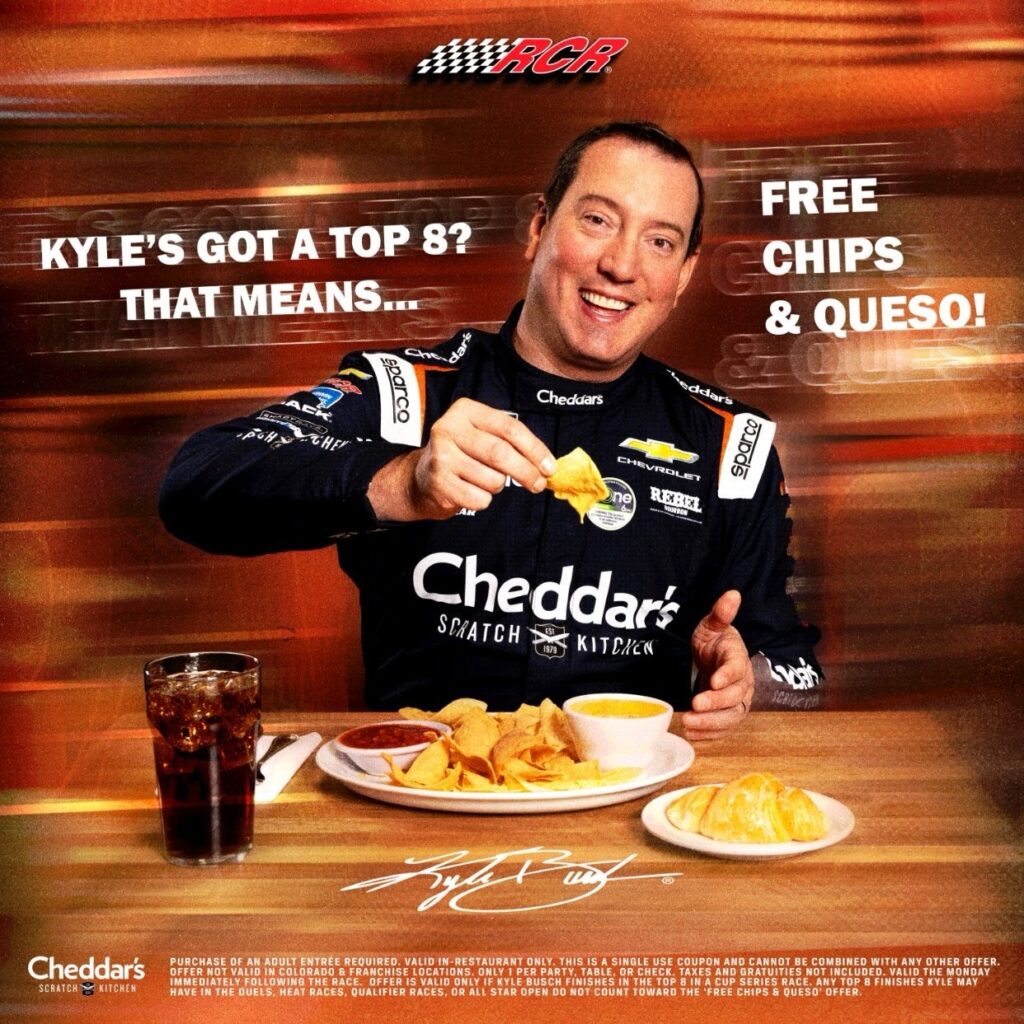
Busch’s death was announced in a joint statement from his family, Richard Childress Racing and NASCAR, confirming the passing of the two-time Cup Series champion on Thursday. No cause of death was released, and the statement offered only limited details, while emphasizing the scale of the loss for the sport. Earlier in the day, representatives had said Busch had been hospitalized with a severe illness and would miss his scheduled weekend activities.
According to reporting from the Associated Press, Busch had been in Concord, North Carolina, and became unresponsive while testing in a Chevrolet racing simulator on Wednesday before being transported to a Charlotte hospital. Those details, attributed to people familiar with the situation, have not been formally expanded upon by his family or team. What remains clear is that the situation deteriorated rapidly, with his death announced only hours after the public first learned he was receiving treatment.
The timing deepened the shock. Busch had been scheduled to compete in the Coca-Cola 600 at Charlotte Motor Speedway over the Memorial Day weekend, one of NASCAR’s marquee events. Richard Childress Racing had already named Austin Hill as the replacement driver for the No. 8 Chevrolet, and NASCAR officials indicated the race would continue as planned, with tributes expected during the weekend.
For many in the garage, the disbelief was immediate and raw. Denny Hamlin wrote that he could not comprehend the news, while Brad Keselowski described the loss as an absolute shock. Speedway Motorsports called Busch a “champion among champions,” language that reflected not just his championships but his outsized place in the modern NASCAR era.
A career built on speed, toughness and relentless winning
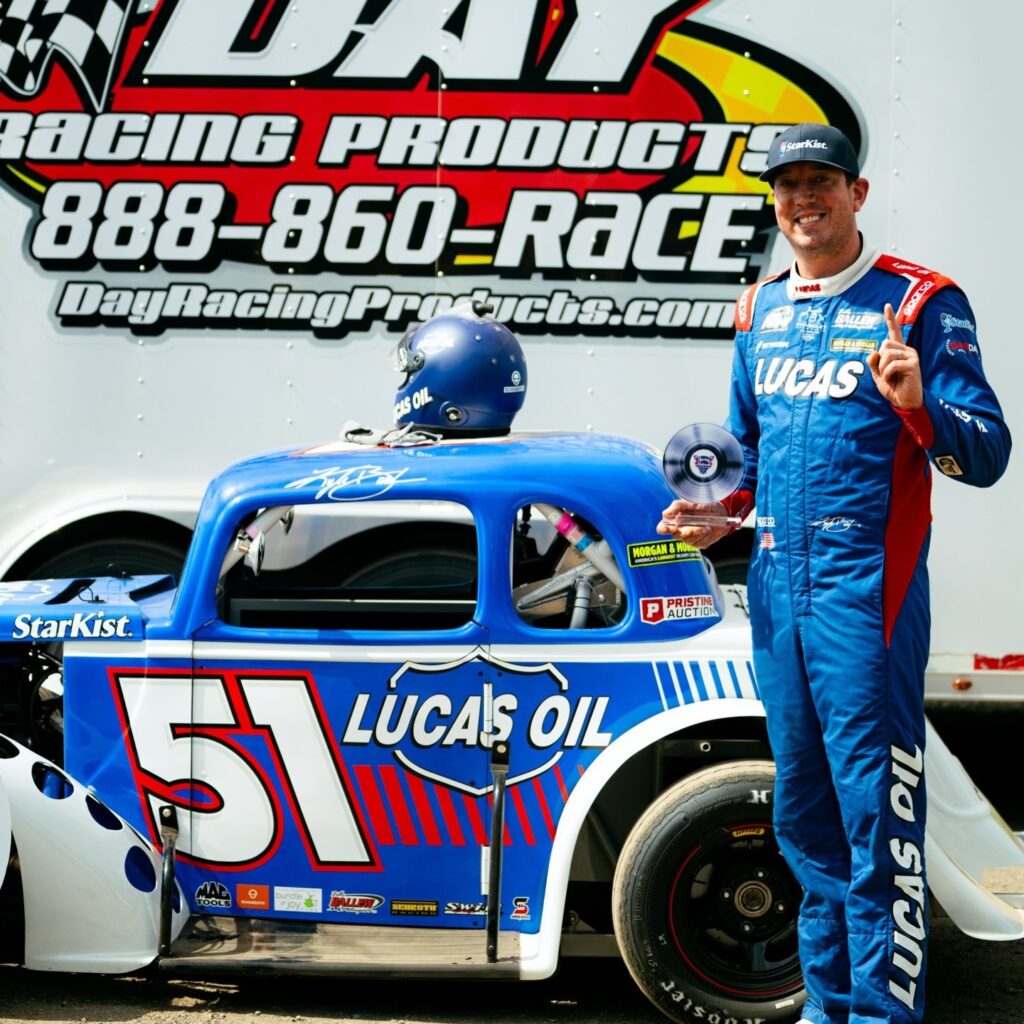
Busch’s legacy is impossible to separate from numbers that place him among the greatest stock car drivers of his generation. At the time of his death, he had 63 victories in NASCAR’s premier Cup Series and stood ninth on the all-time win list in that division. Across NASCAR’s three national series, he amassed 234 wins, more than any driver in history, a mark that underscored both his longevity and his extraordinary versatility.
His two Cup championships, won in 2015 and 2019, captured different dimensions of his greatness. The 2015 title remains one of the most remarkable championship runs in NASCAR history because Busch missed the first 11 races of the season after suffering leg and foot injuries in a crash at Daytona. He returned, won five races, qualified for the playoffs, and then completed a comeback that became part of racing folklore.
Busch was also a force beyond Sundays in the Cup garage. He developed young drivers through truck series ownership and became an important pipeline for future talent, helping shape careers while maintaining his own demanding schedule. That dual role, as elite competitor and mentor, gave him influence that stretched far beyond the cockpit.
Yet statistics alone never fully explained Kyle Busch. He raced with visible emotion, sharp confidence and a willingness to embrace conflict, traits that made him both divisive and compelling. Fans who loved him saw authenticity and fearlessness; critics saw a driver who never softened his edge. Either way, “Rowdy Nation” became one of NASCAR’s most recognizable fan bases, proving that Busch inspired a level of loyalty and reaction few drivers ever achieve.
Tributes, family and the lasting mark he leaves behind
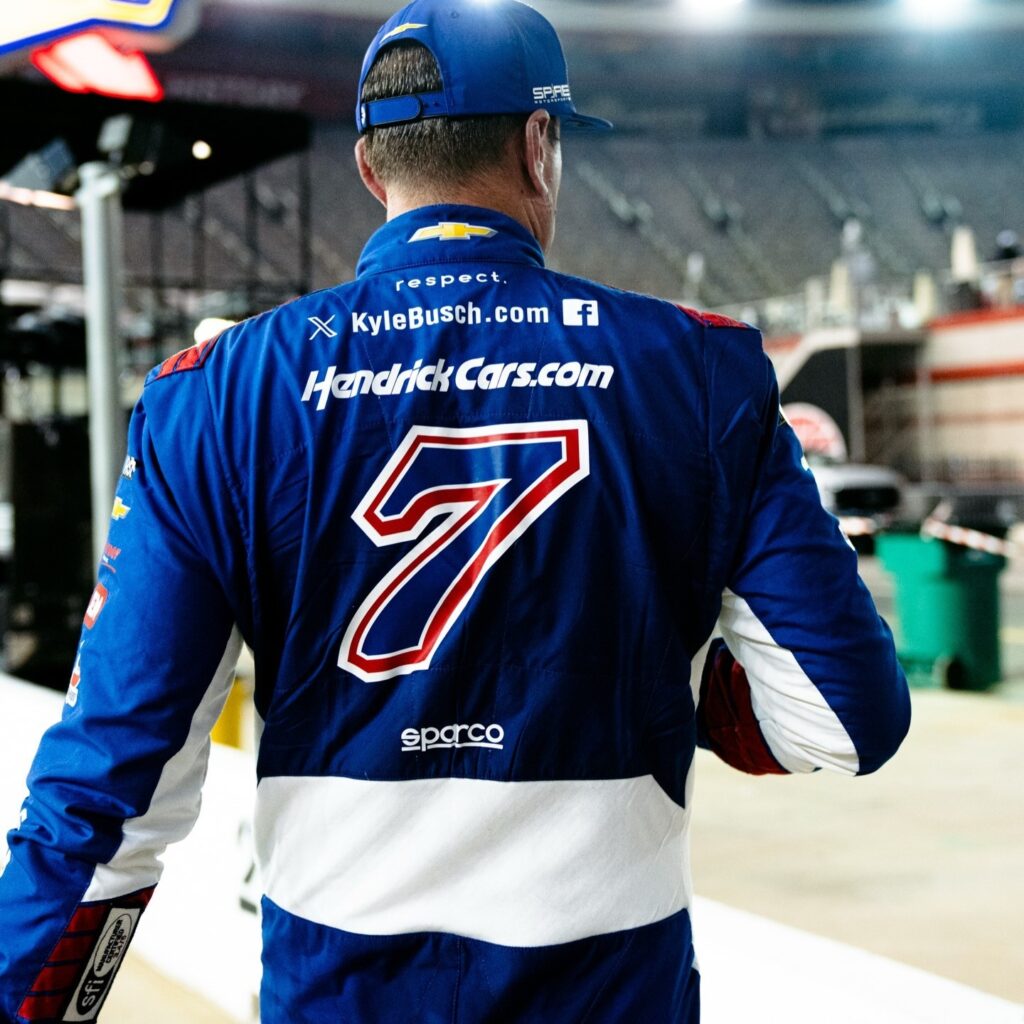
The official statement described Busch as a future Hall of Famer and “a rare talent, one who comes along once in a generation.” That assessment aligns with how deeply he altered the competitive standard in NASCAR over more than two decades. He was not merely successful; he was a benchmark, a driver whose presence forced rivals to elevate their own level and whose absence now creates a void that will be felt immediately.
Tributes from across the sport reflected both respect and personal affection. Dale Earnhardt Jr., who once had a tense rivalry with Busch, recalled that the two eventually worked through their differences after Busch made the effort to open a conversation. That remembrance mattered because it highlighted an aspect of Busch that public controversy sometimes obscured: beneath the intensity was a racer capable of growth, reflection and meaningful relationships.
Busch is survived by his wife, Samantha, and their two children, as well as his parents and extended family. In its statement, NASCAR also referenced the broader circle grieving him, including his brother Kurt Busch, the Childress family, teammates, friends and fans. In moments like this, motorsport’s competitive walls tend to fall away, replaced by a recognition that even the fiercest figures are, first, husbands, fathers, sons and friends.
His death also leaves behind painful unfinished questions. Reports noted he had dealt recently with what was believed to be a sinus cold, including discomfort during racing at Watkins Glen, but there is no confirmed public link between that issue and his death. Until more information is released, the focus remains where many in NASCAR have placed it: on honoring a champion whose daring, productivity and unmistakable personality helped define the sport for an entire era.