

Big real estate moves in Manhattan rarely stay quiet for long. When they involve one of baseball’s biggest stars, they become a window into how celebrity, wealth, and city living now intersect.
A headline-making purchase in one of Manhattan’s most competitive markets
Reports that Aaron Judge bought two Chelsea condominiums for about $7 million each and merged them into a single six-bedroom penthouse immediately caught attention for both the price and the strategy. In Manhattan luxury real estate, combination purchases are not unusual, but they are typically associated with buyers who want a custom home without taking on a full ground-up build. For a high-profile athlete, that approach offers an especially valuable blend of scale, privacy, and design control.
Judge’s name has circulated in New York real estate coverage before. In 2017, 6sqft reported that he may have rented a penthouse at 237 East 34th Street in Murray Hill, a modern building known as the Theater House. That earlier report described a duplex rental with terraces, skyline and East River views, and amenities such as a roof deck, fitness center, and resident lounge, the kind of turnkey living arrangement that makes sense for a young athlete early in a career.
The move from a suspected high-end rental to a major ownership stake in Chelsea fits a broader arc seen among superstar athletes. Once a player’s long-term future with a franchise is secure, housing decisions often shift from convenience to permanence. In Judge’s case, that means a residence with enough room for family, guests, recovery, security, and the kind of day-to-day comfort expected by one of the most recognizable figures in New York sports.
Chelsea is also a telling choice. The neighborhood offers downtown cachet, new-development inventory, and relative discretion compared with some of Manhattan’s more tourist-heavy luxury zones. For a buyer seeking prestige without sacrificing livability, it is one of the city’s most balanced addresses.
Why combining two condos makes sense for a superstar homeowner

Buying adjacent or stacked luxury units and unifying them into one residence has become a signature tactic in the upper tier of New York real estate. The logic is straightforward: very few existing apartments, even at the top end, deliver every feature a wealthy buyer wants. By starting with two large units, an owner can create a home with better flow, more bedrooms, multiple entertaining zones, and distinct private quarters, all within an established full-service building.
For someone like Judge, the appeal is even more practical. At 6’7″, he does not live like the average Manhattan buyer, and ordinary layouts may feel constrained in ways they simply would not for most residents. Oversized rooms, generous ceiling heights, expansive closets, wider circulation paths, and enough separation between public and private areas matter more when a home must accommodate both physical scale and a demanding professional lifestyle.
A six-bedroom penthouse created from two $7 million condos also suggests a property intended for more than occasional use. Elite athletes often need space for visiting family, personal staff, trainers, or close friends, especially during a long season. There is also the matter of security and privacy; a combined penthouse can allow a dedicated primary suite, secluded guest areas, and controlled access that is harder to achieve in a standard apartment footprint.
From a market perspective, these combinations can also preserve value. Manhattan’s luxury buyers routinely pay premiums for rarity, and a well-executed custom penthouse is rarer than a conventional sponsor unit. If designed intelligently, the final product can become a trophy property with stronger long-term appeal than the original separate homes.
What a $14 million Chelsea penthouse likely delivers
At roughly $14 million before any renovation or combination costs, this kind of acquisition sits firmly in Manhattan’s elite condo tier. In Chelsea, that level of spending typically buys dramatic square footage, floor-to-ceiling glass, private outdoor space or at least expansive views, and access to a full suite of white-glove amenities. Buyers at this level also expect high-end kitchens, spa-style bathrooms, custom millwork, and the sort of acoustic privacy that makes city living feel insulated from the street below.
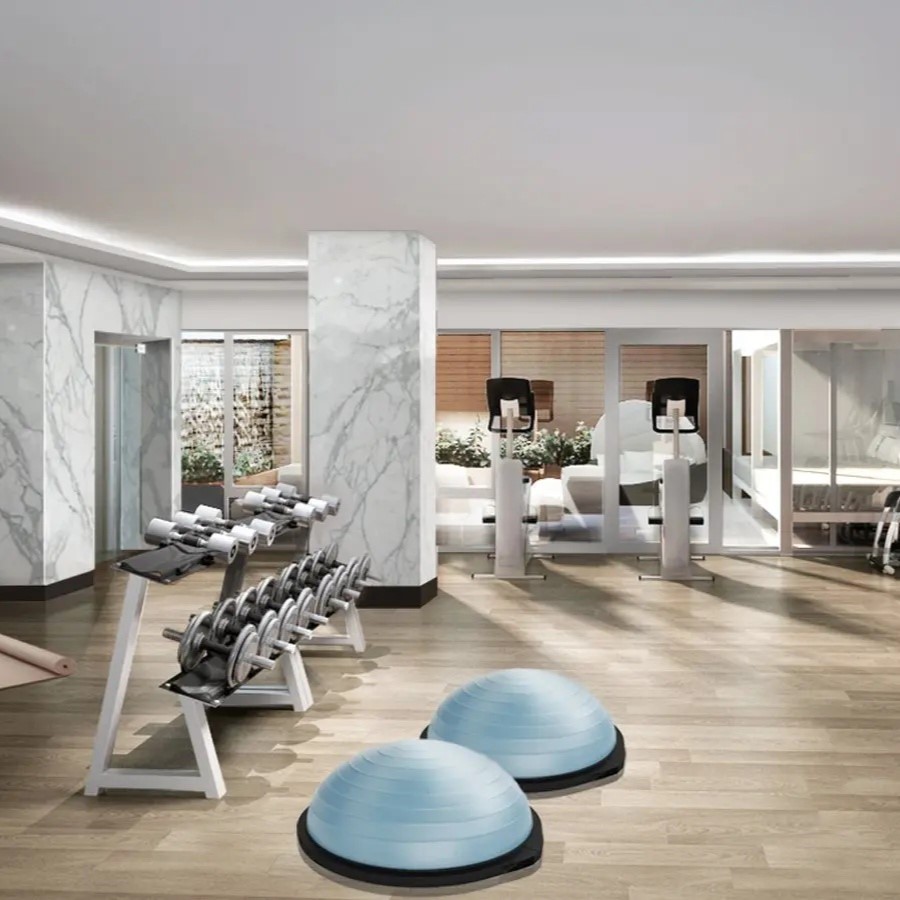
When two units are combined, the resulting home can rival a townhouse in size while keeping the advantages of a condominium building. That means doorman service, package handling, staffed lobbies, valet-style support, fitness spaces, and modern building systems. For a public figure with a packed schedule, those conveniences are not superficial perks; they reduce friction and help turn a high-rise residence into something functionally seamless.
Chelsea itself adds another layer of value. The neighborhood has evolved into one of Manhattan’s most dependable luxury enclaves, anchored by gallery culture, destination dining, the High Line, and easy access to both Midtown and downtown. It is fashionable without being chaotic, and upscale without feeling frozen into old-money formality. That profile has made it especially attractive to buyers in entertainment, finance, and professional sports.
A penthouse in Chelsea also signals a certain modern taste. Unlike some uptown addresses that trade heavily on tradition, downtown luxury often emphasizes clean architecture, open-plan living, and contemporary interiors. That aesthetic aligns naturally with the preferences of many younger high-net-worth buyers, particularly those who want a home that feels current rather than ceremonial.
The bigger picture: athlete real estate, branding, and life after the ballpark
High-end property purchases by athletes are never just about square footage. They are also about identity, permanence, and the public meaning of success. For Judge, a massive Manhattan penthouse reinforces his stature not only as the face of the Yankees but as a long-term New York figure whose life is deeply rooted in the city beyond the stadium.
That symbolism matters because modern athletes are brands as much as competitors. Where they live, what they buy, and how they structure their off-field lives all contribute to a broader image of stability and status. A custom penthouse in Chelsea communicates maturity, staying power, and a level of confidence consistent with a franchise cornerstone rather than a transient celebrity tenant.
There is also a practical post-career dimension. Real estate in premier Manhattan neighborhoods can serve as both lifestyle asset and wealth-preservation vehicle, particularly when the property is distinctive. While luxury markets do fluctuate, scarcity remains one of the strongest protections against obsolescence, and a six-bedroom penthouse assembled from two premium condos is by definition a scarce product.
In that sense, Judge’s reported move is significant beyond the celebrity angle. It reflects how today’s top athletes increasingly invest in homes that function as sanctuaries, statements, and long-term assets at once. If the Chelsea penthouse is indeed his, it represents more than a lavish purchase. It is a carefully calibrated New York residence built to match the scale of an unusually large career.