
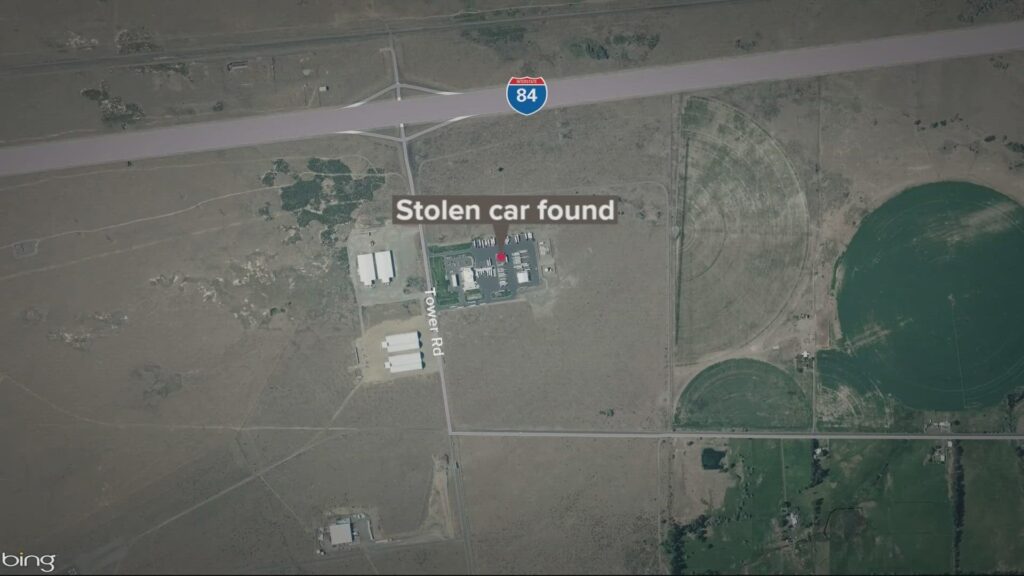
At 1:15 p.m. Friday, Aug. 1, 2025, Portland 911 took a call no dispatcher wants: someone had jumped into a Hyundai sedan, sped off, and a one-year-old was still strapped in the back seat. Luckily, the child’s mother had slipped an Apple AirTag under the rear floormat weeks earlier. That silent Bluetooth beacon began to pulse position data every few minutes to Apple’s Find My network—and, by extension, to every deputy between Portland and Pendleton.
Digital Breadcrumbs on an Analog Highway
AirTags don’t transmit like GPS trackers; instead they “ping” any nearby iPhone and ride that phone’s data connection back to the owner. Apple’s own guide notes that Precision Finding works only when an iPhone is within Bluetooth range, but location updates can still arrive from strangers’ devices along the way. Apple Support Inside a moving car on Interstate 84, that meant dozens of iPhones in passing traffic kept the dot marching east—just slowly enough to make deputies sweat.
The 30-Minute, Two-County Dragnet
| Timestamp (PT) | Event | Agency Lead |
|---|---|---|
| 1:15 p.m. | Stolen-vehicle alert broadcast; toddler on board | Portland Police & Frontier Regional 911 |
| 1:25 p.m. | AirTag pings place the car near Arlington | Gilliam Co. Sheriff |
| 1:35 p.m. | Multi-county units stage at Love’s Travel Center, Boardman | Gilliam & Morrow deputies, OSP |
| 1:45 p.m. | Suspect boxed in, toddler recovered unharmed | Morrow Co. Sheriff |
What If the Tag Had Been Misused?
Digital safety advocates note the same hardware that saved a toddler can stalk an ex-partner or mark “high-value” cars for later theft. Apple issues unwanted-tracking alerts, but those push notifications may arrive an hour or more after a tag first starts moving with you—plenty of time for a thief to scout a parking spot or for an abuser to learn a routine.
Final Thoughts
Friday’s rescue shows the upside of letting private innovation and quick-thinking deputies work in tandem: one blue ping, one squad-car blockade, one child home safe. Yet it also highlights two realities Oregon lawmakers can’t ignore. First, tech is no silver bullet without solid sentencing; serial car thieves treat light bail like a revolving door. Second, every new sensor that protects a family can also compromise a stranger’s privacy. Crafting laws that reward self-reliance, punish true predators, and still fence in government snooping isn’t just possible—it’s the Oregon way.