
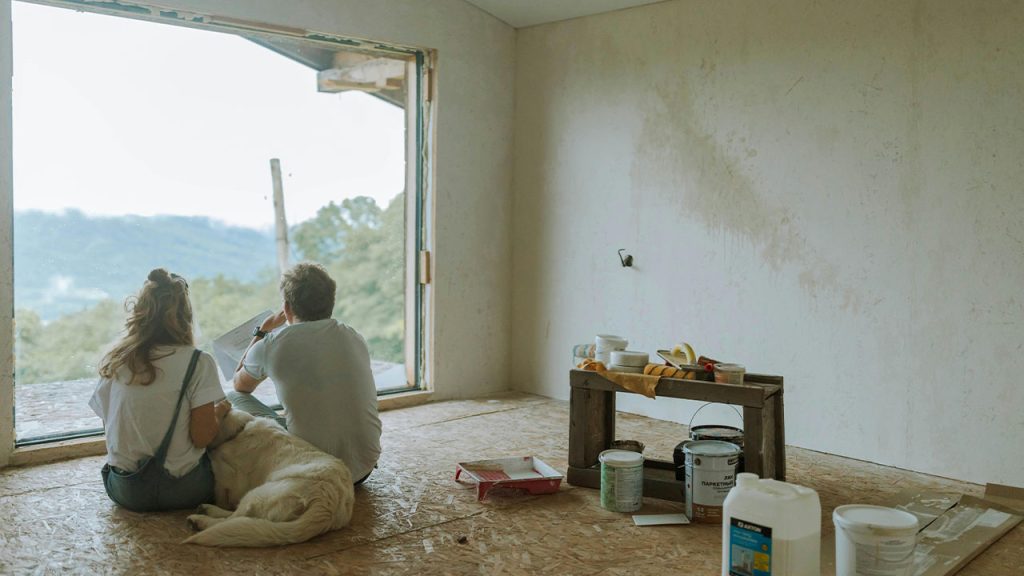
In a world of smart devices and hired help, many once-common DIY home repair skills are fading into obscurity. But knowing how to handle simple fixes yourself can still save you serious money—and headaches. From patching drywall to repairing a leaky faucet, these forgotten skills are well worth revisiting. Here are 12 DIY home repair tricks that may have skipped a generation but can still pay off big.
1. Patching Drywall Without a Pro

Small holes and dents in drywall are common—but paying someone to fix them isn’t always necessary. With a bit of spackle, a putty knife, sandpaper, and paint, you can easily patch, smooth, and blend minor damage yourself. This skill not only keeps your walls looking fresh, it can save hundreds over time, especially before moving or repainting.
2. Fixing a Leaky Faucet or Running Toilet
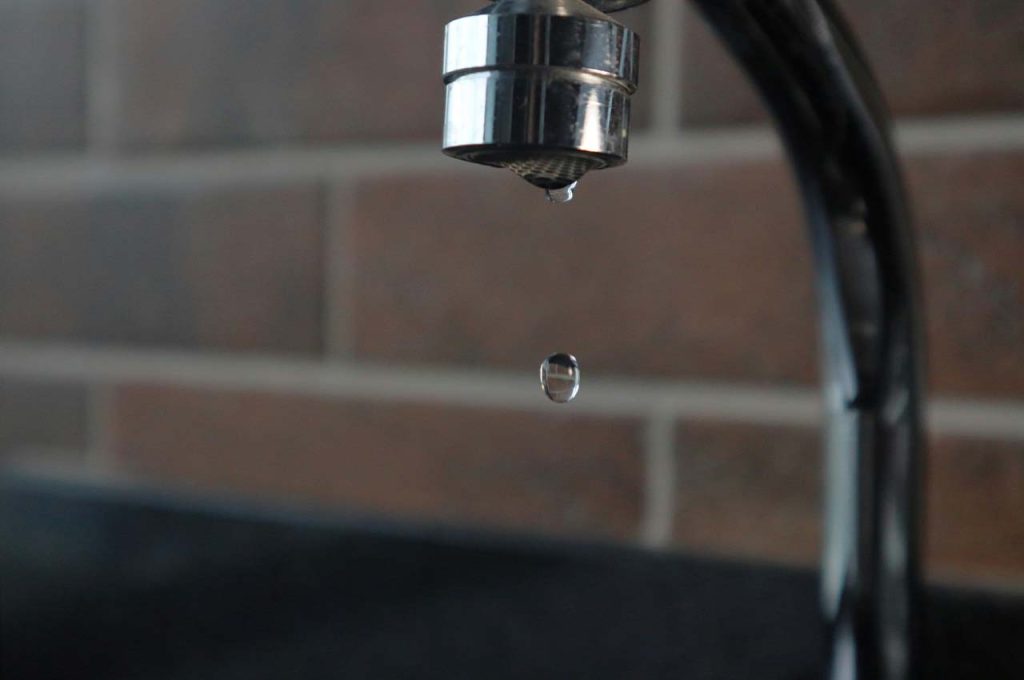
A dripping faucet or constantly running toilet isn’t just annoying—it wastes water and inflates your bill. Fortunately, these repairs are often as simple as replacing a worn washer, flapper, or fill valve. Learning to identify basic plumbing issues and handle them with a wrench and a few inexpensive parts can save you from costly emergency calls.
3. Replacing a Broken Tile
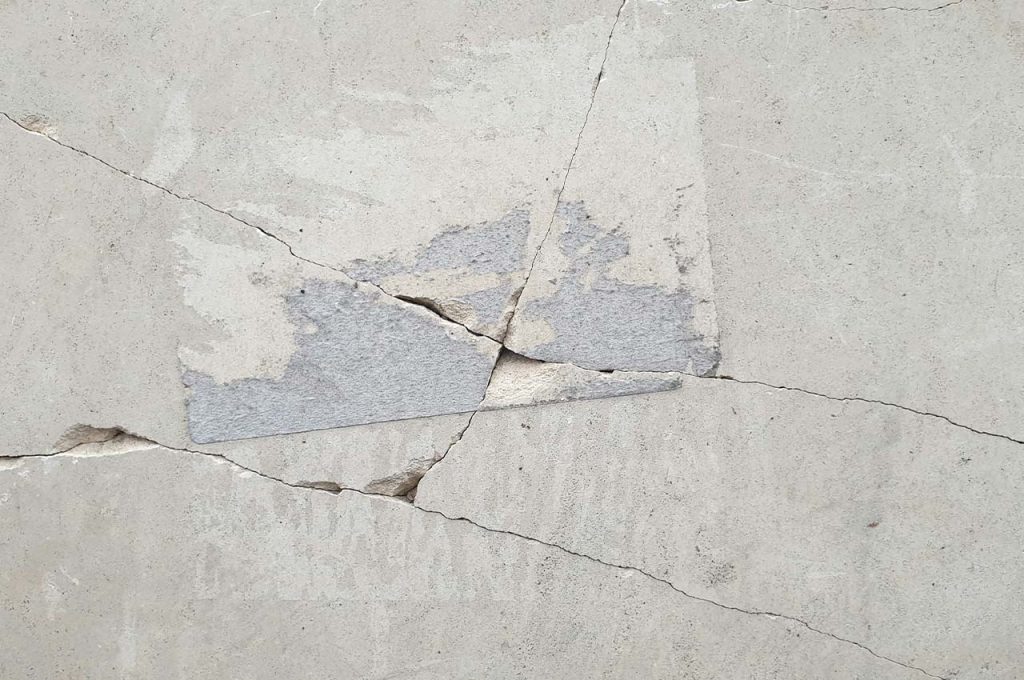
A single cracked tile can make an entire floor or wall look neglected. Instead of replacing the whole surface, knowing how to remove the damaged tile, clean the space, apply adhesive, and grout a new one can restore the look for just a few dollars. It’s a weekend project that adds polish and prevents bigger repairs down the line.
4. Unclogging Drains Without Chemicals
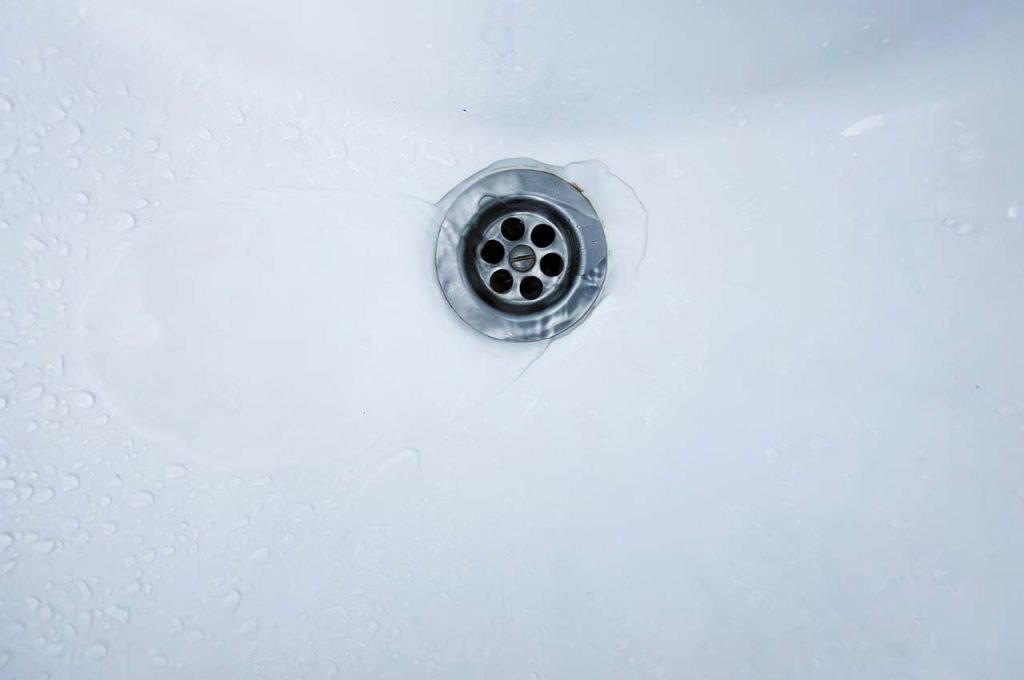
Store-bought drain cleaners can damage your pipes over time—and they’re not always effective. A better fix? Learn to use a drain snake, plunger, or even a simple baking soda and vinegar combo to break up clogs. This old-school knowledge not only protects your plumbing but also keeps toxic chemicals out of your home and wallet.
5. Caulking Like a Pro
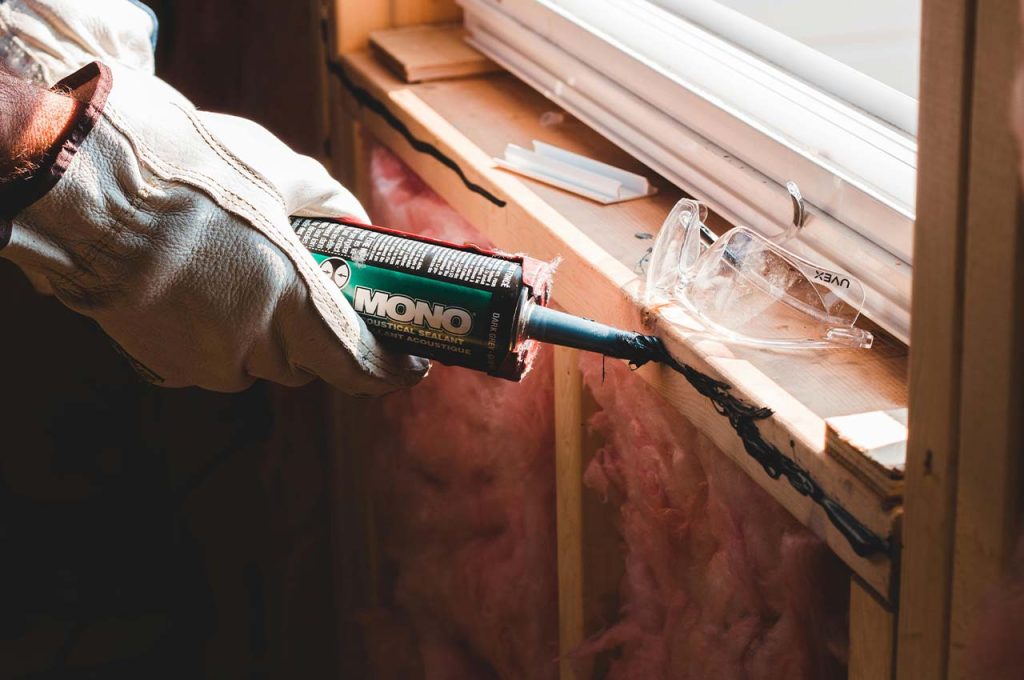
Cracked or missing caulk around tubs, sinks, and windows can lead to mold, water damage, and energy loss. Reapplying caulk is easier than it looks and requires just a tube, a caulk gun, and a steady hand. With proper technique and cleanup, your caulk lines can look crisp and professional—keeping moisture out and your home well-sealed.
6. Sharpening Your Own Tools
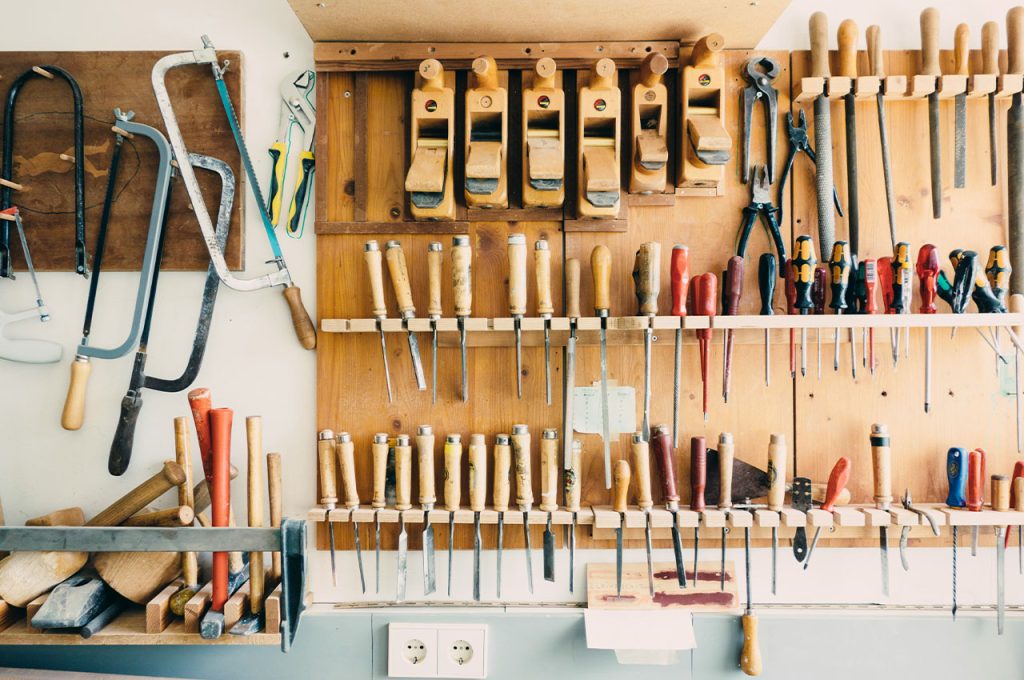
Dull tools don’t just slow you down—they can also be dangerous. Learning how to sharpen your kitchen knives, garden tools, or even lawn mower blades helps extend their life and improve performance. A basic sharpening stone or file is all it takes. This forgotten skill can save you from constantly replacing tools and keep your DIY game sharp—literally.
7. Replacing a Light Switch or Outlet
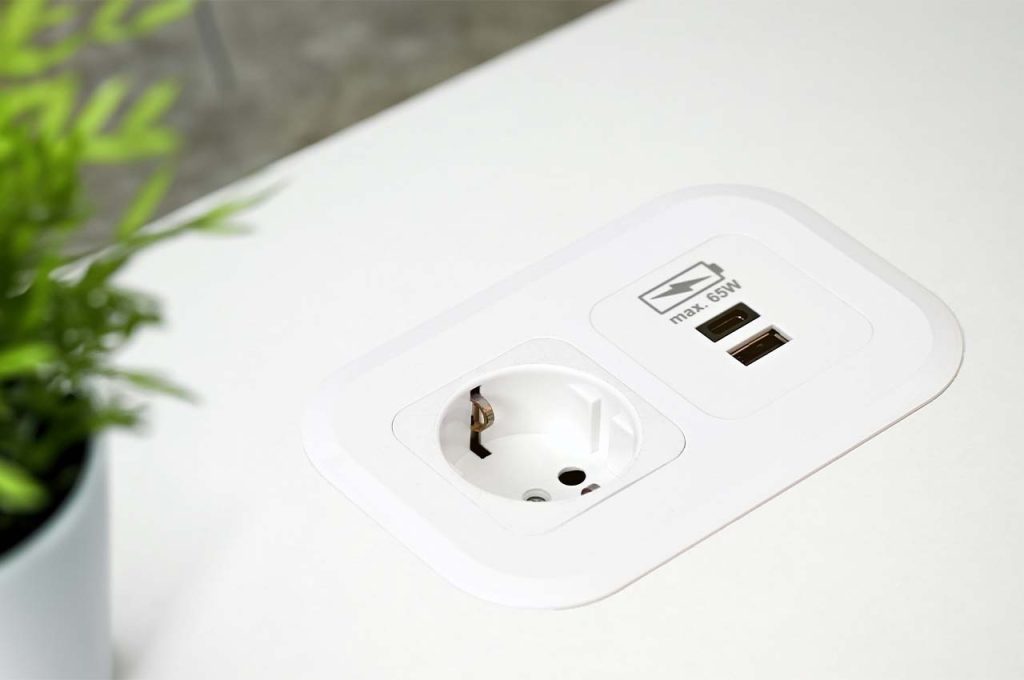
It might sound intimidating, but replacing a faulty switch or outlet is a straightforward task with the power turned off and a little know-how. With a screwdriver and a voltage tester, you can upgrade old or damaged fixtures and restore function in minutes. Learning this basic electrical skill can help avoid electrician fees for small, manageable fixes.
8. Installing or Repairing Window Screens
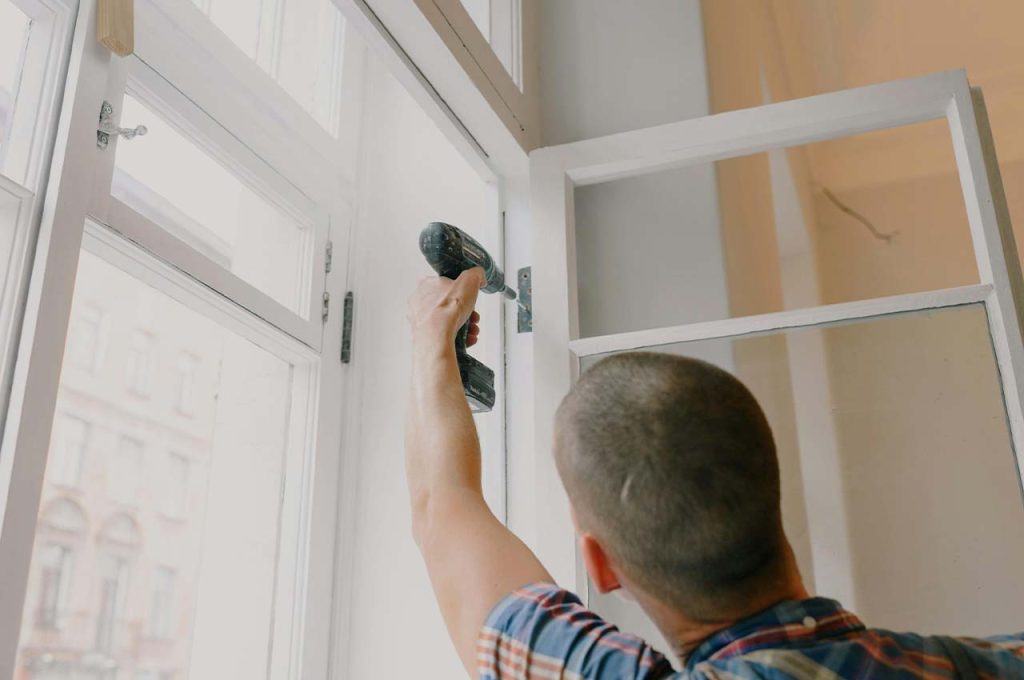
Torn or missing screens can let bugs in and keep fresh air out. Instead of replacing the whole frame, you can easily repair or re-screen with a spline roller, mesh, and a bit of patience. Whether you’re patching a small tear or installing a brand new screen, this skill keeps your home comfortable and your windows looking tidy.
9. Stopping a Draft with Basic Weatherstripping
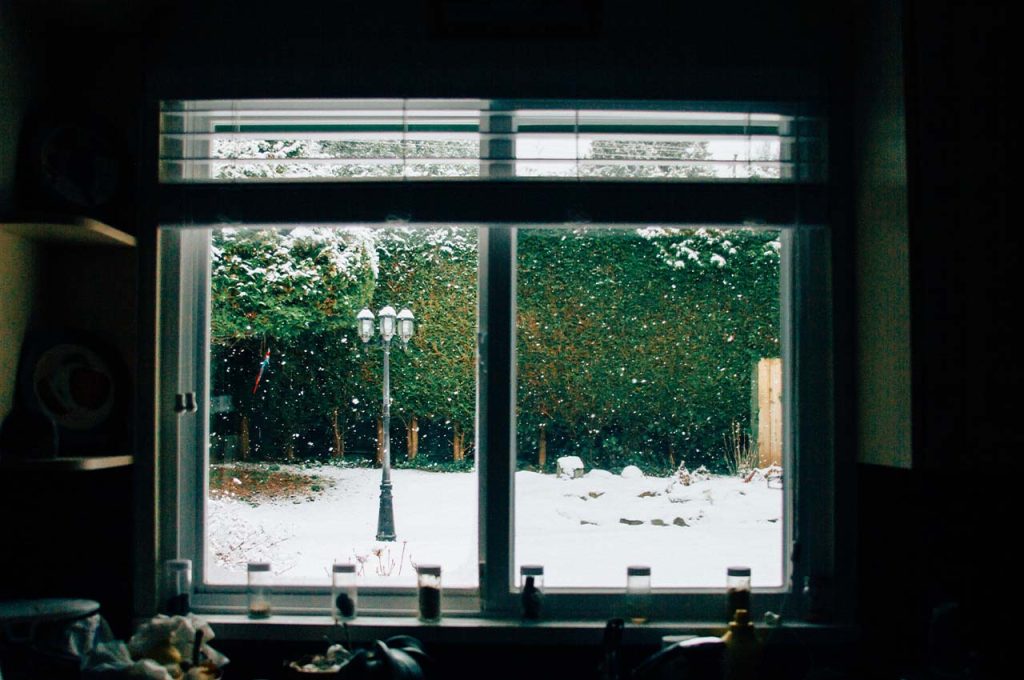
A chilly breeze sneaking in around your doors and windows can drive up heating and cooling bills. Installing or replacing worn-out weatherstripping is a low-cost, high-reward fix. With just a measuring tape, scissors, and peel-and-stick strips, you can seal gaps and create a cozier, more energy-efficient home in under an hour.
10. Regrouting or Replacing Cracked Grout
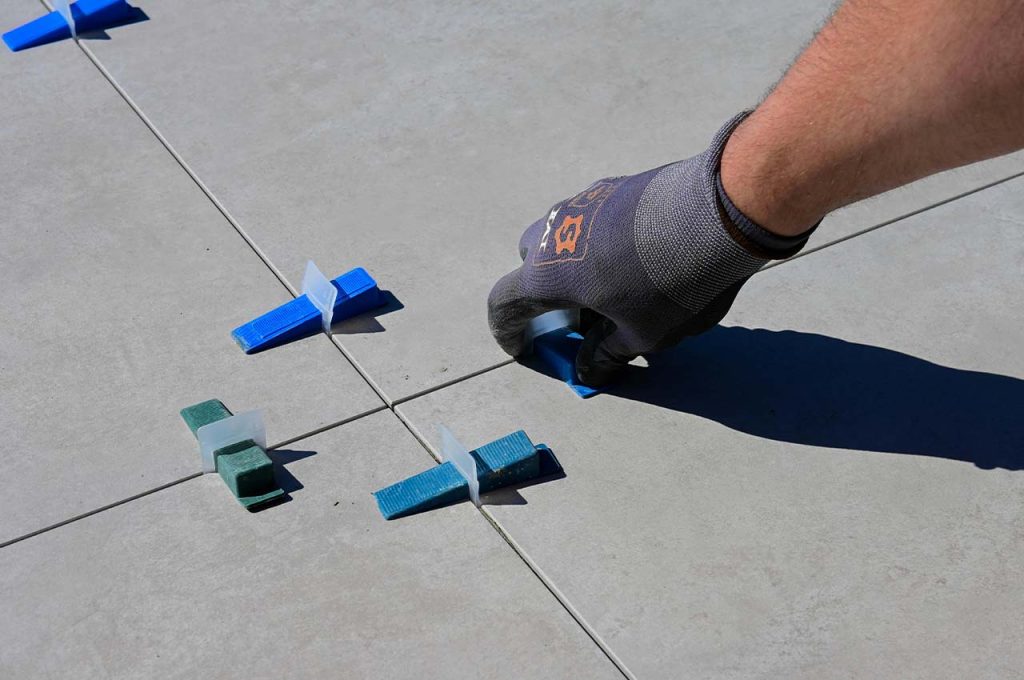
Dirty or cracked grout can make even clean tile look neglected—and allow moisture to seep behind surfaces. Removing damaged grout with a handheld tool and applying fresh lines can revive your tile and prevent bigger issues like mold. It’s a simple but impactful DIY that keeps kitchens and bathrooms looking fresh and well-maintained.
11. Fixing a Door That Won’t Latch or Close Right
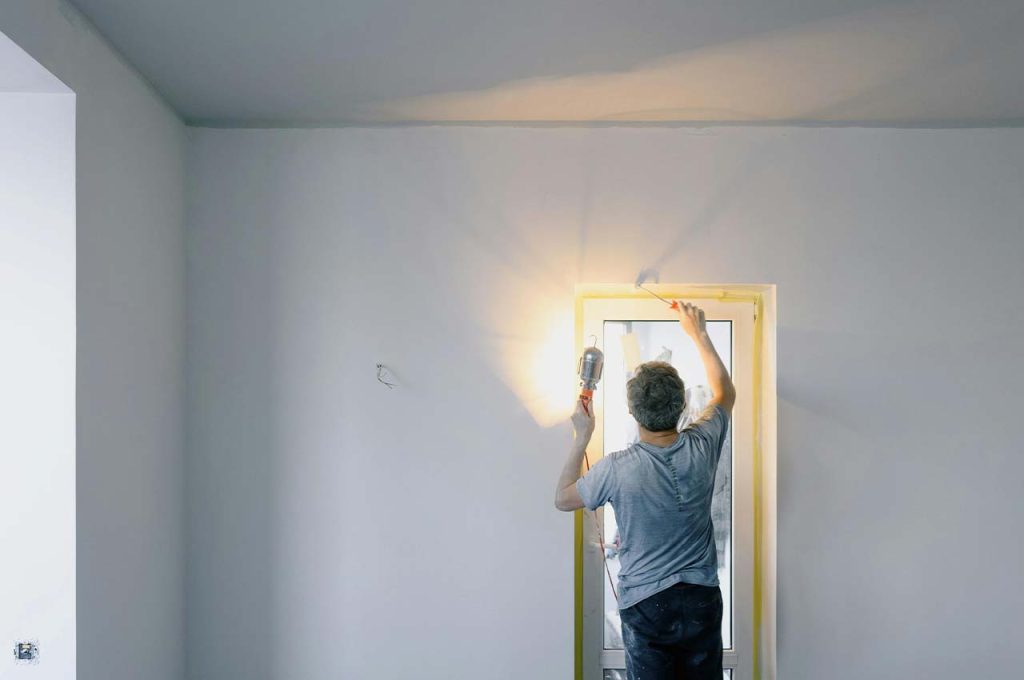
A door that sticks, sags, or won’t latch properly is more than a nuisance—it can signal wear that’s easy to fix. Often, a few adjustments to the hinges, strike plate, or screws can realign the door. You don’t need to replace the entire frame or call a handyman. With basic tools and a little patience, you can restore smooth operation and security in no time.
12. Bleeding a Radiator or Flushing a Water Heater
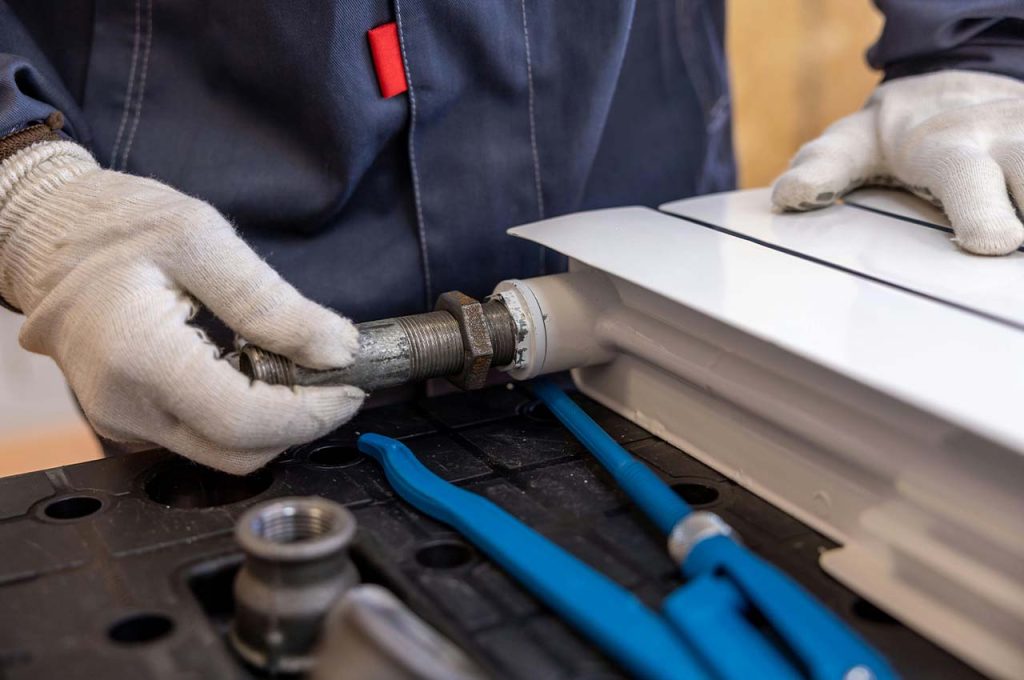
Radiators and water heaters need occasional attention to run efficiently. Bleeding a radiator releases trapped air that causes uneven heating, while flushing your water heater removes sediment that reduces performance. Both tasks are simple with the right steps and tools—yet often overlooked. Doing them yourself can extend appliance life and lower utility costs.
Want to see more from Remodr?

Drop a comment below, share this with your friends and family, and don’t forget to follow us for more fresh ideas, updates, tips, and home trends.
This article was created with the assistance of AI but thoroughly edited by a human being.