

Designing outdoor spaces is an art—and one misstep can turn your backyard dream into a puzzling patchwork of form without function. From mismatched furniture to ignoring your climate zone, certain outdoor design choices can unintentionally make your yard feel disjointed or neglected. If you want your outdoor space to look cohesive and inviting, steer clear of these common missteps that often signal a lack of planning or experience.
1. Using Oversized Furniture in Small Spaces
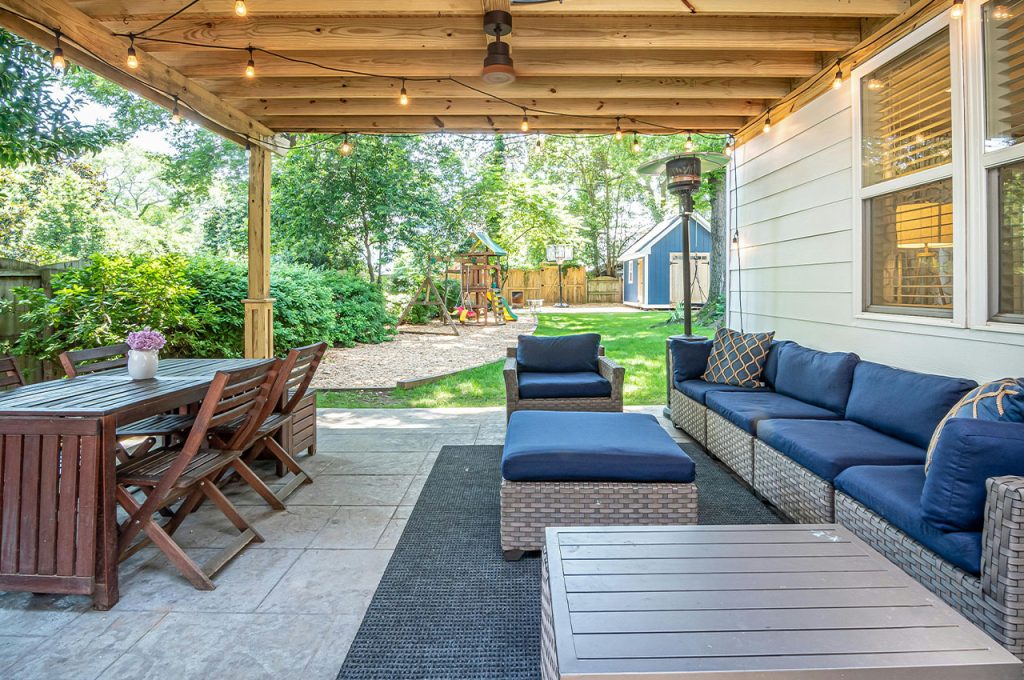
Large patio sets and bulky furniture can overwhelm compact outdoor areas, making them feel cramped and unusable. Instead of promoting relaxation, these pieces crowd walkways and limit movement. It’s essential to scale furniture appropriately to your space and leave enough room for flow. Opt for slim-profile chairs, compact benches, or modular seating to create inviting comfort that complements—rather than crowds—your space.
2. Neglecting a Clear Focal Point

Outdoor spaces lacking a clear focal point often feel disjointed and unfocused, leaving the eye to wander without purpose or harmony. Whether it’s a fire pit, water feature, or a striking plant arrangement, a focal point provides a sense of organization and draws the eye. Without one, the space may lack cohesion and purpose. Designing around a centerpiece helps ground the layout and enhances the overall atmosphere of the yard.
3. Clashing Colors and Materials
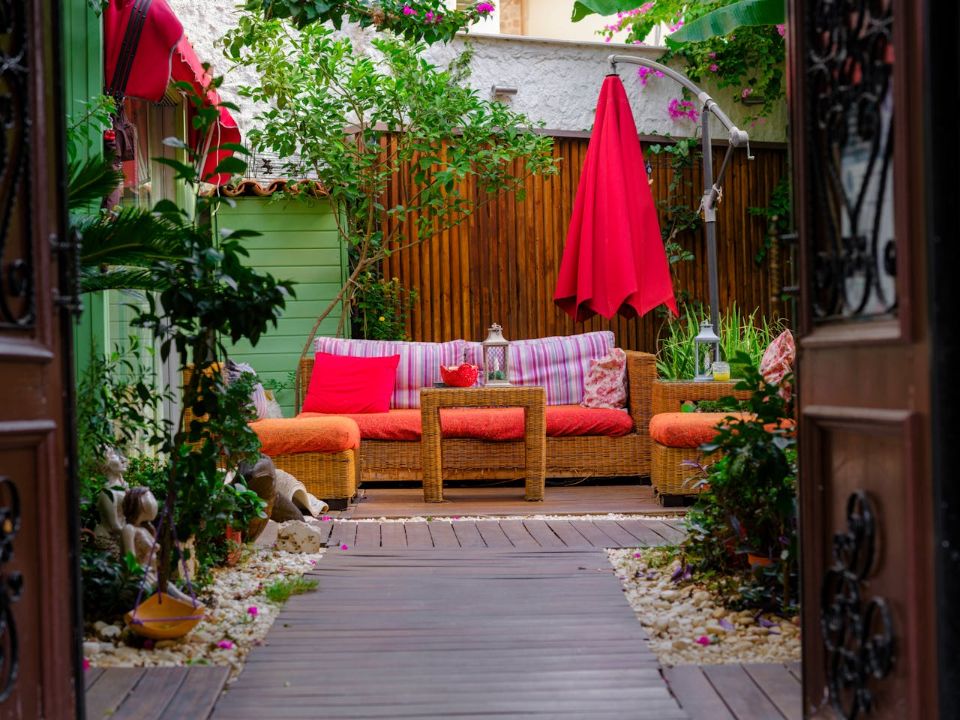
Mixing too many styles, finishes, or bold colors can quickly make an outdoor area feel chaotic rather than curated. Bright cushions, clashing pavers, and mismatched decor can compete for attention. Instead, aim for a cohesive palette and repeat materials or hues to tie elements together. A harmonious combination lends your space a polished, designer-informed appearance.
4. Ignoring Lighting Design
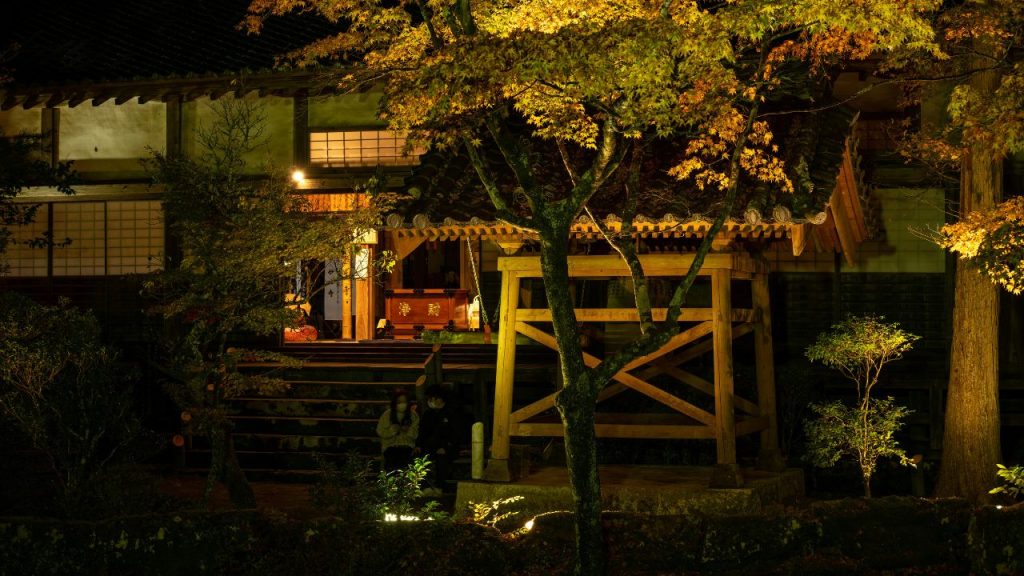
Skipping thoughtful lighting is a missed opportunity in outdoor design. Relying solely on a porch light leaves dark corners and a lack of ambiance. Without layered lighting—such as string lights, path markers, or uplighting on plants—the space loses functionality after sunset. Good lighting extends usability, adds safety, and creates a welcoming, mood-rich environment.
5. Improper Plant Placement
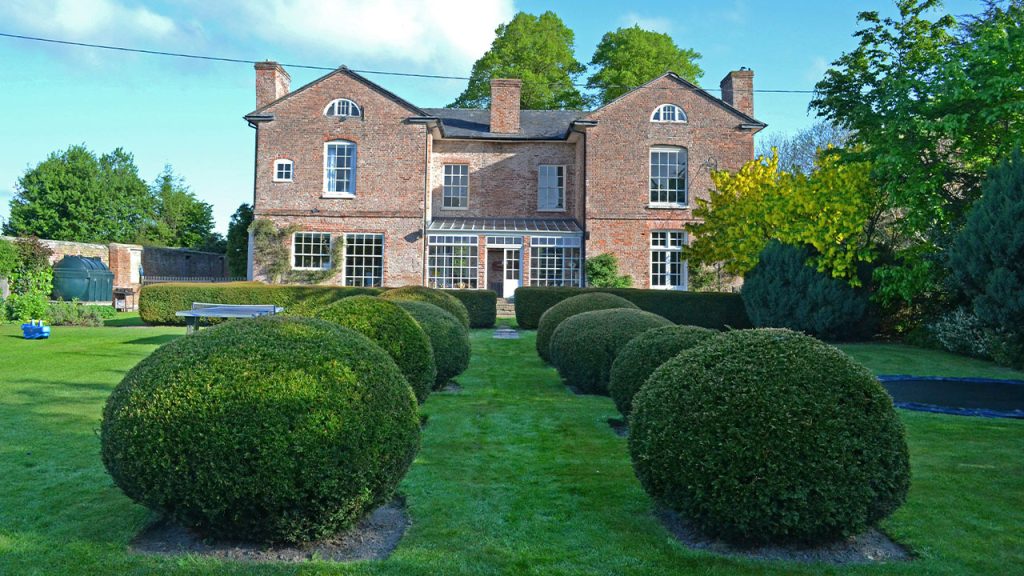
Placing plants in the wrong spots can lead to maintenance headaches and poor growth. Sun-lovers may wilt in shade, while moisture-loving plants struggle in dry soil. Ignoring plant size at maturity can also result in crowding or blocked views. A little research into plant needs and careful positioning ensures a thriving garden and a balanced, intentional look.
6. Overcrowding with Too Many Features
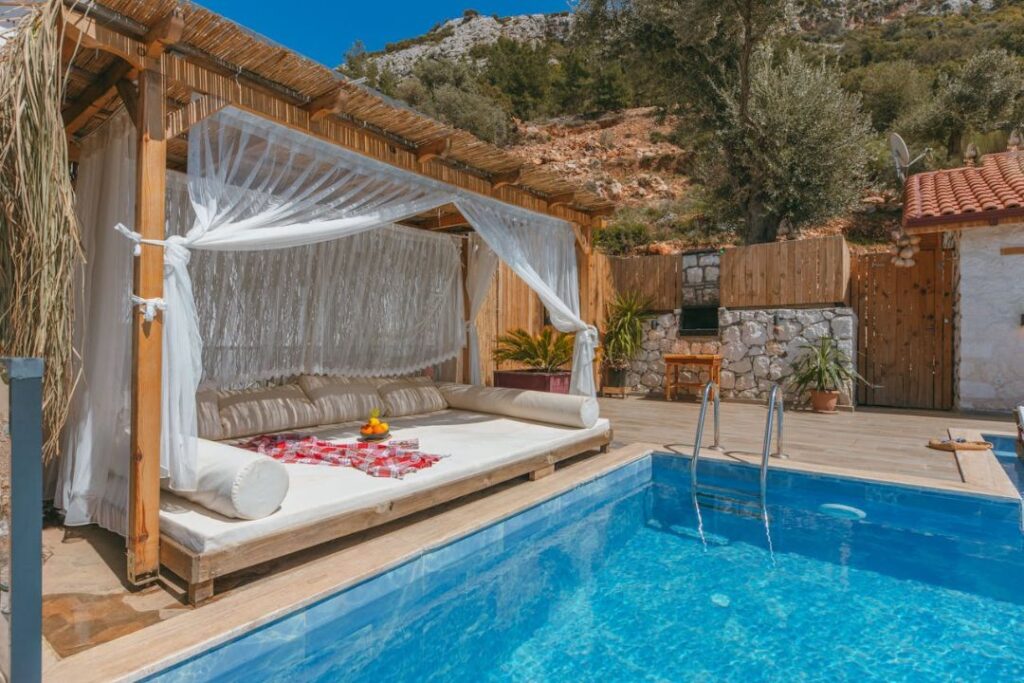
Trying to fit every trend—fire pit, fountain, dining area, garden bed—into one yard can make the space feel cluttered and confusing. Instead of being inviting, it becomes visually noisy and hard to navigate. Prioritizing key elements based on how you actually use the space leads to a more functional, relaxing design. Less really is more when it comes to outdoor layouts.
7. Not Accounting for Weather and Climate
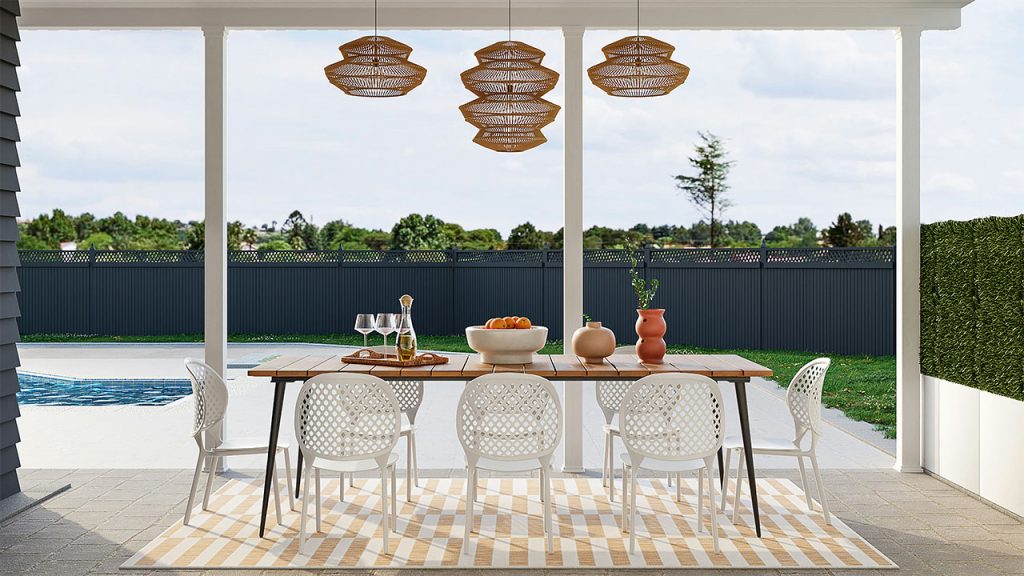
Designs that ignore local weather patterns often lead to frustration and expensive fixes. Lightweight furniture may blow away in windy regions, and wood decking might warp in areas with high humidity. It’s crucial to choose materials and layouts suited to your climate to avoid early wear and tear. Climate-smart planning ensures your outdoor space is durable and enjoyable year-round.
8. Skipping Functional Pathways
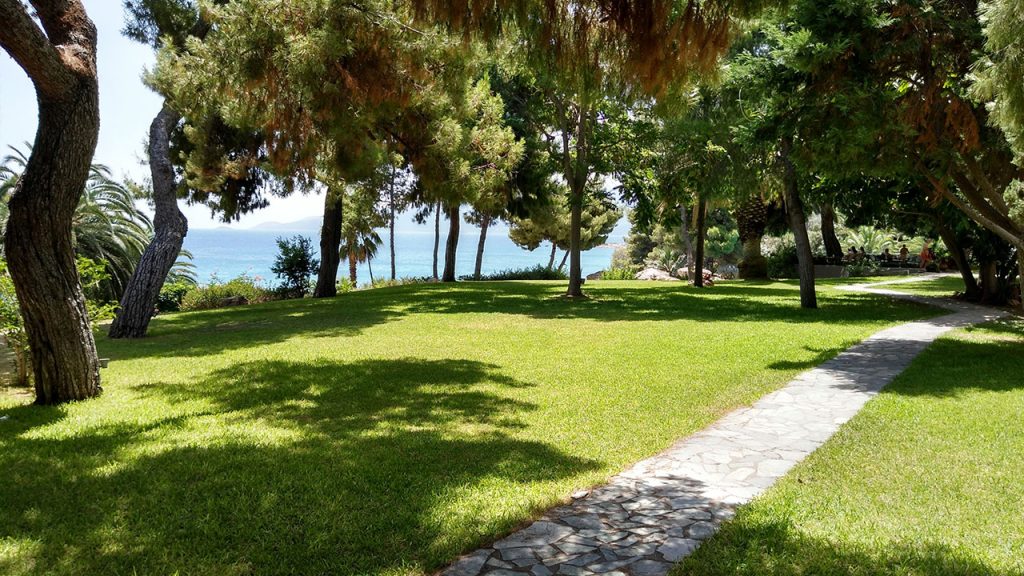
A beautiful yard loses charm if guests have to trample grass or dodge flower beds to move around. Without clear walkways, outdoor areas can feel disjointed or inconvenient. Well-placed paths guide flow, protect landscaping, and make the space more accessible. Materials like flagstone, gravel, or pavers can enhance both function and style while tying zones together seamlessly.
9.Forgetting About Drainage
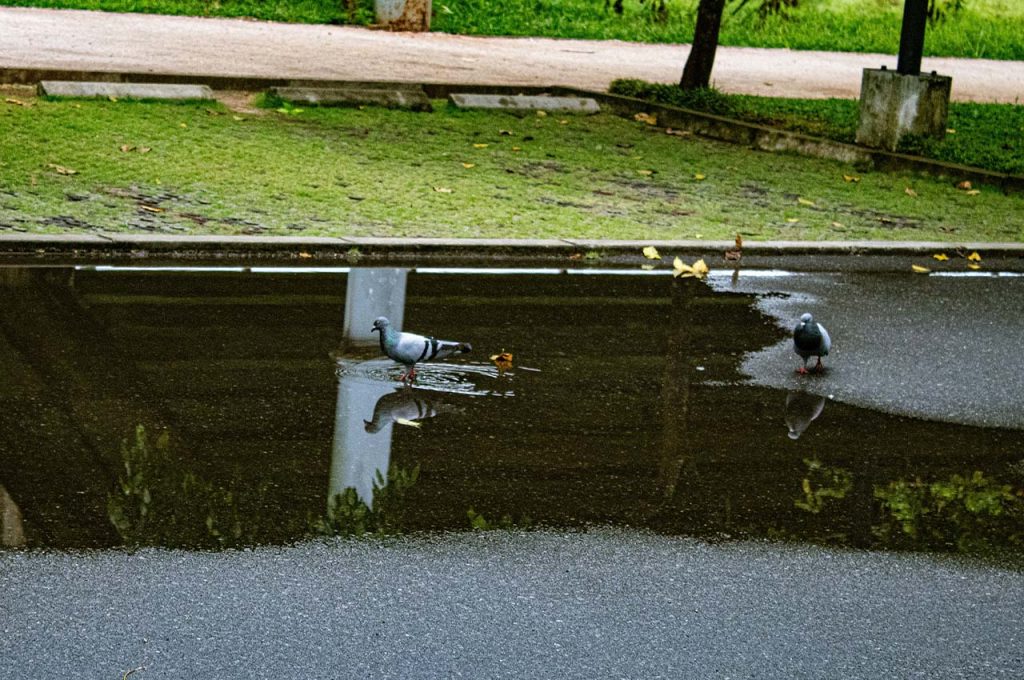
Poor drainage can quickly sabotage your outdoor space—puddles around patios, walkways, or flower beds can rot roots and erode structures. Yet it’s one of the most overlooked aspects of outdoor design. Sloping surfaces properly and incorporating drains, gravel beds, or rain gardens keeps excess water moving and protects your investment from future damage.
10. Leaving Out Shade or Shelter Options
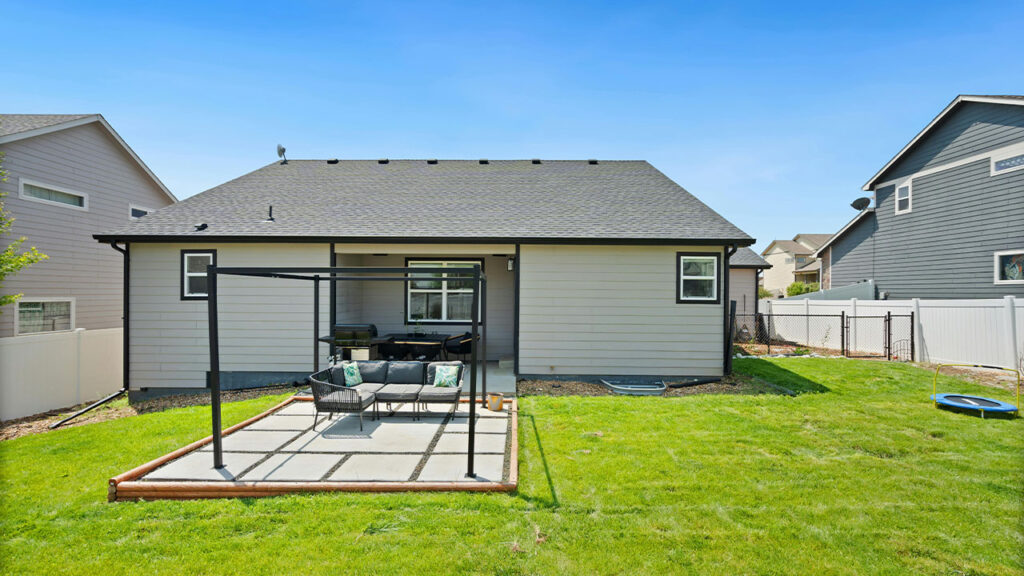
Without a shaded retreat, outdoor spaces can become unusable during hot afternoons or sudden showers. Many homeowners forget to add features like pergolas, umbrellas, or covered patios—making it hard to enjoy the yard year-round. Thoughtful shelter design adds comfort, extends use, and provides protection for both people and furniture from the elements.
Want to see more from Remodr?

Drop a comment below, share this with your friends and family, and don’t forget to follow us for more fresh ideas, updates, tips, and home trends.
This article was created with the assistance of AI but thoroughly edited by a human being.