
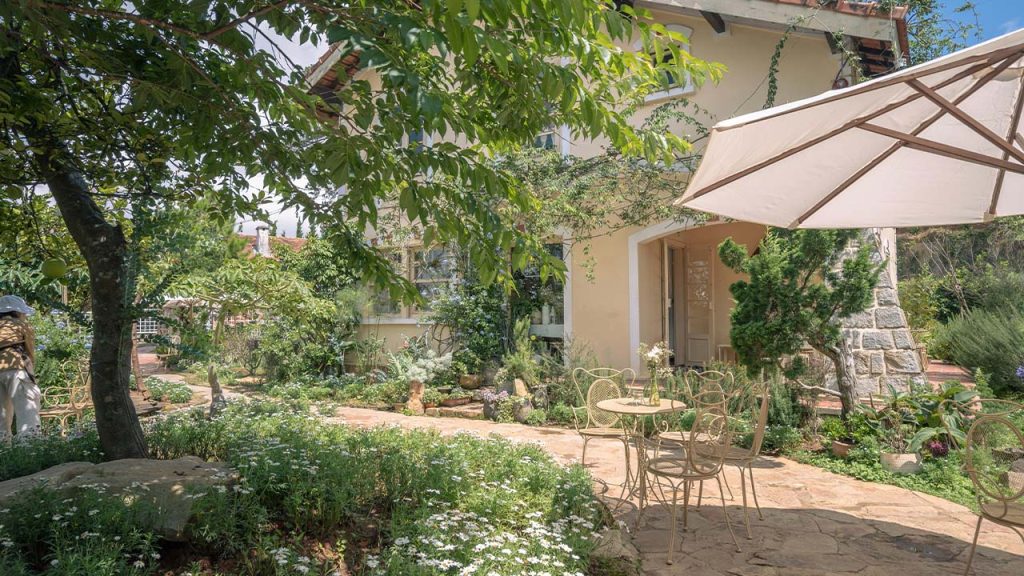
Landscaping trends come and go, often driven by social media aesthetics rather than long-term practicality. While some ideas look stunning in photos, they can turn out to be costly, high-maintenance, or even damaging to your yard over time. Before diving into the latest outdoor craze, it’s worth considering how it will hold up in real life. Here are 10 popular landscaping trends that might look great—but just don’t work for everyone.
1. All-Gravel Front Yards
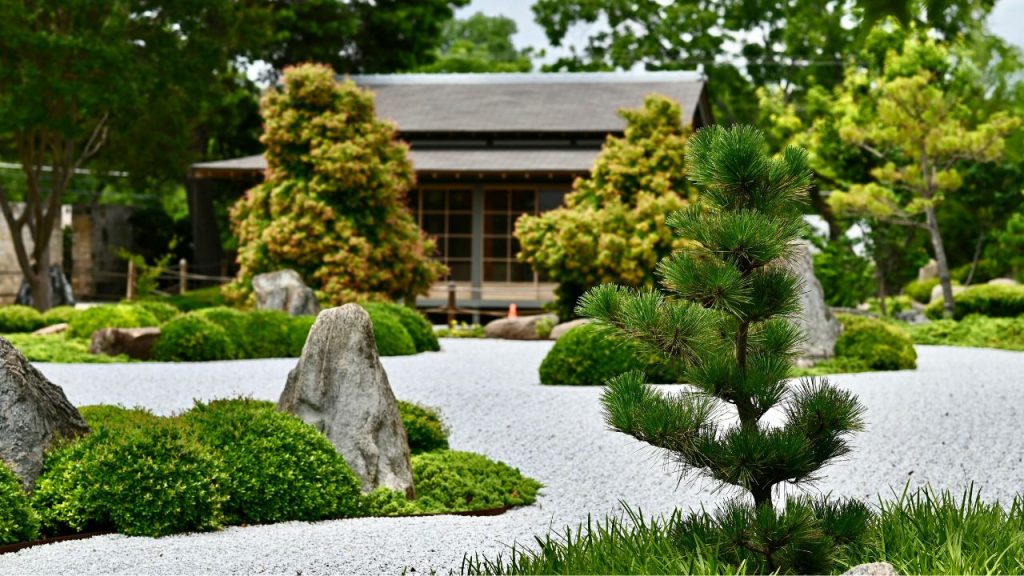
Gravel yards may seem low-maintenance, but they can lead to overheating, weed growth, and drainage issues over time. The lack of greenery reduces curb appeal and can make your home feel stark and uninviting. Without thoughtful planning, these landscapes can become dusty, difficult to walk on, and expensive to amend later if you decide to reintroduce plants.
2. Overly Intricate Paver Designs
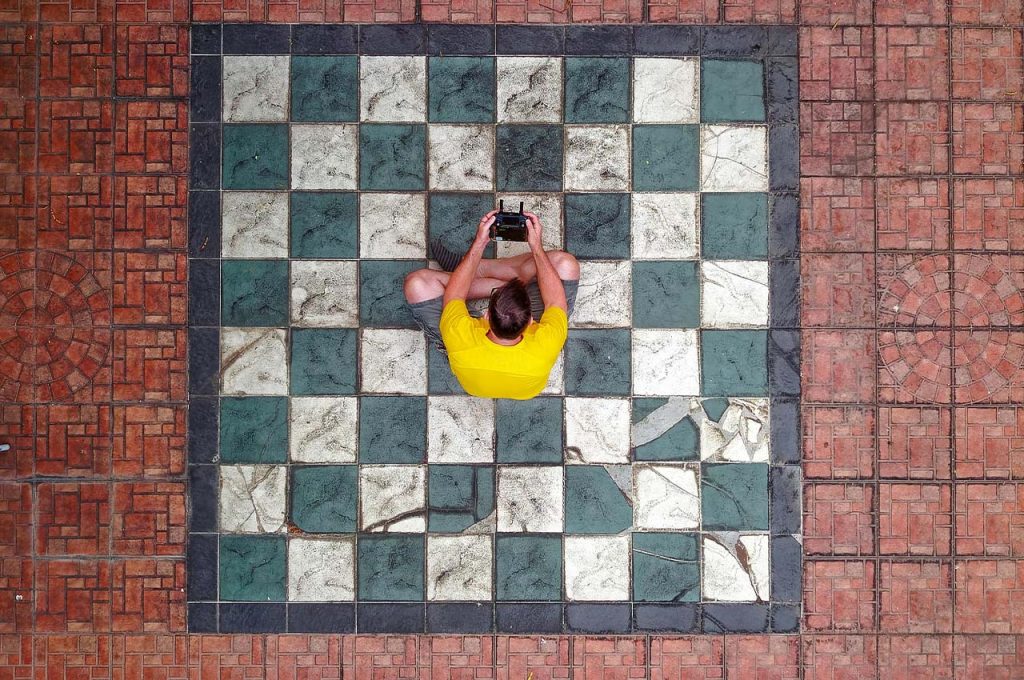
Highly decorative paver patterns look great at first but can be difficult and costly to install and maintain. Weeds and moss can creep into tight seams, and uneven settling may ruin the design. Repairs become more complicated with custom layouts, and cleaning detailed patterns is far more labor-intensive than simpler styles, making them impractical for many homeowners.
3. Artificial Turf Lawns
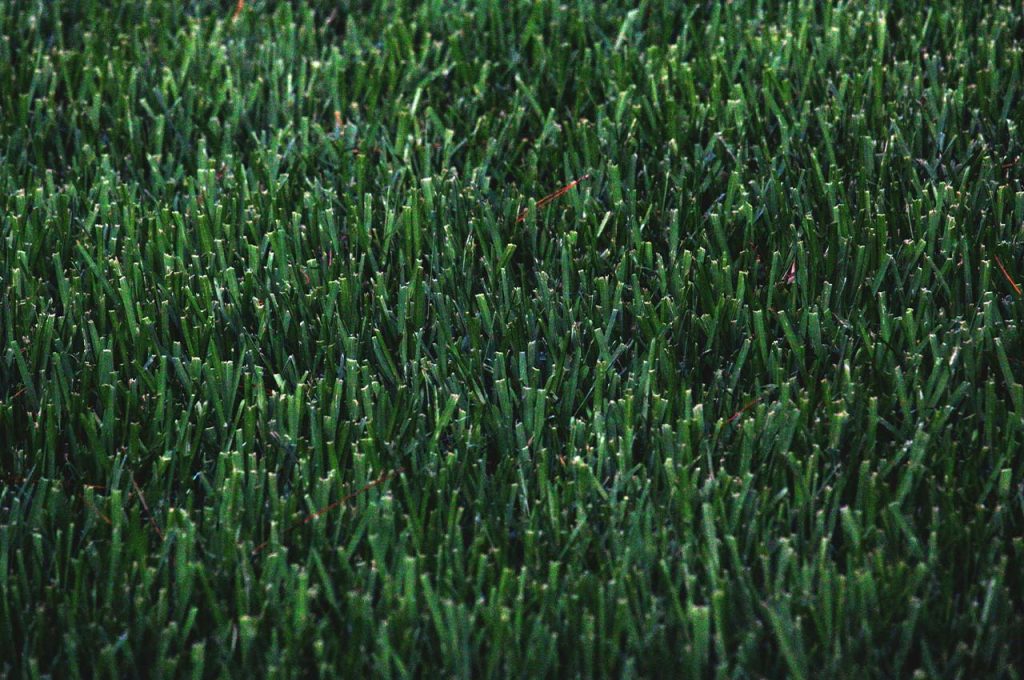
Artificial turf might eliminate mowing, but it traps heat, creating hot spots in summer, and lacks the cooling, air-purifying benefits of natural grass. It’s also expensive to install and can develop odors or discoloration over time. Maintenance is still required to remove debris and fluff the fibers, and some communities are beginning to restrict its use due to environmental concerns.
4. Elaborate Water Features
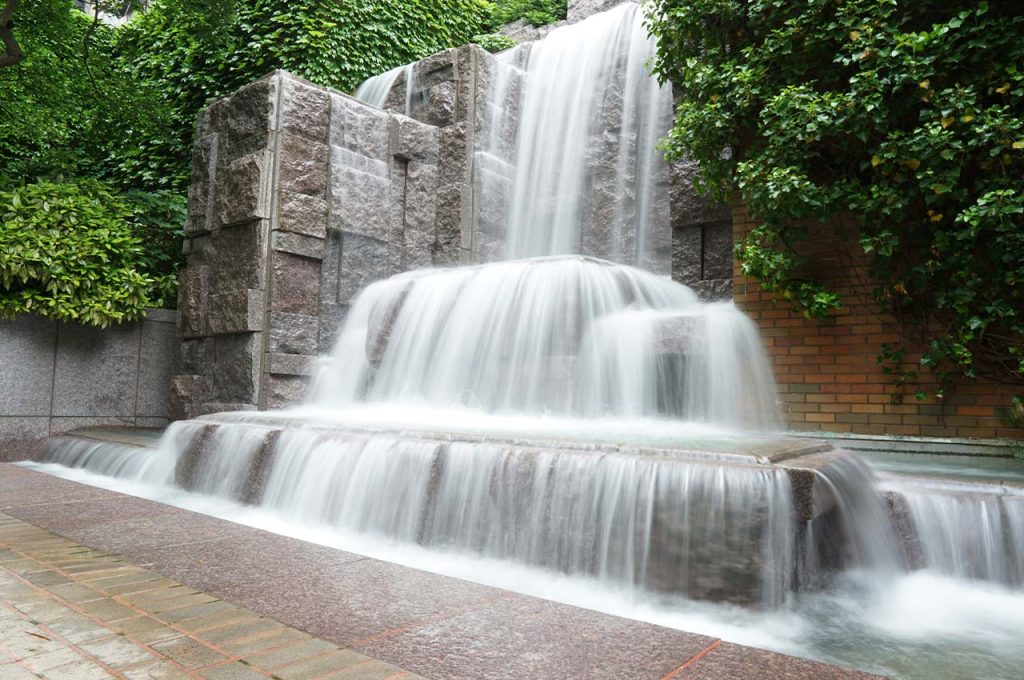
Large fountains and ponds can be beautiful, but they require constant upkeep—regular cleaning, algae control, pump maintenance, and water refills. They may also attract mosquitoes or become safety hazards for pets and children. The initial cost is high, and repairs can be complex, especially in colder climates where freezing may damage components.
5. Vertical Gardens on Fences or Walls
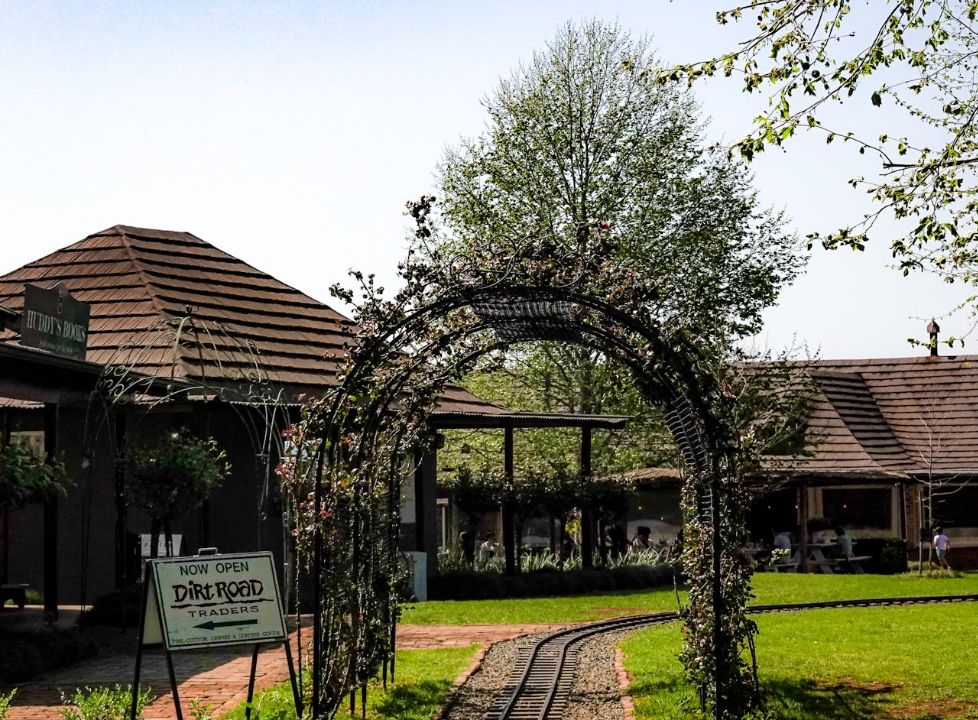
Living walls bring a lush look to compact yards, but they can be tough to keep healthy. Plants in vertical setups dry out faster, require more frequent watering, and often need custom irrigation systems. Over time, structural issues may develop on the supporting wall, and replacements or redesigns can be tricky and expensive if the original setup fails.
6. Monoculture Planting Beds
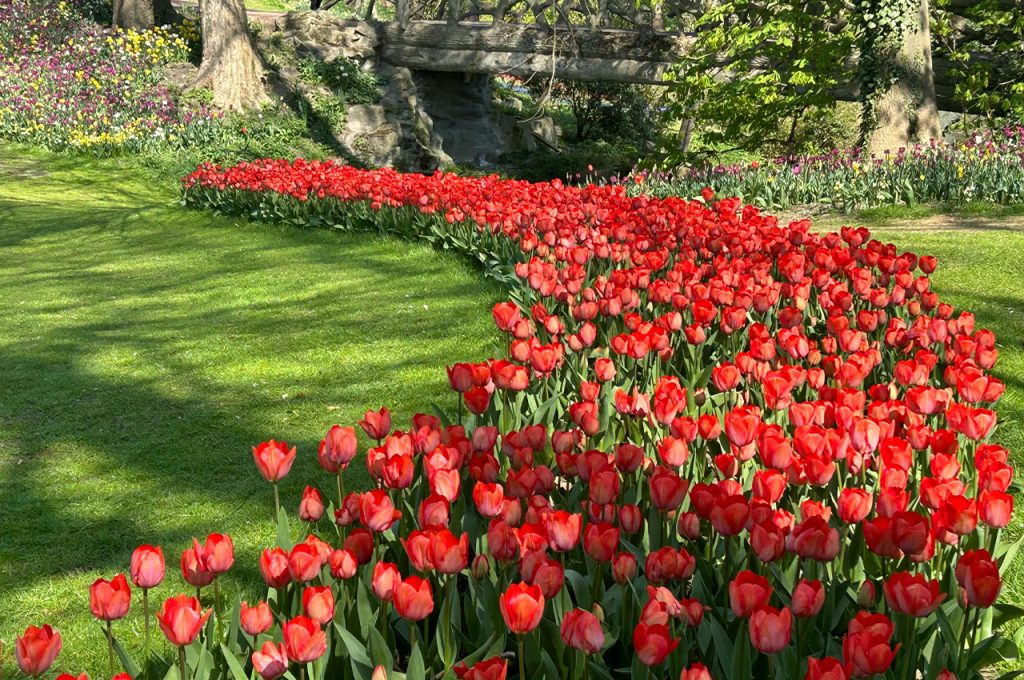
Planting large areas with a single species might look sleek, but it creates a fragile ecosystem. If pests or disease strike, your entire bed is at risk. Monocultures also lack seasonal variety and can quickly become boring or bare between blooming periods. A diverse mix of plants offers better resilience, color interest, and habitat support for pollinators.
7. Excessive Outdoor Lighting
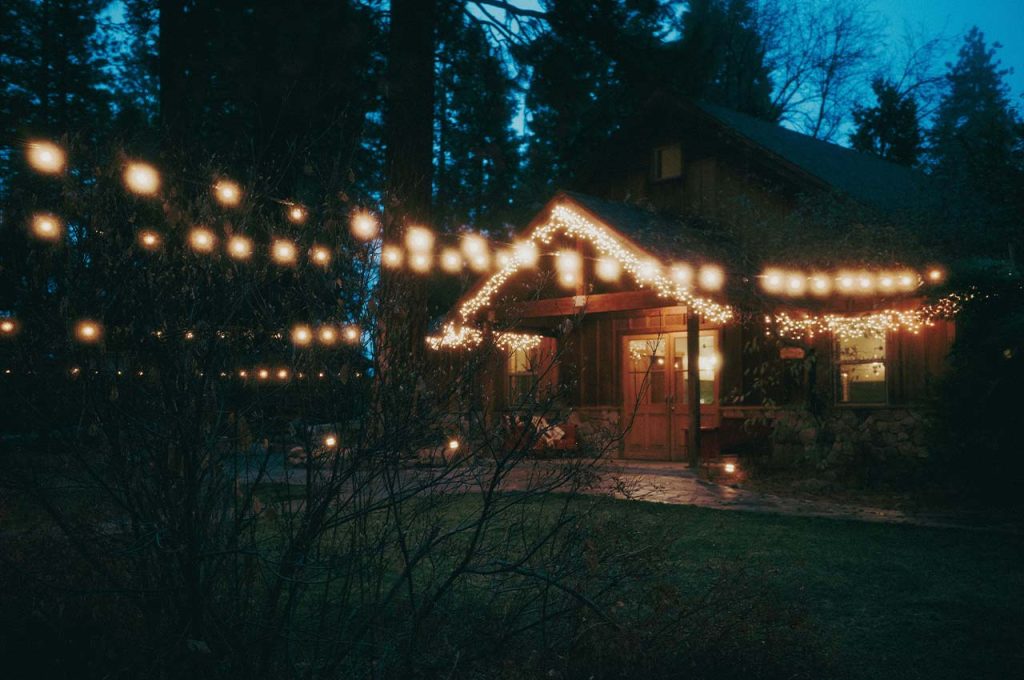
Over-lighting your yard can lead to high energy costs, light pollution, and disturbance of local wildlife. Harsh or poorly placed lighting washes out your landscape’s beauty and can create glare or safety hazards. A more thoughtful lighting plan with subtle, warm-toned fixtures is often more effective—and practical—than flooding your yard with brightness.
8. High-Maintenance Topiary Sculptures
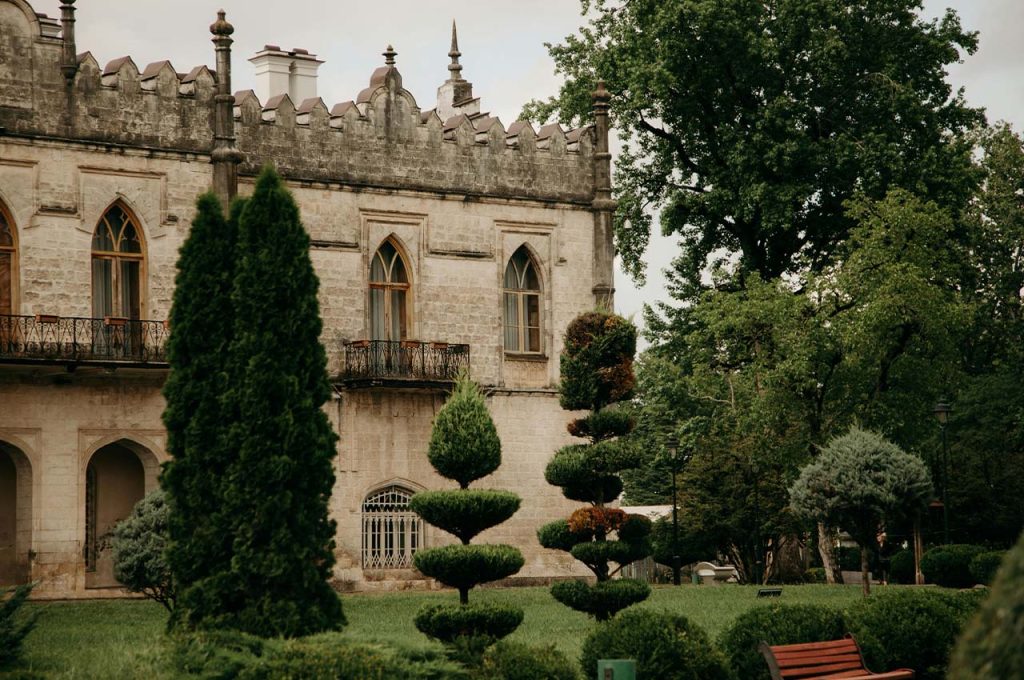
Topiary adds whimsy and formality to a garden, but keeping those manicured shapes demands constant pruning, watering, and care. Without regular maintenance, these sculptures lose their definition fast and can look messy rather than refined. They’re also vulnerable to pests and disease, making them more effort than they’re worth for the average homeowner.
9. Exotic or Non-Native Plant Species
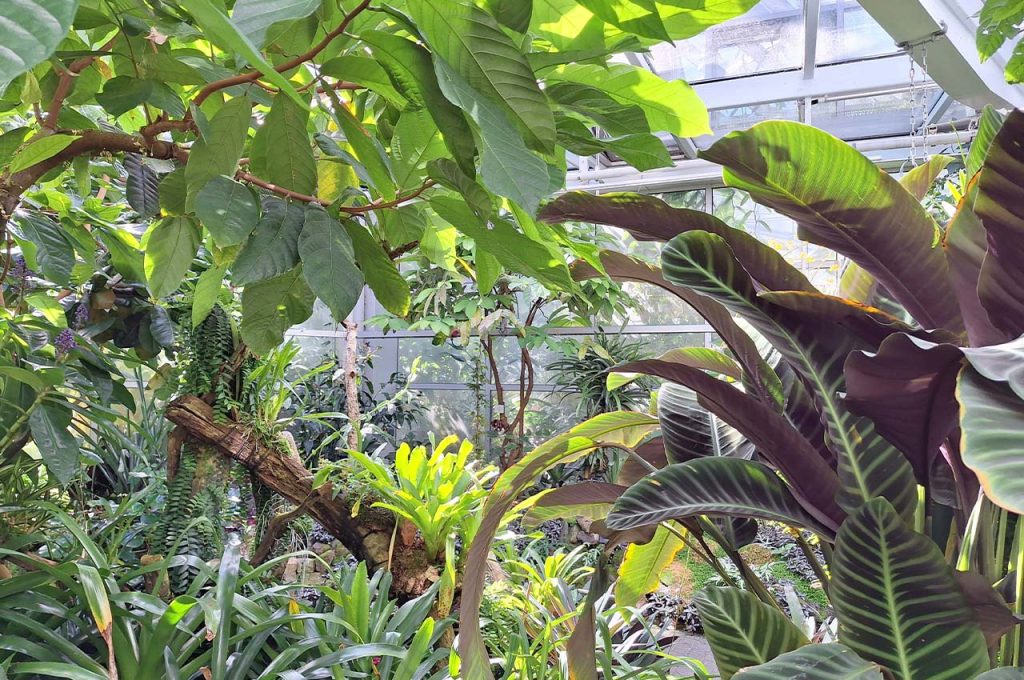
While exotic plants may offer a dramatic look, they often struggle to adapt to local soil, climate, and pests. Many require specialized care or can become invasive, crowding out native species and disrupting ecosystems. Choosing regionally appropriate plants tends to be more sustainable, easier to care for, and better for supporting local wildlife.
10. Large Outdoor Kitchens in Small Yards
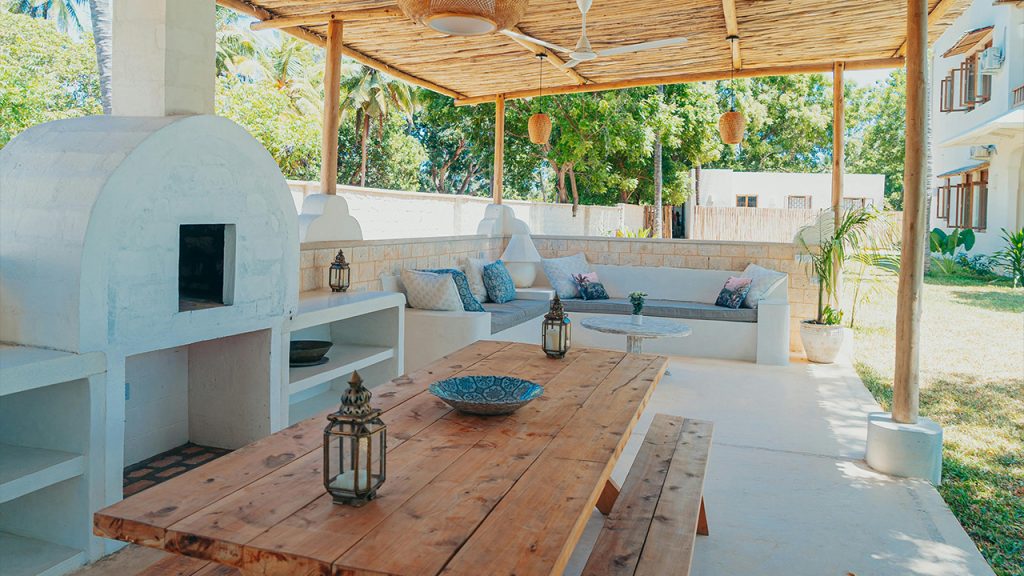
A full-scale outdoor kitchen in a compact yard can quickly overwhelm the space and leave little room for seating or green areas. These setups are expensive to install and maintain, and in smaller homes, they’re often underused. Simpler grilling stations or modular setups can offer similar function without sacrificing the usability or aesthetics of your yard.
Want to see more from Remodr?

Drop a comment below, share this with your friends and family, and don’t forget to follow us for more fresh ideas, updates, tips, and home trends.
This article was created with the assistance of AI but thoroughly edited by a human being.