

As new housing communities strive for uniformity, sustainability, and safety, many are starting to ban features once considered standard. From aesthetic choices to practical installations, these restrictions are often written into HOA regulations or local ordinances. Whether you’re building a new home or relocating, it’s important to know which features might not make the cut in modern developments. Here are 10 common ones facing the chopping block.
1. Bright or Non-Neutral Exterior Paint Colors
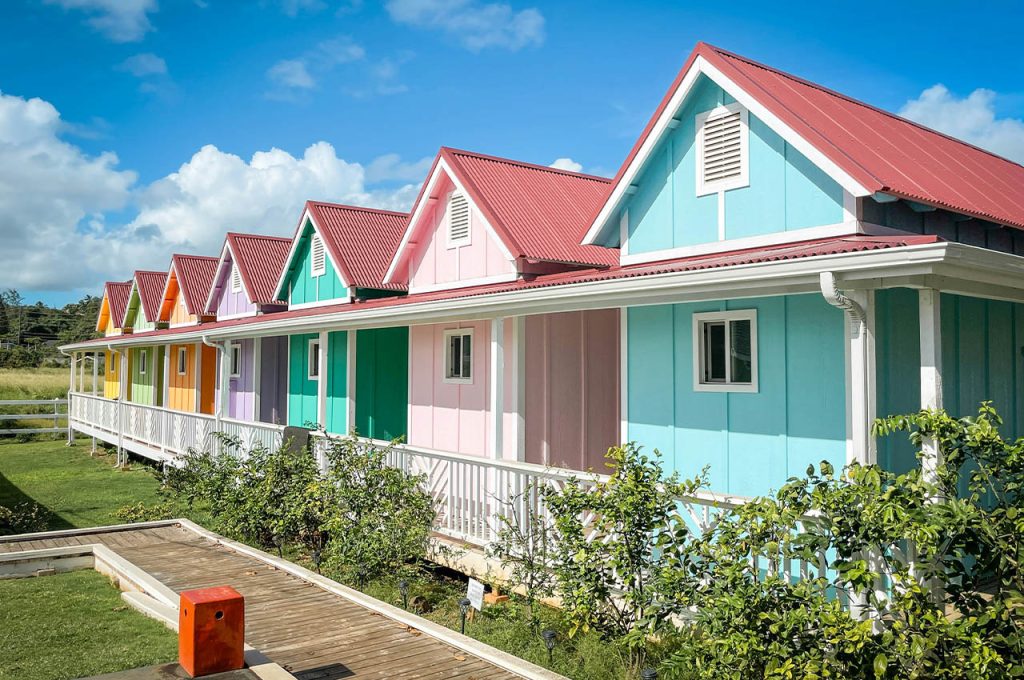
Many new communities are cracking down on bold paint choices, requiring homes to stick to muted, neutral tones. Vibrant hues like turquoise, bright red, or neon green may clash with neighborhood aesthetics, disrupting the visual cohesion that developers aim to maintain. HOAs often enforce these rules to preserve uniformity and property values, leaving homeowners with limited room for personal expression.
2. Chain-Link or Non-Uniform Fencing
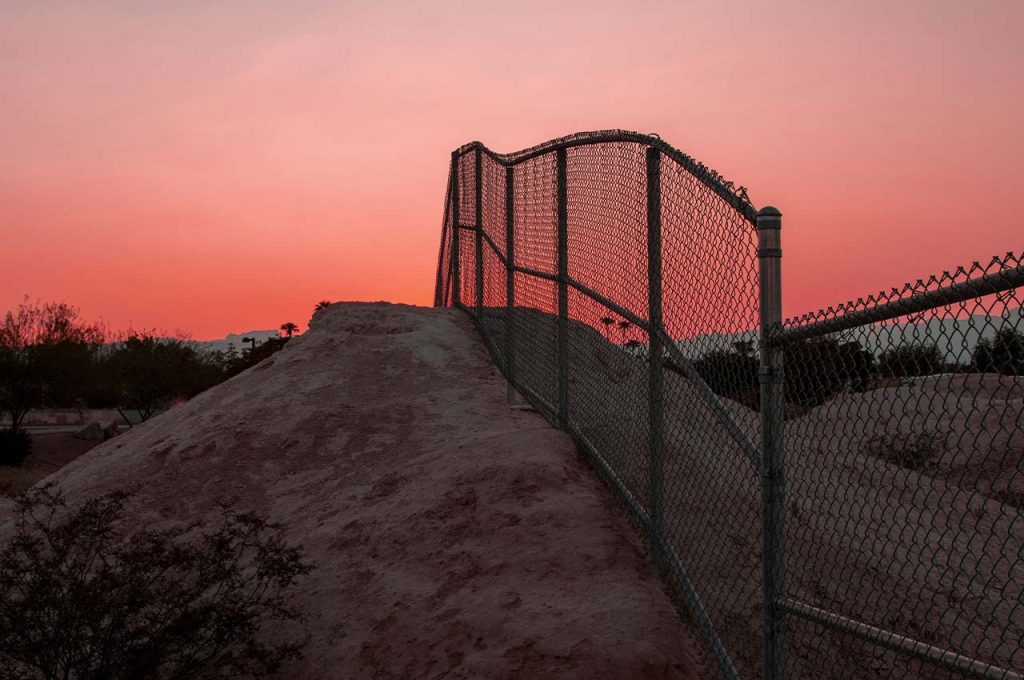
While functional, chain-link fences are frequently banned in modern developments for their industrial look and lack of aesthetic appeal. New communities prefer uniform fencing styles—typically wood or vinyl in neutral colors—to create a cohesive streetscape. Non-matching materials, heights, or designs can be seen as eyesores and may lower the overall curb appeal of the neighborhood.
3. Above-Ground Swimming Pools
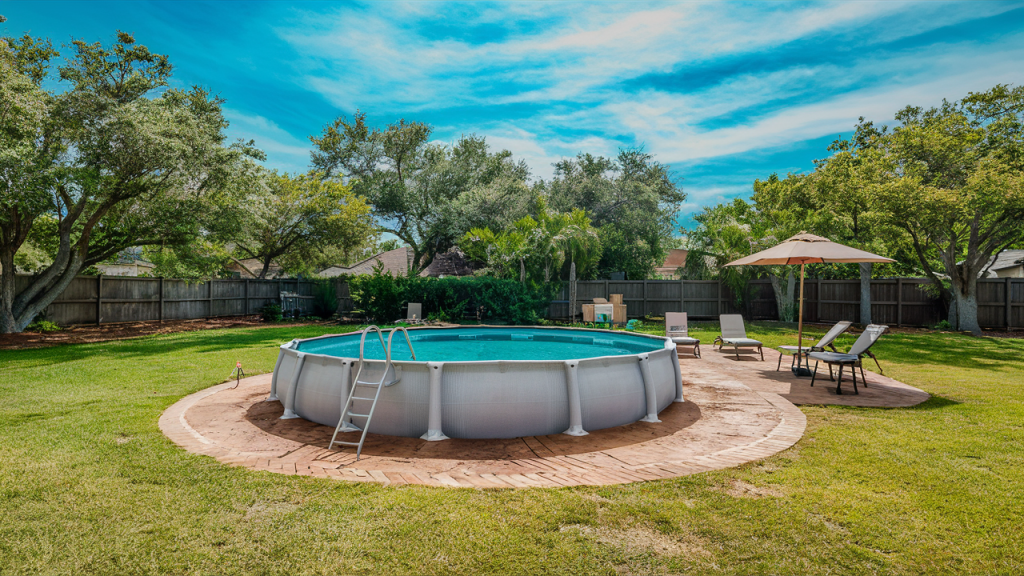
Above-ground pools are often prohibited in newly built communities due to safety concerns and visual impact. These structures can disrupt the manicured appearance of backyards and are typically seen as less permanent or refined than in-ground options. Many HOAs prioritize uniform landscaping and high-end amenities, making these budget-friendly pool alternatives unwelcome additions.
4. Front Yard Vegetable Gardens
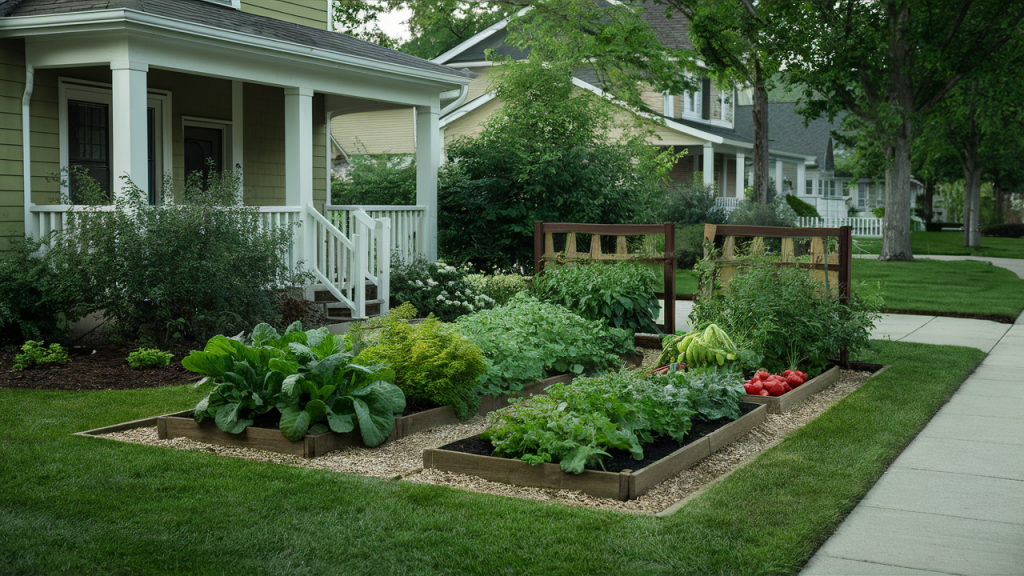
Although sustainable and practical, front yard vegetable gardens are increasingly restricted. Many communities prefer tidy, ornamental landscaping in visible areas and consider vegetable plots too informal or messy. Concerns over aesthetics, pests, and inconsistent maintenance often drive these rules, pushing homeowners to relocate their edible gardens to less prominent backyard spaces.
5. Window-Mounted Air Conditioners
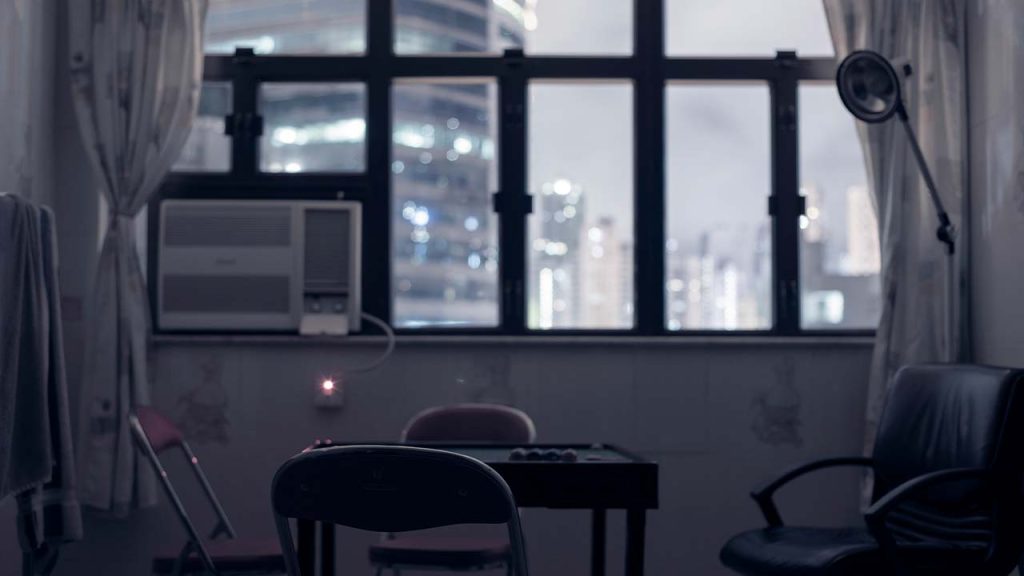
Window AC units are being phased out in favor of central air systems, especially in new developments where architectural harmony is key. These units are viewed as unsightly and may drip water onto sidewalks or neighboring properties. Additionally, they can pose security and noise issues, prompting many HOAs to ban them in favor of cleaner, integrated cooling solutions.
6. Permanent RV or Boat Parking in Driveways
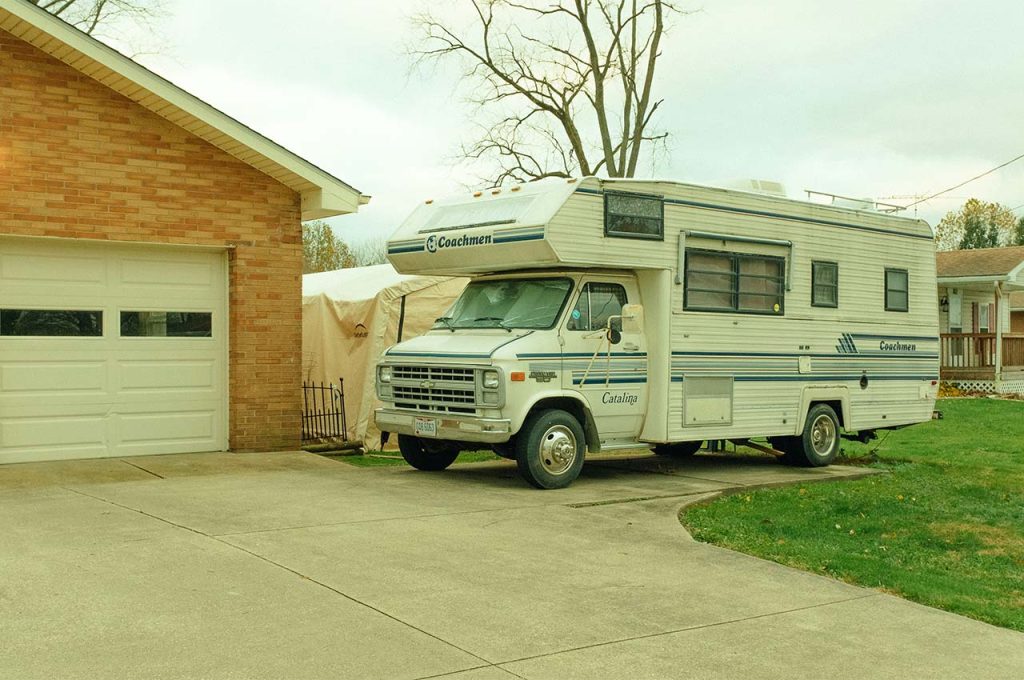
Many new housing communities restrict the long-term parking of RVs or boats in driveways, viewing them as visual clutter that detracts from neighborhood appeal. These large vehicles can block sightlines, dominate front yards, and reduce overall curb appeal. Homeowners may be required to store them off-site or behind screened enclosures to maintain the polished, uniform appearance the HOA desires.
7. Excessive Outdoor Lighting
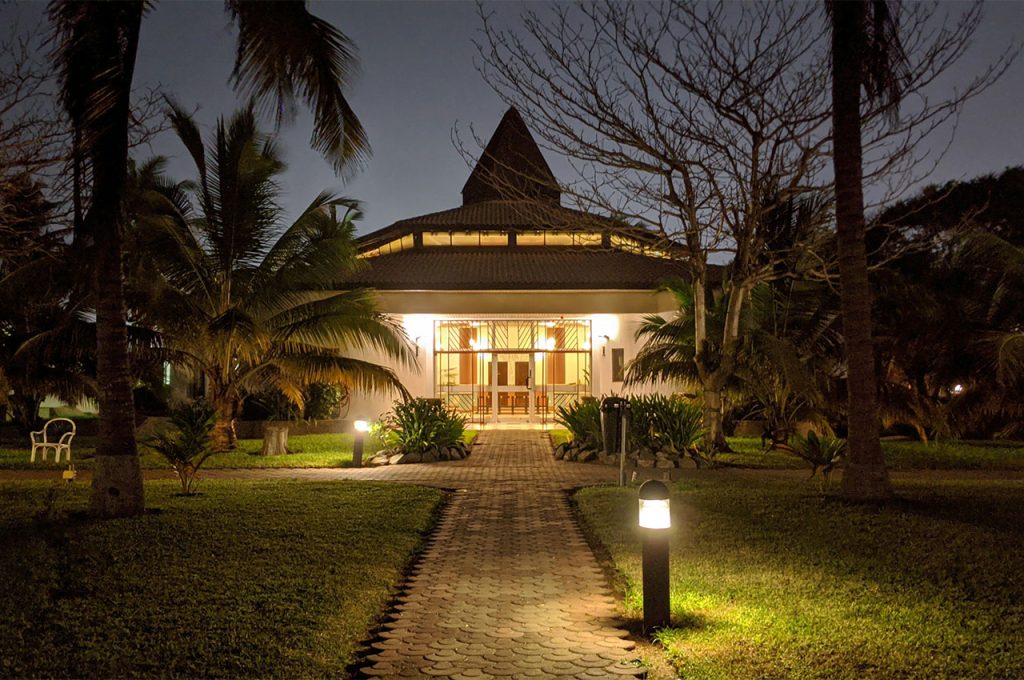
Overly bright or poorly positioned outdoor lighting is often regulated in newer communities due to concerns about light pollution and neighbor disruption. Bright floodlights or decorative fixtures that shine into adjacent properties can affect sleep and enjoyment of outdoor spaces. HOAs typically require lighting to be subtle, downward-facing, and limited in intensity to preserve nighttime ambiance.
8. Detached Sheds or Outbuildings Without HOA Approval
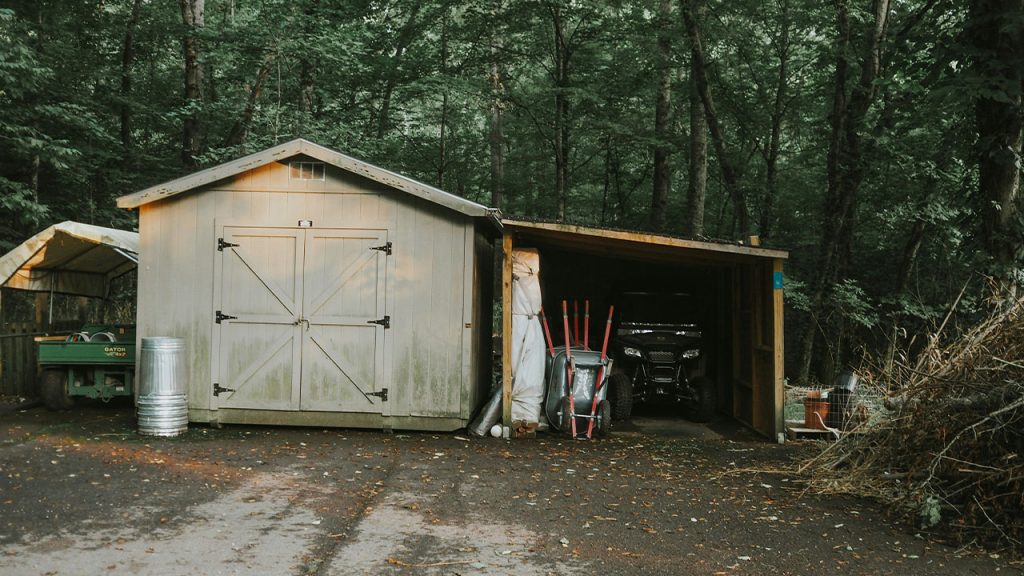
New communities frequently enforce strict rules around detached structures to maintain architectural consistency. Adding a shed or workshop without prior approval can result in fines or mandated removal. These buildings may clash with the home’s design or obstruct views, so most HOAs require detailed plans and design reviews to ensure all additions align with community standards.
9. Artificial Turf Lawns
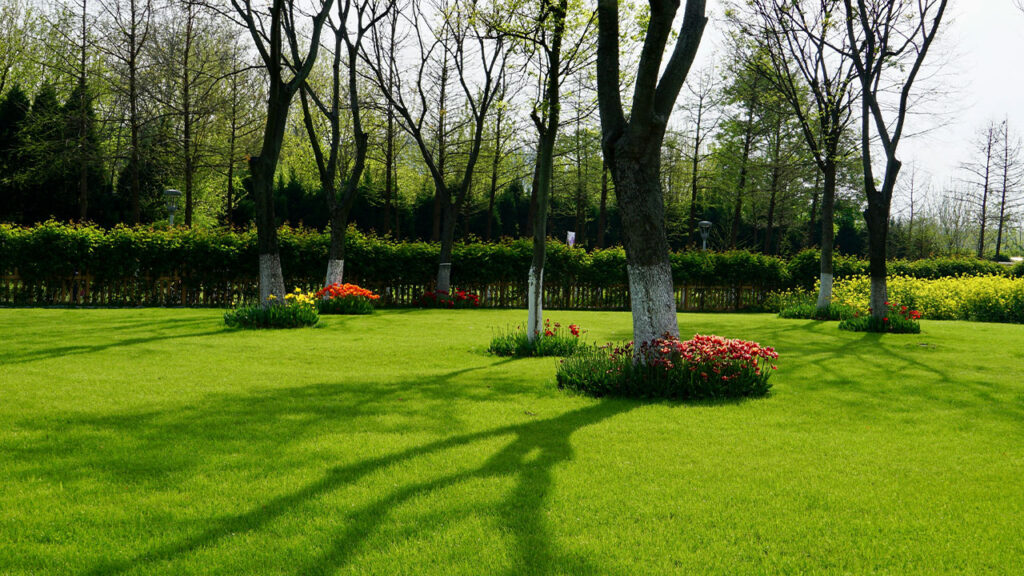
While low-maintenance and water-efficient, artificial turf is facing bans in some developments due to aesthetic concerns and heat retention. Some communities prefer the look and feel of natural grass, believing synthetic lawns can appear too uniform or unnatural. Additionally, turf can become uncomfortably hot under direct sunlight, raising concerns about safety and environmental impact.
10. Outdoor Clotheslines and Laundry Racks
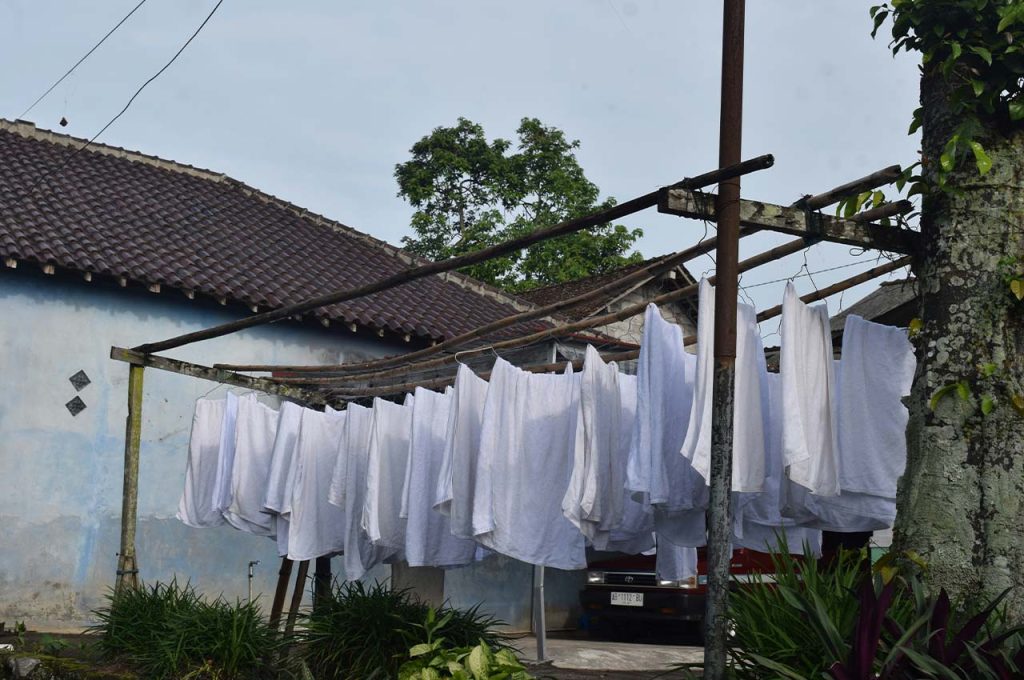
Once common, outdoor clotheslines are now often banned in planned communities for their perceived impact on visual appeal. Developers and HOAs see laundry lines as reminders of utility rather than leisure and argue they disrupt the clean, upscale image they aim to project. Homeowners are often encouraged to use indoor drying options or screened areas to maintain an uncluttered exterior.
Want to see more from Remodr?

Drop a comment below, share this with your friends and family, and don’t forget to follow us for more fresh ideas, updates, tips, and home trends.
This article was created with the assistance of AI but thoroughly edited by a human being.