

Planting the wrong greenery too close to your home can lead to more than just overgrown flower beds—it can cause structural damage, attract pests, and even pose fire or health risks. While some plants seem harmless or even beautiful, their roots, growth habits, or chemical properties can create major headaches. If you’re planning your landscaping, these 17 plants are best kept at a safe distance from your foundation, siding, and outdoor living spaces.
1. Bamboo
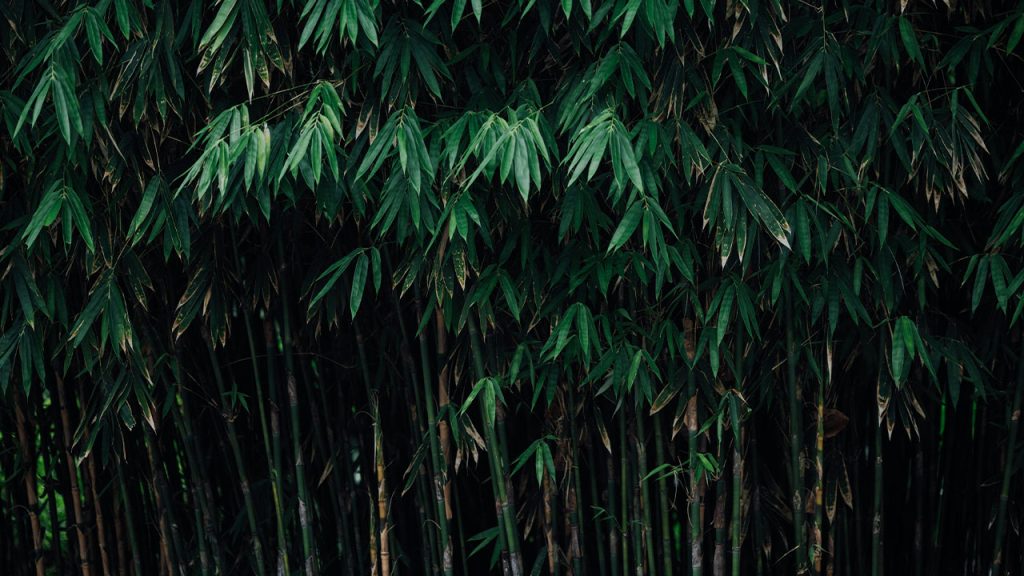
Bamboo may look sleek and serene, but it’s an aggressive spreader with a root system that’s nearly impossible to control. Its underground rhizomes can push through barriers, crack pavement, and even threaten your home’s foundation. Once established, it’s notoriously hard to remove and can overtake nearby plants. If you must plant it, use containers or reinforced root barriers well away from your house.
2. Wisteria

Wisteria’s cascading blooms may be enchanting, but its vines are ruthless climbers. They grow rapidly, twisting around structures, gutters, and even windows, causing warping and damage. Its roots are equally invasive and can choke out nearby plants or compromise foundations. Without constant pruning and structural control, wisteria can quickly turn from charming to chaotic near your home.
3. English Ivy
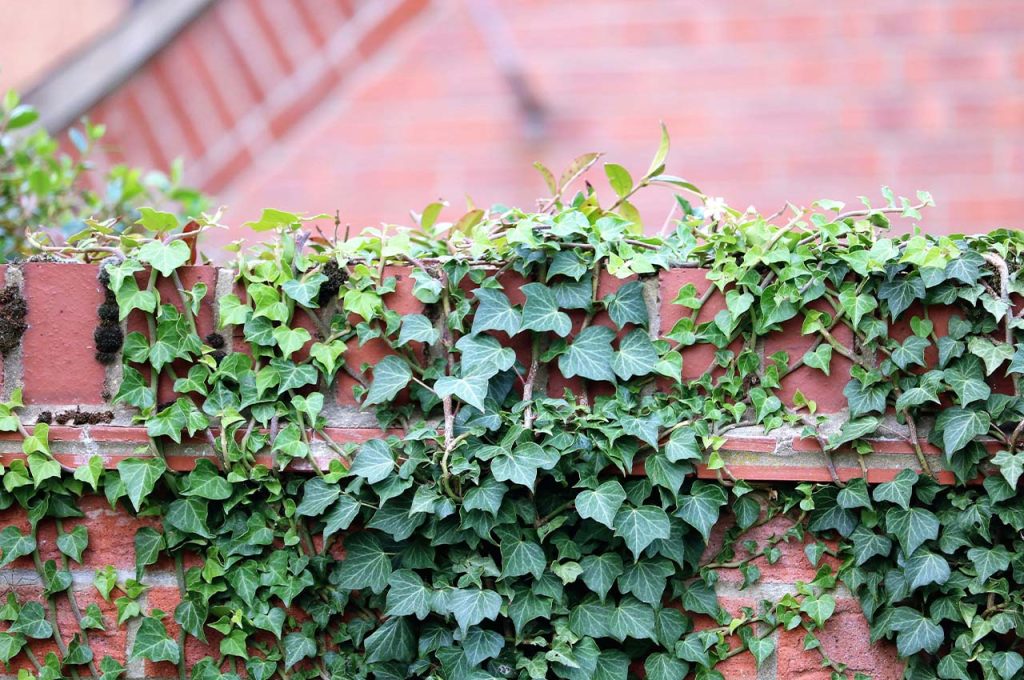
English ivy weaves a timeless, enchanting look on walls, but hidden beneath its charm is a relentless, damaging grip. Ivy clings to surfaces using tiny rootlets that can pry into mortar, wood, and siding, causing long-term structural damage. It also harbors moisture and pests, including spiders and rodents. What starts as decorative quickly becomes invasive—and potentially costly to remove.
4. Eucalyptus
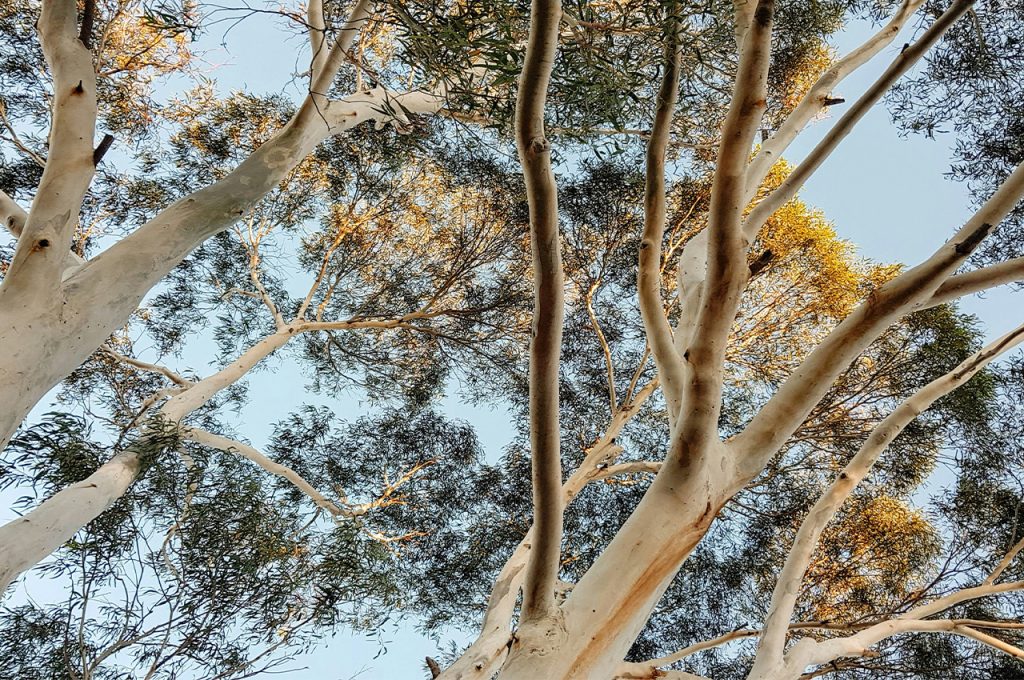
Known for its fragrant foliage and fast growth, eucalyptus is tempting for landscaping—but it’s not ideal near homes. Its brittle branches are prone to dropping without warning, especially in windy conditions, making it a hazard to roofs, cars, and people. The roots are also invasive and compete aggressively for water, potentially damaging pipes or nearby structures over time.
5. Oak Trees
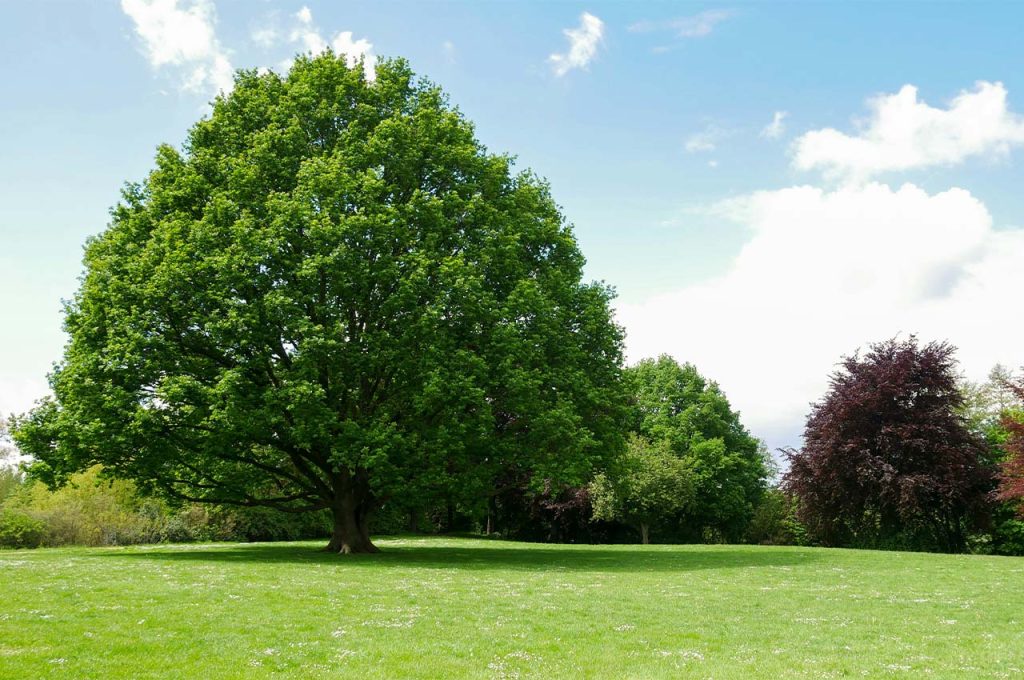
Majestic and long-living, oak trees might seem like perfect yard companions. However, their root systems can extend up to three times the width of their canopy, posing a threat to sidewalks, plumbing, and foundations. Oaks generously drop leaves, acorns, and pollen, turning gutters into blockades and your yard into a constant cleanup zone. Keep them well away from your home’s perimeter.
6. Weeping Willow
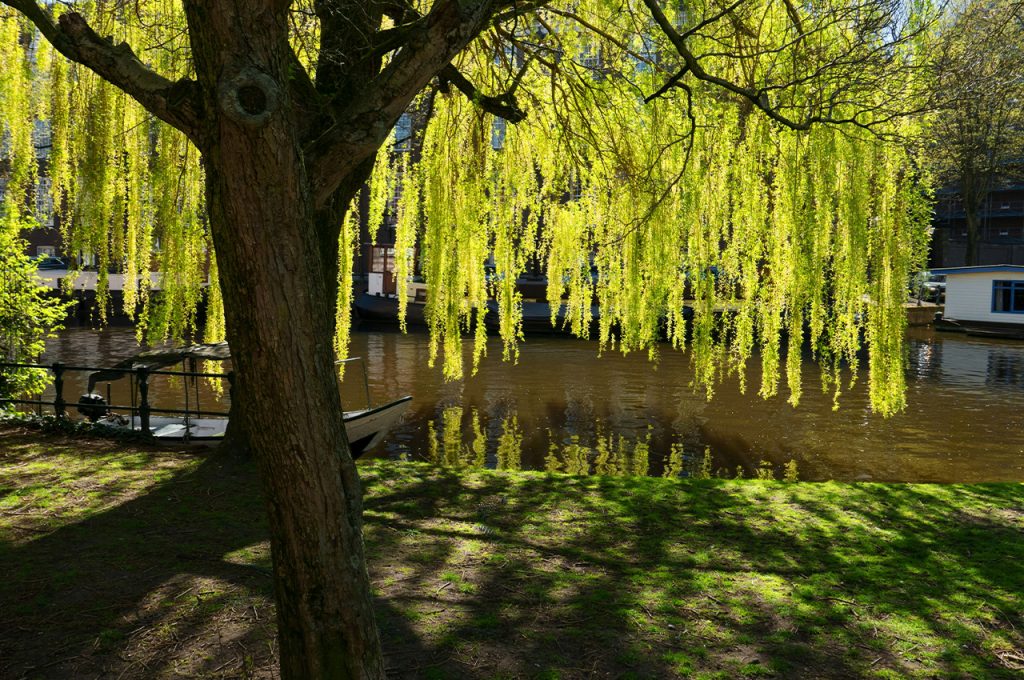
Willows are beautiful and graceful, but their roots are anything but delicate. Constantly seeking water, they can invade sewer lines, septic tanks, and drainage systems, leading to expensive repairs. Their wide-reaching root systems can also destabilize foundations. Unless you have acres to spare, it’s best to admire willows from a distance—preferably 50 feet or more from any structure.
7. Boxwood Shrubs
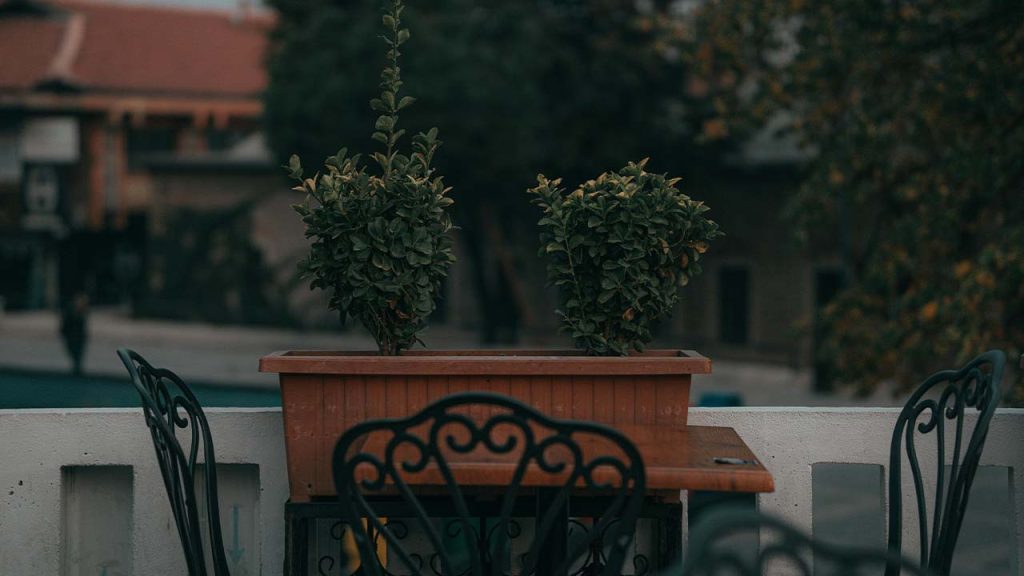
Boxwoods are a landscaping favorite, but planting them too close to your house can restrict airflow and invite mold or mildew on siding. They also attract boxwood blight and spider mites, especially in damp, shaded areas. While they’re great for hedging, crowding them against your foundation can cause moisture retention issues and unwanted pest activity around your home’s base.
8. Mulberry Trees
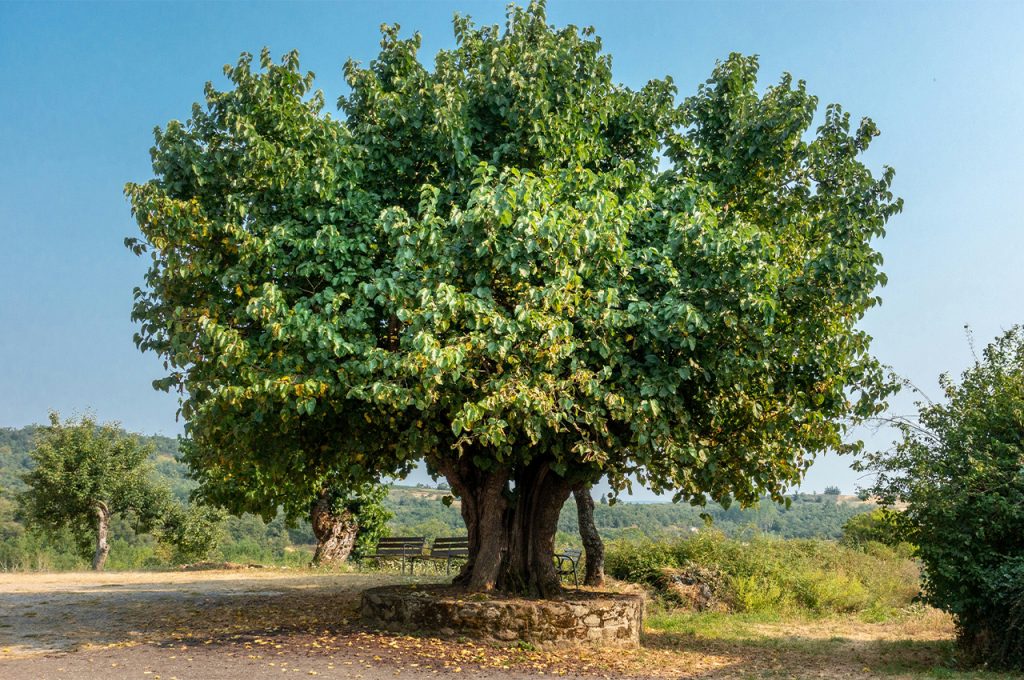
Mulberries are messy and high-maintenance. Their fruit stains walkways, decks, and anything it touches. Even worse, they attract birds and insects in droves, creating a noisy, sticky environment. The trees also produce aggressive roots that can invade water lines and crack concrete. If you love mulberries, plant them far from your house—and prepare for the cleanup.
9. Poplar Trees
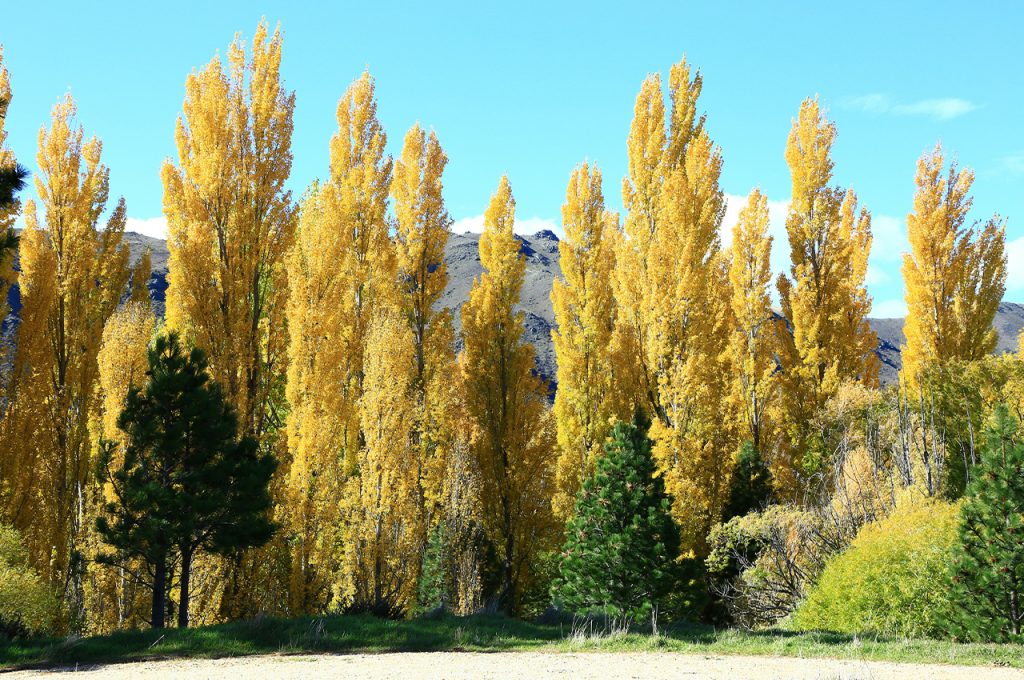
Poplar trees race skyward with impressive speed, but their fast growth masks a hidden danger. Their shallow, widespread roots aggressively invade underground pipes, crack driveways, and threaten foundations. Known for brittle limbs, poplars frequently shed branches during storms, risking property damage. Though they provide quick shade, their short lifespan and invasive nature make them a risky choice near homes—offering more trouble than tranquility in the long run.
10. Hydrangeas
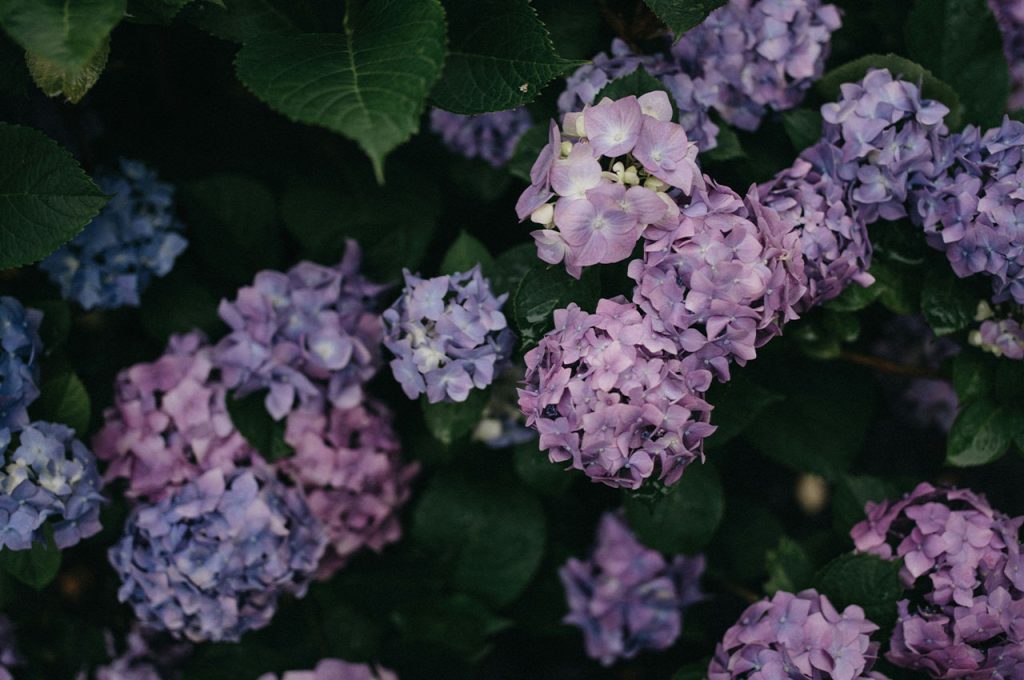
Hydrangeas are beautiful bloomers, but they need space to thrive. When planted too close to the house, they can block vents, trap moisture, and reduce air circulation around your home’s foundation. They’re also prone to mildew in humid environments. Give them breathing room to avoid rot, pest issues, and damaged siding—while still enjoying their vibrant presence in your yard.
11. Ficus Trees
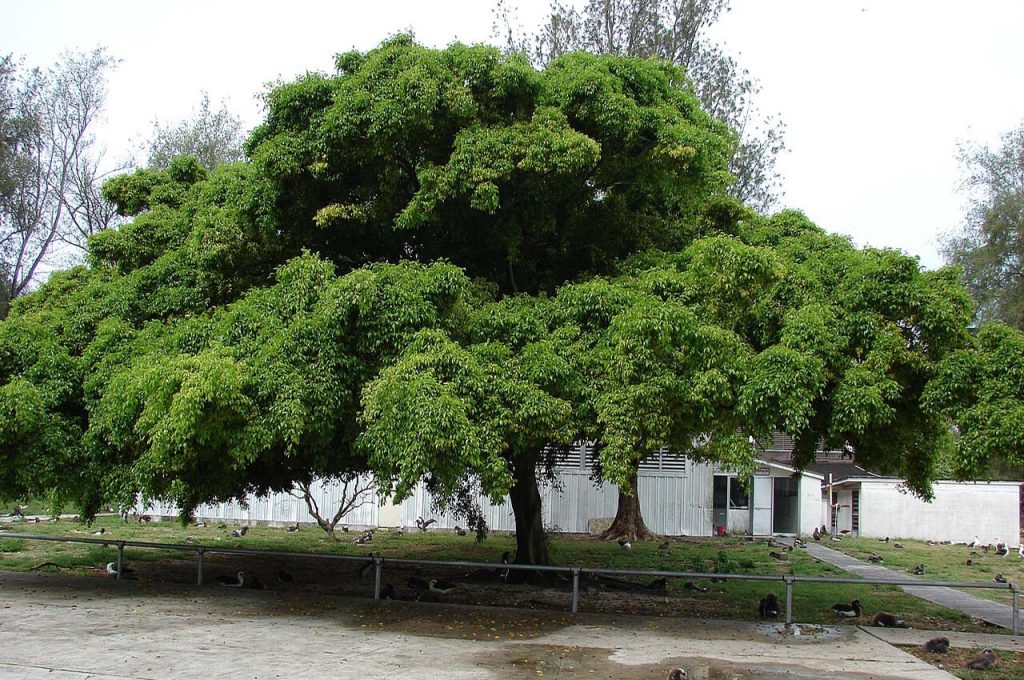
Ficus trees are popular for their glossy foliage, but their roots are relentless. They aggressively seek moisture, often cracking sidewalks, driveways, and even home foundations. In warm climates, they grow large fast and become nearly unmanageable without frequent pruning. If planted too close to structures, their roots can become a costly nightmare—best kept far from your home.
12. Russian Olive
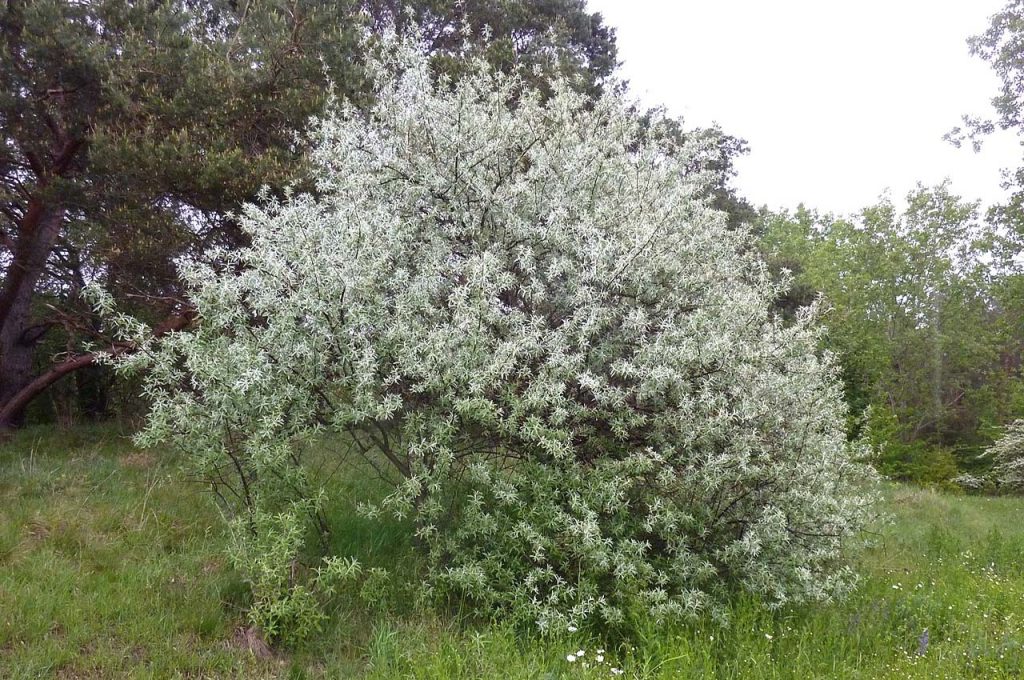
Russian olive trees may thrive in poor soil, but they’re highly invasive and hard to control. Their thorny branches create dense thickets that crowd out native plants, and their roots spread quickly, even in dry conditions. When planted near your home, they can damage nearby hardscaping and attract pests. Plus, their silver foliage drops year-round, leaving behind constant yard cleanup.
13. Tree of Heaven

Despite its poetic name, the Tree of Heaven is a nightmare for homeowners. Invasive and fast-growing, it releases chemicals that inhibit nearby plant growth. Its roots are aggressive and can damage foundations, plumbing, and sidewalks. Even worse, it spreads rapidly through seeds and suckers, making it incredibly difficult to eradicate once established. Avoid planting this one at all costs.
14. Silver Maple
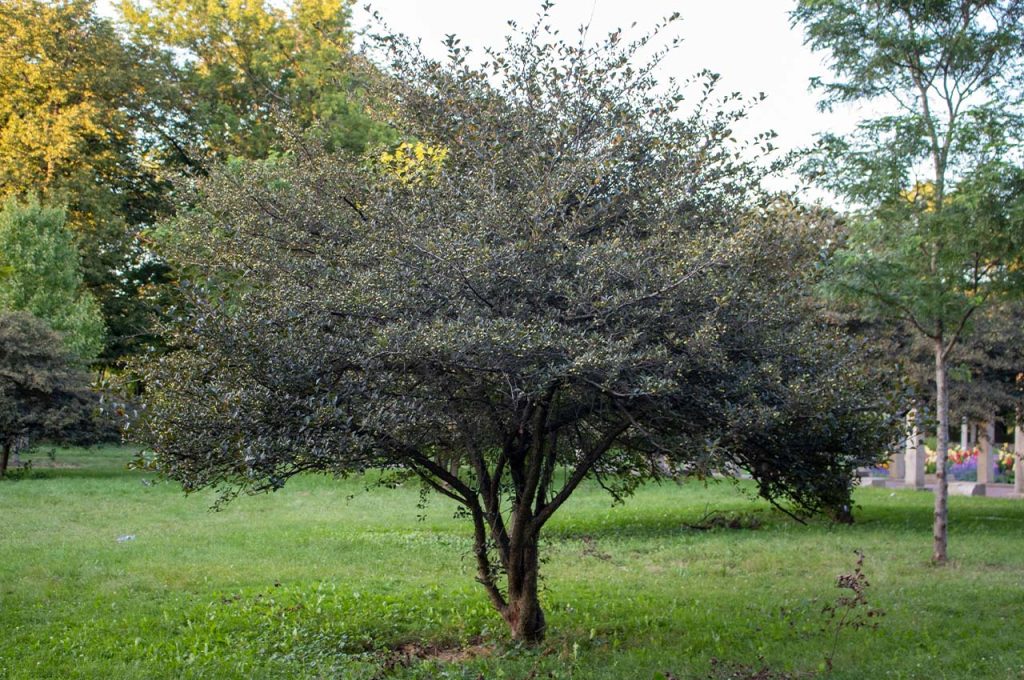
Silver maples grow tall and fast, but their weak wood is prone to splitting during storms. Even more concerning is their massive root system, which can lift sidewalks, crack foundations, and clog pipes. These trees also drop a heavy load of leaves, seeds, and branches, adding to yard maintenance. Keep them far from your home to avoid long-term structural issues.
15. Trumpet Vine
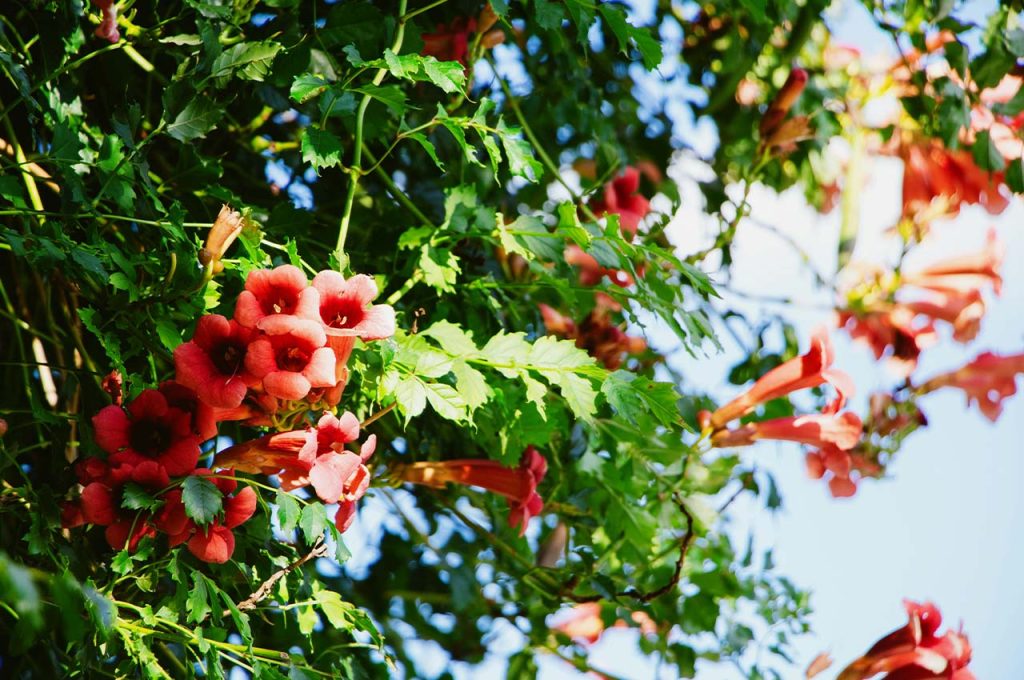
Trumpet vine’s fiery flowers attract hummingbirds—but its roots and vines are wildly invasive. The plant spreads quickly underground and above, climbing walls, fences, and even creeping into cracks and crevices. If left unchecked, it can cause serious damage to siding and foundations. Its tenacity makes it beautiful from afar, but a risky choice near any structure.
16. Black Walnut Trees
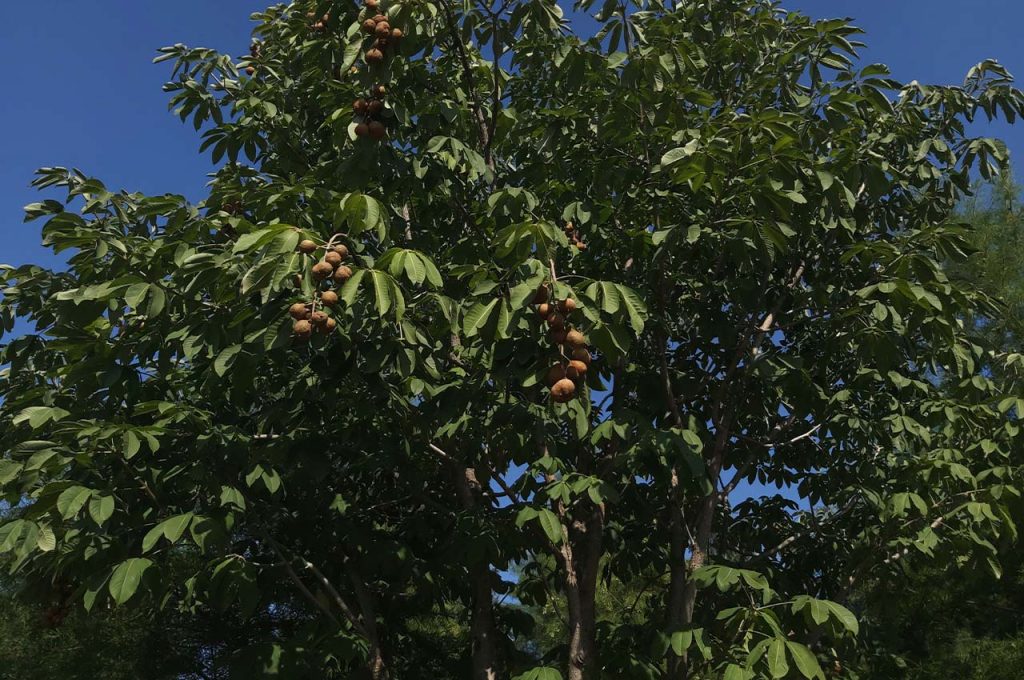
Black walnut trees may offer deep shade, but they release a toxin called juglone, which can harm or kill many nearby plants. Their expansive root systems can interfere with foundations and underground pipes, and the large, hard nuts they drop pose slipping hazards and create constant cleanup. Their size and toxicity make them unsuitable for planting anywhere near your home or garden beds.
17. Pyracantha (Firethorn)
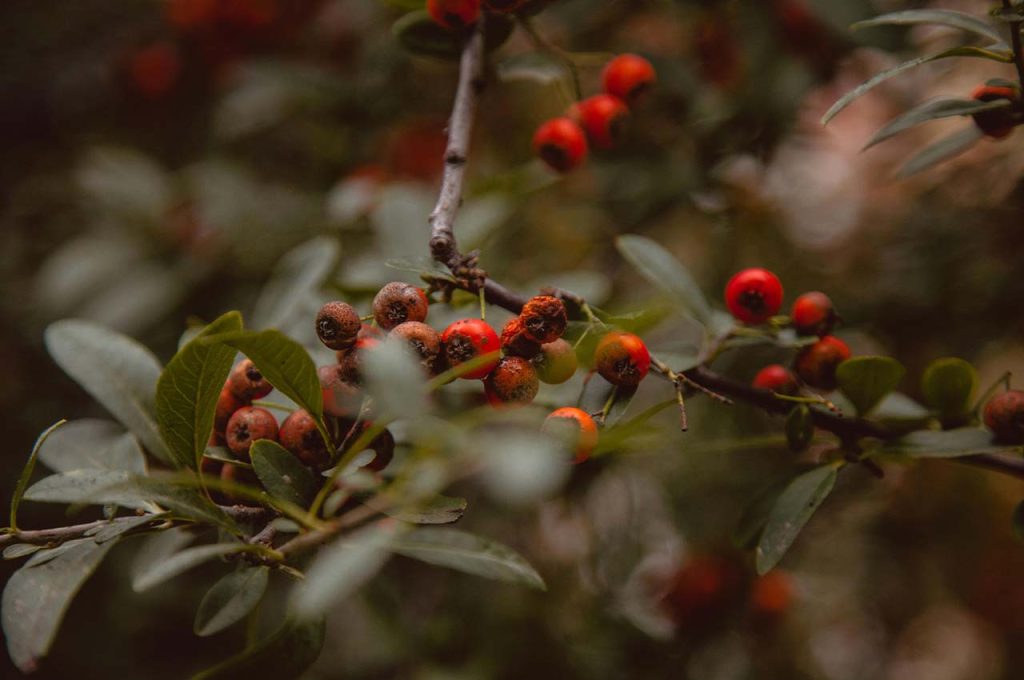
Pyracantha’s bright berries and dense foliage are visually appealing, but its sharp thorns and tangled growth can be a nightmare near your home. It easily overgrows windows, gutters, and pathways, making maintenance difficult and painful. The berries attract birds, but also pests. If planted too close to your house, it can scratch siding, block light, and become a haven for rodents.
Want to see more from Remodr?

Drop a comment below, share this with your friends and family, and don’t forget to follow us for more fresh ideas, updates, tips, and home trends.
This article was created with the assistance of AI but thoroughly edited by a human being.