

Container homes have gained popularity for their sleek look and eco-conscious appeal—but they’re not all minimalist dreams and cost savings. Behind the trendy façade are some real-life challenges that many owners don’t anticipate. From insulation issues to zoning hurdles, container living comes with a unique set of limitations. Before making the leap, here are ten tough truths about living in a container home that most people won’t tell you.
1. Insulation Is a Constant Battle

Steel walls aren’t exactly cozy. Without proper insulation, living in a container home can feel like baking in an oven by day and camping in a freezer by night. Unlike traditional builds, insulating a metal box requires creative layering and often specialized materials. And if it’s not done right from the start, you’ll end up with condensation, mold, and skyrocketing energy bills. Comfort in a container takes more effort than most expect.
2. Zoning Laws Can Be a Dealbreaker

Dreaming of your perfect container home is one thing—getting your city or county to approve it is another. Zoning laws vary wildly by location, and many municipalities either restrict or outright ban container homes due to building codes, aesthetics, or land use rules. Navigating the red tape can delay construction or derail plans entirely. Without thorough research, your dream home might never get off the ground.
3. Space Is Much Tighter Than You Think
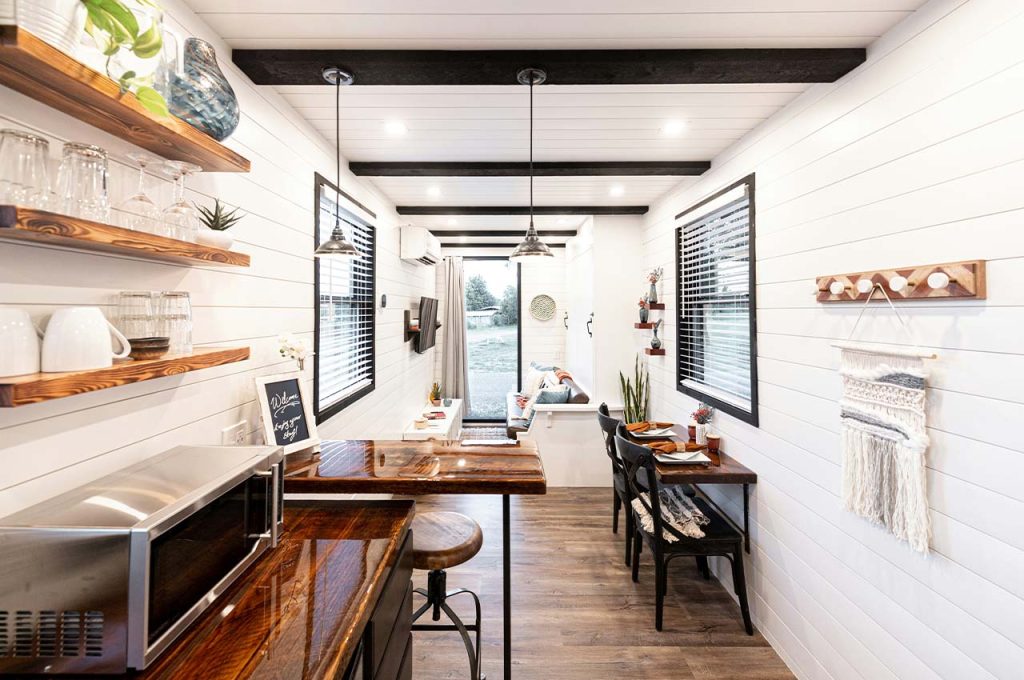
Even with smart layouts and space-saving tricks, the interior of a container home can still feel more like a hallway than a haven—tight, narrow, and with little room to breathe. Standard containers are only about 8 feet wide, and after adding walls, insulation, and utilities, that shrinks even more. Minimalism becomes mandatory, and storage is always a challenge. If you’re not prepared to downsize your belongings and lifestyle, the limited square footage may start to feel more confining than cozy.
4. They’re Not Always Budget-Friendly

Many people assume container homes are a low-cost alternative to traditional housing—but that’s not always the case. While the shell may be affordable, expenses add up quickly: insulation, structural modifications, permits, site prep, utilities, and interior finishes can push costs well beyond initial expectations. Without careful budgeting, a “cheap” container project can turn into a costly surprise.
5. Rust and Corrosion Are Real Risks
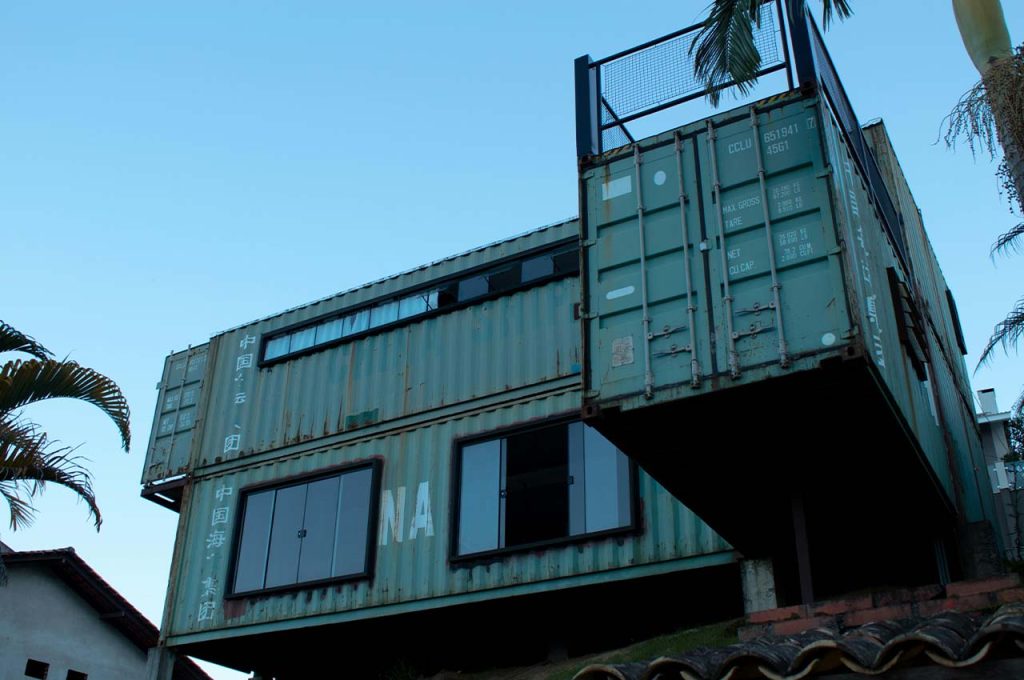
Shipping containers are built to withstand harsh sea conditions, but once they’re turned into homes, they’re exposed to a different kind of wear. Moisture from weather or interior humidity can lead to rust, especially in seams and cuts made for doors or windows. Without diligent sealing, routine maintenance, and proper airflow, corrosion can quietly eat away at both the beauty and bones of a container home. Rust doesn’t just stain surfaces—it weakens the very structure over time, turning sleek steel into a long-term liability.
6. Plumbing and Electrical Can Be Complicated
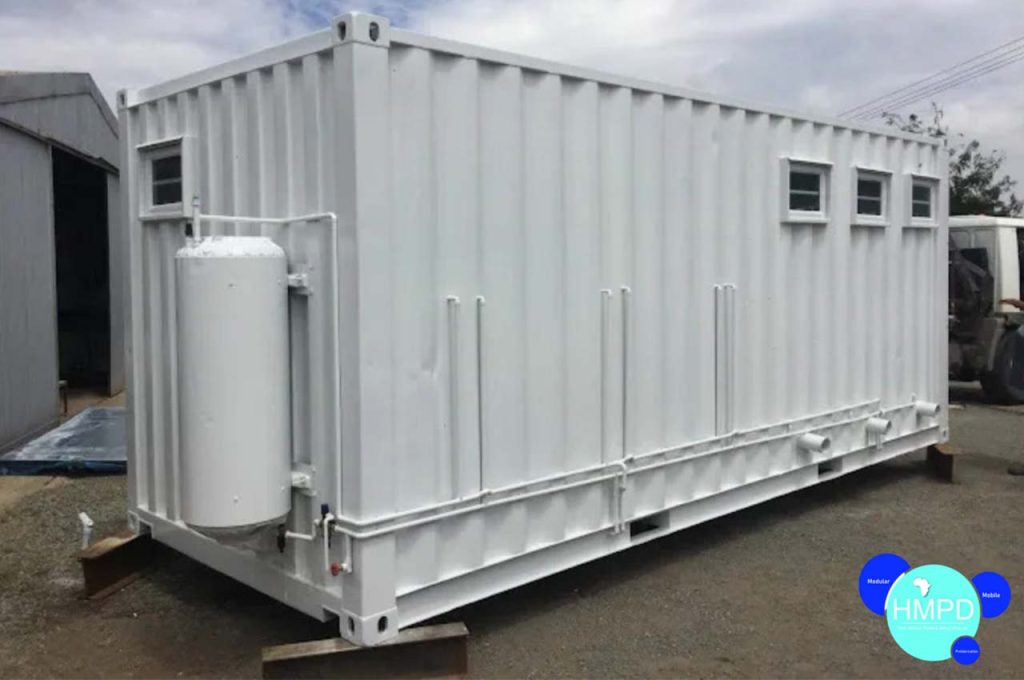
Running pipes and wiring through steel walls isn’t as simple as in a traditional home. Every penetration in the metal shell requires precise cutting, sealing, and often extra reinforcement to prevent leaks or rust. Plumbing layouts are especially tricky in tight quarters, and local codes may require licensed professionals. What seems like a DIY dream can quickly become a maze of costly complications.
7. Structural Modifications Get Pricey Fast
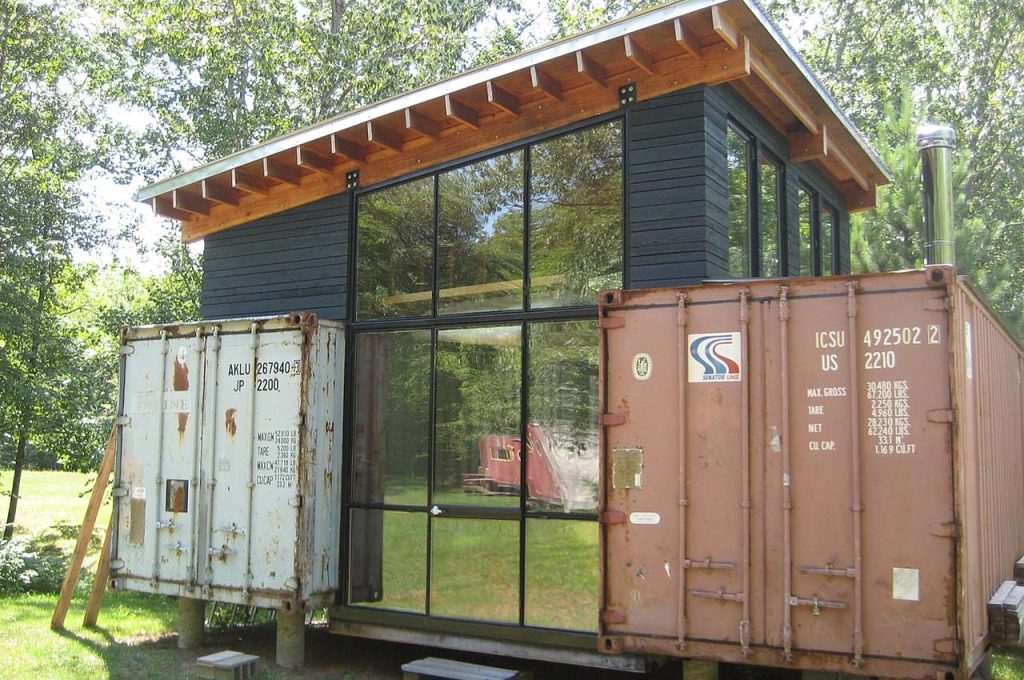
Dreaming of floor-to-ceiling windows or a breezy open layout? Adding doors, windows, or combining containers might sound simple, but these structural changes require careful planning, steel reinforcement, and often professional welding. Every cut weakens the integrity of the steel, requiring reinforcement with welding, steel beams, or framing. These structural changes can drive up costs fast and often require engineering approval. The more you customize, the more your budget will stretch—sometimes rivaling or exceeding traditional home renovation costs.
8. You’ll Hear Everything Outside

Container walls don’t naturally dampen sound. Rain hitting the roof can sound like a drumline, and without proper insulation and acoustics, outside noise easily invades the space. Whether it’s barking dogs, traffic, or wind, noise pollution is a common surprise for first-time container homeowners. Without extra materials to soften sound, peace and quiet can be hard to come by.
9. Resale Value Is Unpredictable

Container homes are still a niche market, which makes resale tricky. Buyers may see them as trendy or unconventional, and appraisers often struggle to compare them to standard properties. Depending on your location, you might attract a smaller buyer pool or have difficulty recouping your investment. While unique, container homes don’t always hold their value like traditional homes do.
10. Financing Can Be Surprisingly Difficult

Because container homes don’t always meet standard lending criteria, securing a mortgage can be challenging. Many banks view them as risky, unconventional structures and may require large down payments or classify them as personal property. Unless you find a lender experienced with alternative housing, you might end up paying cash or turning to specialty financing with less favorable terms.
Want to see more from Remodr?

Drop a comment below, share this with your friends and family, and don’t forget to follow us for more fresh ideas, updates, tips, and home trends.
This article was created with the assistance of AI but thoroughly edited by a human being.