
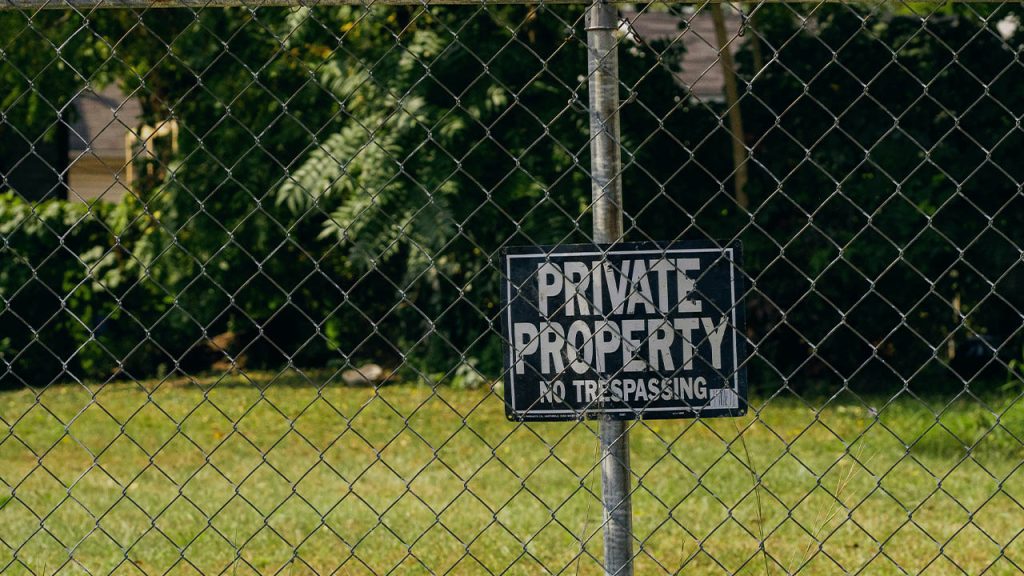
Many homeowners unknowingly cross legal lines in their day-to-day activities, from minor DIY projects to routine property use. What seems harmless or practical can sometimes violate local laws, zoning rules, or homeowners’ association regulations. Understanding these common missteps helps avoid fines, legal trouble, or costly corrections. Here are 14 surprising things homeowners regularly do that are technically illegal—yet often overlooked.
1. Installing a Fence Without a Permit

Many homeowners install fences without checking local regulations or securing permits. Overlooking permits can result in costly fines or being forced to tear down or alter your fence unexpectedly. Rules often dictate fence height, materials, and placement—especially near sidewalks or streets. Obtaining a permit ensures your fence complies with safety and aesthetic standards, avoiding costly disputes with neighbors or city officials down the line.
2. Building Structures Too Close to Property Lines
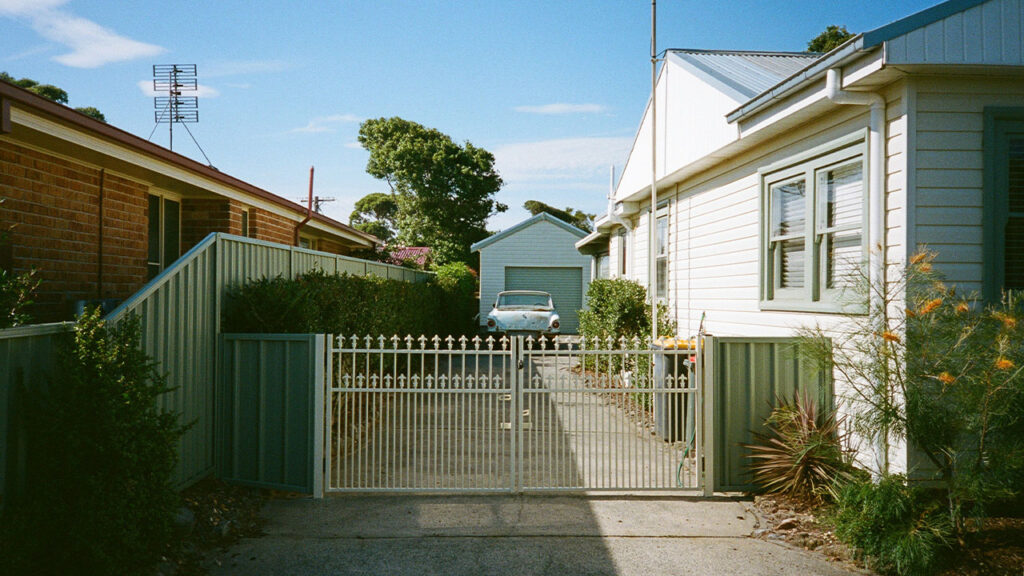
Encroaching on setback requirements by building sheds, decks, or additions too close to property lines is a common but illegal mistake. These rules protect neighbor privacy, fire safety, and community planning. Violations may force costly demolitions or legal battles. Always verify zoning laws and setback distances before starting construction to ensure your project stays within legal boundaries.
3. Converting Garages into Living Spaces Without Approval

Transforming a garage into a living area without proper permits or inspections can violate building codes. Issues like inadequate insulation, ventilation, or fire safety may arise. Unapproved conversions can jeopardize insurance coverage and resale value. To stay legal, secure permits and follow local building standards, ensuring the space is safe, functional, and up to code.
4. Operating a Home Business Without Proper Licensing
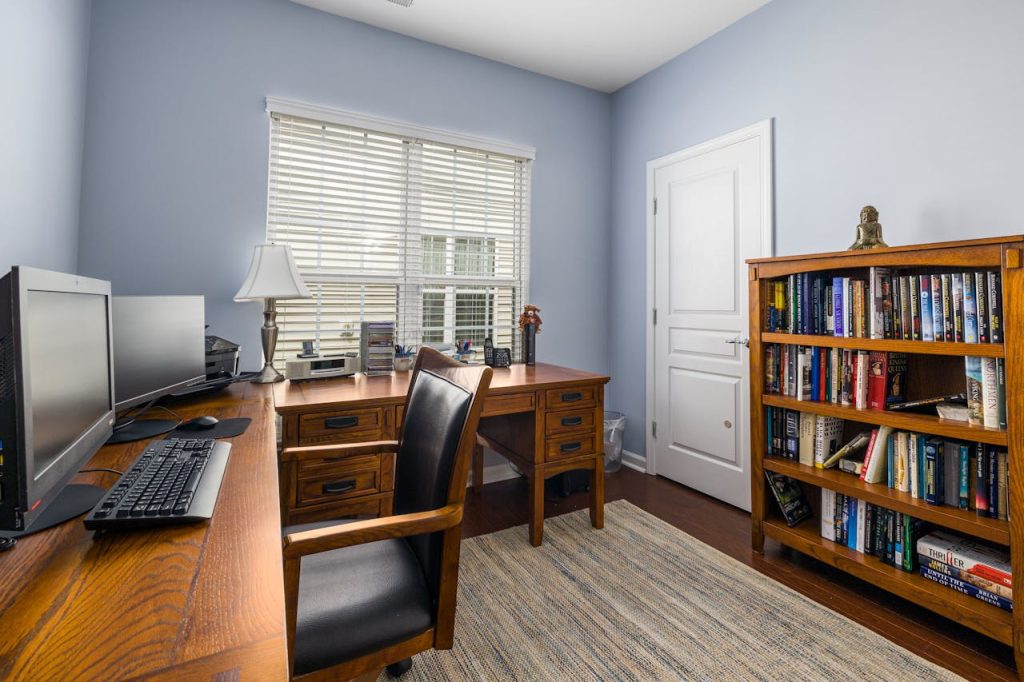
Running a business from home without the necessary licenses or zoning approvals is a frequent, costly error. Whether it’s selling goods, offering services, or storing inventory, many communities have strict rules about home-based businesses to maintain neighborhood character and safety. Proper licensing helps you avoid fines and legal trouble while protecting your livelihood.
5. Parking Commercial Vehicles in Residential Driveways
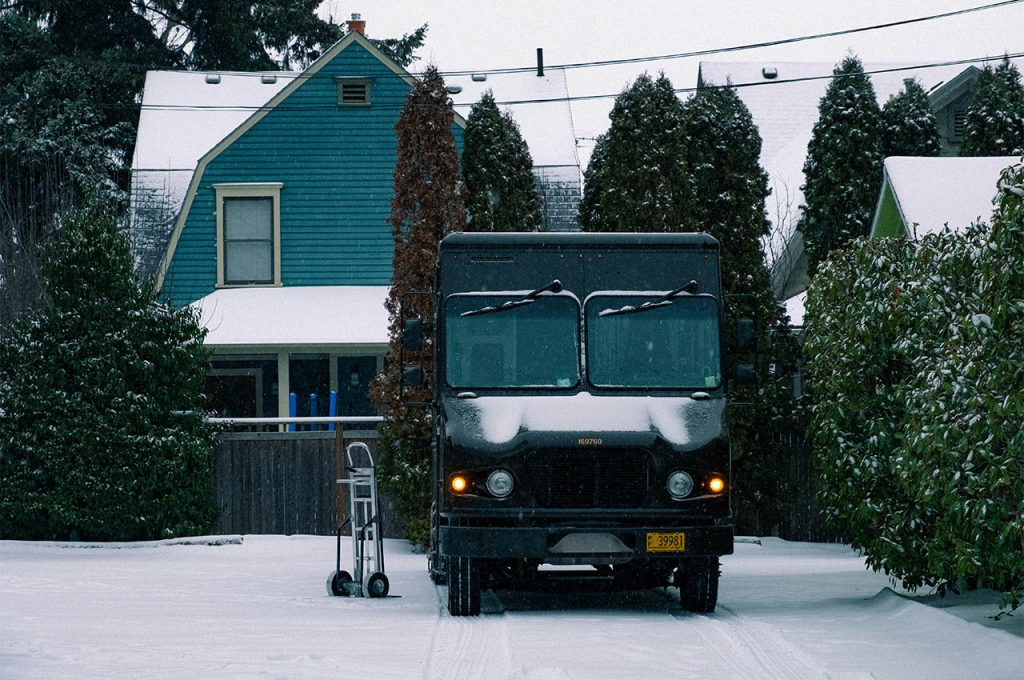
Many homeowners unknowingly violate local ordinances by parking large commercial vehicles—like trucks or vans—in residential driveways. These rules aim to preserve neighborhood aesthetics and reduce congestion. Disregarding these rules may lead to hefty fines—or even having your vehicle towed away. Check municipal codes to understand size restrictions and designated parking areas before leaving commercial vehicles at home.
6. Ignoring Noise Ordinances
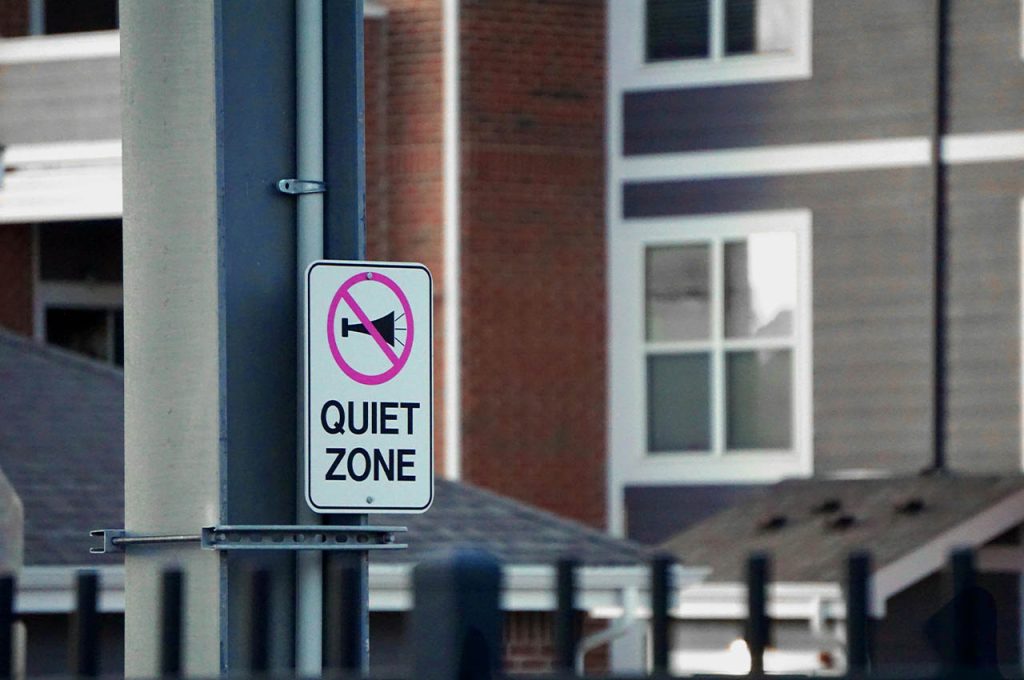
Many homeowners unknowingly break local noise laws by hosting late-night parties, playing loud music, or running power tools during restricted hours. Noise ordinances are designed to maintain neighborhood peace and prevent disturbances. Violating these rules can lead to fines or complaints from neighbors. Being mindful of quiet hours and keeping noise levels reasonable helps avoid legal trouble and fosters better community relations.
7. Removing Historic Trees Without Permission

Cutting down or significantly altering protected or historic trees without proper authorization is illegal in many areas. These trees often have cultural or environmental importance, and removing them can result in hefty fines or mandated replanting. Homeowners must check with local authorities or tree boards before any major landscaping to ensure compliance and preserve neighborhood heritage.
8. Using Illegal Outdoor Fire Pits or Grills

Outdoor fire pits and grills must meet safety codes and local regulations regarding size, location, and fuel type. Using non-compliant or makeshift fire features can be illegal and dangerous, risking fire hazards and fines. Before installing, check local fire codes and HOA rules to ensure your setup is safe, legal, and neighbor-friendly.
9. Putting Up Unauthorized Signs or Billboards
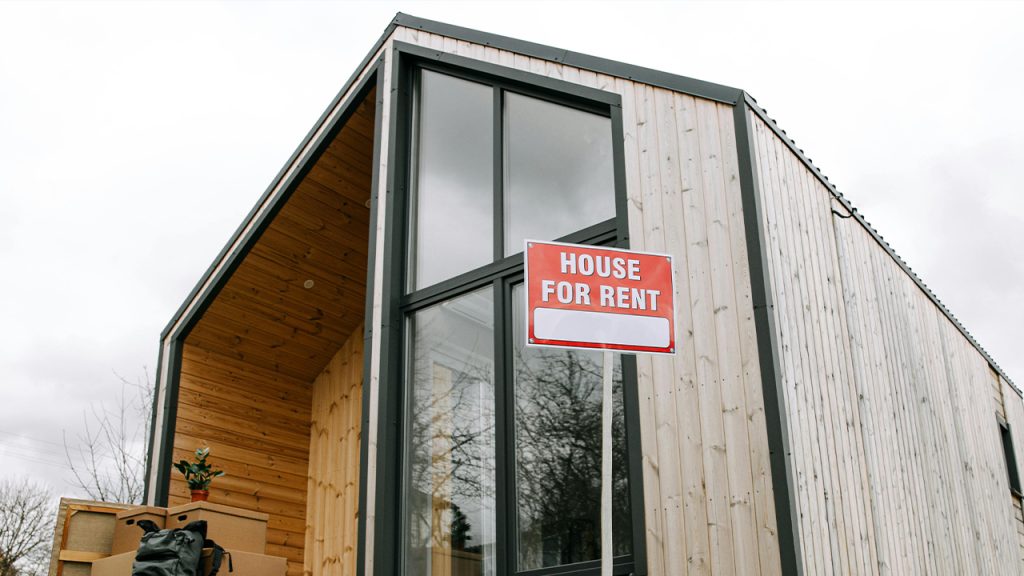
Installing signs—whether for sales, advertisements, or personal messages—without permits often violates local zoning laws. Unauthorized signs can clutter neighborhoods and pose safety risks by obstructing sightlines. Many communities strictly regulate signage size, placement, and duration. Always seek approval to keep your property compliant and avoid costly removals.
10. Altering Electrical or Plumbing Systems Without a License

DIY electrical or plumbing work without a licensed professional is illegal in most jurisdictions. Improper installations pose serious safety risks like fires, leaks, or contamination. Unpermitted work can void insurance and complicate home sales. Hiring licensed contractors ensures the job meets building codes, protecting your home and investment from costly problems.
11. Renting Out Property Without Following Local Regulations
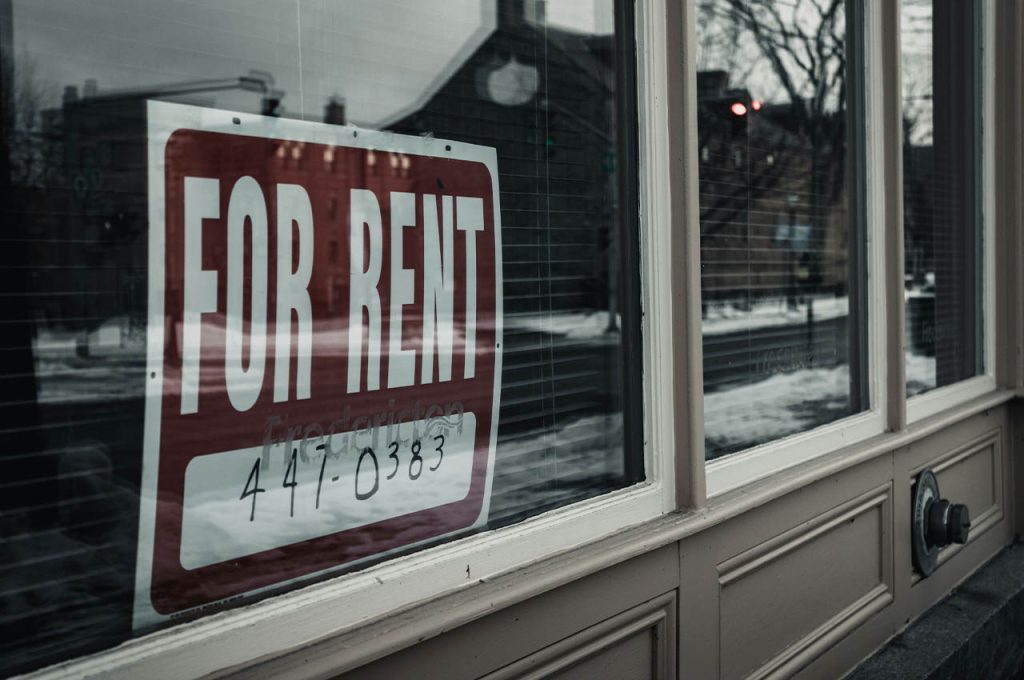
Many homeowners rent out rooms or entire homes through short-term platforms without complying with local rules. Zoning laws, occupancy limits, and permit requirements often apply. Ignoring these can lead to hefty fines, legal disputes, or forced shutdowns. Staying informed and obtaining necessary approvals ensures your rental complies with community standards and protects both you and your guests.
12. Ignoring Trash and Recycling Rules

Failing to follow local trash and recycling guidelines—such as pickup schedules, container types, or sorting rules—may seem minor but can be illegal. Violations cause community health concerns, attract pests, and result in fines. Properly managing waste respects neighborhood cleanliness and supports local sustainability efforts, making it a small effort with a big positive impact.
13. Blocking Sidewalks or Public Easements

Obstructing sidewalks or public easements with fences, landscaping, or parked vehicles interferes with pedestrian access and emergency services. Such blockages are illegal and can lead to fines or orders to remove obstructions. Keeping these areas clear ensures safety, accessibility, and good neighborly relations, preserving the shared use of public spaces.
14. Installing Surveillance Cameras That Invade Neighbors’ Privacy
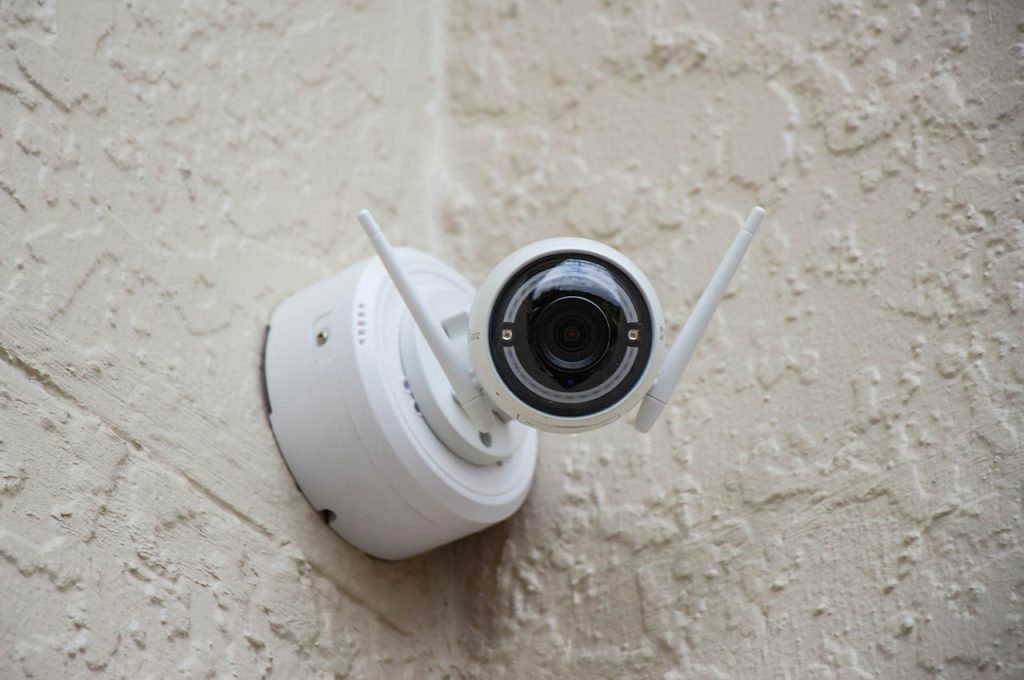
While security cameras are common, placing them to record neighbors’ private property or windows violates privacy laws. Such invasions can lead to legal action and strained community relations. Homeowners should position cameras to monitor their own property only, respecting neighbors’ boundaries while maintaining safety and peace of mind.
This article was created with the assistance of AI but thoroughly edited by a human being.