
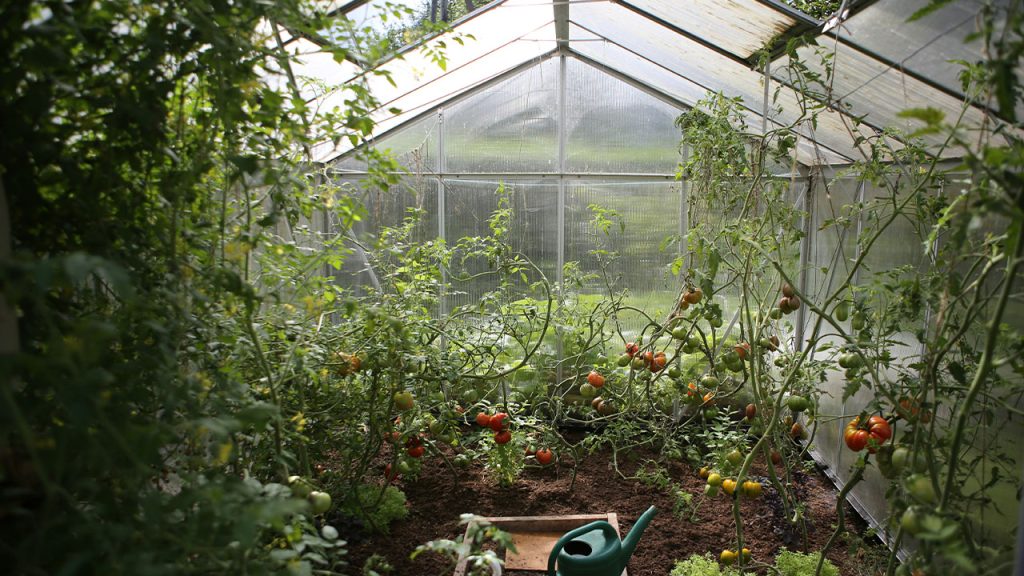
Thinking about getting a greenhouse? It’s a fantastic way to extend your growing season and nurture plants year-round, but it comes with its own set of challenges and considerations. From choosing the right size and materials to understanding maintenance needs and climate control, there’s a lot to know before diving in. This guide covers 10 essential things to help you make the most informed decision for your gardening goals.
1. Choosing the Right Greenhouse Size
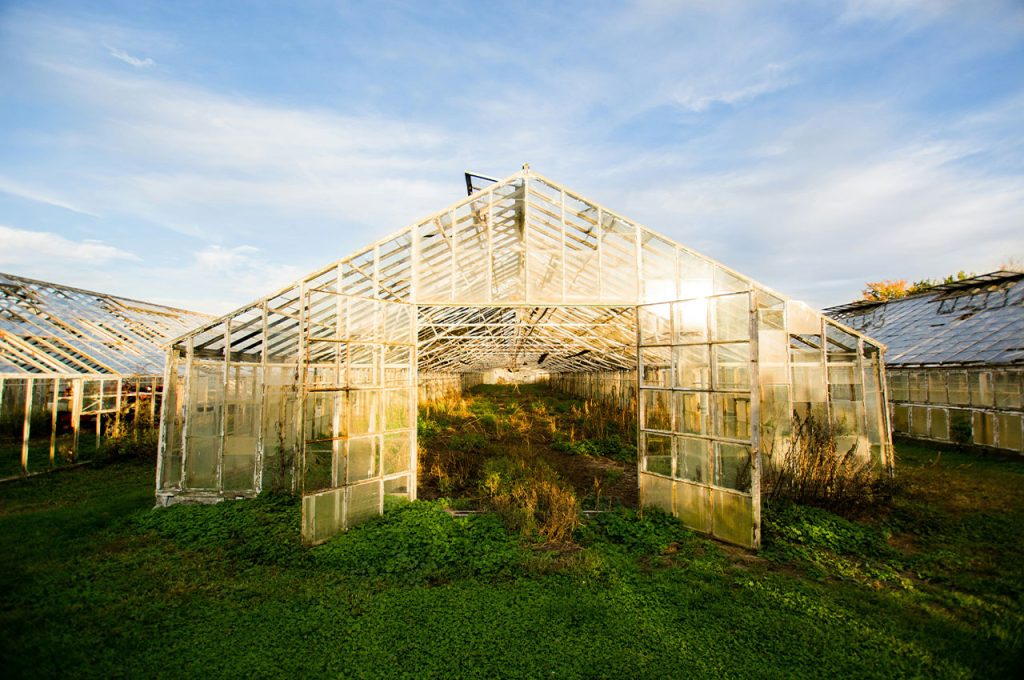
Selecting the right greenhouse size is crucial for your gardening goals and available space. A larger greenhouse offers more growing room and versatility but requires more investment and maintenance. Smaller greenhouses fit limited spaces and are easier to manage but might restrict the types and quantities of plants you can grow. Consider your long-term plans, plant types, and available outdoor space to find a size that balances functionality and budget.
2. Understanding Different Greenhouse Materials
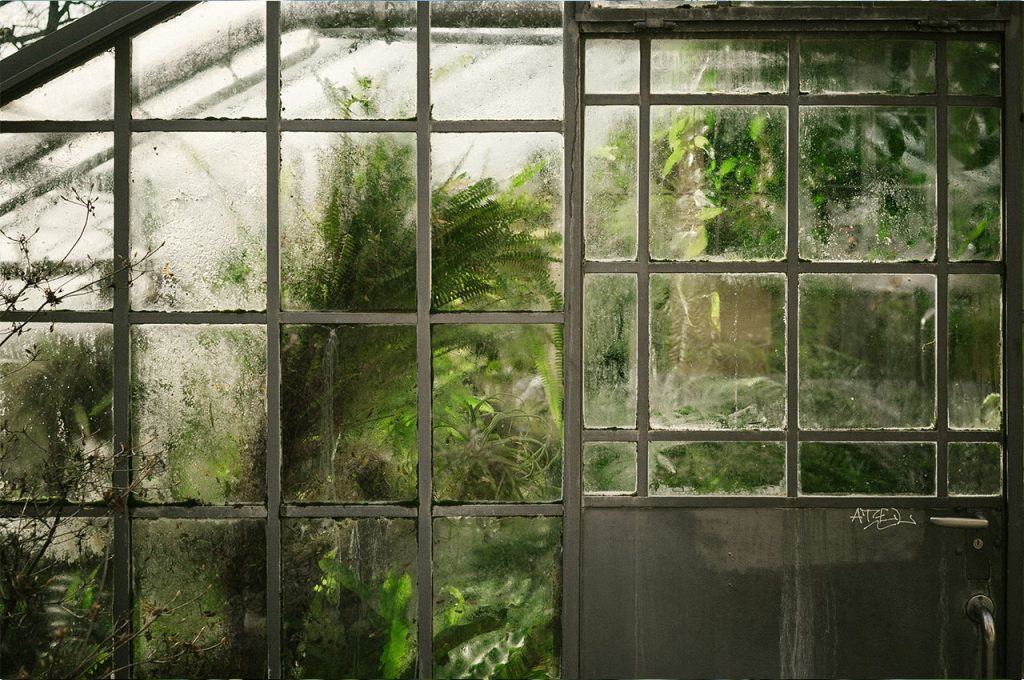
Greenhouses come in various materials, each impacting durability, insulation, and light transmission. Glass greenhouses offer excellent light clarity but can be heavy and expensive. Polycarbonate panels provide good insulation, durability, and are lightweight, making them popular for home use. Plastic film is an affordable option for temporary setups but offers less durability. Knowing the pros and cons helps you pick the material that suits your climate, budget, and gardening ambitions.
3. Location Matters: Finding the Best Spot
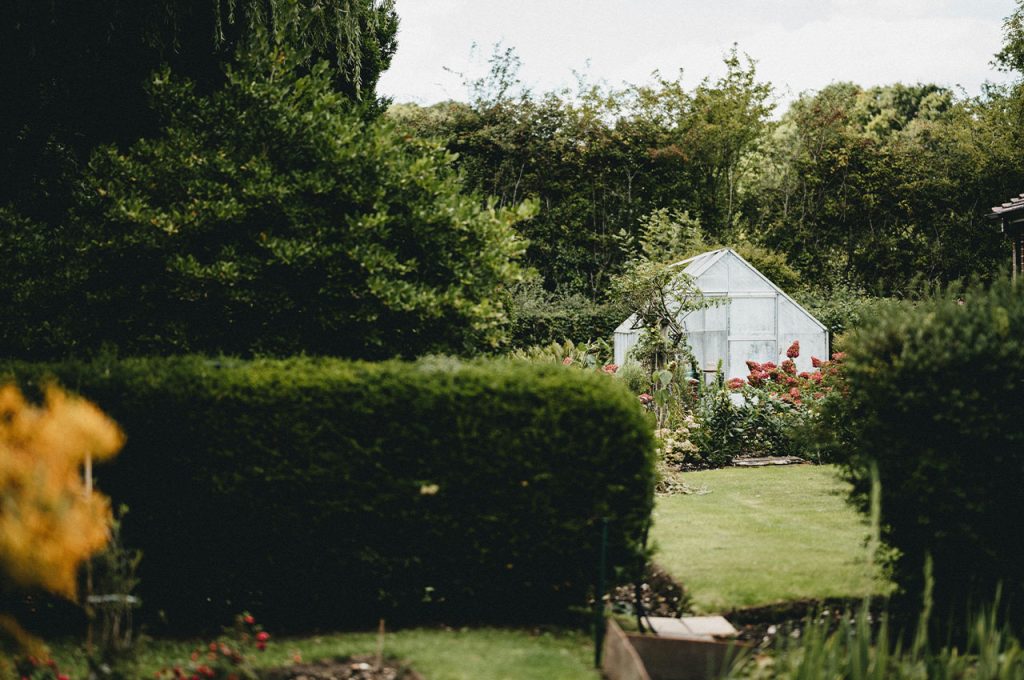
Where you place your greenhouse significantly affects its success. Ideally, choose a location with maximum sunlight exposure—south-facing spots are often best. Avoid shady areas or places near large trees that cast shadows or drop debris. Consider access to water and electricity for irrigation and heating systems. Also, ensure good drainage to prevent waterlogging. Thoughtful placement optimizes growing conditions and reduces maintenance headaches.
4. Budgeting for Installation and Maintenance

Owning a greenhouse involves upfront and ongoing costs. Installation expenses include the structure itself, foundation work, and optional features like shelving or irrigation. Maintenance costs cover heating, cooling, repairs, and seasonal upkeep. Unexpected expenses like pest control or replacement parts can add up. Setting a realistic budget helps you avoid surprises and ensures your greenhouse remains a sustainable, enjoyable investment over time.
5. Ventilation and Climate Control Essentials
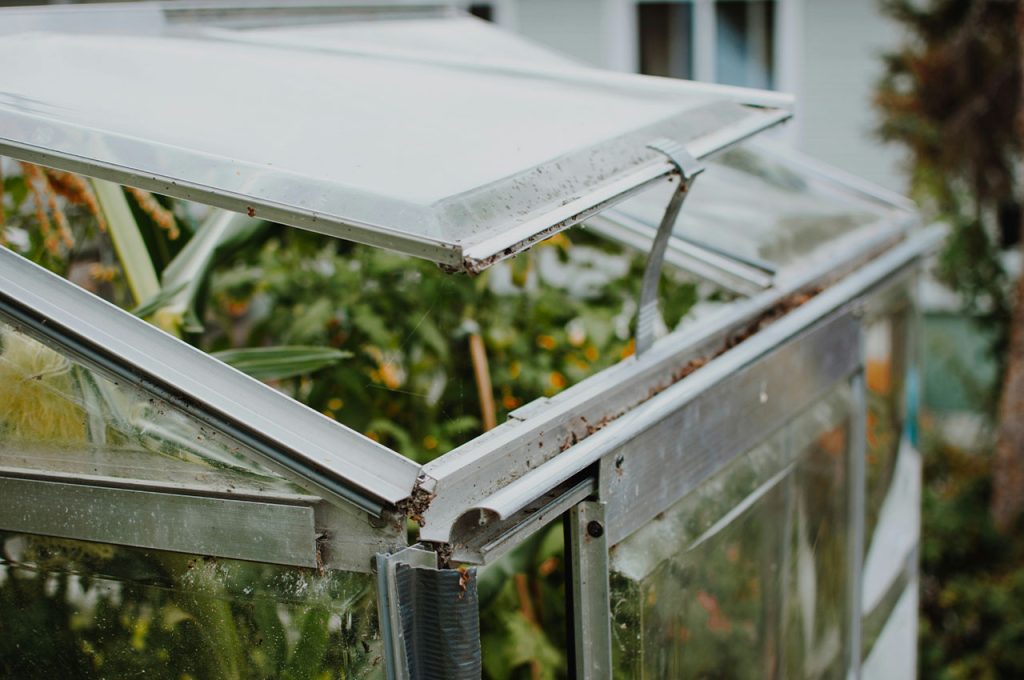
Proper ventilation is key to regulating temperature, humidity, and airflow inside your greenhouse. Without it, plants risk overheating or developing mold and mildew. Options include manual vents, automated roof vents, exhaust fans, and shade cloths. Climate control may also require heaters or humidifiers, especially in colder or drier regions. Balancing ventilation and temperature control creates an ideal environment for healthy, thriving plants year-round.
6. Picking the Right Plants for Your Greenhouse
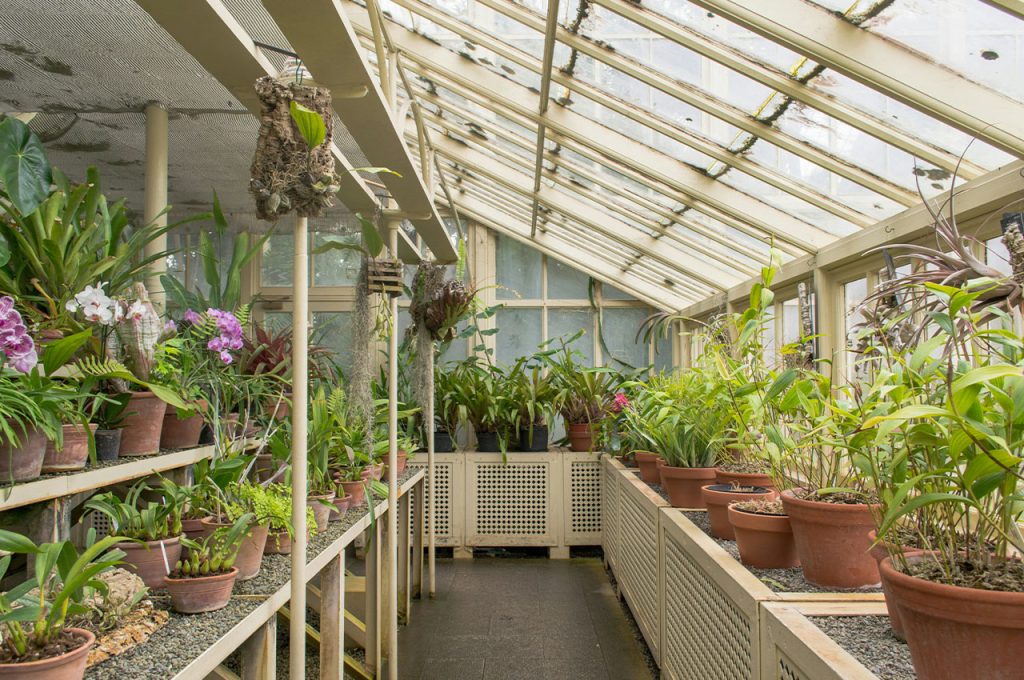
Choosing plants suited for greenhouse life is key to a thriving garden. Some plants love the controlled warmth and humidity, like tomatoes, peppers, and tropical flowers, while others may struggle. Consider your local climate and greenhouse conditions when selecting species. Also, think about your goals—whether growing vegetables, ornamentals, or seedlings—and pick plants that align with your space, lighting, and maintenance preferences for the best results.
7. Managing Pest and Disease Risks
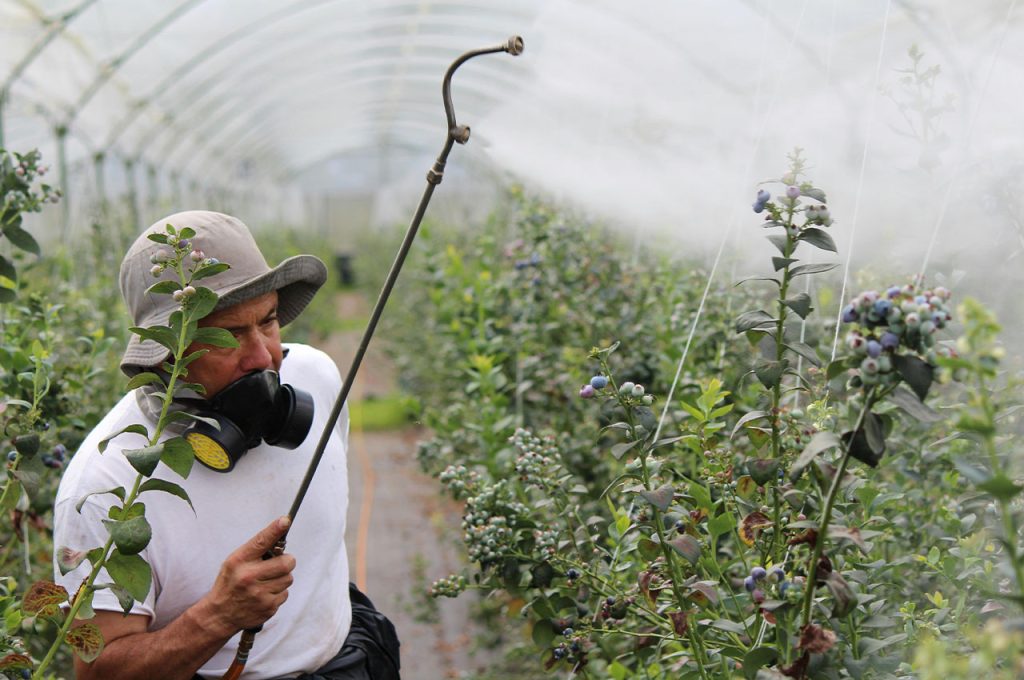
Greenhouses can create ideal conditions for pests and diseases if not managed properly. Regular monitoring and good sanitation are essential to prevent infestations. Introducing beneficial insects, practicing crop rotation, and using organic pest controls help maintain balance without harmful chemicals. Proper ventilation and avoiding overwatering also reduce disease risk. Staying vigilant and proactive protects your plants and keeps your greenhouse thriving.
8. Heating Options for Year-Round Growing
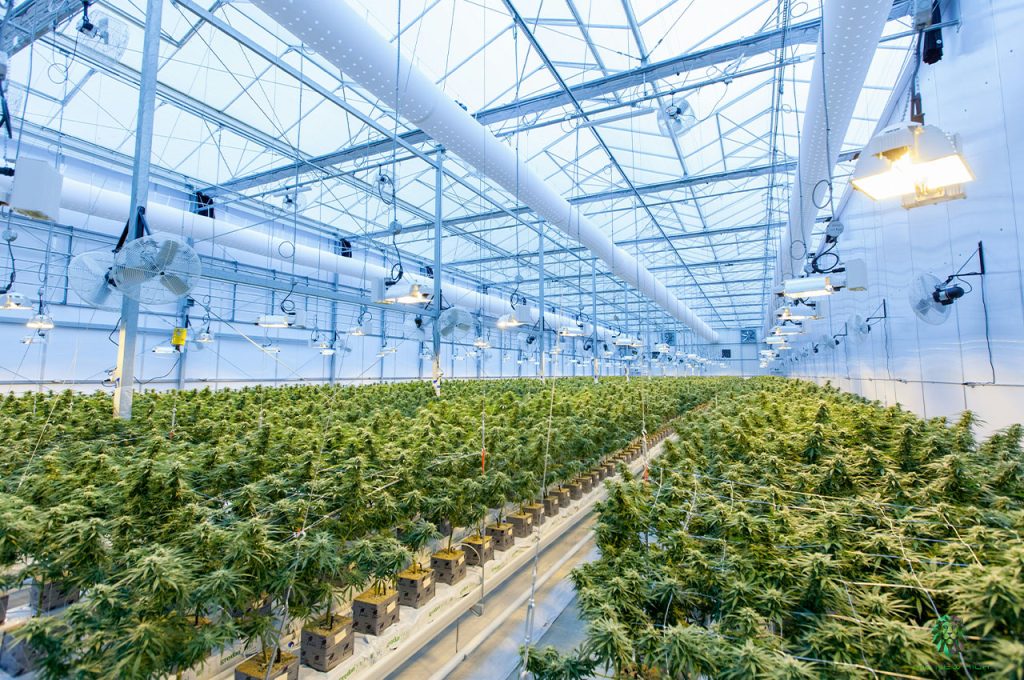
To keep your greenhouse productive in colder months, consider heating options that suit your space and budget. Electric heaters provide precise temperature control but can be costly to run. Propane or natural gas heaters offer strong heat output but require ventilation for safety. Some gardeners use passive solar heating or thermal mass materials to retain warmth naturally. Selecting the right heating method ensures your plants stay cozy and productive all year long.
9. Watering Systems and Irrigation Tips
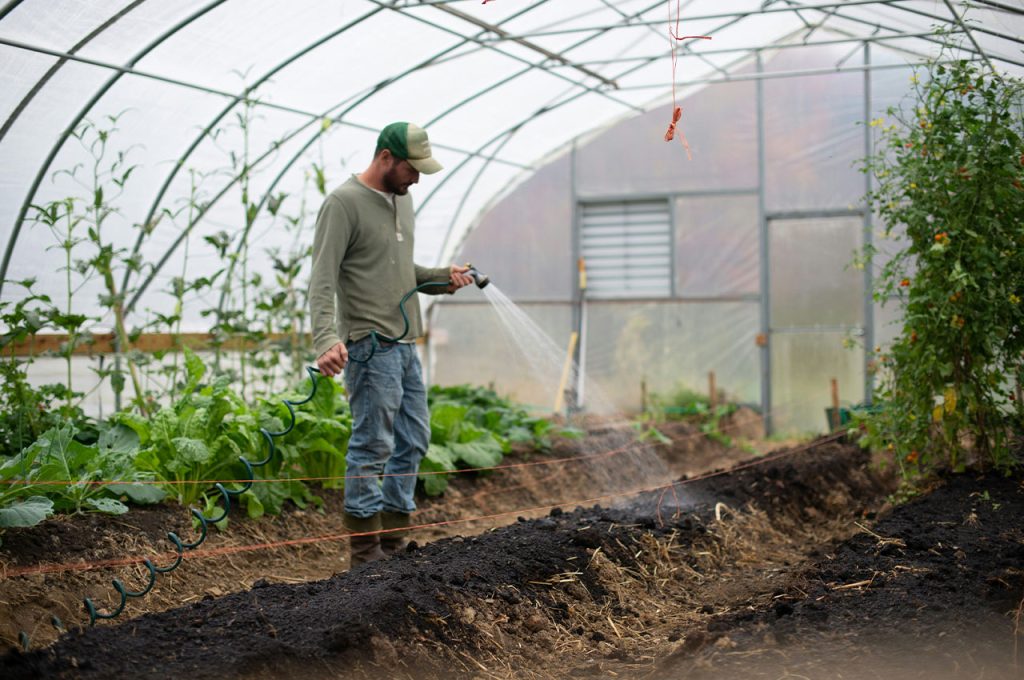
Consistent watering is critical for greenhouse success, but manual watering can be time-consuming. Automated irrigation systems, like drip irrigation or misting, provide efficient water delivery while reducing waste. Installing timers ensures plants receive water on schedule, even when you’re away. Proper drainage is also vital to prevent root rot. Tailoring your watering system to your plants’ needs helps maintain healthy growth and conserves water.
10. Seasonal Maintenance and Upkeep
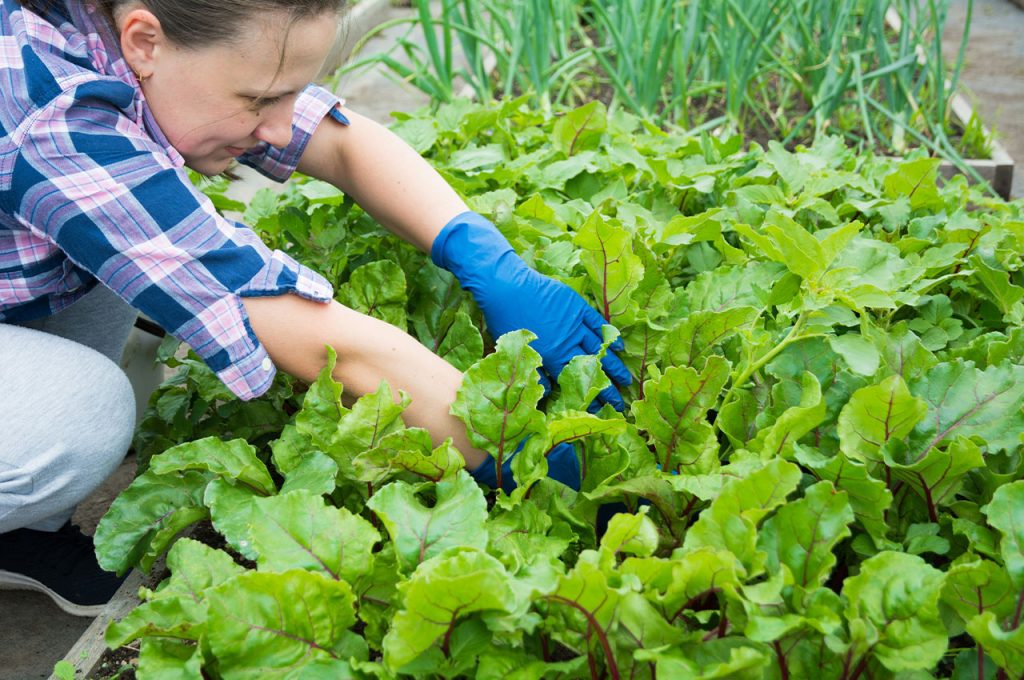
Keeping your greenhouse in top shape requires seasonal attention. Clean glass or panels to maximize light, check for leaks or damage, and maintain ventilation systems. Remove dead leaves and debris to reduce pest habitats, and prepare heating or cooling equipment ahead of seasonal changes. Regular upkeep prolongs the life of your structure and creates an optimal environment for plants, ensuring your greenhouse remains a rewarding space year after year.
This article was created with the assistance of AI but thoroughly edited by a human being.