
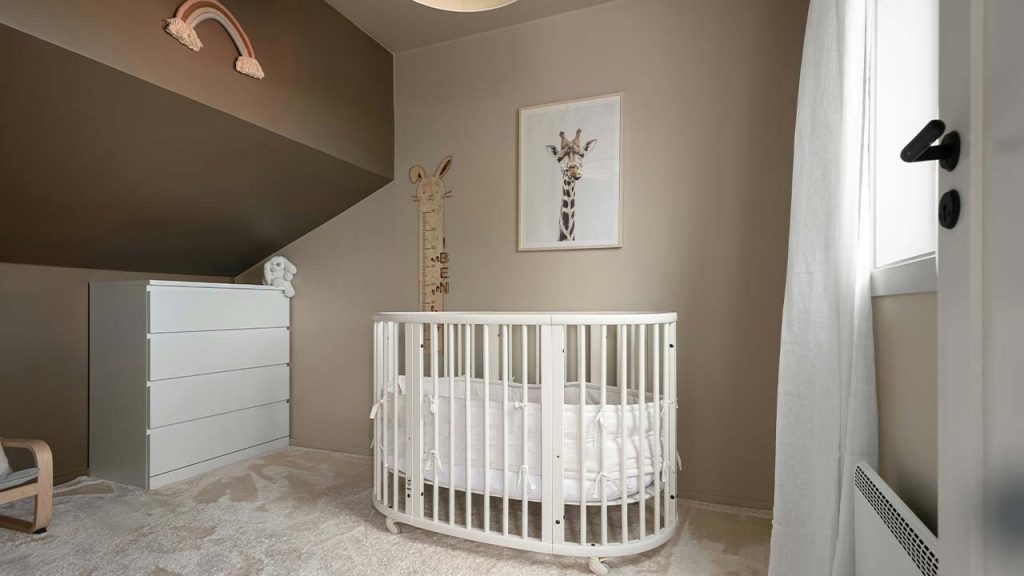
Designing a nursery in 2025 is all about blending comfort, function, and a fresh sense of style. Parents are moving beyond the traditional pastels and cartoon themes, embracing spaces that grow with their child and reflect the overall aesthetic of the home. From earthy tones to playful patterns and multifunctional furniture, this year’s nursery trends combine beauty with practicality—creating soothing, stylish retreats for both babies and parents alike.
1. Earthy and Soothing Color Palettes
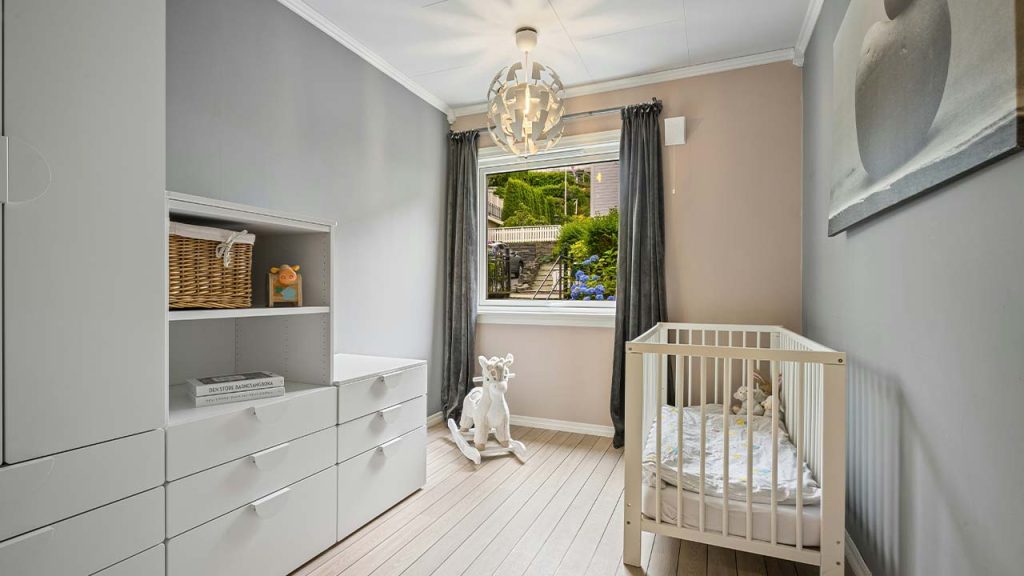
In 2025, nursery colors shift toward earthy tones—soft greens, warm beiges, and muted terracottas—creating calming, nature-inspired spaces. These palettes promote a serene environment, ideal for nurturing rest and relaxation. Earthy hues also age well with the child, allowing the nursery to transition smoothly into toddler and playroom stages without constant redecorating, blending timelessness with modern sensibility.
2. Multifunctional and Convertible Furniture
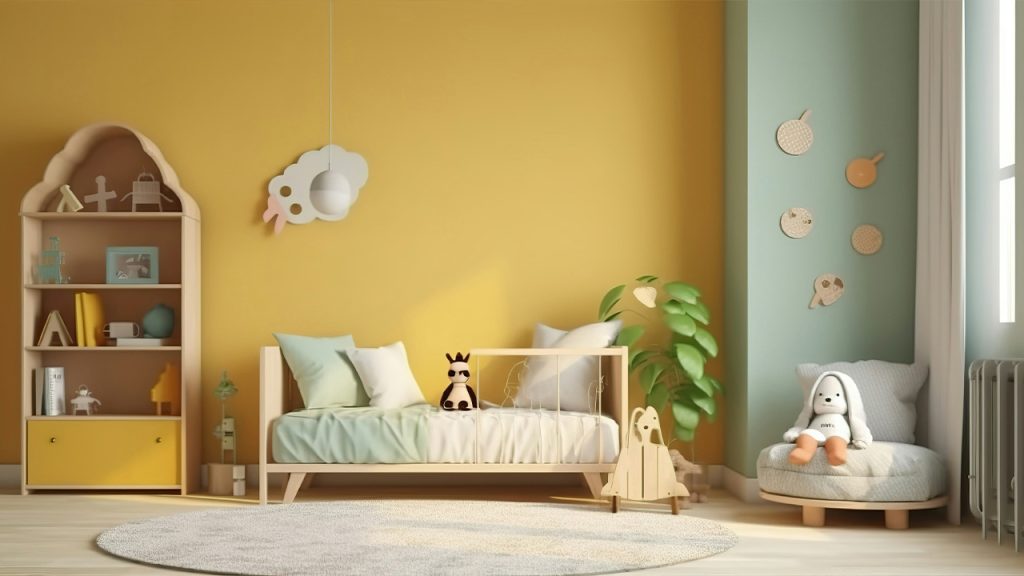
It is always a good idea for modular furniture that can change and adapt to the growing needs of a child. Convertible cribs transform into toddler beds, while dressers double as changing tables, maximizing space and investment. This multifunctionality meets the demands of smaller living spaces and conscious consumerism by reducing waste. Practicality merges with style, as sleek designs ensure pieces suit evolving nursery themes, promoting longevity and smart living.
3. Sustainable and Eco-Friendly Materials
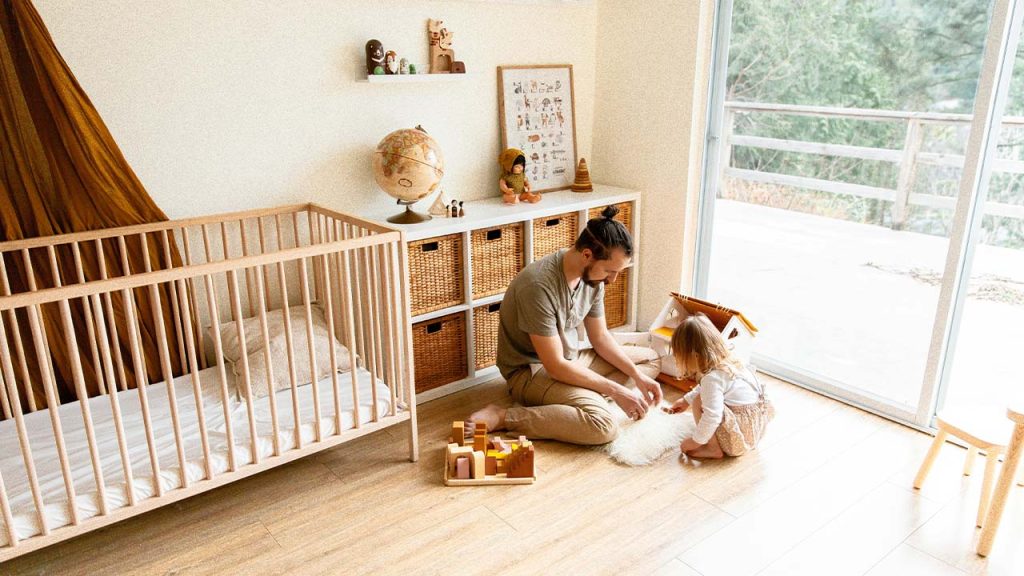
Sustainability takes center stage, with eco-conscious parents opting for organic cotton bedding, FSC-certified woods, and non-toxic finishes. Natural fibers and reclaimed materials minimize environmental impact while fostering healthier air quality. This eco-friendly focus aligns with broader environmental awareness trends and reflects a commitment to protecting future generations. Such materials bring warmth and authenticity, adding texture and depth to nursery interiors.
4. Gender-Neutral Design Themes
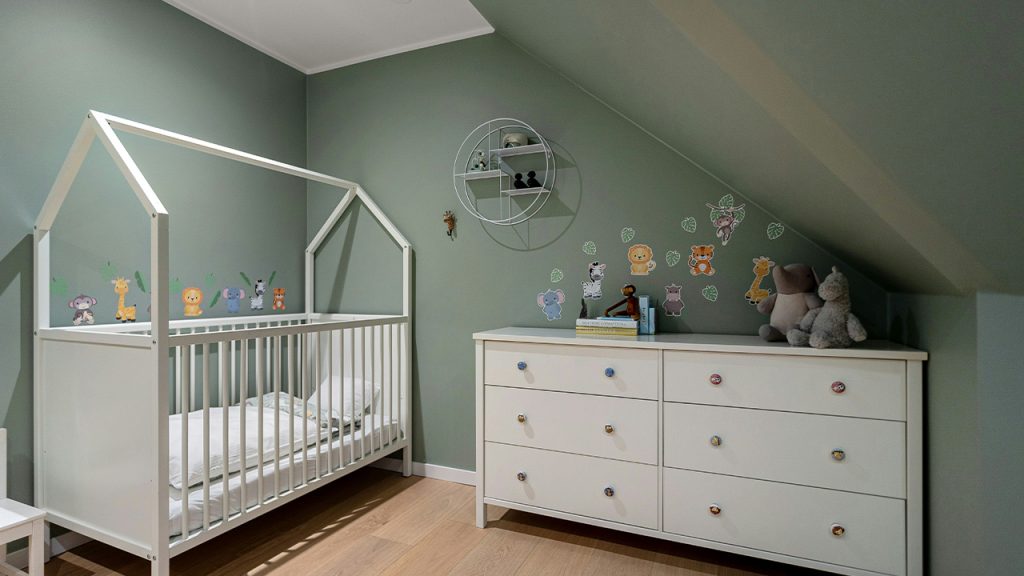
Moving beyond traditional pinks and blues, gender-neutral nurseries embrace inclusive and versatile aesthetics. Neutral colors like soft grays, muted pastels, and bold jewel tones remain free of prevailing gender norms and can create pleasant and stimulating spaces. Patterns and themes—like animals, celestial motifs, or abstract shapes—appeal broadly, encouraging creativity and individuality. This trend reflects evolving social values, prioritizing comfort and expression over strict gender binaries.
5. Textured Walls and Accent Panels
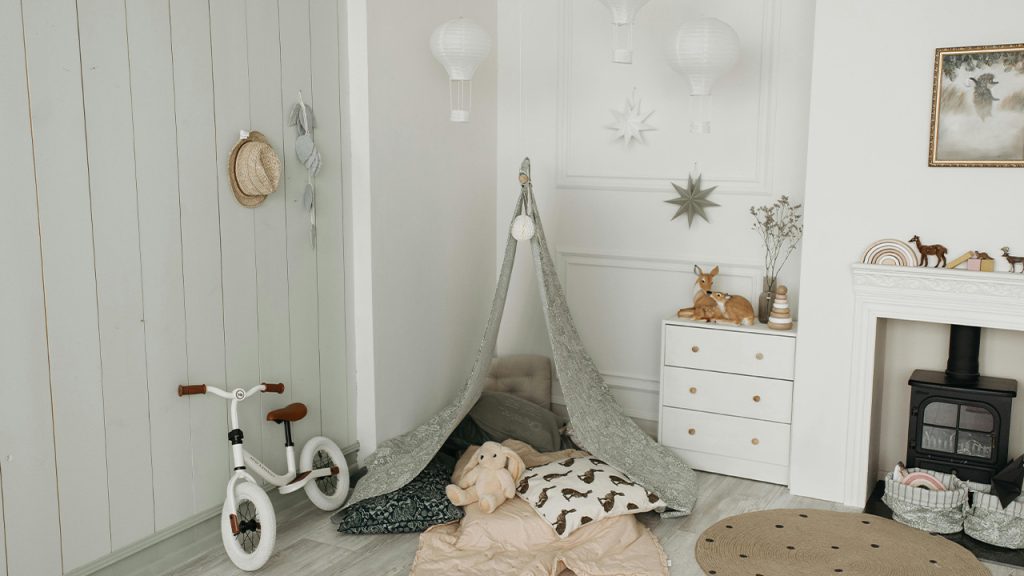
To add dimension and interest, textured walls and accent panels become popular features. From subtle linen wallpaper to 3D geometric panels or natural wood slats, these tactile elements break monotony and enhance sensory stimulation for babies. Textures also provide visual focal points that enrich the room’s ambiance without overwhelming it. This layering technique supports both aesthetic appeal and developmental benefits by engaging multiple senses.
6. Nature-Inspired Decor Elements
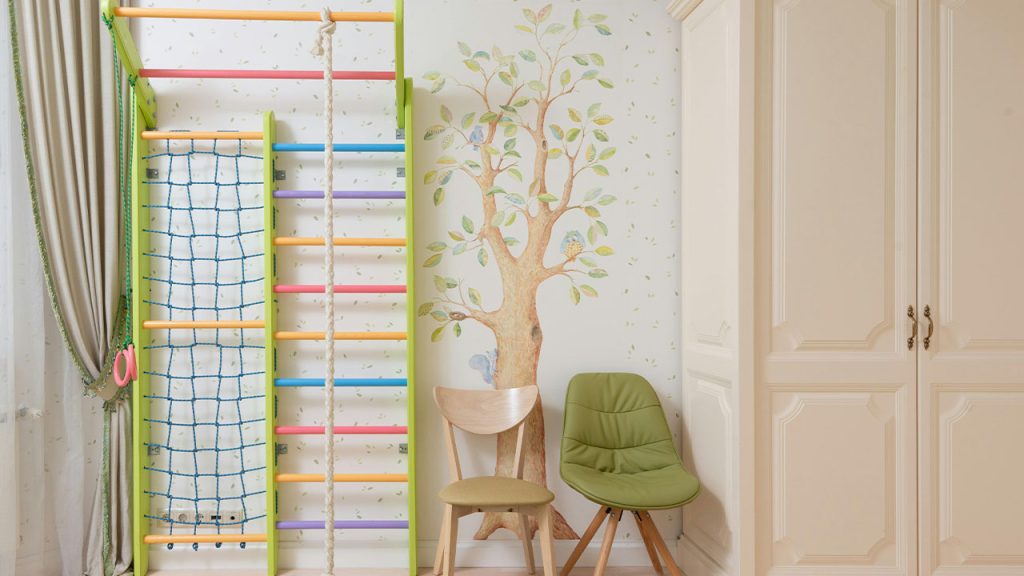
Bringing the outdoors in remains a key trend with nature-inspired decor elements like botanical prints, wood accents, and woven baskets. These features create a calming, organic atmosphere that connects little ones to the natural world. Incorporating plants or nature motifs encourages sensory exploration and adds warmth. This approach fosters a nurturing environment that supports early development while celebrating the beauty and tranquility of nature.
7. Smart Nursery Technology Integration
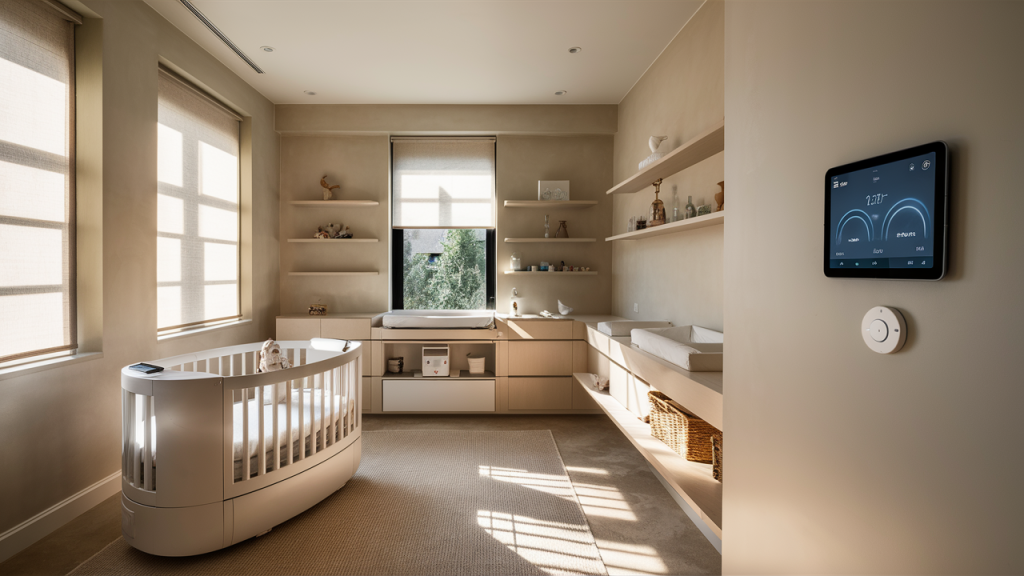
Technology in nurseries is evolving from simple monitors to integrated smart systems. Voice-activated lighting, climate control, and sleep trackers create safer, more comfortable spaces tailored to baby’s needs. These innovations empower parents with convenience and peace of mind, seamlessly blending into decor without disruption. The focus is on enhancing care through discreet, user-friendly tech that supports routines and promotes restful sleep for the whole family.
8. Cozy Reading Nooks for Parent and Child
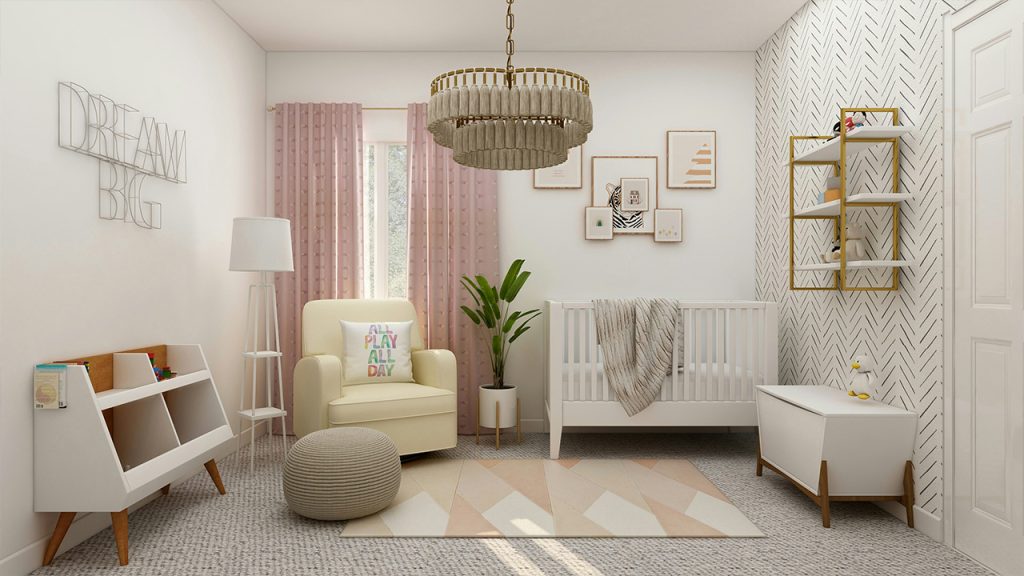
Designers are carving out intimate reading nooks that invite bonding and literacy development. Soft cushions, gentle lighting, and accessible bookshelves create a warm corner where parents and children can share stories and quiet moments. These cozy retreats emphasize comfort and connection, nurturing early language skills and fostering a love of reading. Well-designed nooks serve as both functional and emotional anchors within the nursery space.
9. Minimalist Storage Solutions
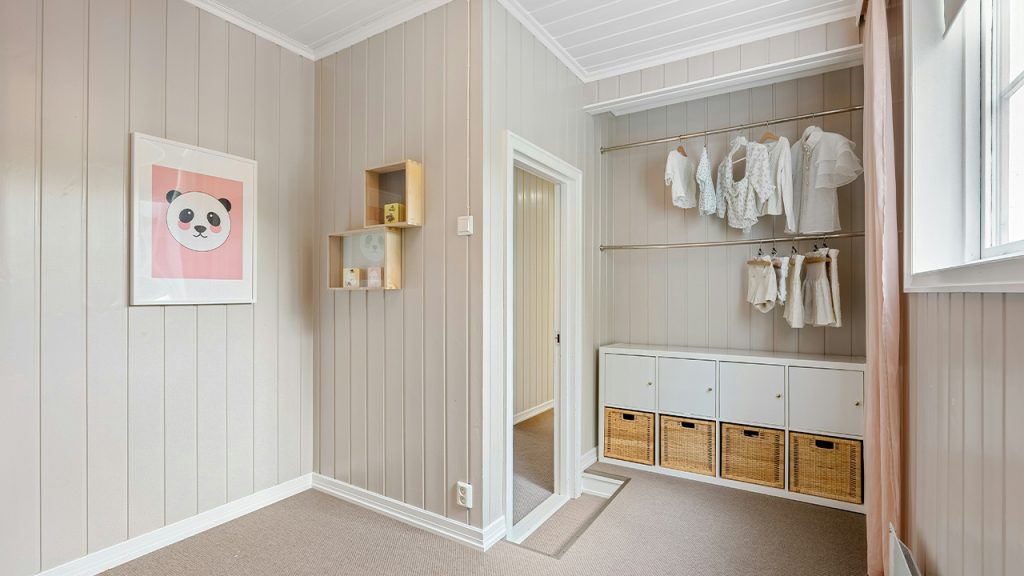
Clutter-free nurseries rely on minimalist storage that blends function and style. Built-in cabinets, under-crib drawers, and modular bins keep essentials organized while maintaining clean lines. This streamlined approach simplifies maintenance and visually expands the space, crucial for smaller rooms. Designers prioritize accessibility for parents without overwhelming sensory stimulation for babies, creating a balanced environment that supports both practicality and calm.
10. Playful Patterns with a Modern Twist
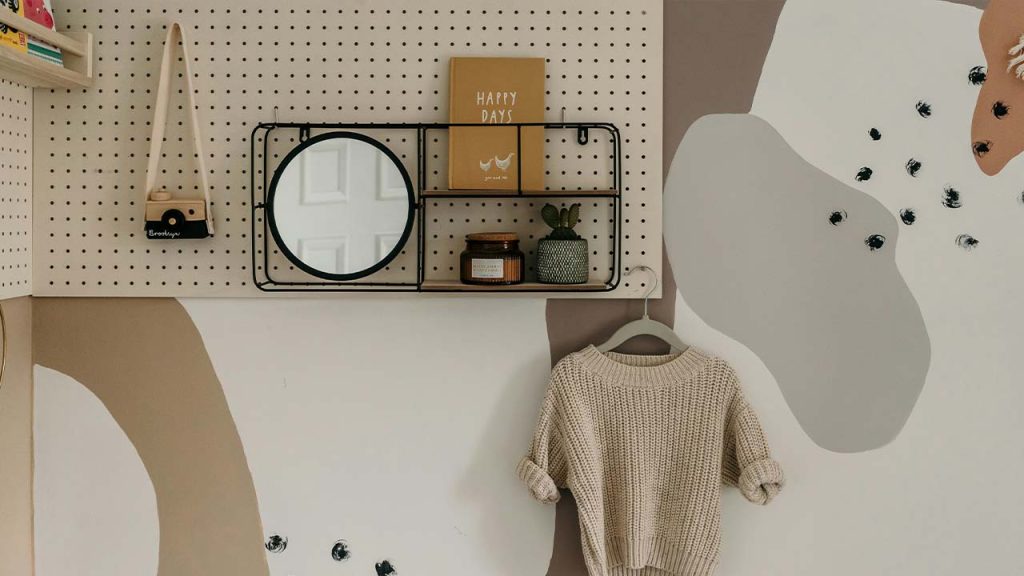
Nurseries embrace bold, playful patterns reimagined with contemporary flair. Abstract shapes, geometric prints, and quirky animal motifs in muted or unexpected color combinations add energy and personality. These modern patterns stimulate visual interest and creativity without feeling juvenile. They provide a fresh alternative to traditional nursery prints, reflecting parents’ desire for stylish yet fun environments that grow with their child.
11. Soft Lighting with Dimmer Options
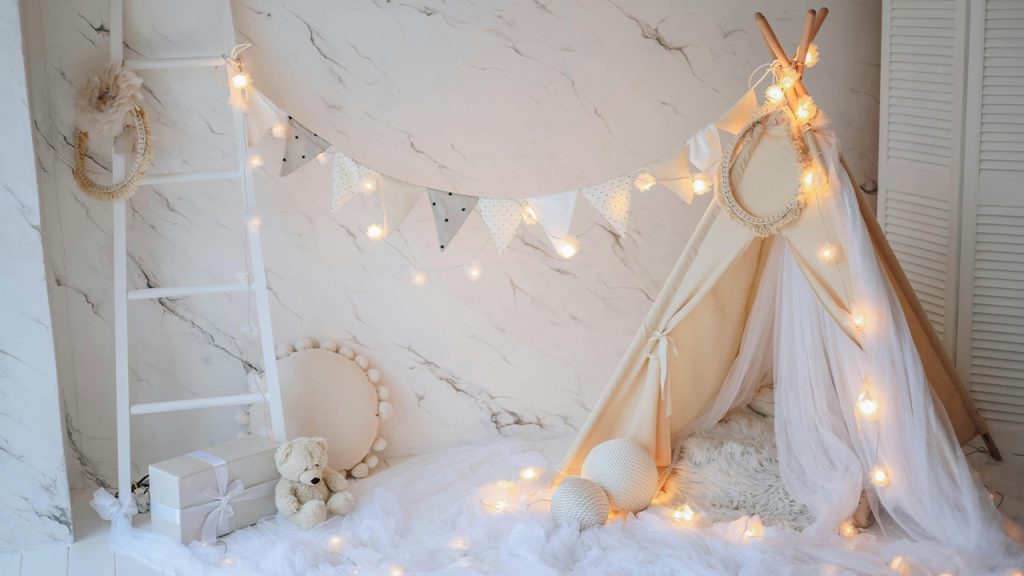
Soft, adjustable lighting has become essential in modern nurseries, allowing parents to control brightness based on mood and needs. Dimmer switches enable gentle illumination during nighttime feedings or diaper changes without disrupting baby’s sleep. Warm-toned bulbs and layered lighting create a soothing ambiance, reducing harsh contrasts and fostering calmness. This flexibility supports both practical care and a nurturing environment conducive to rest and bonding.
12. Personalized and Custom Wall Art
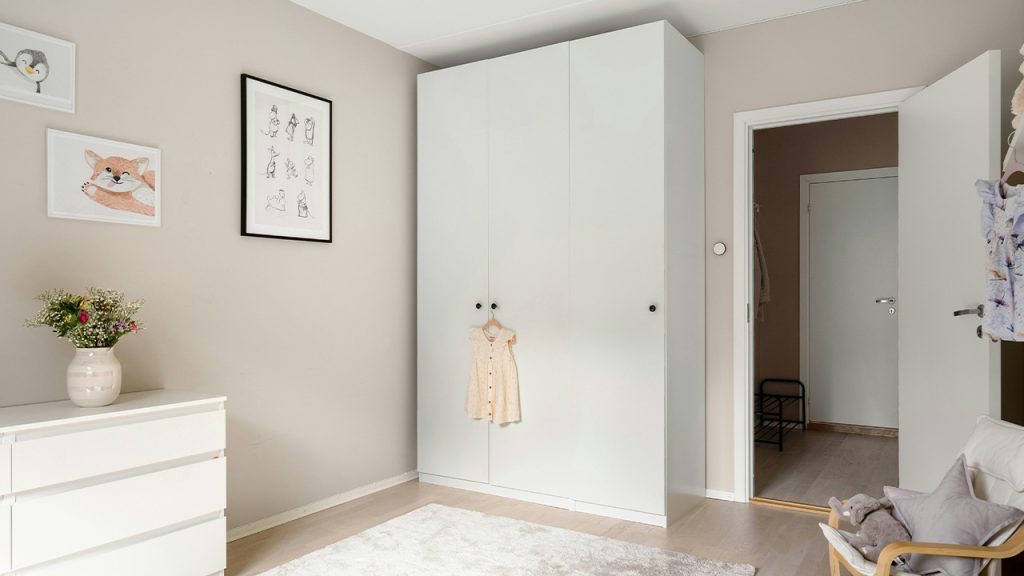
Custom wall art transforms nursery walls into meaningful spaces, reflecting the child’s identity and family story. Personalized prints featuring names, birth details, or inspirational quotes add a heartfelt touch that grows with the child. Designers often blend these with playful themes or calming visuals to balance style and sentiment. This trend emphasizes emotional connection and individuality, making the nursery truly one-of-a-kind while enhancing its visual appeal.
13. Comfortable and Stylish Nursing Chairs
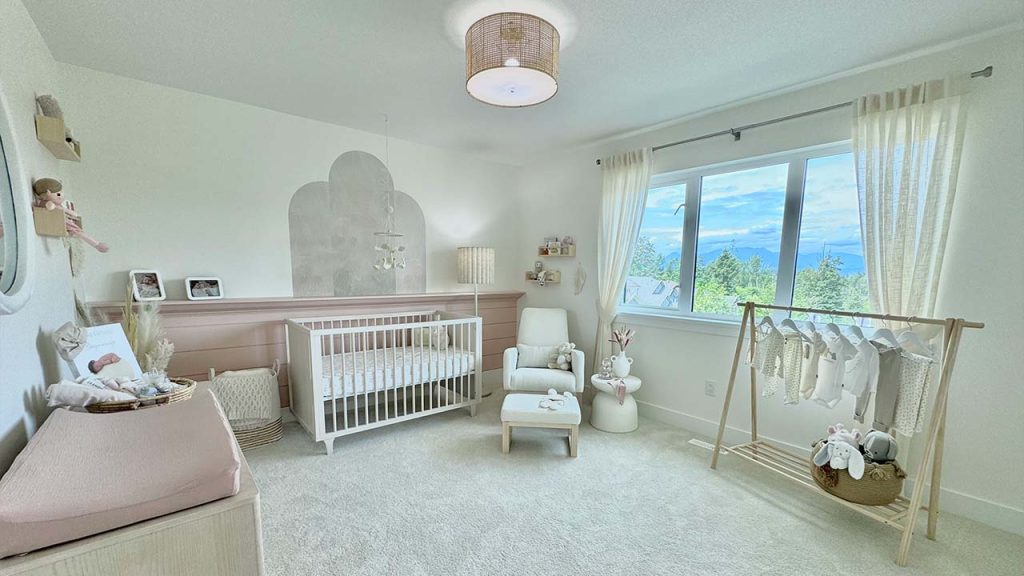
Nursing chairs are evolving from purely functional to stylish statement pieces that complement nursery decor. Ergonomic design, plush cushions, and supportive armrests prioritize comfort for long feeding sessions. Materials like soft fabrics or leather blends offer durability without sacrificing aesthetic appeal. These chairs create a cozy sanctuary for parent and child, encouraging relaxation and bonding while fitting seamlessly into modern nursery styles.
14. Natural Fibers in Rugs and Bedding
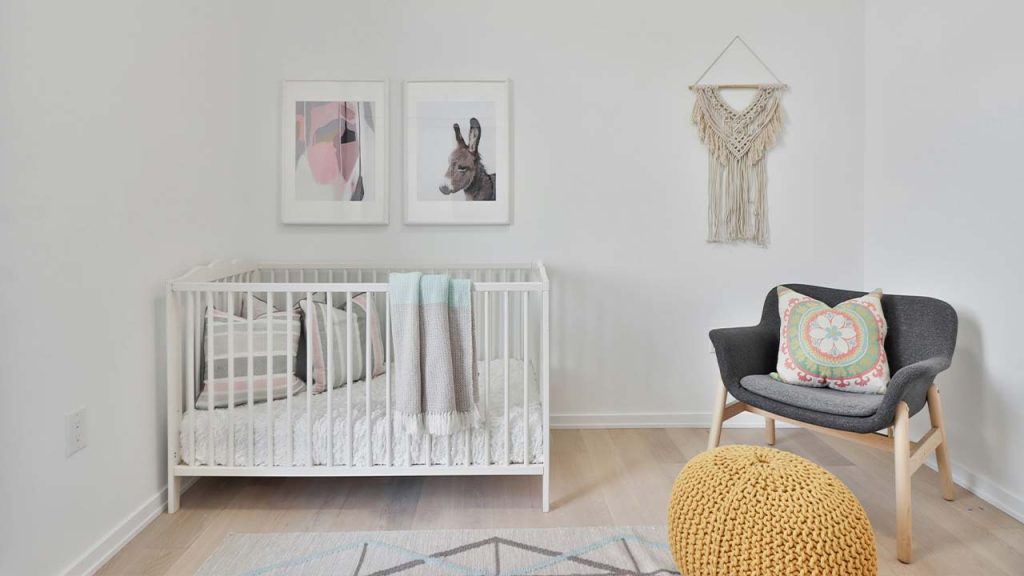
Natural fibers such as cotton, wool, and jute are favored for nursery rugs and bedding, offering breathability and gentle textures ideal for sensitive skin. These materials introduce earthy tones and tactile richness that enhance the room’s warmth and comfort. Eco-conscious parents appreciate their sustainability and durability. Integrating natural fibers supports a healthier indoor environment, creating a soft, inviting space that feels connected to nature and safe for baby’s development.
15. Indoor Plants for Fresh Air and Ambiance
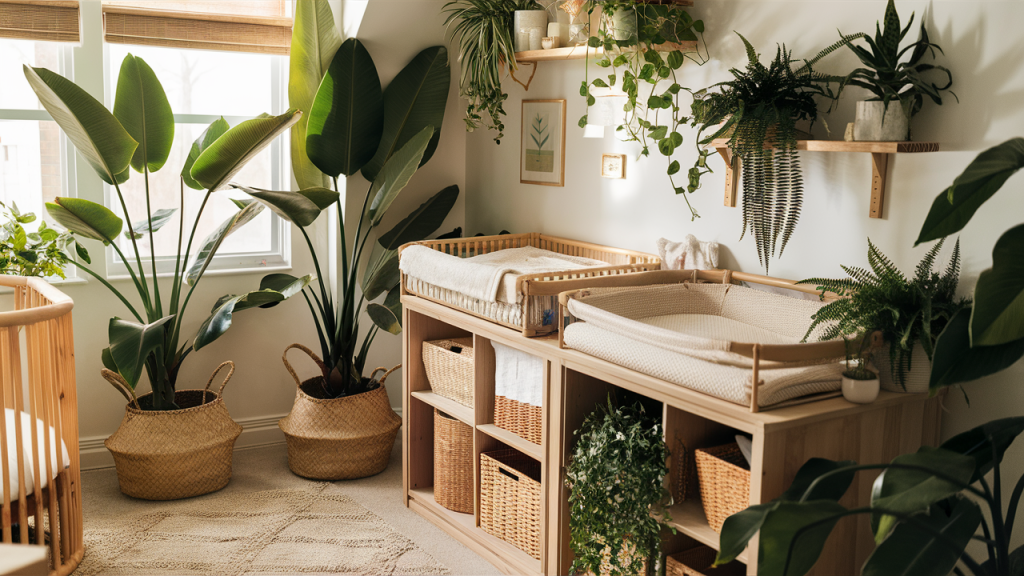
Indoor plants are gaining popularity in nurseries, valued for their ability to improve air quality and add calming greenery. Non-toxic varieties like snake plants and spider plants bring life and texture to the space, promoting a peaceful atmosphere. Beyond aesthetics, plants introduce natural rhythms and sensory stimulation, enriching baby’s environment. Thoughtful placement ensures safety while enhancing the nursery’s organic, nurturing vibe with a fresh, lively touch.
16. Mix of Vintage and Contemporary Styles
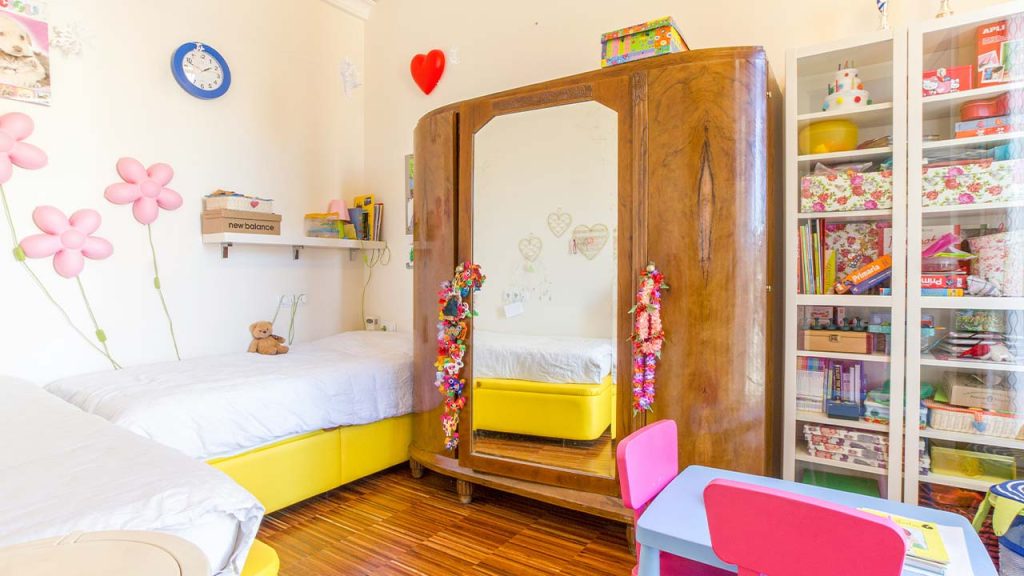
Blending vintage charm with modern design adds depth and personality to today’s nurseries. Designers are pairing mid-century dressers or heirloom rockers with sleek cribs and minimalist lighting to create a timeless yet fresh space. This mix celebrates both nostalgia and current trends, offering warmth, character, and visual balance. It’s a thoughtful way to make the room feel curated and meaningful while staying stylish and functional.
17. Interactive and Sensory-Friendly Features
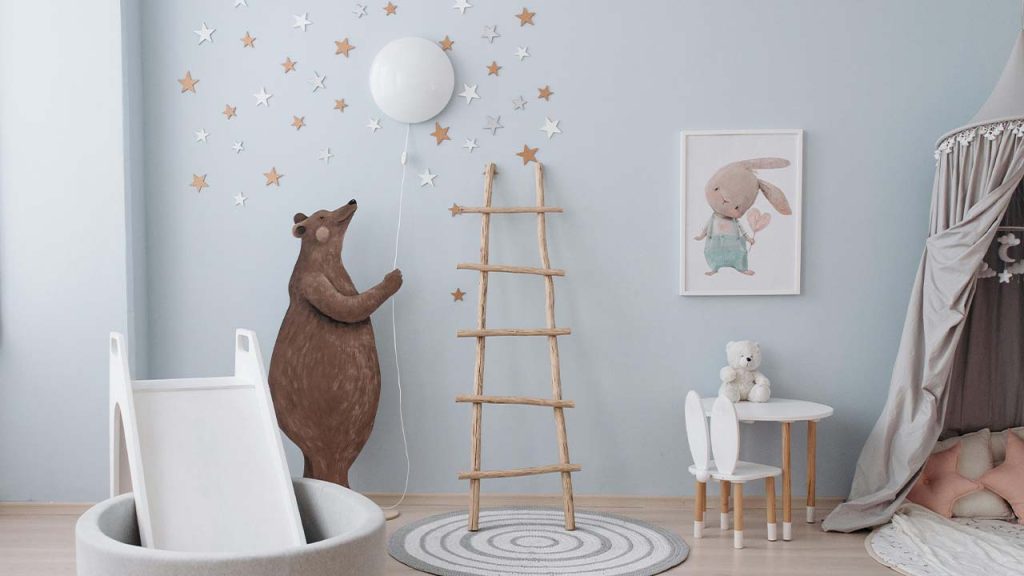
Nurseries in 2025 are increasingly incorporating sensory-rich elements to support early development. Think textured wall panels, soft activity mats, and interactive toys displayed within baby’s reach. These features stimulate sight, touch, and hearing in gentle, engaging ways. Designers are prioritizing environments that invite exploration and learning while still feeling calm and cohesive—turning the nursery into both a sanctuary and a discovery zone.
18. Bold Statement Ceilings or Floors
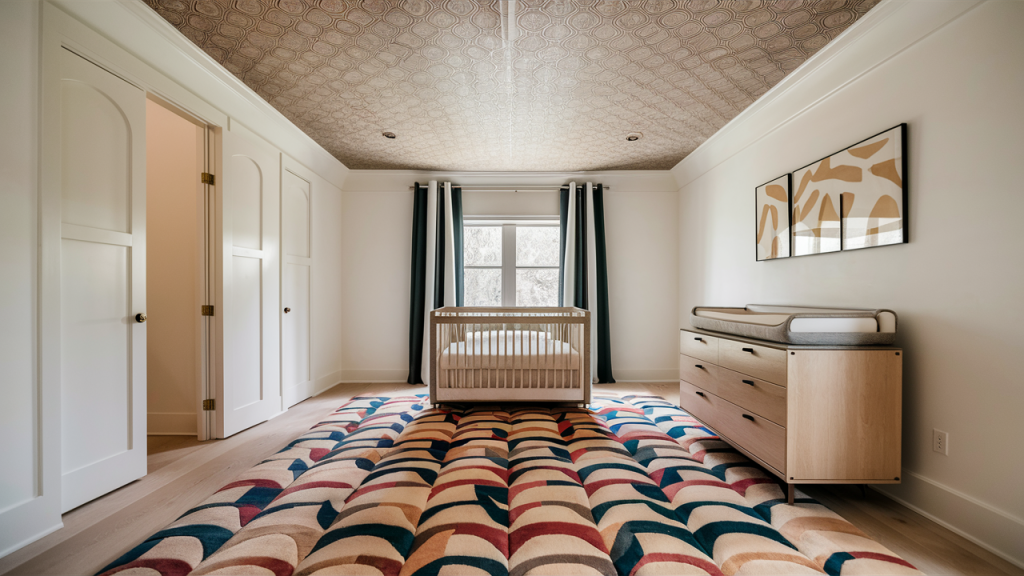
Designers are shifting focus upwards and downwards, turning ceilings and floors into focal points. Painted ceilings in soft hues, wallpaper with playful patterns, or exposed beams bring unexpected interest overhead. Meanwhile, bold area rugs or patterned flooring add contrast and energy underfoot. These creative touches elevate the nursery beyond conventional design, making the space feel more dynamic, personalized, and visually compelling.
19. Quiet, Sound-Absorbing Materials
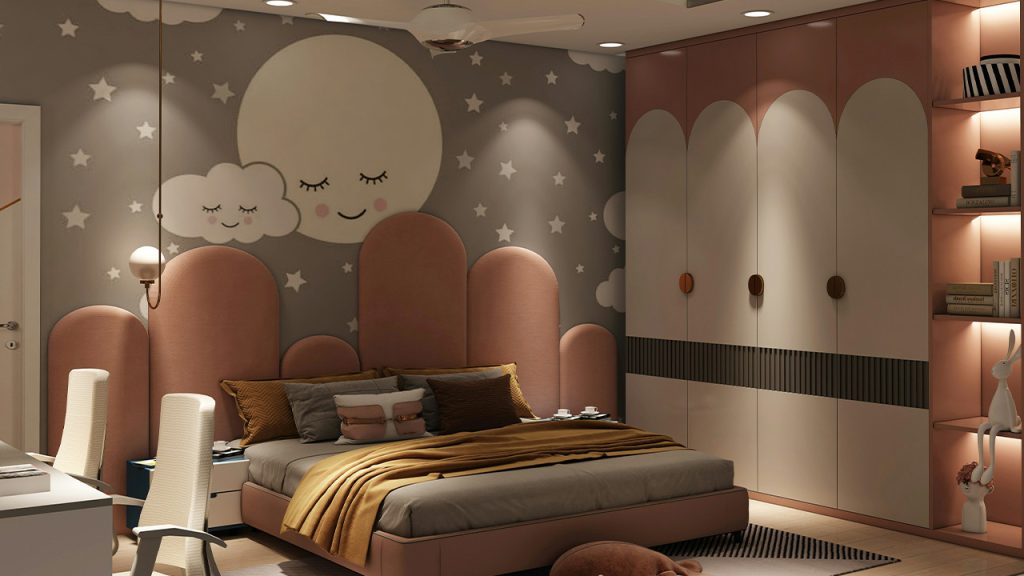
Sound-absorbing design elements are gaining traction as parents seek quieter, more serene nurseries. Upholstered furniture, thick curtains, acoustic wall panels, and layered textiles help soften ambient noise and reduce echoes. These materials contribute to a peaceful atmosphere that supports restful sleep and stress-free care routines. Beyond function, they also add cozy textures and warmth, enhancing the nursery’s overall sense of calm and comfort.
20. DIY and Handmade Decor Accents
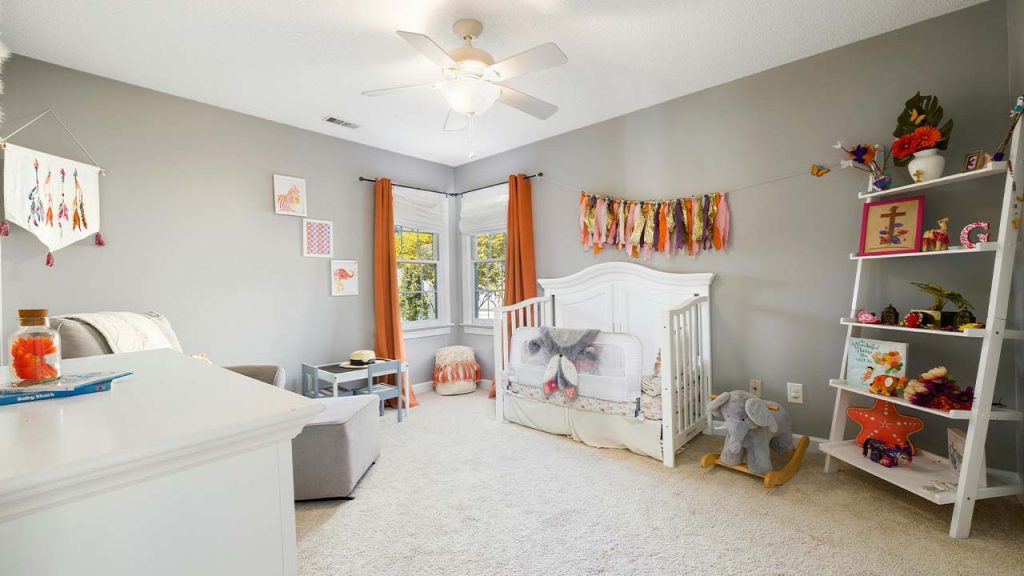
Handcrafted and DIY elements are finding a cherished place in nursery design. From crocheted mobiles and hand-painted wall art to upcycled furniture and custom garlands, these touches lend a heartfelt, artisanal quality. They reflect personal effort and creativity, making the space feel uniquely loved and intentional. Designers are embracing the beauty of imperfection and storytelling, turning handmade details into focal points of warmth and individuality.
21. Open and Airy Layouts for Easy Movement
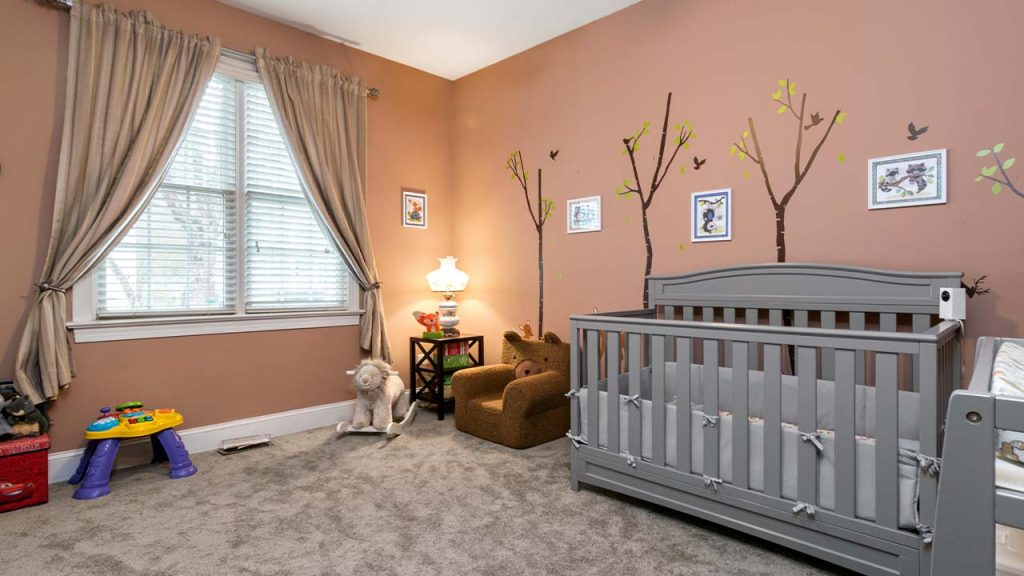
Designers in 2025 emphasize spacious, uncluttered nursery layouts that prioritize fluid movement and accessibility. Open floor plans with minimal bulky furniture create a breathable environment where both parents and little ones can navigate comfortably. This approach fosters safety, encourages active play, and simplifies daily routines. By allowing natural light to flow freely and avoiding overcrowding, these airy spaces promote calmness and make the nursery feel welcoming and effortlessly organized.
This article was created with the assistance of AI but thoroughly edited by a human being.