
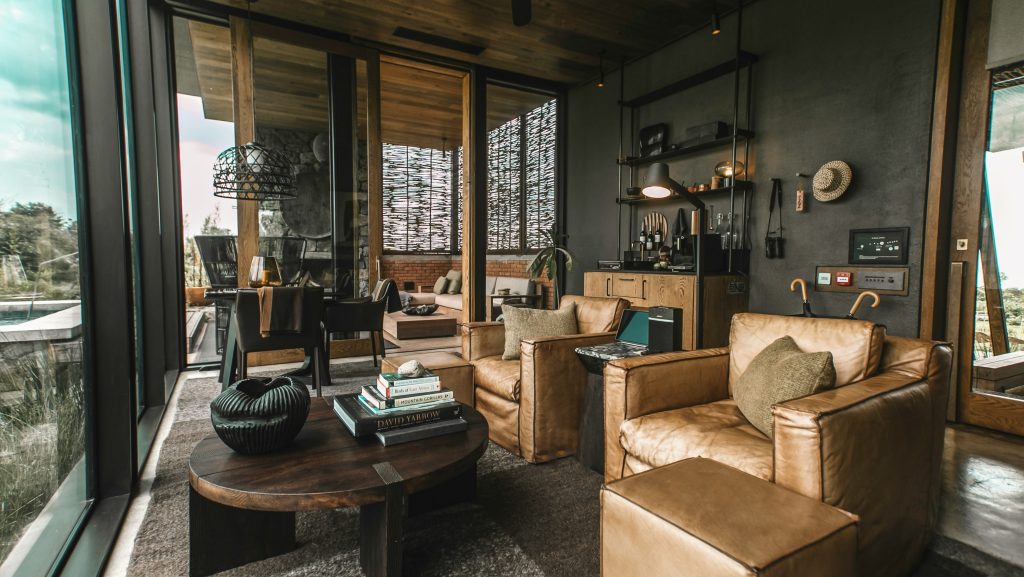
Newly constructed homes provide a fresh start, yet they often lack the depth and warmth found in older properties. For those who appreciate architecture with a sense of history, it is possible to bring timeless character into a modern space. By incorporating classic design elements, traditional materials, and curated details, homeowners can create a setting that feels both grounded and enduring. These thoughtful choices help bridge the gap between newness and nostalgia, resulting in a home that feels established, inviting, and rich with personality despite its recent construction.
1. Incorporate Reclaimed Materials
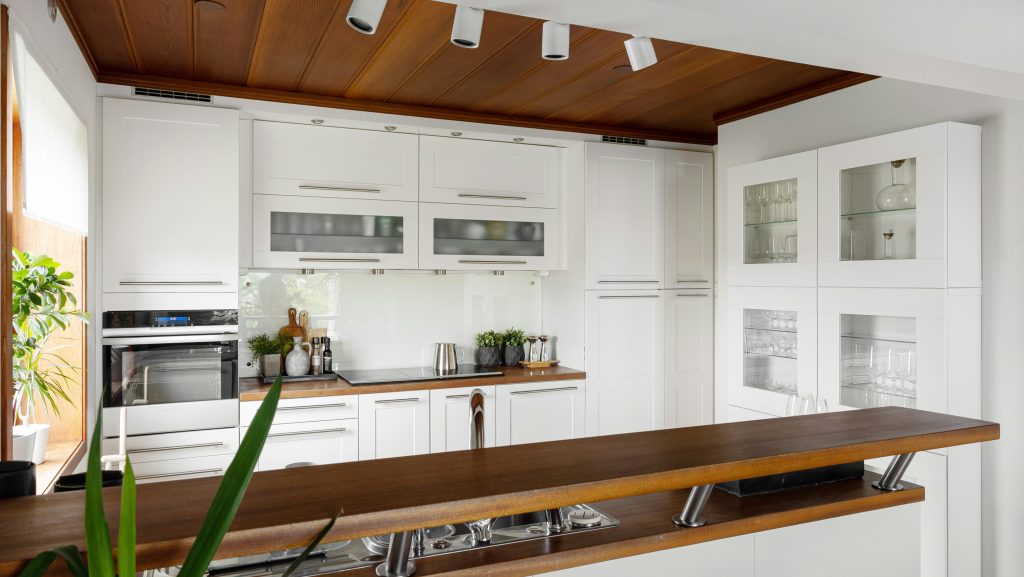
Reclaimed wood, salvaged stone, and antique bricks offer more than aesthetic value—they introduce rich textures and a sense of history into modern construction. Sourced from deconstructed barns, industrial buildings, and historic homes, these materials carry unique marks of age and use. Their natural imperfection, weathered grains, worn edges, and patina, create visual depth that new materials often lack. Whether used for beams, stair treads, or accent walls, these elements contribute authenticity and character, grounding contemporary spaces in a tangible past while promoting sustainable building practices.
2. Use Traditional Craftsmanship Techniques
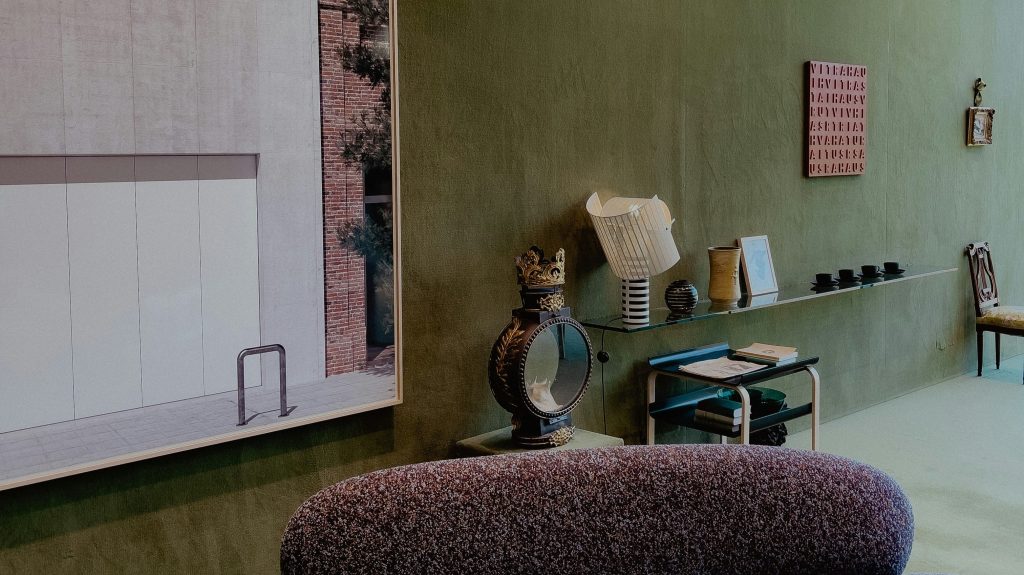
Incorporating traditional construction techniques such as lime plastering, hand-laid stonework, and traditional joinery brings a sense of authenticity and craftsmanship to contemporary structures. These age-old methods reflect a deep understanding of materials and regional practices passed down through generations. Unlike industrial finishes, they introduce subtle imperfections and tactile richness that highlight the human hand in construction. Engaging local artisans not only enhances the visual and sensory quality of a building but also supports cultural preservation and sustainable craftsmanship rooted in community heritage.
3. Layer Architectural Details Thoughtfully
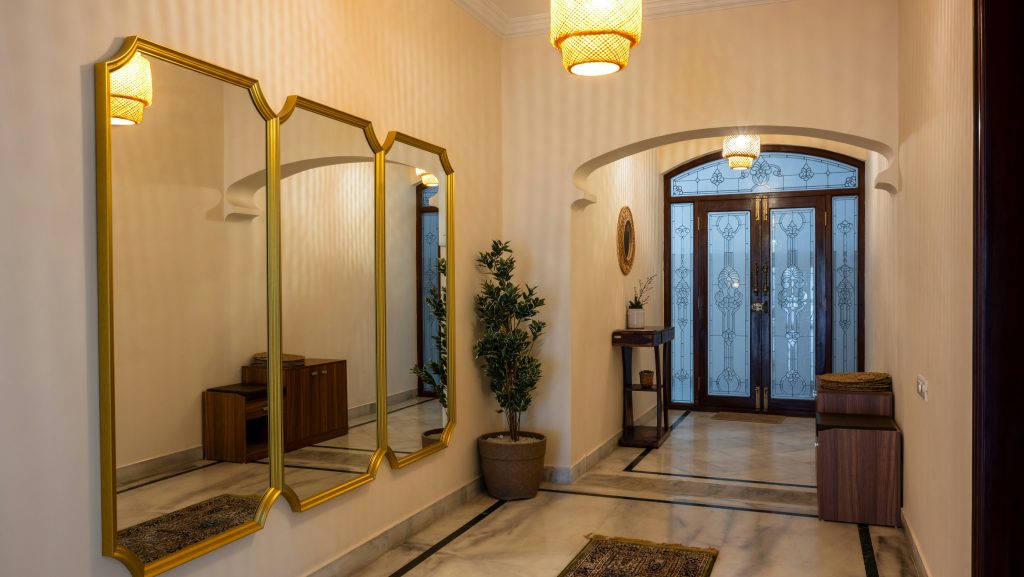
Crown moldings, wainscoting, archways, and transoms are signature features commonly found in historic homes, valued for their timeless architectural appeal. When thoughtfully incorporated with careful attention to proportion and scale, these elements can lend a sense of refinement and permanence to modern interiors. Rather than overwhelming the design, such details establish a visual narrative that honors classical craftsmanship. They serve both decorative and functional purposes.
4. Choose a Muted, Time-Tested Color Palette
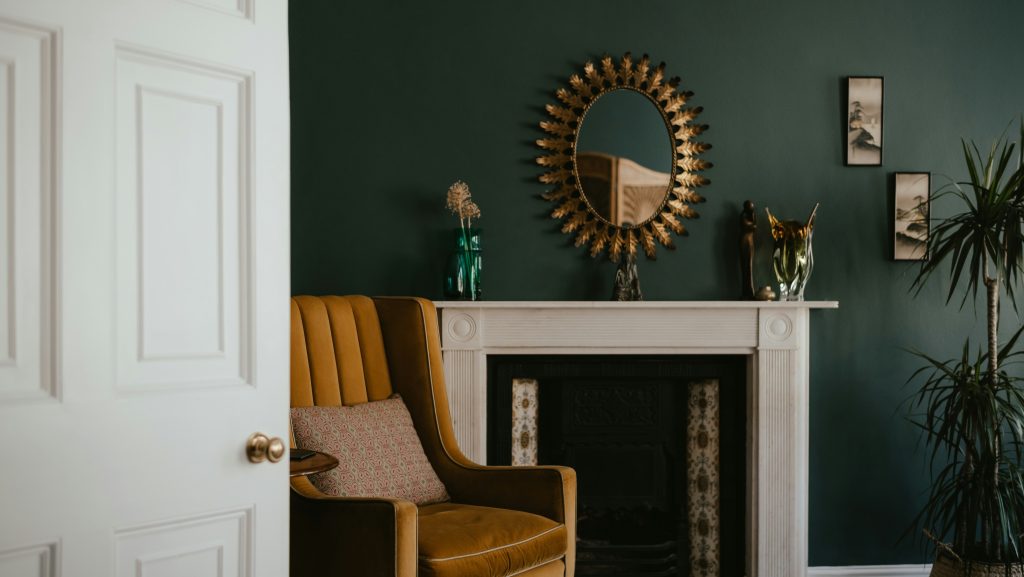
Colors such as chalky white, dusty blue, muted olive, and deep rust evoke a sense of timeless elegance often associated with historic interiors. Rooted in natural pigments, these tones offer more than aesthetic value, they reflect the quiet beauty of materials that age with grace. Their subdued appearance creates depth and warmth, lending a lived-in character to a space. Rather than feeling new or overly polished, these hues help a home appear thoughtfully layered, as if it has evolved over time. This design approach offers a sense of permanence, history, and authenticity that many homeowners seek.
5. Integrate Vintage Fixtures and Hardware
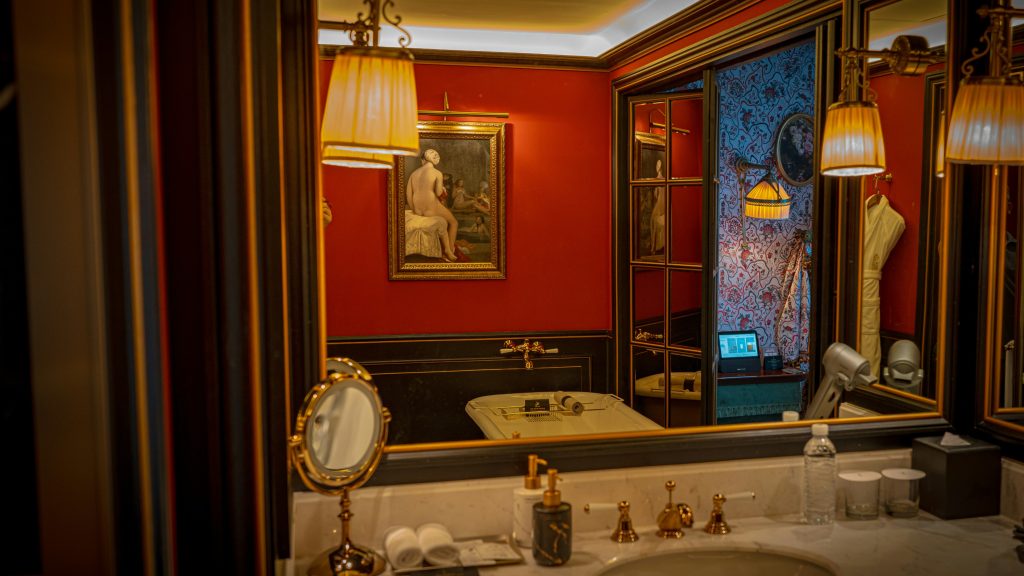
Incorporating antique or vintage-inspired hardware, lighting, and fixtures is an effective method for adding depth and character to contemporary interiors. Elements such as aged brass doorknobs, classic pendant lights with a worn finish, or traditional clawfoot tubs introduce a sense of history and craftsmanship. These details serve as subtle focal points that soften the often overly sleek look of modern spaces. More than just decorative accents, they evoke the charm of bygone eras and offer a timeless appeal that enriches the overall atmosphere of the home.
6. Curate with Heirloom or Antique Furnishings
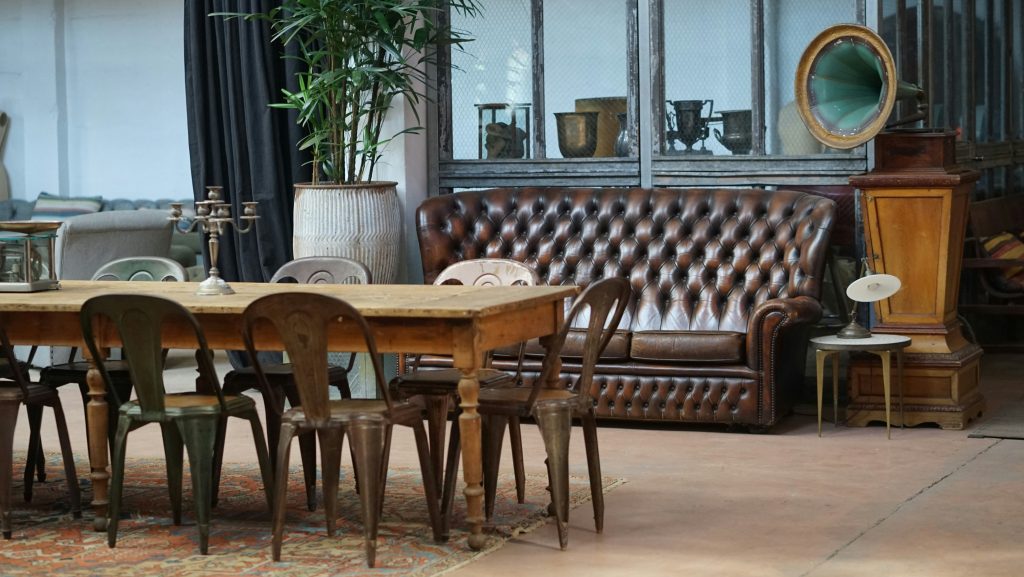
Incorporating furniture with visible wear, aged finishes, and traditional silhouettes can add depth and historical context to contemporary interiors. These elements introduce a lived-in character that balances modern features, creating a space that feels both timeless and meaningful. A single vintage piece, such as a weathered cabinet or classic dining table, can serve as a focal point and establish a sense of continuity between past and present. When thoughtfully integrated with modern comforts, such furnishings enrich the environment, giving it the charm and warmth of an inherited home rather than one that feels newly assembled.
This article was created with the assistance of AI but thoroughly edited by a human being.