
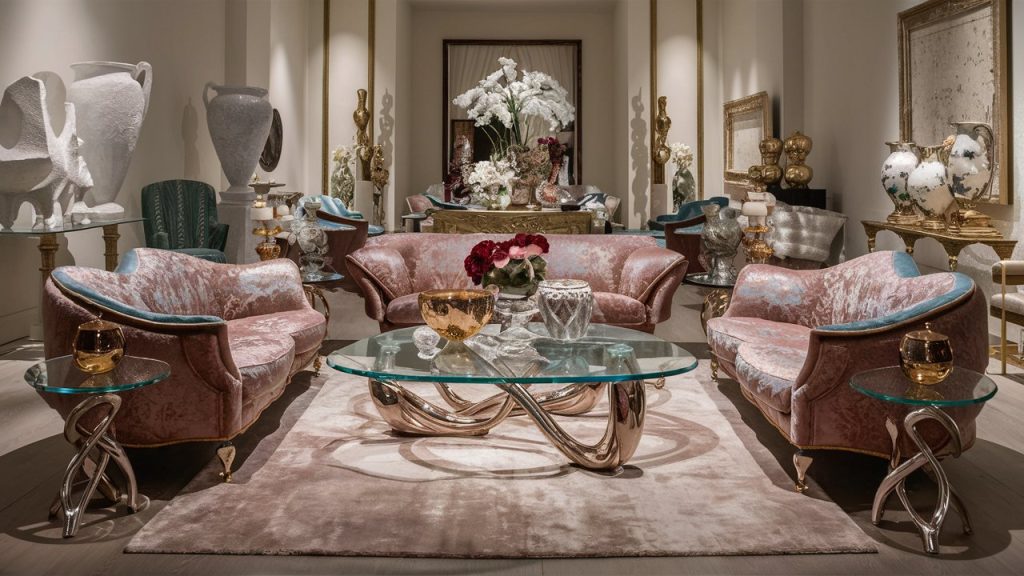
Luxury homes are often associated with grandeur and opulence, but not all of them exude warmth and comfort. In fact, certain design choices, while aesthetically striking, can leave a home feeling cold and unwelcoming. Achieving a cozy, inviting atmosphere in a luxury home requires a delicate balance between style and functionality. Here are some features to avoid, along with practical tips on how to make these spaces more welcoming without compromising on luxury.
1. Overly Minimalist Furniture
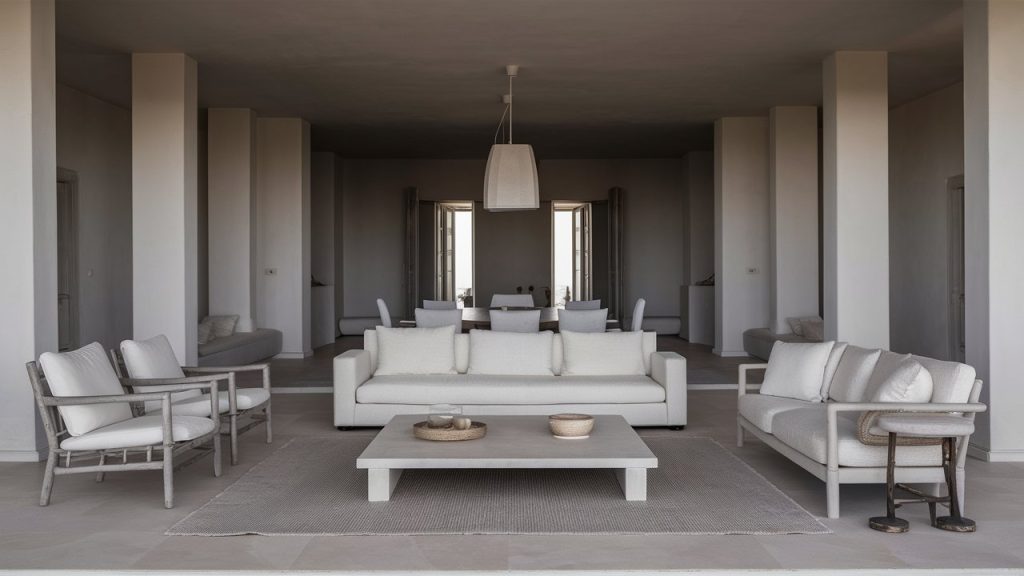
While minimalism is a popular trend in luxury interiors, taking it to the extreme can result in spaces that feel sterile and uninviting. Sparse, oversized furniture with little to no texture can make a room feel more like a gallery than a home. Instead, opt for pieces that offer both style and comfort—think plush sofas and armchairs in rich fabrics like velvet or leather. Incorporating tactile elements adds a sense of coziness and approachability to an otherwise sleek space.
2. Cold, Hard Surfaces
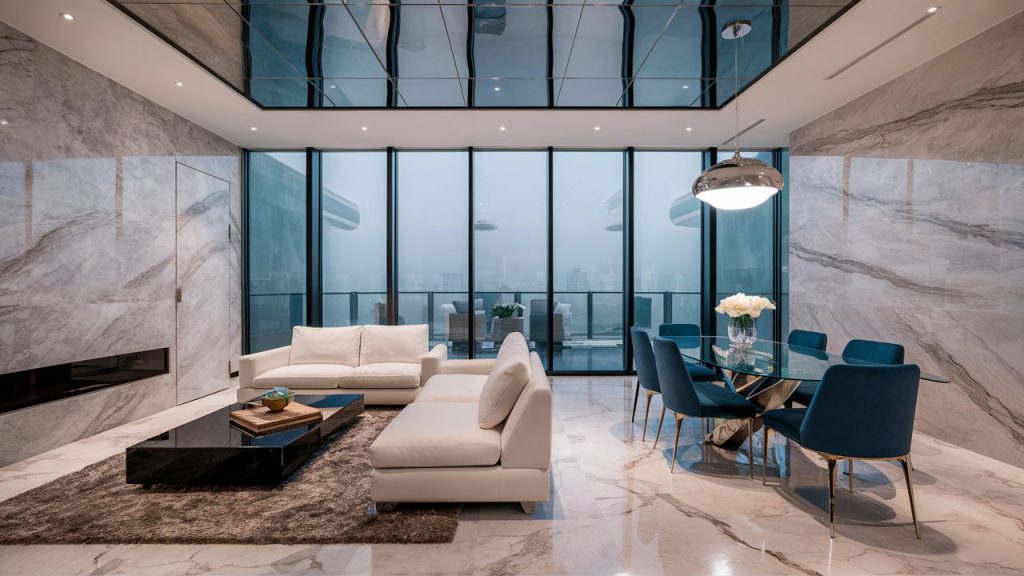
Luxury homes often feature hard, polished surfaces like marble, glass, or stainless steel, which can look stunning but may contribute to a cold atmosphere. These materials can make a space feel clinical and impersonal. To soften the effect, balance them with warmth by adding textured textiles such as rugs, throws, or upholstered furniture. Layering soft elements over hard surfaces creates a more balanced, comfortable environment while maintaining the luxurious appeal.
3. Lack of Personal Touches
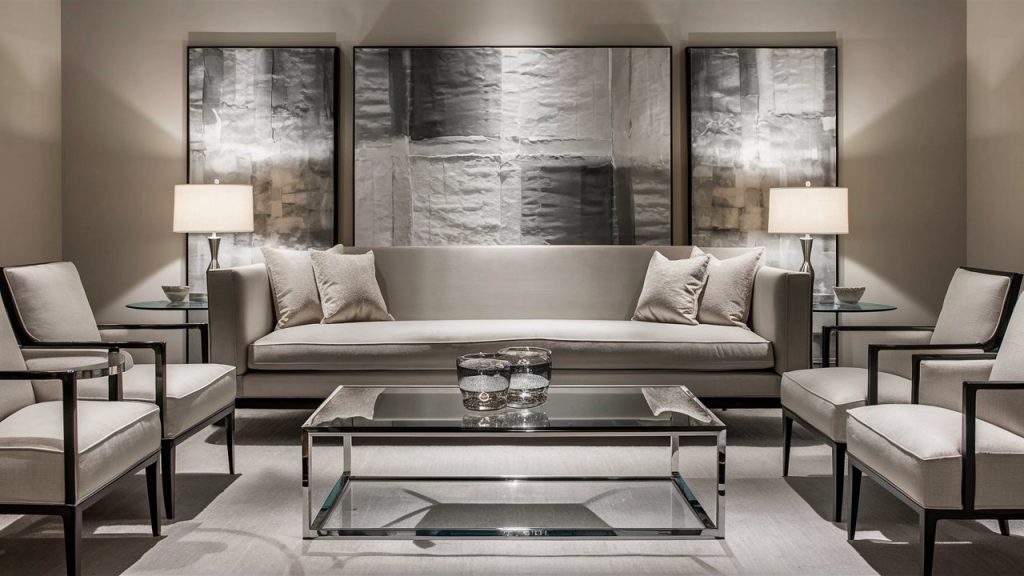
In many luxury homes, the decor can feel generic or impersonal due to a focus on high-end designer pieces rather than meaningful, personal items. Luxury doesn’t have to mean a lack of individuality. Displaying personal art, family heirlooms, or travel souvenirs can inject character into your space while maintaining sophistication. Personal touches not only create warmth but also tell a unique story about the home’s inhabitants.
4. Overly High Ceilings Without Proper Proportion
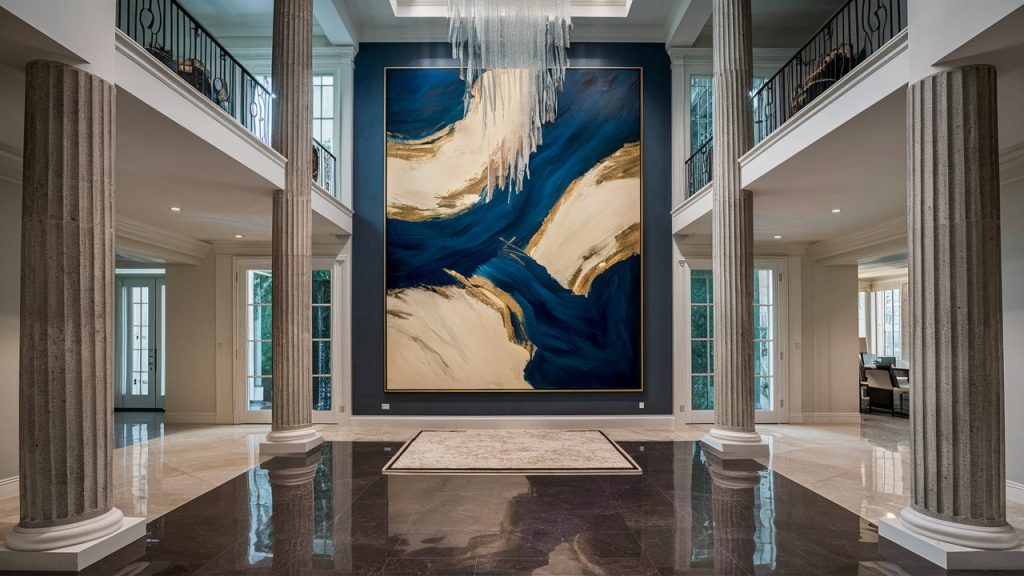
While high ceilings are often synonymous with luxury, they can make a room feel vast and disconnected if not balanced with proper furnishings and decor. An overly tall ceiling in an expansive room can create a sense of emptiness, making the space feel uninviting. To combat this, use large-scale furniture, tall plants, and strategically placed artwork to draw the eye upward while keeping the room grounded. This adds a sense of warmth and intimacy, ensuring the space feels both grand and cozy.
5. Cold, Unflattering Lighting
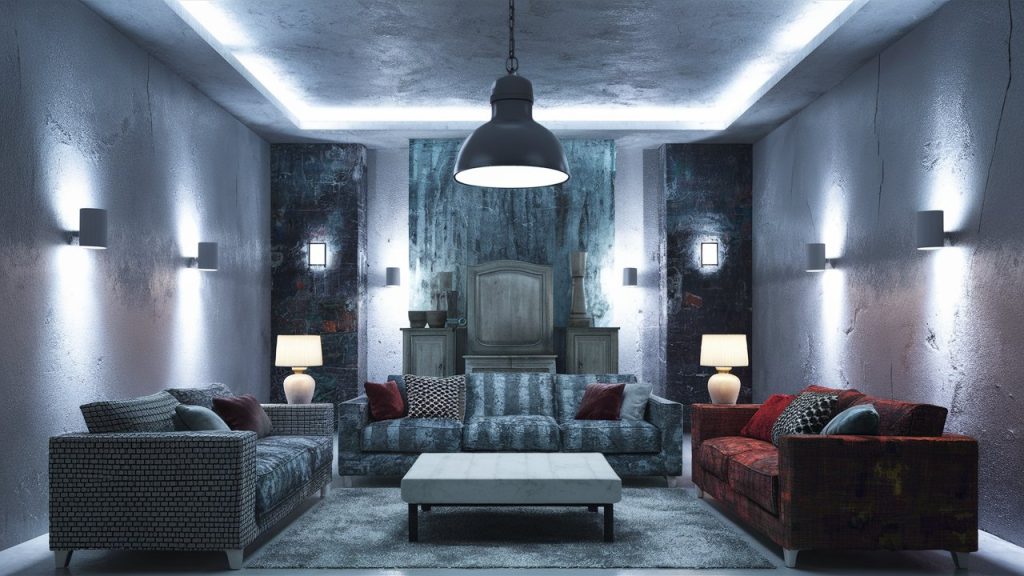
In luxury homes, lighting often plays a critical role in setting the tone. However, harsh or overly bright lighting can create a stark and unwelcoming environment. Fluorescent lights or intense spotlights can make a space feel clinical. Instead, opt for warm, ambient lighting with layered fixtures—such as chandeliers, floor lamps, and sconces—to create a softer, more inviting glow. Dimmers can also be used to adjust the lighting to suit the mood, ensuring that your home always feels warm and welcoming.
6. Lack of Textural Variety
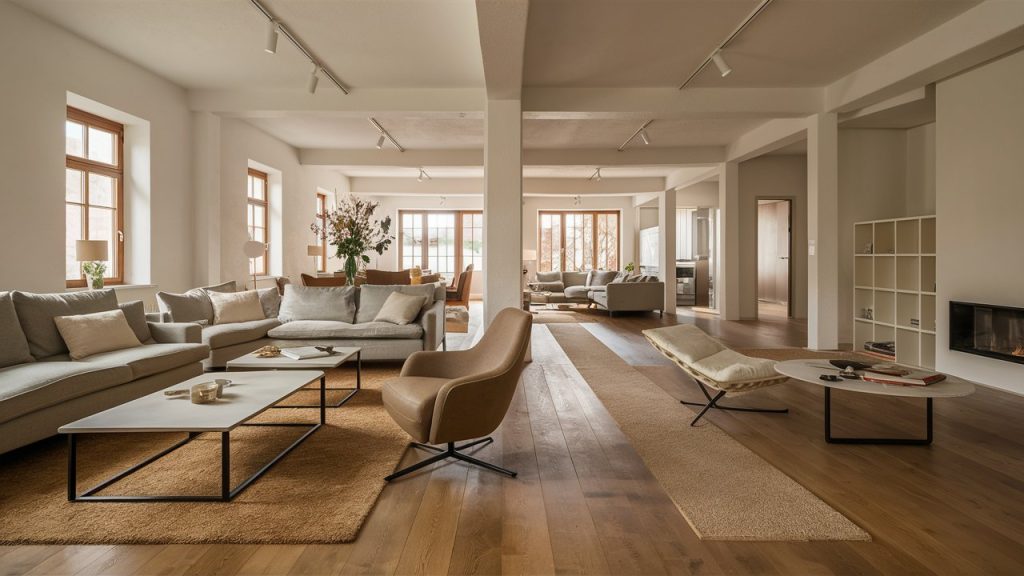
A luxury home that relies solely on smooth, uniform textures like polished stone or glass can feel visually flat and cold. Without different textures to contrast, the room lacks depth and tactile appeal. Introduce variety by adding soft textiles like velvet cushions, silk curtains, or wool throws to contrast the hardness of stone or metal surfaces. This balance of textures will create a more inviting and dynamic atmosphere, ensuring the space feels luxurious yet comfortable.
7. Echoey, Sound-Reflective Interiors
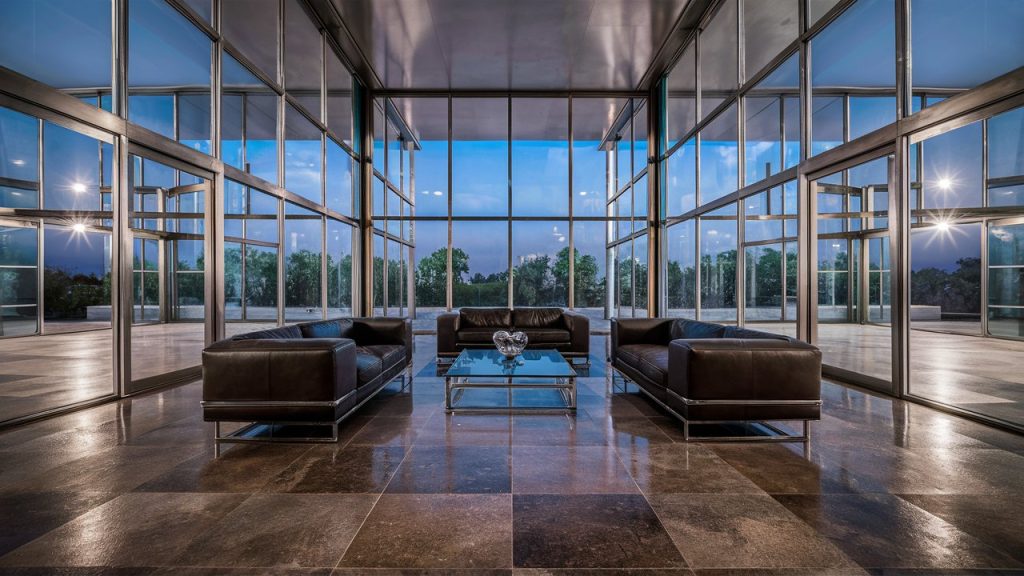
Spaces that are all glass, stone, and steel may look luxurious but often suffer from poor acoustics, creating echoes that make the home feel cavernous and impersonal. Without soft materials like rugs, curtains, or upholstered furnishings to absorb sound, conversations can feel hollow and the ambiance sterile. Incorporate acoustic-friendly elements—like fabric panels, layered textiles, or even bookshelves—to warm up the auditory experience and make the home feel more intimate and welcoming.
8. Monochrome Color Palettes
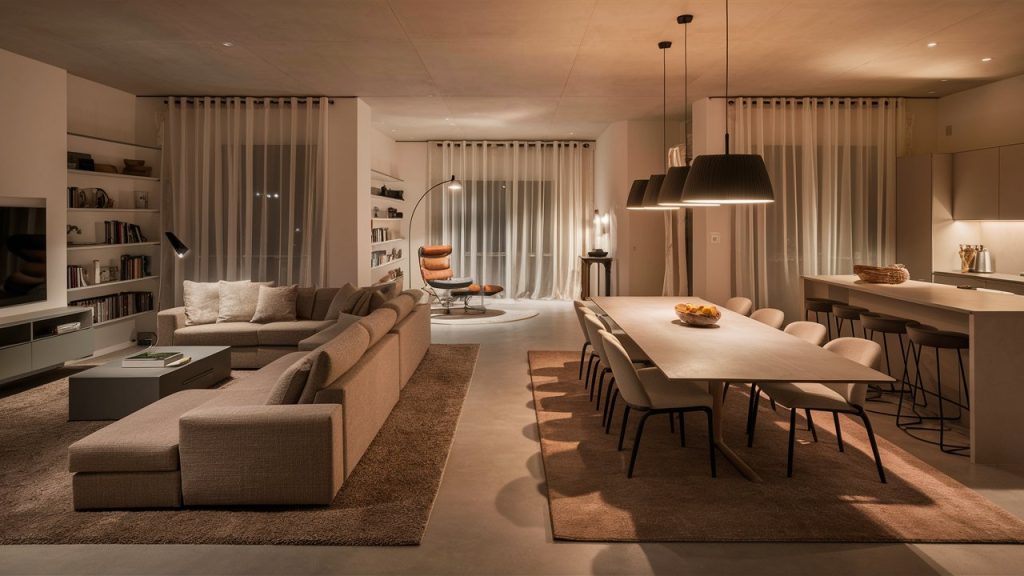
While neutral tones can create an elegant, cohesive look, a monochrome color palette can make a space feel flat and lifeless. Luxury homes that stick to a single color scheme without any contrast may lack the energy needed to feel inviting. Spice up a neutral room with pops of color, like a statement chair, colorful rug, or vibrant artwork. This burst of personality can help break up the monotony and give the room an energetic, yet balanced, appeal that feels alive and welcoming.
9. Too Many High-End, “Unusable” Decor Pieces
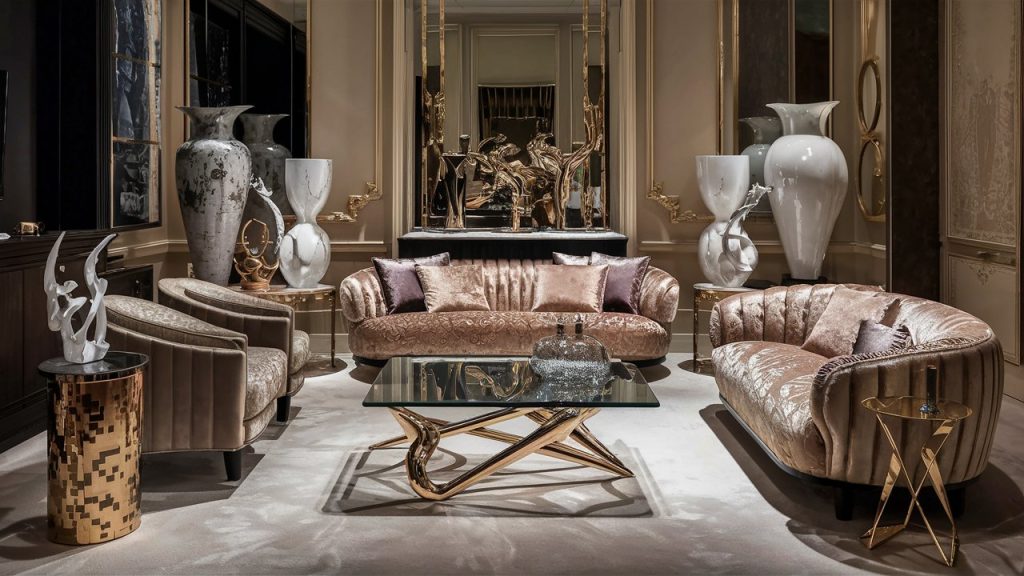
It’s tempting to fill a luxury home with expensive decor items that are aesthetically pleasing but not functional. This can make the space feel impractical and rigid. Instead, choose decor that is both beautiful and useful, such as stylish storage solutions, comfortable yet chic seating, or versatile lighting. Practical luxury combines form and function, offering a space that looks stunning while remaining livable and comfortable.
10. Uncomfortable Furniture
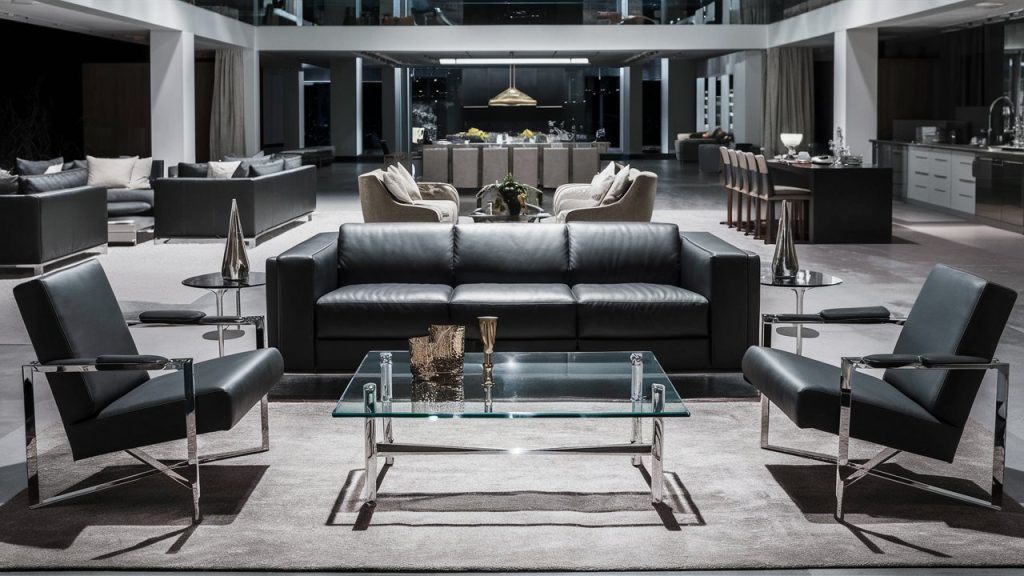
Luxury furniture isn’t always synonymous with comfort. Expensive, sleek designs often come at the expense of function, leaving pieces that look great but aren’t enjoyable to sit on or use. A luxury home filled with uncomfortable seating can leave guests and residents feeling uneasy. Prioritize comfort alongside aesthetics by choosing well-made, ergonomic pieces. Soft, plush sofas, supportive chairs, and inviting bedding create a welcoming atmosphere while still exuding luxury and style.
This article was created with the assistance of AI but thoroughly edited by a human being.