
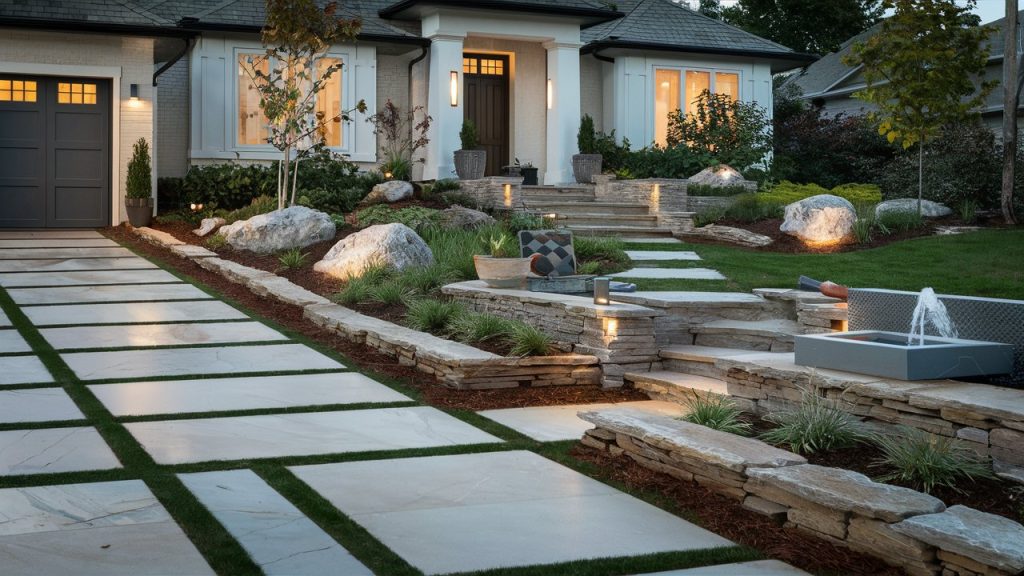
As outdoor spaces become more intentional, many landscaping choices that once ruled backyards are falling out of favor. From overly manicured designs to high-maintenance features, today’s homeowners are trading outdated trends for more sustainable, relaxed, and livable landscapes. If you’re planning a refresh, avoid these tired looks that design experts say are ready for retirement.
1. Perfectly Manicured Lawns
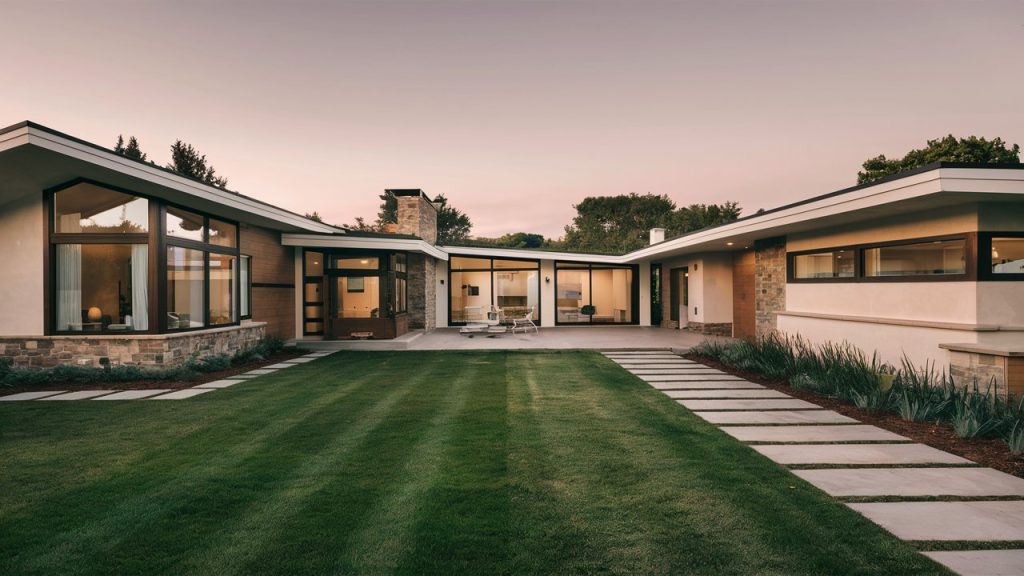
Once the gold standard of curb appeal, high-maintenance, golf-course-like lawns are losing their charm. Not only are they water-intensive, but they also require heavy chemical use and constant upkeep. In 2025, the focus is on eco-friendly options like native grasses or clover lawns, which offer beauty with far less maintenance. These alternatives provide habitat for pollinators and thrive without constant mowing or fertilizing, making them a smarter, greener choice.
2. Artificial Turf Everywhere
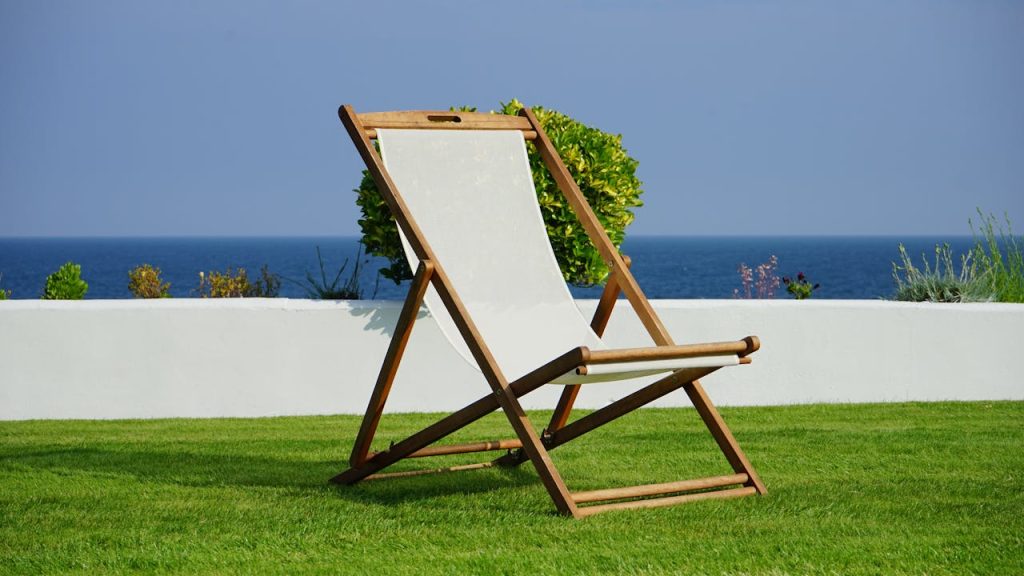
Artificial grass may seem convenient, but it’s falling out of favor fast. Designers are steering away from plastic-looking yards that don’t breathe, trap heat, and lack biodiversity. While it can serve a purpose in small, shaded areas, covering large landscapes with turf now feels sterile and unnatural. In 2025, natural plantings and mixed ground covers like creeping thyme or mulch beds are being embraced for their texture, function, and environmental value.
3. Overly Symmetrical Designs
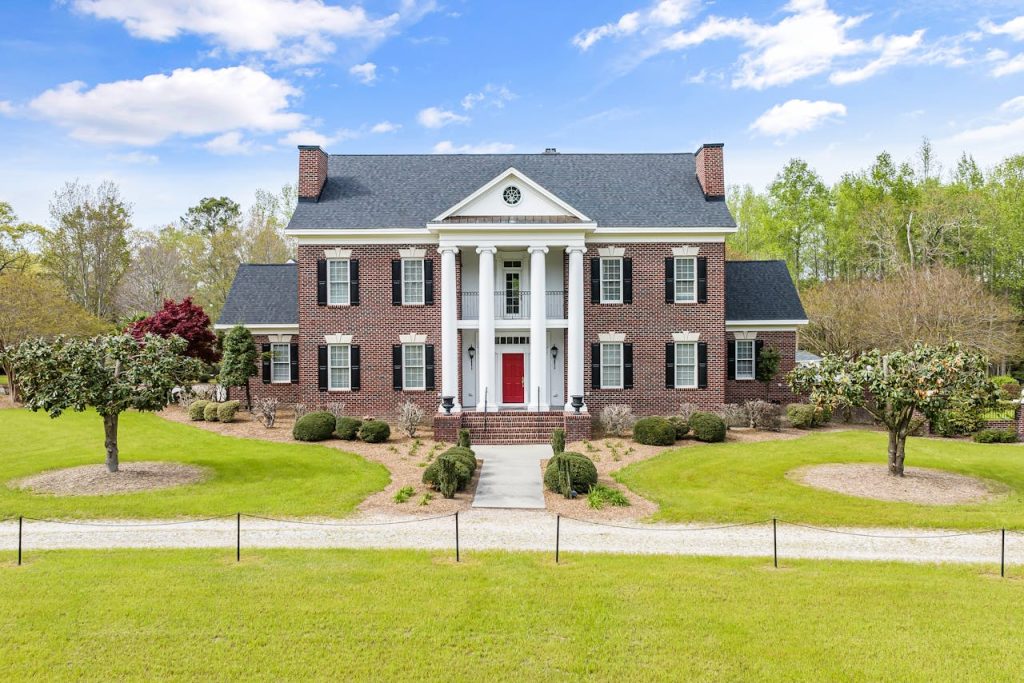
Formal, symmetrical layouts are being replaced by looser, organic styles. Perfectly matched shrubs and geometric hedges can feel rigid and outdated. In contrast, asymmetrical designs using varied plant heights and flowing pathways create a more natural and welcoming environment. These softer layouts are easier to maintain, feel more personal, and better reflect the landscape’s natural rhythm—making them the modern go-to.
4. Too Much Hardscaping
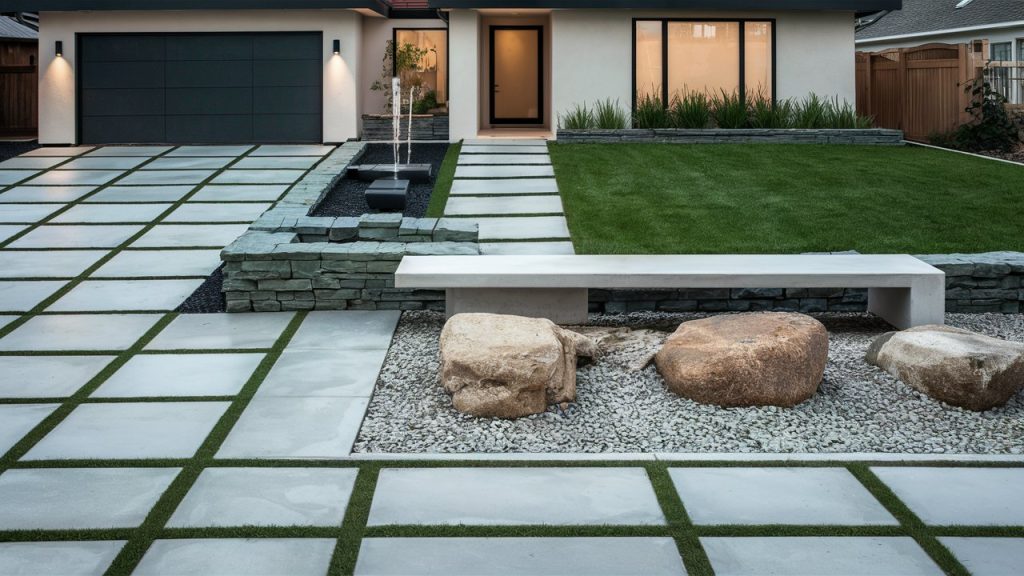
Outdoor spaces that are overwhelmed with concrete, pavers, or stone can feel stark and uninviting. Excessive hardscaping also contributes to poor drainage and urban heat. Designers now recommend mixing in plenty of greenery—think planted borders, garden beds, and vertical planters. These elements not only soften the space visually but also improve air quality, manage water runoff, and make the yard feel more alive.
5. Gravel Lawns
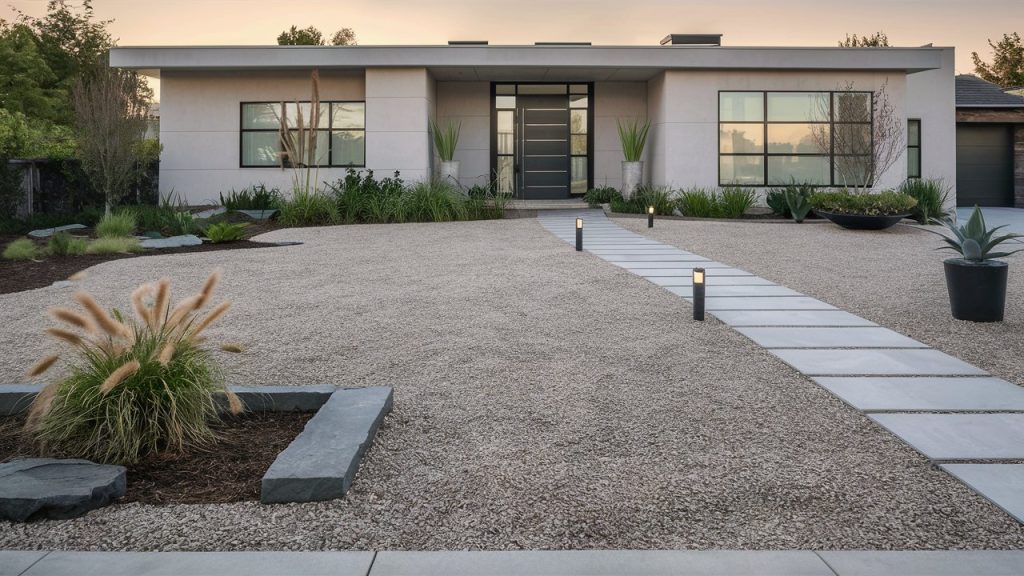
Gravel lawns gained popularity as a low-maintenance, drought-friendly solution, but they often create a harsh, lifeless appearance. Without greenery, these areas can become uncomfortably hot and unpleasant to walk on. Designers are now favoring combinations of drought-tolerant plants, ground covers, and permeable paths to achieve a more balanced look that still conserves water but adds texture, color, and seasonal interest.
6. Faux Rock Gardens
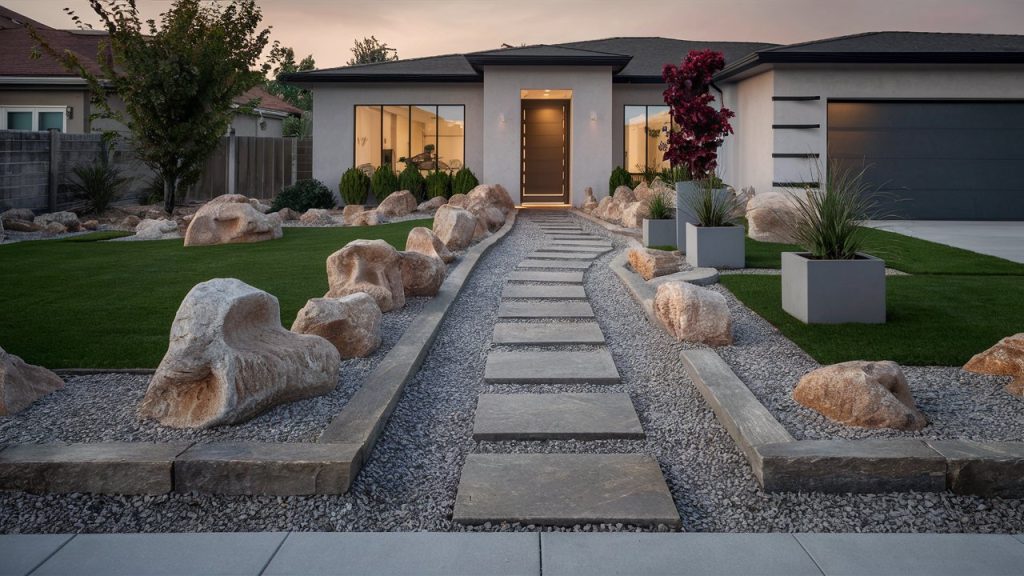
Rock gardens can be beautiful when natural and well-composed, but many designs rely on unnatural-looking faux rocks and poorly placed boulders. These feel staged and don’t blend with the environment. Today’s designers are gravitating toward authentic stone arrangements paired with native plants or succulents. The result is a landscape that looks grounded in its setting, not like a showroom installation.
7. Overuse of Mulch
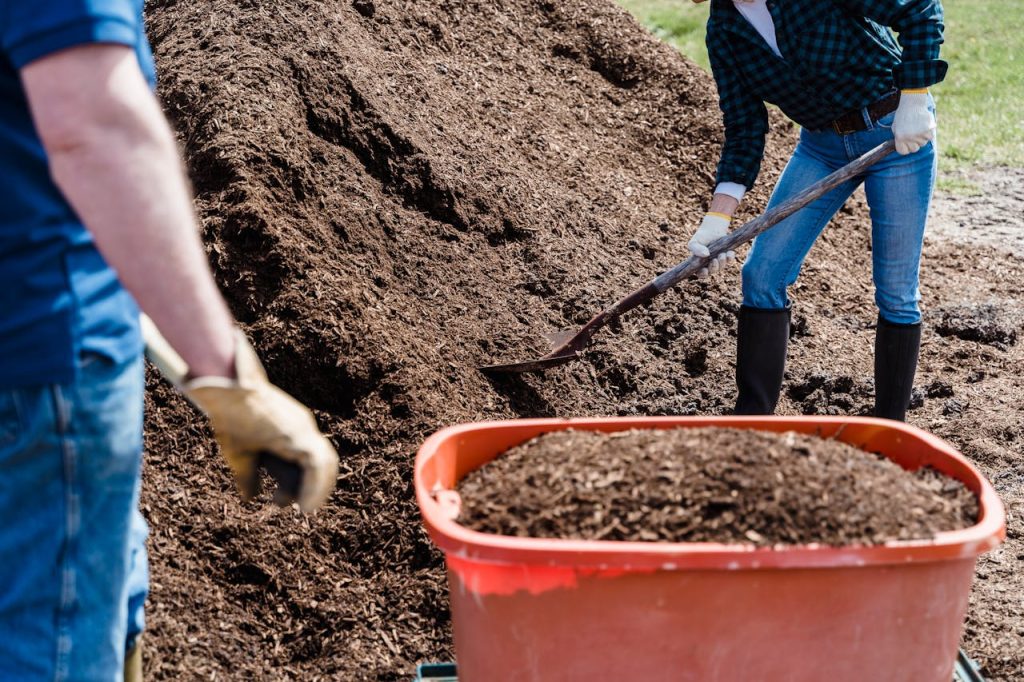
Mulch is great in moderation, but blanketing entire beds with thick, dark mulch can make gardens feel flat and heavy. It also discourages plant growth and can lead to soil compaction. Modern landscaping emphasizes a mix of textures—plants, gravel, bark, and natural debris—for a healthier and more visually interesting garden. Leave some room for plants to grow and evolve naturally.
8. Single-Species Planting
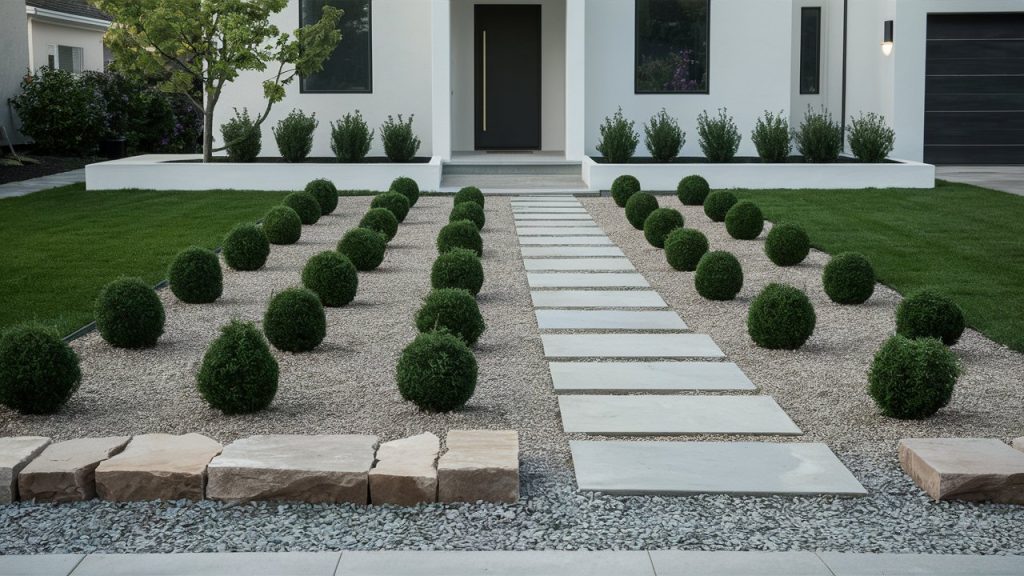
Using one type of plant throughout a yard may look tidy at first, but it limits biodiversity and can become boring over time. It also makes the landscape more vulnerable to pests or disease. Designers now suggest layering different species for varied color, shape, and seasonal interest. Mixed plantings not only look more dynamic, but they also create a healthier ecosystem in your yard.
9. Decorative Edging Overload
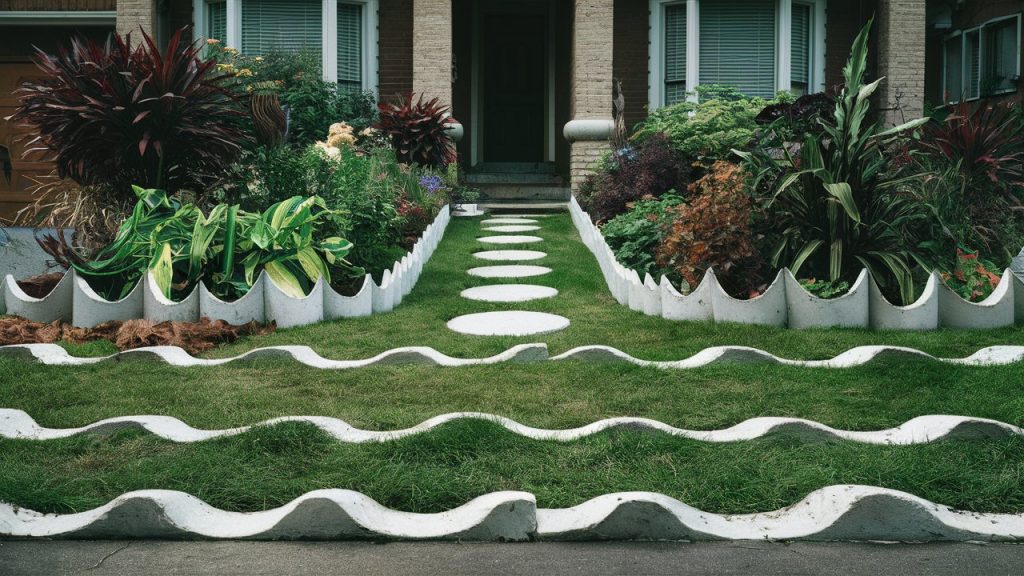
Overly ornate edging—like scalloped concrete borders or plastic barriers—can interrupt the natural flow of a garden. These elements often age poorly and clash with evolving trends. Instead, designers recommend more subtle transitions, like steel edging, stone borders, or simply letting ground covers spill over naturally. These approaches feel timeless and help tie the entire landscape together.
10. Bright-Colored Rubber Mulch
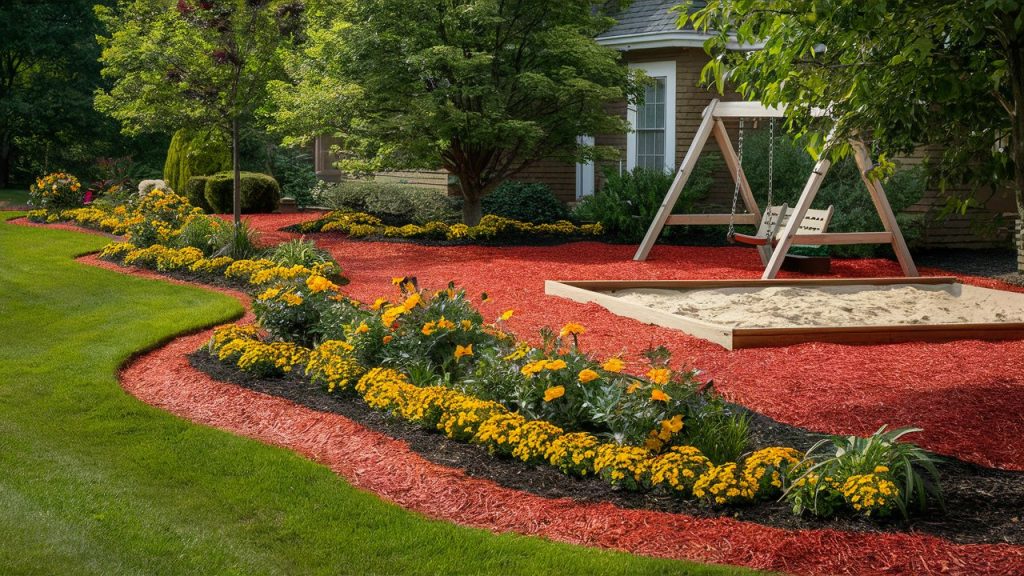
Rubber mulch in bright red or black was once seen as a neat solution for flower beds and playgrounds. But its artificial appearance, chemical concerns, and inability to break down naturally make it a trend that’s rapidly falling out of favor. Designers now opt for organic mulch or living ground covers that provide nutrients and improve the garden’s ecosystem over time.
11. Over-the-Top Water Features
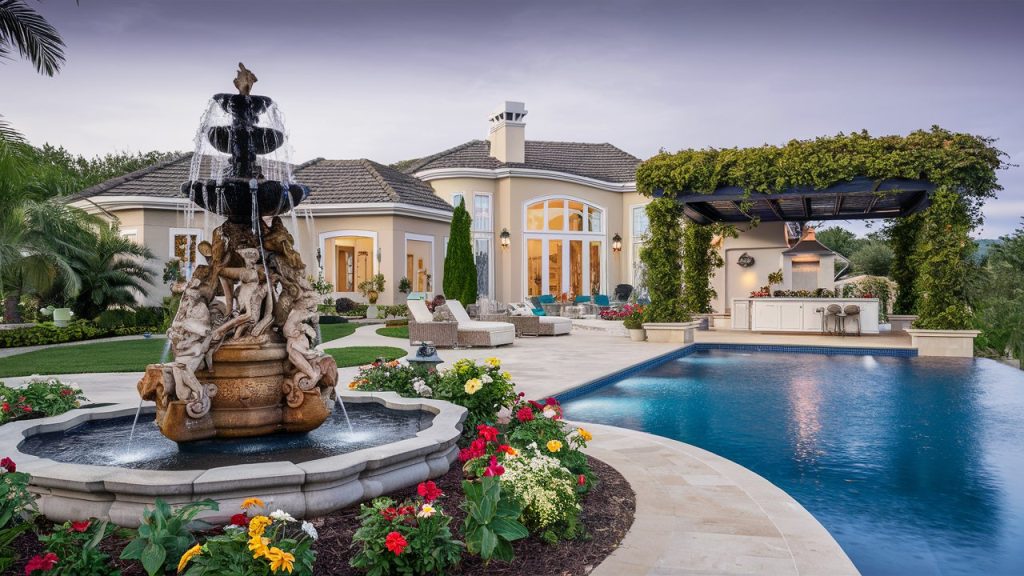
Massive fountains and ornate ponds can overwhelm a yard and quickly become maintenance nightmares. They also waste water and energy. In 2025, small, understated water elements—like minimalist fountains or shallow birdbaths—are preferred. These additions still bring the calming sound and visual appeal of water without dominating the entire landscape or budget.
12. Excessive Outdoor Lighting
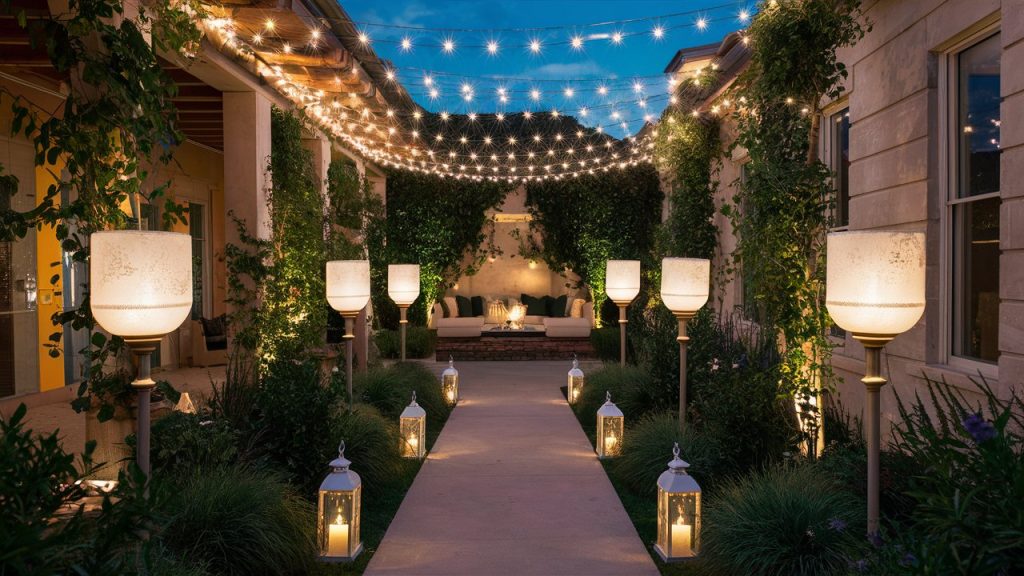
Over-lighting a yard can wash out its features and disturb wildlife. Harsh spotlights and floodlights are being replaced with softer, low-voltage options. Designers are leaning into path lighting, uplighting for trees, and warm-glow lanterns to create ambiance without glare. This more refined approach enhances both nighttime visibility and aesthetic charm.
13. Monotonous Foundation Plantings
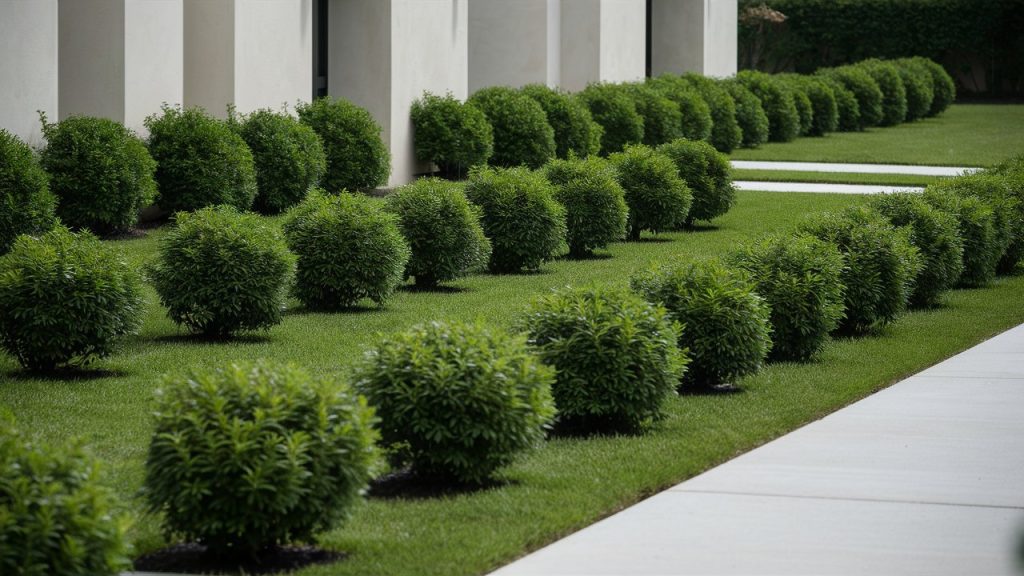
Rows of identical shrubs around a home’s foundation once symbolized tidy landscaping—but now they feel repetitive and uninspired. Designers are mixing it up with layered plantings, seasonal color, and textured foliage to add dimension. Varied heights and bloom times ensure that the landscape evolves throughout the year and doesn’t fall flat.
14. Unused Fire Pits or Outdoor Kitchens
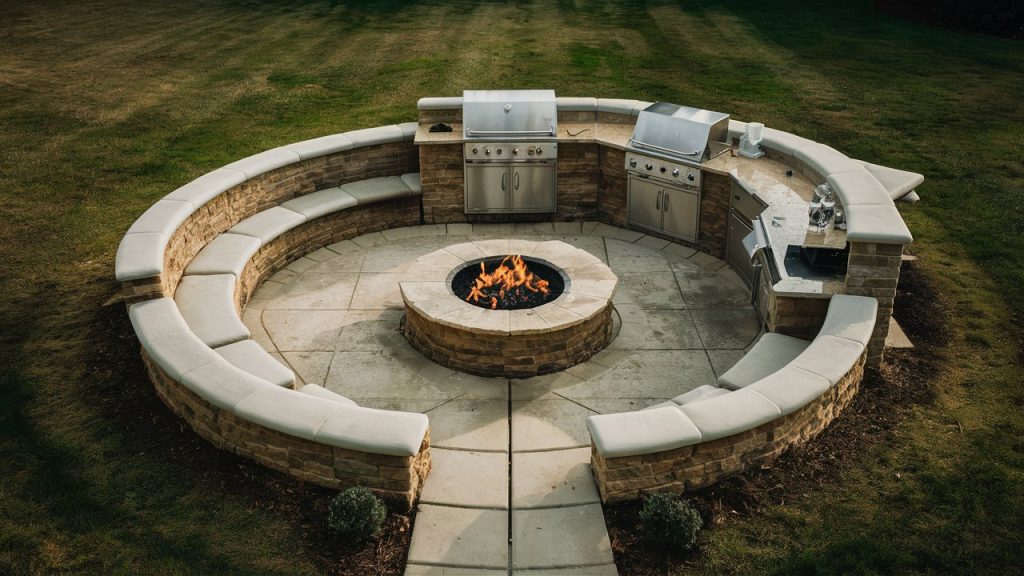
While outdoor entertaining spaces are still in, large fire pits and full-scale kitchens that go unused are losing their appeal. They take up valuable real estate and can make a yard feel cluttered. Designers now recommend assessing actual lifestyle needs and designing for function—not just Instagram photos. A compact grill area or sleek fire bowl can still offer style and usability.
15. Overly Themed Gardens
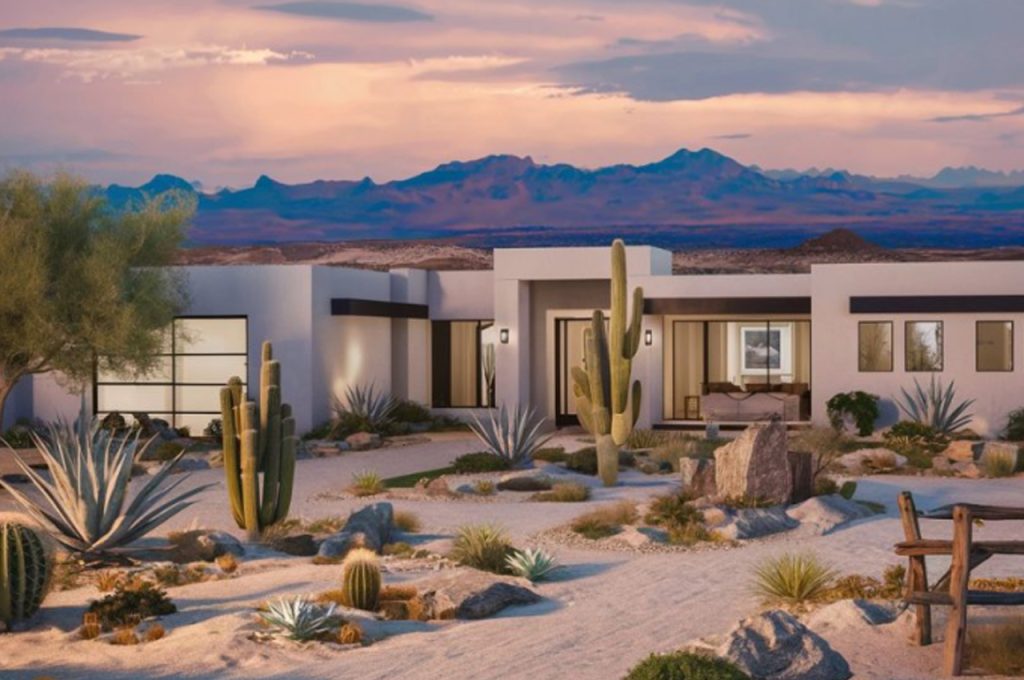
Tiki huts, desert-scapes in rainy regions, or English gardens in hot, dry climates can feel out of place and impractical. Overly themed designs often require constant upkeep and rarely age well. In 2025, context-driven landscaping is key—embracing regional climate, native plants, and the natural topography for a look that feels authentic and enduring.
This article has been created with the assistance of AI but thoroughly edited by a human being.