
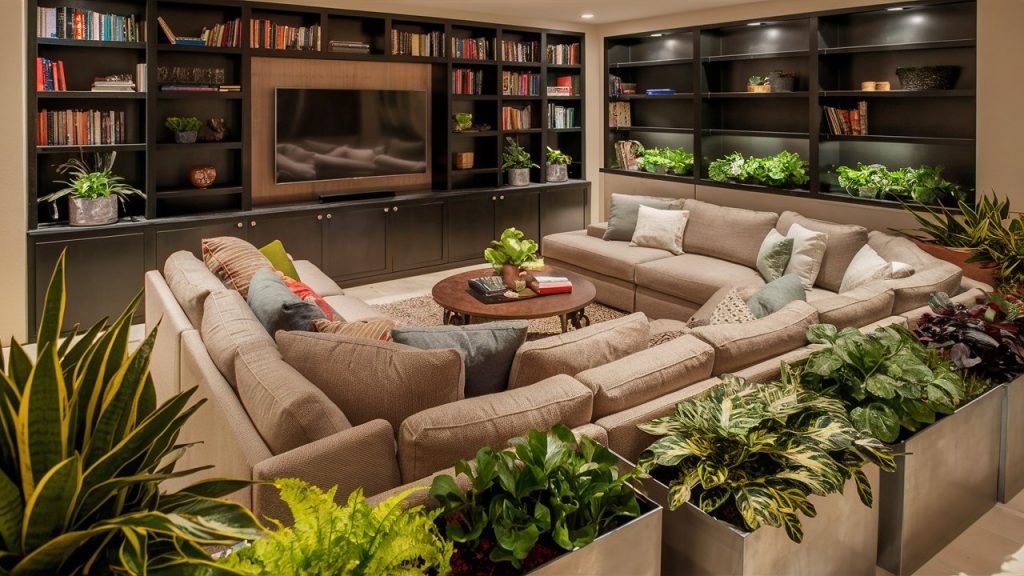
Making your house feel like home is important, but going overboard with personal design choices can backfire—especially when it’s time to sell. While bold colors, unique features, and custom touches may reflect your style, they can alienate potential buyers. Most buyers want to imagine themselves in a space, and overly specific choices can get in the way. Here are 10 ways over-personalization can hurt your home’s value—and how to avoid them.
1. Unusual Paint Colors Can Be Off-Putting
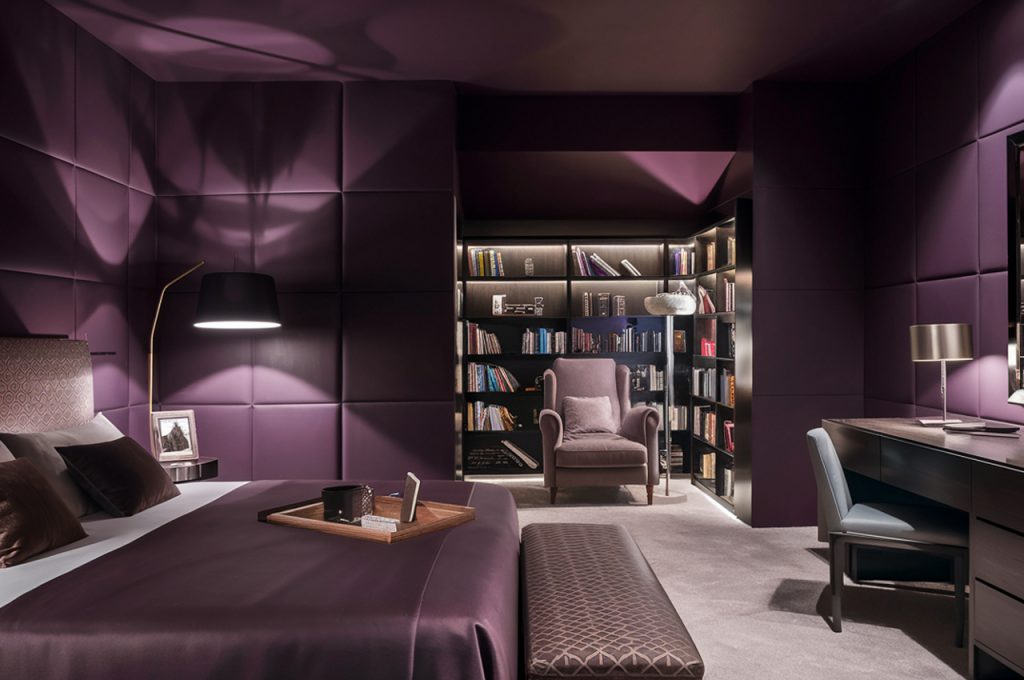
Bright or dark wall colors may reflect your personality, but they can overwhelm buyers. Most prefer neutral palettes that make a space feel fresh and move-in ready. Unusual colors may trigger thoughts of additional work or cost, causing buyers to mentally subtract value. Painting over bold hues with soft neutrals before listing your home can help create a blank canvas that appeals to more people and ultimately improves perceived value.
2. Themed Rooms Limit Broad Appeal
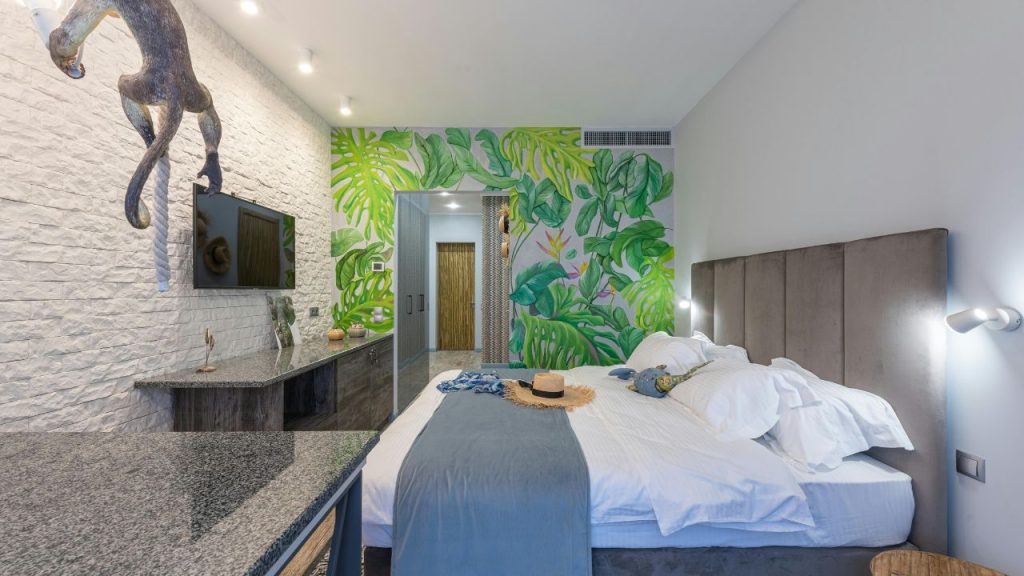
Rooms designed around specific themes—like a jungle nursery or a retro diner kitchen—can be fun, but they’re also polarizing. While these spaces may bring you joy, they can be distracting or off-putting for others. Buyers tend to view themed rooms as a project they’ll need to redo. The more work a home appears to need, the less they may be willing to offer. Simplifying decor and using timeless finishes can help increase universal appeal.
3. Excessive Built-Ins Are Hard to Reverse
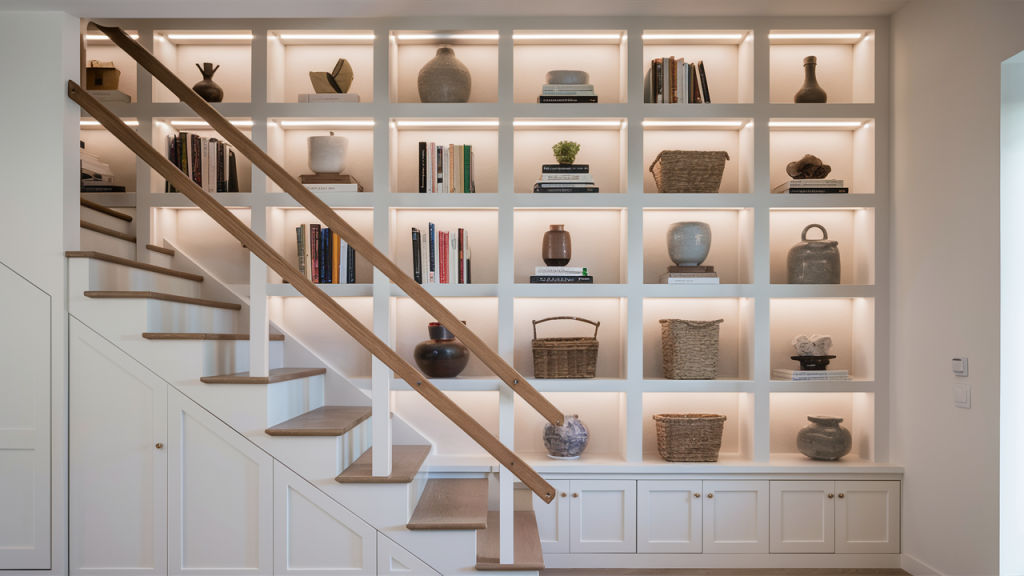
Custom built-ins can be beautiful and functional, but if they’re tailored too specifically—like a niche bar area or a wall of shelving for collectibles—they can be a turn-off. Potential buyers may see them as costly or difficult to remove. Overbuilt spaces may also limit how rooms can be used in the future. Consider keeping built-ins versatile and easy to repurpose so buyers can envision their own use of the space.
4. Over-Customized Kitchens Don’t Always Impress
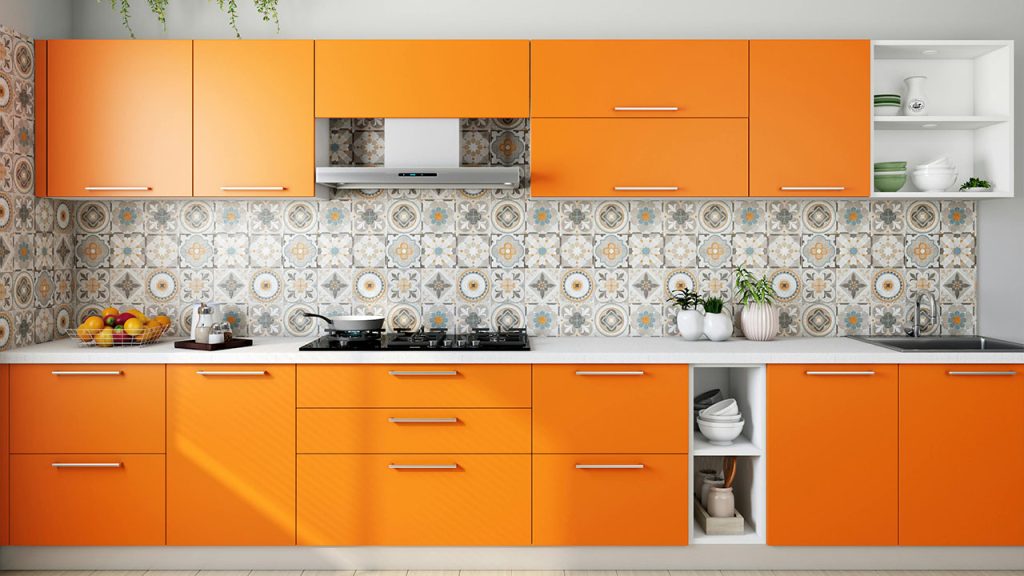
A kitchen customized to your personal cooking style—like an extra-large island, unique hardware, or bold cabinet finishes—might not match a buyer’s needs. These choices often carry high price tags, but may not translate into added value. Buyers might factor in the cost of remodeling or updating the kitchen to suit their taste. Sticking with classic finishes and layouts can ensure broader appeal and help preserve resale potential.
5. Highly Personalized Bathrooms Turn Off Buyers
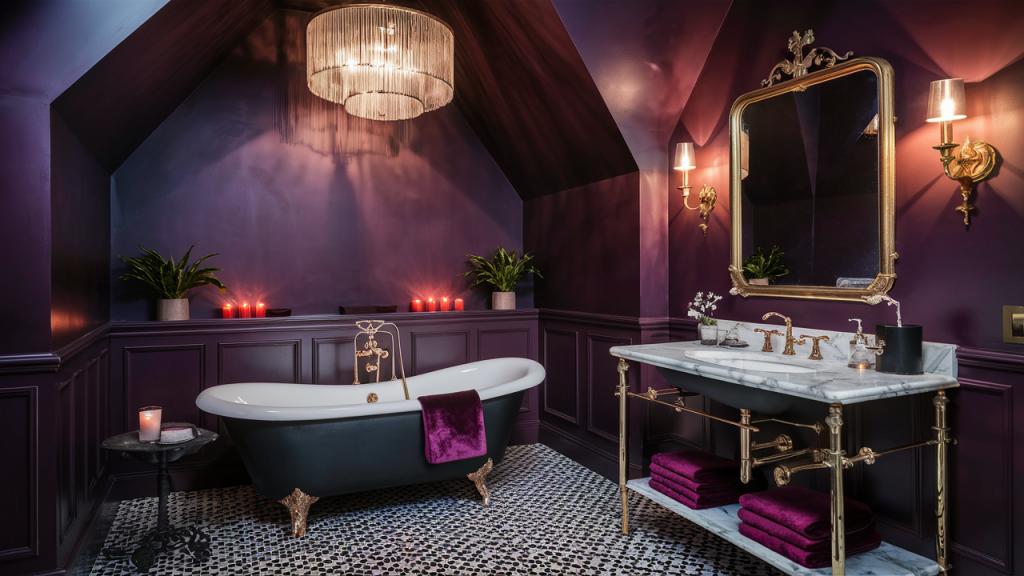
Installing statement tiles, quirky fixtures, or themed decor in a bathroom can overshadow functionality. Buyers often prefer spa-like, neutral bathrooms that feel clean and calm. Overly personal touches can seem dated or overly niche, leading buyers to mentally tally renovation costs. When remodeling, choose timeless materials and fixtures that can accommodate a variety of styles to ensure the space feels inviting to a wide range of potential buyers.
6. Converted Rooms That Lose Original Function
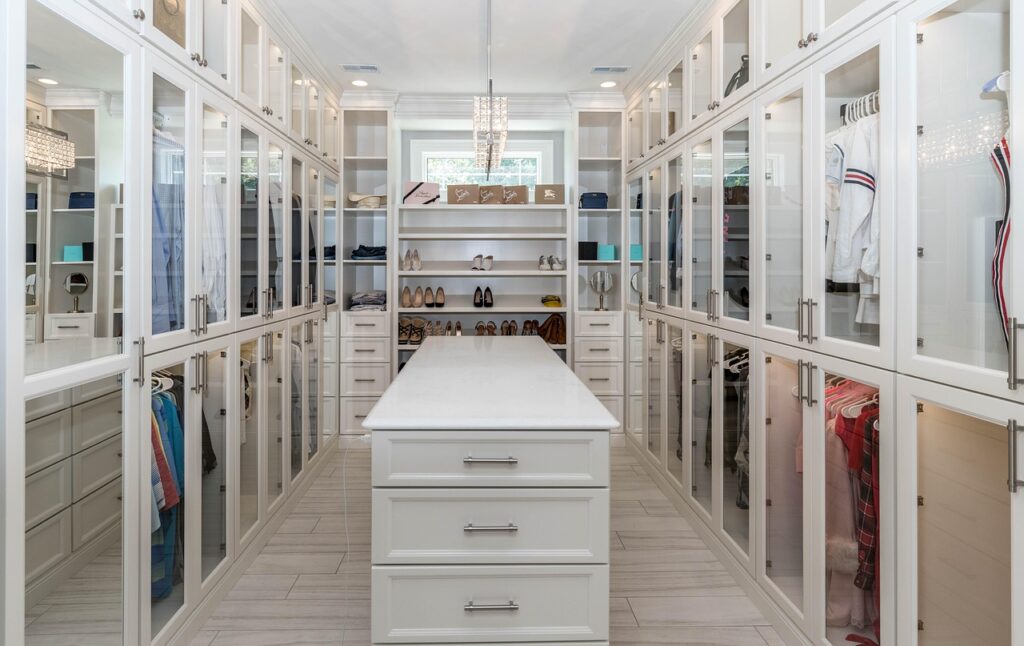
Turning a bedroom into a walk-in closet or gym might suit your lifestyle, but it can reduce your home’s value by eliminating usable bedrooms. Most buyers prioritize bedroom count when comparing homes, and converting one could make your home less competitive. Even if the change is reversible, the visual impact of a lost bedroom can sway first impressions. When staging to sell, restore rooms to their original purpose to appeal to the widest buyer pool.
7. Overly Unique Landscaping Can Be a Turnoff
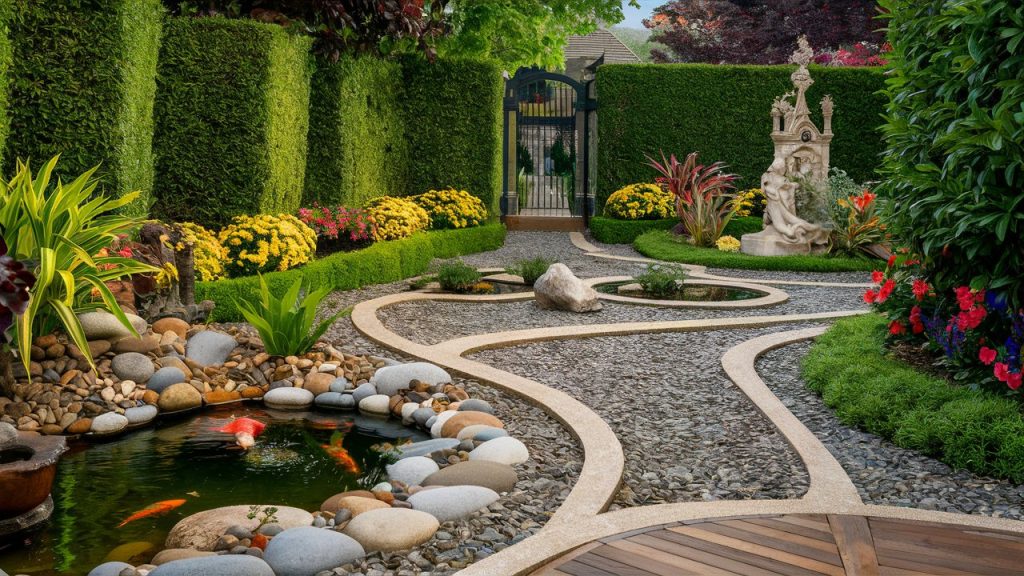
Elaborate gardens, koi ponds, or eccentric hardscaping might showcase your personality, but not everyone wants the upkeep or aesthetic. Landscaping that feels too personalized may come across as high maintenance or incompatible with a buyer’s lifestyle. Curb appeal matters, but overly specific choices can actually push buyers away. Keeping your outdoor space simple, neat, and well-maintained increases appeal and allows new owners to imagine their own possibilities.
8. Unconventional Floor Plans Disrupt Flow
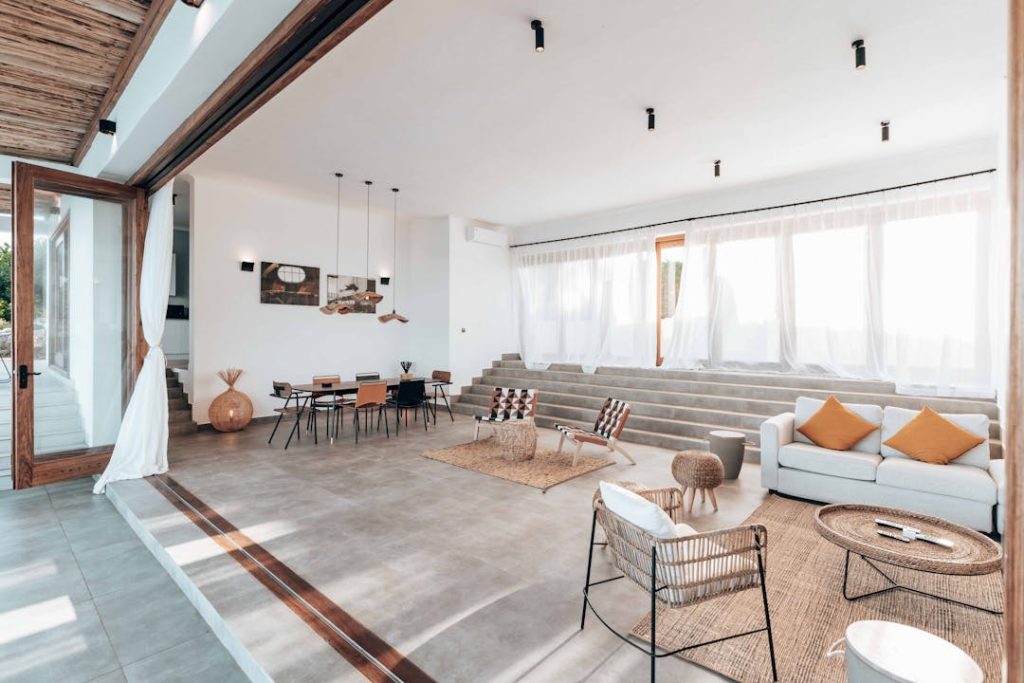
Altering your floor plan—like removing walls or combining rooms in unexpected ways—can make your home feel less functional. A lack of clear separation between living areas might confuse buyers or fail to suit their needs. Flow and functionality matter more than novelty. Even if the space works for you, an unconventional layout may leave buyers wondering how they’d make it work. Aim to preserve layout clarity whenever possible during renovations.
9. Too Much Family Memorabilia Feels Invasive
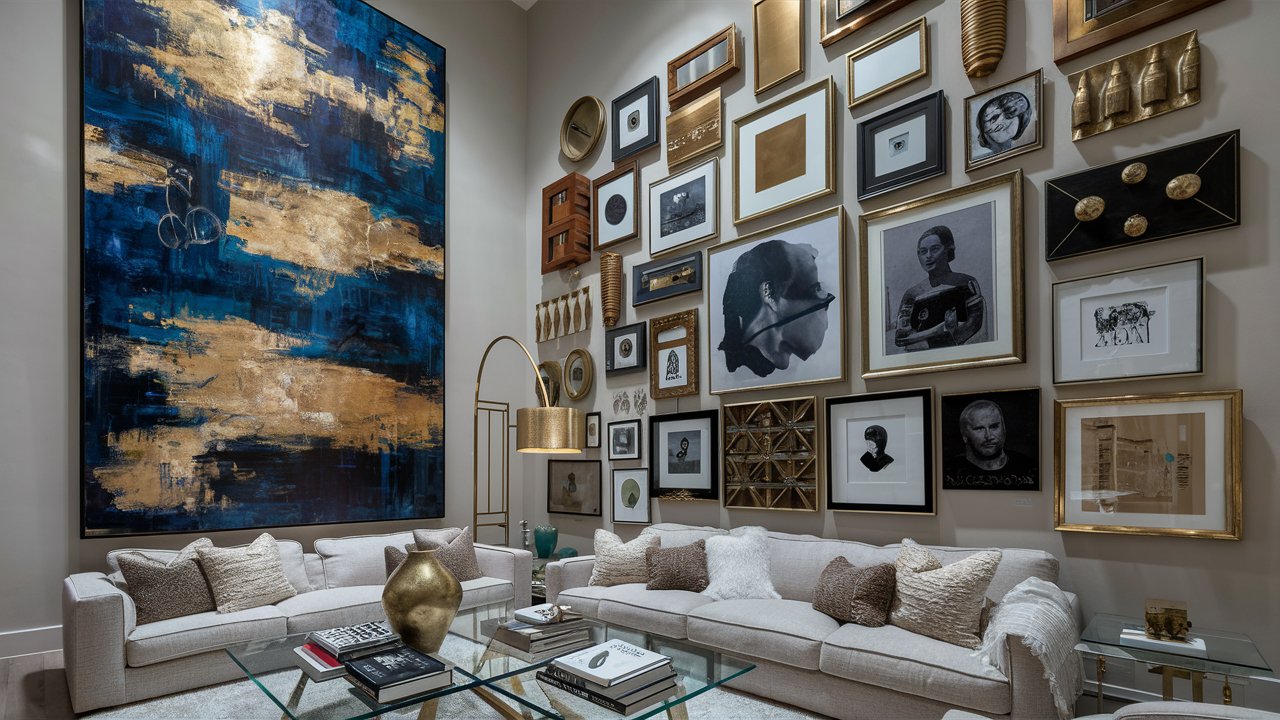
Displaying extensive family photos, kids’ artwork, or custom wall decals may make your home feel warm and lived-in, but it also makes it harder for buyers to picture themselves living there. Buyers want to imagine their own stories unfolding in the space, not someone else’s. Before listing, depersonalize with minimal, neutral decor that feels welcoming but not too specific. A balanced, impersonal atmosphere allows the home’s features to take center stage.
10. Custom Features That Only Appeal to You
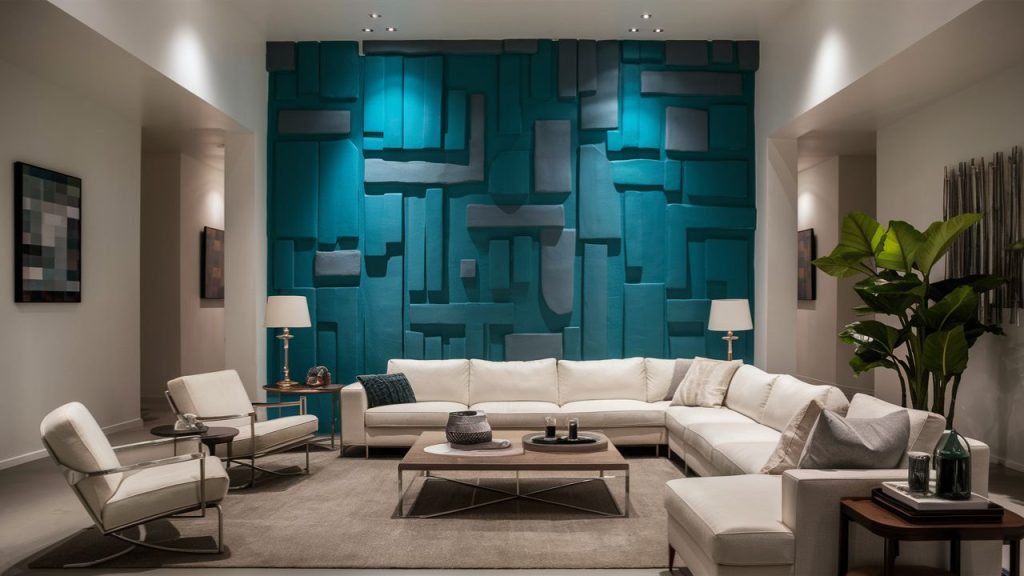
Built-in aquariums, home theaters, or quirky wall treatments may feel like upgrades, but they often cater to niche interests. These custom features can be expensive to maintain or difficult to remove, which may make buyers hesitate. When improvements are highly tailored to your lifestyle, they risk being seen as liabilities rather than assets. To preserve value, focus on updates that boost functionality and offer wide appeal, rather than indulging overly personal design whims.
This article was created with the assistance of AI but thoroughly edited by a human being.