
A lush, vibrant garden doesn’t have to mean constant soil amendments and high-maintenance plants. Some hardy species can flourish even in poor soil conditions, making them ideal for homeowners who want beautiful landscaping without excessive upkeep. Whether your yard has dry, sandy, or compacted soil, these plants can adapt and thrive while adding color and texture to your outdoor space. By choosing these 15 resilient plants that require minimal care, you can enhance curb appeal and enjoy a stunning garden with less effort.
1. Coneflower (Echinacea purpurea)
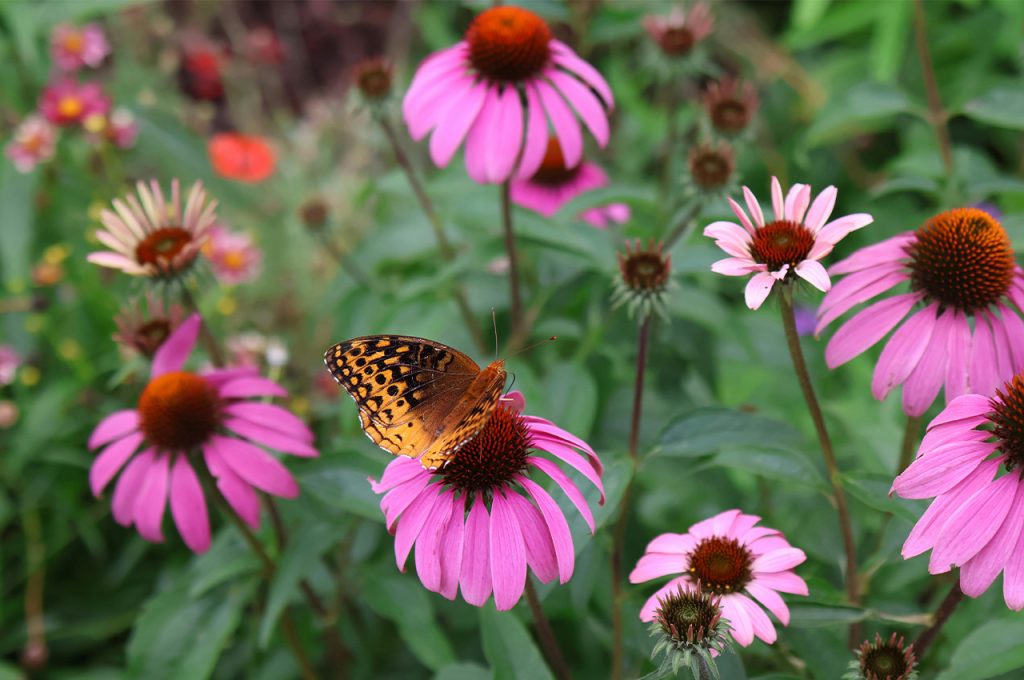
Coneflowers are a stunning addition to any garden, thriving in dry, nutrient-deficient soil. Their bright purple, pink, and white blooms attract pollinators while standing up to harsh conditions. These perennials require little water once established, making them perfect for low-maintenance landscaping. Coneflowers bloom from summer to fall, providing long-lasting color and visual appeal. They can handle neglect, resist pests, and even improve poor soil by encouraging beneficial insects. With their ability to withstand extreme temperatures, coneflowers are a must-have for effortless curb appeal.
2. Black-Eyed Susan (Rudbeckia hirta)
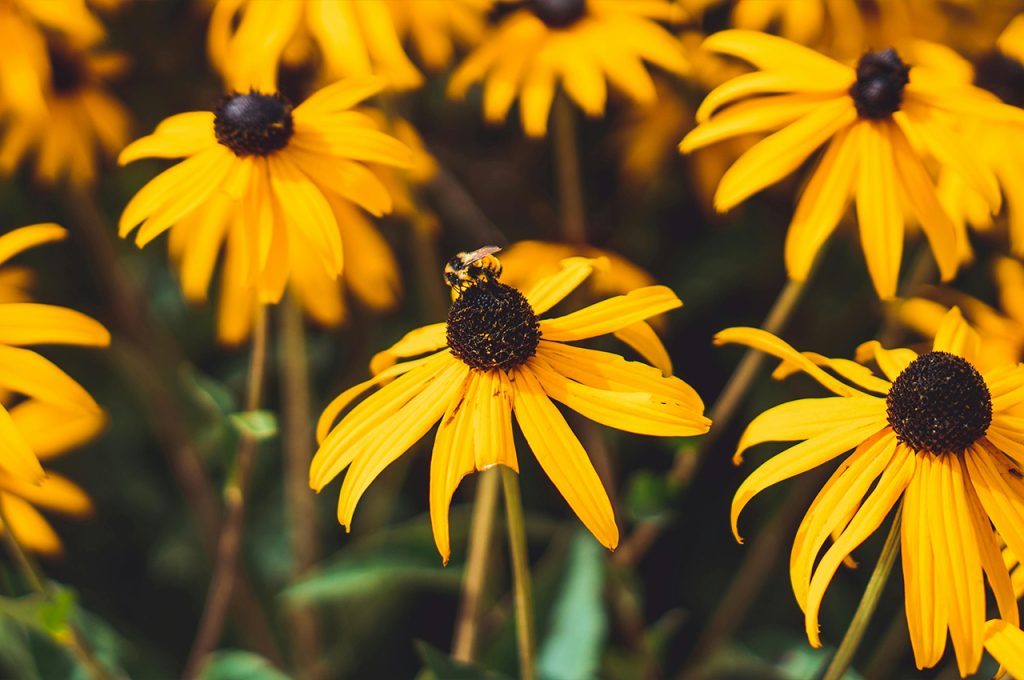
Black-eyed Susans are well-known for their golden yellow petals and dark centers, bringing warmth to any yard. These hardy perennials can thrive in rocky or sandy soil, requiring little more than sunlight and occasional watering. Their deep root system helps prevent erosion, making them ideal for sloped areas with poor soil quality. Once established, they spread easily, filling in bare spots with vibrant blooms. These flowers also attract butterflies and bees, boosting biodiversity in your garden. With minimal effort, black-eyed Susans provide a cheerful burst of color that lasts from summer into early fall.
3. Russian Sage (Perovskia atriplicifolia)
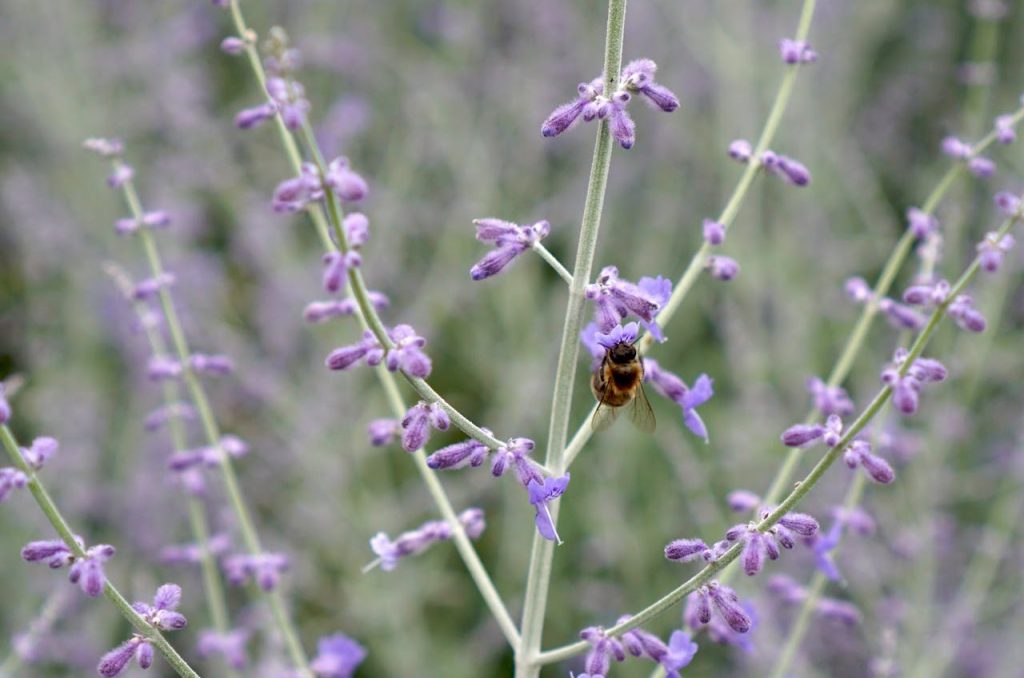
Russian sage is a low-maintenance plant that thrives in dry, infertile soil. Its tall, silvery-green stems and delicate purple flowers create an elegant, airy look, adding movement and texture to your garden. This perennial is extremely drought-tolerant, making it a perfect choice for arid climates or areas with minimal rainfall. Russian sage also deters deer and rabbits while attracting pollinators, creating a balanced ecosystem in your yard. Once established, it requires little care and continues to bloom year after year, providing effortless curb appeal with its soft, lavender-hued blossoms.
4. Yarrow (Achillea millefolium)
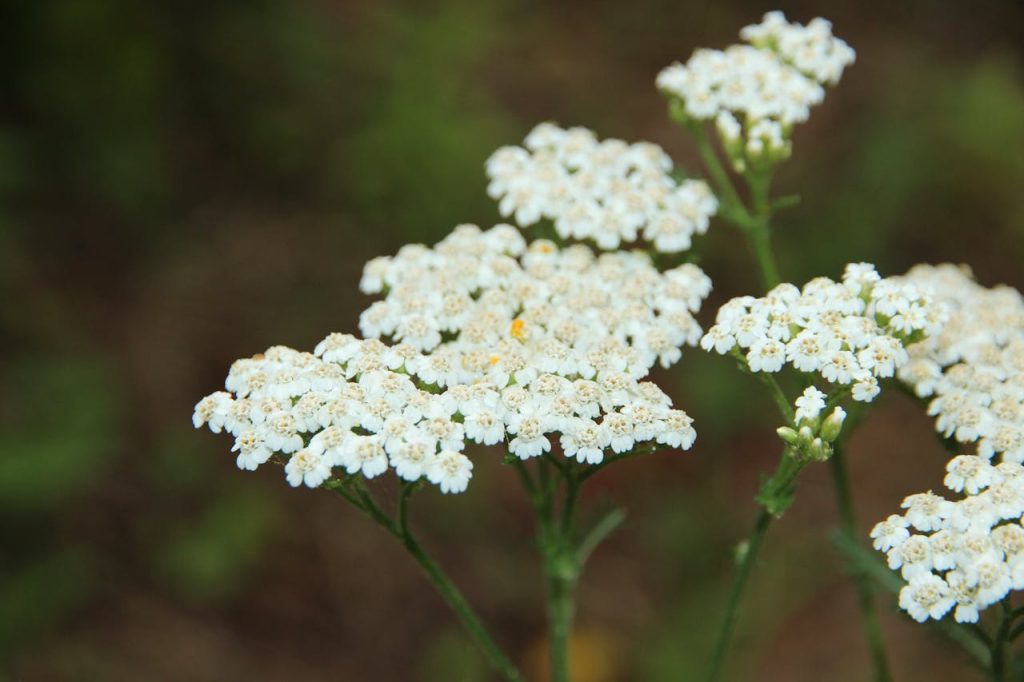
Yarrow is a versatile plant that thrives in poor soil, producing clusters of small flowers in shades of yellow, pink, and red. This drought-tolerant perennial can handle dry, rocky, or sandy conditions, making it an excellent choice for challenging landscapes. Yarrow spreads quickly, helping to fill in empty garden spaces with minimal effort. It also attracts beneficial insects, such as bees and ladybugs, which contribute to a healthy outdoor environment. Resistant to pests and disease, yarrow is a foolproof plant for boosting curb appeal without requiring constant attention or soil amendments.
5. Sedum (Sedum spp.)
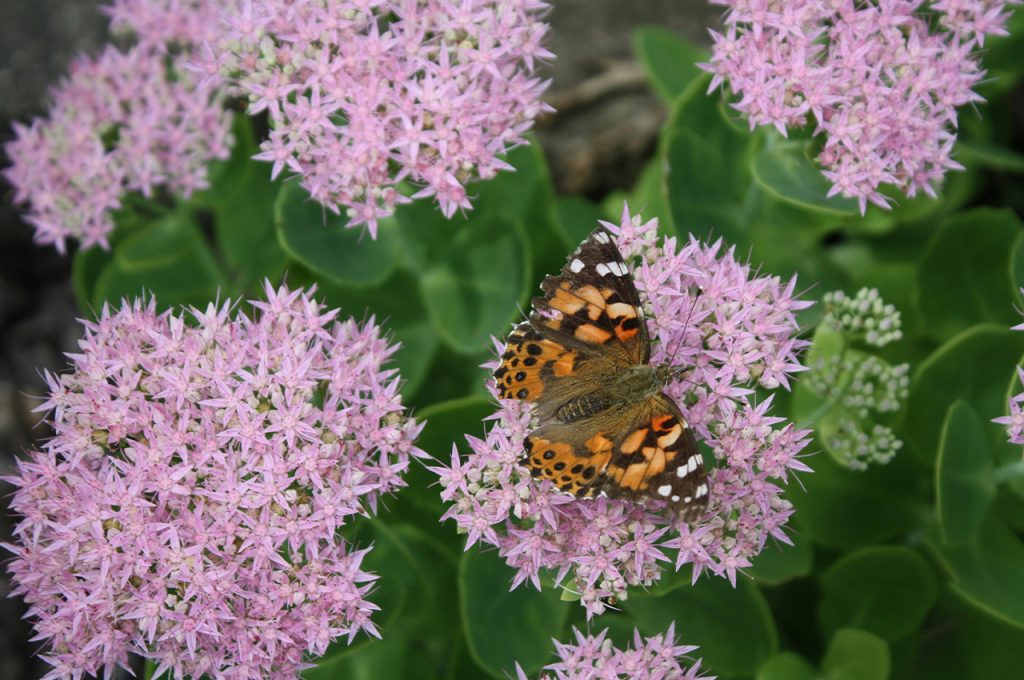
Sedum, also known as stonecrop, is an incredibly resilient succulent that flourishes in poor soil and dry conditions. Available in both ground-covering and upright varieties, sedum adds texture and visual interest to gardens with minimal care. This plant is highly drought-resistant, storing water in its thick leaves, allowing it to survive prolonged dry spells. It also thrives in rocky or sandy soil, making it a fantastic option for neglected garden spots. Sedum’s vibrant green and pink-hued foliage remains attractive year-round, while its late-summer blooms provide a pop of color that enhances curb appeal effortlessly.
6. Butterfly Weed (Asclepias tuberosa)
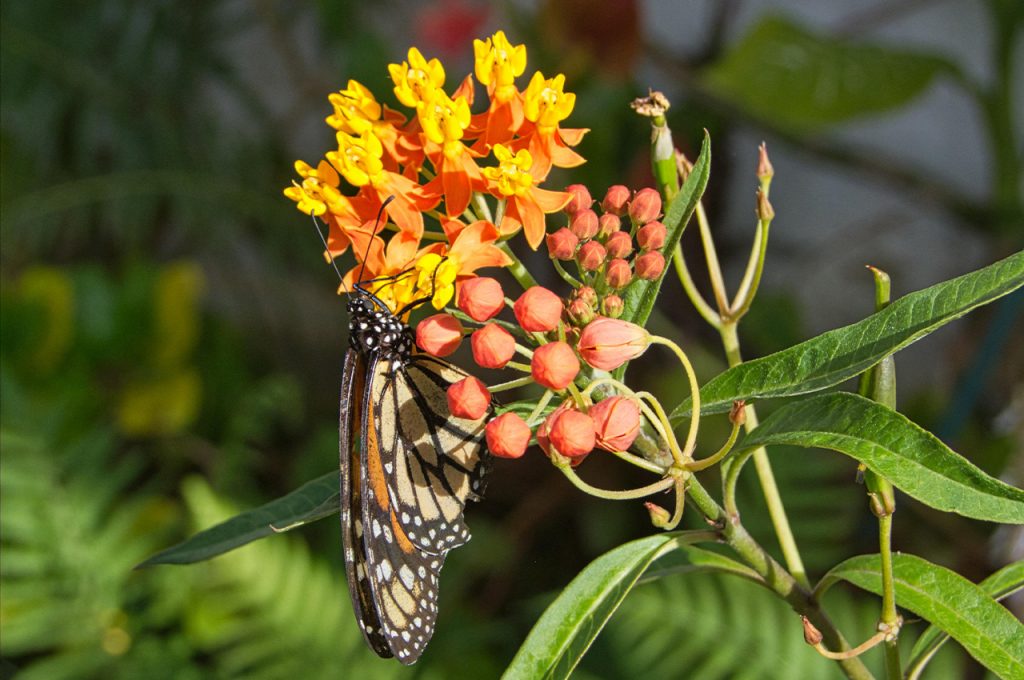
Butterfly weed is a striking perennial that thrives in poor, dry soil, producing bright orange flowers that attract butterflies and bees. Its deep roots help it withstand drought, while its vibrant blooms create a focal point in any garden. This hardy plant is resistant to most pests and diseases, requiring little more than sunlight to flourish. Butterfly weed is also a native species in many regions, making it an eco-friendly choice for those looking to support local wildlife. With its bright color and pollinator-friendly nature, this plant enhances curb appeal while promoting a healthy garden ecosystem.
7. Lamb’s Ear (Stachys byzantina)
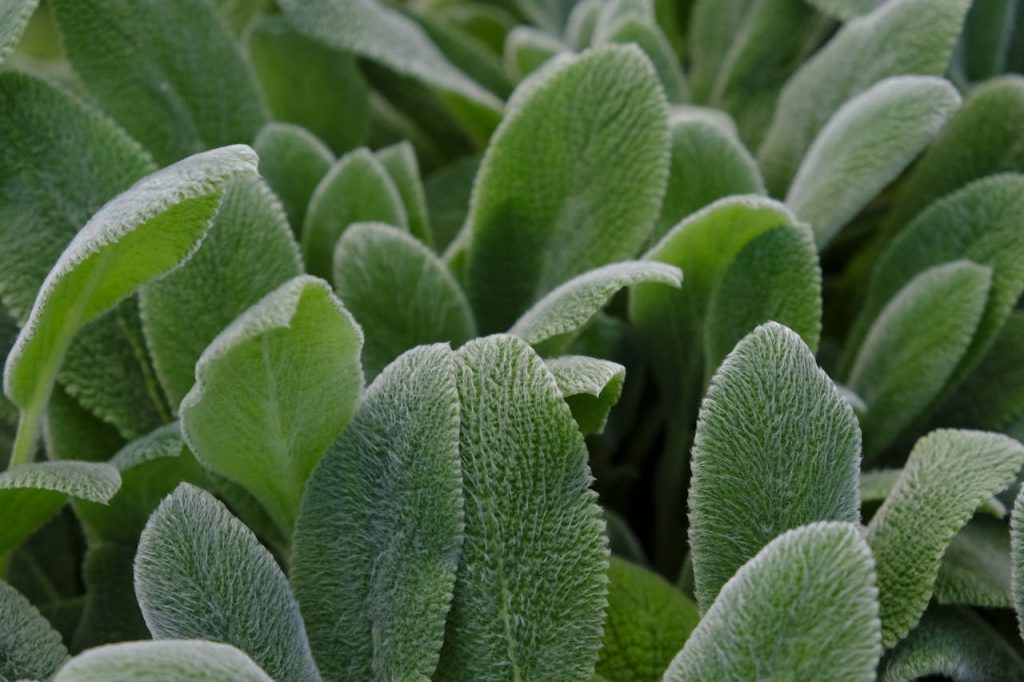
Lamb’s ear is a tough yet visually appealing plant that grows well in poor soil and dry conditions. Its soft, silvery-green leaves add a unique texture to garden beds and borders, creating an interesting contrast to other plants. This drought-resistant perennial requires little maintenance and spreads easily, covering bare ground with its velvety foliage. Lamb’s ear is particularly effective in rock gardens, pathways, and edging due to its compact growth habit. Its subtle, muted tones provide year-round interest, making it an ideal plant for boosting curb appeal without the hassle of constant upkeep.
8. Daylilies (Hemerocallis spp.)
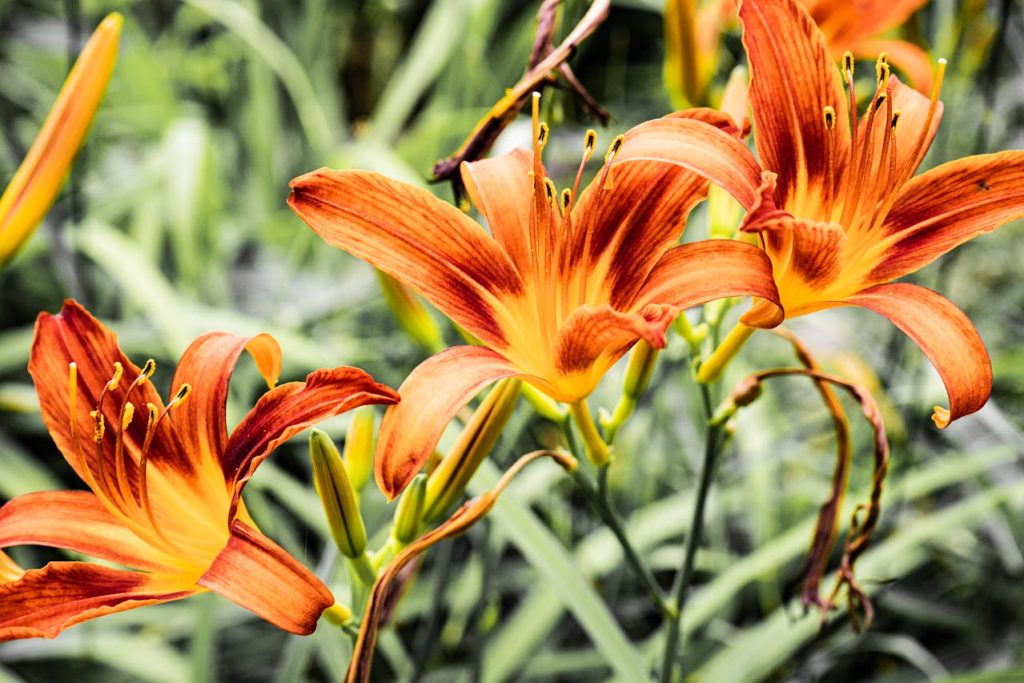
Daylilies are among the most adaptable flowering plants, thriving in poor soil and a variety of growing conditions. Available in countless colors, from deep reds to bright yellows, daylilies bloom throughout the summer with minimal effort. Their extensive root systems help prevent soil erosion, making them ideal for slopes or difficult-to-maintain areas. Once established, these perennials require little watering and are resistant to pests, diseases, and extreme weather. Whether planted in clusters or along borders, daylilies bring vibrant color and easy-care beauty to any landscape, enhancing curb appeal with their cheerful blooms.
9. Hostas (Hosta spp.)
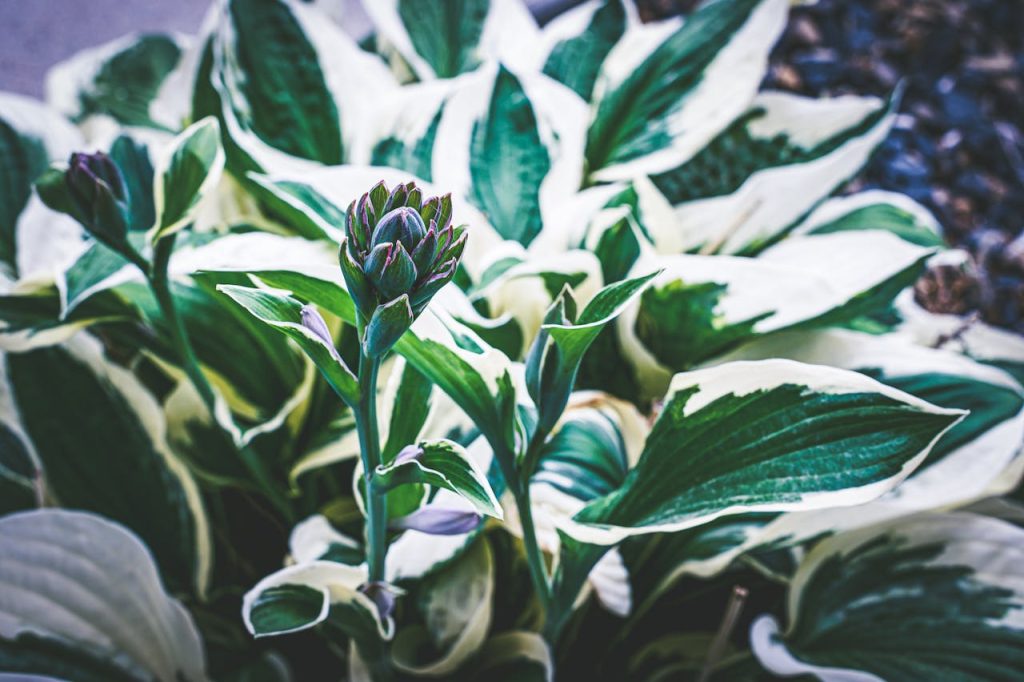
Hostas are a fantastic option for adding lush foliage to shaded areas with poor soil. These hardy perennials come in various shades of green, blue, and gold, creating visual depth and texture in any garden. They require little maintenance once established, thriving in dry or compacted soil where other plants struggle. While hostas prefer some moisture, they are drought-tolerant and can handle neglect. Their large, leafy appearance softens landscapes and adds elegance to walkways and borders. With minimal effort, hostas can enhance curb appeal by providing a full, vibrant look even in difficult growing conditions.
10. Coreopsis (Coreopsis spp.)
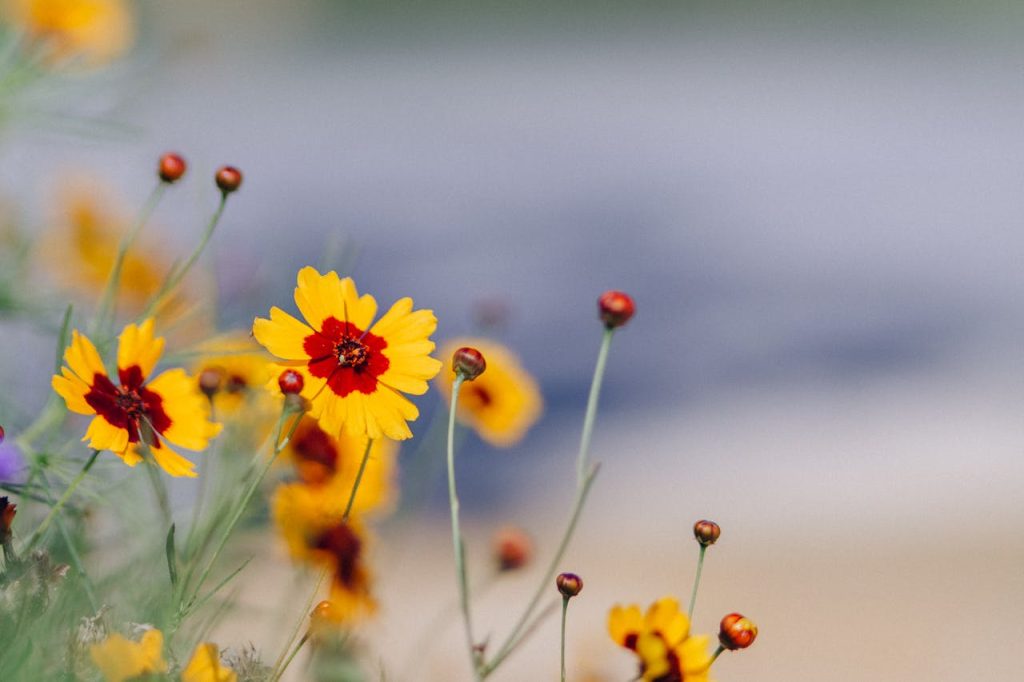
Coreopsis, commonly known as tickseed, is a cheerful, easy-to-grow perennial that thrives in poor, sandy, or rocky soil. With its bright yellow, red, or pink daisy-like blooms, it brings a lively energy to any garden. Coreopsis is highly drought-tolerant and requires little watering, making it perfect for homeowners who want beauty without high maintenance. This plant blooms for months, offering continuous color throughout the summer and into fall. Its ability to attract pollinators and resist common plant diseases makes it an excellent choice for boosting curb appeal with minimal effort.
11. Lavender: Fragrant and Low-Maintenance
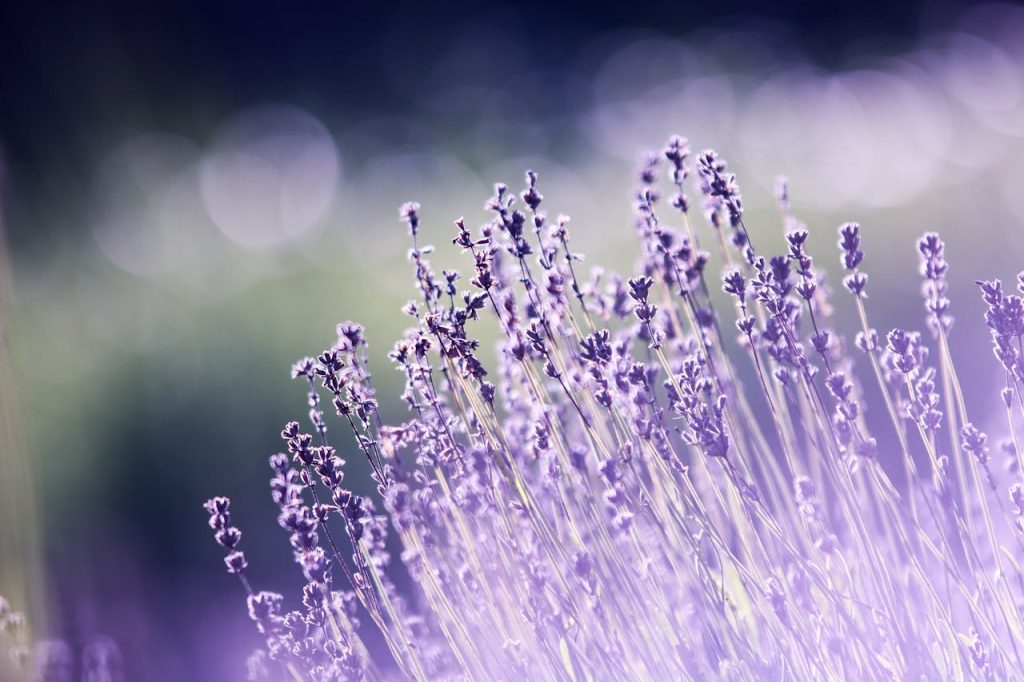
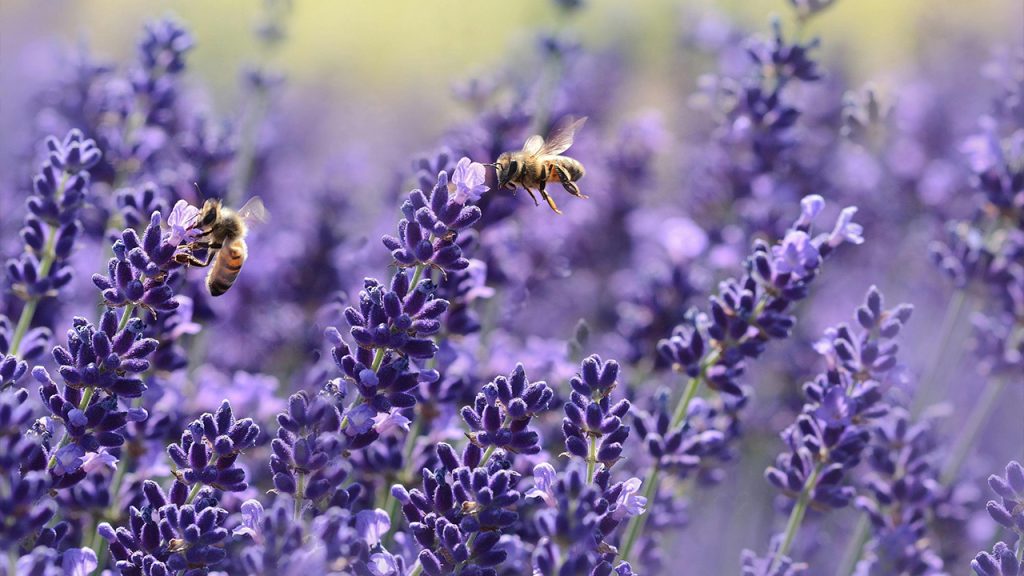
Lavender is not only beautiful but also incredibly resilient, thriving in poor, dry, and sandy soil. Its fragrant purple flowers create a calming atmosphere, making it a favorite for gardens and walkways. Lavender requires little water once established, making it a great option for drought-prone areas. It repels pests like mosquitoes and attracts pollinators such as bees and butterflies, benefiting the surrounding environment. Whether planted in borders, containers, or flower beds, lavender adds an elegant touch to any landscape while requiring little care, making it a great choice for curb appeal with lasting charm.
12. Catmint (Nepeta spp.)
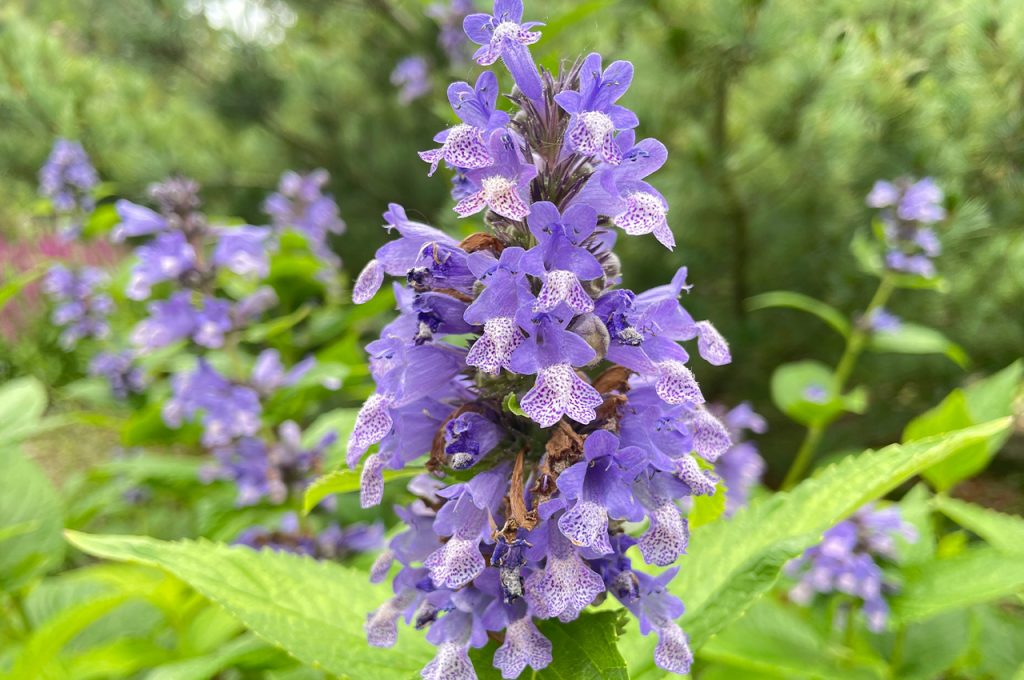
Catmint is a hardy perennial that grows well in poor soil, producing soft lavender-blue flowers and fragrant, gray-green foliage. Its drought tolerance and resistance to pests make it a fantastic choice for low-maintenance landscaping. Catmint spreads easily, filling in gaps with its cascading flowers, which bloom for an extended season. It thrives in dry conditions and can handle neglect while still looking lush and attractive. Whether used along pathways or as a ground cover, catmint’s delicate beauty and resilience make it an excellent choice for enhancing a home’s exterior appeal.
13. Blanket Flower (Gaillardia pulchella)
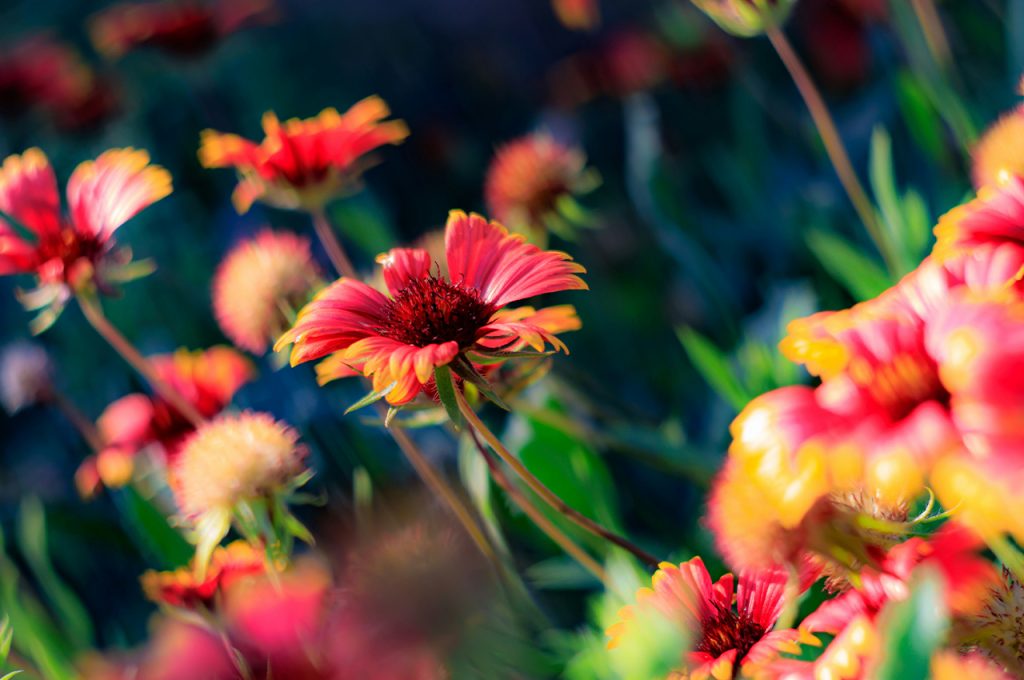
Blanket flowers, or Gaillardia, thrive in poor, dry soil and full sun, producing bright red, yellow, and orange blooms. These cheerful perennials can withstand extreme heat and drought while continuously blooming from early summer to fall. Their deep taproots allow them to access nutrients in low-quality soil, making them ideal for challenging garden spots. Blanket flowers attract butterflies and other pollinators while being deer-resistant, reducing the need for additional maintenance. With their long-lasting blooms and vibrant colors, they add eye-catching appeal to any landscape with minimal effort.
14. Creeping Thyme (Thymus serpyllum)
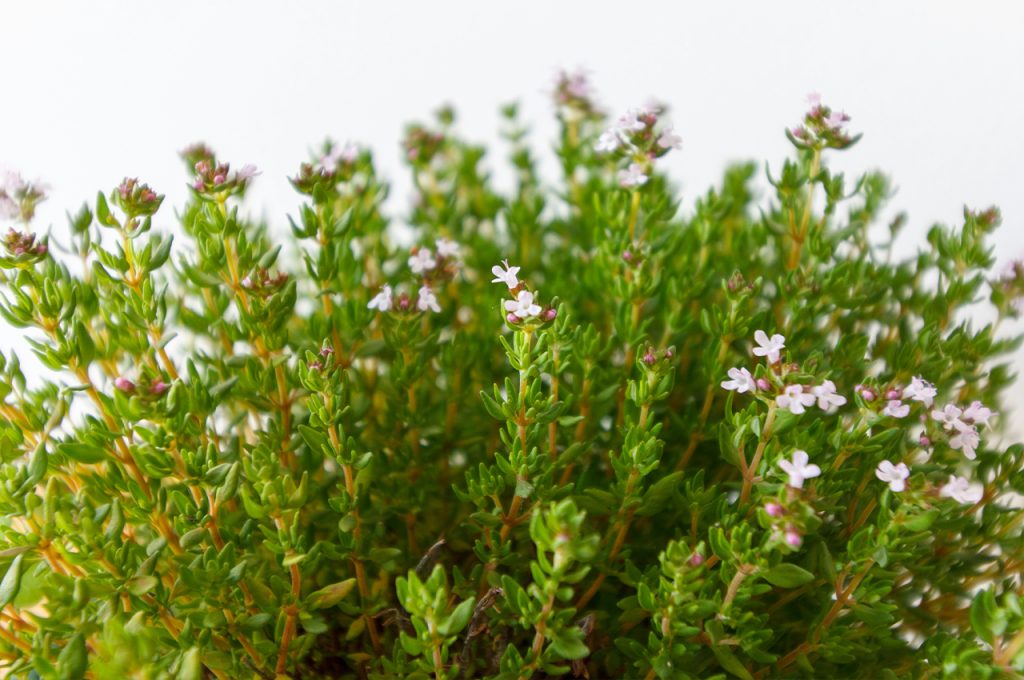
Creeping thyme is an excellent choice for homeowners looking to fill empty spaces with low-maintenance greenery. This hardy ground cover thrives in poor, rocky soil and requires little water once established. Its tiny purple or pink flowers bloom in summer, creating a soft, carpet-like effect along pathways or garden beds. Creeping thyme can also be used between stepping stones, adding charm and functionality to walkways. In addition to its beauty, it releases a pleasant fragrance when stepped on, making it a delightful, practical addition to any outdoor space.
15. Zinnias (Zinnia spp.)
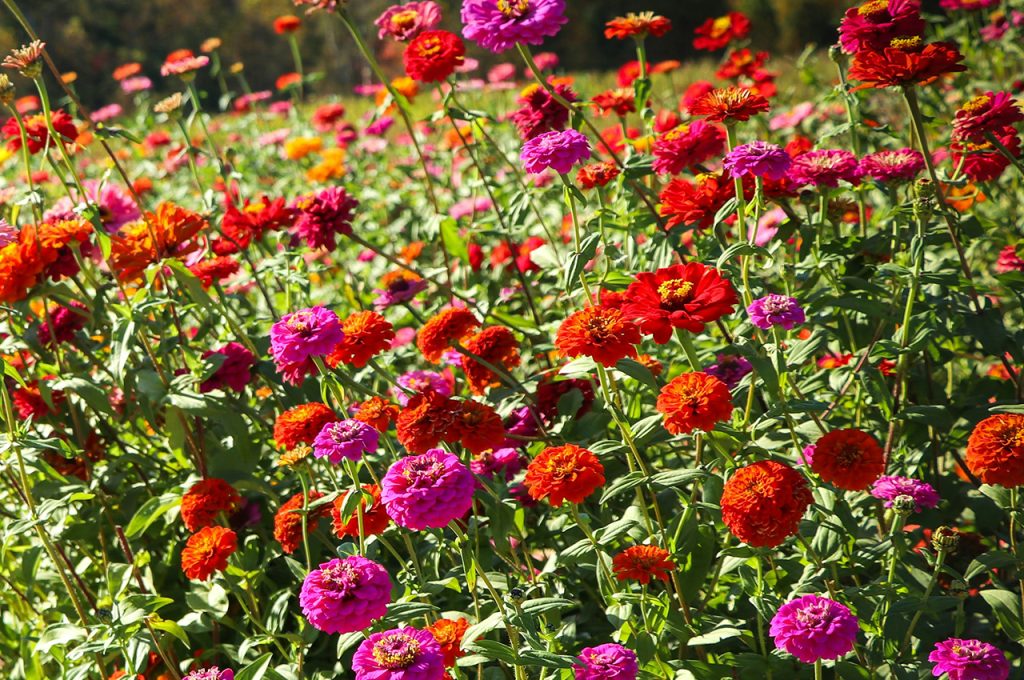
Zinnias are one of the easiest flowers to grow, thriving in poor soil while producing bold, colorful blooms in shades of red, pink, orange, and yellow. These annuals bloom quickly and last throughout the summer, adding instant curb appeal. They are highly drought-tolerant and require little care beyond occasional watering. Zinnias also attract butterflies, creating a lively garden atmosphere. Since they self-seed easily, they return each year with minimal effort. Whether planted in beds, borders, or containers, zinnias offer a simple, stunning way to brighten up your yard.